


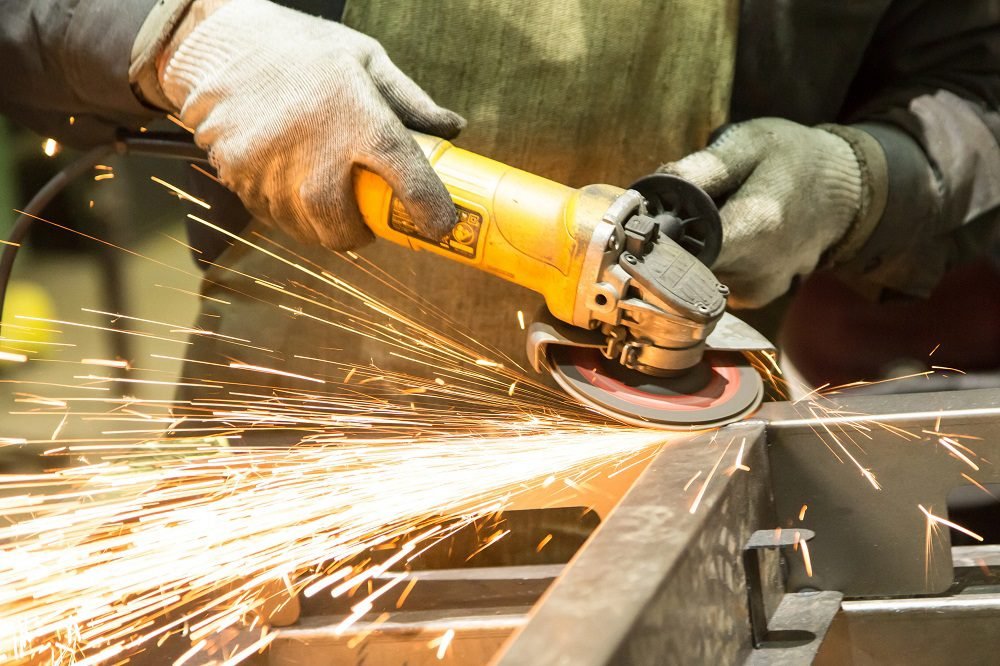
A grinder is the tool most people already own when they first need to cut a piece of steel, so the question can a grinder cut steel usually comes with a bar of it sitting on the bench. The honest answer is yes, an angle grinder with the right disc cuts mild steel, stainless and even hardened steel cleanly, and it is the most common cutting tool on any site for good reason. The rest of the answer is about limits. There is a thickness where the grinder becomes slow and dangerous, a type of disc that must never be used for cutting, and a handful of jobs where a saw or a torch does it better. This article covers all of it.
Can a Grinder Cut Steel? Yes With the Right Disc
An angle grinder cuts steel because a thin abrasive disc spinning at around 11,000 revolutions a minute wears a slot through the metal faster than the metal can heat up. The whole trick is in the disc, and the difference between a cutting disc and a grinding disc is the single most important thing to know before switching the tool on.
A Thin Cut Off Disc Is the Only Disc That Cuts
Cutting discs are between 1.0 and 2.5 millimetres thick, made of abrasive grain in a resin bond and reinforced with fibreglass mesh. The thin edge removes very little metal, so the cut is fast, cool and narrow. For stainless steel buy a disc marked inox, which is made without iron or sulphur so it does not contaminate the surface. For hardened steel the same disc works but wears faster, and a ceramic grain disc from a good grinding discs supplier is worth the extra cost.
Never Cut With a Grinding Disc
A grinding disc is 6 millimetres thick and designed to take pressure on its face. Turned on edge and pushed into a cut it binds, overheats and can shatter, and a disc breaking at 11,000 revolutions a minute is the most serious accident an angle grinder can cause. The guard, the face shield and the rule about never removing either exist mostly because of this.
Which Grinders Cut and Which Only Grind
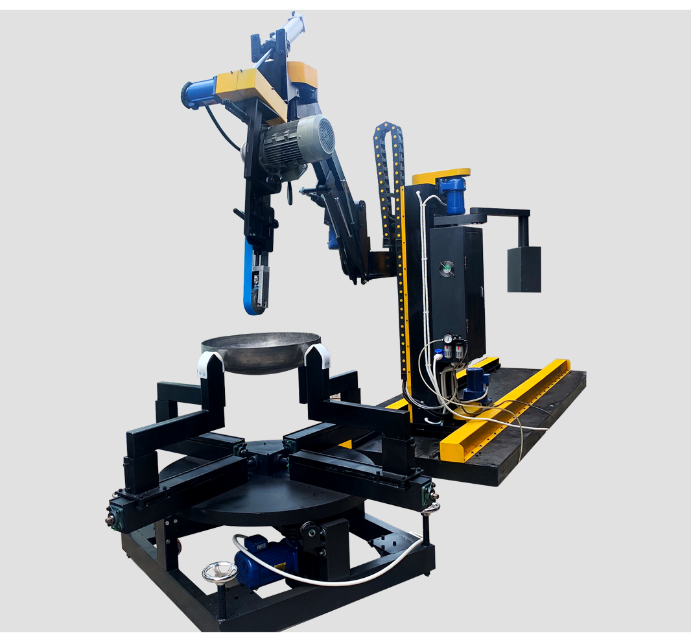
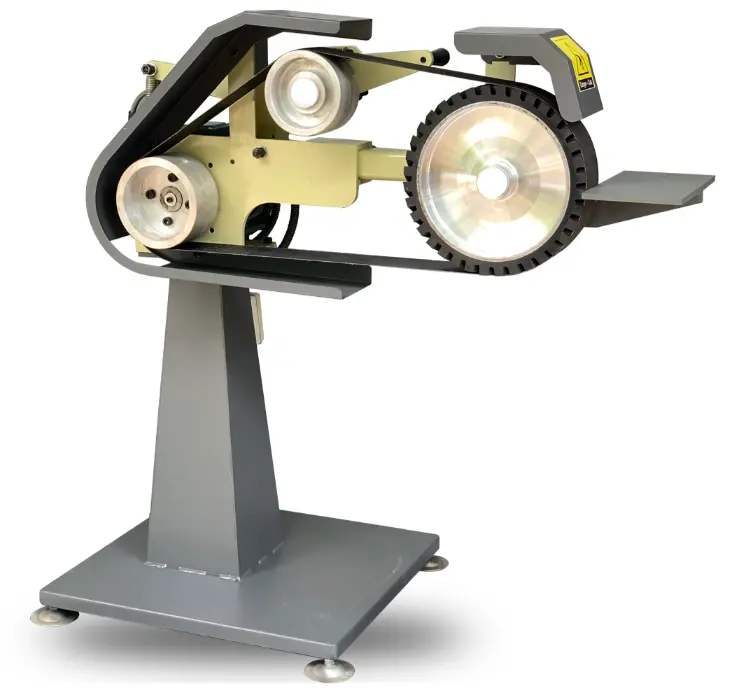
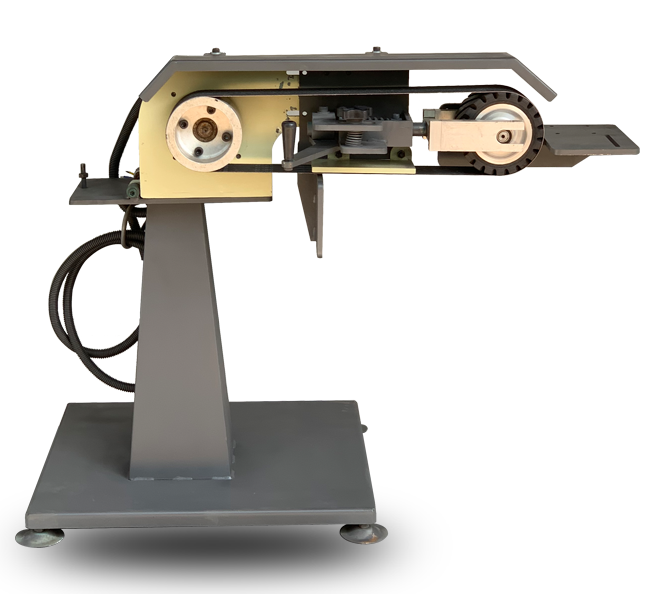
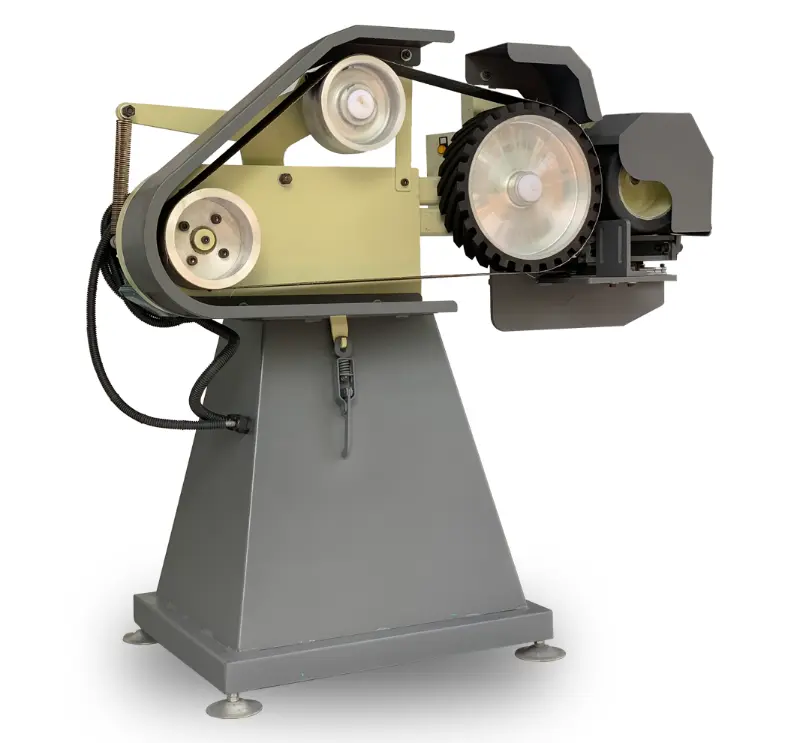
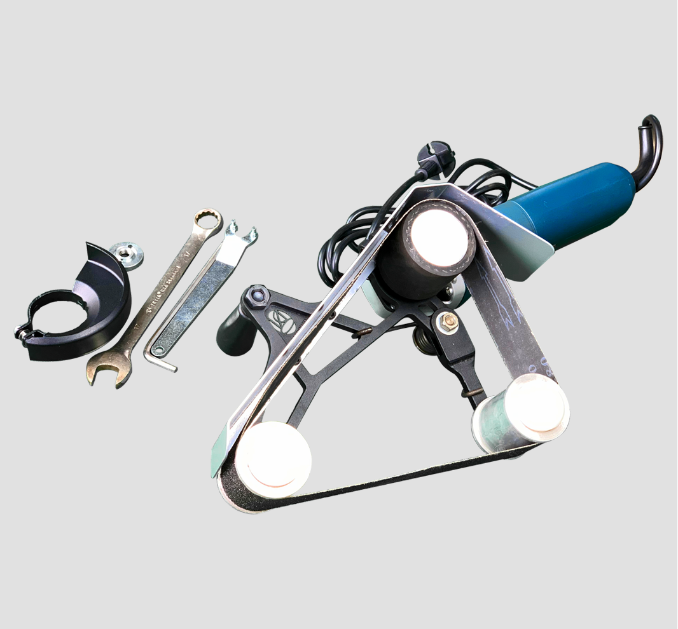
An angle grinder cuts. A bench grinder does not, because its thick stone wheels are made for sharpening and shaping, not for slicing. A die grinder with a tiny cut off wheel can cut thin sheet and bolts but nothing structural. A belt grinder does not cut at all, but it is the tool that finishes the edge the angle grinder leaves behind. Cutting and finishing are different jobs done by different machines, which is the first lesson in what tools are needed for metal fabrication and the one most beginners skip.
How Thick a Steel Can an Angle Grinder Cut
A 115 millimetre grinder cuts roughly 30 millimetres deep before the gearbox touches the work, and a 230 millimetre grinder reaches about 70 millimetres. Anything thicker is cut from two sides, which is slow and rarely straight.
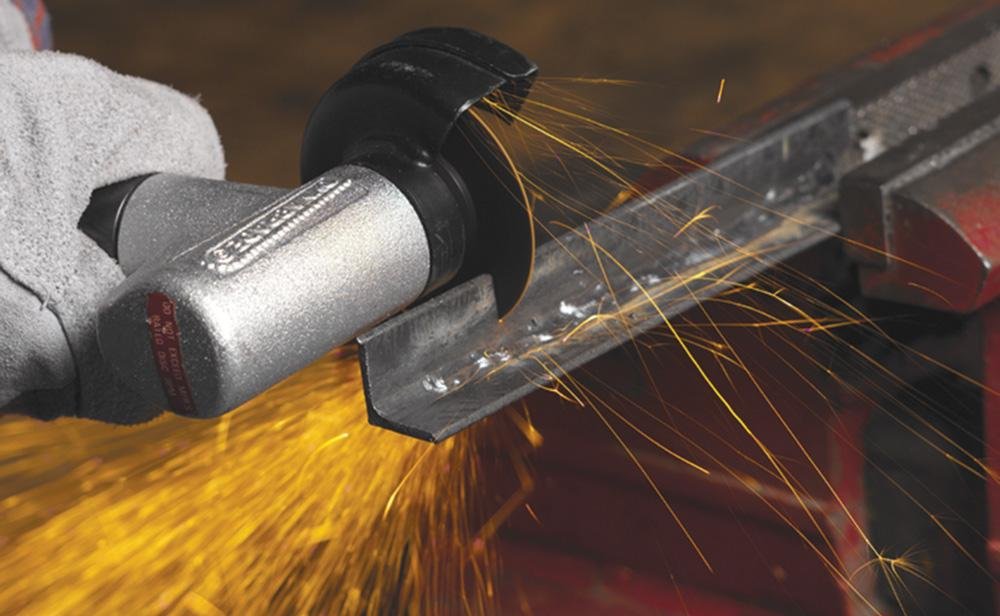
Angle Grinder Cut Steel
In practice an angle grinder is at its best on sheet, tube, angle, flat bar and rebar up to about 10 millimetres, and it becomes a chore on plate above that. Speed drops, discs wear out in a few cuts, and the operator starts leaning on the tool, which is exactly when kickback happens.
Cutting Safely and Straight
Most grinder accidents come from three things: a disc that was not inspected, a workpiece that was not clamped, and a cut that pinched. All three are avoidable in the first minute.
Clamp It and Check the Disc
Clamp both sides of the cut so the slot cannot close on the disc as the metal drops. Look at the disc for chips, cracks and a speed rating that matches the grinder, and throw away anything doubtful. Wear a face shield, not just glasses, and cotton or leather rather than anything synthetic that melts under sparks.
Mark the Line and Let the Disc Work
Mark the line, make a shallow scoring pass along it, then cut through in one or two steady passes with the disc square to the surface and only light pressure. Forcing the tool makes the disc wander and heats the steel blue. Where to stand and where the sparks should go matter as much as the disc, and learning how to cut steel with a grinder properly before the first cut on anything expensive pays for itself.
Use a Guide for Anything That Has to Fit
Freehand cuts wander by a millimetre or two. For a cut that has to be square or repeated, clamp a piece of angle as a fence or put the grinder in a chop stand. It costs a minute and saves the part.
When a Grinder Is the Wrong Tool for the Job
A grinder is the right answer for one off cuts on bar, tube and sheet. It is the wrong answer for three kinds of work, and knowing them saves discs, time and fingers.
Repeat Cuts Belong on a Chop Saw or a Bandsaw
Fifty identical lengths of tube take an afternoon with a grinder and half an hour on a chop saw, and every one will be square. A horizontal bandsaw cuts thick bar slowly but with no heat, no sparks and no operator standing over it.
Plate Belongs to Plasma or Oxy Fuel
Above about 12 millimetres a grinder is fighting the material. A plasma cutter goes through 25 millimetre plate in one pass and oxy fuel goes through far more. Both leave a rough edge, which brings the belt grinder back into the picture for the finishing step.
The Edge After the Cut Belongs on a Belt Grinder
Every cut off disc leaves a burr and a heat mark, and on anything a person will touch or a coating will cover that edge has to be dressed.
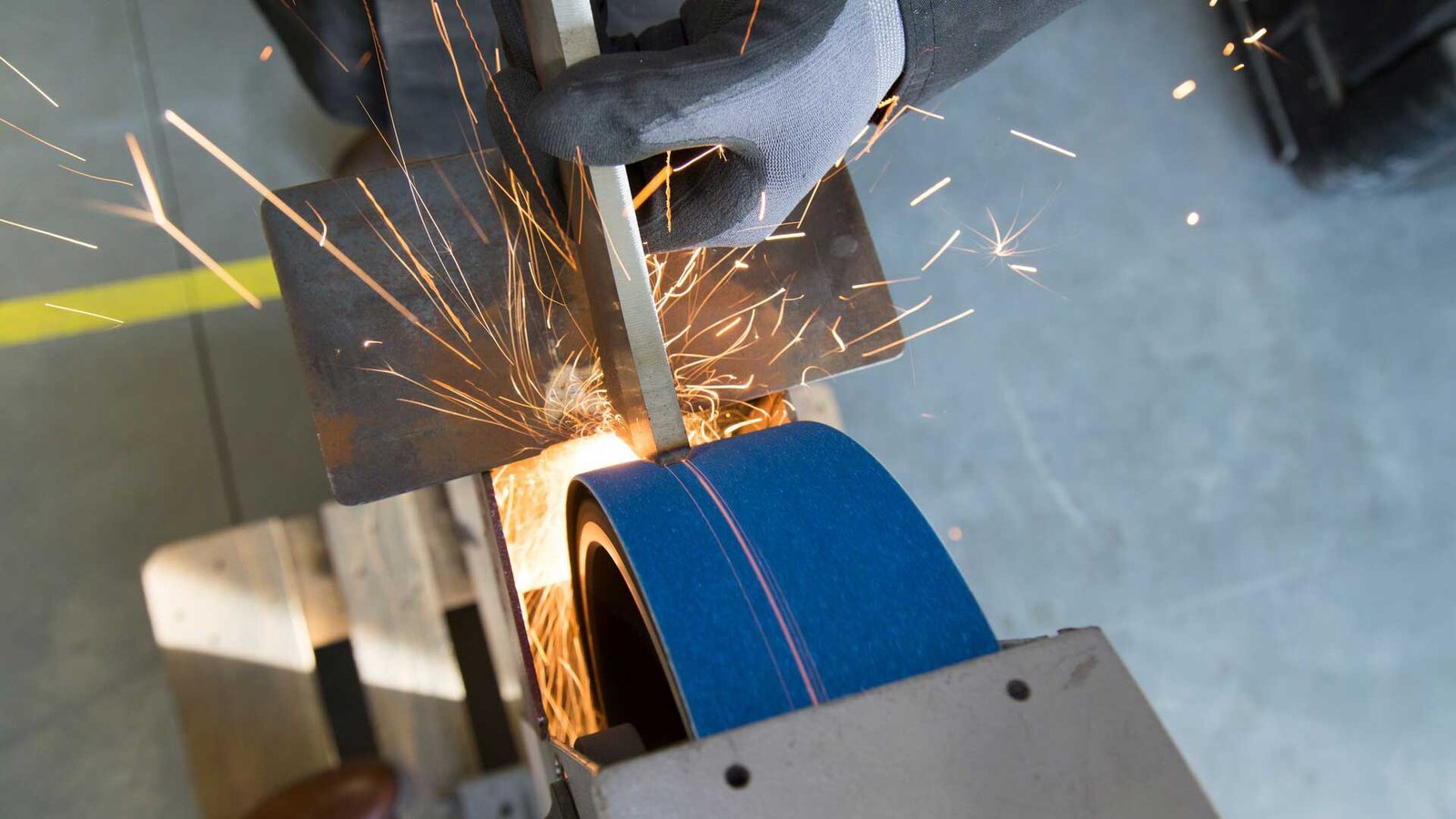
Belt Grinder
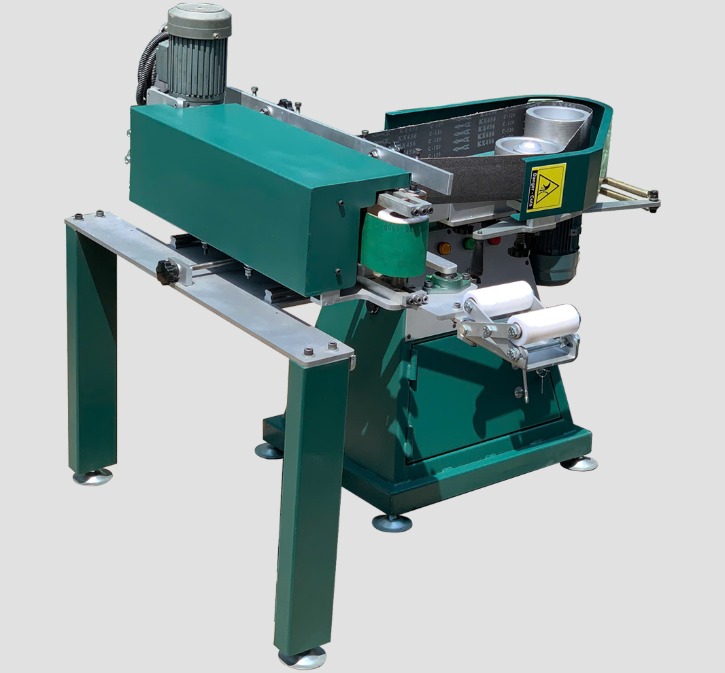
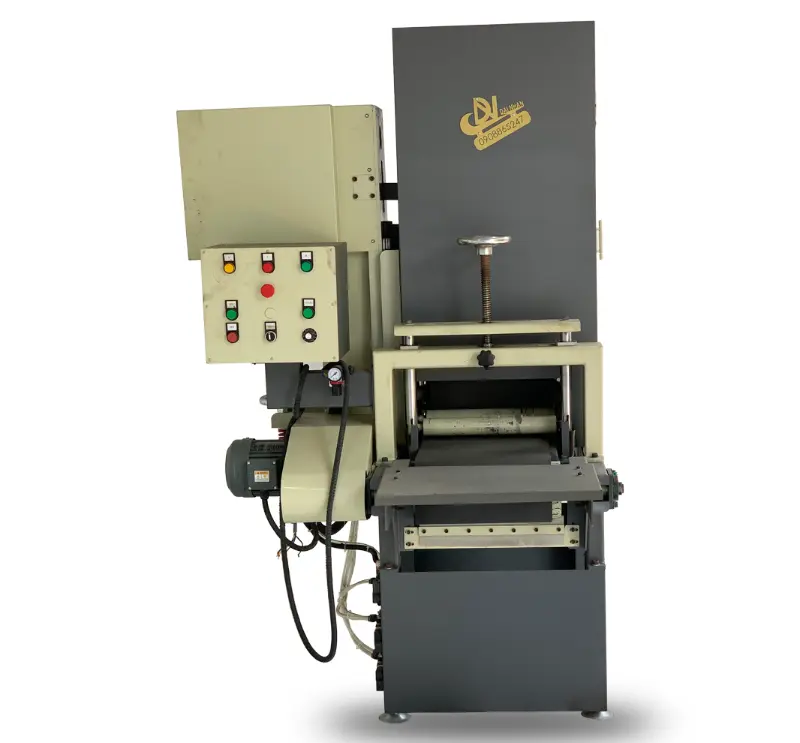
In a production shop that step is done on an industrial belt sander for metal that deburrs and squares the edge in one pass. Doing it with the same angle grinder and a flap disc works for a few parts, and grinding steel without overheating it is a separate skill from cutting.
Conclusion
Can a grinder cut steel? Yes, cleanly and quickly, as long as it is an angle grinder wearing a thin cut off disc, the work is clamped on both sides and the operator lets the disc do the work. It handles sheet, tube and bar up to about 10 millimetres with ease and thick plate with difficulty, and it should give way to a chop saw for repeat cuts, plasma for plate and a belt grinder for the edge that every cut leaves behind.
If the edges you cut have to be finished consistently across hundreds of parts, Dai Nhan Machinery builds belt grinding and deburring equipment for production metalworking. Browse the range on Our Machines, or tell our engineering team what you are cutting and how many a shift and we will suggest a setup.
Read more: Do Belt Sanders Work on Metal? Here’s What We Found


BOLA BAG's BLOG YOU MAY ALSO BE INTERESTED IN
Versatility in Metalworking: The Power of an Industrial Belt and Disc Sander
How to Sand With a Belt Sander: A Practical Guide for Clean, Even Results
The Difference Between Export-Standard Tier-1 Grinding Wheel Manufacturers and Budget Brands