


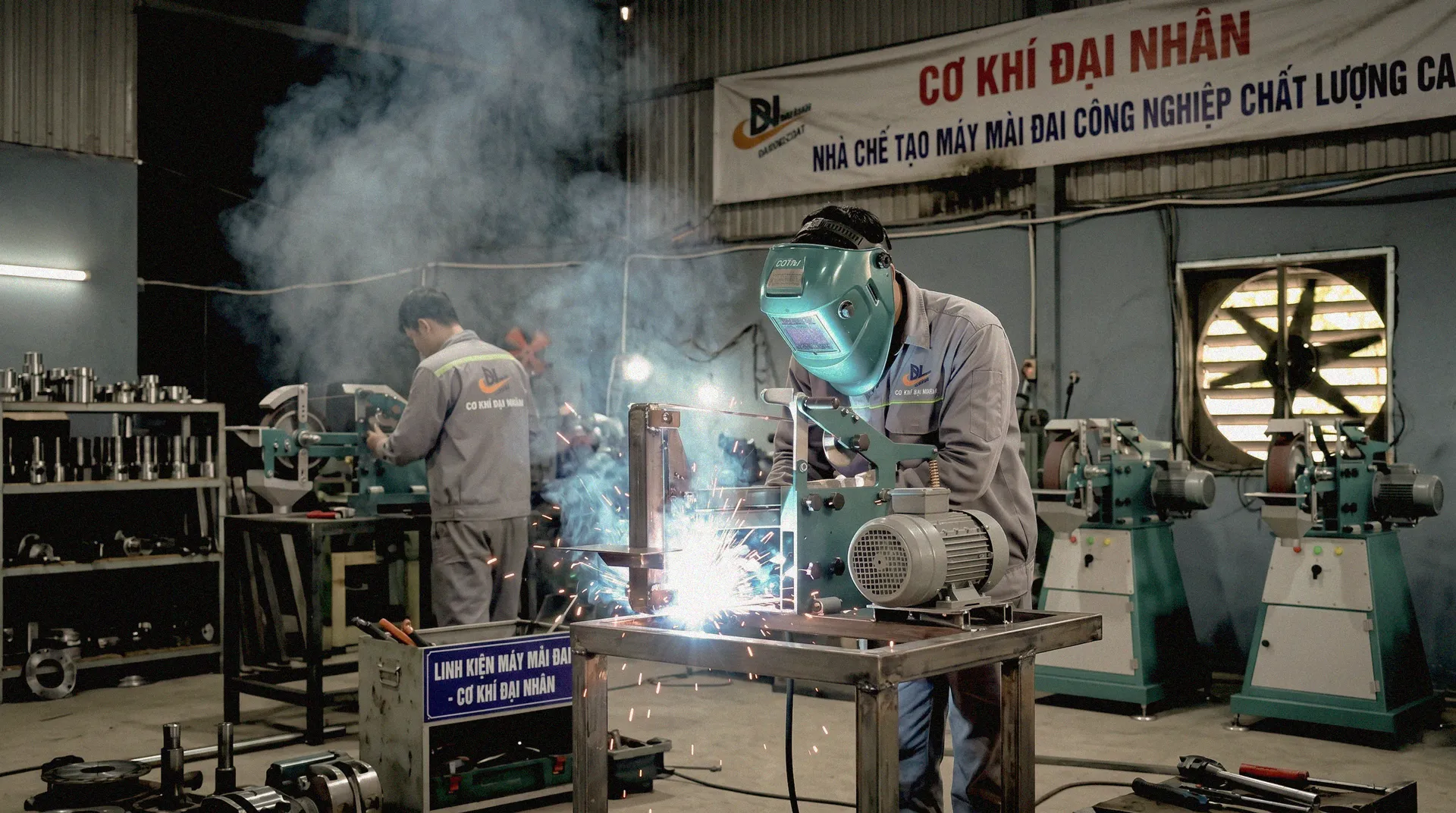
When we talk about metal fabrication, we’re referring to the process of transforming raw metal stock into finished parts or structures through cutting, bending, forming, and joining. Each of these stages requires a different set of tools, and understanding what tools are needed for metal fabrication helps us appreciate why the process demands both precision and preparation. Skipping the right equipment at any stage can lead to wasted material, inaccurate parts, or unsafe working conditions. As we move through this overview, we’ll break down the essential tool categories that support accuracy, safety, and efficiency from start to finish.
Tools for Each Stage of Fabrication
The tools we reach for follow the order of the work itself, moving from marking out raw stock through cutting, forming, joining, and finally finishing. Each stage has its own core kit.
Measuring and Layout Tools
Before any cutting or welding happens, we need to measure and mark the metal accurately. Tape measures, calipers, combination squares, scribes, and marking punches form the backbone of this stage. These tools let us transfer design measurements directly onto the material, ensuring that every cut and bend lines up with the intended design. A small error at the layout stage can multiply into a much larger problem later, so we always emphasize that accuracy here is the true foundation of quality fabrication work. When people first consider what tools are needed for metal fabrication, measuring and layout equipment rarely gets the attention it deserves, yet investing time in careful measuring saves material, time, and frustration down the line.
Cutting Tools and Equipment
Once layout is complete, we move to cutting. Depending on the thickness and type of metal, we might reach for an angle grinder, a plasma cutter, a band saw, shears, or an oxyfuel torch. Manual cutting tools like shears work well for thin sheet metal, while powered options such as plasma cutters and band saws handle thicker plates and structural steel more efficiently. This is often the point where people start asking what tools are needed for metal fabrication in more detail, since choosing between manual and powered cutting methods comes down to project scale, budget, and how much precision the job demands. For high volume or heavy duty work, powered equipment typically saves significant time and effort.
Bending and Forming Tools
After cutting, many projects require shaping the metal into curves, angles, or custom profiles. Press brakes, sheet metal brakes, rollers, and bench vices are the tools we rely on for this stage. These machines apply controlled force to bend metal without cracking or weakening it, which is essential for maintaining structural integrity. Consistency matters here too. A press brake, for example, allows repeated bends at the same angle across multiple pieces, which is critical for production runs where uniformity is expected across every part. Anyone mapping out what tools are needed for metal fabrication at this stage should factor in the size and thickness of material they typically work with, since bending capacity varies widely between machines.
Welding and Joining Equipment
Joining pieces together is often the heart of metal fabrication. We commonly use MIG, TIG, or stick welding, each requiring specific equipment such as a welding machine, appropriate electrodes, and shielding gas where applicable. MIG welding tends to be faster and more forgiving for beginners, while TIG welding offers more control for detailed or thin material work. Stick welding remains popular for outdoor or heavy structural jobs. Beyond welding, we sometimes turn to riveting or soldering when a mechanical or lower heat joint is more appropriate for the application, particularly with certain metals or assemblies that shouldn’t be exposed to high welding temperatures.
Grinding, Finishing, and Surface Preparation Tools
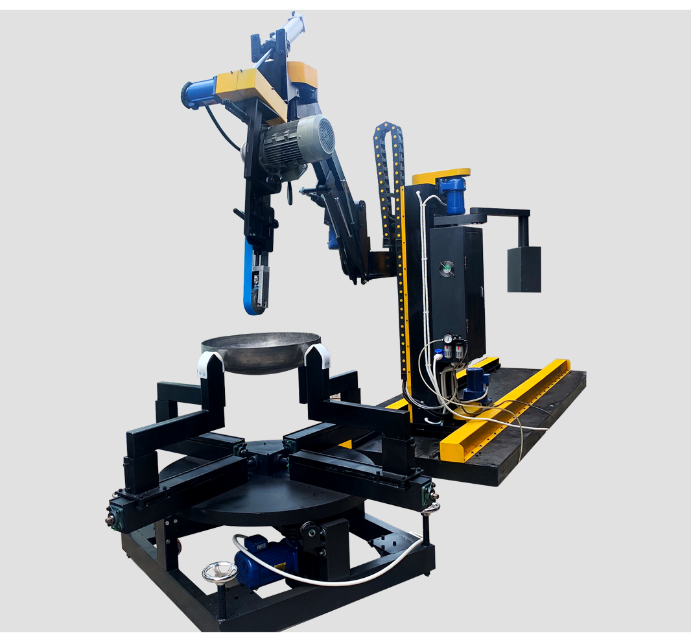
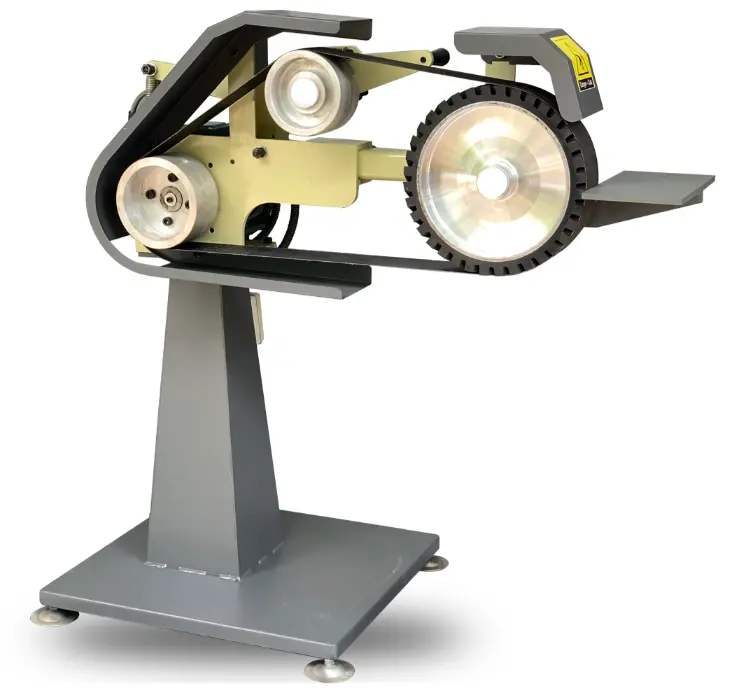
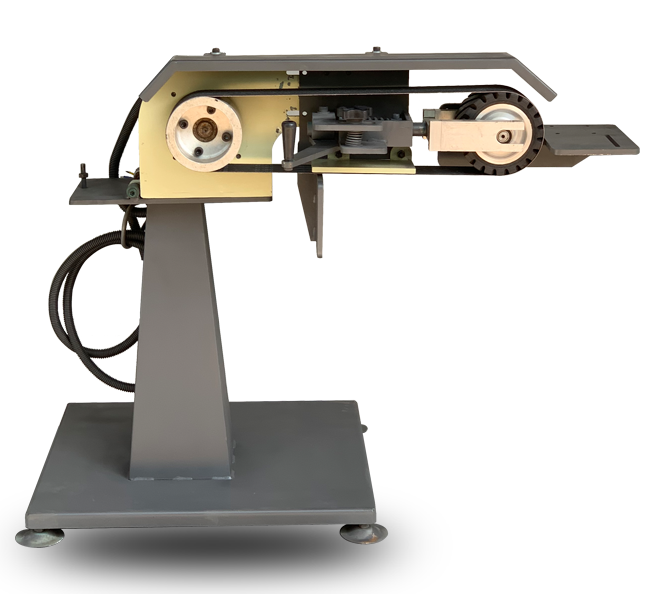
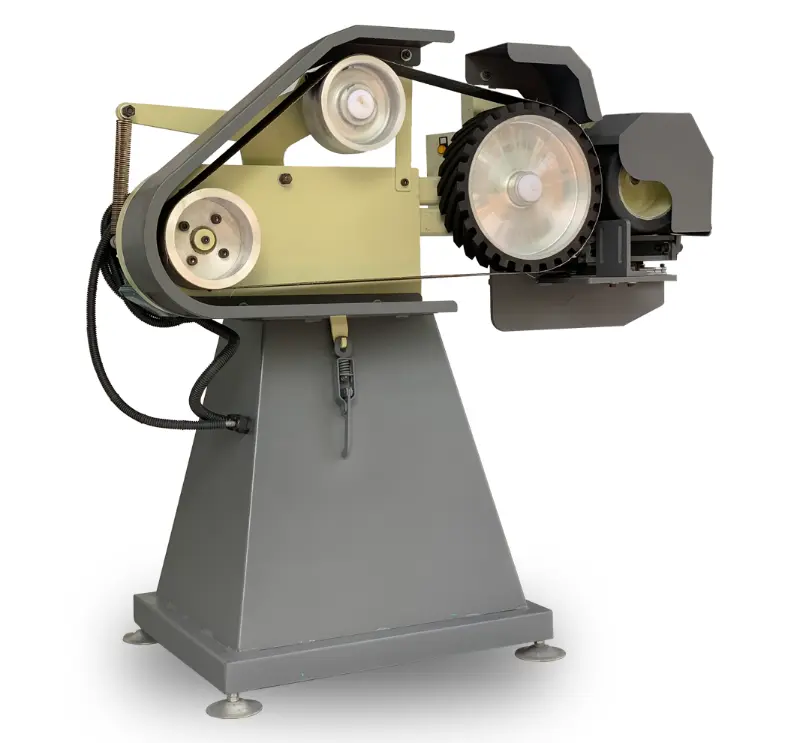
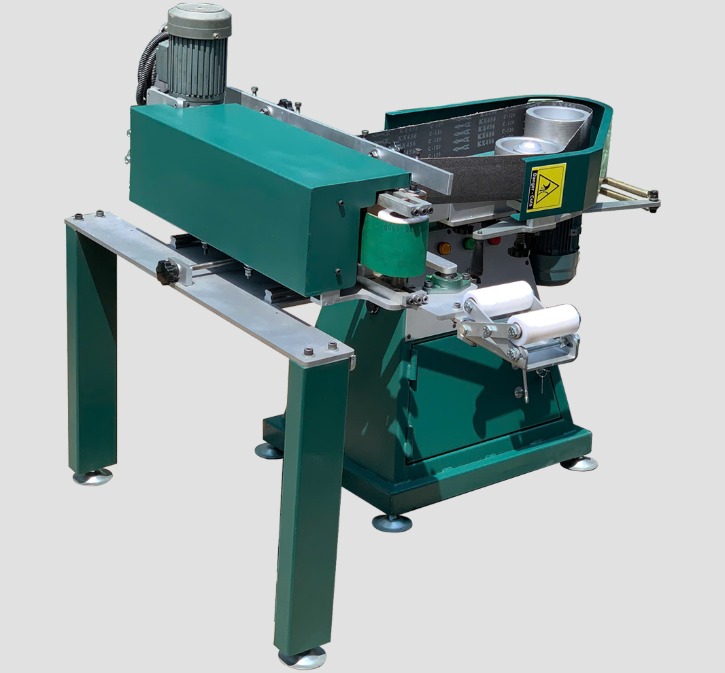
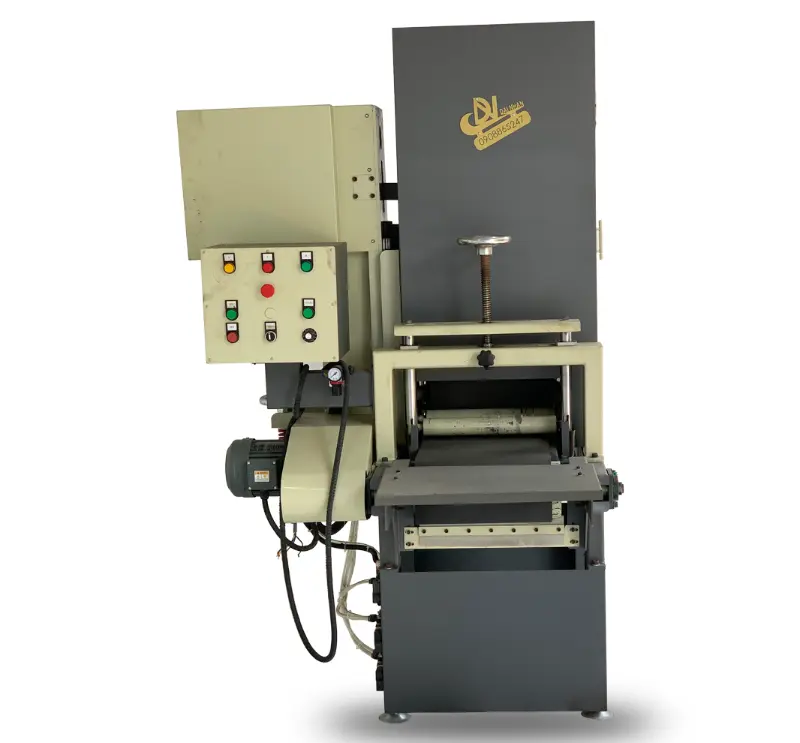
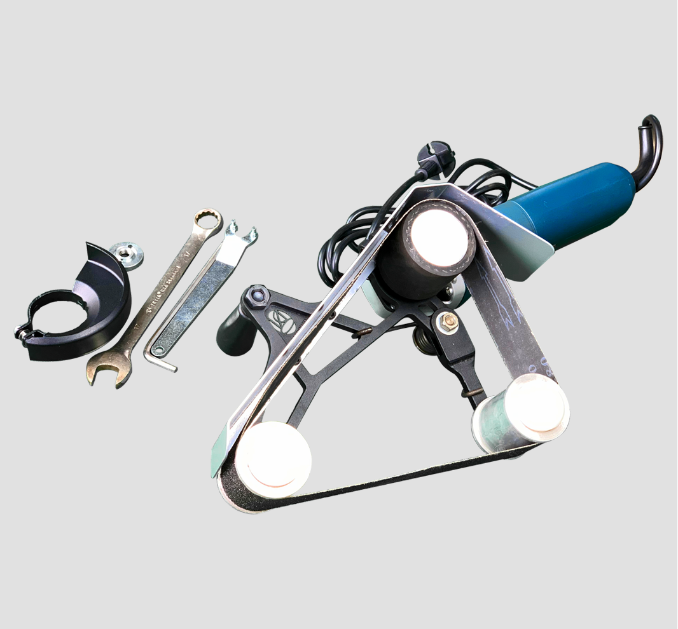
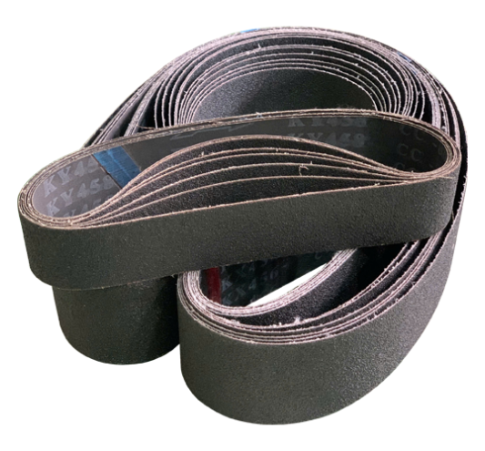
Once pieces are welded or assembled, finishing work begins. This is where an industrial belt grinder, industrial belt sander, wire brush, or polishing tool becomes essential. Whether we’re using a vertical belt grinder to smooth a weld seam, sanding belts for stainless steel to prepare a surface for coating, or a belt disc sander for metal work to remove burrs, this stage directly affects both appearance and durability.
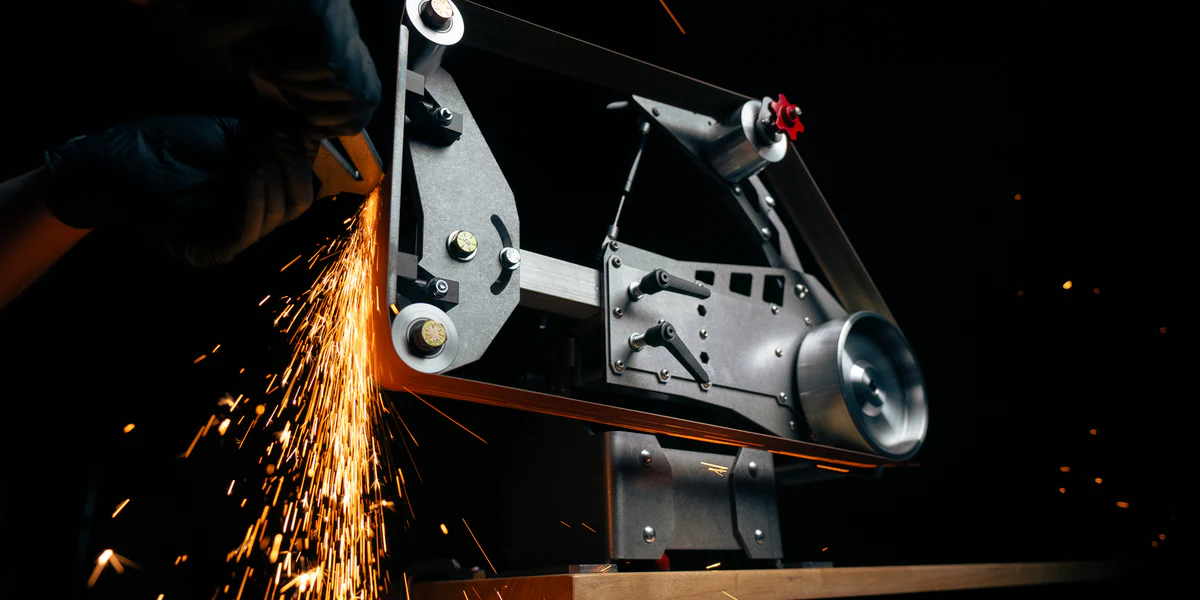
OEM/ODM Belt Grinder Manufacturer – Dai Nhan Machinery
A metalworking belt grinder or industrial belt and disc sander helps achieve a clean, even surface, while tube polishing machines and pipe polishing machines are often used for round or square tube and pipe work where a mirror like finish is required. Proper surface preparation also ensures paints or coatings adhere correctly, extending the lifespan of the finished product.
Safety Equipment for Metal Fabrication
Given the sharp edges, sparks, and heat involved, safety gear is nonnegotiable. We always recommend heavy duty gloves, a welding helmet with proper shading, safety glasses, hearing protection, and fire resistant clothing. This part of the list is often overlooked when people first ask what tools are needed for metal fabrication, yet it’s just as critical as any other category. Metal fabrication involves multiple hazards, from flying debris during grinding to intense light during welding, so wearing the correct protective equipment at each stage significantly reduces the risk of injury. Even experienced fabricators never skip this step, since the consequences of an oversight can be serious and long lasting.
Hand Tools Every Fabricator Should Have
Alongside the larger machinery, a set of reliable hand tools remains indispensable. Hammers, files, clamps, wrenches, and pliers support countless small tasks throughout a fabrication project, from holding pieces in place to smoothing rough edges or making minor adjustments. These tools might seem basic compared to a plasma cutter or press brake, but we find that no workshop is truly complete without them. Any honest answer to what tools are needed for metal fabrication has to include this humble hand tool collection, since they often bridge the gap between machine work and the fine adjustments that give a finished piece its polish.
Specify Your Finishing Station
Of every stage covered here, finishing is where the equipment choice shows most plainly in the final part. Dai Nhan Machinery manufactures belt grinders, belt and disc sanders, and other finishing equipment for fabrication shops, with OEM and ODM production for distributors. Tell Dai Nhan Machinery what you fabricate and we will help you match the machine to the material and the throughput.
Conclusion
The tools we need change significantly depending on the scale of the project. A hobbyist working on small home projects might get by with basic hand tools, a bench grinder, and a simple welder. A workshop handling regular custom orders may need an industrial bench sander, a steel belt grinder, and more capable cutting equipment. Industrial production, on the other hand, often calls for specialized machinery like wide belt sanders for metal finishing, custom belt grinders, or dedicated plate grinding machines to keep up with volume and consistency demands. Ultimately, what tools are needed for metal fabrication depends heavily on the scale and complexity of your project, so we suggest evaluating your typical projects, the types of metal you work with most often, and your available budget before making equipment investments. Understanding what tools are needed for metal fabrication gives us a clearer picture of how raw metal becomes a finished, functional product. From measuring and cutting to bending, welding, finishing, and safety, each stage relies on specific tools working together. Whether we’re setting up a small home workshop or planning for larger production needs, matching the right tools to the scale and complexity of our projects makes all the difference in achieving accurate, safe, and durable results.
Read more: Partnering with Dai Nhan OEM Engineering for the Industrial Belt Sander Machine


BOLA BAG's BLOG YOU MAY ALSO BE INTERESTED IN
How to Cut Steel With a Grinder: Straight, Safe, and Without Wrecking the Disc
Operational Mistakes With Export Standard Industrial Belt Sander Equipment
How Grinding Wheel Wholesalers Keep Up with High-Volume Fabricator Demands