


A carpenter fitting a door, a floor layer levelling old boards, a welder cleaning up a frame and a furniture factory flattening panels all reach for the same kind of machine. They would each describe it differently. Ask what is belt sander used for and the honest answer depends on who is holding it. The tool is simple: a loop of abrasive running fast in one direction over a flat plate. What changes from trade to trade is the size of the machine, the belt fitted and the job it saves hours on. This guide goes through the trades one by one, then covers the belt that makes each job possible and the point where a handheld tool gives way to a fixed machine.
What Is Belt Sander Used For
A belt sander is used to take material off a surface quickly and evenly. Because the belt travels in a straight line, it cuts faster than any sander that vibrates or spins, and it keeps a flat surface flat. That makes it the tool for the rough, early part of a job: bringing a surface level, removing what should not be there and getting close to the final shape. A finer sander usually finishes what the belt sander starts.
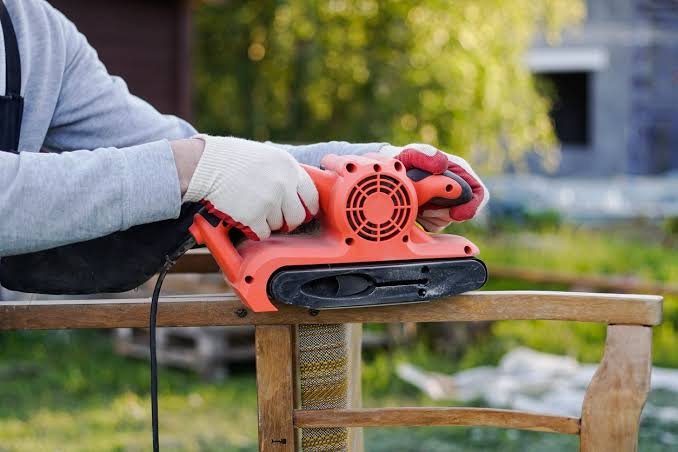
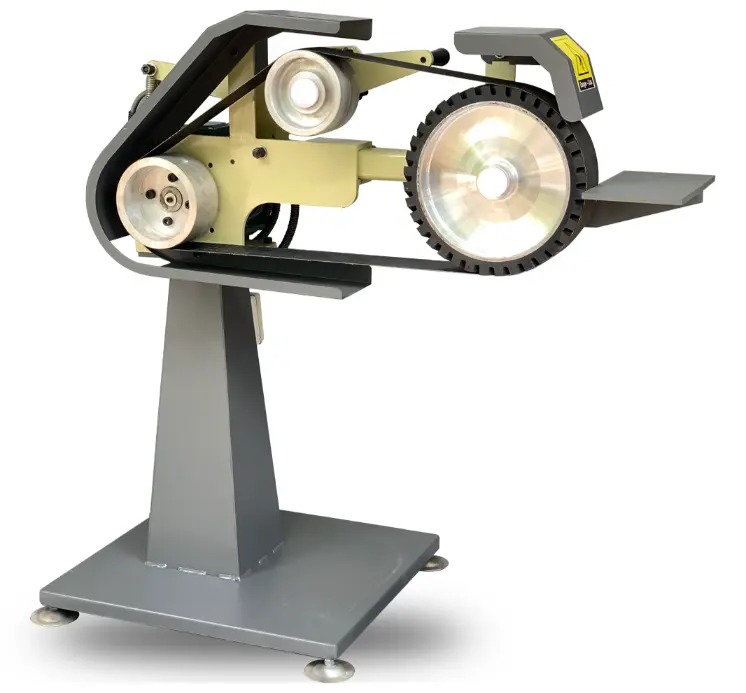
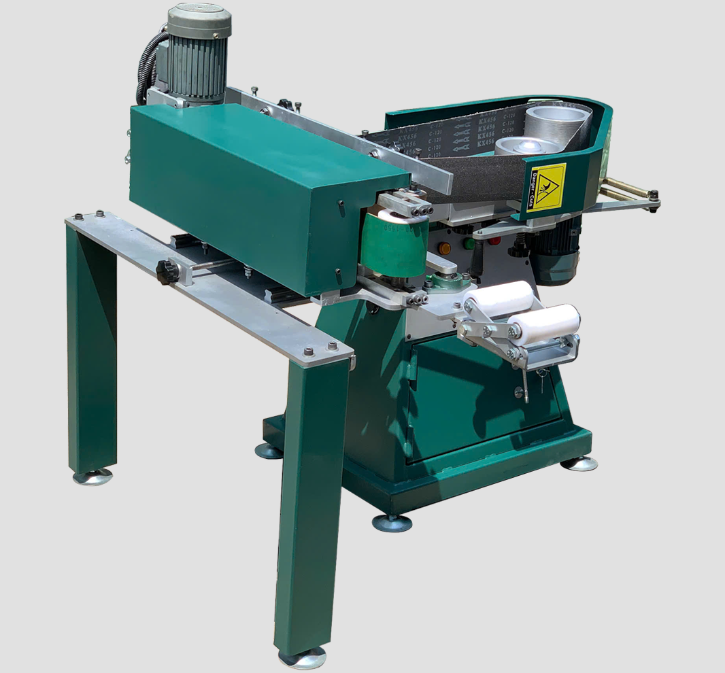
Belt Sander
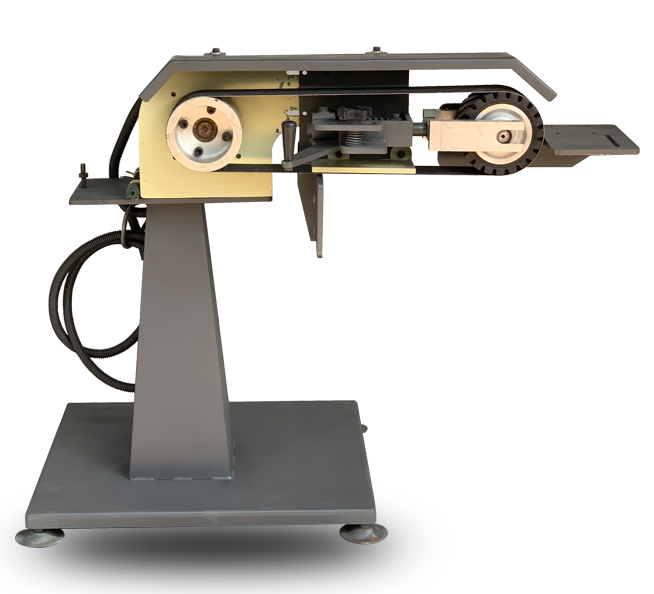
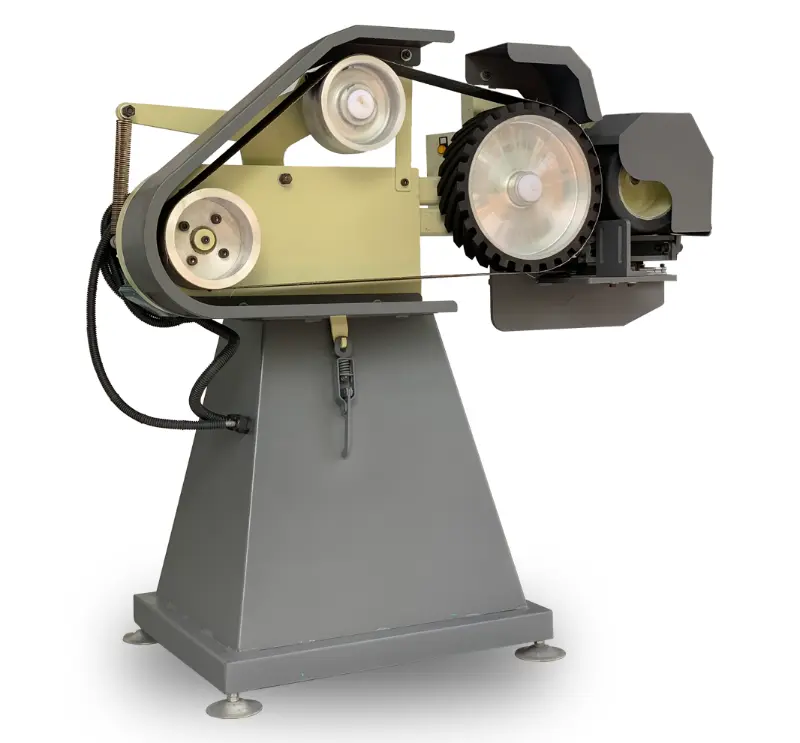
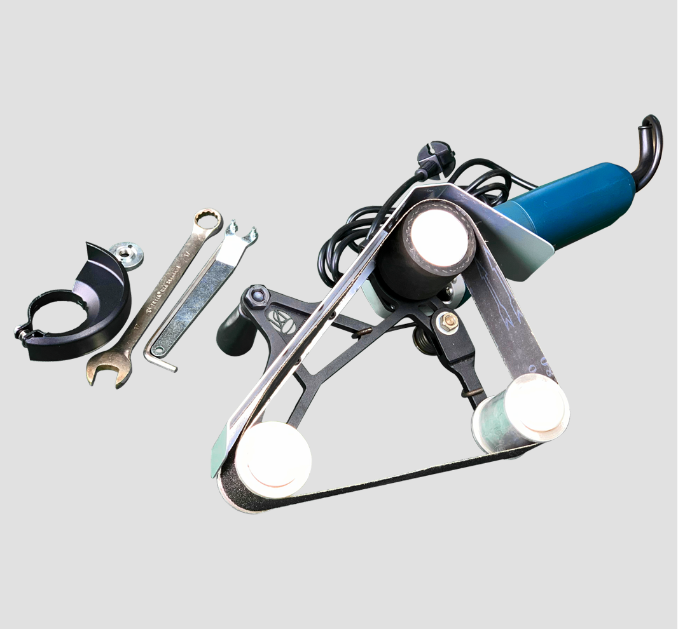
The belt sander comes handheld, where the tool moves over the work, and stationary, where the work is brought to the belt. Most trades use both.
How Different Trades Use a Belt Sander
Carpenters and Joiners Fitting Doors and Frames
A door that sticks, a worktop that needs scribing to a wall, a frame that stands proud of the plaster: a handheld belt sander takes a millimetre off exactly where it is needed. Joiners also use it to flush a joint where two pieces meet at slightly different heights. On site it earns its place by saving a trip back to the workshop: a door can be eased in place and rehung within the hour.
Furniture Makers Flattening Tops and Panels
A tabletop glued from several boards always has small steps at the joints. A belt sander with a coarse belt levels them, first at an angle across the grain and then along it, before finer sanders take over. Bench belt sanders shape legs, curves and small parts. In a small furniture shop the bench machine often sees more use than the handheld one, because so much of the work is fitting one small part to another.
Floor Layers and Decorators Stripping Old Surfaces
Old varnish on floorboards, layers of paint on a door, weathered grey wood on a deck: a belt sander strips all of them faster than scraping or chemicals. Large floor sanders work on the same principle with a wider drum or belt. Old paint should be tested for lead before it is sanded, and the dust from any stripping job needs a mask and good extraction.
Metal Workers Cleaning Welds and Edges
In a metal shop the belt sander removes rust and scale, smooths welds, takes the sharp edge off cut parts and shapes small pieces. It needs a belt made for steel and a machine free of wood dust. Whether do belt sanders work on metal is a question of belt and setup rather than of the tool itself.
Knife and Tool Makers Shaping Steel
Blade makers grind the shape and the bevel of a knife on a long belt machine, then move through finer belts to a finish. Tool sharpeners use narrow belt sanders to put an edge back on chisels, axes and mower blades. The belt runs cooler than a grinding wheel and is harder to overheat an edge on, which is why many sharpening services have switched to belts.
Boat and Vehicle Repairers Fairing Filler and Fibreglass
Body filler, fibreglass patches and old gelcoat are sanded flat and fair with belt sanders before finer tools prepare the surface for paint. The dust is fine and unpleasant, so these trades rely on extraction and masks more than most.
The Belt Decides What the Machine Can Do
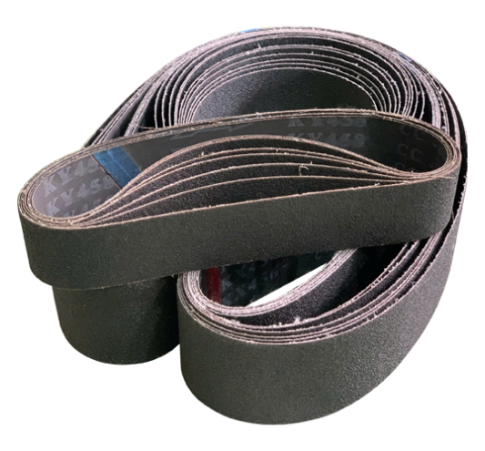
The sander supplies the speed; the belt does the cutting. Coarse grits of 40 to 60 remove material fastest and leave deep scratches. Medium grits of 80 to 100 smooth those scratches out. Fine grits of 120 and above prepare a surface for finishing.
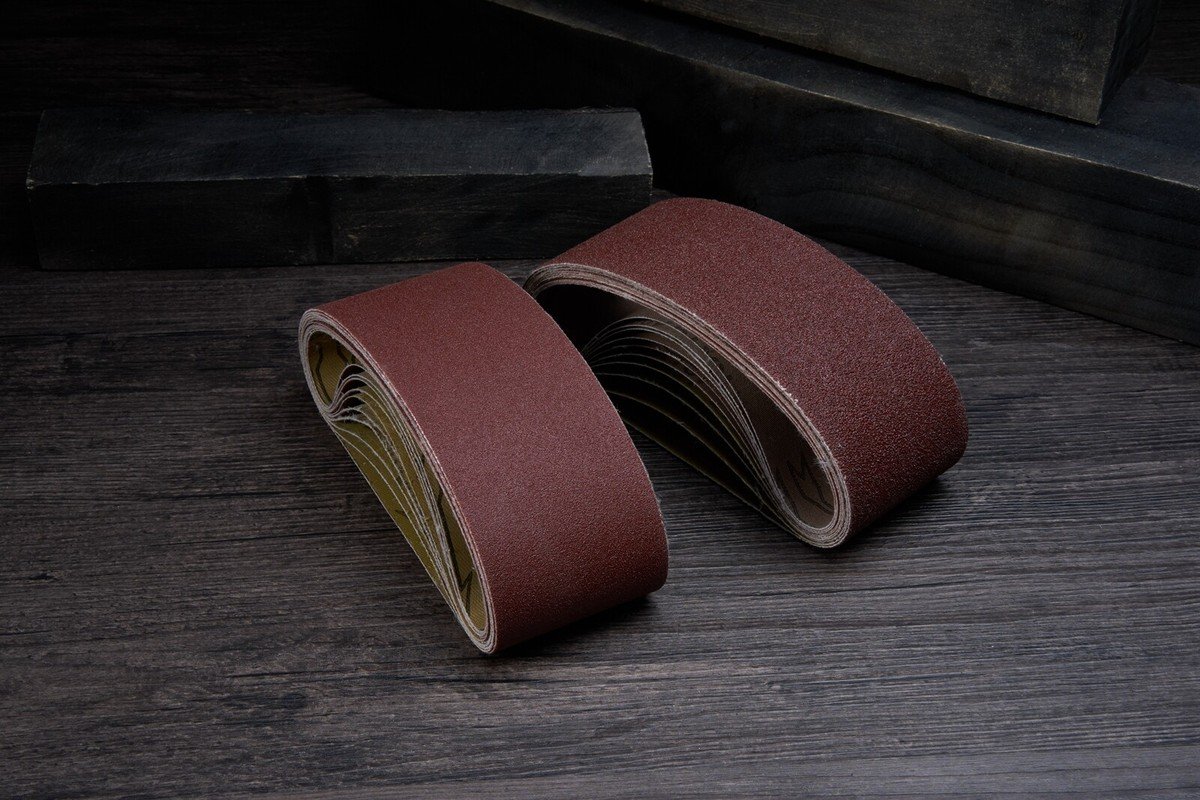
Custom Made Sanding Belts
Most trades keep three belts within reach and change them often rather than pushing a worn belt. The grain matters as much as the grit: aluminium oxide belts suit wood and general work, while zirconia and ceramic belts are made for steel and last far longer under heat and pressure. Fitting the wrong belt is the most common reason a belt sander seems to be the wrong tool for a job it could do well. A wood belt on steel glazes over in minutes and only polishes the surface, while a coarse metal belt on soft pine tears the fibres and clogs with resin. Changing the belt takes seconds, so it is worth keeping three or four grits and at least one belt made for metal beside the machine.
When a Handheld Sander Is Not Enough
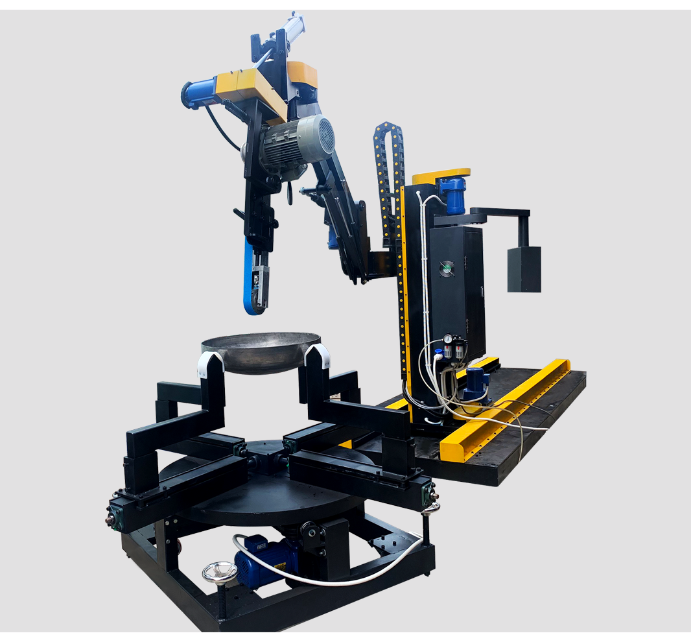
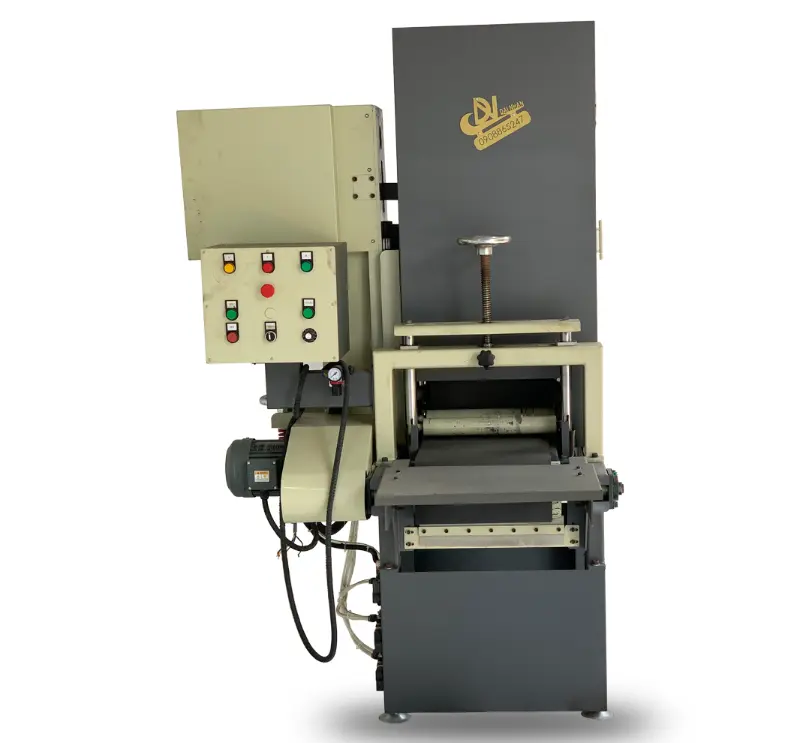
A handheld belt sander depends on the hands guiding it. That is fine for one door or one tabletop. It is a poor fit when the same part has to be sanded hundreds of times a day to the same result, because every operator presses and moves a little differently. Factories solve this with fixed machines: bench sanders with rests, wide belt sanders that feed panels on a conveyor, and an industrial belt sander or grinder with guides that hold each metal part the same way on every pass.
Conclusion
What is belt sander used for? Removing material quickly and evenly, in whatever form each trade needs: carpenters fit doors, furniture makers flatten tops, floor layers strip old finish, metal workers clean welds, knife makers shape steel and repairers fair filler. The belt decides what the machine can cut, and the size of the machine decides how repeatable the result is. For one job a handheld sander is ideal; for the same job every day, a fixed machine takes over.
When that point comes for metal parts, Dai Nhan Machinery builds industrial belt sanders and grinders in Vietnam for production metalworking, with sanding belts made to match each machine. Browse the range on Our Machines page, or tell our engineering team what you finish and how many parts a shift and we will suggest a setup.
Read more: What Are Belt Sanders Used For? Nine Jobs From Rough Boards to Steel Plate


BOLA BAG's BLOG YOU MAY ALSO BE INTERESTED IN
What Is Belt Sander Used For? A Trade by Trade Look at Who Uses One and Why
How Export-Standard Plate Grinding Machine Streamlines Assembly Lines
How to Choose a Reliable Belt Sander Supplier for High-Volume Production