


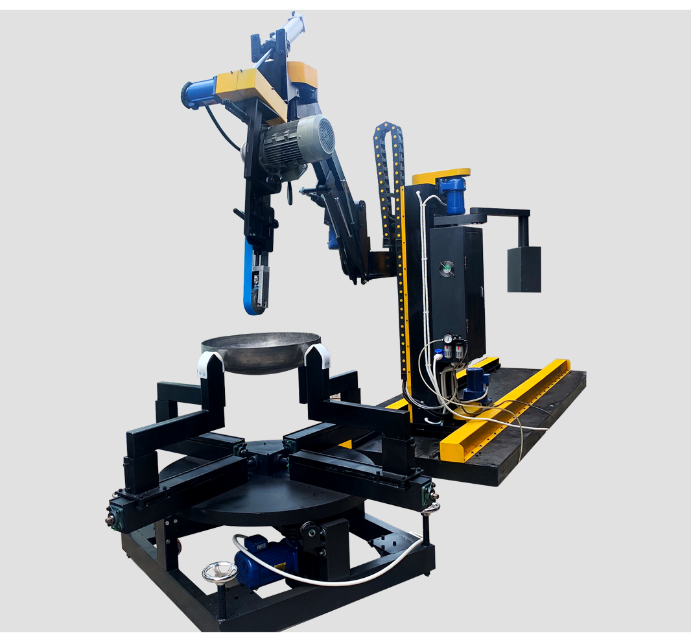
In high-volume production, your machinery is the heartbeat of your assembly line. When you are processing hundreds or thousands of parts a day, a single hour of unexpected downtime can wipe out your profit margins for the week. That is why sourcing your finishing equipment is not just a purchasing decision, it is a high-stakes strategic partnership.
If your operations involve heavy surface grinding, deburring, or polishing, finding the right belt sander supplier can make or break your plant’s overall equipment effectiveness (OEE). Choosing a partner who understands the rigorous demands of scale ensures your production lines keep moving without a hitch.
Let’s break down exactly what you need to look for when evaluating a machinery partner for mass production.
Look for True Industrial Build Quality
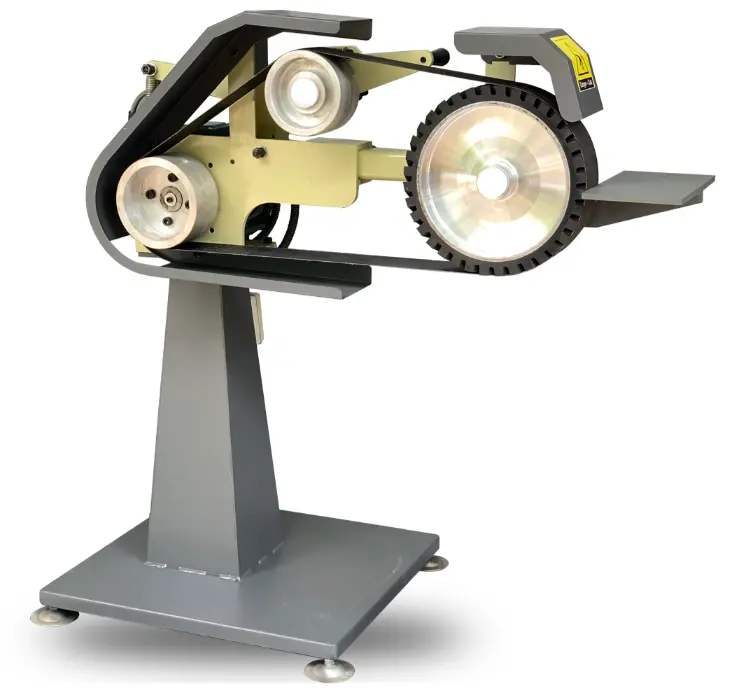
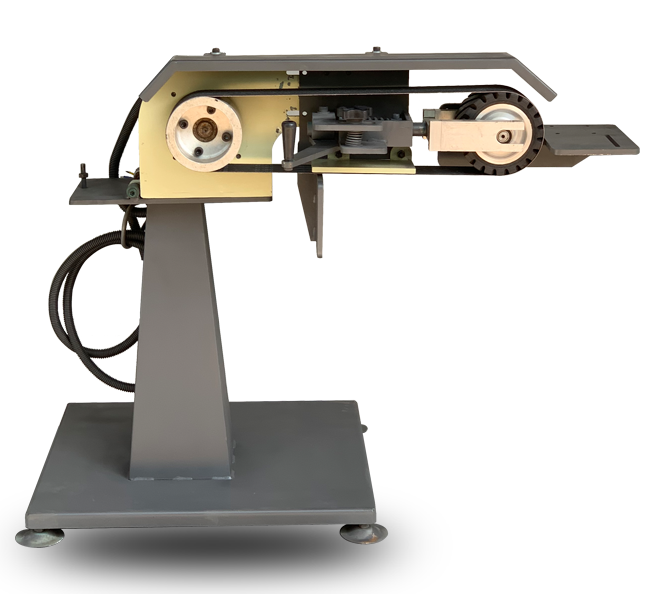
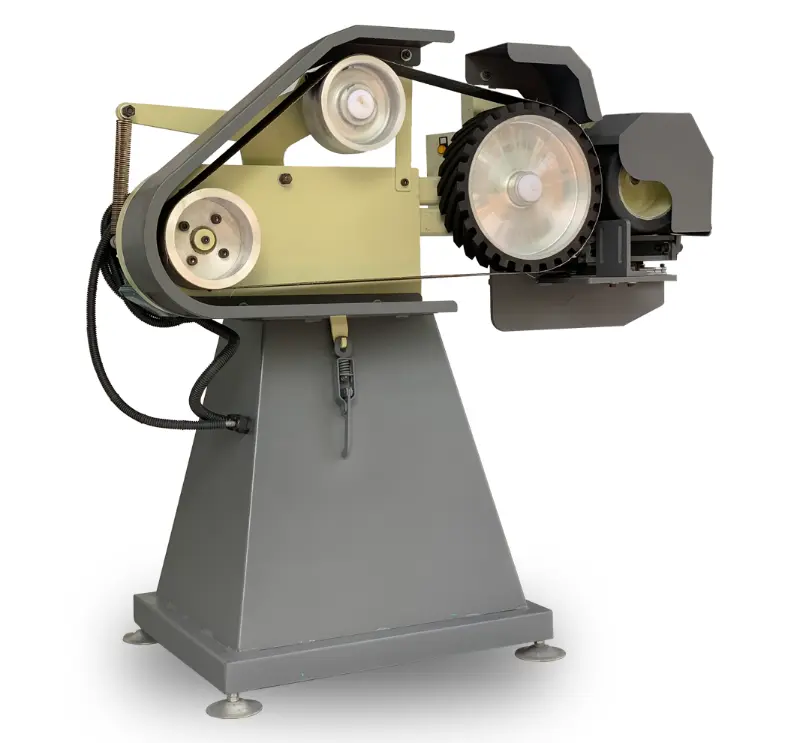
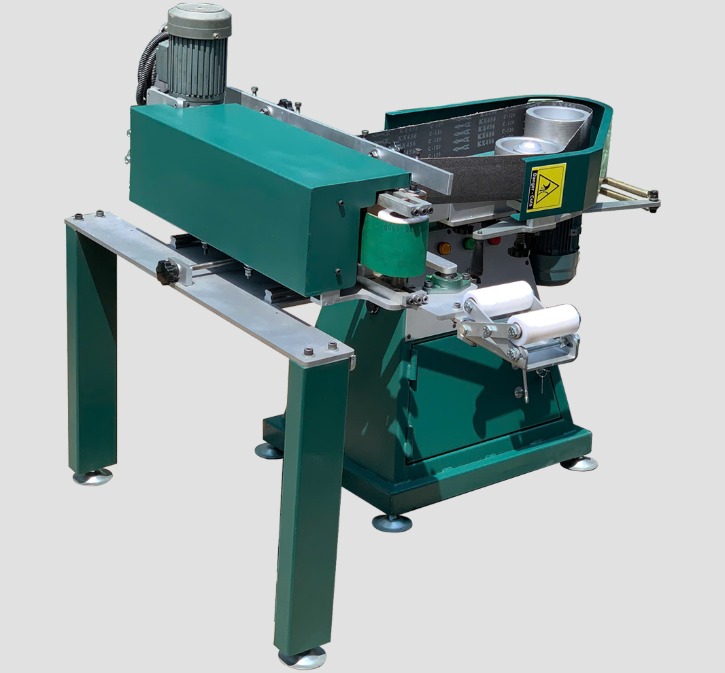
High-volume environments quickly expose the flaws in entry-level or mid-tier equipment. A machine that runs flawlessly for two hours a day will often melt down when subjected to a grueling three-shift rotation. A reliable belt sander machine manufacturer should offer heavy-duty machinery built with heavy cast-iron frames, rigid tracking systems, and high-horsepower motors designed to run continuously.
When evaluating a machine, look closely at the contact wheels and tensioning mechanisms. In high-volume manufacturing, thin components warp under the continuous friction and thermal expansion generated during operation.
-
Vibration Dampening: Heavy cast frames absorb the harmonic vibrations that cause micro-chatter on your workpieces.
-
Precision Tracking: Look for pneumatic or electronic tracking systems rather than manual knobs, ensuring the belt stays centered even under immense pressure.
-
Thermal Management: Heavy-duty setups dissipate heat faster, protecting both the internal bearings and your materials.
If you are shopping for an industrial belt sander for metal, verify that the structural components can handle high-torque demands without losing tracking alignment. If a machine flexes even a fraction of a millimeter under load, your dimensional tolerances go out the window.
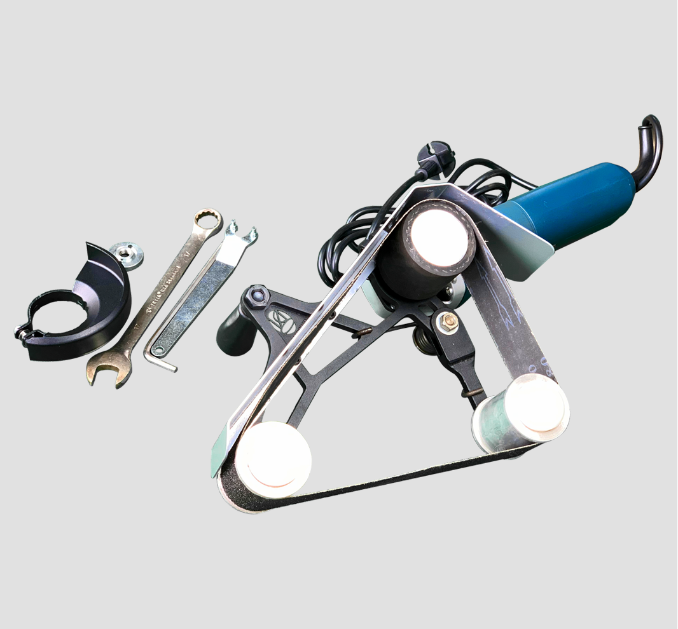
Look for True Industrial Build Quality
Prioritize Material and Application Expertise
Not all sanding and grinding needs are equal. A one-size-fits-all supplier will often sell you a machine that either underperforms, causing a bottleneck, or aggressively over-processes and ruins your finish.
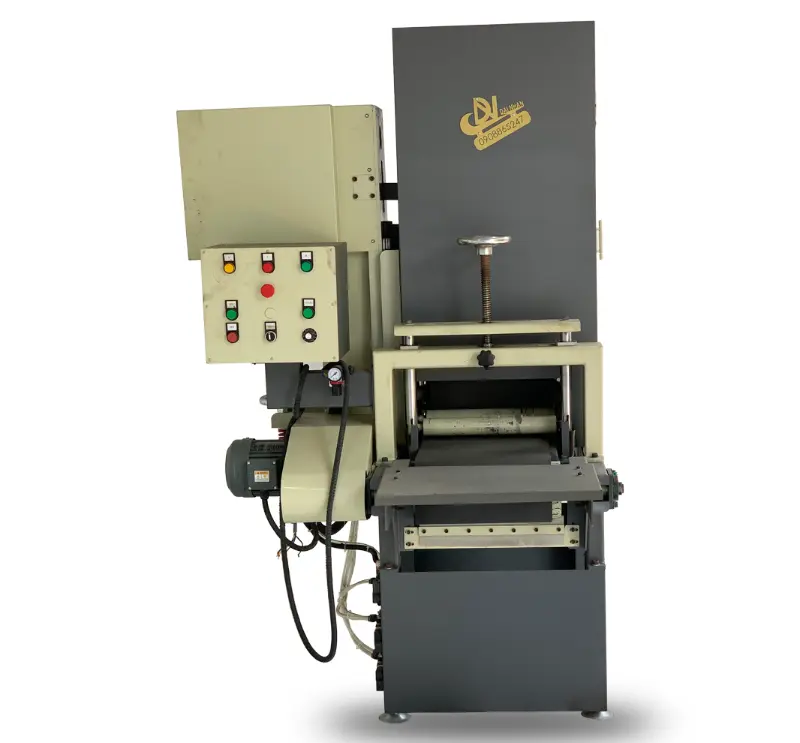
If your facility handles heavy stock removal, slag grinding, or weld prepping, you likely require a high-torque industrial belt grinder. Conversely, if your priority is surface uniformity, calibration, or a pristine brushed finish on large sheets or plates, you will want a specialized wide belt sander for metal finishing.
A knowledgeable supplier won’t just ask for your dimensions; they will dive deep into your specific metallurgy:
-
Carbon Steel: Requires aggressive stock removal and robust spark management.
-
Stainless Steel: Demands precise speed controls to avoid overheating, warping, or discoloring the alloy.
-
Aluminum: Requires specialized belt speeds and, crucially, wet-operation or explosion-proof extraction systems to prevent highly combustible dust accumulation.
Make sure your supplier can match your exact application requirements and offer tailored solutions.
Ensure a Robust Consumable Supply Chain
A high-output factory is only as fast as its consumables. You could buy the most advanced metalworking sander on the market, but if you cannot get the right abrasives when you need them, that machine quickly becomes an expensive piece of floor art.
Your supplier should not only provide the machine but also act as a dependable, long-term source for specialized consumables. High-volume runs on tough materials demand top-tier abrasives to maximize lifespan and reduce changeover frequency.
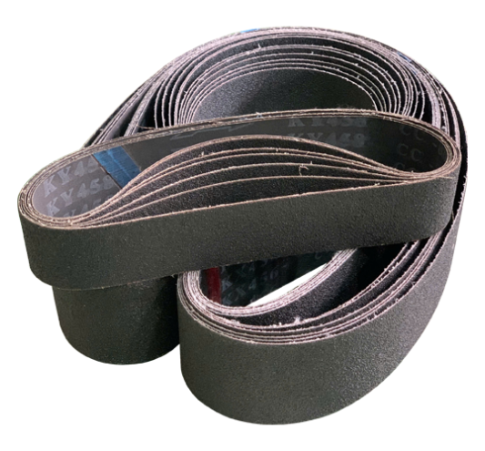
Pro Tip: Look for suppliers that stock heavy-duty ceramic or zirconia sanding belts. Ceramic grains micro-fracture during use, constantly exposing sharp new cutting edges, which is essential for sustaining throughput on stainless steel and high-nickel alloys.
If a supplier cannot guarantee a steady, predictable stream of replacement belts, contact rollers, and wear parts, your production schedule is constantly at risk. Ask about their stocking programs or vendor-managed inventory options before signing on the dotted line.
The Step-by-Step Supplier Evaluation Framework
When you are ready to vet potential manufacturing partners, use this structured sequence to filter out low-tier vendors and identify a truly reliable collaborator.
Step 1: Review the Engineering Blueprint and Specs
Request detailed technical specifications. Look for heavy-duty motor ratings (insist on continuous-duty cycles, not peak horsepower), integrated dust collection ports, and robust safety features like emergency electronic braking, interlocking guards, and explosion-isolated electronics.
Step 2: Request a Material Sample Test
Never buy a high-volume machine sight unseen. Send samples of your actual production material to the supplier. A reputable manufacturer will run tests on their machines to prove they can hit your required throughput rates, cycle times, and surface roughness (Ra) targets. They should provide you with a documented report of the feed speeds and abrasive grits used to achieve the result.
Step 3: Evaluate Automation and Integration Readiness
In modern manufacturing, a standalone machine is a bottleneck risk. Ask the supplier if their machinery can be integrated into automated robotic cells or conveyor lines. Look for PLC control capabilities, digital thickness readouts, and variable speed drives that can communicate with your plant’s centralized control systems.
Step 4: Assess After-Sales Support and Part Availability
Ask explicit questions about lead times for critical spares like main bearings, contact rollers, and control boards. Ensure they offer remote technical support or can deploy on-site technicians quickly. If a primary component fails, you need to know whether a replacement is sitting on a shelf next door or waiting on an international cargo ship.
The True Cost of Cut-Rate Equipment
It is easy to be swayed by a lower upfront price tag on an unbranded or entry-level machine. However, in high-volume production, that initial discount masks massive, compounding long-term losses:
-
Tracking Errors: Frequent downtime to reset or replace tracking sensors.
-
Premature Belt Breakage: Poor tensioning mechanics snap expensive ceramic belts well before their lifecycle is complete.
-
Scrap Rates: Inconsistent pressure creates uneven surfaces, turning expensive raw materials into industrial waste.
-
Operator Fatigue: Inferior vibration isolation tires out operators, driving down efficiency and increasing workplace safety risks.
When your plant is running around the clock, reliability isn’t a luxury, it is the ultimate cost-saver.
Partner with a Proven Belt Sander Supplier
When your bottom line relies on flawless surface preparation, strict dimensional tolerances, and predictable cycle times, you cannot afford to guess on your equipment.
At Dai Nhan Machinery, we engineer and manufacture heavy-duty, high-performance finishing solutions tailored specifically for high-capacity industrial plants. From rugged, high-torque belt grinders to ultra-precise wide-belt finishing systems, our machinery is built from the ground up to withstand continuous multi-shift operations while delivering the exact tolerances your clients demand.
Don’t let finishing bottlenecks throttle your plant’s production capacity. Reach out to our engineering team today to discuss your daily production volume, request a custom machine configuration, or arrange for a material sample test.
Contact Dai Nhan Machinery today for a custom technical consultation and quote to optimize your production line.
Read more: Top 4 Abrasive Belt Grinding Machine Manufacturers in Asia


BOLA BAG's BLOG YOU MAY ALSO BE INTERESTED IN
The ROI of Integrating Export-Standard Industrial Plate Grinder
How to Measure a Belt Sander Belt When the Label Is Long Gone
How to Cut Steel With a Grinder: Straight, Safe, and Without Wrecking the Disc