


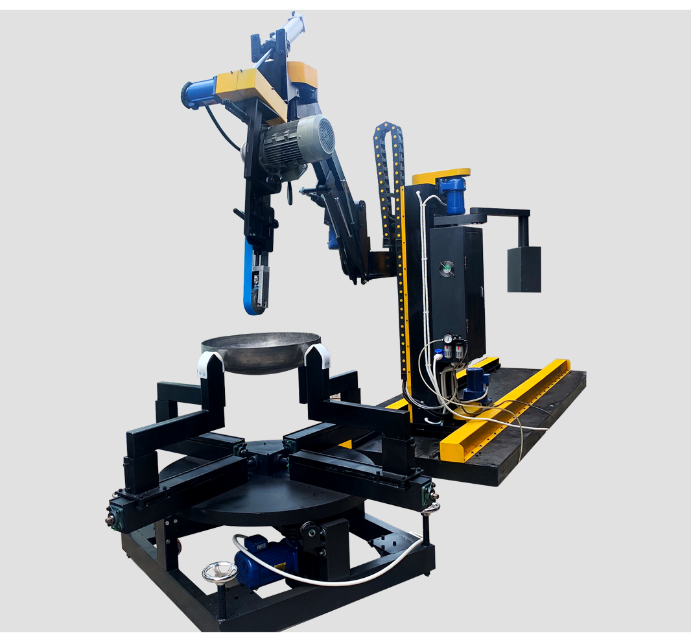
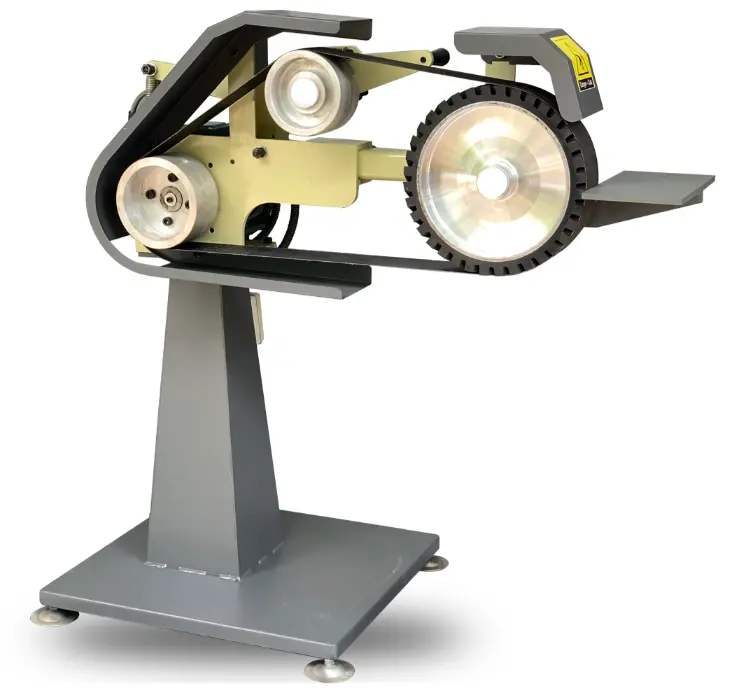
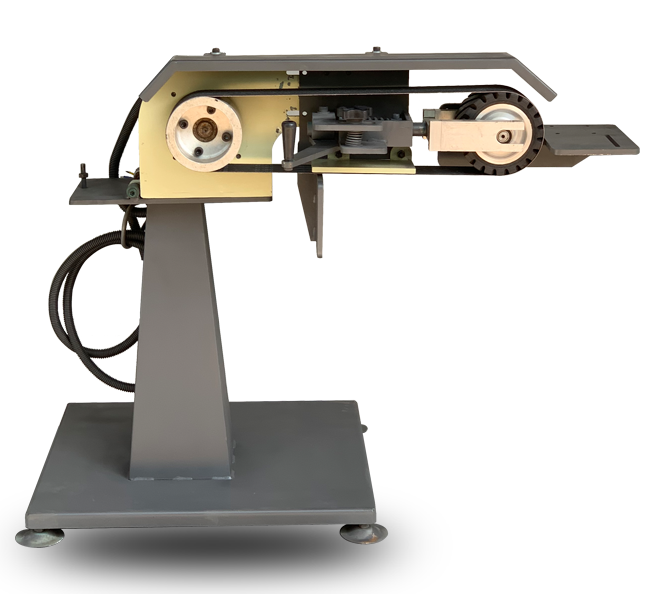
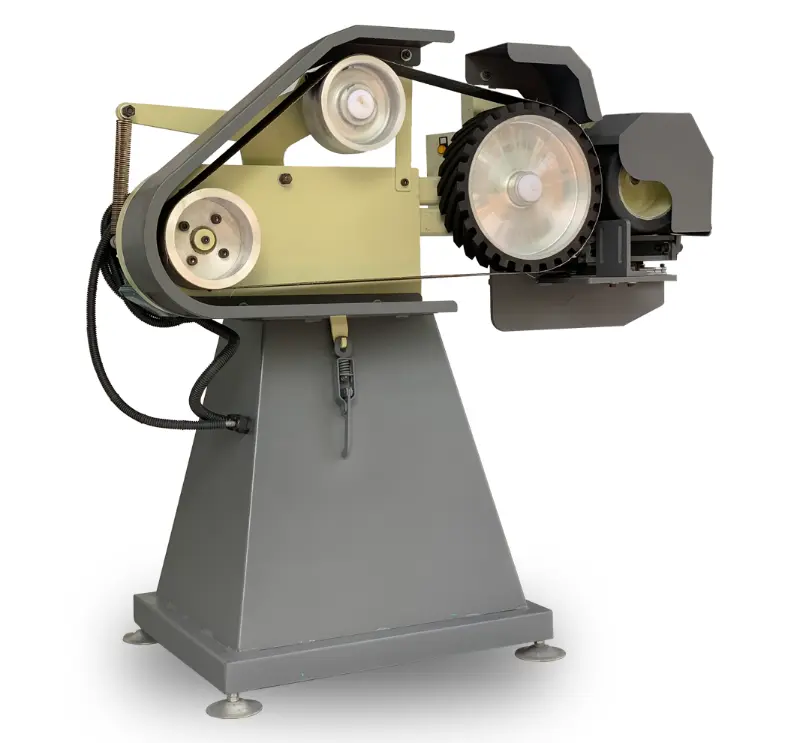
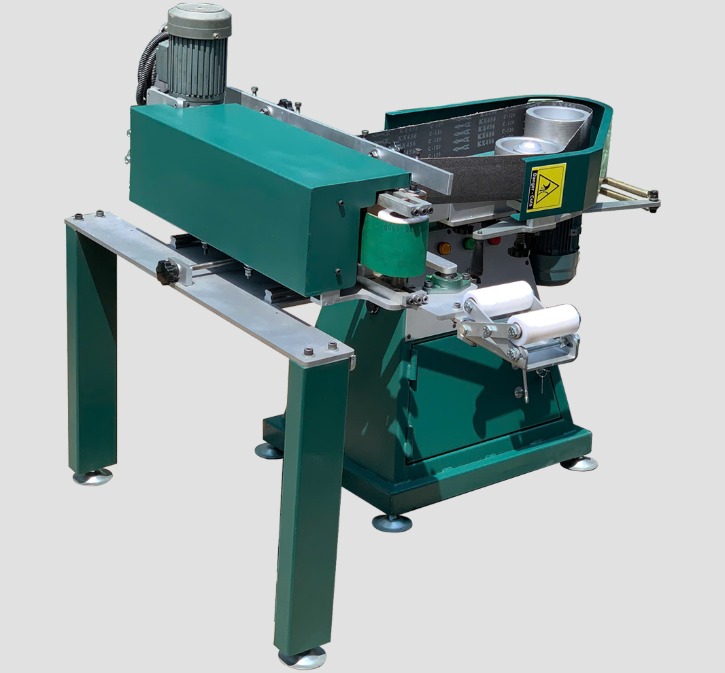
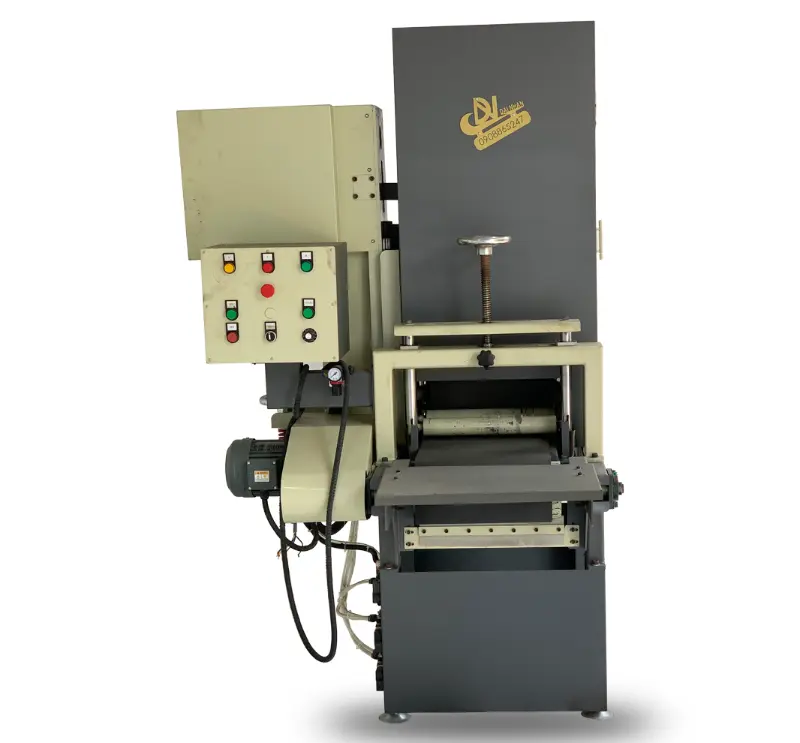
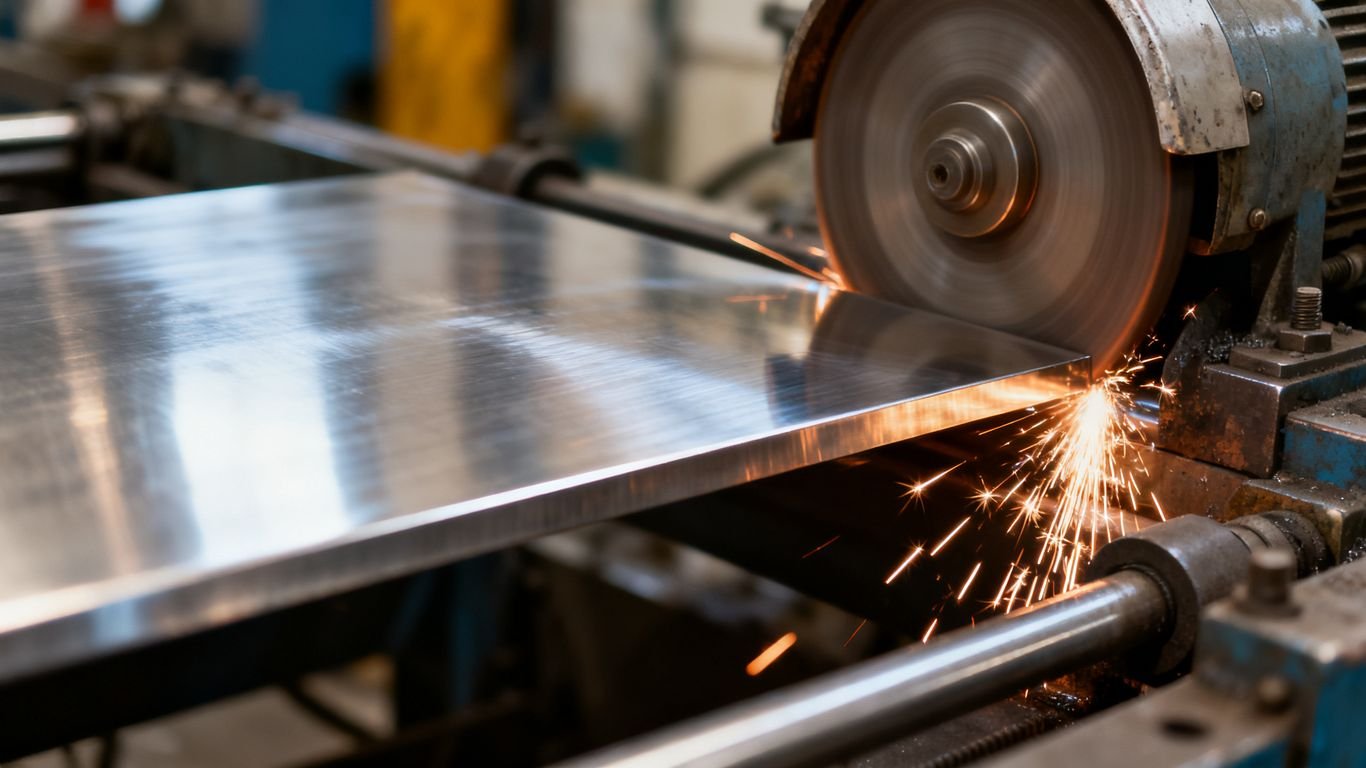
In today’s competitive manufacturing environment, production efficiency and consistent product quality are critical factors for maintaining a strong position in global markets. A Plate Grinding Machine plays an essential role in modern assembly lines by providing accurate surface finishing, thickness calibration, deburring, and weld preparation for a wide range of metal components. By automating these processes, manufacturers can reduce manual labor, improve precision, and increase overall production throughput.
Unlike conventional grinding methods, an export-standard Plate Grinding Machine is designed for continuous industrial operation and high-volume manufacturing environments. Its robust construction, stable grinding performance, and ability to process various metal materials make it an indispensable solution for industries such as metal fabrication, automotive manufacturing, construction equipment, and heavy machinery production.
In this article, we’ll explore how a Plate Grinding Machine helps streamline assembly lines, enhance production efficiency, and support manufacturers in meeting the demanding quality standards of international markets.
The role of precision plate grinding in modern manufacturing
Achieving uniform thickness and flat surfaces
Consistent material thickness remains a primary driver for structural stability in metal fabrication. A high-quality plate grinding machine allows manufacturers to maintain tight tolerances across large surface areas, ensuring that subsequent assembly stages proceed without alignment complications. By managing the surface profile during the initial phase, operations avoid the geometric drift that often plagues manual finishing methods and compromises assembly performance.
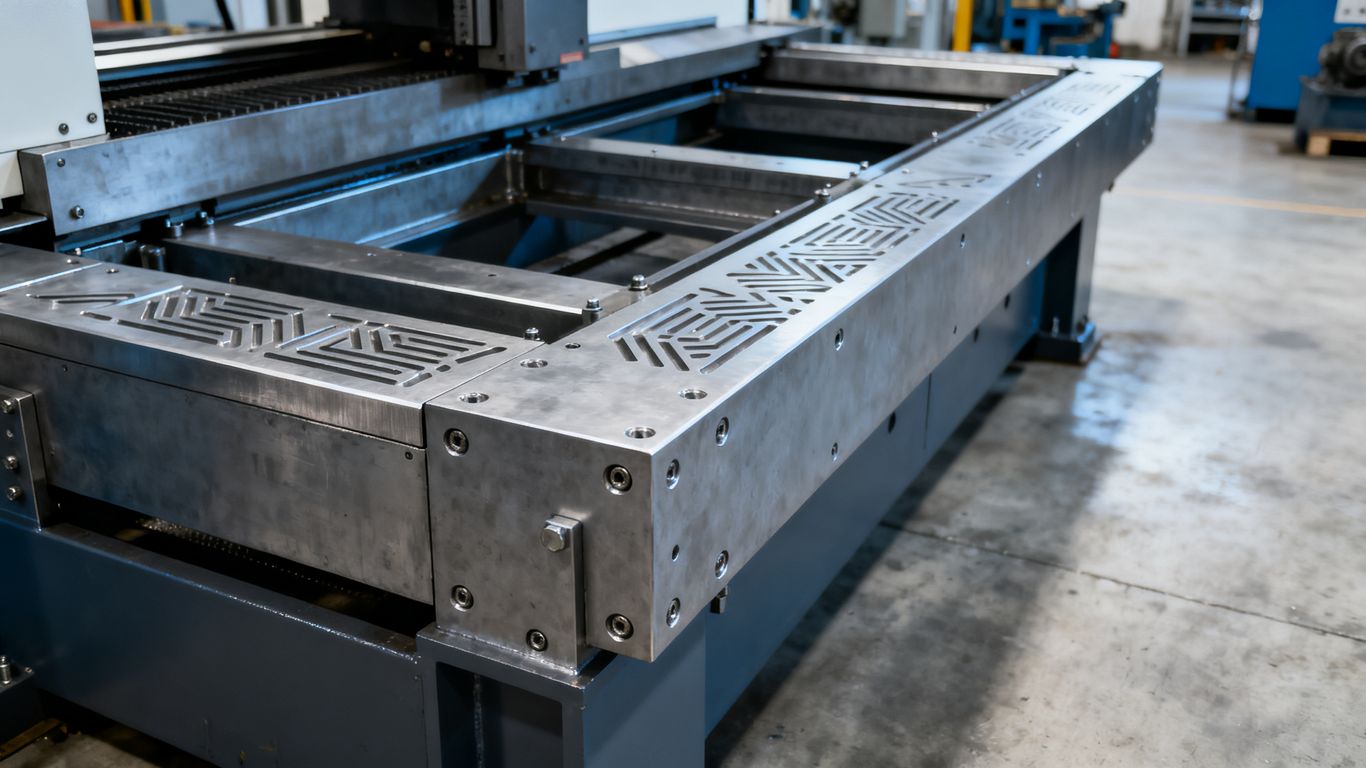
Achieving uniform thickness and flat surfaces
Meeting international sanitary-grade Ra standards
Achieving specific surface roughness profiles is non-negotiable for industries prioritizing hygiene and microbial resistance. The precision inherent in modern systems ensures that metal surfaces meet international sanitary-grade standards, effectively smoothing out microscopic peaks and valleys. This level of finish prevents the accumulation of contaminants in industrial processing equipment, ensuring compliance with strict regulatory health environments without unnecessary manual buffing.
Reducing secondary machining steps for assembly
Refining metal components through advanced grinding allows shops to consolidate their workflow into fewer production cycles. Relying on precise removal rates means parts often move directly from the grinding station to assembly, bypassing labor-intensive secondary finishing stages. The following table illustrates the potential savings in processing time for typical structural components.
| Process Step | Manual Time | Automated Grinding | Efficiency Gain |
|---|---|---|---|
| Surface Cleanup | 45 min | 8 min | 82% |
| Thickness Calibration | 60 min | 12 min | 80% |
| Edge Deburring | 30 min | 5 min | 83% |
This consolidation of tasks dramatically reduces lead times while ensuring that each component enters the assembly sequence with exact dimensions, improving overall production reliability and performance.
Structural integrity in high-performance grinding equipment
Impact of chassis rigidity on machine chatter
Machine vibration is the enemy of surface quality, leading to uneven finishes and inconsistent material removal. A robust, vibration-dampened frame serves as the foundation for high-end equipment, ensuring that internal drive components remain stabilized even under heavy load. By eliminating the root causes of mechanical resonance, manufacturers achieve superior surface textures on demanding metal alloys.
Eliminating micro-vibrations to preserve abrasive belt lifespan
Micro-vibrations transfer energy directly into the abrasive belt, causing rapid degradation and increased material waste. Dai Nhan Machinery utilizes specialized CNC engineering to focus on frame stability, which effectively dampens these unwanted frequencies. This preservation strategy ensures that consumables perform longer, directly influencing the bottom line by lowering the cost of replacement parts.
Engineering custom plate grinding machine frames for heavy-duty applications
Heavy-duty metalworking requires frames specifically engineered to handle high torque and pressure without losing alignment. Manufacturers often seek custom-built solutions that account for specific material hardness and workpiece dimensions. Tailoring the frame geometry creates a more predictable grinding process, allowing operators to maintain consistent quality even when processing thick or tempered industrial plates.
Increasing assembly efficiency through automated grinding
Synchronizing surface finishing with assembly line speed
Scaling production throughput depends on the ability to pass components between stations at a consistent velocity. When grinding systems are integrated into existing assembly loops, manual intervention decreases, allowing for a continuous flow of finished material. This synchronization ensures that no single station becomes a bottleneck, enabling factories to meet demanding project deadlines with confidence.
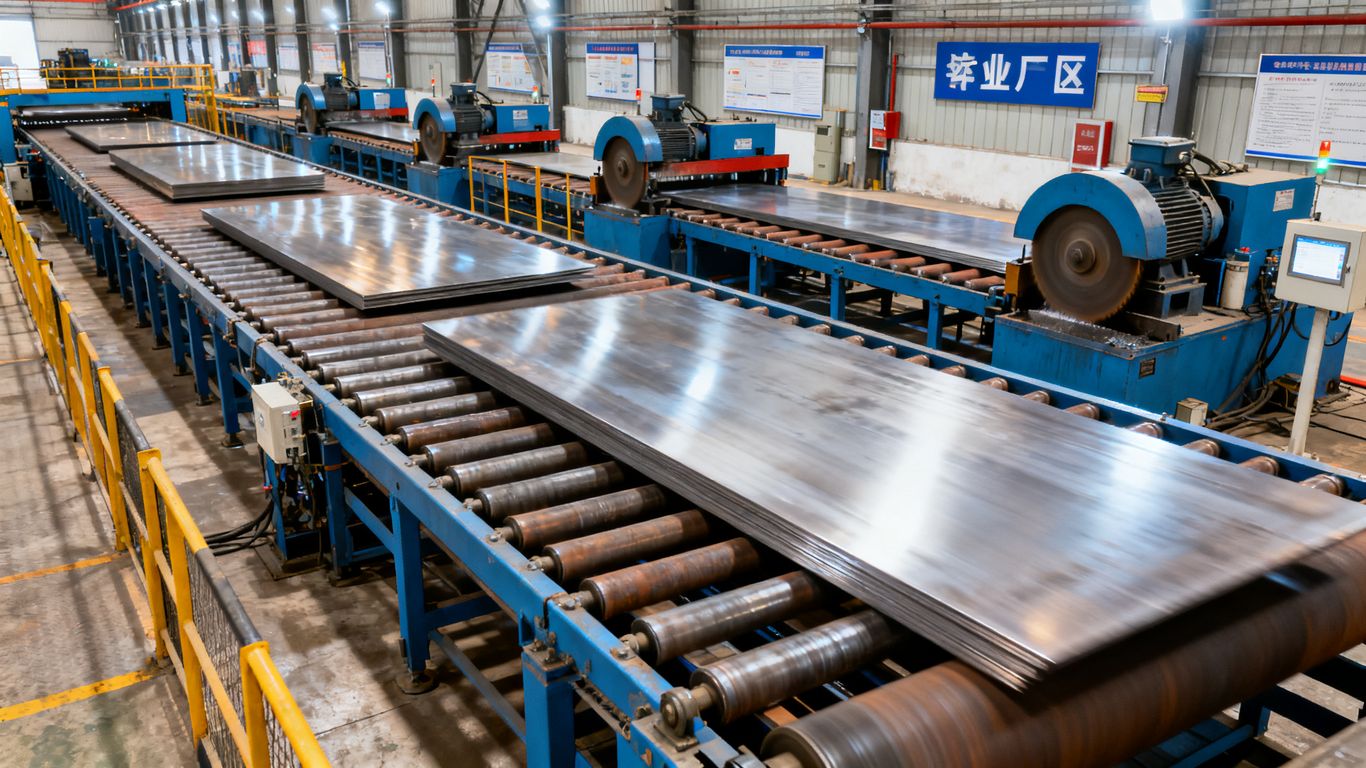
Synchronizing surface finishing with assembly line speed
Automating material transport between grinding stations
Automated transport systems remove the physical burden of moving heavy metal plates between finishing stations, significantly enhancing worker safety. By reducing the number of manual handling operations, shops minimize the risk of surface damage or workplace injuries occurring during the transfer process. This automation creates a safer and more reliable environment, reducing the dependency on high-turnover manual labor.
Achieving consistent tolerances across high-volume batch runs
Maintaining high levels of finish consistency across thousands of parts requires precise feedback loops and rigorous machine calibration throughout the entire production cycle.
Consistency in batch production is essential for maintaining brand reputation and meeting client specifications. By utilizing high-torque drive systems such as those found in Timesavers’ 41 Series, operators can guarantee that the first part matches the last. This performance is critical for large-scale procurement, where variability in dimensions could result in costly rejects or assembly failures.
Benefits of choosing direct-to-manufacturer solutions
Advantages of partnering with custom OEM engineering firms
Collaborating directly with a manufacturer provides unparalleled insight into machine capabilities and necessary customization. Dai Nhan Machinery avoids the communication gaps typically present in trading networks, ensuring that specific production constraints are addressed early in the design stage. This partnership model supports long-term operational success by prioritizing individual factory needs over generic off-the-shelf equipment limitations.
Strategic value of tariff-free Southeast Asian sourcing
Sourcing from high-tech manufacturing hubs in Southeast Asia offers a competitive edge in global production costs without sacrificing machine performance. By eliminating the overhead associated with intermediary suppliers, firms can access high-quality equipment at price points that support rapid business scaling. This geographic advantage is increasingly favored by car shipping logistics specialists and heavy fabricators looking to re-balance their capital expenditures.
Access to direct technical support during machine installation
Direct manufacturer relationships mean that installation guidance comes from the teams who engineered the system. This level of support prevents common setup errors—such as incorrect motor tensioning or alignment drift—ensuring that operations begin at full capacity. Contact us to discuss how bespoke manufacturing can improve your output.
Maximizing the operational life of finishing systems
Key metrics for evaluating plate grinding machine output
Tracking machine performance requires monitoring specific throughput and surface quality data across every shift. Analyzing variables like pressure distribution and motor load provides an early warning system for mechanical fatigue, helping maintenance teams address issues before they cause downtime. By focusing on data-driven feedback, supervisors ensure that the equipment remains within optimal operating ranges throughout its service life.
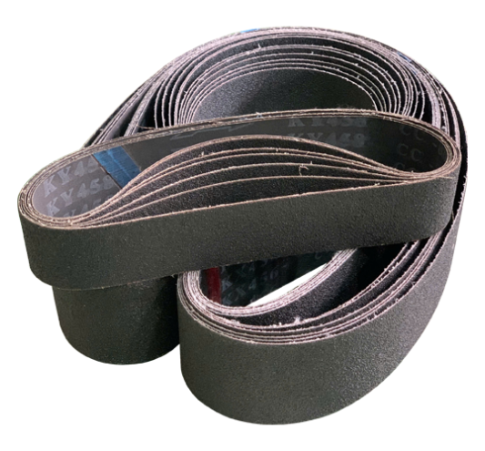
Improving abrasive efficiency to lower operating costs
- Implementing variable speed drives provides more control over belt interaction with the workpiece.
- Using specialized coolant-compatible belts reduces heat buildup during continuous grinding sessions.
- Standardizing lubrication intervals minimizes bearing wear and prevents sudden mechanical failure.
- Regular training sessions for operators allow for better utilization of automated belt tensioning features.
These practices collectively extend the window between service stops, resulting in lower consumable waste and increased production uptime. By focusing on belt efficiency, plants reduce the total cost of ownership while maintaining a high quality of output.
Ensuring long-term reliability through localized maintenance protocols
Developing a customized maintenance schedule suited to the specific environment of the plant is vital. Tailored plans take into account factors such as operating temperature, dust density, and localized material types, which often fall outside the recommendations for standard, one-size-fits-all machinery. Dai Nhan Machinery provides documentation that helps teams implement these robust, proactive maintenance routines to preserve the longevity of their industrial finishing assets.
Conclusion
Investing in refined grinding technology remains the most effective path toward optimizing metal component production. By prioritizing structural rigidity, automation, and direct-to-manufacturer partnerships, industrial buyers can streamline assembly lines while minimizing the long-term costs often associated with substandard finishing. When you integrate sophisticated equipment, you aren’t just buying a machine; you are building a reliable foundation for future capacity and quality in your fabrication operations.
Read more: How to Evaluate an Industrial Belt Sander for Sale for OEM/ODM Scale and Procurement


BOLA BAG's BLOG YOU MAY ALSO BE INTERESTED IN
How to Select the Right Industrial Belt Sander for Metal Fabrication
How Are Stainless Steel Pipes Made? What Changes When Chromium Enters the Furnace
The ROI of Integrating Export-Standard Industrial Plate Grinder