


You fit a fresh belt, pull the trigger, and within seconds the belt creeps toward one edge, rubs the housing and slides off the rollers. Fit it again and the same thing happens. It feels like the sander has a mind of its own, but a belt that walks off is always following a simple rule of physics. If you have been asking why does my belt keep coming off my belt sander, the cause is almost always one of a short list: tracking, dirty or worn rollers, loose tension, a belt fitted the wrong way or a belt that is not made square. This guide explains how a belt stays on in the first place, then walks through each cause in the order that finds the problem fastest.
How a Belt Stays in the Middle of the Rollers
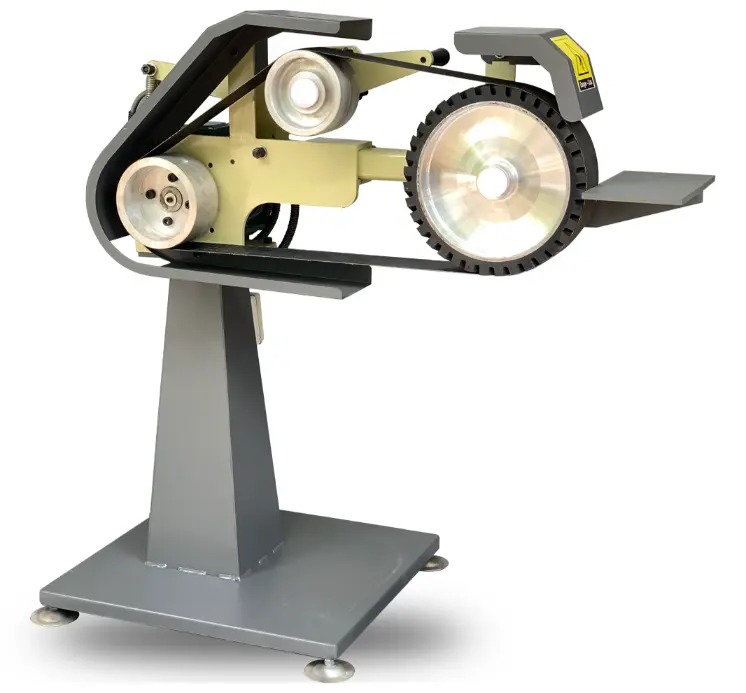
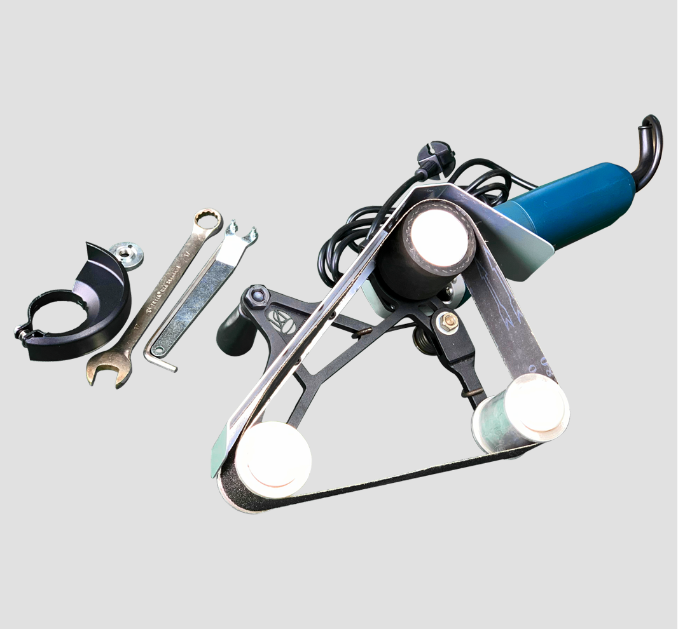
A sanding belt is not held on by anything except tension and the shape of the rollers. At least one roller on most sanders is slightly fatter in the middle than at its ends. This shape is called a crown, and it works because a flat belt naturally climbs toward the highest part of a pulley as it runs. The crown keeps pulling the belt back to the centre.
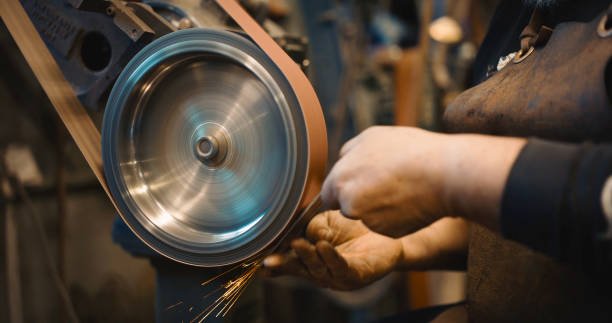
Belt Sander
The tracking knob tilts one roller very slightly so you can balance the belt exactly in the middle. When anything upsets that balance, the belt drifts to one side and keeps going until it falls off. Every cause below is a different way of upsetting it.
Why Does My Belt Keep Coming Off My Belt Sander: The Usual Causes
The Tracking Knob Needs Adjusting
This is the most common cause, especially after fitting a new belt. Hold the sander upside down or on its side with the belt clear of everything, switch on and watch the belt. If it moves toward one edge, turn the tracking knob a quarter turn and watch again. Keep making small turns until the belt stays centred. Large turns overshoot and send the belt off the other side.
Sawdust and Resin Built Up on the Rollers
Packed dust and sticky resin change the shape of the roller and reduce its grip. The belt then slips and wanders. Unplug the sander, remove the belt and wipe both rollers clean, along with the flat plate behind the belt. Resin that will not wipe off needs a pitch and resin cleaner.
A Tension Lever That Is Not Fully Locked
A belt that is too slack cannot hold its position. Check that the tension lever is pushed fully home and locks with a firm click. If the spring inside feels weak, the belt will slip under load even when the lever is closed.
The Belt Is Fitted Against the Arrow
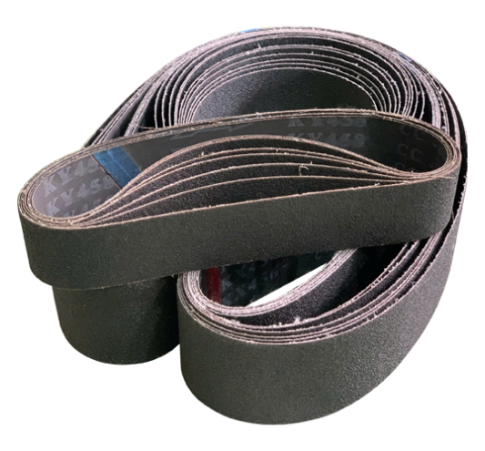
Most belts have an arrow printed inside that should point the same way the rollers turn. A belt running backwards not only catches its joint on the work but can also track badly, because the overlap at the joint drags against the plate on every turn.
A Belt That Wasn’t Cut Square
If every other check passes but one particular belt keeps drifting, the belt itself may be the problem. When the joint is glued at a slight angle, one edge of the loop ends up longer than the other and the belt steers itself to one side. Try a belt from a different box. If the new one tracks straight, the old belt is faulty.
Checking the Rollers for Wear
Rollers wear out slowly, so this cause is easy to miss on older sanders. A rubber covered drive roller can wear smooth and flat, losing both its grip and its crown. A roller with a groove worn into it traps the belt edge. Bearings that have loosened let the roller wobble, so the belt tracks differently on every turn. Spin each roller by hand with the belt off. It should turn smoothly without play or rough spots, and the surface should look even from end to end. A worn roller is a cheap part on most sanders and usually fixes a belt that has been drifting for months.
What to Do if the Belt Still Comes Off
If you have adjusted the tracking, cleaned and checked the rollers, confirmed the tension and tried a new belt, look at how the sander is being used. Pressing harder on one side of a handheld sander pushes the belt toward that side, and sanding with one edge of the belt over the end of a board does the same. Keep the sander flat with even pressure.
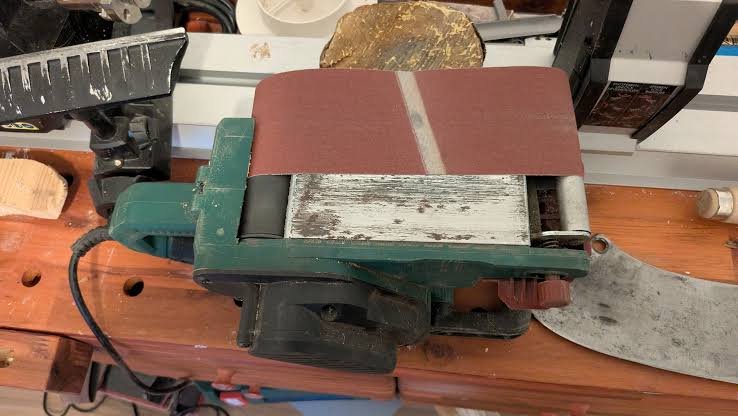
Belt Sander Belt Coming Off
Also check that the belt size matches the machine exactly, because a belt that is even slightly too long never gets tight enough to track well. The size is usually printed inside the belt, and when it has worn off, knowing how to measure a belt sander belt with a tape and a piece of string takes only a few minutes.
Belt Tracking on Bench Sanders and Factory Grinders
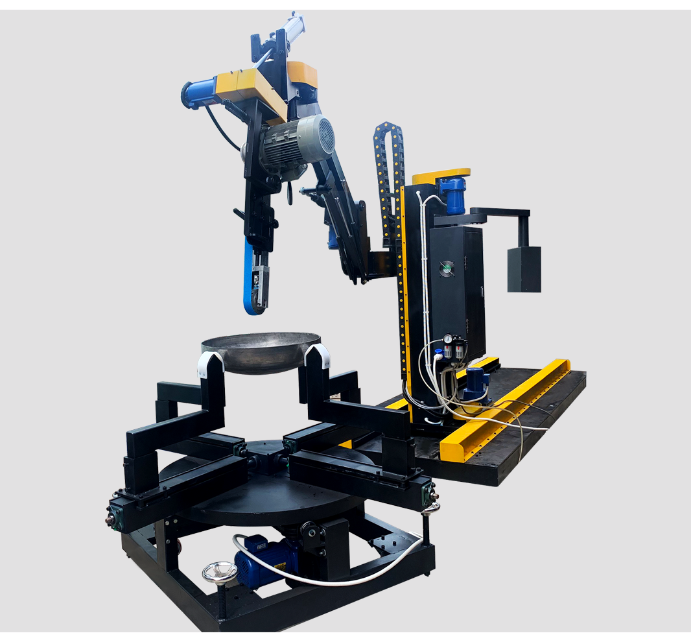
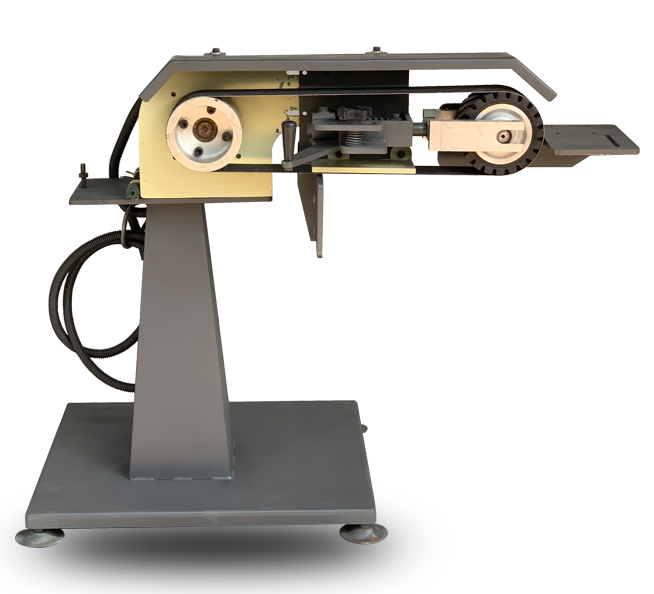
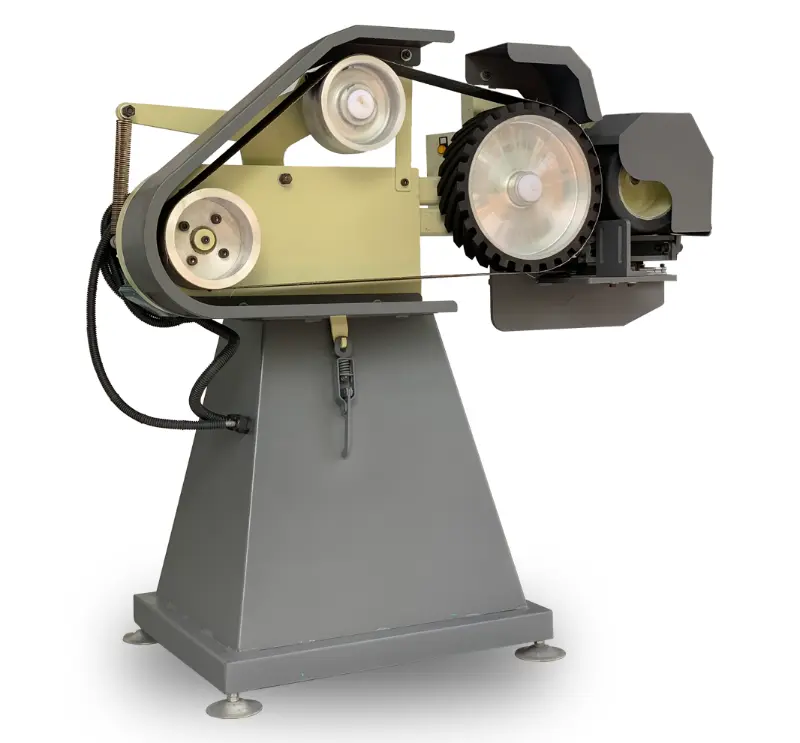
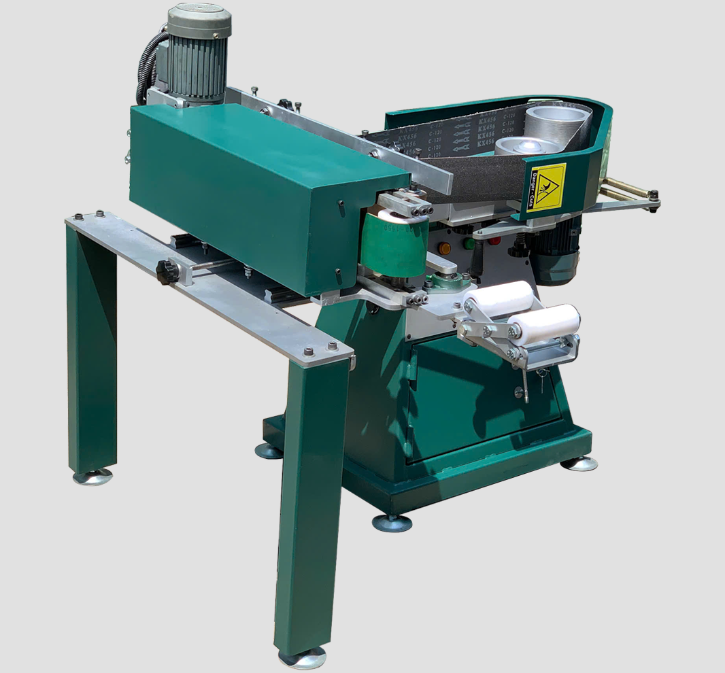
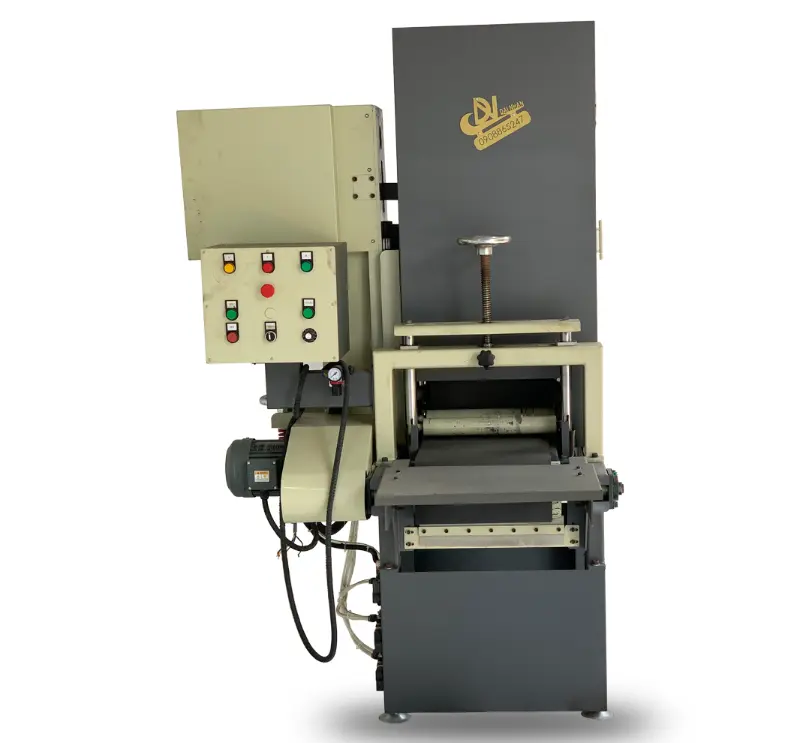
Bench sanders and grinders use the same principle but often with more wheels. On a grinder with three or four wheels, the tracking wheel is usually the top idler, and each wheel must be aligned in the same plane for the belt to run true. A wheel that is slightly out of line makes the belt drift no matter how the tracking is set. On an industrial belt grinder running long belts at high speed all shift, tracking is checked every time a belt is changed, and many machines use a spring or air tension system to keep the belt tight as it stretches.
Conclusion
So why does my belt keep coming off my belt sander? Usually because the tracking needs a small adjustment, the rollers are dirty or worn, the tension lever is not fully locked, the belt is fitted against its arrow or the belt itself is not square. Check them in that order with the machine unplugged, make small tracking turns, and keep the sander flat with even pressure while you work. On larger machines, check that every wheel is aligned and that the belt matches the machine exactly.
When belts need to track true for a full production shift, Dai Nhan Machinery builds industrial belt grinders in Vietnam with aligned wheels and steady tension systems, and makes custom sanding belts matched to each machine. Browse the range on Our Machines page, or tell our engineering team what you grind and how your belts behave and we will suggest a setup.
Read more: Can You Use a Belt Sander on Metal?


BOLA BAG's BLOG YOU MAY ALSO BE INTERESTED IN
Eliminating Surface Deficiencies and Material Waste Using an Industrial Plate Grinder
Operational Mistakes with Export-Standard Industrial Belt Sander
Selecting the Best Industrial Belt Grinder for Metal Deburring and Polishing