


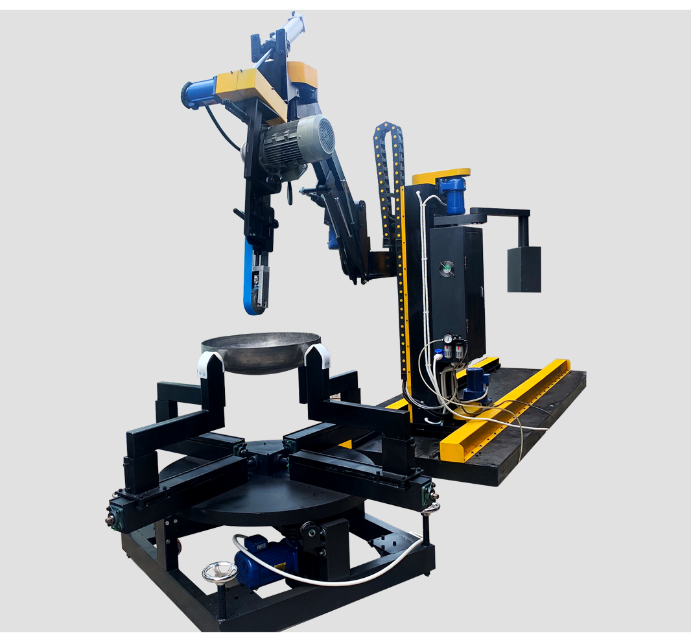
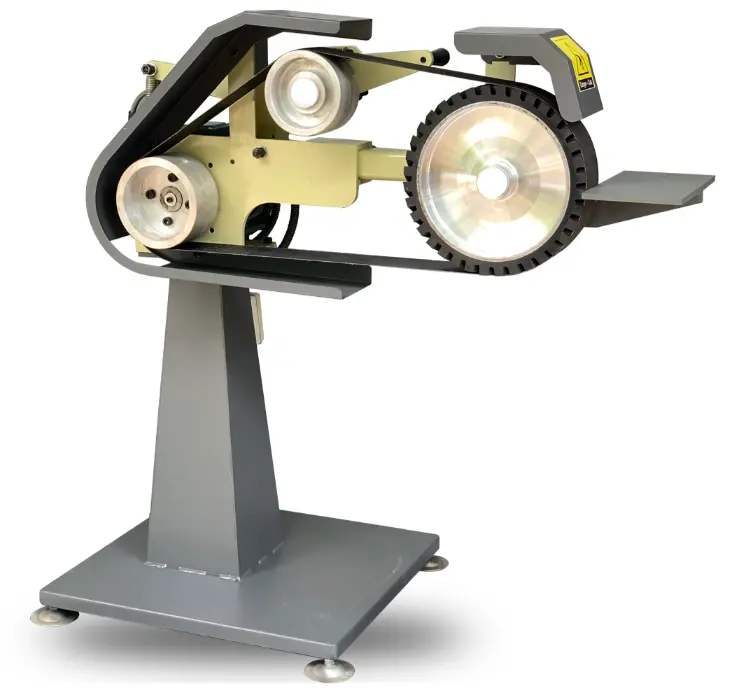
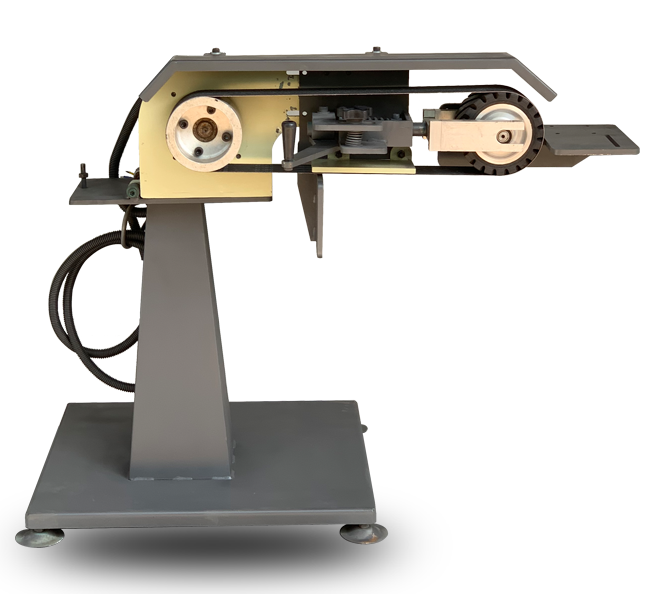
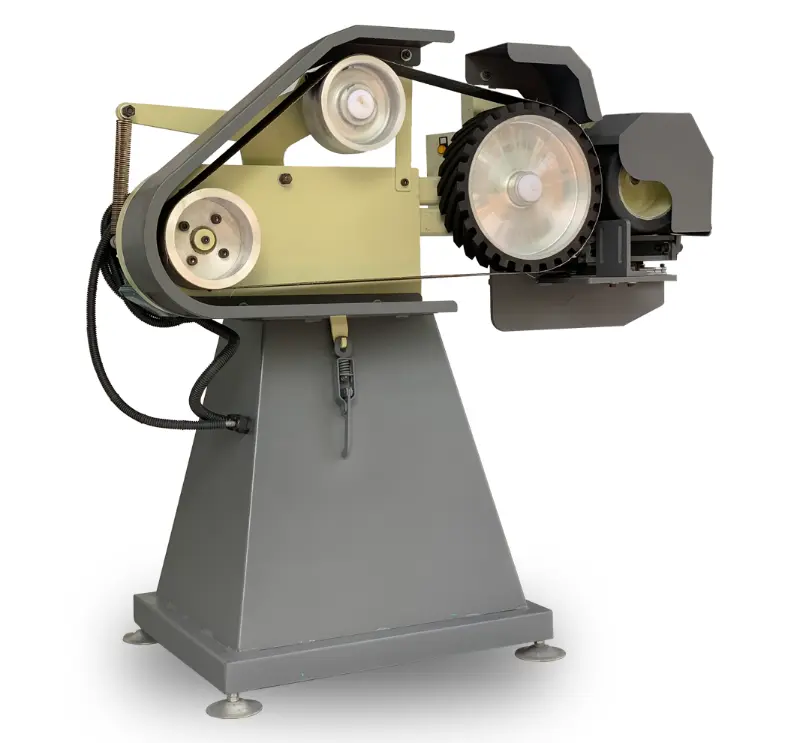
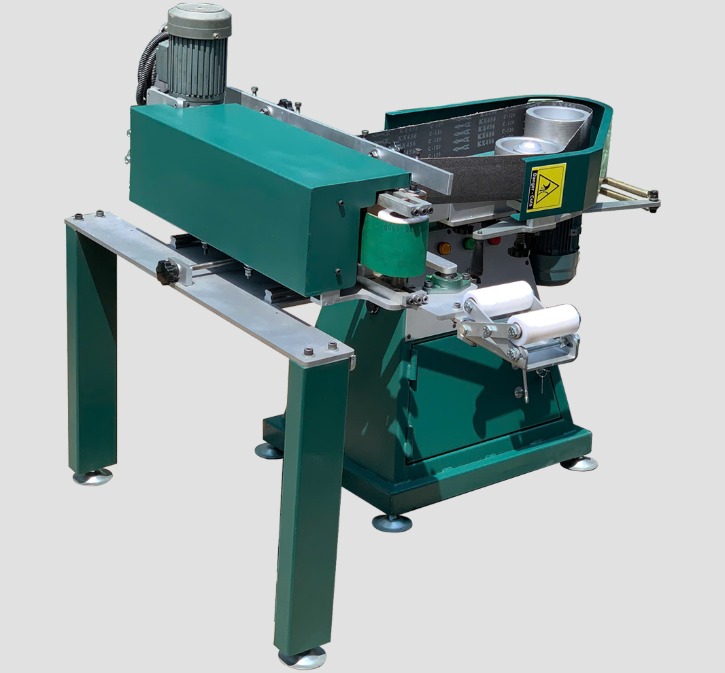
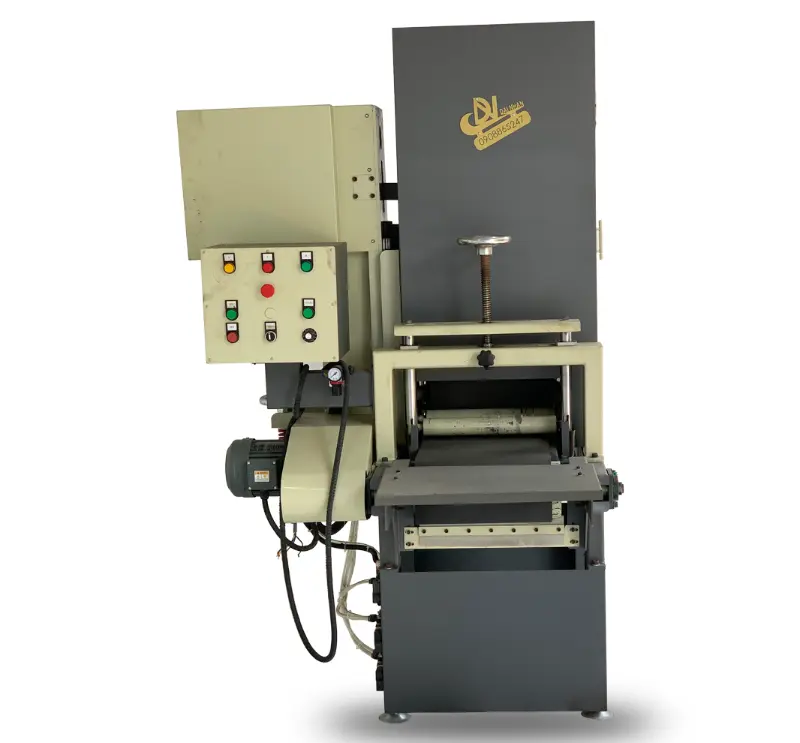
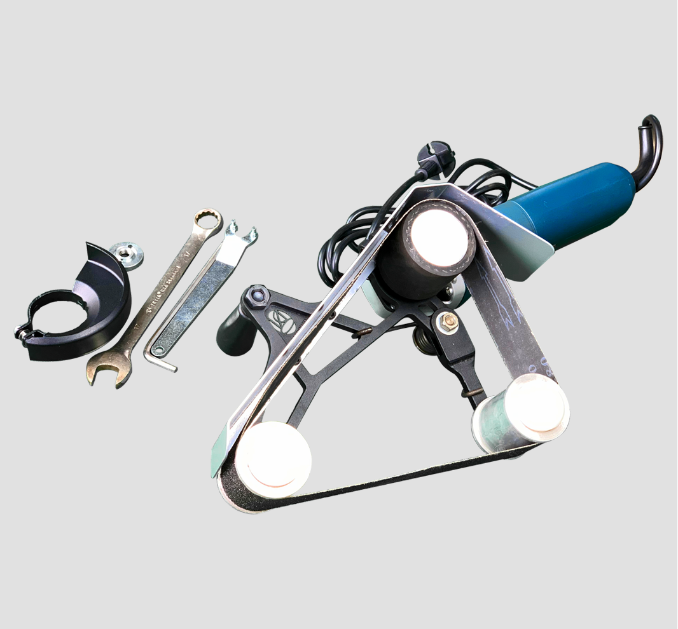
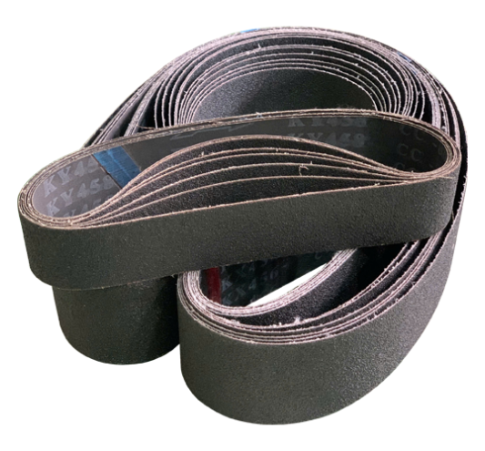
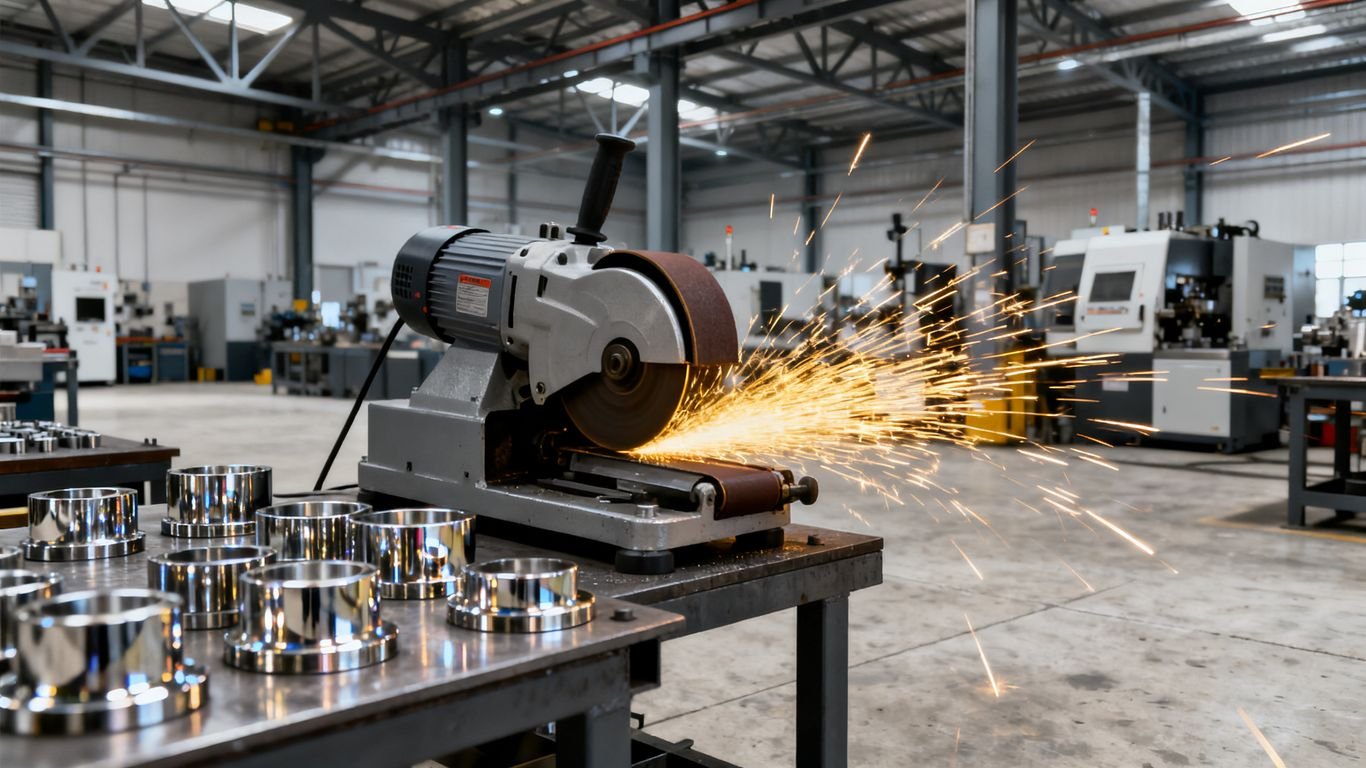
An industrial belt sander is designed to deliver high-performance grinding, sanding, and surface finishing in demanding production environments. However, even export-standard machines can experience reduced efficiency, premature wear, or inconsistent finishing results when they are not operated correctly. In many cases, the problem lies not with the equipment itself but with improper machine setup, abrasive belt selection, or inadequate maintenance practices.
For manufacturers working in metal fabrication, stainless steel processing, and industrial production, avoiding common operational mistakes is essential to maximizing equipment lifespan and maintaining consistent product quality. Proper operator training, routine inspections, and correct machine configuration all contribute to safer operation, lower maintenance costs, and improved productivity.
In this article, we’ll explore the most common mistakes businesses make when using an industrial belt sander, explain how these issues affect production performance, and share practical tips to help you get the best results from your equipment.
Improper abrasive belt selection
Matching grit size to material hardness
Selecting the correct grit is the first step in ensuring your industrial belt sander produces an optimal finish. Using a grit that is too coarse for a hard material leads to rapid abrasive breakdown, while an excessively fine grit on softer metals causes glazing and heat accumulation.
Distinguishing between ceramic, zirconia, and aluminum oxide
The best sanding belts for steel typically use ceramic grains, which provide the necessary strength for high-pressure stock removal, whereas aluminum oxide is often preferred for lighter, manual finishing tasks. Understanding these differences prevents inefficient material removal and ensures that your abrasive choice aligns with your specific workload.
Consequences of using worn or damaged abrasive belts
Running a degraded belt forces the machine to labor harder, which can lead to uneven pressure and poor surface geometry. This practice not only ruins the workpiece but also stresses the drive system, potentially causing premature wear on the wheels.
Proper tensioning techniques for belt longevity
Correct tensioning is essential for preventing slippage that generates localized heat. You should check the tension before every shift to ensure the belt tracks correctly under load, preventing any lateral movement that can cause edge fraying.
Neglecting machine setup and alignment
The critical impact of tracking adjustment
Proper tracking prevents the belt from running off the rollers, which could damage your belt sander for steel and create dangerous operating conditions. Alignment must be verified after every belt change to ensure consistent contact across the work surface.
Mitigating machine chatter through rigid workpiece clamping
When a machine exhibits vibration, the quality of both the finish and the tool health suffers. Experts at Dai Nhan Machinery emphasize that zero-vibration CNC engineering is the only way to eliminate machine chatter and protect components from excessive stress.
Calibrating contact wheels for specific surface finishes
Calibration determines the precision of your metal thickness and surface uniformity. When the contact wheel isn’t square to the feed path, you lose the ability to maintain a consistent finish, which effectively compromises the machine’s intended output.
Aligning drive and idle rollers to prevent belt drift
Roller alignment directly influences the belt’s stability during high-speed operations. We have observed that misalignment causes localized overheating on the belt edge, which can lead to sudden belt failure mid-process.
Ignoring lubrication and cooling systems
The risks of dry running on high-friction metal surfaces
Operating without adequate cooling can cause thermal discoloration and distort your workpieces during heavy grinding stages. Maintaining a consistent lubrication cycle helps protect both the belt and the component from micro-thermal degradation over time.
Distinguishing between wet and dry grinding requirements
Wet grinding remains the gold standard for reducing dust and preventing metal burning in high-production environments. Understanding whether your setup requires a liquid medium helps prevent catastrophic failure when working with sensitive alloys.
Monitoring coolant flow rates for thermal stability
If the coolant flow is obstructed, the temperature at the contact point rises exponentially, causing the grinding grains to lose their sharpness. Operators must verify that nozzles are unobstructed and that the pump pressure remains within factory parameters.
Maintenance of debris filtration units to prevent contamination
Filtration systems effectively catch metallic particles, preventing them from recirculating and scoring the workpiece surface. A failure to clean these units frequently leads to clogged pumps and reduced overall system efficiency.
Failure to account for material feed speed
Avoiding excessive feed rates for heavy material removal
Pushing material through too quickly often results in uneven stock removal and significant stress on the drive motor.
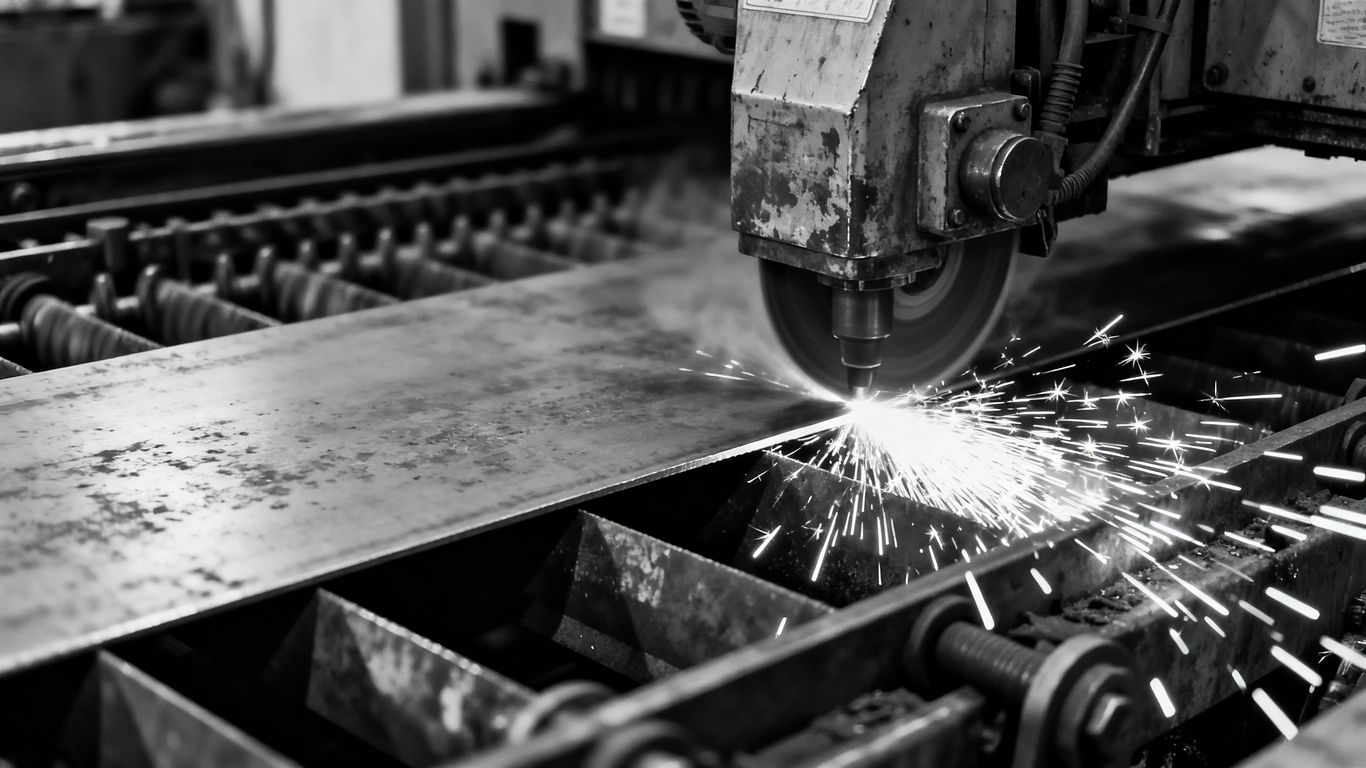
Material moving through belt grinding production
You should adjust the input rate based on the material’s specific density to ensure the abrasive works effectively without being overwhelmed.
The relationship between belt speed and surface integrity
Surface integrity is heavily dependent on maintaining a steady belt speed that matches the material’s heat dissipation capabilities.
Handling variations in workpiece thickness profile
When processing varying thicknesses during a single run, the operator must utilize adjustment mechanisms to compensate for pressure changes. Below is a breakdown of feed speed impacts on different material types:
| Material Type | Recommended Feed Rate | Pressure Impact |
|---|---|---|
| Mild Steel | Moderate | Constant |
| Stainless Steel | Low | High |
| Aluminum | High | Variable |
Optimizing feed pressure for consistent finish quality
Consistent pressure ensures that systems deliver reliable belt sander metal finishing that high-volume lines require. By balancing feed pressure with belt speed, you minimize the risk of surface imperfections during the final grinding pass.
Poor preventive maintenance practices
The importance of regular dust collection system cleaning
Accumulated dust can ignite if it reaches a spark or hot motor component, posing a massive safety risk. Keeping the collection system clean maintains suction levels and prevents the airborne spread of fine metallic particles.
Frequency of lubrication for heavy-duty drive bearings
Bearings that run hot will eventually compromise the main drive shaft, leading to costly total machine failure. We recommend establishing a strict schedule for these components rather than waiting for audible signs of distress.
Detecting early signs of motor strain or overheating
Motor strain is often preceded by slight humming or high power consumption at idle speeds. By monitoring these metrics regularly, technicians can identify potential electrical issues before the machine ceases to function entirely.
Documenting service intervals for compliance with industry standards
Keeping accurate records is not just about sourcing reliable grinders; it is about ensuring that you meet local safety regulations regarding machinery operation. Consistent documentation builds a history of health for your equipment, which is vital for long-term production predictability.
Safety protocol and PPE oversights
Establishing adequate workspace clearance for large components
Large workpieces require clear floor space to prevent accidental contact with the machine structure or other operators. If the area around the station is cramped, the risk of trapped hands or limbs increases significantly during operation.
Implementing lockout-tagout procedures for belt changeovers
Lockout-tagout processes are non-negotiable for anyone operating a belt grinder for metal fabrication to prevent accidental startups. Engaging these protocols ensures that personnel performing maintenance stay entirely isolated from the power supply until the task is complete.
Ensuring proper ventilation to mitigate airborne metallic particulates
Metallic dust requires robust ventilation to protect the lungs of your workforce and maintain a breathable factory climate. Ensuring your facility has adequate air exchange rates is fundamental to basic industrial safety.
Using specific personal protective equipment for industrial grinding operations
Standard PPE, including eye protection and hearing conservation devices, must be mandated for every floor operator. Relying on high-performance metal finishing equipment does not negate the need for the operator to wear appropriate gear, such as high-impact safety glasses and flame-resistant clothing.
Maximize Manufacturing Uptime with Dai Nhan Machinery
Avoiding costly downtime starts with using equipment designed for precision, durability, and long-term reliability. Dai Nhan Machinery manufactures industrial belt sanders and metal finishing solutions engineered to deliver stable performance, minimize vibration, and withstand continuous production in demanding manufacturing environments.
Whether you’re upgrading an existing workshop or building a new production line, our team can recommend or customize equipment to match your materials, production capacity, and operational requirements. With factory-direct manufacturing, OEM customization, and dedicated technical support, Dai Nhan Machinery helps businesses improve surface finishing quality while reducing maintenance costs and maximizing equipment lifespan.
Contact Dai Nhan Machinery today to discuss your application, request technical specifications, or receive a customized quotation for your next industrial metal finishing project.
Conclusion
Maximizing the life and output of your industrial belt sander starts with rigorous adherence to documented maintenance and setup standards as championed by manufacturers like Dai Nhan Machinery. By addressing the selection of abrasives, keeping a tight lid on machine alignment, and prioritizing the safety of your operators, you ensure that your production line runs consistently through every shift without the risk of unexpected downtime.
Read more: Why Global Manufacturers Invest in Heavy-Duty Industrial Belt Disc Sander


BOLA BAG's BLOG YOU MAY ALSO BE INTERESTED IN
How to Evaluate an Industrial Belt Sander for Sale for OEM/ODM Scale and Procurement
Versatility in Metalworking: The Power of an Industrial Belt and Disc Sander
Operational Mistakes with Export-Standard Industrial Belt Sander