


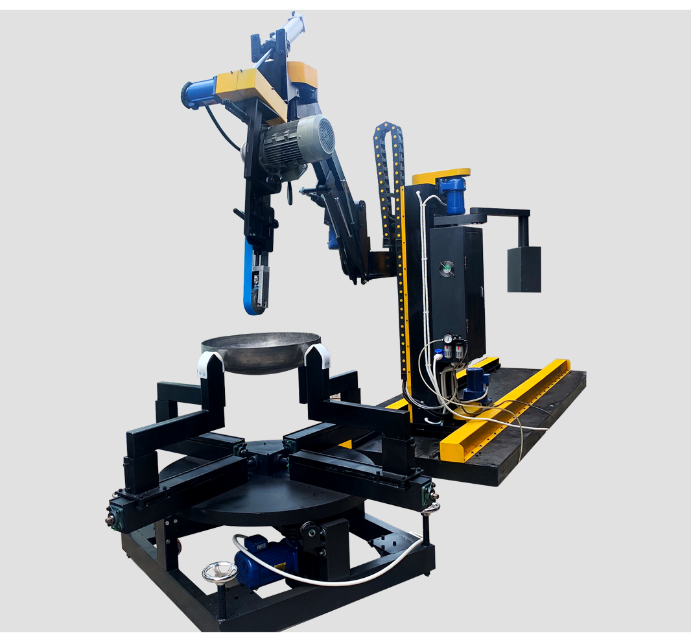
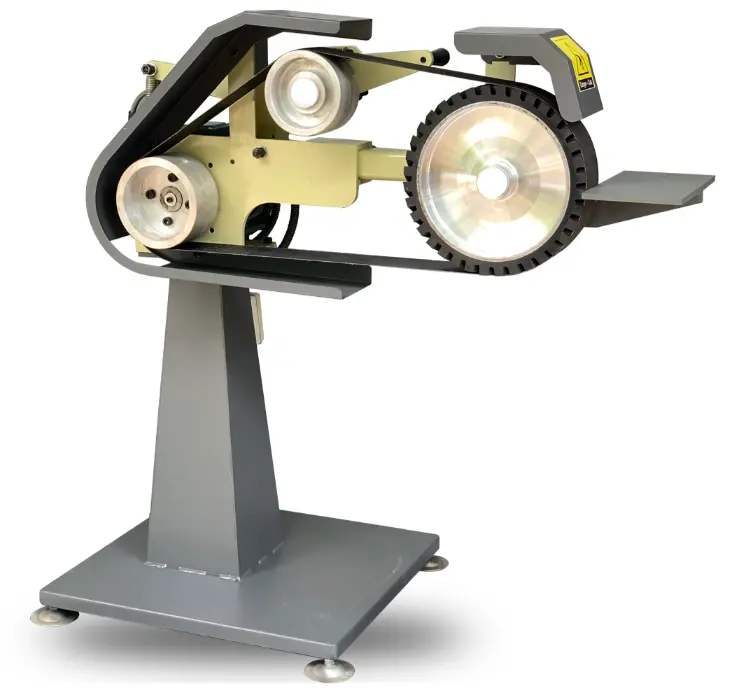
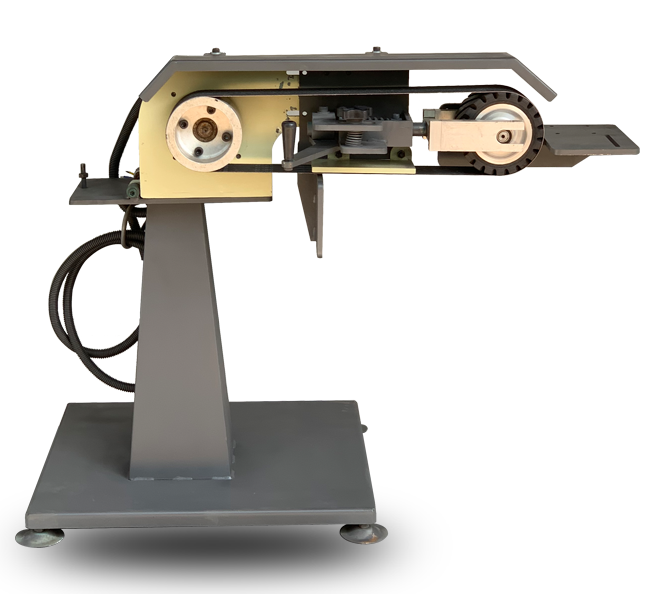
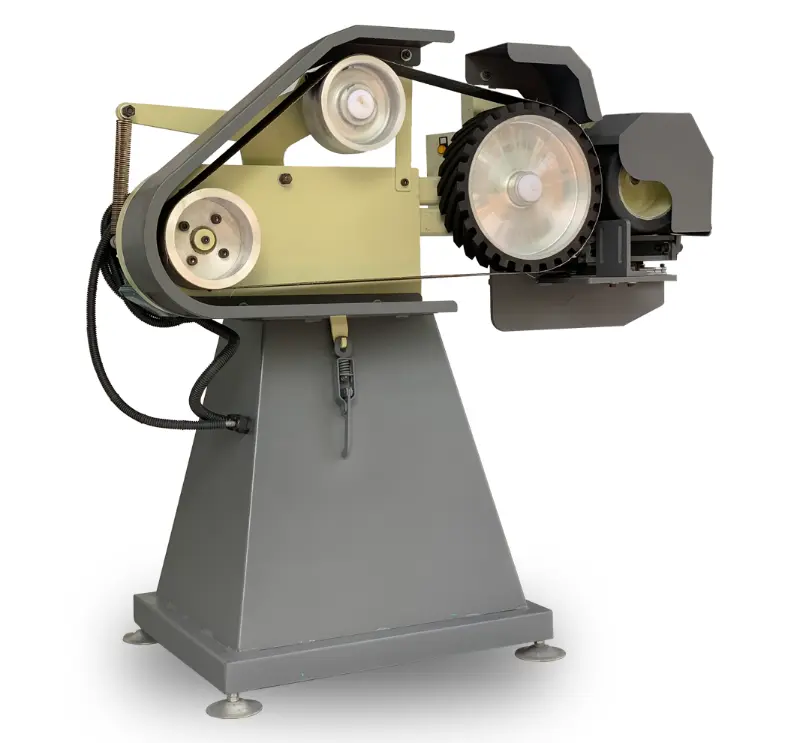
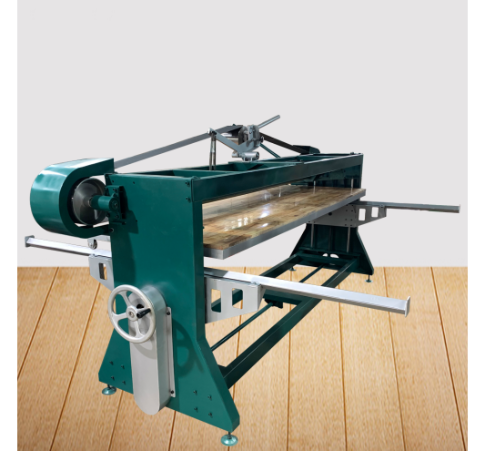
We get asked this question often, and it’s a fair one: can you use a belt sander on metal? The short answer is yes, but there’s more to it than just clamping down a metal belt and switching the machine on. Below, we walk through everything we’ve learned about sanding metal with a belt sander, from belt selection to safety, so you can get clean, professional results without damaging your workpiece or your tool.
The Short Answer
Yes, a belt sander can be used on metal, but with important caveats. The results depend heavily on the type of sander you’re using, the abrasive belt material, and the specific metal being worked. A handheld woodworking belt sander loaded with the wrong belt will struggle and burn out quickly on steel, while a purpose built industrial belt sander for metal, paired with the correct abrasive, can shape, smooth, and finish metal surfaces beautifully. This is really the core of the question: can you use a belt sander on metal effectively across different projects, or only in narrow situations? Throughout this article, we set realistic expectations so you know exactly what to look for before starting a metal sanding project.
How Belt Sanders Interact With Metal Surfaces
Before diving into technique, it helps to understand why people keep asking can you use a belt sander on metal in the first place. At its core, a belt sander removes material through friction. The abrasive grains on the belt scrape away tiny particles of the surface as the belt moves at high speed. On wood, this process is relatively gentle and forgiving. Metal behaves quite differently. It’s harder, denser, and conducts heat much more efficiently, which means friction generates heat faster and that heat has fewer places to escape. This affects everything from belt lifespan to the final surface finish. Understanding this difference is the foundation for using any belt sander for metalworking successfully.
Choosing the Right Abrasive Belts for Metal
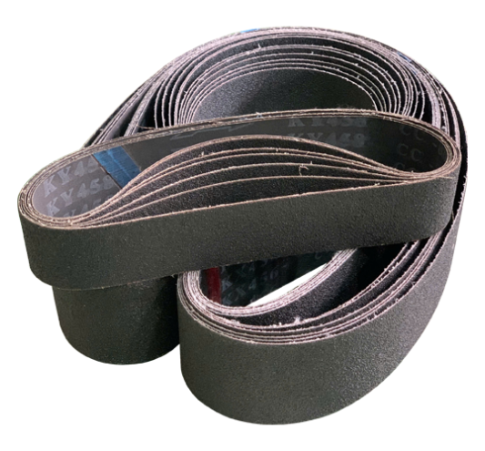
Not all sanding belts are created equal, and using the correct type makes a significant difference when working with metal. Zirconia alumina belts are a popular choice because they’re tough and self sharpening, making them well suited for aggressive stock removal. Ceramic belts last longer and handle high heat applications better, which is why they’re often favored for industrial belt grinder work on steel. Aluminum oxide belts are more affordable and work well for lighter finishing tasks. For grit selection, lower grits (36 to 60) are best for stripping paint, rust, or heavy material removal, midrange grits (80 to 120) are ideal for shaping and blending welds, and higher grits (150 and above) are used for final smoothing before polishing or painting. Sanding belts for steel and sanding belts for stainless steel are typically labeled by manufacturers, so checking compatibility before you start saves time and frustration.
Handheld vs Stationary Belt Sanders for Metal Work
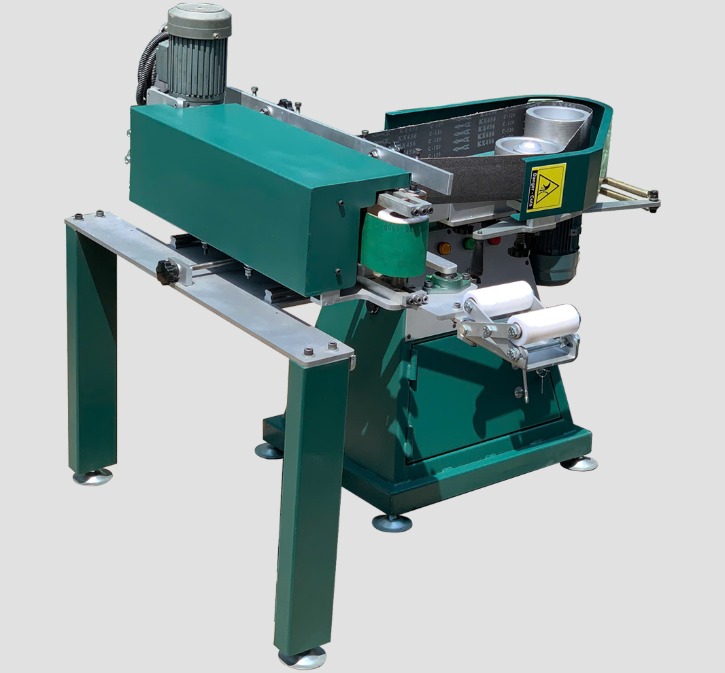
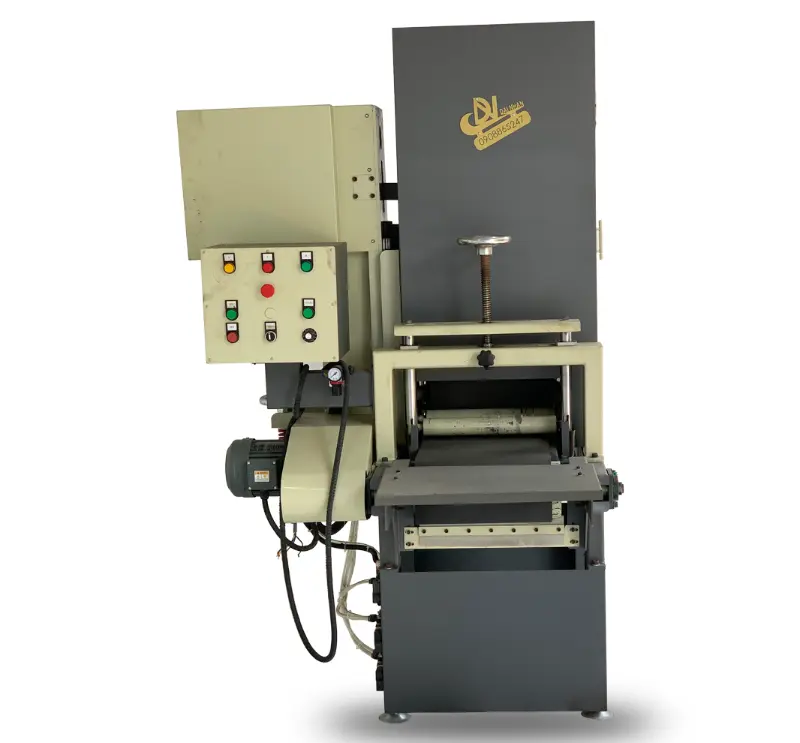
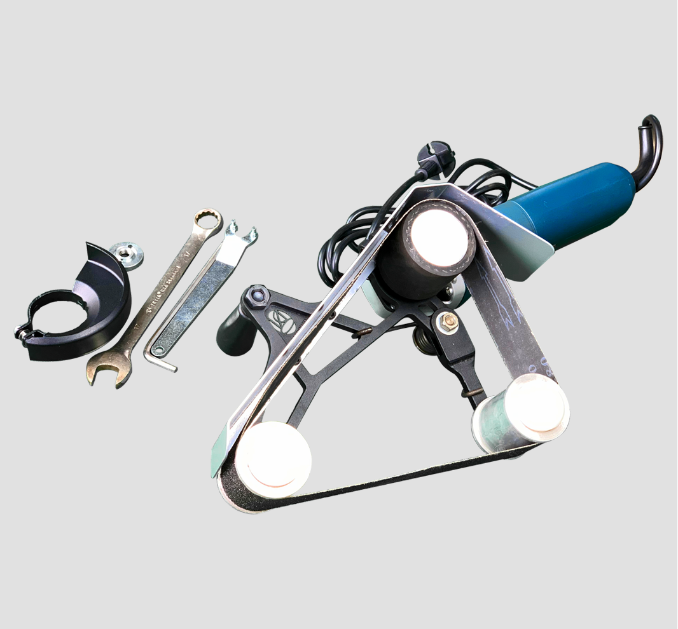
Portable belt sanders are convenient for onsite work, such as smoothing a weld on an installed railing or knocking down rust on a large metal surface where the piece can’t be moved. They offer flexibility but less control over consistency. Stationary or benchtop models, including vertical belt grinders and industrial bench sanders, are better suited for precision shaping and repetitive metal tasks. These machines offer steadier belt speed, better dust and spark containment, and more accurate results for detailed metal fabrication work. This question becomes especially relevant when deciding can you use a belt sander on metal for a specific job, since portable and stationary machines offer very different levels of control. If you’re doing frequent metalworking, a stationary belt grinder machine is often the more practical long term choice.
Heat Buildup and Why It Matters
Sanding metal generates considerably more heat than sanding wood, and that heat matters. Excessive heat can wear out belts prematurely, cause visible discoloration on the metal surface, warp thin sheet metal, or even alter the temper of hardened steel, weakening it in the process. We’ve found that taking cooling breaks, using lighter and more consistent pressure, and occasionally dipping the workpiece in water (when appropriate) helps manage heat buildup. Watching for discoloration as you work is a simple, reliable way to catch overheating before it becomes a problem.
Common Metal Sanding Applications
Typical Jobs on the Shop Floor
Belt sanders are used across a wide range of metalworking tasks, which is part of why so many people ask can you use a belt sander on metal in the first place. Common applications include removing surface rust, smoothing and blending welds, deburring sharp or rough edges after cutting, shaping metal parts to a specific profile, and preparing surfaces before painting, plating, or polishing. Whether you’re working on a small home project or industrial scale metal fabrication, these core uses cover the majority of situations where a belt sander earns its place in the workshop.
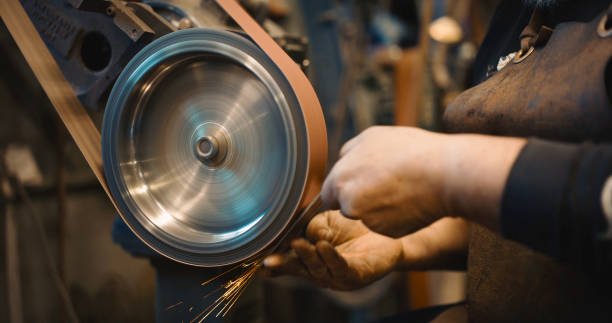
Belt Sander – Dai Nhan Machinery
How Different Metals Respond
Softer metals like aluminum and mild steel sand relatively easily and respond well to standard abrasive belts, making them forgiving for beginners. Hardened steel, tool steel, and stainless steel present more of a challenge. These metals generate more heat, wear down belts faster, and may require specialized ceramic or zirconia belts along with slower, more deliberate technique. This variation is exactly why the answer to can you use a belt sander on metal depends so much on which metal you’re actually working with. Stainless steel in particular can be prone to work hardening if too much heat builds up, so a steady hand and appropriate belt choice matter even more here.
Safety Considerations When Sanding Metal
Sanding metal introduces hazards that differ from woodworking. Sparks are common, especially with ferrous metals, and metal dust can be harmful if inhaled or if it comes into contact with skin and eyes. Freshly sanded edges are often sharp, and the workpiece itself can become hot enough to burn. Anyone asking can you use a belt sander on metal safely should treat these precautions as mandatory, not optional. We recommend always wearing safety glasses or a face shield, heat resistant gloves, a properly rated respirator or dust mask, and working in a well ventilated area or with a dust collection system in place. Taking these precautions seriously protects against both immediate injury and long term health effects.
Tips for Getting Smooth, Even Results
Pressure, Motion, and Grit Progression
Consistency is the key to a clean finish. We suggest maintaining even, moderate pressure rather than pressing hard in one spot, moving the sander steadily across the surface rather than lingering, and working through a progression of grits from coarse to fine rather than jumping straight to a fine finish. Checking your work frequently, stepping back to inspect under good lighting, helps catch gouges, uneven spots, or overheating early, before they become difficult to correct.
When to Reach for Something Else
As versatile as belt sanders are, they’re not always the right tool. Intricate shapes, tight corners, and fine detail work are often better handled with angle grinders, flap discs, or hand files, which offer more precision in small areas. Very hard metals may also wear through standard belts too quickly to be cost effective, making a cutting wheel or specialized grinding wheel a more practical option. Knowing when to reach for a different tool is just as important as knowing how to use a belt sander well.
Match the Machine to the Metal
Aluminium, mild steel, and stainless each ask something different of a sander, and a general purpose machine will struggle with at least one of them. Dai Nhan Machinery manufactures industrial belt sanders and grinders for metalworking, supplied direct and through OEM and ODM partnerships worldwide. Send your requirements to Dai Nhan Machinery and we will recommend a configuration.
Conclusion
Belt sanders are a genuinely versatile tool for many metalworking tasks, from deburring and weld blending to surface prep and finishing. Success comes down to pairing the right machine and belts with sound technique and proper safety precautions. When those elements come together, a belt sander can be one of the most efficient tools in a metalworker’s arsenal. So, can you use a belt sander on metal? Absolutely, as long as you choose the right abrasive belts, manage heat carefully, and match the tool to the task at hand. Whether you’re removing rust, smoothing welds, or prepping a surface for finishing, understanding these fundamentals will help you get consistent, professional quality results every time.
Read more: Operational Mistakes With Export Standard Industrial Belt Sander Equipment


BOLA BAG's BLOG YOU MAY ALSO BE INTERESTED IN
The ROI of Integrating Export-Standard Industrial Plate Grinder
A Buyer’s Checklist for Partnering with Specialized Buffing Wheel Manufacturers
How to Evaluate an Industrial Belt Sander for Sale for OEM/ODM Scale and Procurement