


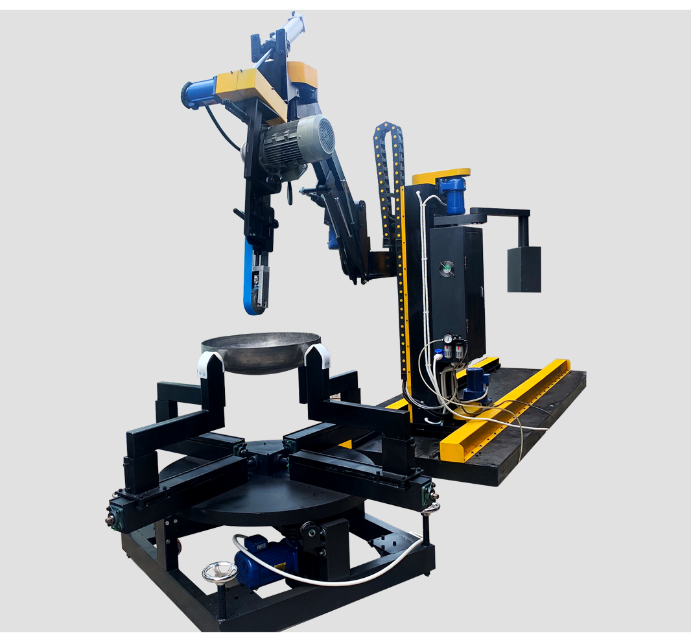
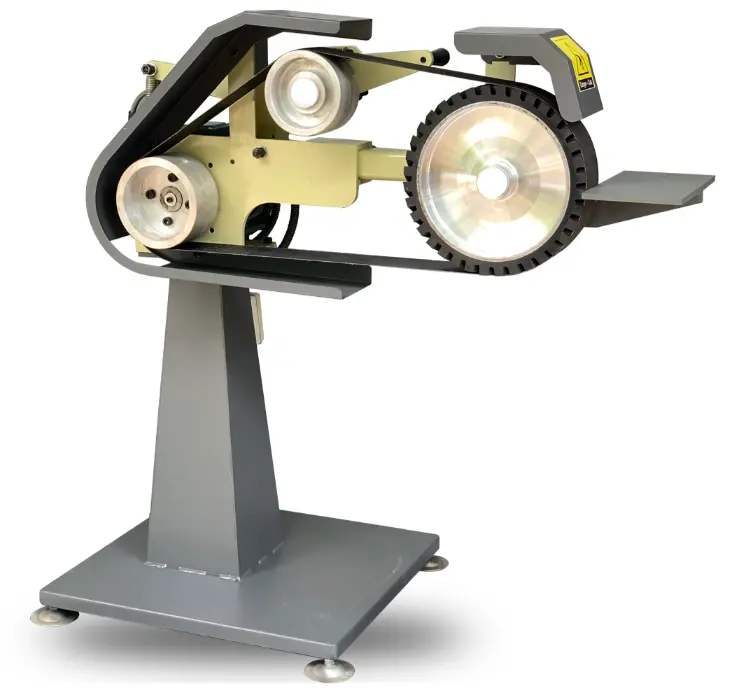
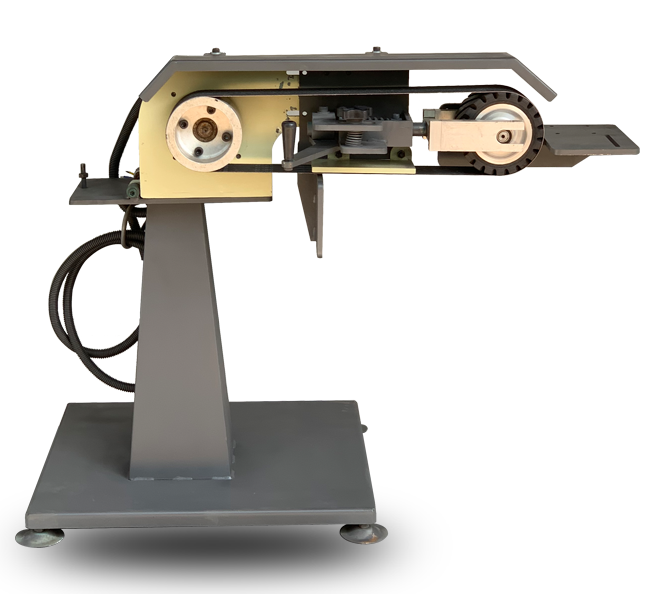
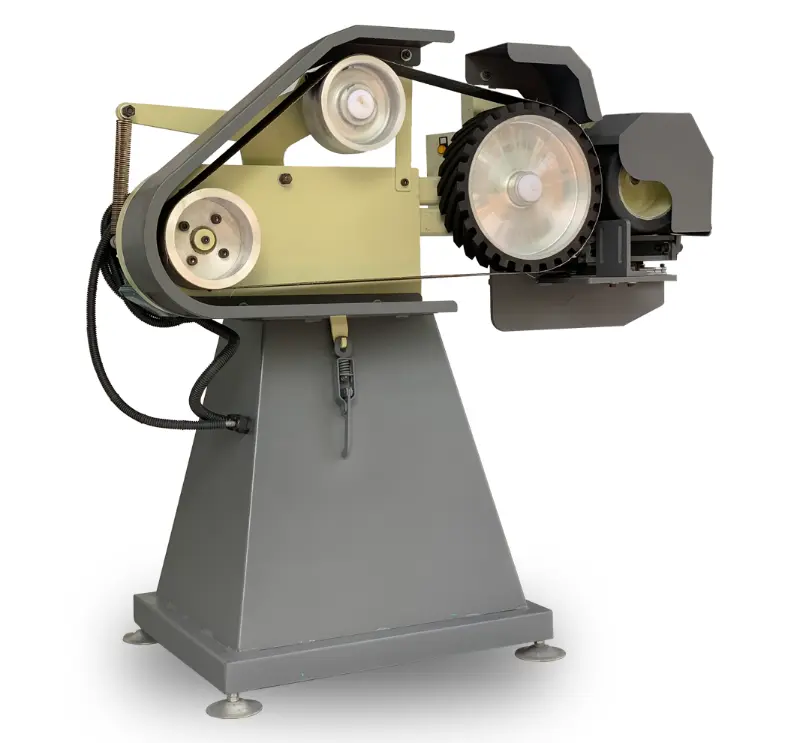
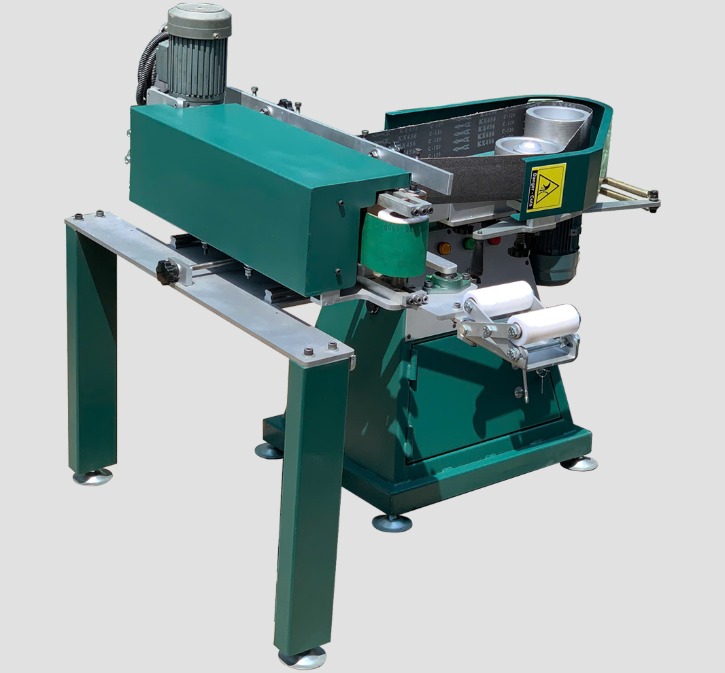
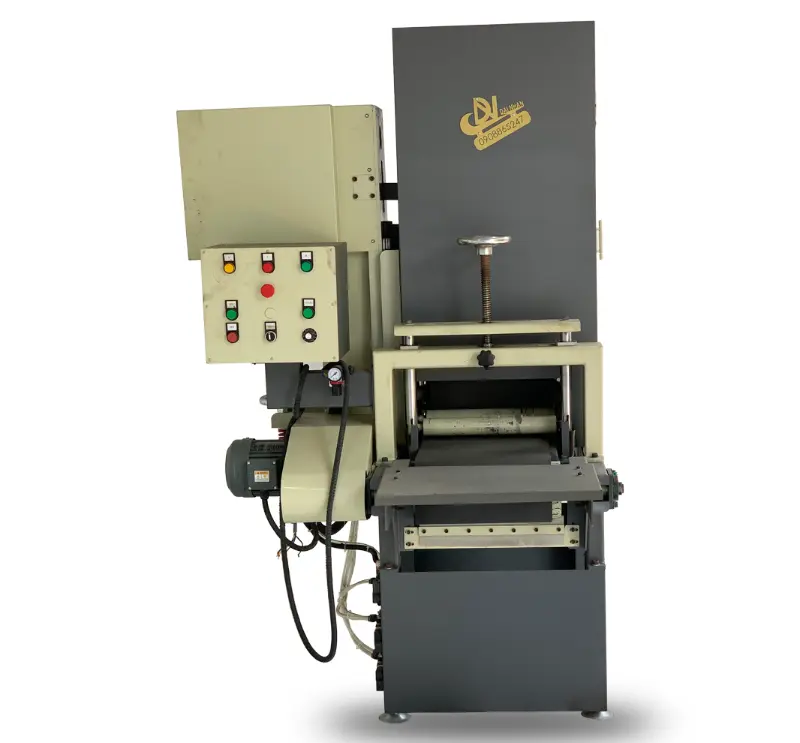
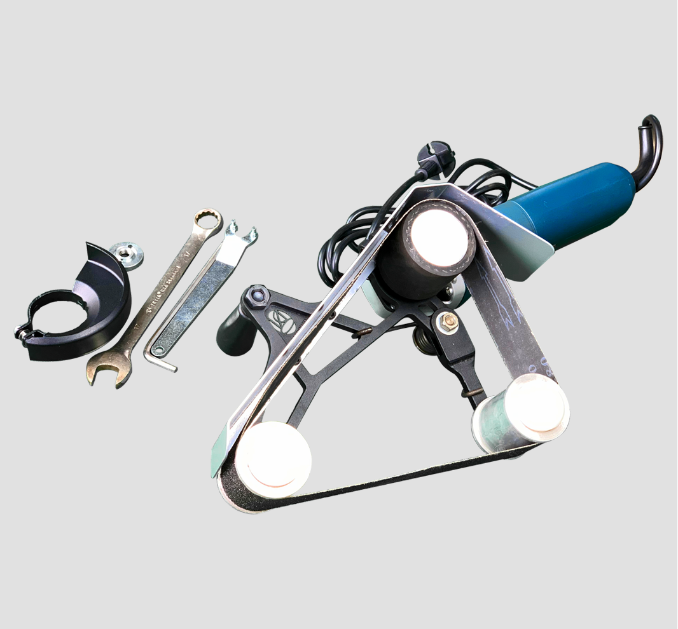
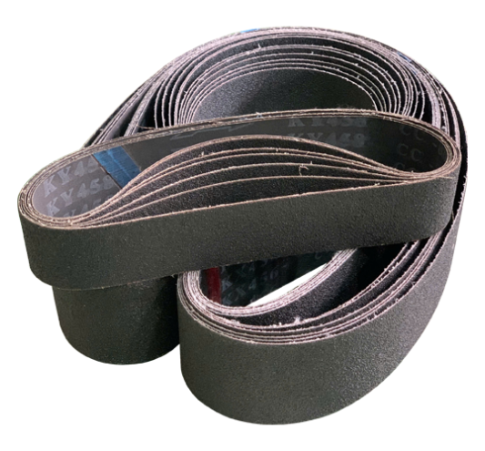
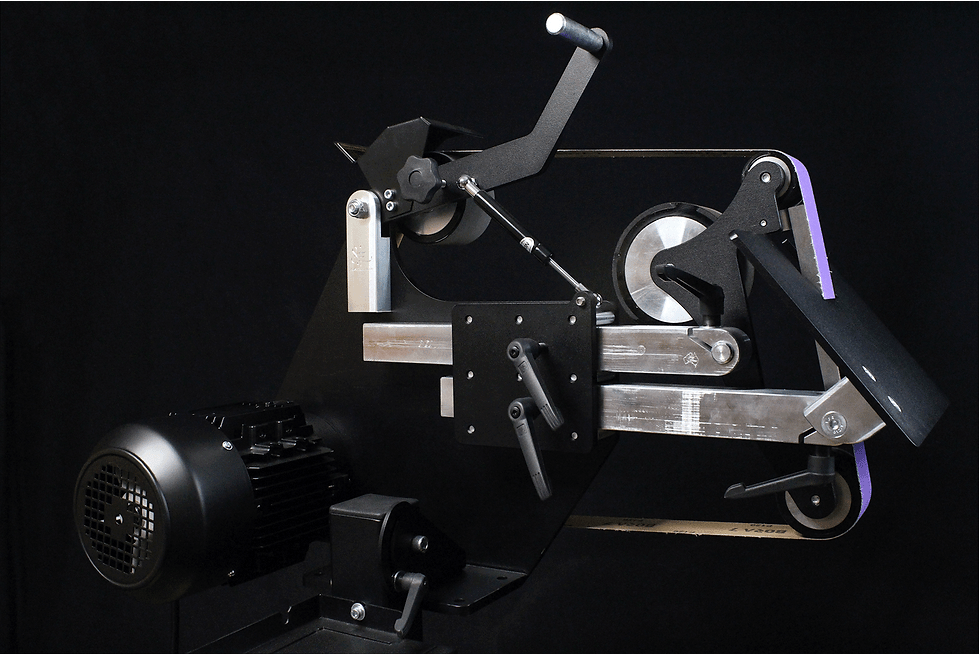
Investing in an industrial belt sander for sale is about more than finding the lowest price—it’s about selecting equipment that can support your production goals, quality standards, and long-term business growth. For OEM/ODM manufacturers, distributors, and industrial buyers, the right machine should offer reliable performance, flexible customization, and the capacity to meet evolving manufacturing demands.
When evaluating an industrial belt sander for sale, buyers should consider factors such as machine construction, grinding performance, automation capabilities, production capacity, and after-sales support. Equally important is choosing a manufacturer with proven engineering expertise and experience in OEM/ODM projects, ensuring the equipment can be tailored to specific applications, factory layouts, and international quality requirements.
In this article, we’ll discuss the key criteria for evaluating an industrial belt sander for sale, helping procurement teams and business owners make informed purchasing decisions while selecting a solution that delivers long-term value, operational efficiency, and dependable performance.
Assessing performance specs for high-volume metal finishing
High-volume production relies on industrial belt grinders that can handle sustained material removal without degradation. When reviewing an industrial belt sander for sale, evaluating the motor size and speed control defines the operational ceiling for the equipment. A reliable belt sander supplier will offer industrial belt sanders where power is matched to your specific volume and material requirements, preventing stalls during deep grinding cycles.
Understanding motor power and torque requirements for heavy material removal
The ability to remove material efficiently hinges on the motor’s capacity to maintain torque under load. In heavy-duty grinding, standard induction motors must provide sufficient power to prevent the belt from bogging down upon contact. Selecting an industrial belt sander with an oversized motor is a common strategy to ensure the industrial belt grinder runs cool and maintains consistent material removal rates across multi-shift cycles.
Belt tensioning systems and tracking accuracy for consistent finish quality
Precise belt tracking is the backbone of repeatable finishing. Relying on pneumatic tensioning systems allows for quick, tool-free belt swaps while maintaining the constant tension required for uniform surface contact. When belts wander on the contact wheel, the resulting finish patterns become inconsistent, potentially leading to costly surface defects that require secondary processing to correct.
Variable speed drives for diverse materials and surface finish applications
Modern metalworking demands versatility, particularly when shops toggle between abrasive grit types and material hardness. Variable speed drives allow operators to tune surface speed to minimize heat buildup on volatile alloys while extending the lifespan of the abrasive media. Controlling the surface feet per minute ensures that your finishing results meet specific Ra values without overheating the workpiece.
Compatibility with automated feed mechanisms and robotic integration
Future-proofing your line requires an industrial belt grinder that accepts external inputs for automated part handling. Robotic arms or in-feed tables need predictable timing and synchronized mounting points to maintain a steady flow of parts. Partnering with a belt grinder manufacturer that understands automation ensures that the grinder integration proceeds without the need for bespoke mechanical retrofitting.
Evaluating build quality and structural integrity
Structural failures are the most frequent cause of downtime in high-volume grinding operations. Rigidity should be your primary metric, as flex in a belt grinder frame manifests as microscopic vibrations that ruin critical finishes. Belt grinder machine manufacturers like Dai Nhan Machinery highlight the benefits of using zero-vibration CNC engineering to create heavy-plate frames that absorb the kinetic energy of heavy metal grinding.
Identifying the role of CNC-machined frames in vibration reduction
CNC milling of the main chassis eliminates the uneven stress points found in lower-quality cast or welded frames. By utilizing precision-aligned base plates, these industrial belt grinders dampen the harmonic vibrations generated during aggressive material removal. This level of build quality allows operators to push the machine harder while maintaining tight tolerances on complex geometries.
Material thickness and frame rigidity to prevent machine chatter
Frame wall thickness directly correlates to a unit’s ability to withstand continuous shock loads. The following comparison illustrates how industrial-grade frames outperform standard fabrication equipment in typical metalworking benchmarks.
| Specification | Industrial-Grade Frame | Standard Fabricated Frame |
|---|---|---|
| Material Thickness | 12mm+ Steel Plate | 6mm to 8mm Steel |
| Vibration Dampening | High (Inertial Mass) | Low (Subject to Resonant Frequency) |
| Load Durability | Multi-Shift Production | Intermittent Single-Shift |
By prioritizing higher-density materials, shop managers can suppress machine chatter effectively, extending the life of the entire drive train and abrasive system.
Precision alignment of contact wheels and platen surfaces for surface uniformity
If the contact wheel—the heart of the grinding assembly—is misaligned by even a fraction of a degree, surface uniformity is impossible to achieve. Precision bearing housings and hardened shaft assemblies are essential for keeping these contact points perfectly parallel to the work surface. When these components are manufactured to high standards, the transition of the abrasive path remains perfectly flat across the entire part.
Wear-resistant components for continuous, heavy-duty operation environments
High-production environments are harsh, with metal dust acting as a constant abrasive agent. Utilizing hardened alloys for pulleys, belt guards, and tracking guides prevents premature wear that ruins machine accuracy. Consistent performance requires a construction approach that protects internal mechanical elements from environmental contamination, keeping your production line moving.
Analyzing the advantages of direct-from-manufacturer procurement
Buying from an OEM/ODM belt grinder manufacturer eliminates the unnecessary markups associated with global distribution networks.

2×72 Belt Grinder
By bypassing third-party traders, your organization can reallocate that capital back into custom belt grinder specifications or higher-volume project capacity. This approach to buying from a belt sander machine manufacturer creates a direct communication path with the engineers who designed your equipment.
Cost optimization strategies by eliminating supply chain middlemen
Direct sourcing creates a leaner model for industrial belt grinder procurement. When you consider the life cycle of an industrial belt grinder, those savings often fund the purchase of necessary safety upgrades or specialized tooling. Common advantages of this procurement path include:
- Direct access to engineering changes and design feedback loops.
- Eliminating inventory markup fees collected by trade middlemen.
- Faster transit times for custom belt grinder orders directly from the production site.
- Simplified warranty channels with the entity responsible for manufacturing.
These efficiencies are essential for scaling a facility, as they ensure that capital remains productive rather than locked in overpriced, generic industrial sanders.
Scalability and flexibility for custom ODM engineering projects
When standard products no longer satisfy your production requirements, a direct partnership is required. ODM (Original Design Manufacturing) projects allow you to request custom belt grinder widths, auxiliary cooling options, or specialized electrical safety configurations.
Managing lead times for bulk industrial belt sander orders
Managing bulk requests requires a belt sander machine manufacturer that has already mastered its internal production scheduling. A direct manufacturer will provide transparent insight into their current capacity, reducing the uncertainty often found when placing orders through secondary vendors. For large-scale manufacturing expansions, this visibility allows you to align your machine delivery with your plant’s facility upgrades.
Navigating global trade advantages in Southeast Asian manufacturing hubs
Vietnam has emerged as a premier center for high-performance metalworking belt grinder manufacturing. Procurement teams are finding that regional manufacturing hubs offer cost-effective, high-quality production that is often tariff-free compared to legacy markets. This geographic advantage is critical for global companies seeking to diversify their supply chains while maintaining strict procurement budgets and quality standards.
Prioritizing operator safety and industrial compliance
Safety is not just a regulatory hurdle but the foundation of an efficient shop. Utilizing industrial belt grinders with built-in emergency stops and electrical interlocks prevents catastrophic accidents before they occur.
Dust extraction capabilities and particulate filtration efficiency
Metal dust creates significant environmental and health risks that require dedicated extraction solutions. A machine with an integrated, high-CFM dust collection port ensures that fine particulates remain out of the operator’s breathing zone and away from internal electrical components. Efficient filtration is a key requirement for maximizing efficiency in your production.
Emergency stop integration and electrical safety interlocks
Safety interlocks should disconnect the power the instant an access door is opened or a fault is detected. This prevents accidental contact with active grinding belts, which travel at high speeds. These controls must be tested regularly to ensure they remain functional throughout years of heavy-duty operation.
Compliance with international noise regulation and machine safety standards
Compliance isn’t just about avoiding fines; it’s about creating an environment where workers can perform their jobs effectively. High-quality industrial belt grinders incorporate sound-deadening materials and balanced rotational assemblies to keep noise levels within permissible industrial limits. Ensuring your industrial belt grinder meets international certification standards is a critical step in sourcing guide best practices.
Ergonomic design for reducing operator fatigue in high-production cycles
Repetitive tasks require an industrial belt grinder that limits physical strain on the operator. Adjustable height controls, conveniently placed switches, and reduced vibration levels allow employees to remain focused and accurate throughout an entire shift. When an operator is comfortable, the quality of the finish and the consistency of the part output invariably improve.
Evaluating vendor credibility and long-term partnership value
A long-term partner acts as an extension of your own manufacturing team. You want a vendor that views your success as their own, which is why selecting a reliable belt sander supplier is about more than evaluating a catalog.
Assessing custom engineering capabilities for specialized finishing lines
Can your belt grinder manufacturer change their designs to fit your floor plan? A responsive vendor can modify belt path lengths or integrate automated cleaning stations upon request. Seek a partner that displays a clear capability for adapting base models to meet the unique challenges of your material types or production volume.
Strategic availability of spare parts and high-wear consumable components
When a belt wears out, your line shouldn’t have to stop. Reliable vendors keep a deep stock of high-wear items such as tracks, contact wheels, and tracking guides. Knowing that you can acquire these parts in days, rather than months, provides the logistical security necessary to plan your production calendar with confidence.
Technical support infrastructure and remote maintenance assistance
Modern machinery often includes sensor-driven diagnostics. A good partner offers remote access or video-based guidance to help your facility team diagnose issues before they escalate to system failures. This level of communication turns a support interaction into a valuable problem-solving exercise.
Proven track record in niche sectors like sanitary-grade metal grinding
Specific industries, particularly food or pharmaceutical manufacturing, demand surfaces that are free of pits or burrs. A belt grinder manufacturer with deep experience in achieving sanitary-grade results will understand the importance of belt grain selection and lubricant application. Look for a record of meeting these extreme purity standards to ensure your industrial belt grinder is well-suited to your regulatory requirements.
Upgrade Your Finishing Line with Dai Nhan Machinery
Finding an industrial belt grinder that survives relentless multi-shift operations means going straight to the engineering source. As a premier direct-to-factory OEM/ODM manufacturer based in Vietnam, Dai Nhan Machinery builds heavy-duty surface finishing systems engineered for tight tolerances and maximum uptime.
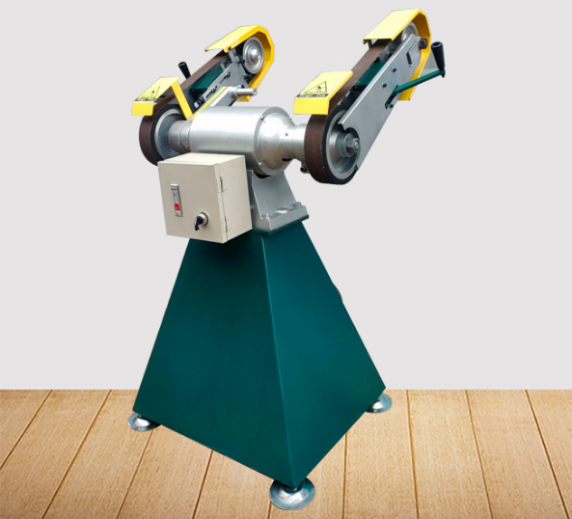
Mini Dual Belt Grinder Manufacturer – Dai Nhan Machinery
The dual-station model pictured above highlights our signature heavy-plate construction. This structural rigidity is achieved through 100% in-house CNC machining to absorb aggressive kinetic energy and eliminate precision-killing belt chatter.
By bypassing global middleman markups, your organization gains direct access to specialized engineering flexibility alongside factory pricing. Dai Nhan Machinery accommodates custom belt widths, automated feed integrations, and strict niche requirements like sanitary-grade grinding for food or pharmaceutical lines. This factory-direct model also guarantees a secure domestic supply chain of high-wear parts and highly competitive, efficient shipping from one of Southeast Asia’s top manufacturing hubs.
Stop letting frame flex and inconsistent tracking bottleneck your production floor. Explore technical specifications and request a direct factory quote today at Dai Nhan Machinery.
Conclusion
Investing in the right industrial belt grinder requires a deep look at both the mechanical capabilities of the unit and the reliability of the belt grinder manufacturer. By focusing on structural rigidity, direct sourcing relationships, and long-term serviceability, your team can build a robust production line that delivers consistent, high-quality finishes for years to come.
Read more: Versatility in Metalworking: The Power of an Industrial Belt and Disc Sander


BOLA BAG's BLOG YOU MAY ALSO BE INTERESTED IN
A Sourcing Guide to Belt Grinder Machine Manufacturers for International Distributors
How Is Square Tubing Made? Inside the Roll Forming, Welding, and Finishing Process
How to Cut Steel With a Grinder: Straight, Safe, and Without Wrecking the Disc