


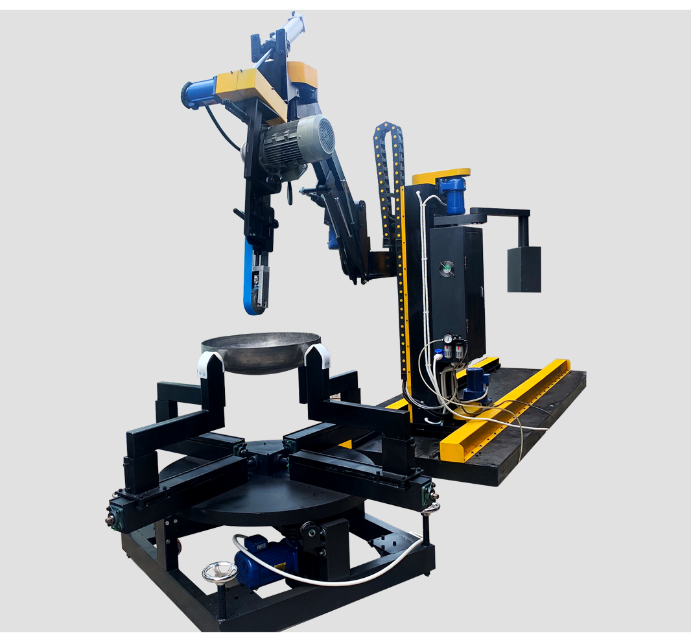
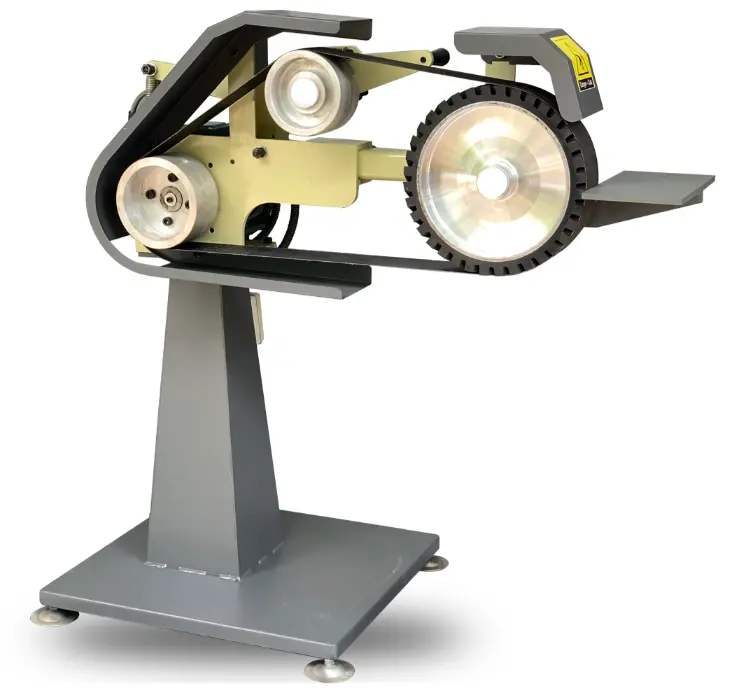
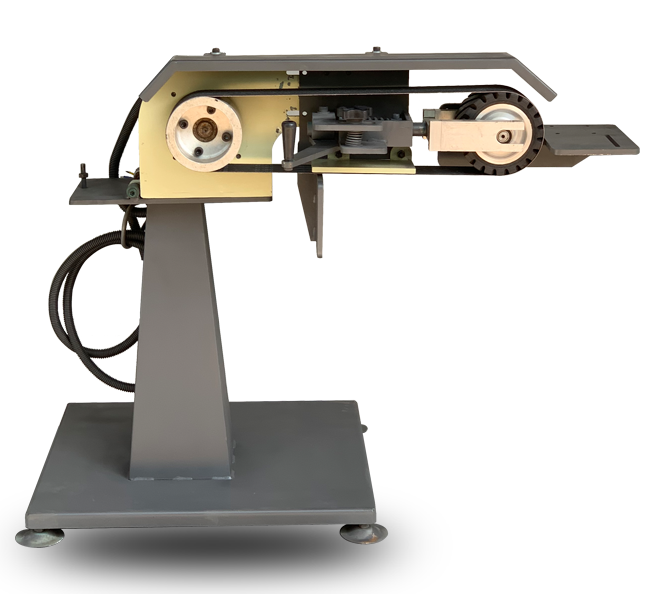
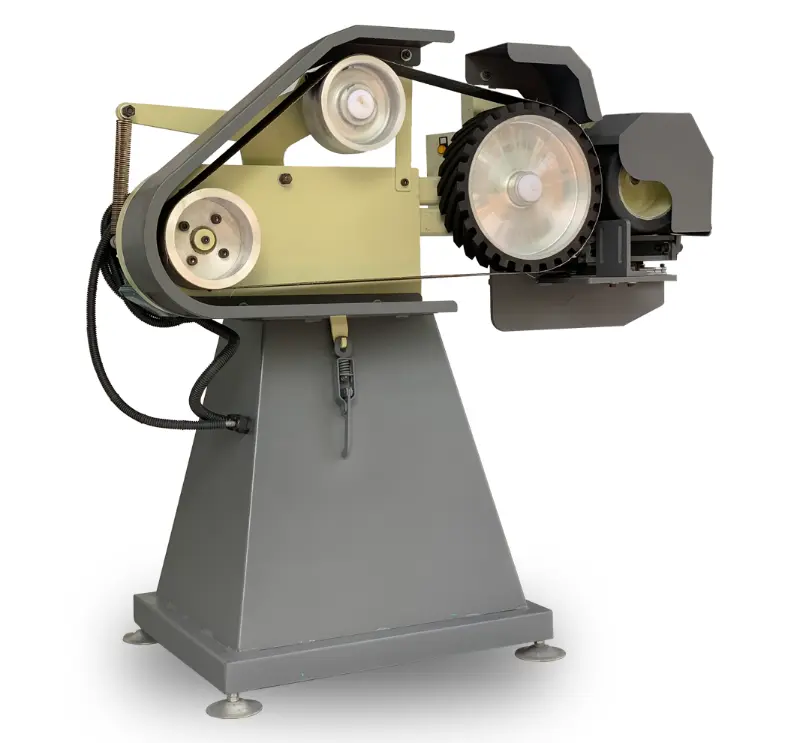
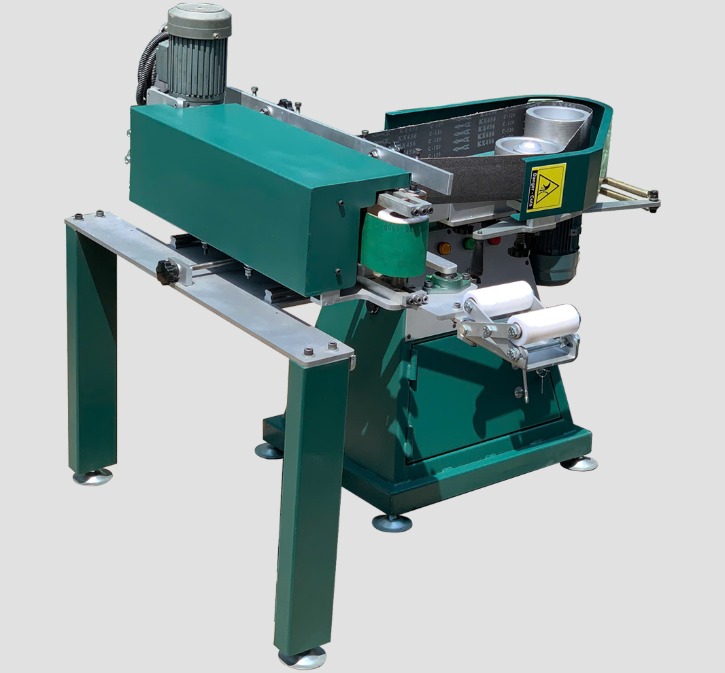
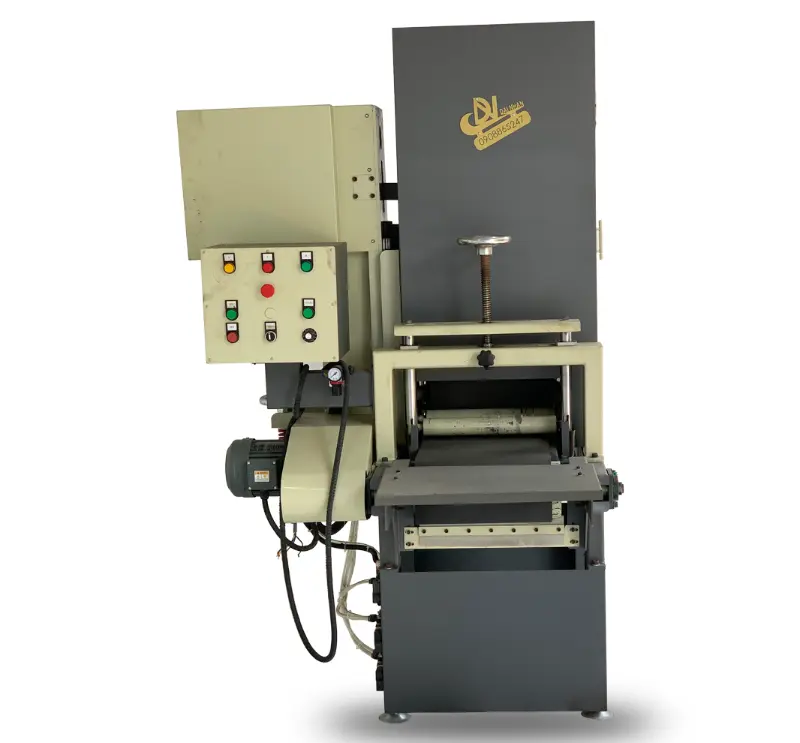
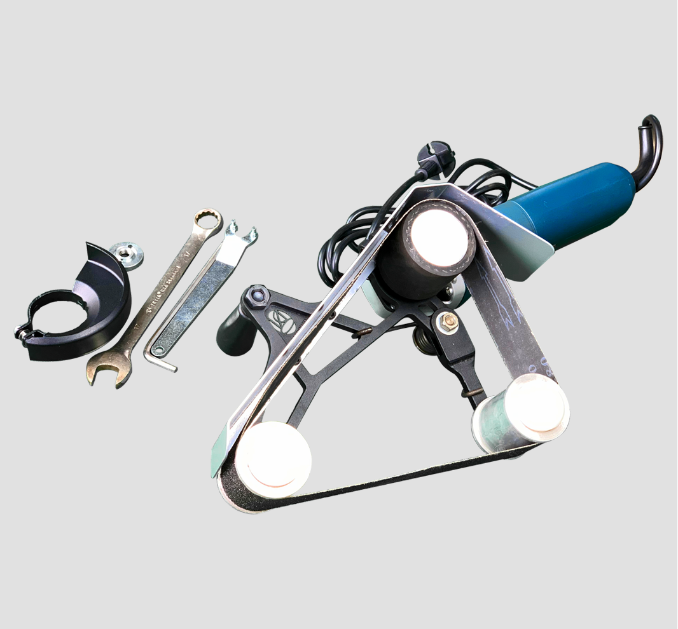
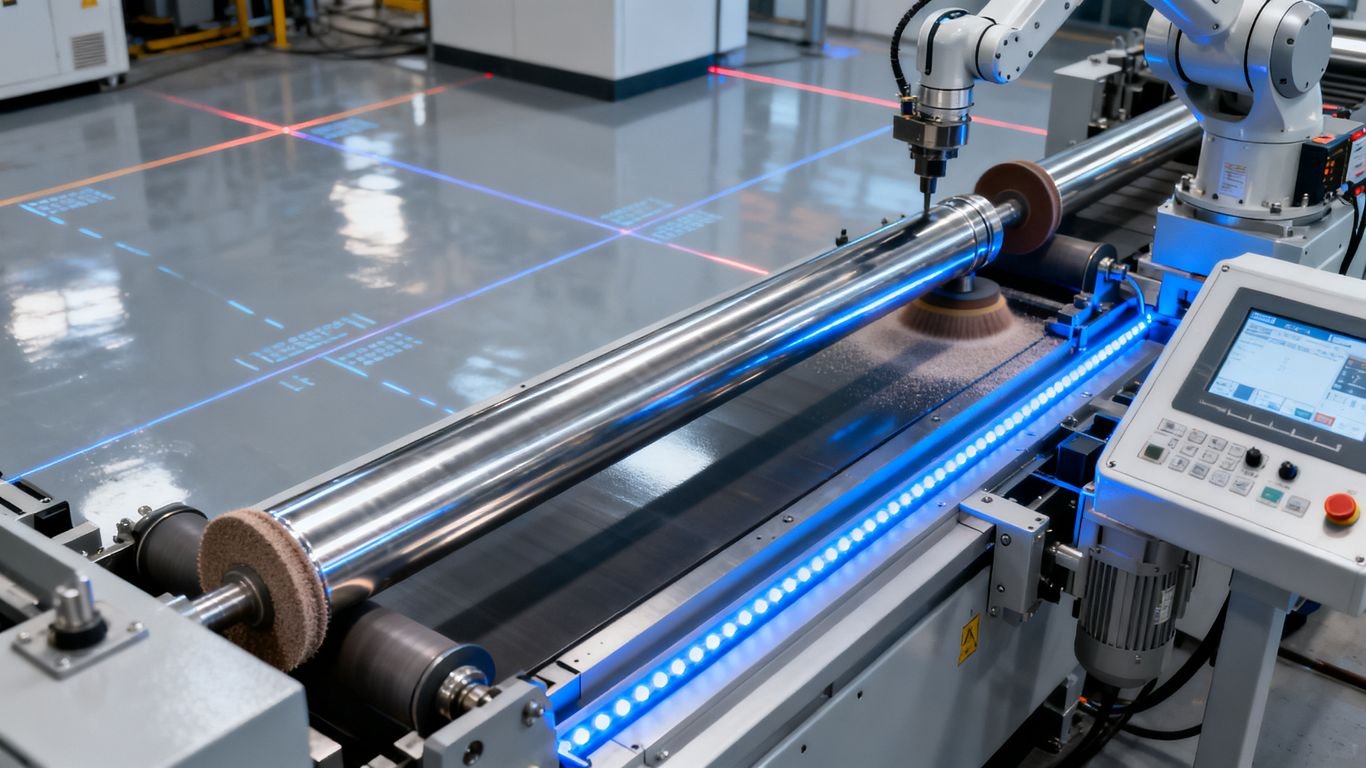
Selecting the right pipe polishing machine manufacturer is a critical decision for distributors, OEM brands, and industrial buyers operating in today’s competitive global market. Beyond machine specifications and pricing, procurement teams must evaluate a supplier’s engineering capabilities, manufacturing standards, customization options, and ability to provide long-term technical support.
As industries such as stainless steel fabrication, automotive manufacturing, furniture production, and architectural metalwork continue to expand, the demand for high-performance pipe polishing solutions is increasing rapidly. A reliable pipe polishing machine manufacturer should be able to deliver equipment that ensures consistent surface finishing quality, supports continuous industrial operation, and adapts to different material types and production requirements.
This global procurement guide explores the key factors buyers should consider when evaluating a pipe polishing machine manufacturer, helping businesses reduce sourcing risks and build more resilient, efficient supply chains.
Defining specific technical requirements for your facility
Facility managers must first clearly articulate their operational needs to ensure a pipe polishing machine manufacturer can deliver a system that fits existing shop flows. Precision starts with data, not hardware, which is why technical briefs serve as the foundation of any procurement strategy. Ensuring the equipment matches your workflow prevents bottlenecking during high-volume production cycles.
Identifying pipe diameter and material thickness constraints
Your specific workpiece dimensions dictate the physical scale of the equipment. If you process a variety of metal gauges, having a modular feed system that accommodates both thin-wall pipes and heavy structural tubing is essential. You must confirm the maximum and minimum capacity of the pass-through feed mechanisms early in the design phase.
Determining required surface finish standards and RA values
Achieving consistent aesthetic and functional surfaces requires strict adherence to finish specifications. Whether you are aiming for a matte finish or a mirror-like polish, the machine must support adjustable pressure settings. Using stainless steel appliances as a standard for quality, you should align your machine requirements with the grade of refinement necessary for your specific market.
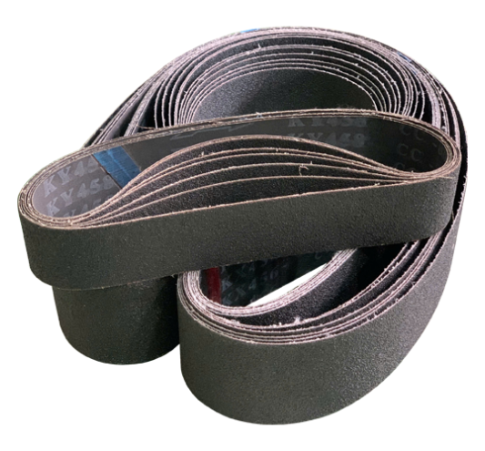
Selecting the appropriate abrasive belt configuration for your metals
Selecting the right abrasive medium is as vital as the machine itself, just as soldering materials must be maintained to ensure project success. Matching belt grit, material composition, and abrasive backing to your metal type prevents overheating during the finishing process. We have prepared an overview of common metal types and their typical processing configurations:
| Metal Type | Abrasive Belt Grit | Cooling Requirement |
|---|---|---|
| Stainless Steel | 80-400 | Wet Cooling |
| Aluminum | 60-240 | Lubricated / Dry |
| Carbon Steel | 40-180 | Minimal |
The table above demonstrates how different substrates require tailored abrasive setups to meet industrial demand. Adjusting these settings periodically will maximize belt efficiency and prevent premature wear.
Factoring in production volume and degree of automation
When scaling up, you might consider the following steps to optimize your production integration:
- Assess the conveyor speed variability to match upstream welding rates.
- Determine if your team requires automated loading and unloading racks for raw materials.
- Verify the compatibility of the machine control interface with your plant management software.
- Ensure safety interlocks are integrated into the automated cycle to protect workers during high-speed shifts.
Integrating these automated features into your line directly impacts your total throughput and helps avoid common bottlenecks.
Evaluating the manufacturer’s structural engineering capabilities
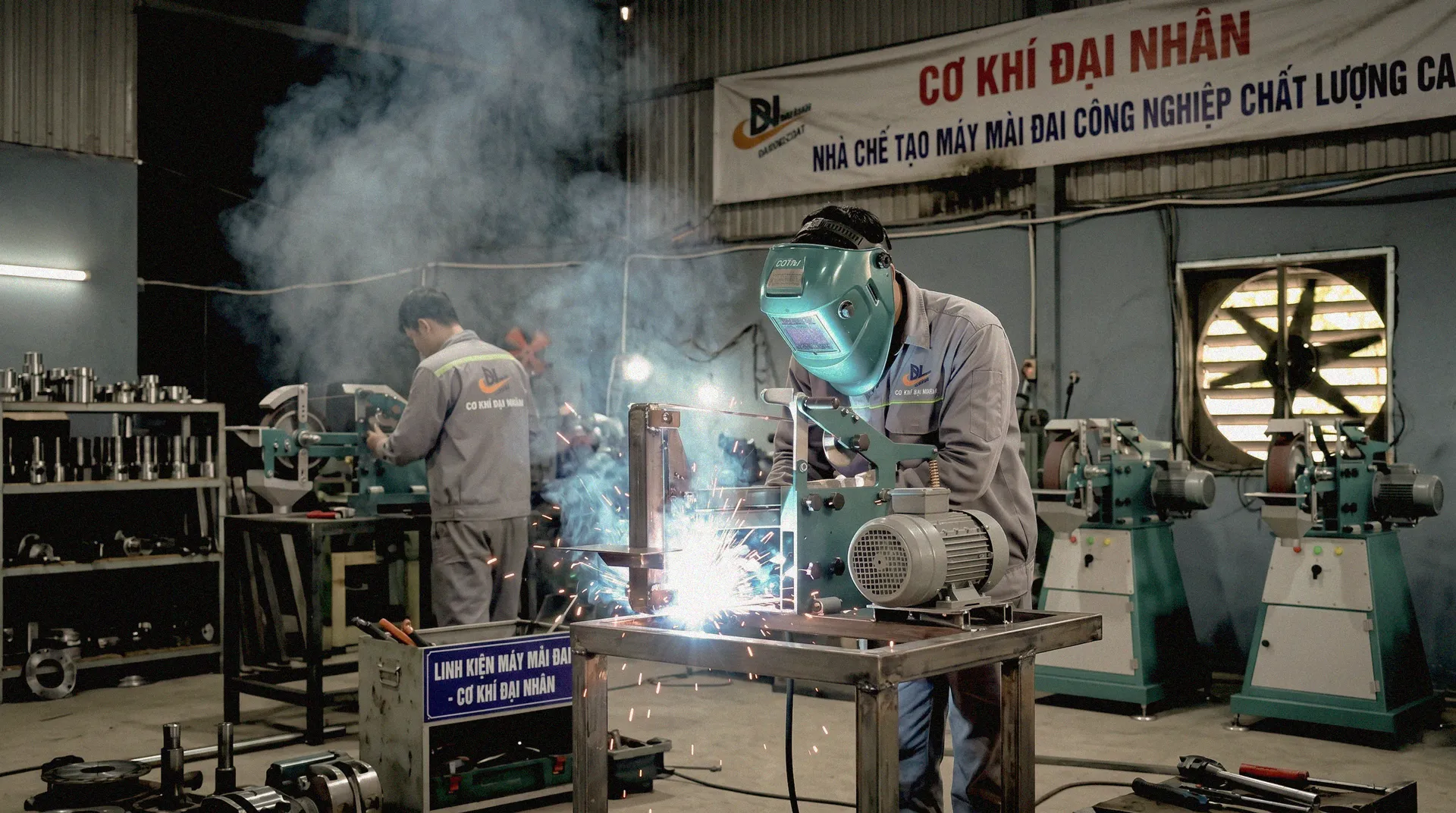
Structural engineering sets apart a long-lasting workshop tool from a disposable piece of equipment. Dai Nhan Machinery emphasizes the importance of a solid frame in all their metal grinding solutions, ensuring that every component operates under minimal stress over years of heavy use. A high-quality base acts as the anchor for the entire abrasive assembly, directly influencing the finish results.
Evaluating the manufacturer’s structural engineering capabilities
Analyzing in-house CNC fabrication standards
The most reliable equipment comes from factories that maintain complete control over their fabrication process from start to finish. When components are CNC-machined on-site, the manufacturer can guarantee tighter tolerances on drive rollers and tensioning mechanisms. This direct oversight is often superior to assembling parts that have been outsourced to multiple secondary suppliers.
The necessity of vibration dampening for abrasive belt longevity
Vibration is the silent killer of surface finish quality and machine lifespan. When a frame is not adequately dampened, high-frequency micro-movements disrupt the contact between the belt and the pipe. This inconsistency leads to uneven polishing and accelerated belt breakage, which drives up your long-term consumables cost significantly.
Identifying machine stability features that prevent surface chatter
Machine stability is essential for achieving the mirror-like finishes required by many industrial applications. By using massive, braced steel frames, manufacturers can prevent the harmonic resonance that causes surface chatter marks on the finished product. This prevents the need for manual rework and ensures every pipe passing through the system meets expectations.
Understanding how frame rigidity impacts long-term precision
Long-term precision is only possible when the machine does not flex under high loads or varying thermal conditions. A rigid frame ensures that the alignment between rollers and the belt remains constant throughout the lifespan of the unit. This constancy is vital for manufacturers who require their equipment to perform identically on day one and day one thousand.
Assessing the strategic impact of regional sourcing
Global procurement strategies are shifting as buyers seek reliable, high-capability partners outside of traditional saturated markets. Diversifying into regions with rising industrial power, like Vietnam, allows companies to access high-quality equipment without the premium costs associated with older manufacturing hubs. The (Industrial Plant Feng Shui) approach suggests that a balanced, efficient factory layout contributes significantly to overall profitability.
Assessing the strategic impact of regional sourcing
Why purchasing from Vietnam offers a competitive alternative to regional hubs
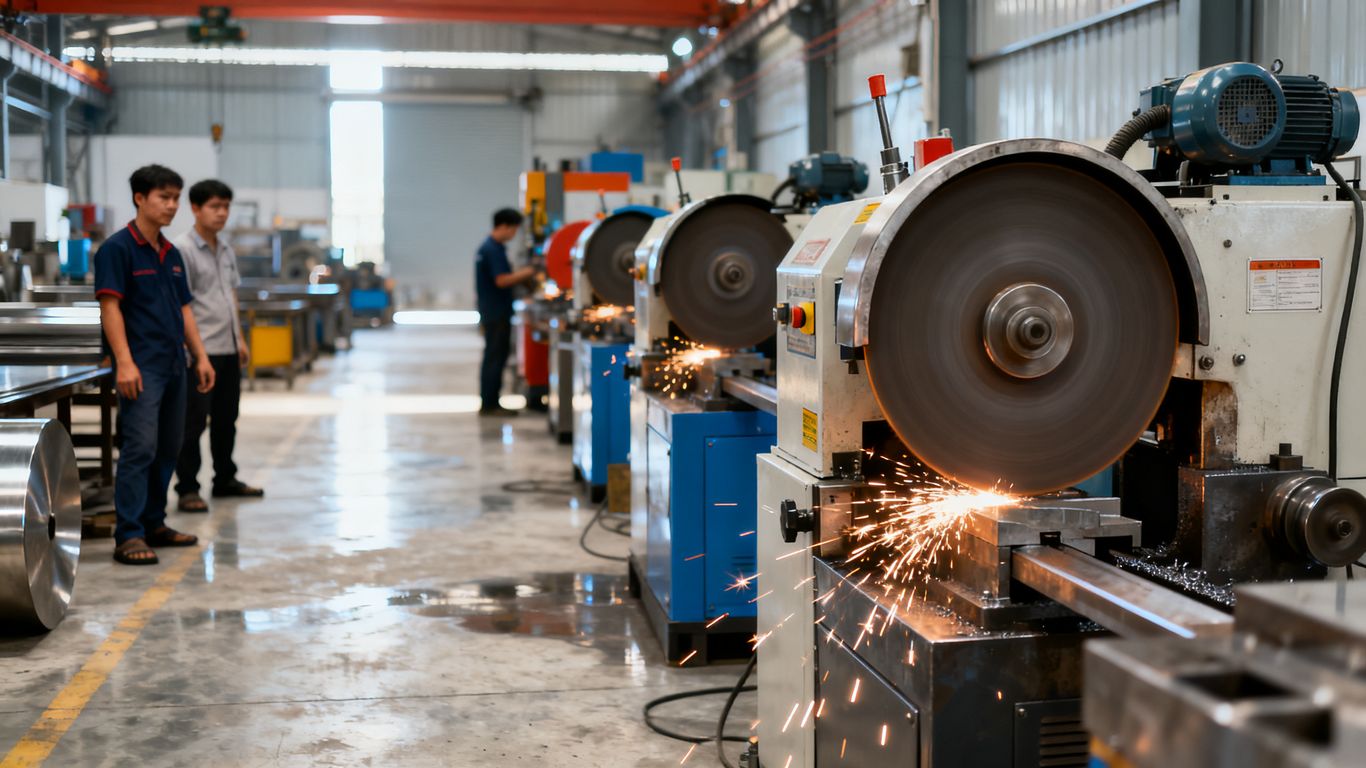
Vietnam has rapidly emerged as a sophisticated center for heavy industrial manufacturing, offering a high-skill workforce and well-developed logistics. Dai Nhan Machinery leverages this geographic advantage to provide custom solutions that meet international standards at a distinct cost advantage compared to regional alternatives.
Navigating tariff benefits and international logistical advantages
Navigating international trade efficiently is a key part of your procurement strategy, much like understanding SEM agency selection in the digital service sector. Choosing a supplier that is familiar with export regulations and tariff-favorable agreements can drastically reduce your landed costs and simplify the delivery process.
Balancing manufacturing costs with high-performance industrial standards
It is entirely possible to reduce your overhead while actually improving the quality of your finish lines. By focusing on factory-direct partnerships, you eliminate the hidden markups of trading companies. This direct line of communication ensures that your investment in industrial belt grinders remains prioritized through every stage of production.
Reducing supply chain risks by choosing emerging manufacturing regions
Spreading your supplier network across diverse regions builds resilience against global logistics disruptions. A stable source in a burgeoning manufacturing corridor provides peace of mind that a single regional bottleneck will not halt your entire production. Choosing a reputable supplier ensures your line stays operational.
Verifying OEM customization and design flexibility
Evaluating the importance of tailor-made machinery solutions
Off-the-shelf equipment rarely fits every unique production challenge. Customization allows you to adapt machines to your specific floor space, power supply, and throughput requirements. Dai Nhan Machinery offers bespoke configurations to ensure that every aspect of the machine is optimized for the specific alloys and shapes you polish daily.
Assessing technical collaboration during the custom design phase
A good manufacturer treats your project as a collaborative effort. They should be willing to review your technical drawings and provide feedback on how to achieve the best results with their tooling. This back-and-forth approach ensures that the finished equipment is delivered according to your exact specifications.
Determining the manufacturer’s capacity to handle unique vessel or plate geometries
Not all steel components are standard round pipes, and your equipment should reflect that versatility. A capable OEM will have experience handling unique geometries, including heavy plates and large tanks, adapting their polishing heads to achieve consistent results regardless of the shape.
Moving beyond off-the-shelf equipment with dedicated engineering support
Having dedicated engineering support is a massive advantage when it comes to troubleshooting or upgrading your system later. Instead of relying on a generic manual, you have access to a team that understands the design intent behind the specific machine on your floor.
Ensuring long-term reliability and aftermarket support
Availability of machine-specific spare parts and consumables
Reliability depends on having a steady supply of parts when you need them. A transparent manufacturer will offer a clear catalog of machine-specific components, from belts to rollers, so your downtime is never extended by a lack of parts. Keep consistent hardware maintenance as a standard rule for all your industrial machinery.
Implementation of comprehensive operator training programs
Training your floor staff on the specific nuances of your new machinery is the best way to prevent human error. Whether on-site or virtual, comprehensive training ensures that your team achieves the best possible surface finish from the first day the machine is powered on.
Assessing remote technical support and site installation guidance
Remote support has become a standard requirement for all modern industrial machines. Being able to connect with a technician to troubleshoot setup or software settings saves time and ensures your installation goes smoothly without the need for an international flight.
Measuring the manufacturer’s commitment to consistent hardware maintenance
Routine maintenance is more than just oiling gears; it is about keeping the machine within factory-set tolerances. A committed partner provides detailed checklists and schedules that help your team manage long-term care, ensuring the machine holds its precision for its full service life.
Performing a due diligence audit of the manufacturer
Reviewing the production environment for industrial-grade equipment
You should always look for a manufacturing space that reflects the quality of their machines. A clean, organized, and well-lit factory indicates that the team values precision and manages their production environment with care. You can contact us to learn more about our facility standards.
Requesting detailed case studies and technical performance reports
Requesting empirical data is far more useful than relying on marketing materials. Look for case reports that detail cycle times, the specific metals polished, and the lifespan of abrasive belts in similar environments. This real-world evidence will tell you more about the machine than any brochure.
Analyzing client testimonials regarding machine service life
When listening to past clients, pay attention to the specific challenges they solved using the equipment. Understanding their long-term experiences with service, parts availability, and the resilience of the machinery under heavy use provides valuable insights for your decision.
Gauging direct communication access instead of relying on third-party intermediaries
Direct access to the engineers who built your machine is invaluable. Avoid firms that gatekeep information through third-party intermediaries, as this often leads to miscommunication and delayed support. Direct communication ensures your technical needs are clearly understood and acted upon.
Conclusion
Procuring the right industrial polishing solution requires a deep look at both the technical specifications of your facility and the long-term reliability offered by your partner. By focusing on structural integrity, direct engineering collaboration, and a robust support system, you position your plant for sustained success. Choosing a partner who understands your specific metal finishing needs—while prioritizing transparent, factory-direct communication—ensures that your procurement process results in years of productive operation.
Read more: How Export-Standard Plate Grinding Machine Streamlines Assembly Lines


BOLA BAG's BLOG YOU MAY ALSO BE INTERESTED IN
Operational Mistakes With Export Standard Industrial Belt Sander Equipment
How to Choose a Reliable Belt Sander Supplier for High-Volume Production
Versatility in Metalworking: The Power of an Industrial Belt and Disc Sander