




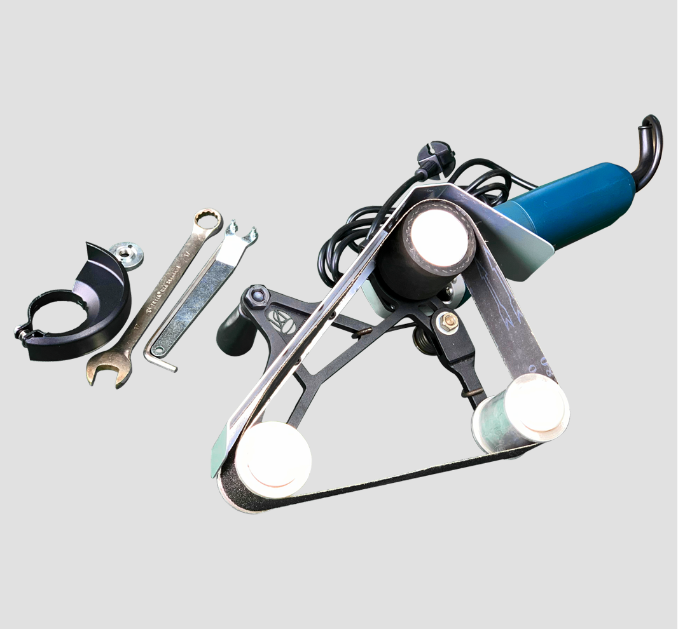
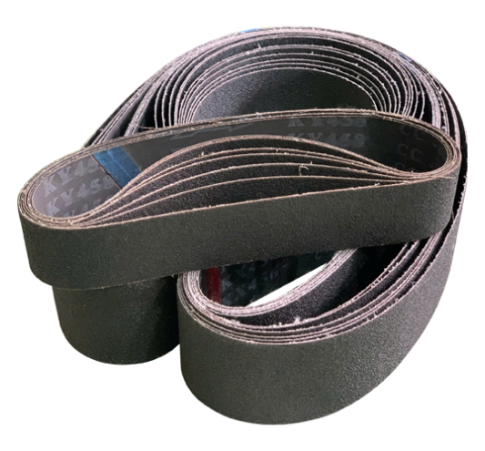
A new 80 grit belt goes onto the sander, cuts beautifully for ten minutes on a pine shelf, and then starts skating. The surface turns shiny and brown, the wood gets warm, and the obvious conclusion is that the belt is finished. Usually it is not. The grains are still sharp; they are just buried. Knowing how to clean sanding belts saves money, but the method that works on sawdust does almost nothing on pine sap, melted paint or smeared aluminium. This guide sorts the job by what is actually stuck in the belt, what never to do to a belt, and when cleaning is a waste of time.
Why a Sanding Belt Clogs Long Before It Wears Out
Every sanding belt is a layer of sharp mineral grains glued to a cloth or paper backing. The gaps between those grains are where the chips go. When the gaps fill faster than the belt can throw the chips off, the grains stop reaching the surface and the belt rubs instead of cuts. That rubbing makes heat, and heat makes the next layer of dust stick even harder.
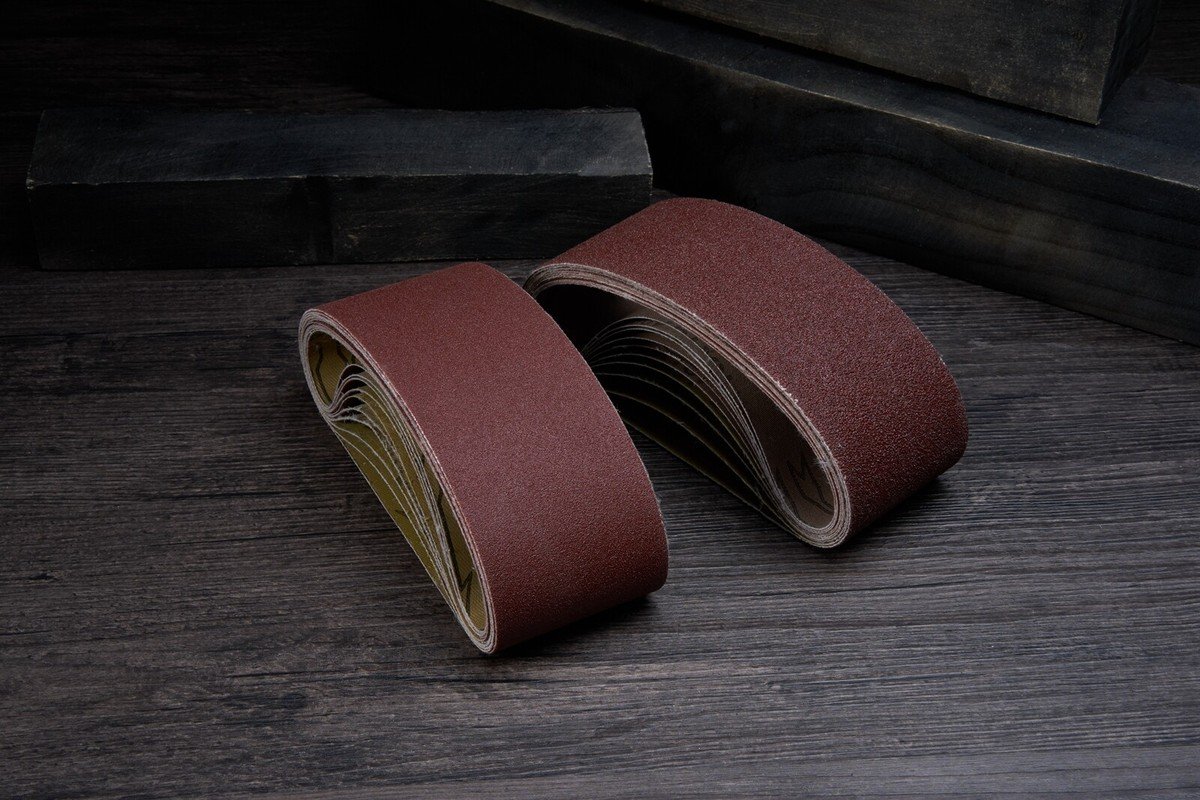
Custom Made Sanding Belts
How fast this happens depends on how the belt was made. On closed coat sandpaper, roughly 90 to 95 percent of the surface is covered in grain, while open coat products leave 50 to 70 percent covered so there is more room for chips. Some belts also carry a soapy stearate layer that helps stop paint and finish from sticking. Belts for resinous softwood or old varnish are worth buying with both features, because they clog far more slowly.
How to Clean Sanding Belts by What Is Stuck in Them
Before reaching for any cleaner, look closely at the belt. Light, dry dust in the grooves is one problem. Dark, glossy streaks that feel tacky are another. A silver sheen on a belt used on aluminium is a third. Each needs a different fix, and using the wrong one mostly wastes time.
Dry Wood Dust Comes Out With a Rubber Cleaning Stick
For ordinary sawdust, a cleaning stick is the fastest tool in the shop. It is a block of crepe rubber, the same crinkled natural rubber used for shoe soles, and you press it lightly against the belt while the sander runs. The rubber grips the packed dust and pulls it out of the gaps in a few seconds. Move the stick across the full width of the belt, keep your fingers well back from the rollers, and stop when the belt colour returns. An old shoe with a real crepe sole does the same job, though the shoe will not be wearable afterwards.
Sticky Pine Sap and Resin Need a Liquid Cleaner
Resin from pine and other sappy woods melts under friction and hardens into glossy patches that a rubber stick cannot shift. Here a water based pitch and resin cleaner works better. Take the belt off the machine, spray only the grit side, let the cleaner sit for a minute, then scrub gently with a stiff nylon brush and wipe or blow the residue away. Keep the liquid away from the joint where the two ends of the belt are glued together. Shops that wash belts often stand them on edge to drain and give them a full day to dry before the next use.
Old Paint and Varnish That Melted Onto the Belt
Paint and finish soften with heat and smear into gummy lumps. A liquid cleaner loosens most of it, but the real lesson is prevention: lighter pressure, a coarser grit so the belt runs cooler, and a stearate coated belt kept only for stripping. If the gum has baked hard and black, cleaning rarely brings the belt back to a useful cut.
Soft Metals Like Aluminium and Brass Smeared Into the Grit
Soft metal does not sit in the gaps like dust; it smears across the grains. Water based cleaners do not dissolve it, and a rubber stick only removes the loose top layer. Belts cope with this better than grinding wheels because the gaps open up as the belt bends around the wheel, which is one reason people ask can you use a belt sander on metal at all. The practical answer is to keep a separate belt for aluminium and never let it touch steel afterwards.
What Not to Do When a Belt Looks Dirty
A few popular tricks do more harm than good. Soaking a belt in a bucket of water or detergent can soften the glue that holds the joint and the grain in place, and a belt that parts at speed is dangerous. Spraying brake cleaner on a running belt is a fire risk, since the solvent is highly flammable and the belt throws sparks when it touches metal. A steel wire brush pressed hard will knock out good grains along with the dirt.
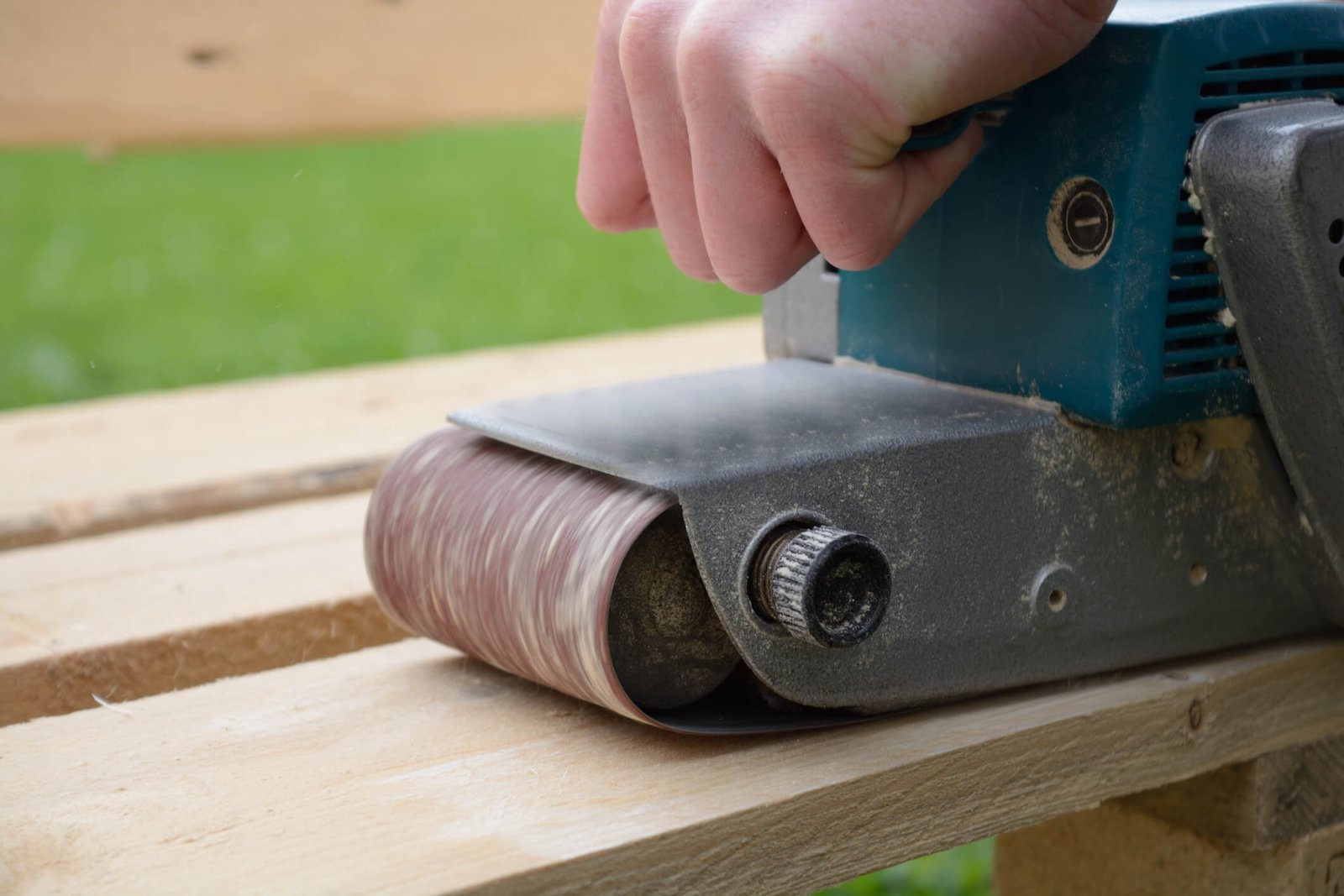
Dirty Sanding Belt
Never clean a belt with your fingers near the point where it runs onto a roller. Wear safety glasses and a dust mask, because a cleaning stick throws a fine spray of dust straight back at you.
Cleaning Belts on Factory Sanders and Grinders
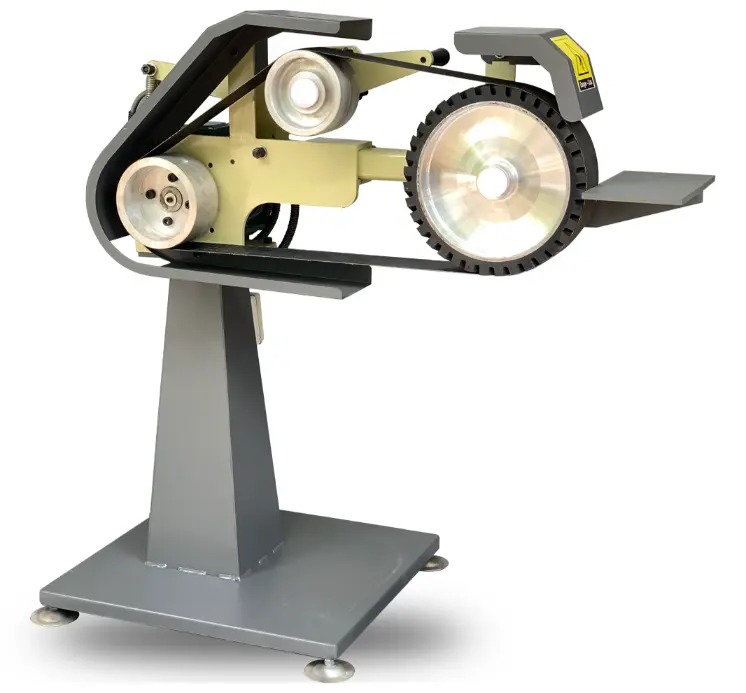
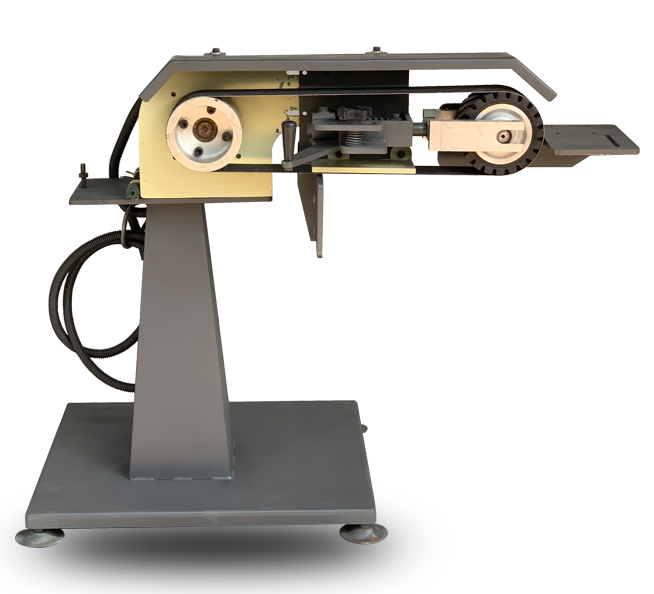
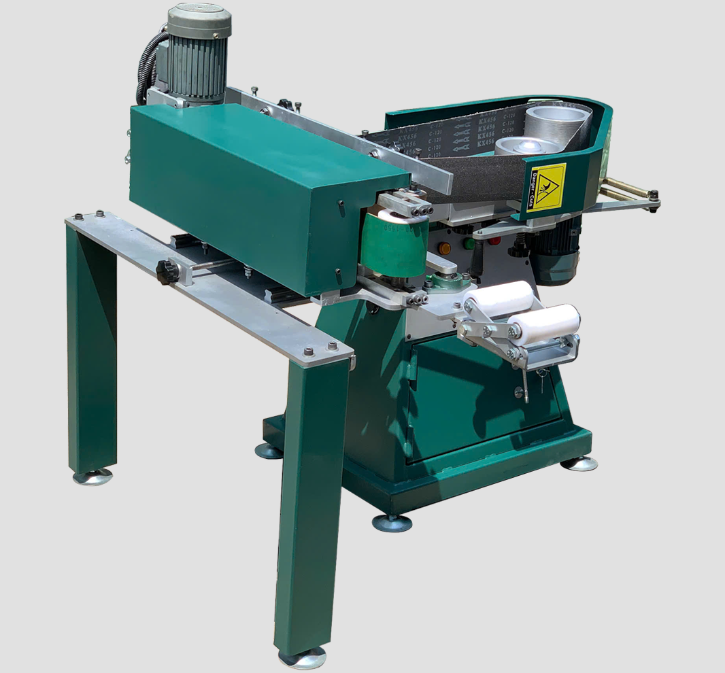
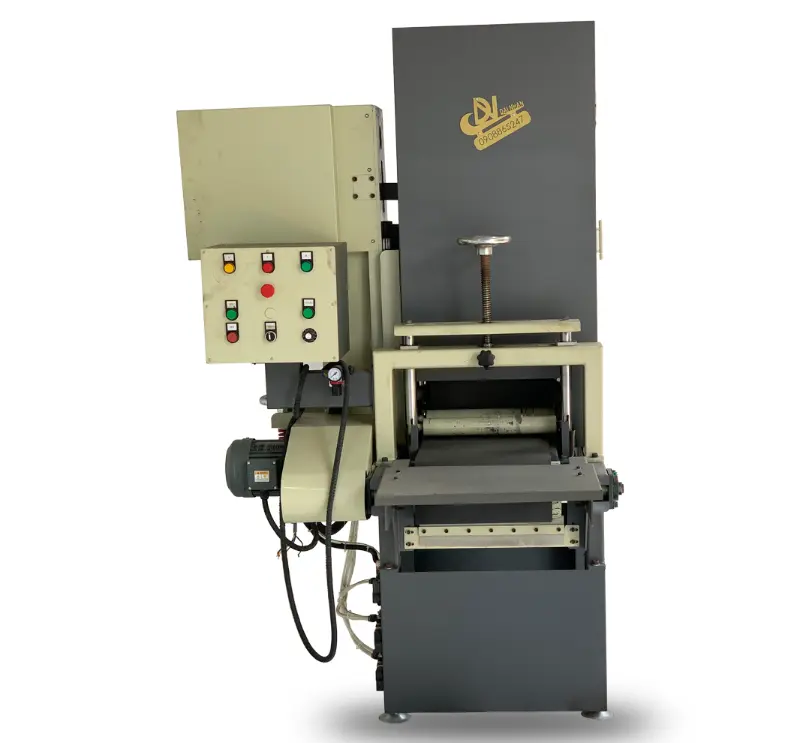
On production lines the idea is the same but the tools get bigger. Wide belt sanders in furniture plants can be cleaned with large crepe pads fed through on the conveyor, and some machines use jets of compressed air to clear the belt as it runs. On an industrial belt sander grinding steel or stainless parts, loading is less about dust and more about heat, so the cleaning routine usually sits beside coolant, correct belt speed and the right grain for the metal. A belt that loads every hour on a metal line is often telling you the setup is wrong rather than asking to be cleaned.
When a Dirty Belt Is Not Worth Saving
Cleaning only helps when the grains underneath are still sharp. Two situations call for a new belt instead.
The Grit Has Gone Smooth and Shiny
If the belt looks polished even after cleaning, the tips of the grains have rounded over. This is called glazing, and it shows up as slow cutting, burn marks on wood and a lot of heat on metal. No cleaner can sharpen grain.
Sanding Belts Keep Breaking After Cleaning
If belts snap at the joint soon after a wash, moisture or solvent has probably reached the glue. Cracks along the edges, fraying cloth and a lifted joint are all signs to throw the belt away rather than risk it breaking on the machine.
Conclusion
The best way to learn how to clean sanding belts is to read the belt first. Dry dust comes out with a crepe rubber stick in seconds. Pine resin and softened finish need a water based cleaner on a belt that is off the machine, kept away from the joint and dried properly. Smeared soft metal is better prevented than cleaned. Soaking, harsh solvents and wire brushes shorten belt life, and a glazed or cracked belt belongs in the bin no matter how clean it looks.
When belts run all shift on steel and stainless rather than a few boards on a weekend, Dai Nhan Machinery builds industrial belt grinders and makes custom made sanding belts in Vietnam, matching the grain and backing to the metal so belts load less and last longer. Browse the range on Our Machines, or tell our engineering team what you grind and how often belts clog and we will suggest a belt and machine setup.
Read more: What Is a Belt Grinder? A Clear Explanation for Curious Makers


BOLA BAG's BLOG YOU MAY ALSO BE INTERESTED IN
How to Evaluate a Grinding Discs Supplier for Long Term Industrial Production Consistency
Versatility in Metalworking: The Power of an Industrial Belt and Disc Sander
Why Global Manufacturers Invest in Heavy Duty Industrial Belt Disc Sander Equipment