


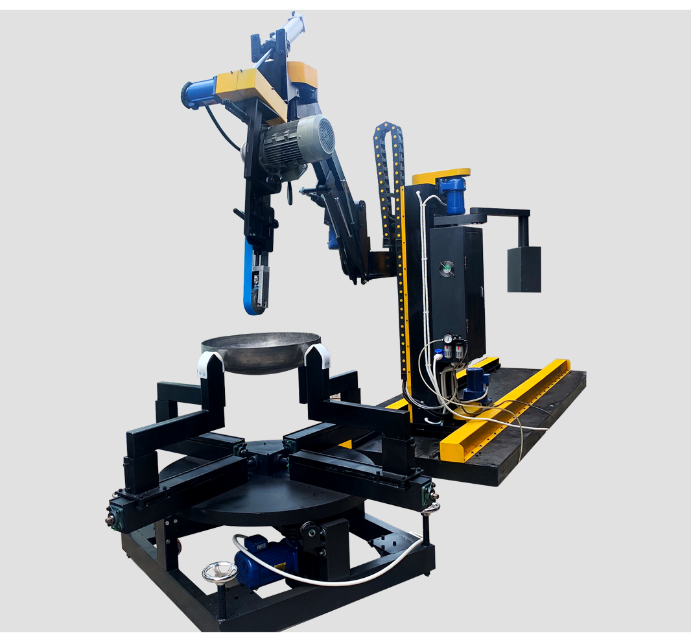
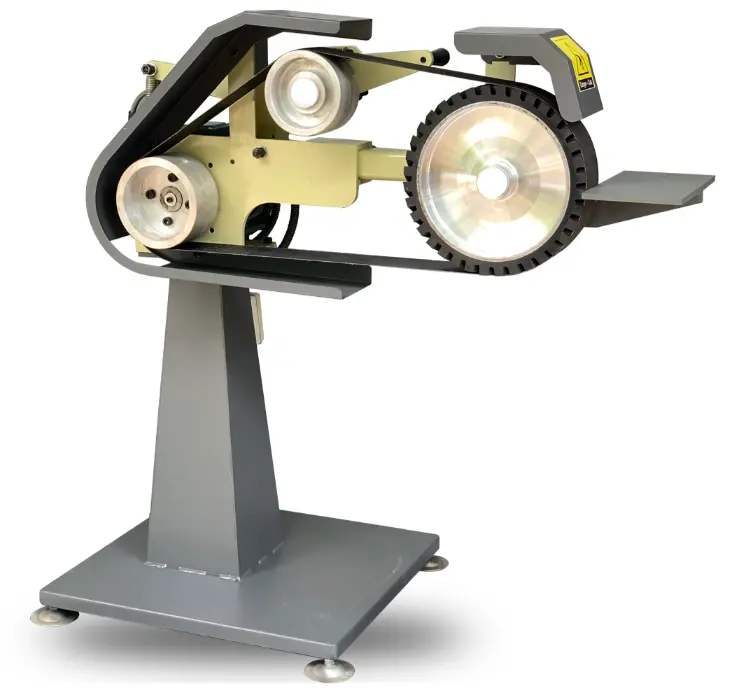
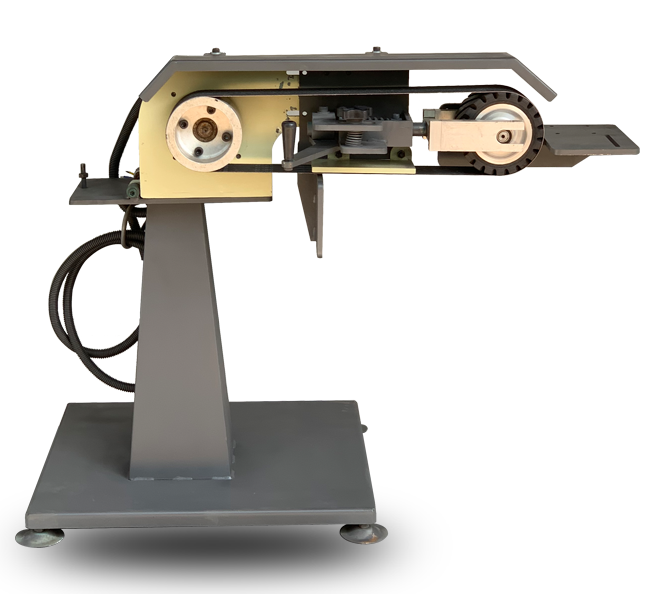
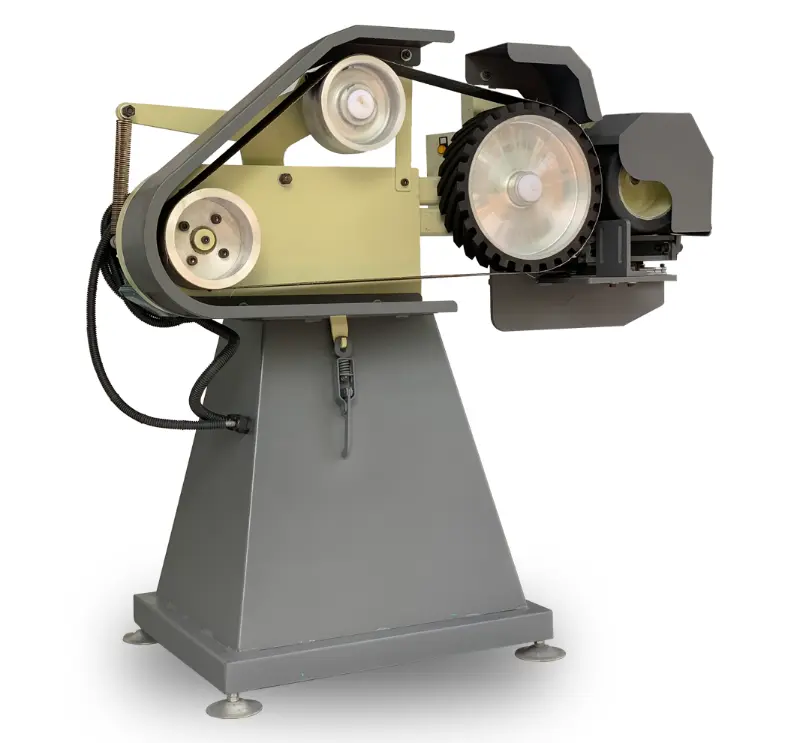
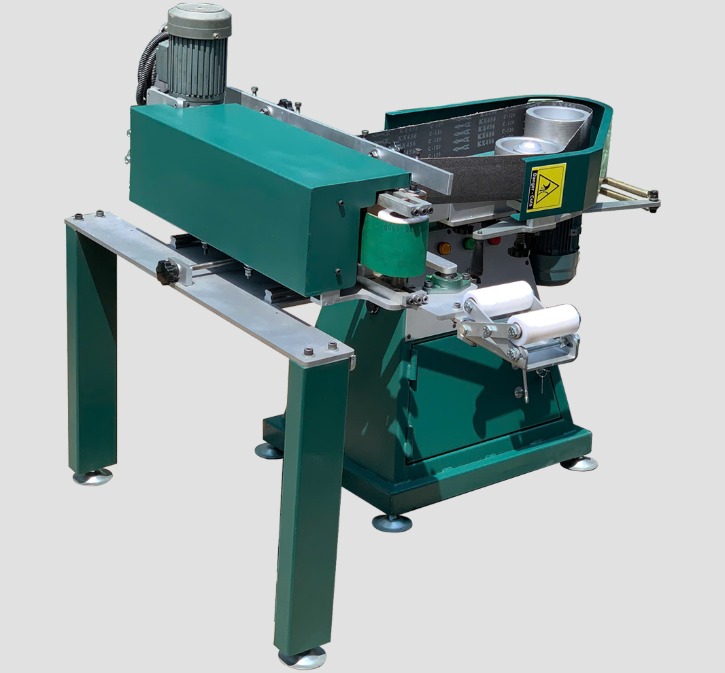
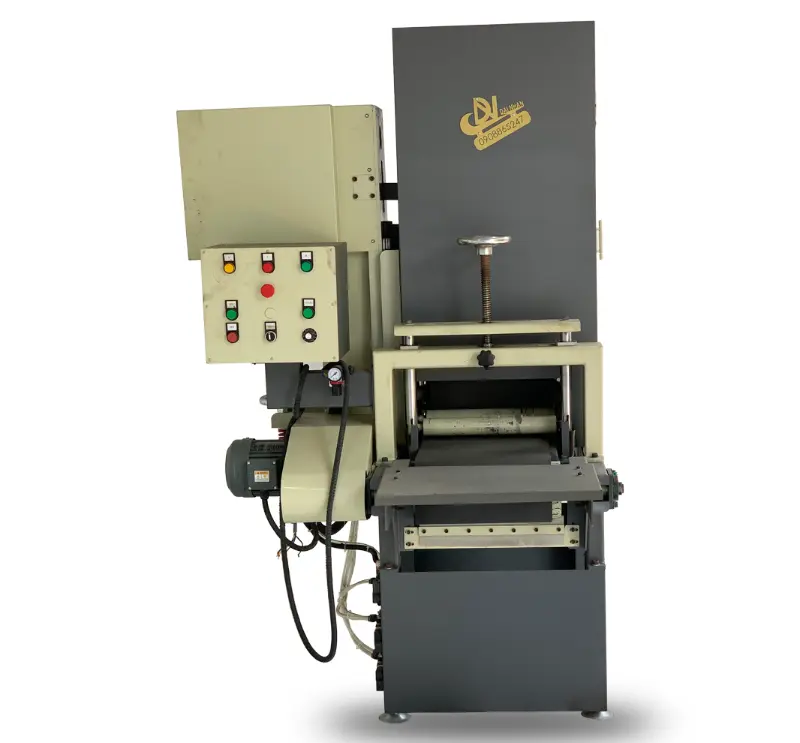
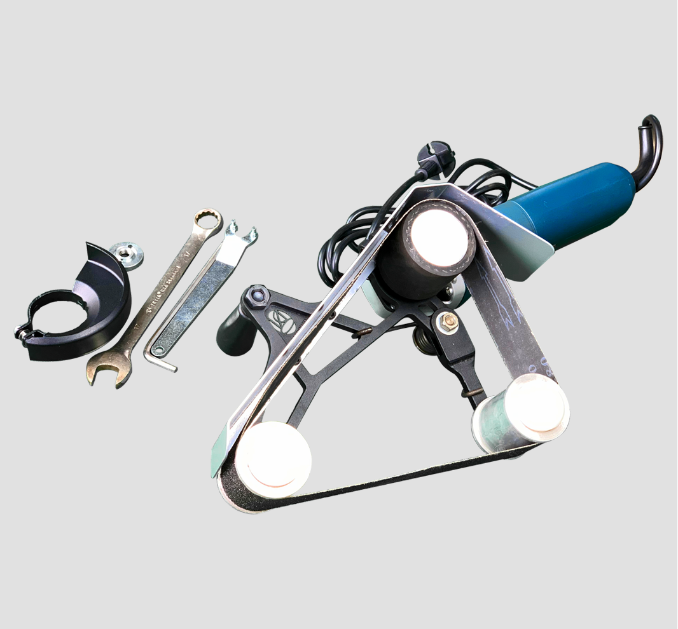
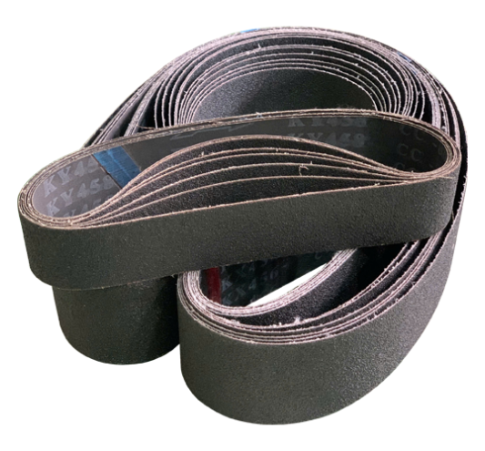
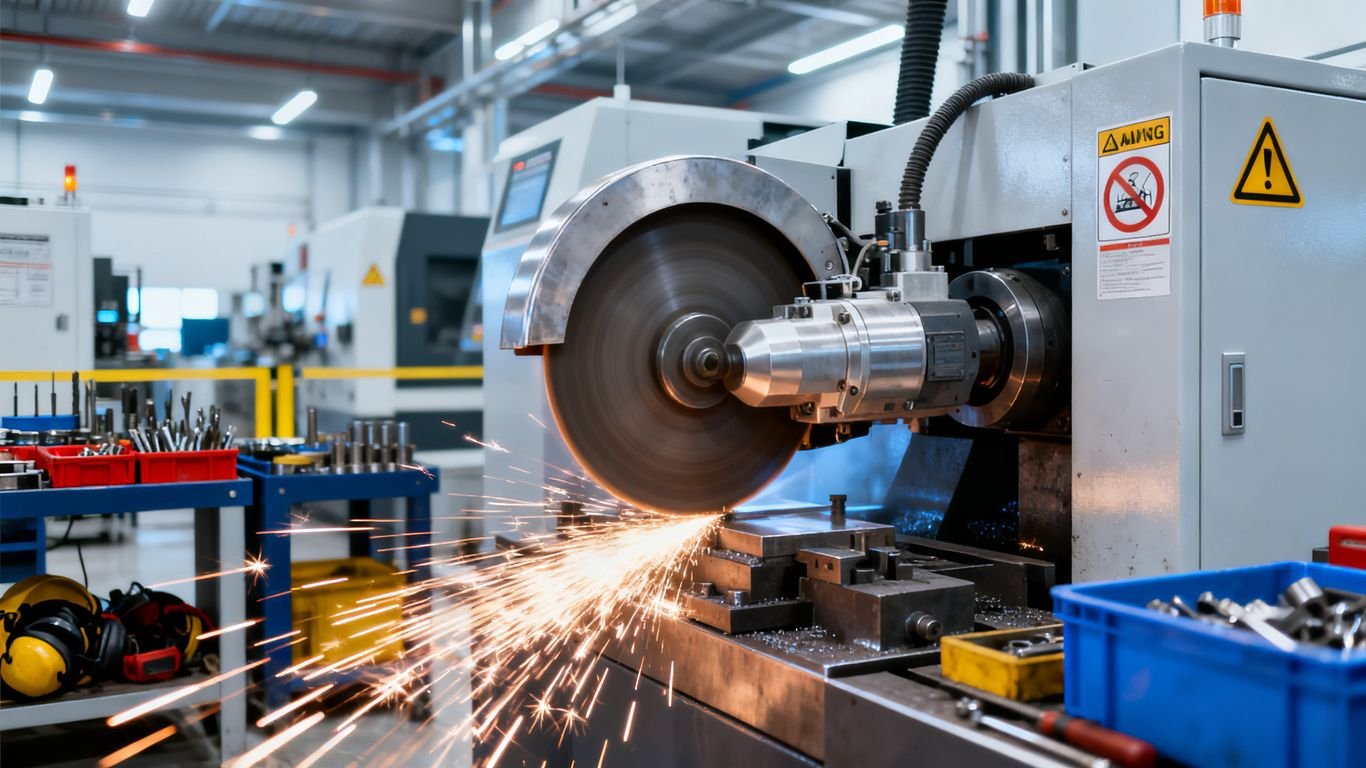
When a manufacturing operation scales past a single facility, the equipment decisions that were once made shop by shop start to carry a much larger weight. A single underperforming finishing machine in one plant is a local inconvenience, but the same underperforming machine replicated across five or ten facilities becomes a measurable drag on output, quality consistency, and maintenance budgets across an entire global operation. This is precisely the calculation that leads sourcing and operations teams at large manufacturers toward a heavy duty industrial belt disc sander rather than a lighter, single purpose alternative, and it is a decision that tends to look very different once you evaluate it from a global procurement perspective rather than a single shop perspective.
At Dai Nhan Machinery, we build every industrial belt disc sander to the standard that global manufacturers actually need, meaning continuous duty performance, consistent output across long shifts, and a level of engineering control that only comes from being a direct belt sander machine manufacturer rather than an intermediary. This article looks at the investment logic behind heavy duty finishing equipment from the perspective of a global manufacturer weighing capital expenditure across multiple facilities, and explains why the machine you choose for this role has consequences far beyond a single production line.
What Global Manufacturers Actually Mean by Heavy Duty
The term heavy duty gets used loosely across the equipment market, so it is worth being precise about what it means in the context of an industrial belt disc sander. For a global manufacturer running multiple shifts across several time zones, heavy duty means a machine engineered to run continuously without the frame flexing, the motor overheating, or the belt tracking drifting out of alignment after hours of sustained load. It means components built to a tolerance that holds up under constant use rather than intermittent use, since the difference between a machine rated for occasional operation and one rated for genuinely continuous production only becomes visible after months of real world wear.
What Global Manufacturers Actually Mean by Heavy Duty
This distinction matters enormously when a global manufacturer is comparing an industrial belt grinder built for light or occasional use against a true industrial belt disc sander engineered from the frame up for uninterrupted operation. The upfront price difference between the two can look significant on a quote, but that comparison only tells half the story once you factor in how each machine performs across a full production year rather than a single order.
The Investment Case for a Combination Machine at Global Scale
A heavy duty industrial belt disc sander earns its place in a global procurement plan because it solves two problems at once, which becomes increasingly valuable as the number of facilities grows. The first problem is production versatility, since combining belt based and disc based finishing on a single frame means a facility does not need to operate and maintain two entirely separate machine types to handle a normal mix of flat and contoured work. The second problem is standardization, since a manufacturer running the same equipment specification across multiple plants can train operators once, stock a single set of spare parts across the network, and expect the same output quality regardless of which facility produced a given part.
This standardization effect compounds across a global operation in a way that is easy to underestimate from a single facility view. A procurement team sourcing five industrial belt sander machines from five different regional suppliers ends up managing five different maintenance schedules, five different parts inventories, and five different quality baselines, while sourcing the same heavy duty industrial belt disc sander configuration from one direct manufacturer collapses all of that complexity into a single relationship and a single specification that can be replicated confidently at every site.
Why Direct Manufacturer Sourcing Matters More at Global Scale
The distinction between a belt sander supplier and a genuine belt sander machine manufacturer matters for any buyer, but it becomes especially important once an order scales across multiple facilities. A trading company or reseller can typically fulfill a single order reasonably well, but when a global manufacturer needs the same specification replicated reliably across several purchase orders over several years, the value of working directly with the factory that actually engineers the machine becomes much clearer.
Dai Nhan keeps its full CNC engineering process inside its own factory in Vietnam, which means a specification developed for a customer’s first facility can be documented and reproduced accurately for their second, third, and tenth facility without drifting in quality or requiring the engineering conversation to start over each time. This consistency is difficult to guarantee when working through an intermediary, since a reseller has no direct control over how faithfully a factory reproduces a specification on a repeat order placed months or years after the original.
Industrial Belt Sander for Metal and Industrial Belt Grinder for Metal Across Global Industries
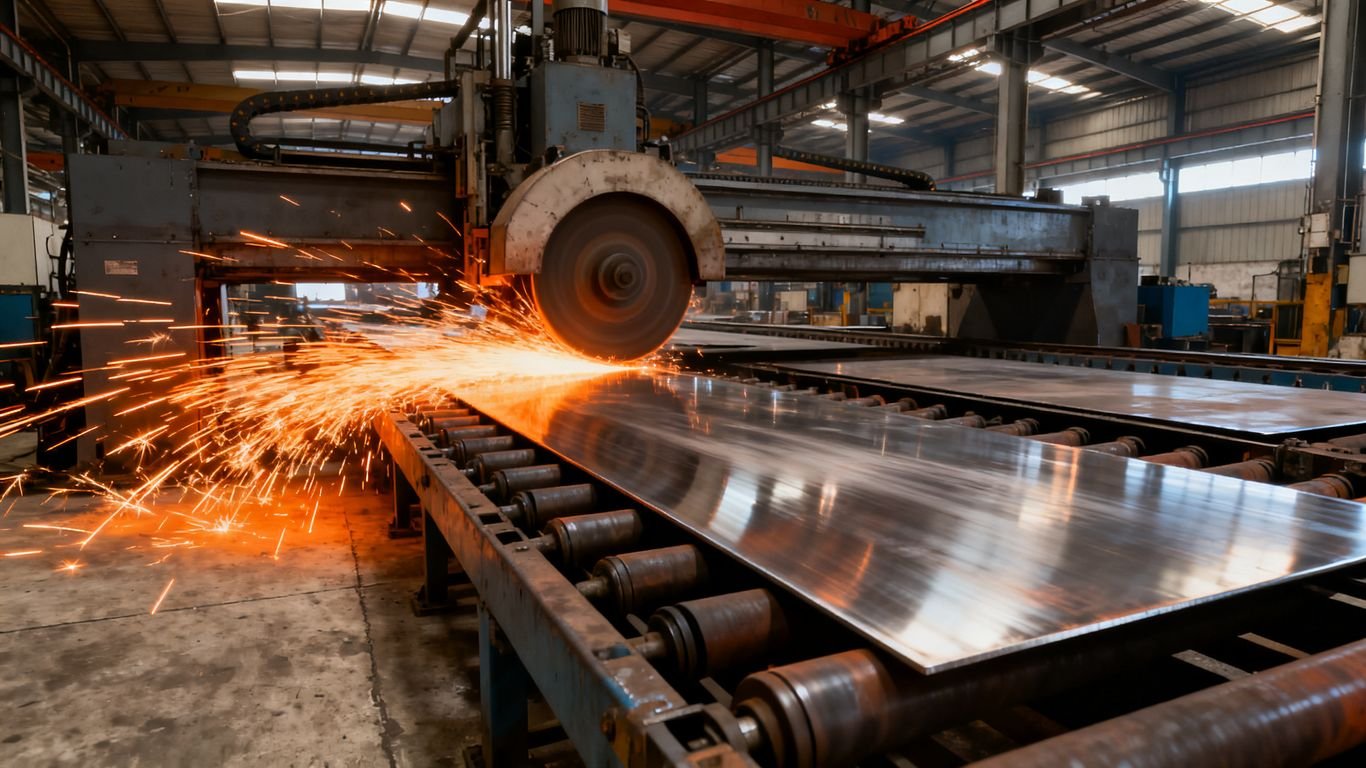
Global manufacturers rely on finishing equipment across an unusually wide range of sectors, and the demands placed on an industrial belt sander for metal or an industrial belt grinder for metal shift considerably depending on the industry. In automotive component fabrication, consistency across thousands of identical parts matters more than any single finish, which places heavy demands on belt tracking stability and motor consistency over very long production runs. In shipbuilding and heavy structural fabrication, the priority shifts toward aggressive stock removal on large plate and structural steel, which calls for a more powerful motor configuration and a frame rigid enough to handle continuous heavy load without transmitting vibration into the part.
In precision equipment manufacturing, where components move on to further CNC processing after finishing, an industrial belt disc sander needs to hold tight tolerances so that deburring and edge work do not push a part out of the dimensional specification required by the next stage of production. Across every one of these sectors, the underlying requirement is the same, which is that a heavy duty industrial belt disc sander has to deliver a repeatable result at scale, not just an acceptable result on a single sample part evaluated during a factory visit or a trade show demonstration.
Total Cost of Ownership From a Global Procurement Perspective
Global manufacturers evaluating capital equipment rarely make the decision on unit price alone, and an industrial belt disc sander is no exception. Downtime cost multiplies quickly across a multi facility operation, since a design flaw that causes a machine to fail after a year of heavy use is not a single repair bill but a repeated cost across every facility running the same equipment. Spare parts logistics also scale differently at a global level, since a manufacturer sourcing from a direct factory can typically negotiate a reliable parts supply chain that supports multiple facilities, while sourcing through a reseller often means parts availability depends on that reseller’s relationship with an unrelated factory that has no direct accountability to the end customer.
Quality consistency carries a cost as well, though it is a cost that is easy to overlook until it shows up as variation between facilities. A global manufacturer that cannot guarantee the same finish quality from a plant in one region as from a plant in another region faces real costs in customer complaints, rework, and brand consistency, particularly for manufacturers producing visible consumer facing metal components. When all of these factors are weighed together, the total cost of ownership calculation for a heavy duty industrial belt disc sander almost always favors a properly engineered, direct sourced machine over a cheaper unit that introduces hidden costs across a global production network.
Evaluating a Belt Sander Machine Manufacturer for a Global Supply Relationship
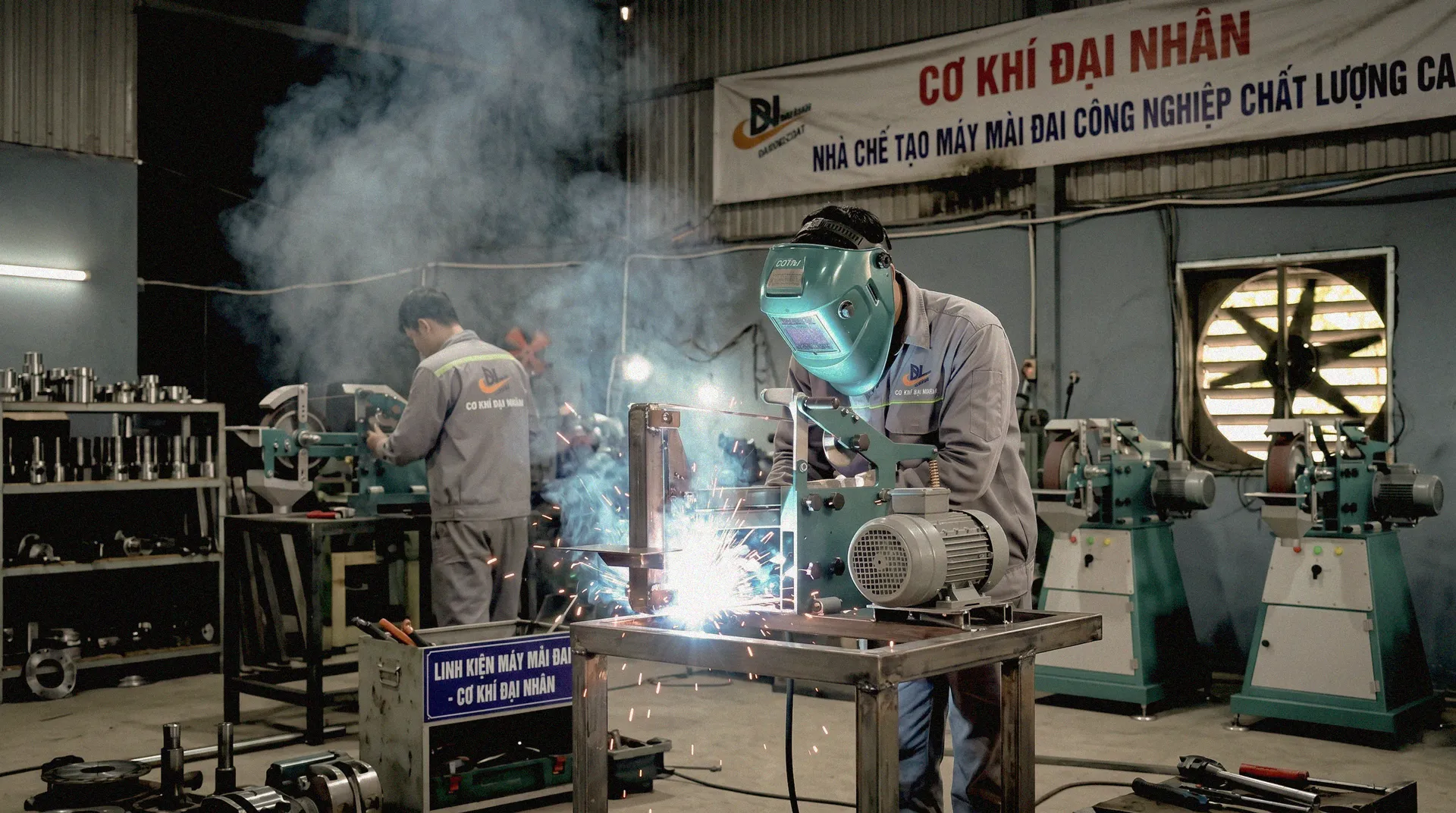
Sourcing teams evaluating a belt sander machine manufacturer for a global relationship need to look past the individual machine and evaluate the manufacturer as a long term supply partner. It is worth understanding whether a manufacturer has already exported equipment internationally and can speak concretely about documentation, shipping, and import compliance, since a manufacturer without export experience often struggles with the logistics side of a global order even when the machine itself is well built. It is equally worth confirming that a manufacturer keeps engineering fully in house, since that is what allows a specification to be reproduced accurately on repeat orders placed years apart, which is the exact scenario a global manufacturer needs to plan for from the outset of the relationship.
Evaluating a Belt Sander Machine Manufacturer for a Global Supply Relationship
Finally, it is reasonable to ask how a prospective belt sander supplier handles communication across time zones and how quickly their engineering team responds to a technical question raised from a facility on the other side of the world, since a global sourcing relationship depends on responsiveness just as much as it depends on the quality of the machine itself.
Why Vietnam Has Become a Preferred Base for Global Sourcing
Vietnam’s position in global manufacturing has grown for reasons that extend well beyond labor cost. A manufacturer sourcing an industrial belt disc sander from a Vietnam based direct factory benefits from competitive production costs relative to Western markets, while still working with an engineering team capable of meeting the tolerance and consistency requirements that global manufacturers demand. For sourcing teams managing multiple international suppliers, working with a Vietnam based manufacturer like Dai Nhan also simplifies the broader sourcing strategy, since heavy machinery, custom tooling, and finishing equipment can often be consolidated through the same regional supply base already being used for other categories of industrial equipment.
Invest in Equipment That Scales With Your Operation
A heavy duty industrial belt disc sander is not simply a bigger version of a standard finishing machine, it is a different category of investment built for manufacturers who need the same result from every shift, every facility, and every repeat order placed years into a supply relationship. Dai Nhan Machinery engineers every industrial belt disc sander in house in Vietnam, giving global manufacturers the same direct control over specification and quality that defines our full lineup of industrial belt grinder and industrial belt sander for metal equipment.
Read more: Versatility in Metalworking: The Power of an Industrial Belt and Disc Sander


BOLA BAG's BLOG YOU MAY ALSO BE INTERESTED IN
Eliminating Surface Deficiencies and Material Waste Using an Industrial Plate Grinder
What Are Belt Sanders Used For? Nine Jobs From Rough Boards to Steel Plate
How to Partner With an OEM ODM Industrial Belt Sander Manufacturer