


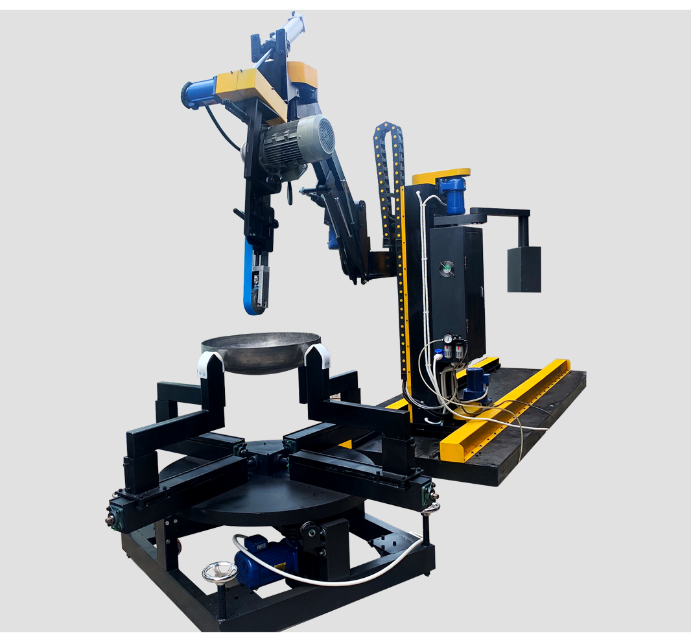
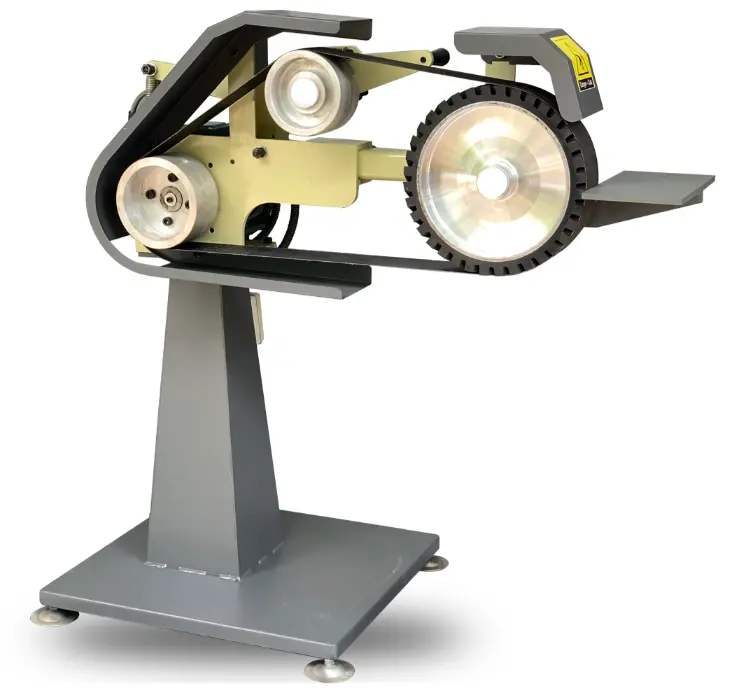
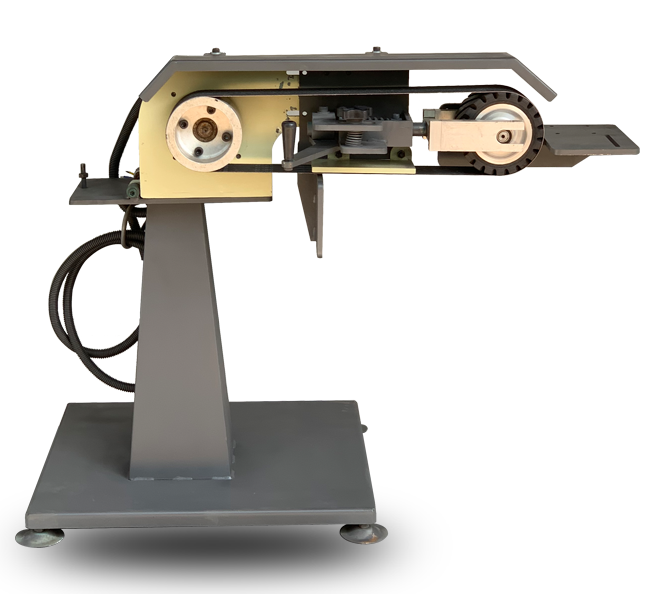
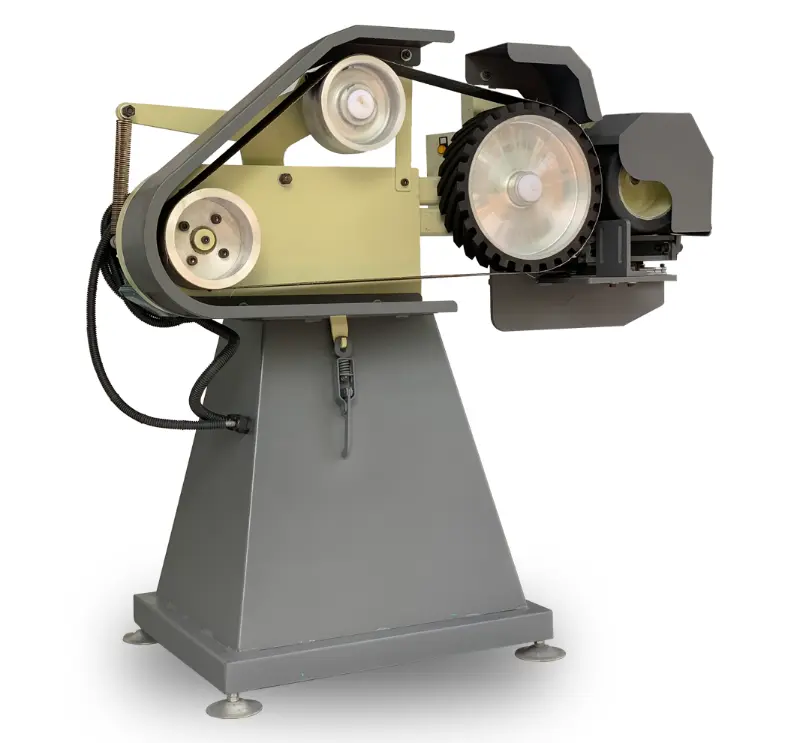
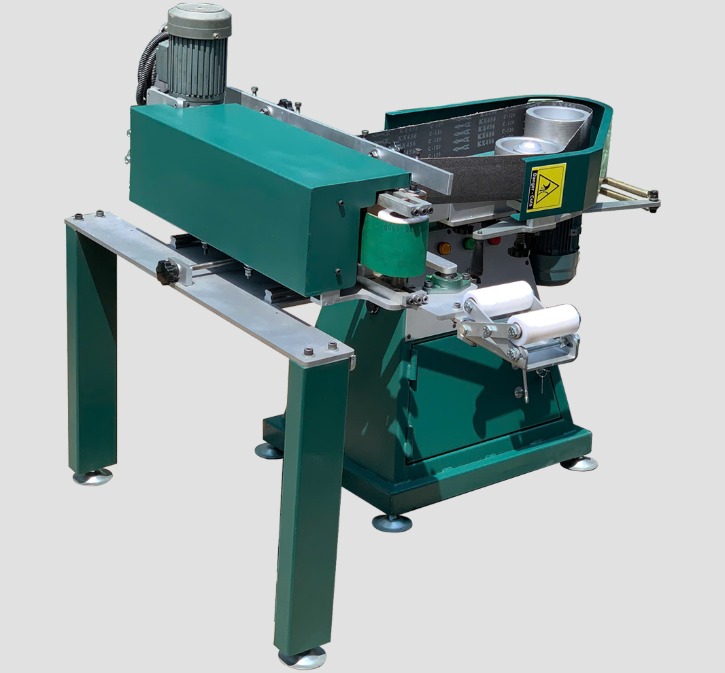
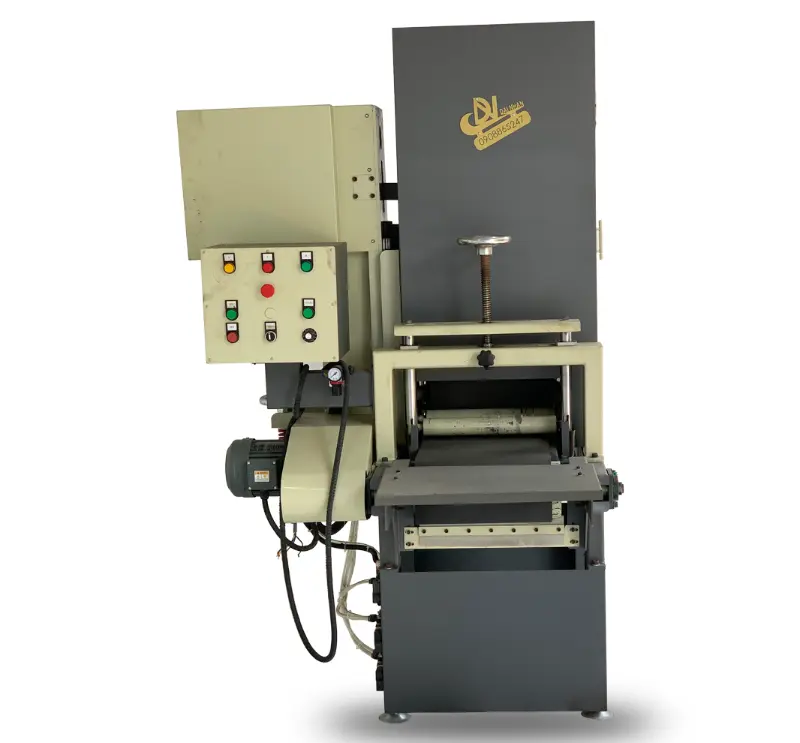
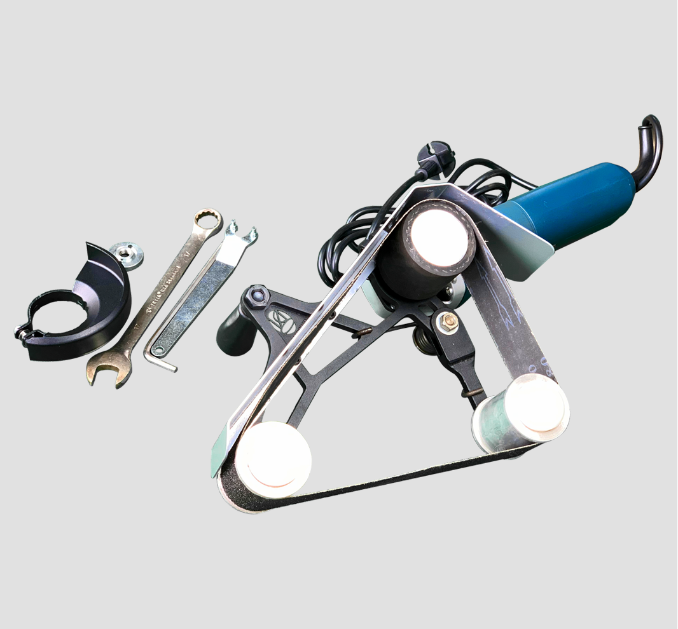
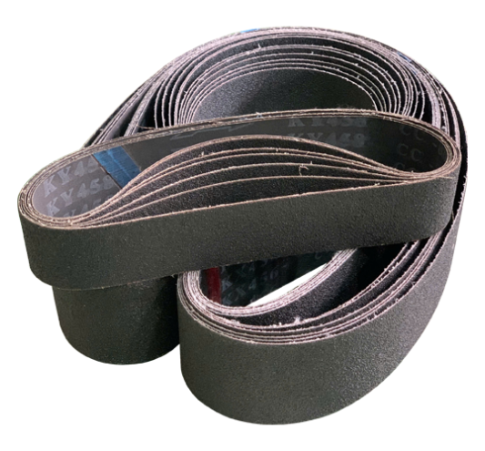
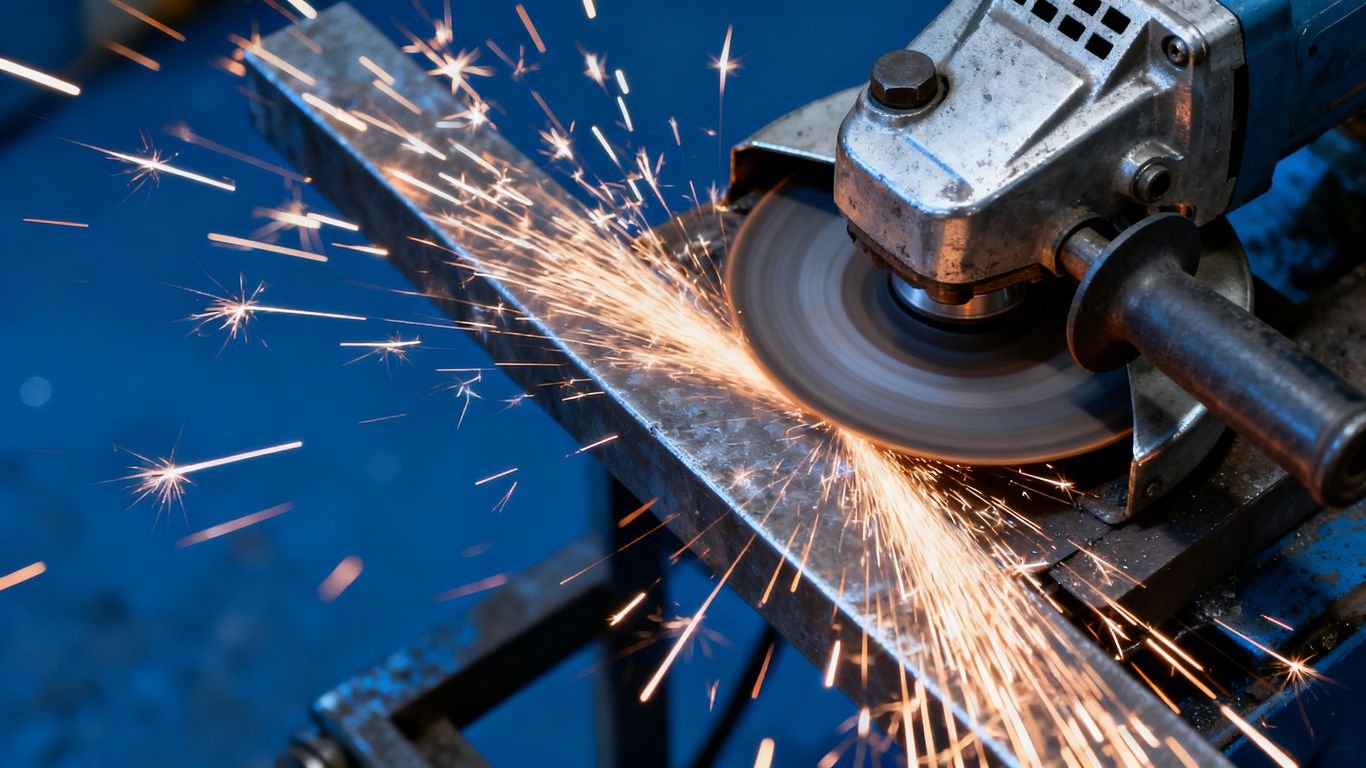
Buying a single machine is a transaction. Building a relationship with a manufacturer who can supply, adapt, and support your industrial belt sander needs over years of production is a partnership, and the two require very different approaches from a buyer. Many procurement teams approach their first industrial belt sander purchase the same way they would approach a one time equipment order, only to realize later that their actual need was a long term OEM or ODM relationship capable of evolving alongside their production requirements. This article explains what that kind of partnership actually looks like, how OEM and ODM arrangements differ, what to prepare before reaching out to a prospective manufacturer, and how to evaluate whether a manufacturer is genuinely capable of supporting your operation for the long run rather than just fulfilling a single order.
Understanding OEM and ODM in the Context of an Industrial Belt Sander
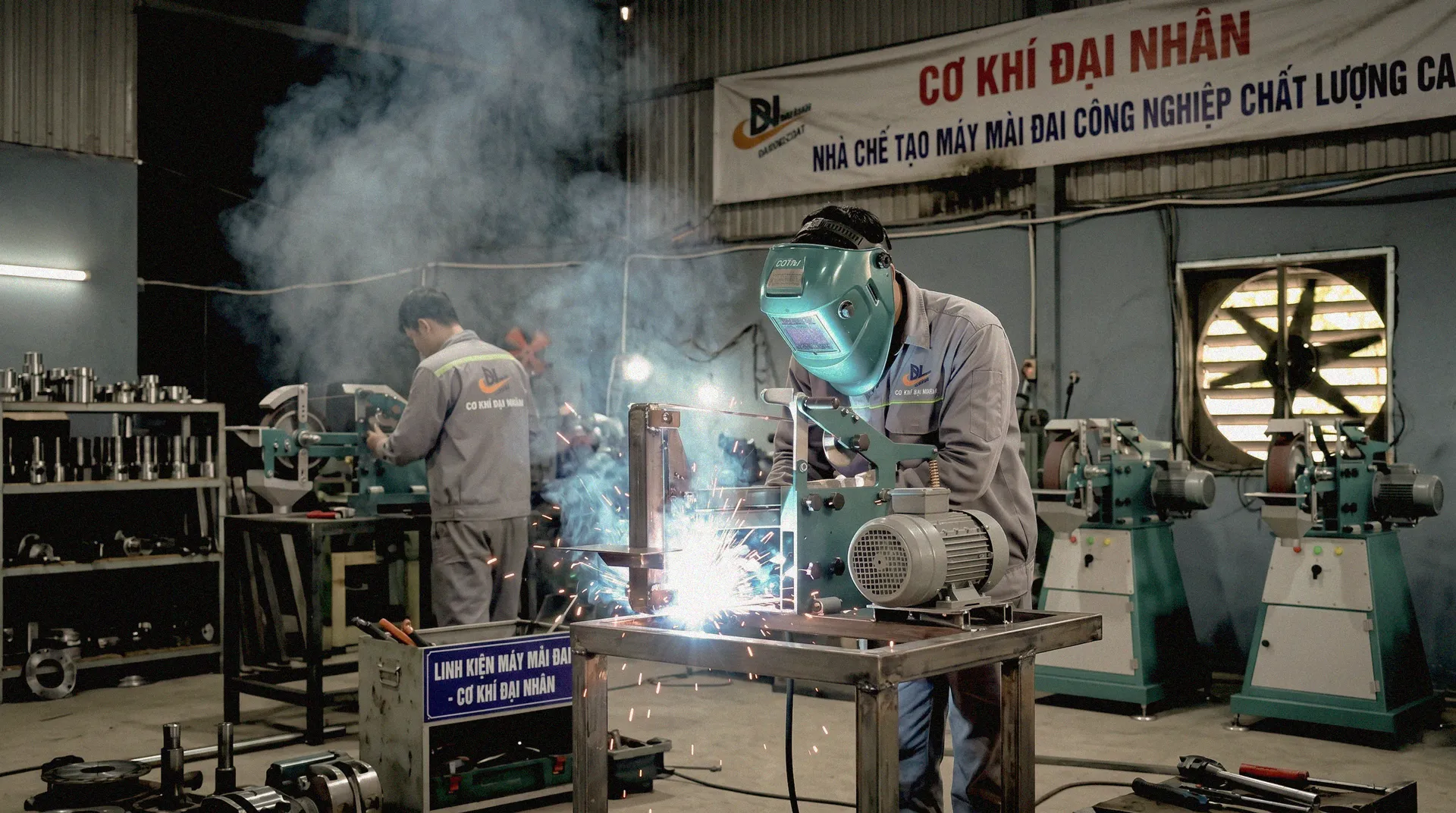
The terms OEM and ODM get used loosely across industrial equipment sourcing, so it is worth being precise before going further. An OEM arrangement, meaning original equipment manufacturer, typically involves a manufacturer building equipment to a buyer’s specification, whether that specification is a small modification of an existing platform or a substantially custom design developed jointly with the buyer’s own engineering team. An ODM arrangement, meaning original design manufacturer, generally involves the manufacturer contributing more of the design work itself, often starting from its own platform and adapting it to the buyer’s requirements rather than working from a specification the buyer has already fully defined.
Understanding OEM and ODM in the Context of an Industrial Belt Sander
For an industrial belt sander specifically, this distinction matters because the right arrangement depends on how much internal engineering capability your own team already has. A buyer with detailed drawings and clear tolerances for exactly how a machine needs to perform is well suited to an OEM relationship, while a buyer who understands the finishing problem they need solved but does not have the internal expertise to specify a full custom frame is often better served by an ODM relationship, where the manufacturer’s engineering team takes a larger role in translating that problem into a working design.
Why a Partnership Model Outperforms a Transactional Purchase
A single transactional purchase treats an industrial belt sander as a commodity, evaluated mainly on price and delivery time for one order. A partnership model treats the same purchase as the first step in an ongoing relationship, where the manufacturer builds institutional knowledge about your specific production requirements that carries forward into every future order, whether that is a repeat unit for a new facility, a modified configuration for a new product line, or rapid support when an unexpected issue arises on the shop floor.
This distinction is also where the difference between a belt sander supplier and a genuine belt sander machine manufacturer becomes most visible. A reseller can usually handle a single transactional order reasonably well, since it mainly requires relaying a specification to a factory and coordinating shipping. A true partnership, however, requires a manufacturer with in house engineering control, since only a manufacturer that owns its own design and production process can accumulate the kind of institutional knowledge that makes a second, third, and tenth order faster and more reliable than the first.
What to Prepare Before Reaching Out to a Manufacturer
A partnership conversation moves faster and produces better outcomes when a buyer arrives with clear information rather than a vague request for a quote. It helps to document the materials you actually process, since an industrial belt sander for metal tuned for stainless steel needs different settings than one tuned for aluminum or hardened alloys, and a manufacturer cannot recommend the right configuration without knowing this upfront. It also helps to document your actual finish requirements, expressed as a target Ra value or a description of the finish grade you need, along with your production volume and shift pattern, since this determines whether you need a standard duty or heavy duty industrial belt grinder.
Beyond the technical specification, it is worth thinking through the shape of the relationship you actually want. A buyer planning to order a single machine for one facility has different partnership needs than a buyer planning to scale the same specification across multiple facilities over several years, and being upfront about that longer term intent from the first conversation allows a manufacturer to plan its own engineering and production capacity accordingly, rather than treating every inquiry as an isolated, one time request.
Evaluating Whether a Manufacturer Is Built for Partnership
Not every manufacturer that can build a good machine is equipped to sustain a long term partnership, and the evaluation criteria for the two are not identical. A manufacturer suited to partnership should be able to speak clearly about how they document a specification once it is finalized, since that documentation is what allows a repeat order placed a year or two later to be reproduced accurately rather than requiring the entire engineering conversation to start over. They should also be able to describe how their engineering team handles a modification request on an existing specification, since a partnership inevitably involves adjustments as your production needs evolve, not just the original order.
Communication responsiveness deserves real weight in this evaluation as well, since a partnership that spans years will inevitably involve technical questions raised well after the original sale, and a manufacturer whose engineering team is slow or unavailable after the invoice is paid is signaling how the relationship will likely feel three years into it. Finally, it is worth asking directly how many of a manufacturer’s customers are repeat customers rather than one time buyers, since a high repeat rate is one of the clearest indicators that a manufacturer actually delivers on the partnership model rather than just the individual machine.
Common Partnership Structures Worth Understanding
Partnerships with an industrial belt sander manufacturer tend to fall into a few recognizable patterns, and understanding these upfront helps a buyer ask for the right kind of engagement from the start. Some partnerships begin with a standard configuration that gets incrementally customized over time, where the buyer starts with a close to catalog machine and works with the manufacturer to refine specific details, such as motor sizing or belt tracking sensitivity, based on real production feedback after the first unit is running.
Other partnerships begin with a fully custom design from the first order, typically because the buyer’s part geometry or production environment genuinely does not fit any existing platform, which requires a more involved engineering relationship from day one but often results in a highly optimized machine once the design is finalized. A smaller number of partnerships involve private label or white label arrangements, where a manufacturer builds equipment that a buyer sells under its own brand, which requires an even deeper level of trust and documentation clarity since the buyer is putting its own name on equipment engineered by the manufacturing partner. Each of these structures can work well, but they require different upfront conversations, and clarifying which structure you are actually pursuing early in the relationship avoids misaligned expectations later.
What a Mature Partnership Looks Like Over Time
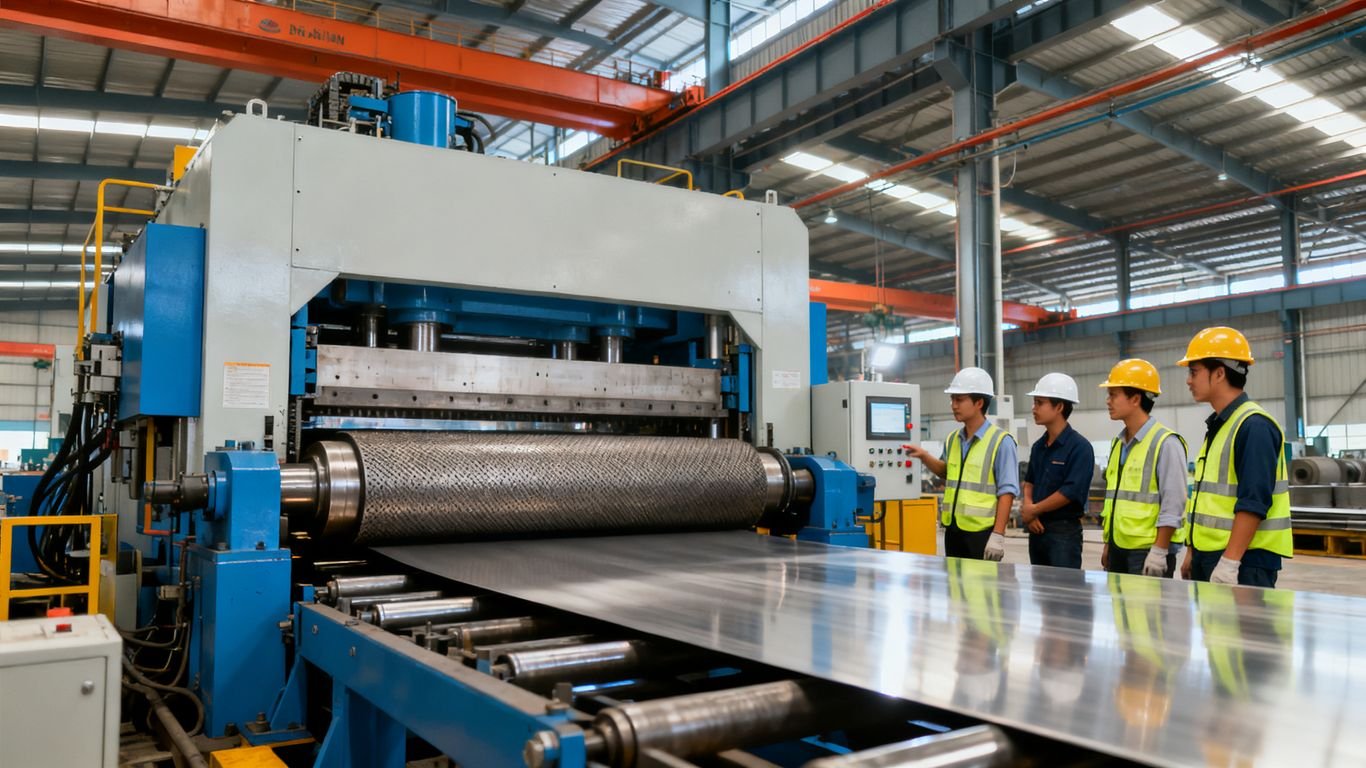
The real value of an OEM or ODM relationship usually becomes visible only after the first order, once a manufacturer has enough history with a buyer’s operation to anticipate needs rather than simply respond to requests. A mature partnership often includes the manufacturer proactively flagging when a customer’s growing production volume suggests it is time to move from a standard duty machine to a heavier duty industrial belt grinder for metal, or suggesting a configuration adjustment based on patterns the manufacturer has observed across similar customers, insight that a transactional supplier relationship simply does not generate.
What a Mature Partnership Looks Like Over Time
Repeat orders in a mature partnership also tend to move faster, since the specification, documentation, and quality expectations are already established and do not need to be renegotiated from scratch. This compounding efficiency is one of the strongest arguments for treating an initial industrial belt sander purchase as the start of a relationship rather than an isolated transaction, since the time invested in the first project pays off across every subsequent one.
Industrial Belt Sander for Metal and Industrial Belt Grinder for Metal Within a Partnership
Within an ongoing partnership, the terminology a manufacturer uses often reflects how they think about the equipment itself. An industrial belt sander for metal and an industrial belt grinder for metal generally describe the same underlying belt based finishing technology, and a manufacturer worth partnering with should be able to explain clearly which term they use for which configuration and why, rather than using the terms inconsistently in a way that makes it harder to track exactly what has been ordered across multiple purchase orders over time. This kind of terminology clarity might sound like a small detail, but it becomes genuinely important once a partnership spans several years and multiple specification revisions, since ambiguous language in early documentation tends to create confusion in later orders.
Partner With Dai Nhan Machinery
Dai Nhan Machinery is built specifically for this kind of long term relationship, not just a single transaction. As a direct belt sander machine manufacturer with full CNC engineering inside our own factory in Vietnam, we document every specification we develop with a customer, so a repeat order placed years after the original conversation can be reproduced accurately without starting the engineering process over. Whether you are exploring your first custom industrial belt sander machine or planning to scale an existing specification across new facilities, our engineering team is available to walk through your requirements directly rather than routing you through a general sales process.
Build a Relationship, Not Just a Purchase Order
The manufacturers who get the most value from their equipment investments over time are rarely the ones who treated their first industrial belt sander purchase as a one time transaction. They are the ones who chose a manufacturing partner capable of growing alongside their production needs, documenting specifications accurately, and responding directly when questions or new requirements come up years into the relationship. Dai Nhan Machinery builds every industrial belt sander in house in Vietnam with exactly this kind of long term partnership in mind, supporting customers from a first custom specification through repeat orders across multiple facilities and product lines.


BOLA BAG's BLOG YOU MAY ALSO BE INTERESTED IN
How to Partner With an OEM ODM Industrial Belt Sander Manufacturer
How Are Stainless Steel Pipes Made? What Changes When Chromium Enters the Furnace
Maximizing Efficiency with an Industrial Belt Grinder for Large-Scale Projects