


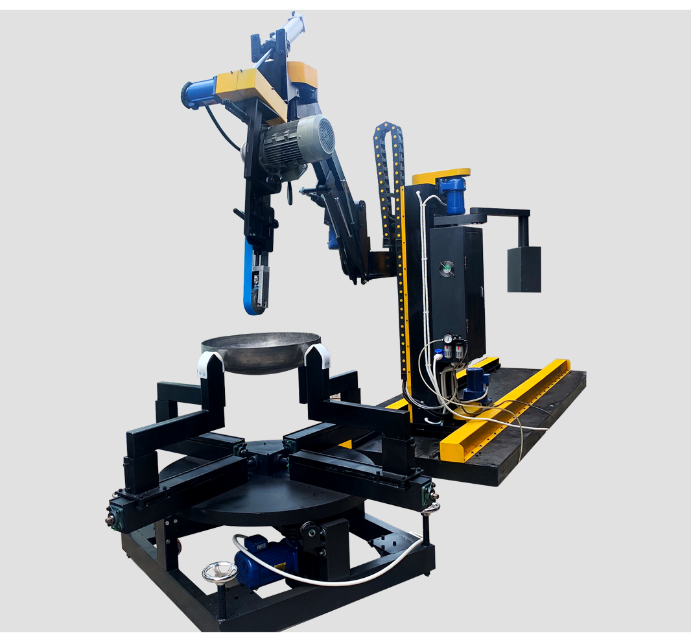
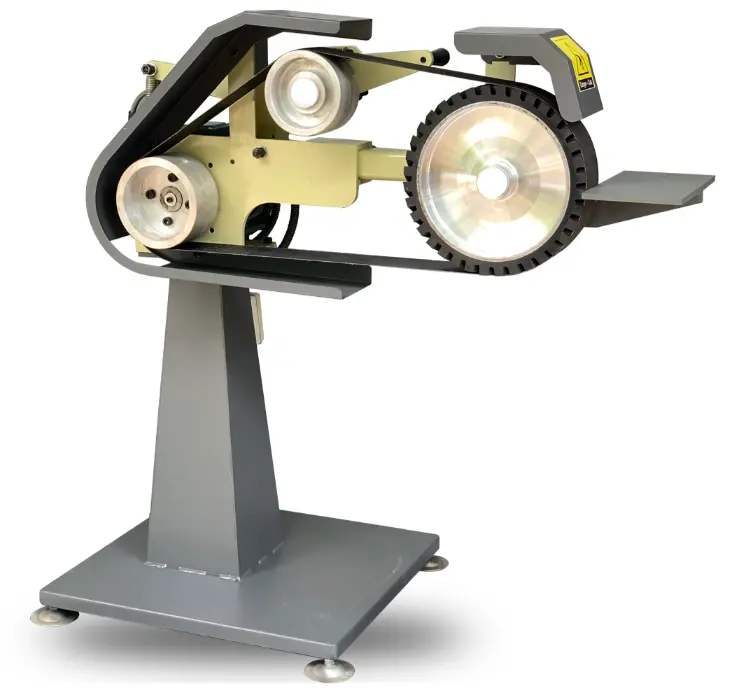
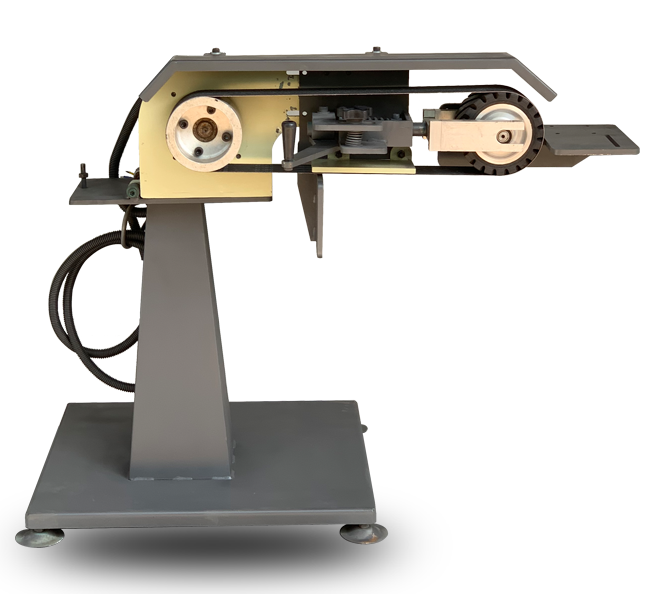
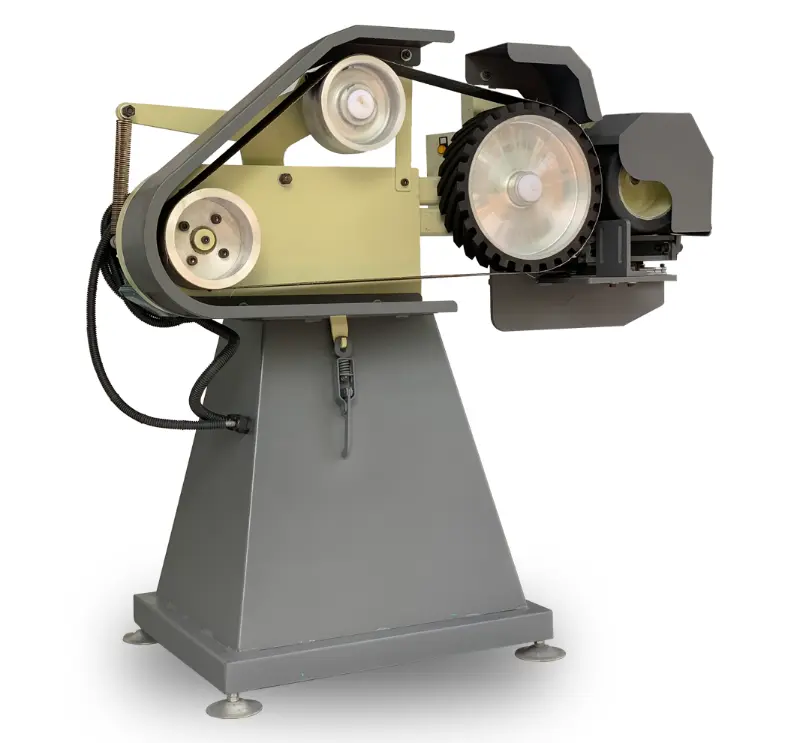
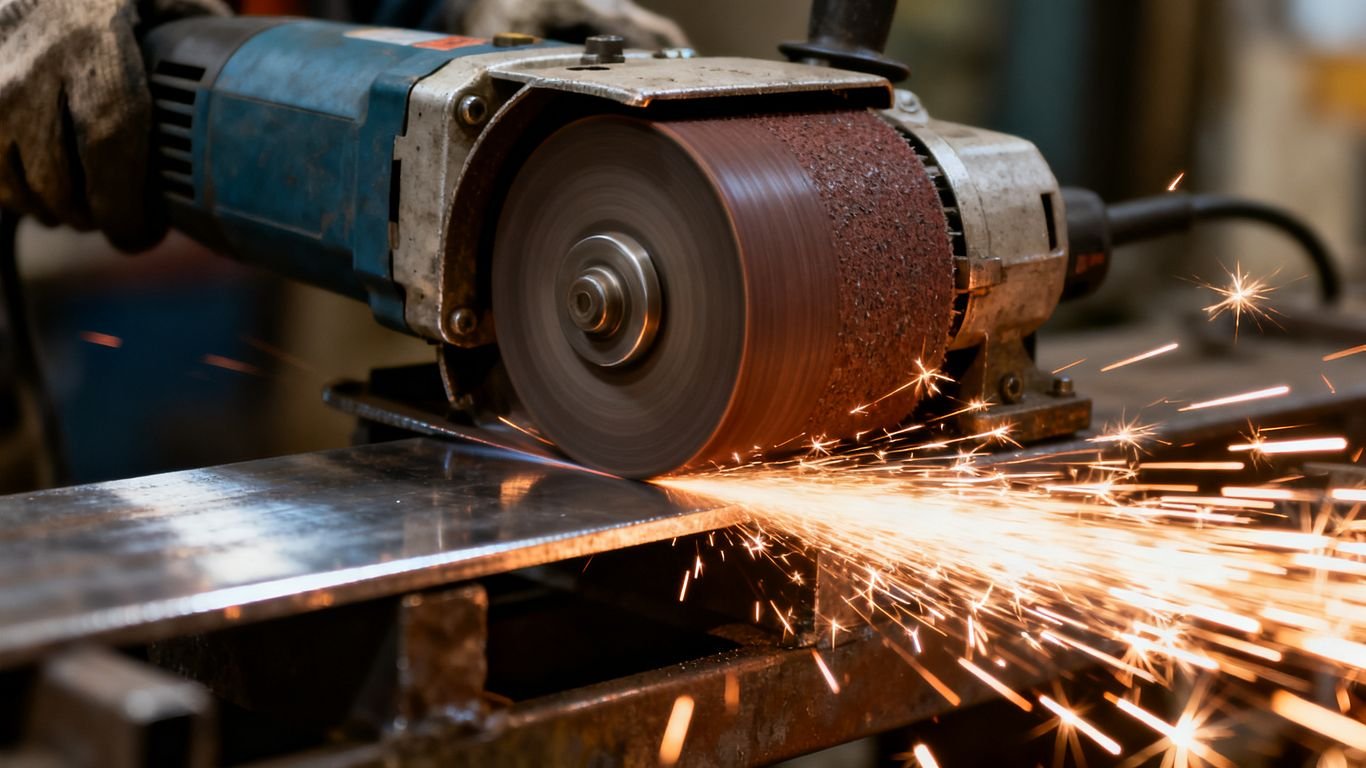
Choosing the right industrial belt sander for metal is essential for achieving high-quality surface finishing, efficient material removal, and consistent production results. Whether you’re working with stainless steel, aluminum, carbon steel, or other metal materials, the right belt sander can improve productivity, reduce manual labor, and deliver a superior finish. However, selecting the most suitable machine requires more than simply comparing specifications—it involves understanding your fabrication process, production volume, and finishing requirements.
In this guide, you’ll learn the key factors to consider when choosing an industrial belt sander for metal for fabrication applications. We’ll cover machine types, belt sizes, motor power, workpiece compatibility, automation options, and other important features to help you make an informed investment for your business.
Understanding The Industrial Belt Sander For Metal
When you’re in the metal fabrication business, the right tools make all the difference. A belt sander, or more accurately, a belt grinder, is one of those workhorses. It’s not just about making things look pretty; it’s about efficiency, precision, and getting the job done right the first time.
Belt Grinders Versus Belt Sanders
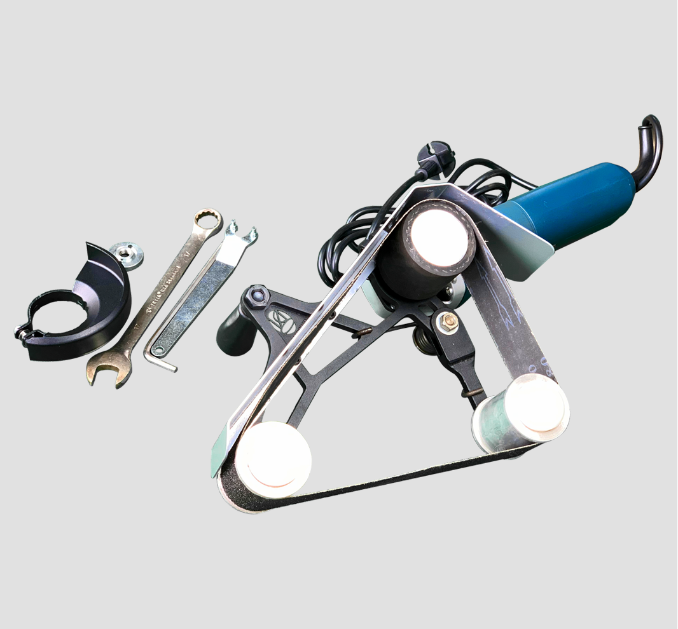
It’s easy to mix up belt grinders and belt sanders, but they’re built for different jobs. Think of a traditional belt sander as something more suited for woodworking – lighter frames, lower speeds, and less power. They can work on metal, sure, but they tend to bog down quickly and can overheat. An industrial belt grinder for metal, on the other hand, is built tough for the job. It has a stiffer frame, higher belt speeds (measured in SFPM, or surface feet per minute), better tracking to keep the belt where it should be, and more powerful motors. These machines can take the pressure needed for metalwork without losing steam, keeping your abrasive belts cutting effectively.
Key Differentiating Features
What really sets a metalworking belt grinder apart for metal fabrication? It’s the build and the intent. You’ll find heavier-duty components, motors designed for continuous operation, and frames that resist flexing. This rigidity is key to preventing chatter and ensuring a clean finish. The tracking system is also more precise, meaning the belt stays put, saving you time and belts. For metal, you want a machine that’s built to last and perform under pressure, not one that struggles with the material.
Application-Specific Machine Selection
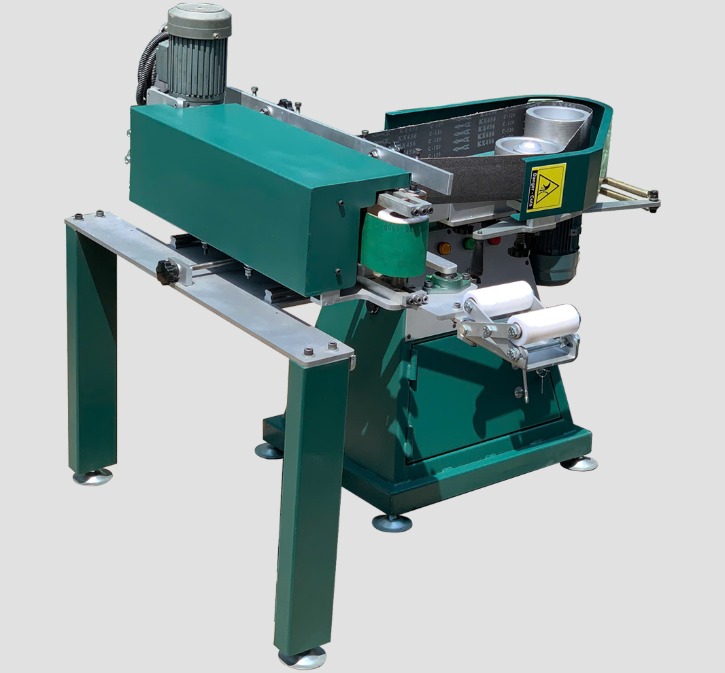
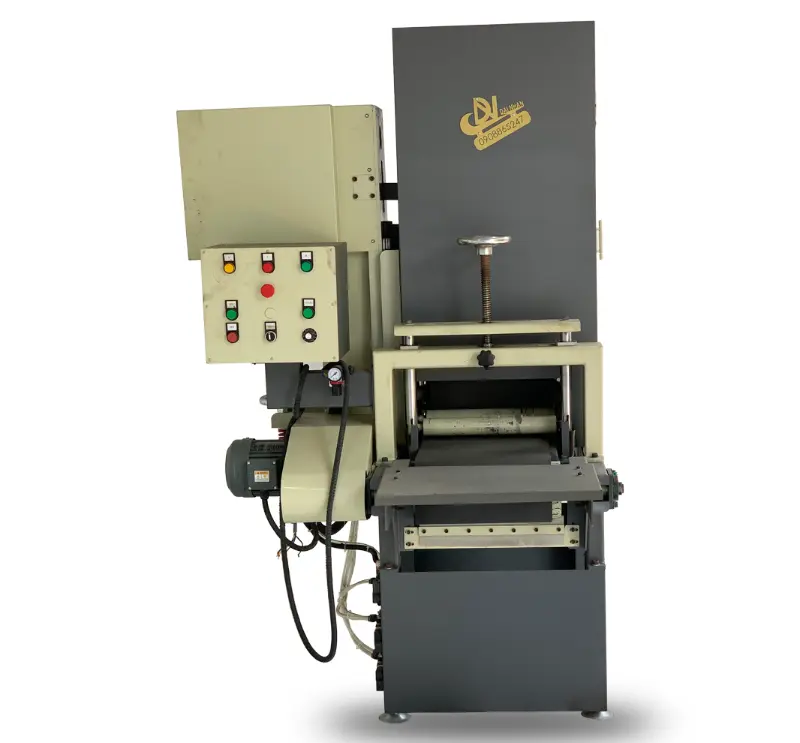
Choosing the right machine starts with knowing what you’ll be doing most. Are you knocking down heavy welds, shaping intricate parts, or just doing some light finishing? For heavy stock removal, a belt grinder for steel needs serious power and a robust motor. If you’re doing more detailed work or finishing, options like a vertical belt grinder or vertical belt grinding machine—or an industrial bench sander—might suit your setup, with features like variable speed control. We specialize in custom pipe polishers and heavy-duty grinders, so we understand that one size doesn’t fit all. Identifying your primary tasks, like weld removal or deburring, and the materials you use most, such as stainless steel or aluminum, will guide you to the best industrial belt sander machines for your shop.
Selecting the correct belt grinder is about matching the machine’s capabilities to your specific fabrication needs. It’s an investment in efficiency and quality.
Assessing Build Quality And Durability
If you’re choosing industrial belt sanders for metal shop operations, how solid the machine feels and how long it lasts should be front and center.
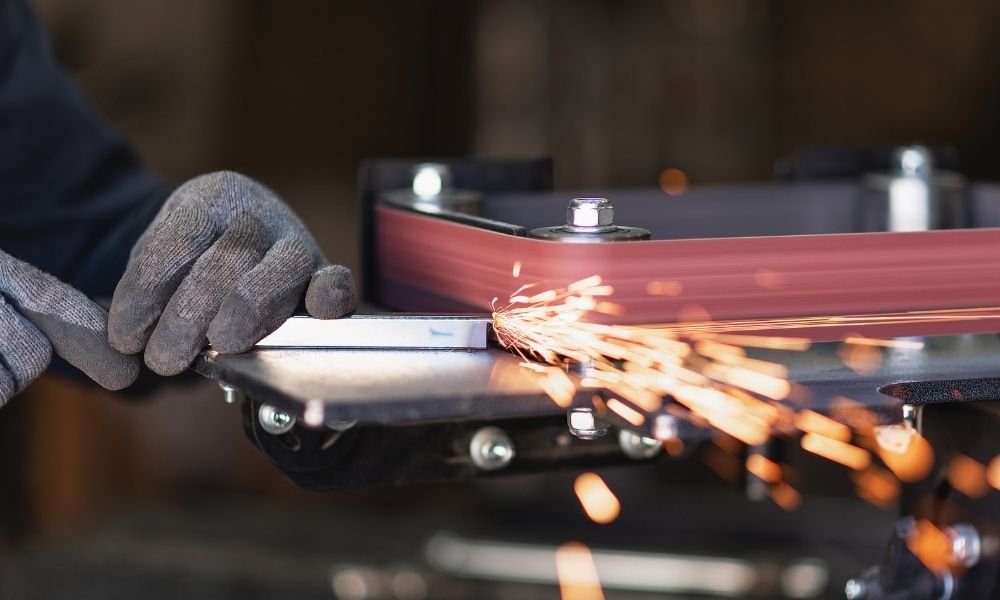
Metal Belt Sanders
Durability isn’t a throwaway perk—it’s the thing that could keep your line running without random breakdowns or performance dips. Here’s how to gauge build quality and longevity for your next industrial belt sander machine or metal fabrication belt grinder.
Frame Rigidity And Motor Power
- Robust frames minimize vibration. At Dai Nhan, our zero-vibration CNC grinders start with thick steel chassis—no flex, less chatter, flatter finishes.
- For motor power, look at continuous-rated outputs. Metal work typically calls for 2 HP and up.
- Ask about duty cycles. If a sander is rated for “intermittent” use, it’s likely not a fit for heavy production.
| Factor | Standard Grade | Industrial Grade (Dai Nhan) |
|---|---|---|
| Frame Material | Formed Steel/Alum | Solid Steel, Welded/Monobloc |
| Motor (HP) | 0.75 – 1.5 HP | 2 – 5+ HP |
| Vibration Handling | Minimal isolation | Zero-vibration CNC mounts |
Bearing Quality And Serviceability
- Bearings are a quiet dealbreaker in durability. Ball bearings should be sealed and rated for high speeds.
- Serviceability matters—can you access and swap bearings without special tools?
- Consider grease fittings and protective covers for bearings if you’re aiming for max uptime.
Well-designed CNC grinders save shops time and money by reducing the frequency and cost of bearing replacements. Safety, accuracy, and uptime all improve when your bearings are easy to check and swap.
Component Accessibility For Maintenance
A well-built sander thinks ahead to maintenance. Look for these:
- Wide service doors or removable panels.
- Quick-access belt tensioners and tracking controls.
- Clear electrical layouts with minimal hardwiring.
Quick maintenance means less downtime. And for high-throughput operations, the extra minutes saved each shift can add up fast.
Choosing The Right Abrasive Belts
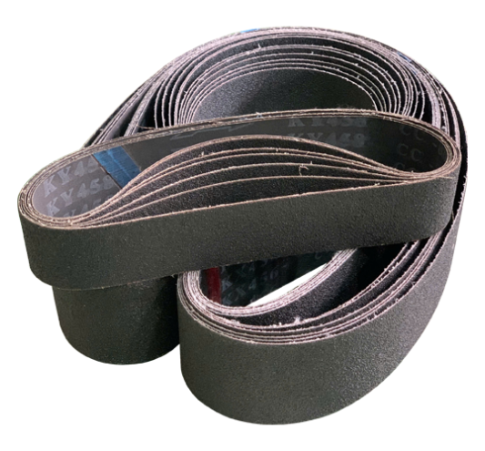
The abrasive belt is where the real work happens on your industrial belt sander. It’s the part that actually touches the metal, grinding and shaping it. Whether you need sanding belts for steel, sanding belts for stainless steel, or other metals, picking the wrong belt can lead to wasted time, poor finishes, and even damage to your workpiece or your machine. To ensure optimal grinding performance, Dai Nhan Machinery also supplies custom abrasive belt solutions designed to match different metal finishing applications and machine configurations.
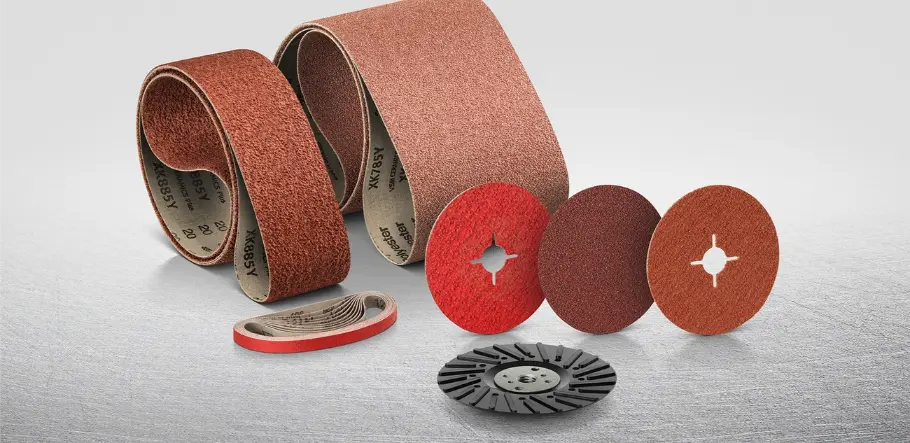
Abrasive Grain Types For Metal
When you’re working with metal, the type of abrasive grain on the belt makes a big difference. Different grains have different properties, affecting how fast they cut, how long they last, and how hot they get.
- Ceramic: This is often the top choice for heavy-duty metal removal. Ceramic grains are tough and self-sharpen as they work, meaning they cut fast and can handle high pressure without wearing down too quickly. They tend to run cooler than other types, which is a plus when you’re dealing with heat-sensitive alloys.
- Zirconia Alumina: A solid, more economical option than ceramic. Zirconia belts are among the best sanding belts for steel—strong and good for general steel removal and grinding. They hold up well under pressure and are a reliable choice for many metal fabrication tasks.
- Aluminum Oxide: This is a more common and generally less expensive abrasive. It’s suitable for lighter sanding, blending, and working with non-ferrous metals or even wood. For tough metal fabrication jobs, it might not be aggressive enough or last as long as ceramic or zirconia.
For demanding applications, consider custom-made sanding belts engineered in Vietnam to eliminate compromises. Working with reliable abrasive sanding belts suppliers and linishing belt suppliers ensures you get the right specification for every job.
Abrasive Grain Types For Metal
Understanding Grit Progression
Grit refers to the size of the abrasive particles on the belt. The number assigned to a grit indicates how many particles fit into a square inch of the belt. A lower number means larger, coarser grains, while a higher number means smaller, finer grains.
- Coarse Grits (24-60): Use these for heavy material removal, like taking off weld slag or shaping rough stock. They cut fast but leave a rough surface.
- Medium Grits (80-120): Good for smoothing out the scratches left by coarse grits and for general surface preparation.
- Fine Grits (150-240): Used for refining the surface and removing marks from medium grits.
- Very Fine Grits (320+): These are for final finishing and polishing, creating a smooth, clean surface.
Skipping grits can leave deep scratches that are hard to remove later, so a planned progression is important for a quality finish.
Belt Construction: Open Versus Closed Coat
This refers to how the abrasive grains are arranged on the belt’s backing.
- Closed Coat: The abrasive grains are packed tightly together, covering almost the entire surface of the belt. This provides maximum contact with the workpiece, leading to aggressive cutting and a smoother finish on harder materials. However, they can load up with dust and debris more easily, especially when working with softer metals or gummy materials.
- Open Coat: There’s more space between the abrasive grains, with gaps that allow dust and debris to escape. This makes open coat belts less likely to clog, run cooler, and last longer when sanding softer materials or those that produce a lot of dust. They are generally less aggressive than closed coat belts.
For metal fabrication, especially with our heavy-duty grinders, you’ll often find yourself reaching for closed coat belts for aggressive stock removal and open coat belts for finishing or when dealing with materials that tend to load up abrasives. Understanding these differences helps you select the belt that will perform best for your specific task and material.
Choosing the right abrasive belt is a key step in achieving optimal results with your metal fabrication equipment.
Optimizing Performance With Belt Speed And Control
Getting the most out of your industrial belt sander isn’t just about having a powerful motor or a rigid frame; it’s also about controlling how that power is applied. This means paying close attention to belt speed and how the machine handles the abrasive belt itself. Fine-tuning these elements can dramatically improve your results, reduce wasted material, and extend the life of your consumables.
The Importance Of Belt Speed (SFPM)
Belt speed, measured in Surface Feet Per Minute (SFPM), is a critical factor in metal fabrication. Different metals and different tasks require different speeds. For instance, aggressive stock removal on tough alloys might benefit from higher SFPM to cut through material quickly. However, too much speed can generate excessive heat, leading to material discoloration or even warping, especially with sensitive metals. Conversely, finishing passes or belt sander metal finishing operations with softer metals might require a slower speed to achieve a smoother surface and prevent burning. For large-area work, a wide belt sander for metal finishing can dramatically improve throughput and surface consistency.
- Heavy Stock Removal: Often benefits from higher SFPM (e.g., 4,000-6,000 SFPM) for efficient material cutting.
- Blending and Finishing: Typically requires lower SFPM to achieve a finer surface finish and control heat.
- Heat-Sensitive Alloys: Demand careful speed selection, often on the lower end, to avoid thermal damage.
Variable Speed Drives For Versatility
Machines with fixed belt speeds limit your options. A variable speed drive (VSD), often referred to as a variable frequency drive (VFD), transforms a good belt sander into a highly adaptable tool. This technology allows you to dial in the exact SFPM needed for any given job. Imagine being able to slow the belt down for delicate finishing work on intricate parts, then quickly ramp it up for rapid material removal on larger sections. This flexibility is invaluable, especially when working with a variety of metals or performing diverse operations. It’s like having multiple machines in one, all controlled with precision. For fabricators dealing with everything from rough grinding to fine polishing, a VFD is a game-changer, allowing for precise control over the sanding process.
Tracking And Tension For Precision
Even with the perfect speed, a belt sander won’t perform well if the belt isn’t running true. Proper tracking means the belt stays centered on the drive and idler pulleys without wandering. This is achieved through a combination of factors: a well-designed tracking mechanism (usually an adjustable knob), crowned pulleys that help self-center the belt, and adequate belt tension. When a belt is tracking correctly and under the right tension, you’ll notice a smooth, consistent sound – a quiet hiss. If you hear chatter or the belt is constantly trying to walk off, it’s a sign that something is off. This not only wastes belts but also leads to inconsistent finishes and can even damage your machine. For operations requiring high accuracy, like precise edge profiling, maintaining optimal tracking and tension is non-negotiable.
The sound of a well-tuned belt sander is a symphony of efficiency. A steady hiss, a clean cut, and a smooth finish all point to a machine that’s set up correctly. When the belt runs true, the work flows.
Essential Features For Metal Fabrication
When you’re deep into metal fabrication, the right features on your belt grinder for metal fabrication aren’t just nice-to-haves; they’re what keep your operation running smoothly and your products looking sharp. We’re talking about the nitty-gritty details that make a real difference on the shop floor, especially when you’re dealing with tough materials or intricate work. At Dai Nhan Machinery, we build our equipment with these exact needs in mind, focusing on the kind of zero-vibration engineering that lets you work precisely for hours.
Work Support And Platen Design
The work support is where your part meets the abrasive, so it needs to be solid. You want a flat, stable surface that doesn’t flex, especially when you’re pushing down hard. An adjustable work rest is a must-have. This lets you set up precise angles for bevels or chamfers, and it should stay put once you set it. Having enough room to clamp jigs without blocking access to the belt is also a big plus. Behind the belt, a good platen is key for flat surfaces. It needs to be rigid and true to get those clean, straight finishes. For general fabrication tasks, a solid platen and a good work rest are non-negotiable.
Contact Wheels And Slack Belt Capabilities
Beyond the flat work, you’ll often need to handle curves and contours. That’s where contact wheels come in. These come in various diameters, from small ones for tight radii to larger ones for smoother transitions. Having a selection of these allows you to tackle different shapes without changing machines. Some shops also benefit from an industrial belt and disc sander—a belt disc sander for metal work that combines two abrasive surfaces in one unit for greater versatility. Then there’s the slack belt capability. This means running the belt without a platen, which is perfect for soft blends and creating smooth, rounded edges. It’s a versatile feature that opens up a lot of finishing possibilities, especially for custom pipe polishers.
Dust Collection And Safety Features
Working with metal creates dust, and managing it is important for both your health and the cleanliness of your workspace. A good dust collection system isn’t just about compliance; it keeps your work area clearer and can even help keep your belts running cooler. Safety features are also paramount. This includes things like guards that keep your hands away from the moving belt and emergency stop buttons that are easily accessible. Robust metal grinders from Dai Nhan Machinery are designed with integrated dust management and safety interlocks to protect your operators and your investment.
Considering Future Needs And Flexibility
When you’re looking at industrial belt sanders, it’s easy to get caught up in what you need right now. But what about next year? Or the year after that? Thinking ahead can save you a lot of headaches and money down the road. A truly smart investment is a machine that can grow with your business.
Adaptability For Different Materials
Metal fabrication isn’t always about just one type of metal. You might be working with steel today, aluminum tomorrow, and maybe even some exotic alloys next month. Your belt sander for metalworking needs to handle this variety. Look for machines that can adjust their speed and pressure to suit different materials. For instance, softer metals like aluminum often require different settings than harder steels to avoid overheating or damaging the abrasive belt.
Ease Of Belt Changes
How quickly can you swap out a belt? This might seem minor, but when you’re in the middle of a production run and need to switch from a coarse grit for heavy removal to a fine grit for finishing, every minute counts. A well-designed belt sander for metal fabrication with quick-release belt systems or tool-less tensioning mechanisms can make a big difference. This reduces downtime and keeps your workflow moving smoothly. It means you can tackle more diverse jobs without significant interruptions.
Supplier Reliability And Support
Buying a piece of industrial equipment is a partnership. You want to know that if something goes wrong, or if you need a replacement part, your supplier is there for you. A reliable belt grinder manufacturer or abrasive belt grinding machine manufacturer will offer good warranties, readily available spare parts, and knowledgeable technical support.
Choosing equipment that can adapt to changing material demands and offers straightforward maintenance means your initial investment continues to pay dividends. It’s about building a flexible operation that can respond to market shifts without requiring constant equipment upgrades.
Partner with Dai Nhan Machinery
If you’re ready to discuss how our advanced machinery can fit your evolving production needs, contact us today for a personalized quote.
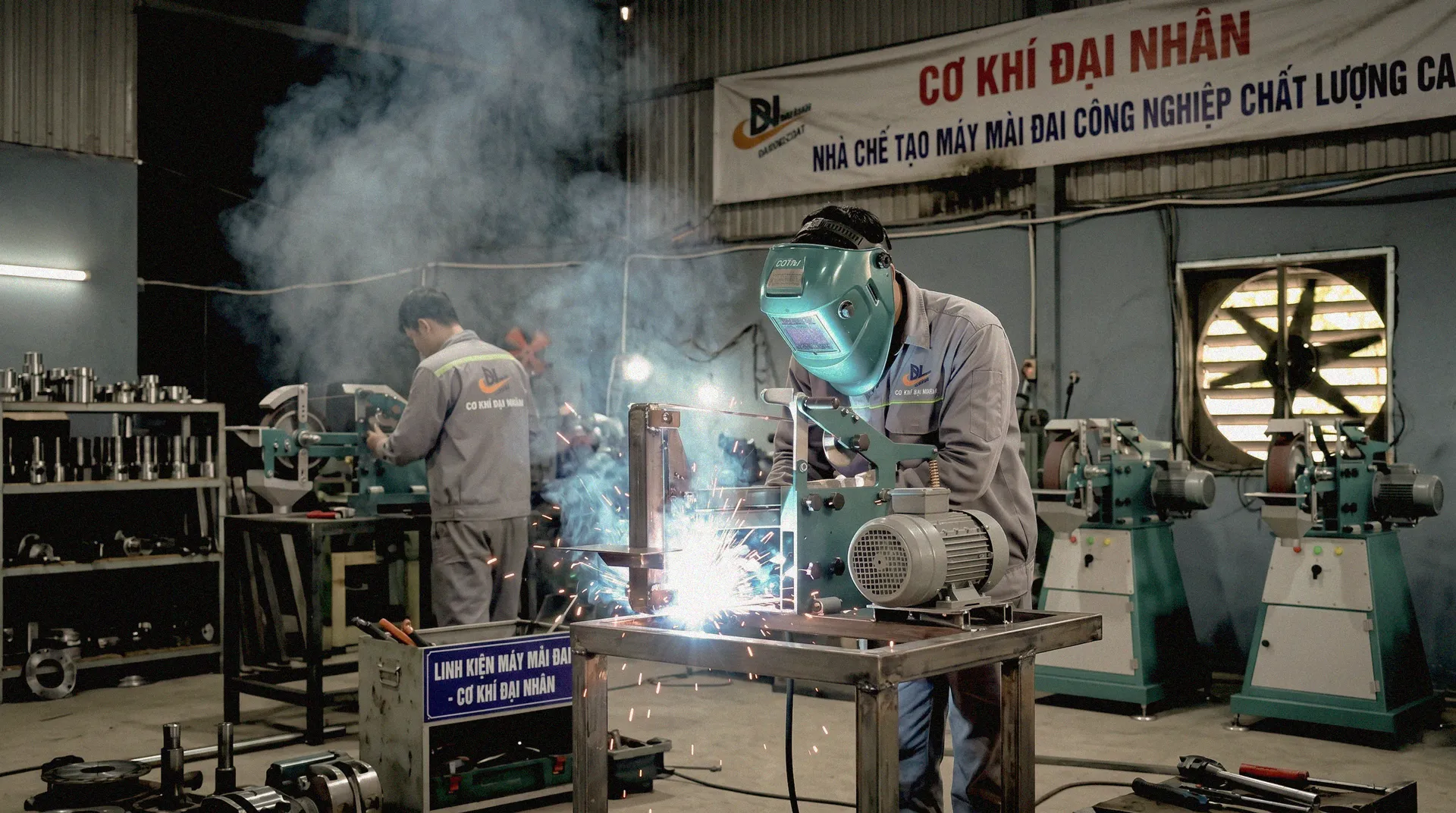
Dai Nhan Machinery Factory
Thinking about what you might need down the road is smart. Our machines are built to be flexible, so they can grow with your business. We want to make sure you have equipment that works for you now and in the future. Ready to see how our adaptable machines can help your company? Visit our website today to explore our full range of products and find the perfect fit for your needs.
Conclusion
Picking out the right metal fabrication belt sander isn’t just about picking the shiniest machine on the floor. It’s about matching the tool to your jobs—whether that’s a steel belt grinder for heavy stock removal, a belt sander for steel finishing, or a versatile industrial belt grinder for metal—checking the frame and motor, picking the right belts, and making sure you can get help when you need it. Take your time, ask questions, and think about what you might need down the road. The right machine will save you time, cut down on frustration, and help you get better results on every project.
Read more: Selecting the Best Industrial Belt Grinder for Metal Deburring and Polishing


BOLA BAG's BLOG YOU MAY ALSO BE INTERESTED IN
Operational Mistakes with Export-Standard Industrial Belt Sander
Top 4 Abrasive Belt Grinding Machine Manufacturers in Asia
How to Measure Sanding Belts: Width, Length, Grit and the Numbers Printed Inside