


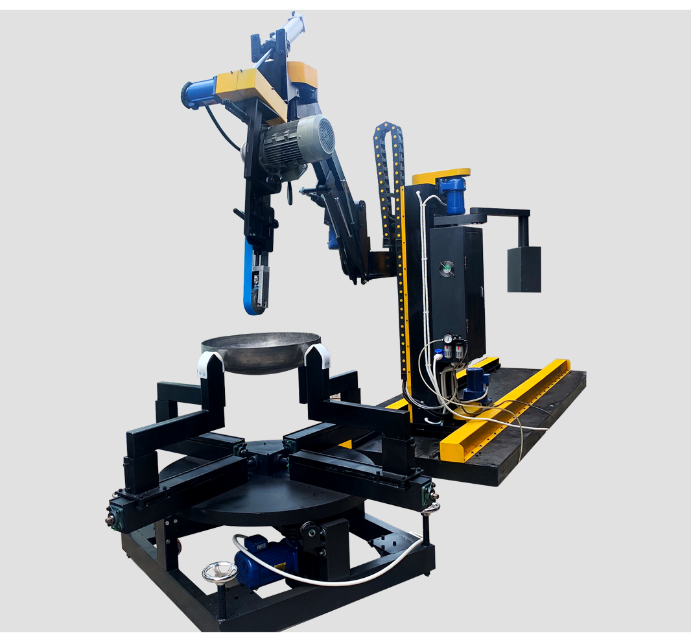
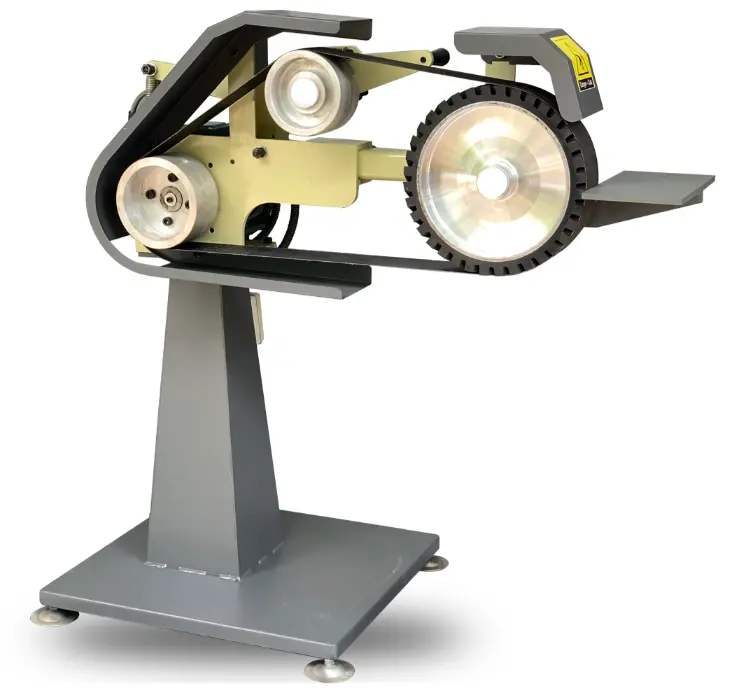
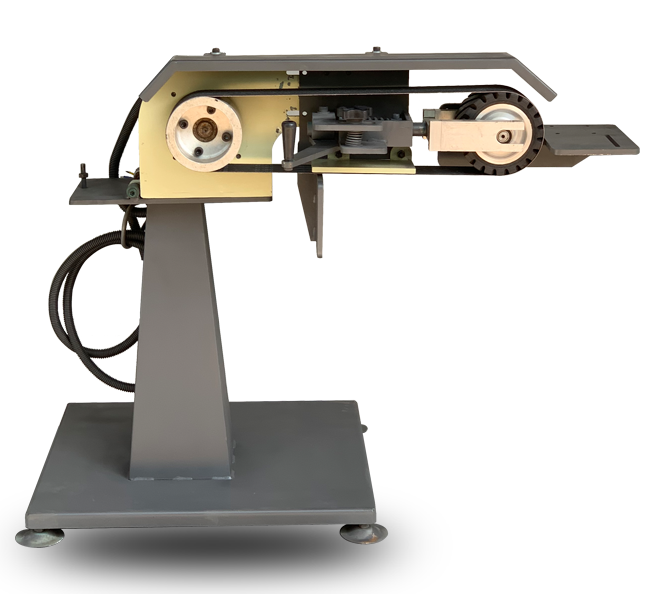
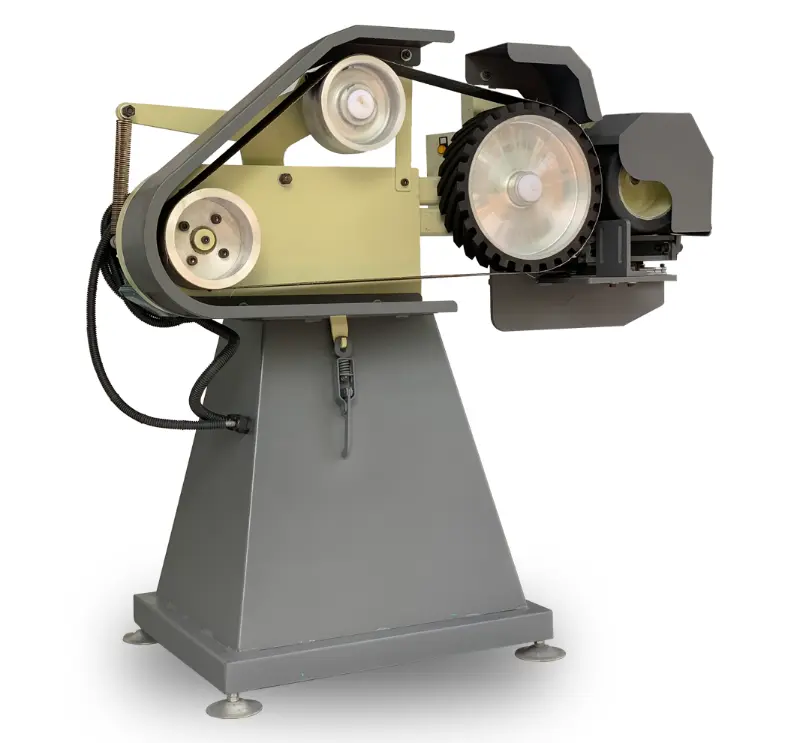
Finding the right manufacturing partner is the difference between scaling a profitable distribution network and drowning in product returns, warranty claims, and shipping delays. For international industrial distributors, the search for reliable belt grinder machine manufacturers involves looking far beyond competitive price tags. Expanding your inventory with a high-performance industrial belt grinder means evaluating build quality, engineering consistency, and long-term supply chain viability.
In an era of volatile shipping lanes and shifting regulatory frameworks, procurement teams must treat machine sourcing as a long-term strategic alliance rather than a series of one-off transactional purchases. This expanded sourcing guide covers the critical benchmarks for vetting manufacturers, navigating international logistics, and choosing a partner that protects your market reputation.
Structural Integrity & Core Component Benchmarks
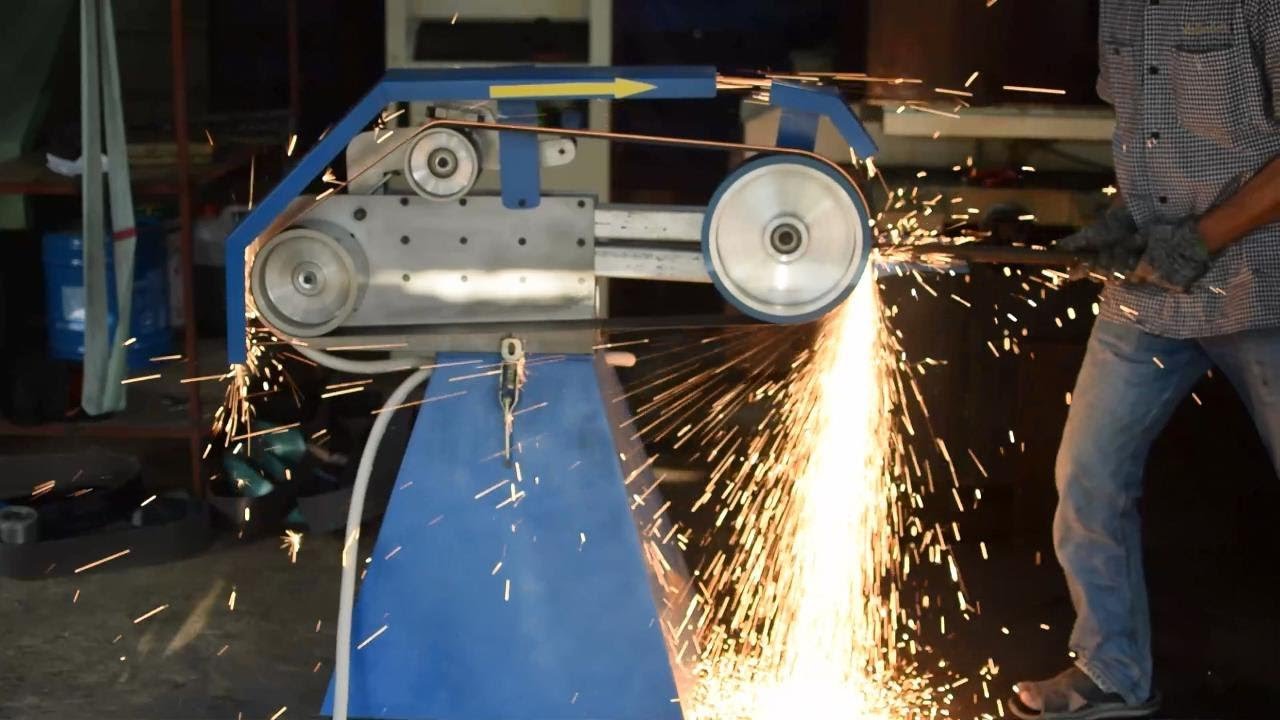
When evaluating the catalog of various belt grinder machine manufacturers, start with the raw engineering. A professional metalworking belt grinder operates under immense tension and high surface speeds; any compromise in materials leads to severe vibration, tracking errors, and premature motor failure.
Structural Integrity & Core Component Benchmarks
When inspecting technical specifications or requesting a prototype, audit these elements:
Chassis Construction
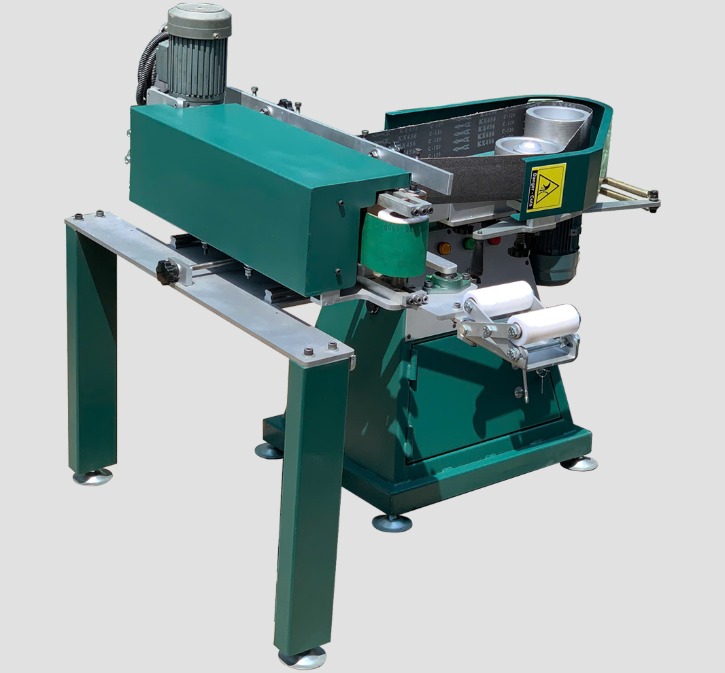
Avoid light sheet-metal fabrications or thin square tubing. A robust steel belt grinder requires heavy structural steel plates or solid castings to absorb harmonic vibration. This mass is what maintains tracking alignment over years of shifting workloads. If a machine frame flexes under manual pressure or during a heavy grind test, it will fail in a high-throughput production facility.
Tracking and Drive Wheels
High-quality manufacturers use CNC-machined aircraft-grade aluminum or polyurethane-coated wheels rather than cast iron or plastic alternatives. Polyurethane coatings offer superior belt grip, reducing slippage and heat buildup. Ensure the tracking mechanisms leverage sealed, high-RPM bearings. This prevents fine metal shards and abrasive dust contamination from locking up the system, which is a primary cause of field failures.
Motor Specifications
Demand industrial-grade, Totally Enclosed Fan-Cooled (TEFC) or Totally Enclosed Non-Ventilated (TENV) motors. In dusty grinding environments, open motors invite catastrophic electrical shorts. Check if the manufacturer offers integrated variable frequency drives (VFDs). A VFD allows operators to adjust belt speeds precisely, making it a highly versatile heavy-duty belt grinder suitable for steel, titanium, aluminum, or alloy processing.
Industry Insight: High-velocity grinding creates a microscopic cloud of conductive metal dust. If the manufacturer uses cheap, non-enclosed switchgear or standard open motors, the equipment presents a severe fire and safety hazard within months of deployment.
Supplier Evaluation Matrix Criteria
Before signing an exclusive distribution agreement, it helps to score potential suppliers against your specific business priorities. When building an internal evaluation matrix, weigh the following core criteria to calculate an overall vendor compatibility score:
-
Build Quality & Material Grade (Suggested Weight: 40%): Focus heavily on frame thickness (10mm+), premium bearing brands, and CNC-machined tracking components. Verify these metrics through physical factory audits, metallurgical certificates, or prototype teardowns.
-
Regulatory Compliance (Suggested Weight: 20%): Ensure the factory documentation matches the destination port. Validate this by requesting independent third-party test lab reports from recognized entities like TÜV or Intertek.
-
Production Capacity & Lead Time (Suggested Weight: 20%): Assess monthly output capacity, raw material buffer stocks, and peak-season scalability. Analyze historical lead time data to ensure they can keep pace with your distribution demands.
-
Price and Profit Margins (Suggested Weight: 20%): Evaluate base unit costs alongside tiered bulk volume discounts and spare part pricing structures. Map these out against a total cost of ownership model to protect your downstream margins.
Using this weighted framework allows procurement teams to remain objective. A manufacturer offering a 15% discount might look attractive initially, but if their regulatory compliance score is lacking, the hidden costs of customs seizures or post-import modifications will quickly wipe out your margins.
Compliance, Certifications, and Global Standards
A common trap for international distributors is sourcing a high-quality machine that cannot legally clear customs or pass workplace safety audits in their destination country. Top-tier belt grinder machine manufacturers must provide verified documentation for regional standards, which is vital when distributing a belt grinder for metal fabrication facilities subject to strict local safety audits:
European Union Markets
Suppliers must provide authentic CE Marking, RoHS certification, and fully meet the Machinery Directive 2006/42/EC. Import inspections focus heavily on:
-
Dual-channel emergency stop placement.
-
Adjustable spark guarding and eye shields.
-
Electrical shielding and low-voltage control circuits.
North American Markets
Look for explicit compliance with UL/CSA Electrical Standards and OSHA guidelines. For US and Canadian industrial environments, this includes enclosed wiring configurations, mandatory system grounding, and explosion-proof motor options if the units are intended for volatile environments or aerospace applications.
Australia & New Zealand Markets
Look for strict adherence to AS/NZS 4024 (Safety of Machinery). This standards framework mandates robust electrical isolation switches, integrated dust extraction ports, and physical mechanical barriers around moving components to prevent operator entanglement.
Always request third-party testing certificates rather than accepting a manufacturer’s self-declaration, especially regarding electrical safety and noise emission levels.
Factory Audits and Production Capacity
A manufacturer might build an excellent sample machine in their laboratory, but can they replicate that quality across a container-load of 50 units?
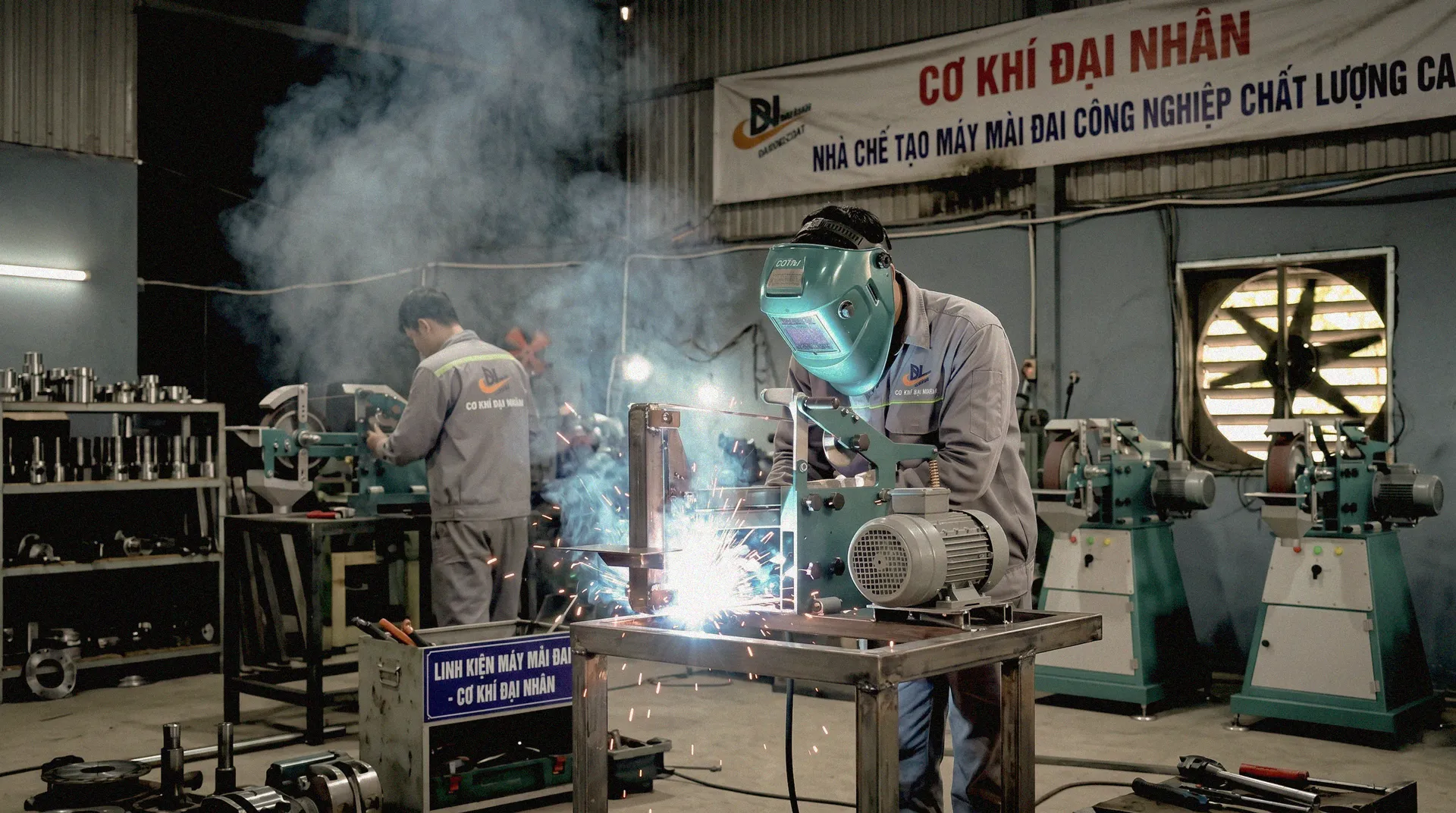
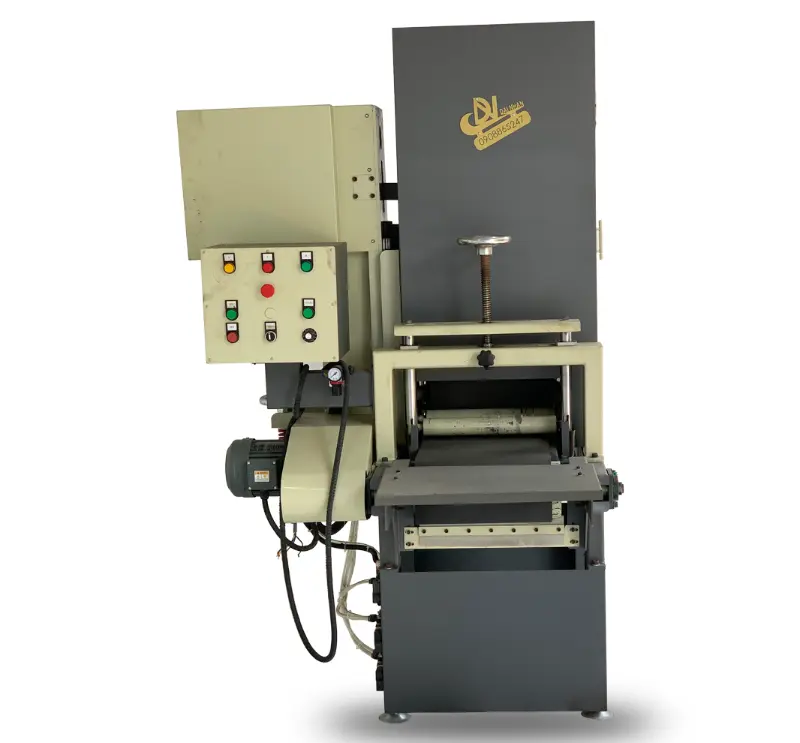
Dai Nhan Machinery
When conducting a factory audit for an industrial belt grinder for metal, either in-person or via a trusted third-party inspector, verify that production flows through three strict quality control checkpoints:
-
Incoming Quality Control (IQC): Technicians must test the raw steel, motors, and electrical switches arriving from sub-vendors. High-quality manufacturers run batch testing on incoming motors to ensure wound stators meet insulation requirements before they ever reach the assembly line.
-
In-Process Quality Control (IPQC): Grinder frames must be checked for squareness, flatness, and structural alignment immediately following welding or CNC machining. Even a 1mm deviation in chassis alignment can cause tracking wheels to wear unevenly and throw belts at high speeds.
-
Final Outgoing Quality Control (OQC): Every single belt grinder should be run under power for at least 15 to 30 minutes. Technicians should use laser tachometers to verify RPM stability, thermal imaging cameras to check for bearing overheating, and vibration sensors to ensure the chassis operates within safe structural tolerances before passing the machine to the packaging phase.
Sourcing Red Flags to Avoid
Keep a close eye out for these warning signs during initial negotiations:
-
Unwillingness to Customize Electrical Layouts: Industrial grids vary worldwide (e.g., 110V single-phase vs. 415V three-phase). If a manufacturer hesitates to adapt their motor windings or VFD programming to your local grid standards, terminate negotiations immediately.
-
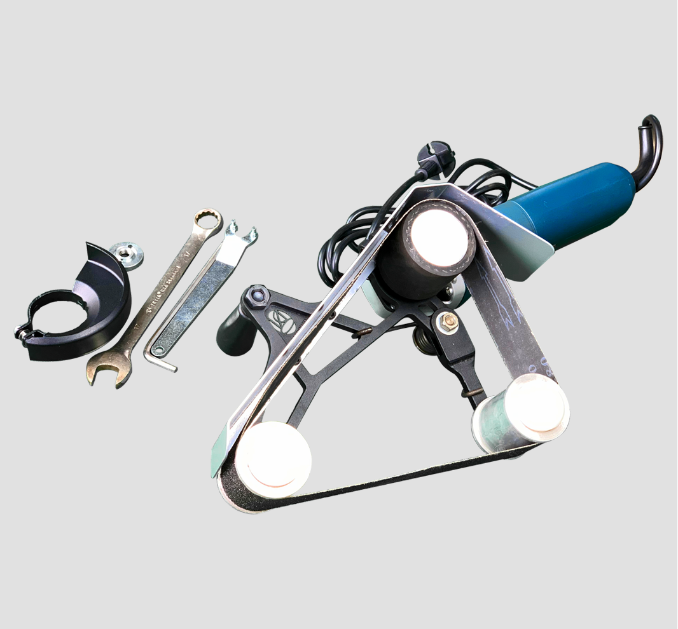
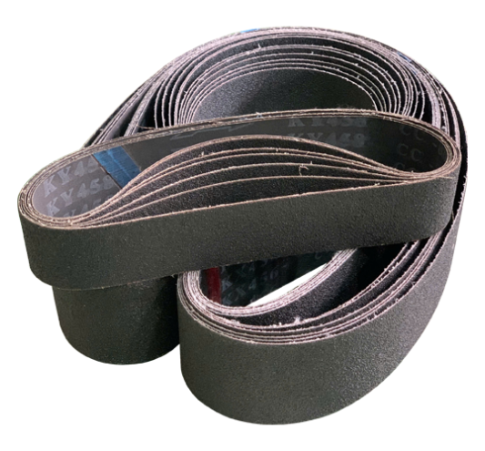
Vague Spare Parts Availability: Belt grinders consume contact wheels, platen liners, and bearings over time. Your partner must have a reliable, cataloged supply of consumables ready to ship to support your aftermarket repair service. Check if they offer dedicated OEM and contract manufacturing support to guarantee component continuity.
-
Inadequate Export Packaging: Heavy industrial machinery requires robust ISPM-15 certified wooden crates and anti-rust vacuum packaging to survive weeks inside a humid ocean freighter. Simple cardboard boxes or loose pallet strapping will result in bent shafts and scratched surfaces upon arrival.
Partner with a Global Belt Grinder Manufacturer
If you are looking to expand your inventory with heavy-duty, industrially proven finishing equipment, Dai Nhan Machinery delivers the precision and structural reliability international markets demand. Specializing in high-performance grinding solutions, Dai Nhan manufactures belt grinders engineered for continuous industrial operations, backed by comprehensive international compliance and robust supply chain support.
Ready to secure a reliable manufacturing partner for your distribution network? Visit Dai Nhan Machinery to explore our product lineup, review technical specifications, and request an OEM or distribution quote today.
Read more: How to Select an OEM/ODM Belt Grinder Manufacturer for Global Supply Chains


BOLA BAG's BLOG YOU MAY ALSO BE INTERESTED IN
Sourcing for White-Labeling: What to Look for in an OEM Belt Sander Supplier
How Grinding Wheel Wholesalers Keep Up with High-Volume Fabricator Demands
How to Select the Right Industrial Belt Sander for Metal Fabrication