


We get asked this question a lot: do belt sanders work on metal, or are they strictly a woodworking tool? The short answer is yes, belt sanders can absolutely work on metal, but the way they perform depends heavily on the belt material, the machine setup, and the technique we use. Let’s break down exactly how these tools function on metal surfaces and what we need to know before starting a metalworking project.
Understanding How Belt Sanders Function
The Basic Mechanism
Before we answer whether belt sanders handle metal well, it helps to understand how they actually work. A belt sander uses a continuous loop of abrasive material stretched around two or more rotating drums, powered by a motor that drives the belt at a set speed. As we press the workpiece against the moving belt, the abrasive grains shave away material through friction.
What Controls the Cut
The speed of the motor, the tension of the belt, and the amount of pressure we apply all play a role in how aggressively the sander removes material. On softer materials like wood, this process is fairly forgiving. On metal, these same variables become much more important because metal is denser, harder, and conducts heat differently than wood or plastic. This is part of why people often ask, do belt sanders work on metal as effectively as they do on wood, and the answer really comes down to matching the right belt and settings to the job.
Can Belt Sanders Actually Sand Metal?
Yes, belt sanders can sand metal effectively, but they behave quite differently compared to when we use them on wood. Metal is far less forgiving of mistakes. Where wood might sand smoothly with moderate pressure, metal often requires the right belt material, a controlled pace, and attention to heat buildup to avoid damaging the workpiece or the tool. Answering do belt sanders work on metal really means looking at the whole system of belt, machine, and operator working together. We’ve found that with the right setup, an industrial belt sander for metal can tackle tasks like deburring, rust removal, weld smoothing, and even fine polishing. The key difference is that metal work usually demands more specialized abrasives and a more careful hand than typical woodworking sanding jobs.
Choosing the Right Abrasive Belts for Metal
Why Belt Choice Matters More on Metal
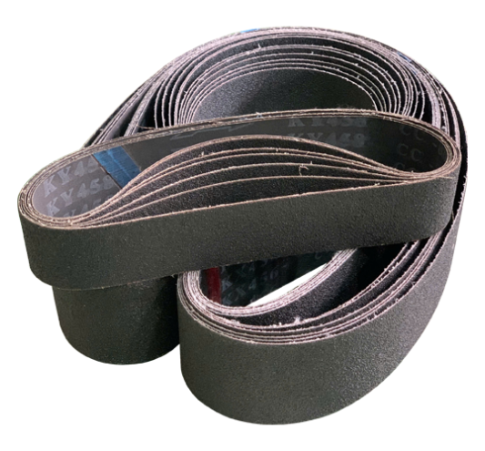
Not all sanding belts are created equal, and this matters even more when we’re working with metal. Standard aluminum oxide belts work well for general purpose metal sanding and are often the most affordable option for everyday tasks. Zirconia alumina belts are tougher and last longer under heavy pressure, making them a solid choice for aggressive stock removal or deburring on steel.
Comparing Belt Materials
Ceramic belts are the premium option, offering excellent heat resistance and durability, which makes them ideal for repetitive industrial applications or when working with harder alloys. When it comes to grit selection, coarser grits (36 to 60) are best for rust removal and heavy material removal, medium grits (80 to 120) work well for smoothing welds, and finer grits (150 and above) are suited for polishing and finishing stainless steel or other metal surfaces. Choosing the correct belt is often the deciding factor in whether do belt sanders work on metal as well as we hope, since the wrong abrasive can undo even the best technique.
Heat Buildup and Why It Matters
One of the biggest challenges we face when sanding metal is heat. Unlike wood, metal conducts and retains heat quickly during friction based sanding, which can lead to discoloration, warping of thin materials, or even damage to the abrasive belt itself. Excessive heat can also cause belts to glaze over, reducing their cutting efficiency and shortening their lifespan. Understanding heat management is crucial to answering do belt sanders work on metal safely and efficiently, since poor heat control is often the difference between a clean finish and a ruined workpiece.
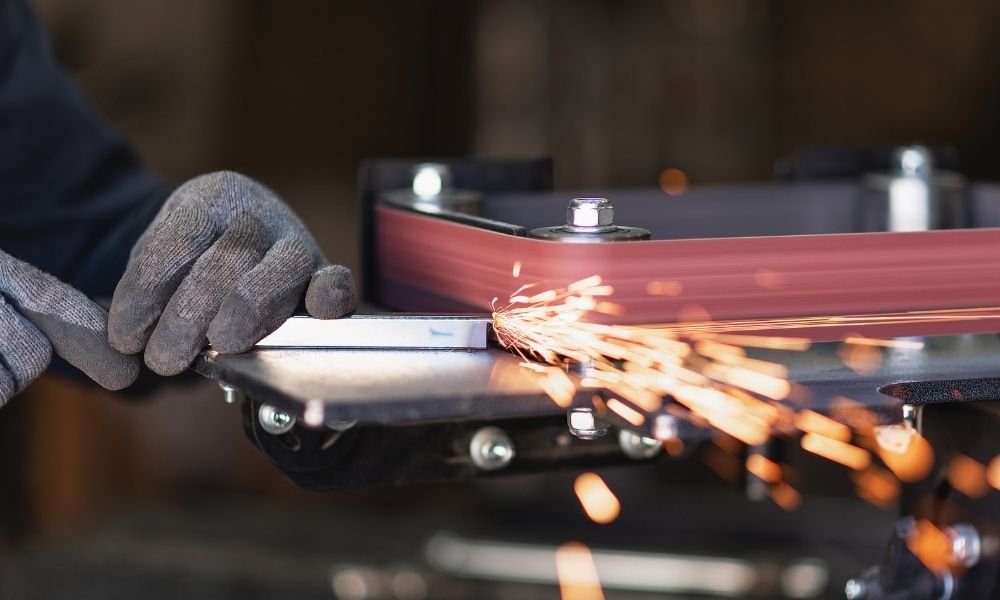
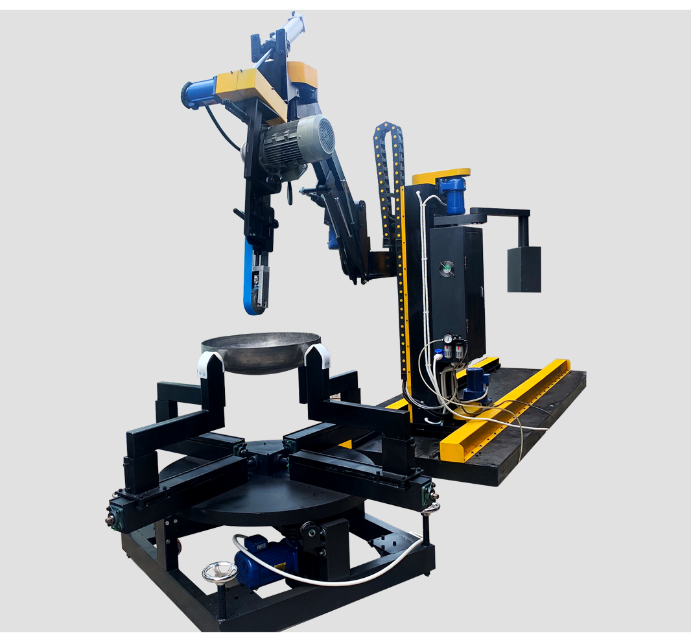
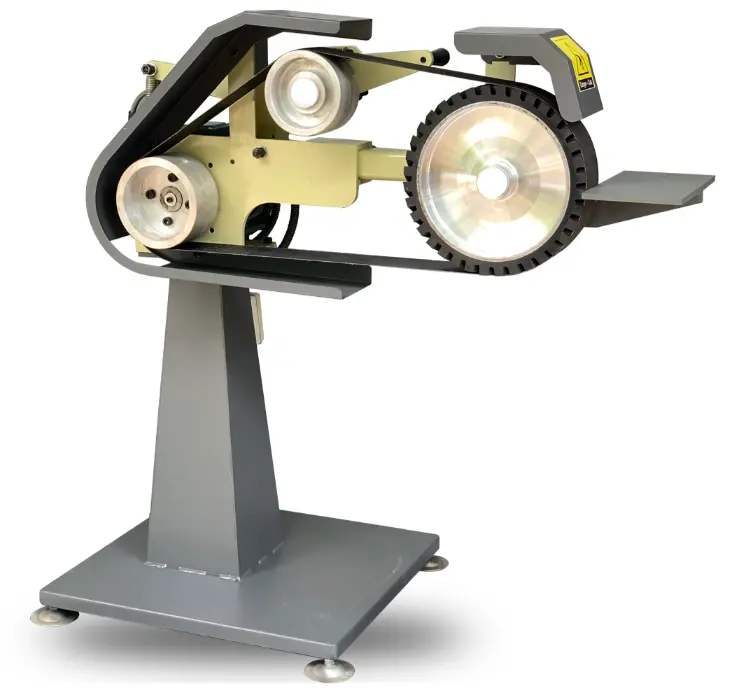
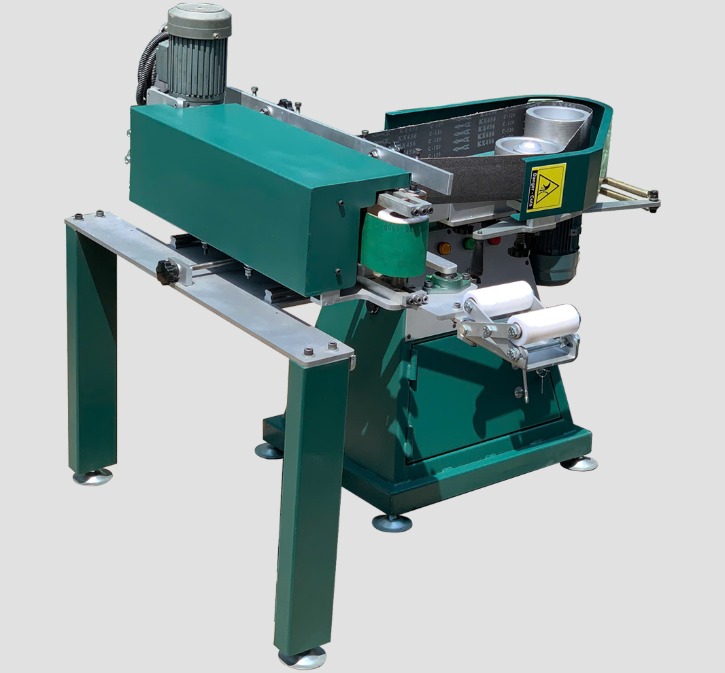
Metal Belt Sander – Dai Nhan Machinery
To manage this, we recommend applying steady, moderate pressure rather than pushing hard against the belt. Taking short breaks between passes allows both the metal and the belt to cool down, preventing warping and extending the life of our abrasives. This is especially important when working with thin sheet metal or stainless steel, where heat sensitivity is higher.
Best Practices for Sanding Metal Safely
Getting clean results on metal isn’t just about the right belt. It’s also about technique. We always recommend using light, even pressure rather than forcing the workpiece into the belt. This reduces heat buildup and helps avoid uneven sanding marks. Following these habits consistently is a big part of why do belt sanders work on metal so reliably once the basics are dialed in. Cooling breaks are essential, particularly during longer sanding sessions or when working with thicker metal stock. Proper ventilation is also important, since metal dust and sparks can be hazardous to breathe in enclosed spaces. Finally, we never skip protective gear: safety glasses, hearing protection, and gloves rated for abrasive work all help keep the process safe while still achieving a clean, professional finish.
Stationary vs. Handheld Belt Sanders for Metal Work
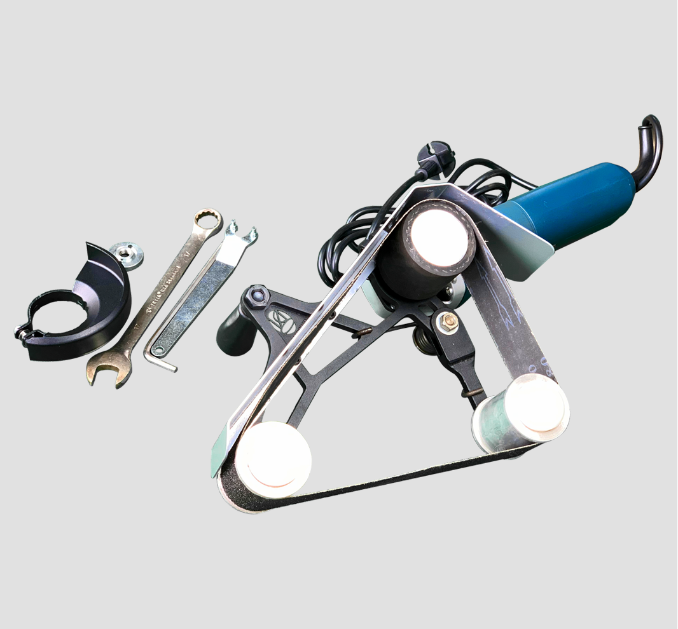
Choosing between a stationary and handheld belt sander often comes down to the size and shape of the metal piece we’re working on. Bench mounted or stationary units, such as an industrial bench sander or vertical belt grinder, offer greater stability and control, making them ideal for smaller parts, precision shaping, or repetitive tasks in a workshop setting. Handheld belt sanders, on the other hand, offer more flexibility for larger workpieces, curved surfaces, or situations where the material can’t be brought to a stationary machine. While handheld models require more skill to control evenly, they’re often the more practical choice for onsite metal fabrication work or larger structures that can’t be moved.
Common Mistakes When Sanding Metal
We’ve seen (and made) our fair share of mistakes when it comes to sanding metal. One of the most common is using the wrong grit belt for the job, such as starting with a fine grit when heavy material removal is needed, or vice versa. Another frequent issue is applying too much pressure, which accelerates heat buildup and can warp thinner metal sheets. Many of the doubts people have about whether do belt sanders work on metal actually trace back to these avoidable errors rather than the tool itself.
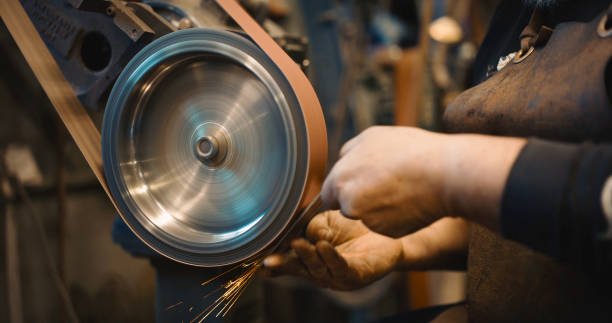
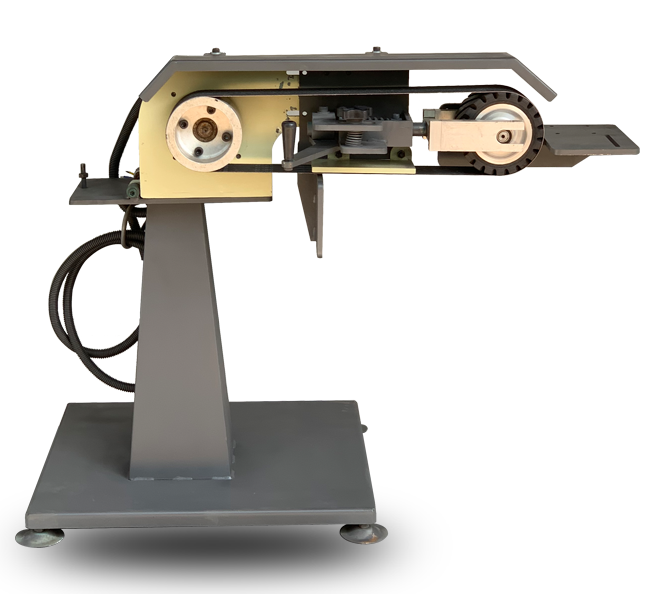
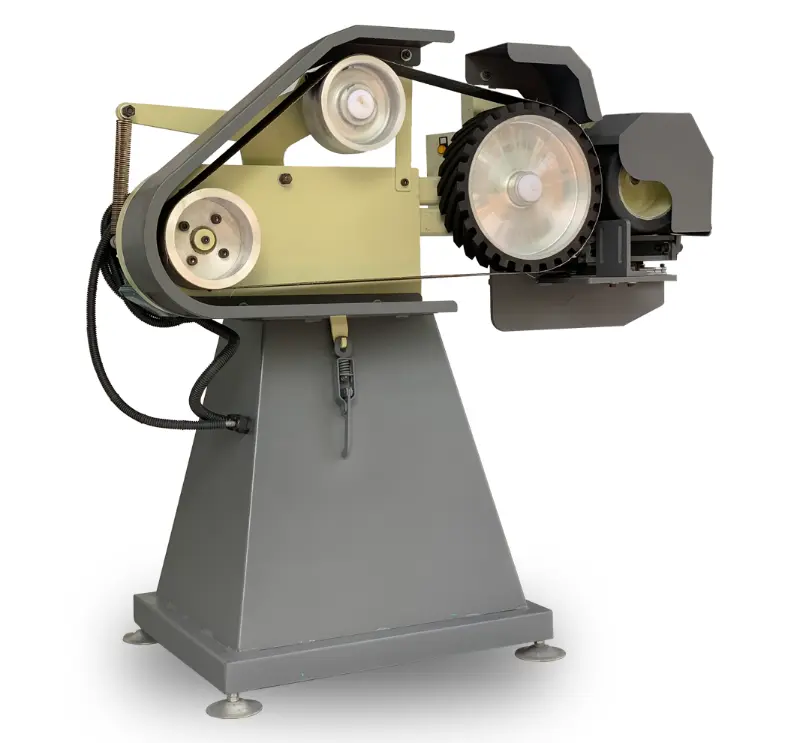
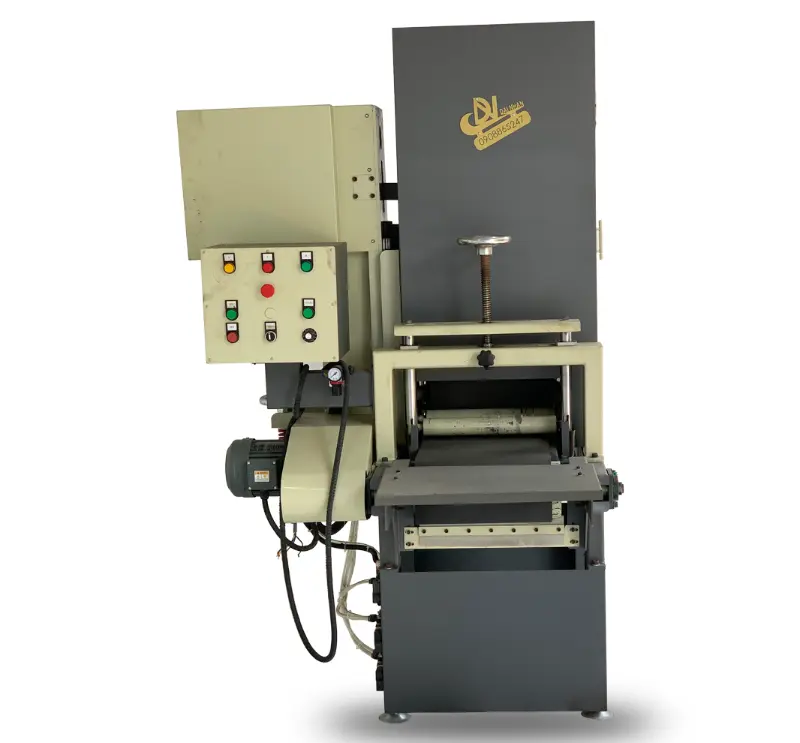
Belt Sander – Dai Nhan Machinery
Ignoring heat altogether is another mistake that leads to prematurely worn belts and inconsistent finishes. Skipping cooling breaks or using a belt that’s already glazed over from overheating often results in poor surface quality and wasted material. Paying attention to these details helps us get better results while extending the life of both our tools and our sanding belts.
Alternatives and Complementary Tools for Metal Finishing
While belt sanders are versatile, they aren’t always the only tool for the job. Angle grinders paired with flap discs are often used for heavier material removal or working in tight spaces. Rotary tools can handle detail work and small areas that a belt sander simply can’t reach. For polishing round or square tubing, a dedicated tube polishing machine may offer more consistent results than a standard belt sander. Many metal fabrication shops use a combination of these tools alongside belt sanders and belt grinders to achieve the best possible finish depending on the shape, size, and material of the workpiece.
Final Thoughts on Using Belt Sanders for Metal Projects
So, do belt sanders work on metal? Based on everything we’ve covered, the answer is a confident yes, as long as we pair the right belt material, proper technique, and safety precautions with the job at hand. From deburring welds to polishing stainless steel, belt sanders remain a practical and effective tool for a wide range of metalworking tasks.
Choose a Sander Built for Metal Work
Sanding metal well depends on a machine that holds speed under load and sheds heat rather than trapping it. Dai Nhan Machinery builds industrial belt sanders specified for metal, with variable speed drives, rigid platens, and frames that stay steady during heavy stock removal. Talk to Dai Nhan Machinery about the alloys and the volumes you work with.
Conclusion
Belt sanders are a reliable option for metal work when we choose the correct abrasive belts, manage heat carefully, and follow proper safety practices. Ultimately, do belt sanders work on metal well? Yes, when handled properly with the right belt, steady technique, and attention to heat. Whether we’re using a stationary industrial belt sander or a handheld model, understanding these fundamentals helps us achieve smooth, professional results while protecting both our tools and our materials.
Read more: Top OEM/ODM Grinding Wheel Manufacturers for Global Industrial Supply Chains


BOLA BAG's BLOG YOU MAY ALSO BE INTERESTED IN
The Difference Between Export-Standard Tier-1 Grinding Wheel Manufacturers and Budget Brands
How Do You Measure a Belt Sander Belt? Pick the Right Method for your Belt
Why Global Manufacturers Invest in Heavy Duty Industrial Belt Disc Sander Equipment