






Most companies discover the difference between transactional purchasing and strategic sourcing the hard way, usually after a supplier relationship they treated as a simple purchase order suddenly becomes a production emergency. A grinding discs supplier chosen purely on unit price and delivery speed can serve a single order perfectly well, but the moment that relationship needs to scale, survive a demand spike, or hold up against a cross border shipping delay, the gap between a transactional vendor and a genuine strategic partner becomes very expensive very quickly. This guide looks at what it actually takes to build a strategic sourcing relationship with an export standard grinding discs supplier, from how the agreement should be structured to how cross border risk should be managed and how consumables sourcing increasingly needs to be planned alongside equipment sourcing rather than treated as a separate function entirely.
What Export Standard Actually Means for a Grinding Discs Supplier
Before building a sourcing strategy around export standard equipment or consumables, it is worth being precise about what that label should actually guarantee, since it gets applied loosely across the industry and buyers often accept it without verifying what it covers.
Certification Recognized Across Destination Markets
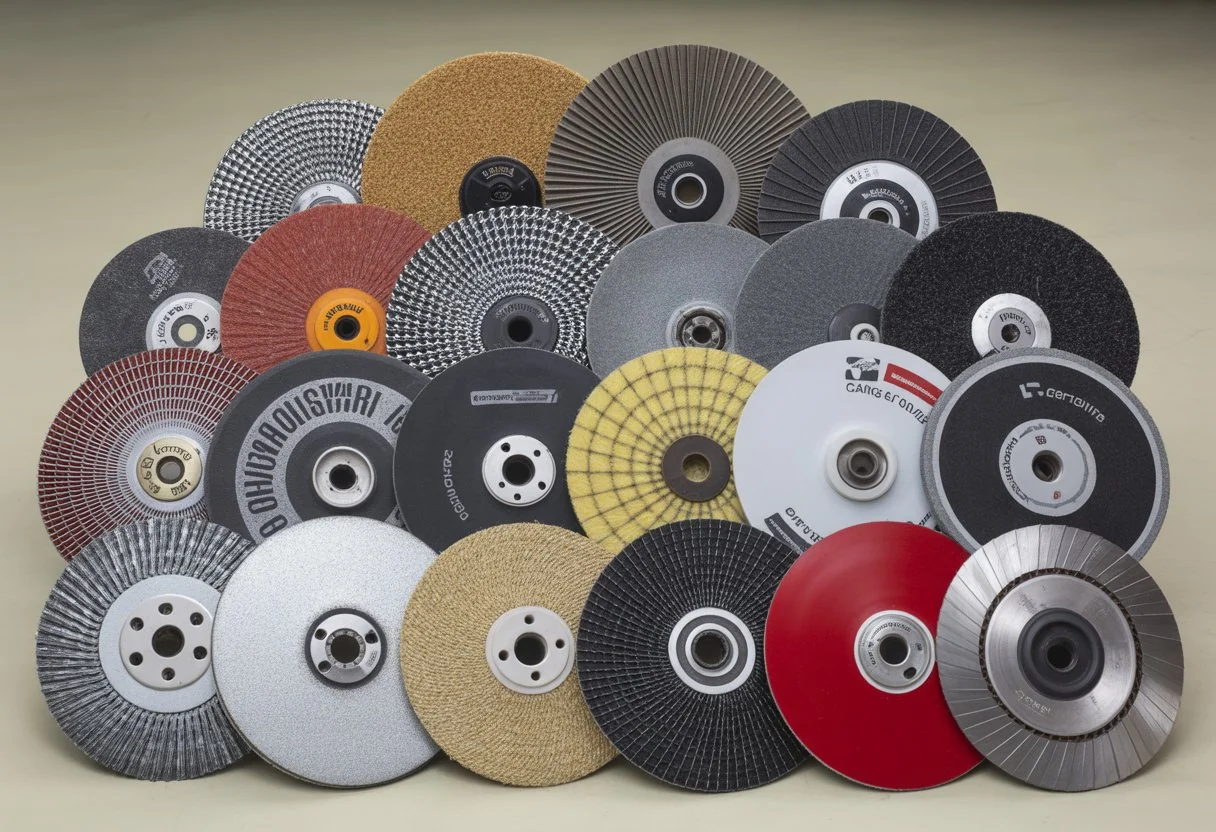
An export standard grinding discs supplier should be able to demonstrate that their product carries certification genuinely recognized in the buyer’s specific destination market, not simply a certification that exists somewhere in their documentation. Safety certification for abrasive products matters enormously given the mechanical stress these products endure at high rotational speed, and a supplier who cannot clearly explain which certification standards their product meets, and confirm those standards apply in your country specifically, has not actually earned the export standard label regardless of how it is used in their marketing.
Certification Recognized Across Destination Markets
Documentation and Traceability Built Into Every Shipment
Beyond certification, export standard sourcing depends on documentation accuracy that holds up consistently across every shipment, not just the first one evaluated during a supplier qualification visit. This means commercial invoices, packing lists, and certificates of origin that are generated accurately as part of the manufacturing process itself, along with batch traceability that allows a specific shipment to be traced back to its production run if a quality question ever arises. A grinding discs supplier without this level of documentation discipline introduces friction and risk into every single cross border shipment, even when the underlying product quality is genuinely good.
Why Strategic Sourcing Requires a Partnership Mindset
Strategic sourcing is fundamentally a different activity than transactional purchasing, even though both result in the same physical product arriving at your facility, and understanding this difference is what separates a resilient supply chain from a fragile one.
Moving Beyond Transactional Purchase Orders
A transactional approach to sourcing treats every purchase order as an isolated event, evaluated primarily on price and delivery time with little attention to how the relationship will function over subsequent orders. This approach can work reasonably well for low criticality, easily substitutable items, but abrasive consumables that directly affect production quality and safety are rarely a good fit for purely transactional sourcing, since the true cost of an inconsistent or unreliable grinding discs supplier shows up in production disruption and quality variation that far exceeds any savings captured on unit price.
What a Strategic Supplier Relationship Actually Delivers Over Time
A genuine strategic relationship changes the nature of what a supplier is willing to share and prioritize for a buyer. A supplier who views the relationship strategically is more likely to proactively flag a potential raw material sourcing change before it happens, to reserve production capacity during a demand spike rather than allocating it purely on a first come basis, and to work collaboratively on a custom specification rather than pushing a buyer toward whatever is easiest to produce. This kind of behavior almost never emerges from a purely transactional relationship, since a supplier has little incentive to invest that kind of attention in a buyer they view as a one time or price driven customer.
Structuring a Long Term Agreement With a Grinding Discs Supplier
Turning a strategic sourcing intention into an actual working relationship requires a formal agreement structure that goes well beyond a standard purchase order, addressing quality expectations, pricing mechanics, and capacity commitments explicitly rather than leaving them implied.
Quality Agreements and Service Level Expectations
A well structured agreement with a grinding discs supplier should define quality expectations explicitly, including acceptable variance ranges, testing protocols the supplier commits to maintaining, and a clear process for handling a quality deviation if one occurs. Service level expectations around lead time, communication responsiveness, and issue escalation should also be documented rather than assumed, since an undocumented expectation is very difficult to hold a supplier accountable to once a problem actually arises. Buyers who skip this step often discover during their first real quality dispute that neither party had a clear, agreed upon standard to reference.
Pricing Structures for Wholesale Grinding Wheels at Scale
Pricing for wholesale grinding wheels at meaningful volume should reflect a structured relationship rather than a flat per unit rate negotiated once and left static indefinitely. Strategic agreements often include volume based pricing tiers, mechanisms for handling raw material cost fluctuation transparently rather than through unexplained price increases, and clarity on how pricing will be revisited as the relationship scales. A supplier willing to build this kind of structured, transparent pricing mechanism into an agreement is signaling a genuine interest in a long term relationship, while a supplier resistant to any pricing structure beyond a simple quote is signaling the opposite.
Lead Time Commitments and Capacity Reservation
For buyers with predictable, recurring volume, negotiating capacity reservation as part of a strategic agreement can meaningfully reduce the risk of being deprioritized during a demand spike that affects the entire market simultaneously. A grinding discs supplier who has agreed in advance to reserve a defined portion of production capacity for a strategic partner behaves very differently during a supply crunch than one operating purely on a first come, first served basis, and this difference can be the deciding factor in whether your production line keeps running during an industry wide shortage.
Managing Cross Border Risk in an Export Standard Relationship
Sourcing internationally introduces a category of risk that exists independently of product quality, and a strategic sourcing relationship needs to address this risk explicitly rather than assuming it will resolve itself through goodwill once a problem occurs.
Incoterms and Shipping Responsibility
Clarifying which party bears responsibility for shipping, insurance, and risk transfer at each stage of a cross border shipment prevents a costly ambiguity from surfacing at the worst possible moment, typically when something has already gone wrong in transit. Agreeing on specific Incoterms as part of a formal sourcing agreement, rather than leaving shipping terms to be negotiated informally on each individual order, is a basic but frequently overlooked element of a genuinely strategic sourcing relationship.
Customs Documentation and Classification Accuracy
Consistent, accurate customs documentation across every shipment depends on a grinding discs supplier who generates that documentation as an integrated part of their manufacturing and export process rather than reconstructing it after the fact for each individual order. Classification accuracy matters just as much as basic paperwork completeness, since an incorrect harmonized system code can trigger unnecessary customs delays or incorrect duty assessments regardless of how well the physical product itself was manufactured.
Currency and Payment Term Considerations
Cross border sourcing relationships also need explicit agreement on currency exposure and payment terms, since fluctuations in exchange rates can meaningfully affect the real cost of a long term supply relationship if pricing and payment terms are not structured with this variability in mind. A strategic agreement should address how currency risk is shared or managed between buyer and supplier, rather than leaving this variable entirely unaddressed until it becomes a point of friction during a period of currency volatility.
Building Supply Chain Resilience Through Sourcing Strategy
Even the strongest single supplier relationship carries concentration risk, and a genuinely strategic sourcing approach usually includes deliberate planning for how the broader supply chain would hold up if a primary relationship were disrupted.
Single Source Versus Dual Source Strategies
Relying on a single grinding discs supplier for a critical specification maximizes relationship depth and potential pricing leverage, but it also concentrates risk entirely on that one relationship, meaning any disruption, whether from a quality issue, a capacity constraint, or a geopolitical event affecting cross border trade, has no built in backup. A dual source strategy, maintaining a qualified secondary supplier even if the majority of volume flows through a primary relationship, sacrifices some pricing efficiency in exchange for meaningful resilience, and most procurement teams managing genuinely critical consumables eventually conclude that this tradeoff is worthwhile.
Evaluating Grinding Wheel Manufacturers as Backup Capacity
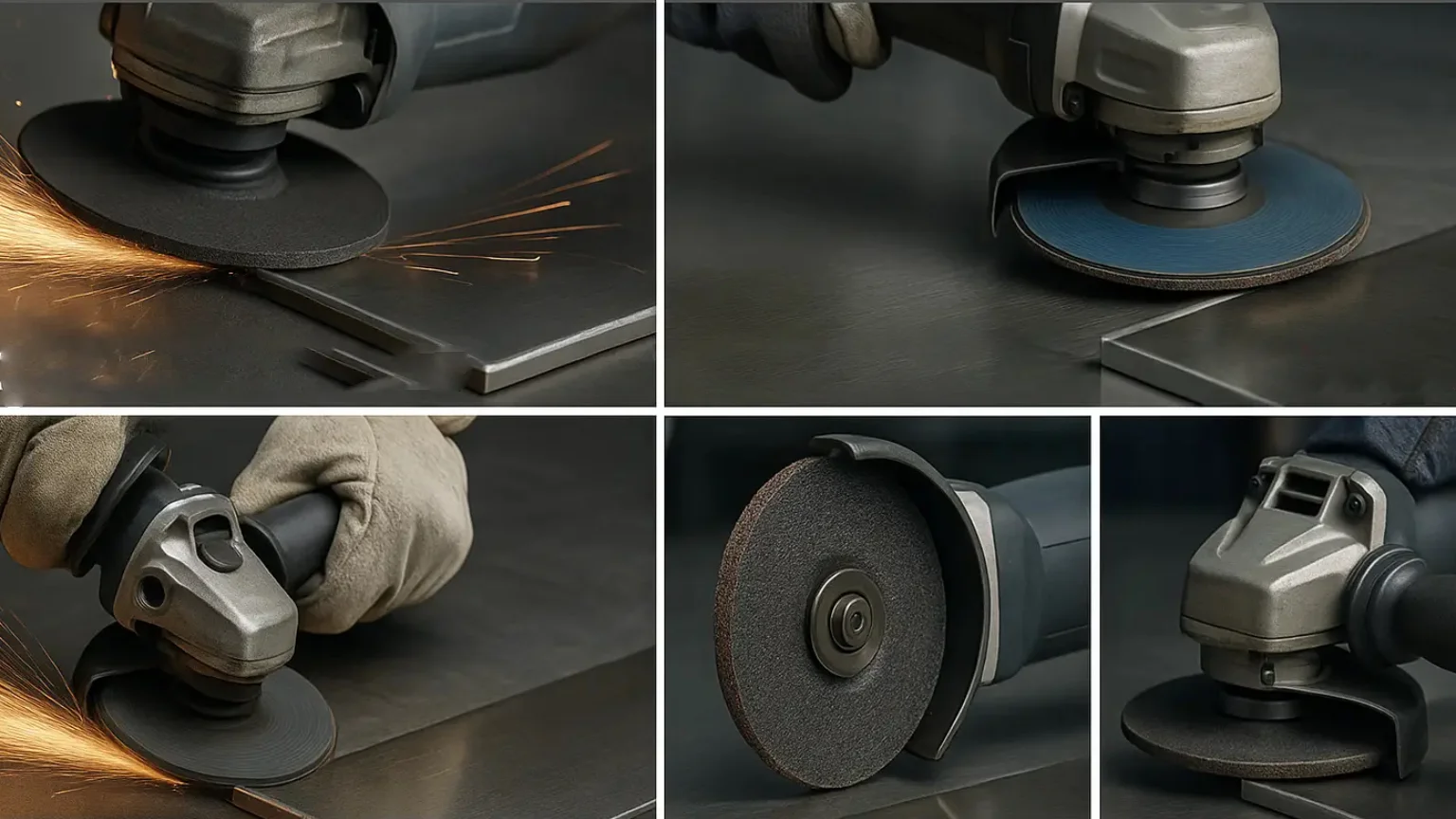
When building a dual source strategy, it is worth evaluating grinding wheel manufacturers with directly comparable formulation capability to your primary supplier, rather than qualifying a backup supplier whose product would require a significant requalification effort to actually substitute in an emergency. A backup relationship that has never been tested with a real order is a much weaker safety net than one maintained through periodic small orders that keep the qualification current and the relationship genuinely functional rather than purely theoretical.
Evaluating Grinding Wheel Manufacturers as Backup Capacity
Balancing Grinding Wheel Wholesalers Against Direct Manufacturer Relationships
Grinding wheel wholesalers can play a useful role within a broader resilience strategy, offering a faster fulfillment option for standard specifications during a short term disruption even if they are not the primary sourcing channel for day to day volume. Balancing a primary direct manufacturer relationship against a wholesaler backup option gives a procurement team more flexibility to respond to a short term disruption without committing to the deeper qualification process a second direct manufacturer relationship would require.
Integrating Consumables Sourcing With Equipment Sourcing
Strategic sourcing increasingly requires looking beyond a single product category, since the equipment and the consumables used with that equipment are functionally interdependent even though they are often sourced through entirely separate supplier relationships.
Why Procurement Teams Increasingly Manage Both Together
Production consistency depends on the interaction between equipment performance and consumable performance, not on either factor alone, and procurement teams that manage these two categories in complete isolation from each other sometimes miss opportunities to diagnose a quality issue correctly, since a problem that looks like a consumables issue can actually stem from an equipment configuration mismatch, and the reverse is equally true. Coordinating these two sourcing relationships, even when they remain formally separate supplier contracts, tends to produce better troubleshooting outcomes and more informed sourcing decisions overall.
Where a Belt Grinder Manufacturer Complements an Abrasive Grinding Wheel Manufacturers Relationship
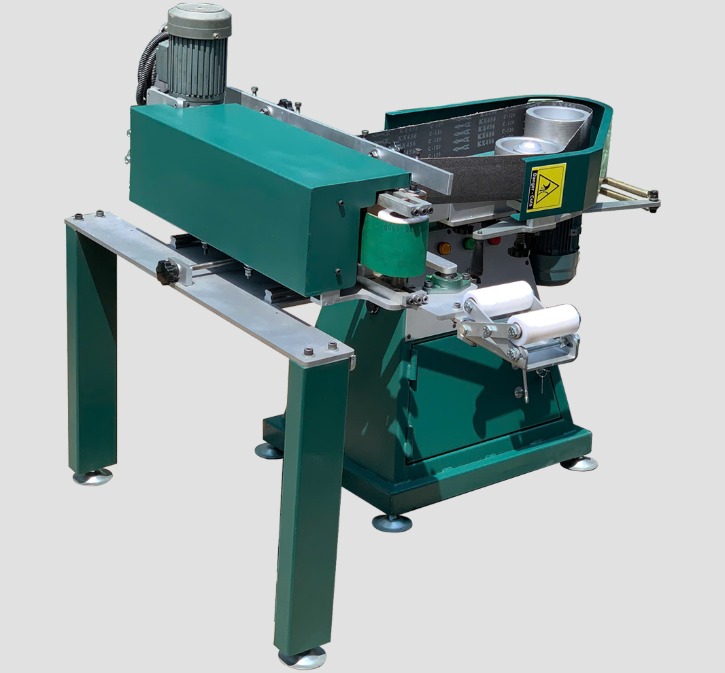
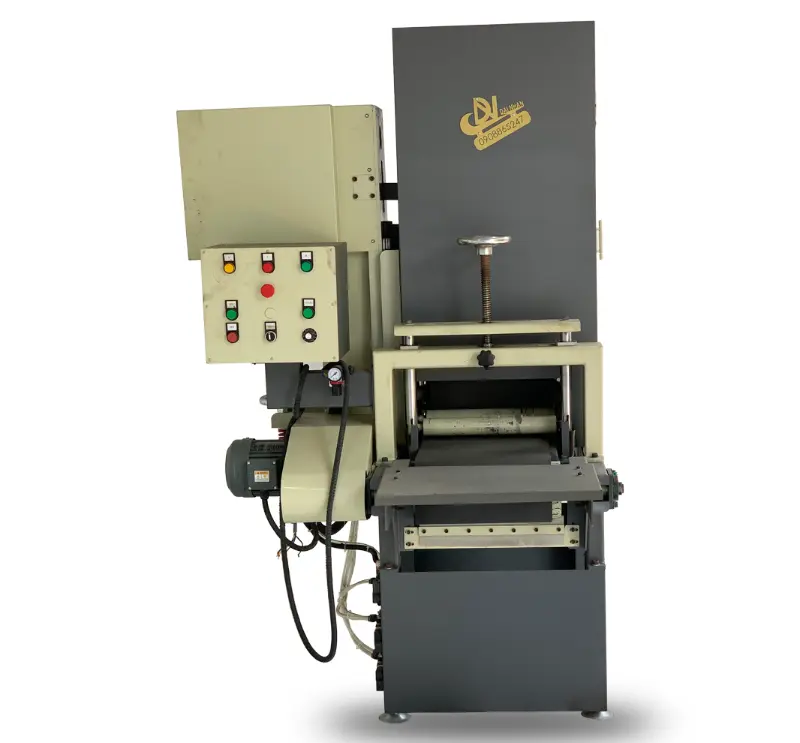
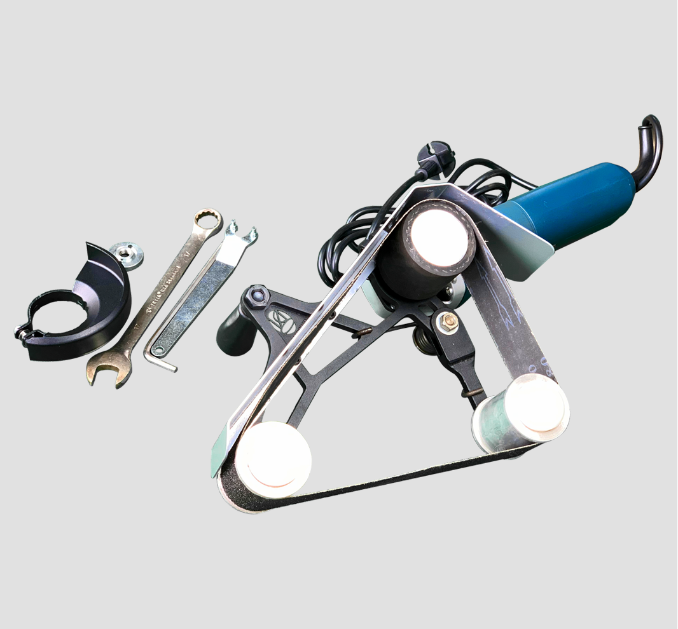
For facilities running belt based finishing equipment alongside wheel based grinding processes, a belt grinder manufacturer and a relationship with abrasive grinding wheel manufacturers serve genuinely complementary roles within the same broader production strategy. Dai Nhan Machinery occupies this equipment side specifically, building belt based finishing machinery as a direct manufacturer while leaving the grinding wheel and grinding discs consumable relationship to specialists in that category, and we frequently work alongside customers who are simultaneously managing a strategic sourcing relationship with a grinding discs supplier for the wheel based portion of their operation.
Partner With Dai Nhan Machinery
If your team is building out a broader strategic sourcing framework that spans both consumables and equipment, Dai Nhan Machinery is available as a direct, transparent partner for the belt based equipment side of that strategy. As a belt grinder manufacturer with full CNC engineering kept in house in Vietnam, we apply the same principles described throughout this guide, documented process discipline, export standard certification and documentation, and a genuine partnership approach to long term relationships, to every custom OEM and ODM engagement we take on.
Read more: How to Evaluate a Grinding Discs Supplier for Long Term Industrial Production Consistency


BOLA BAG's BLOG YOU MAY ALSO BE INTERESTED IN
How to Evaluate an Industrial Belt Sander for Sale for OEM/ODM Scale and Procurement
How Do You Measure a Belt Sander Belt? Pick the Right Method for your Belt
How to Clean Sanding Belts: Choose the Right Method for the Clog