


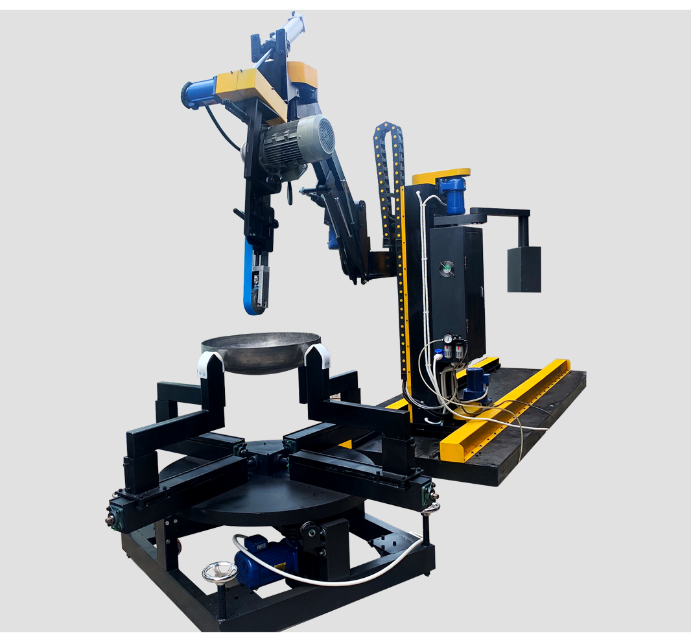
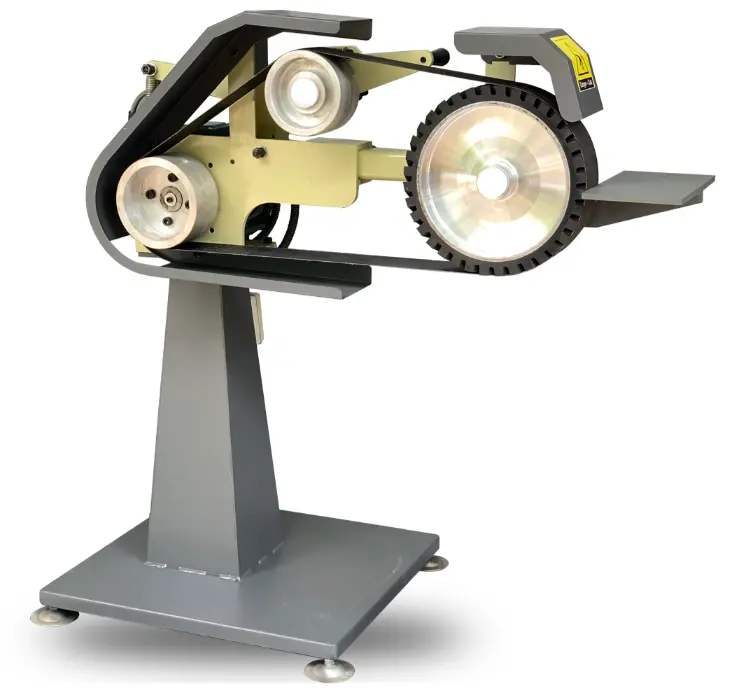
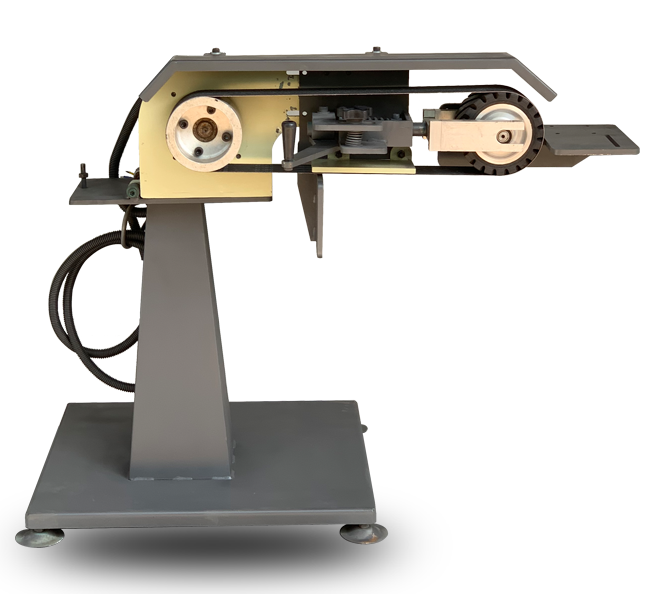
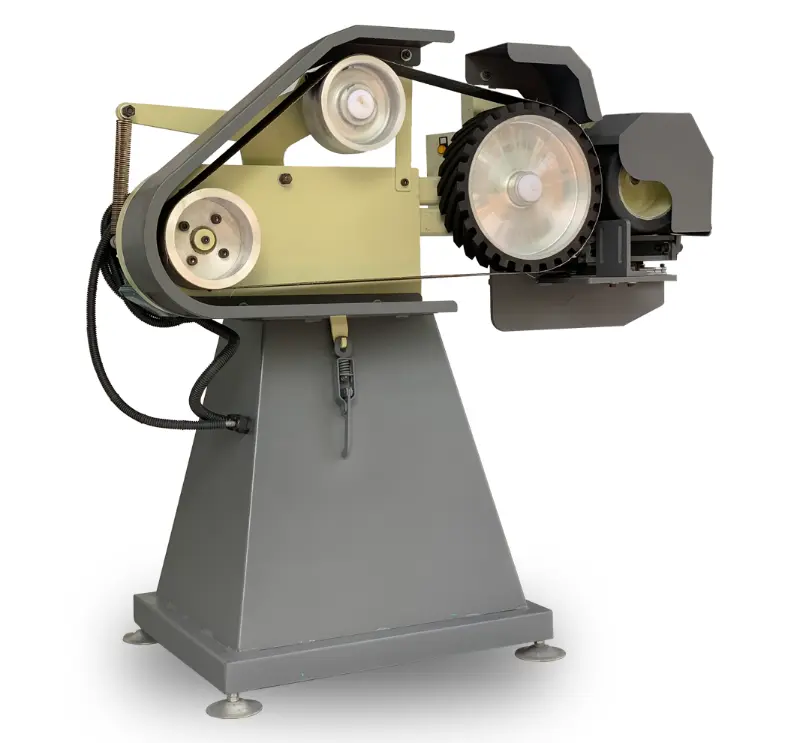
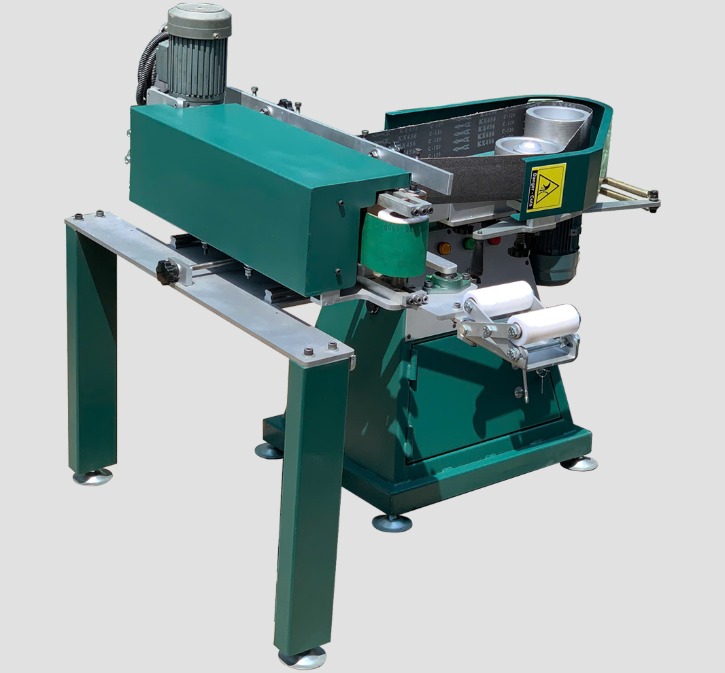
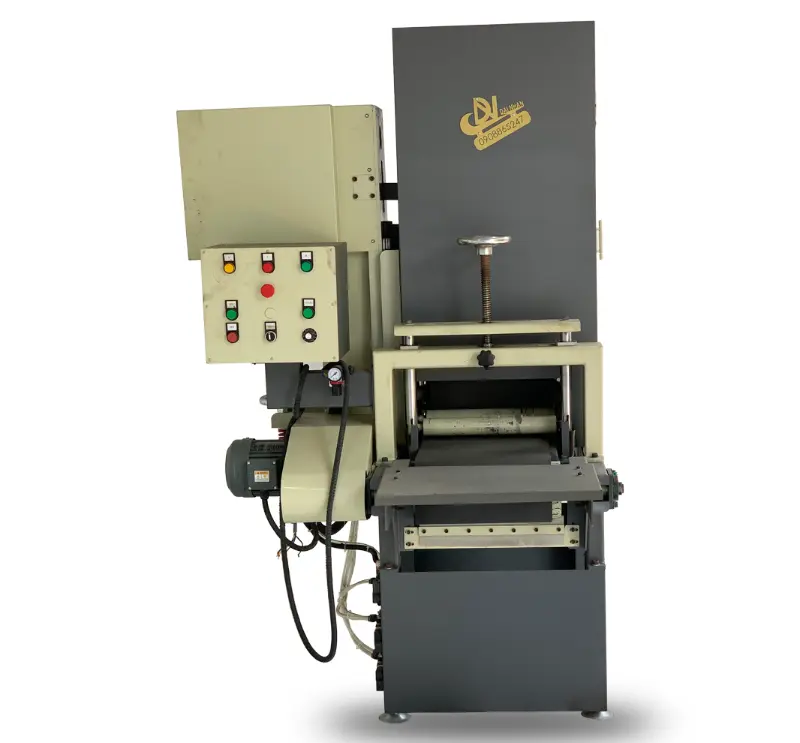
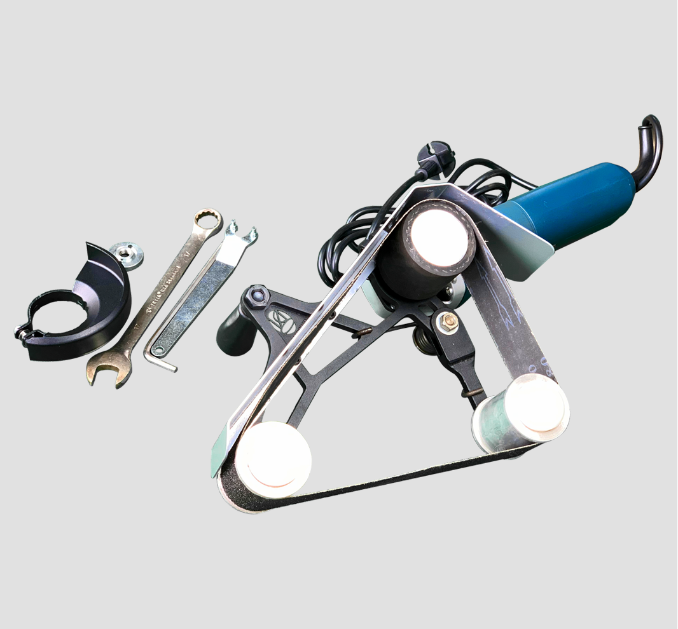
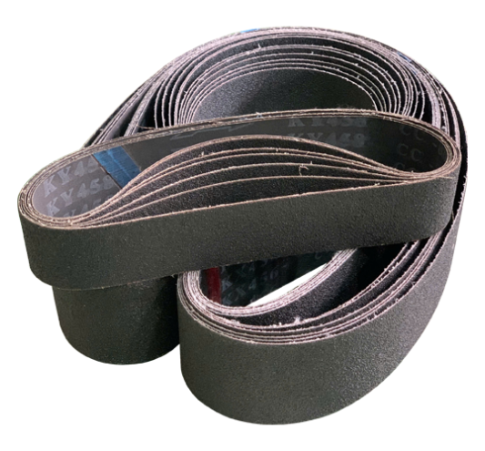
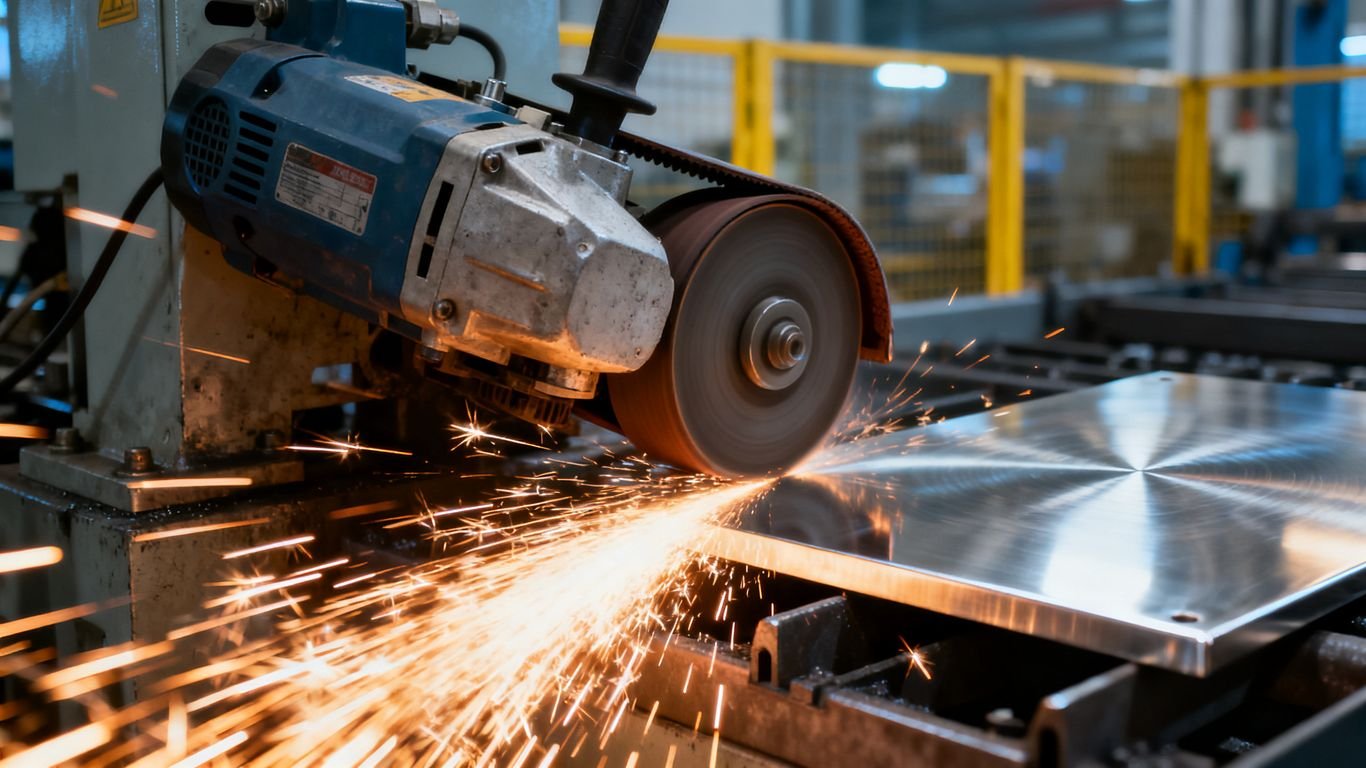
Global manufacturing is becoming increasingly interconnected, allowing businesses to source advanced machinery from specialized manufacturers across different regions. However, purchasing an industrial belt sander for international operations involves far more than comparing prices or machine specifications. Every country enforces its own regulations governing industrial equipment, covering everything from electrical safety and workplace protection to import documentation and environmental compliance. Failure to meet these requirements can result in customs delays, additional inspection costs, operational downtime, or even rejected shipments.
For companies involved in metal fabrication, stainless steel processing, automotive manufacturing, and heavy engineering, selecting the right supplier is therefore a strategic business decision. A reliable belt sander machine manufacturer not only delivers high-performance equipment but also understands international regulatory frameworks and provides the documentation, engineering, and technical support required for seamless global procurement. As supply chains become increasingly complex, working with an experienced manufacturing partner significantly reduces sourcing risks while ensuring long-term production efficiency.
This article explores how businesses can successfully navigate regulatory compliance when sourcing an export-standard industrial belt sander, helping procurement teams make informed decisions that support both operational performance and global business growth.
Why Regulatory Compliance Has Become a Competitive Advantage
Many buyers still view regulatory compliance as nothing more than a customs requirement. In reality, compliance directly affects production continuity, equipment reliability, employee safety, and even customer confidence. Manufacturers supplying international markets are expected to demonstrate that every machine has been engineered according to recognized industrial standards rather than simply producing equipment capable of completing a grinding task.
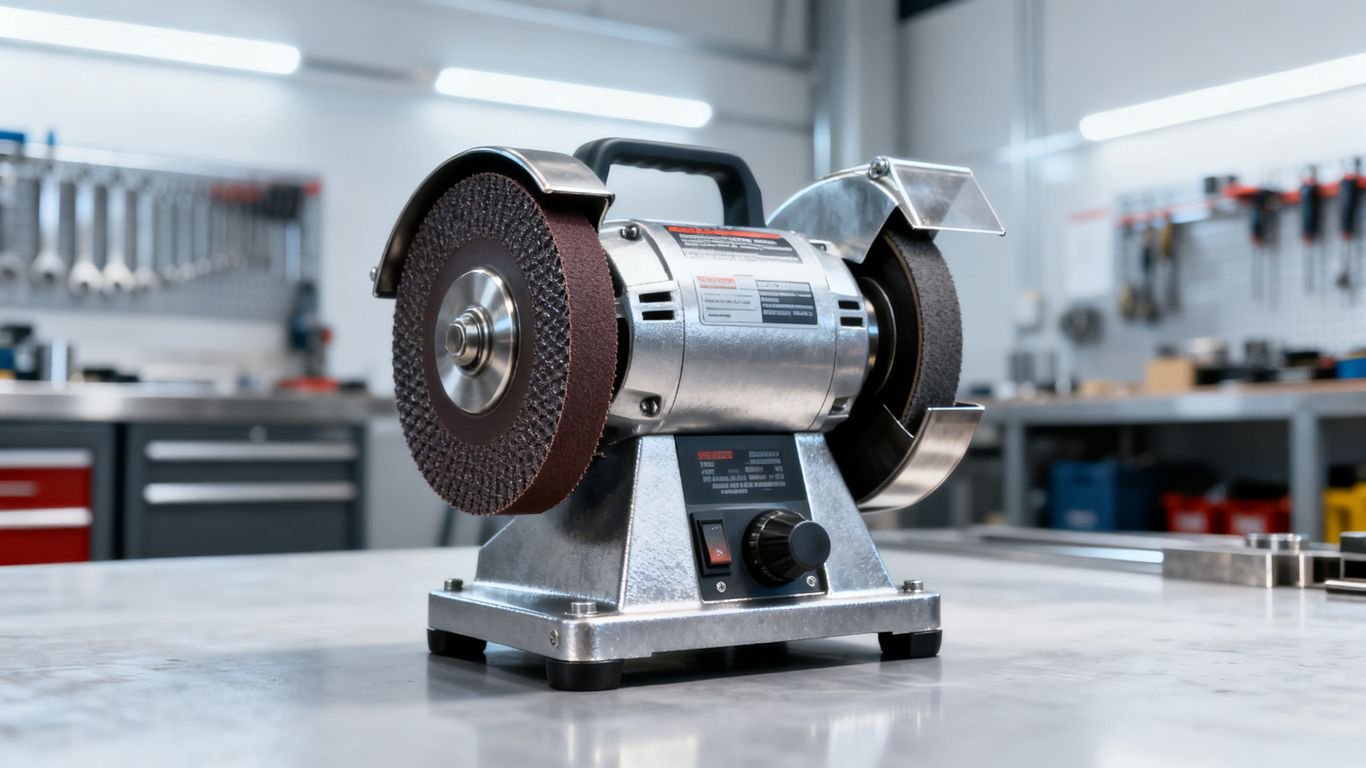
Why Regulatory Compliance Has Become a Competitive Advantage
As global customers continue demanding higher quality and stricter safety requirements, regulatory compliance has become a competitive advantage instead of merely an administrative obligation. Companies capable of importing compliant machinery experience faster installation, fewer legal complications, and lower long-term operating risks.
An export-standard industrial belt sander is therefore designed not only to perform efficiently inside the factory but also to satisfy the technical expectations of international buyers, customs authorities, insurance providers, and workplace safety inspectors.
Understanding Export-Standard Industrial Belt Sanders
Not every grinding machine is suitable for international distribution. Machines intended only for domestic markets often lack the documentation, electrical configuration, engineering verification, and safety systems required for overseas customers.
An export-standard industrial belt sander machine is developed specifically for continuous industrial production while complying with international manufacturing practices. Beyond grinding performance, it incorporates reliable structural engineering, high-quality electrical components, operator protection systems, and documentation that facilitates international transportation and installation.
For businesses processing stainless steel, aluminum, carbon steel, brass, or titanium, an industrial belt sander for metal provides consistent surface finishing while supporting demanding production schedules. Stable grinding pressure, vibration control, durable frame construction, and optimized belt tracking all contribute to maintaining product quality throughout long production cycles.
Because these machines frequently become part of automated production lines, engineering precision becomes just as important as grinding capacity.
The Regulatory Challenges of Cross-Border Procurement
Every destination market introduces unique technical requirements that buyers must evaluate before placing an order. Electrical systems vary between countries, workplace safety regulations differ across industries, and customs authorities often request detailed technical documentation before machinery can enter the market.
For procurement managers, these variables create significant complexity. Purchasing equipment without considering local regulations can require expensive modifications after delivery or delay production schedules for weeks while additional certifications are obtained.
This is why selecting the right belt sander supplier is equally important as selecting the right machine. Suppliers experienced in international exports understand these regulatory differences and prepare machines accordingly before shipment leaves the factory.
Rather than treating compliance as an afterthought, experienced manufacturers incorporate regulatory requirements into machine design, documentation, packaging, and final inspection procedures.
Engineering Quality Supports Regulatory Compliance
Compliance begins long before customs paperwork is prepared. It starts during the engineering phase.
Every component within an industrial belt sander influences both safety and long-term reliability. Machine rigidity determines grinding consistency. Motor sizing affects production efficiency. Belt tracking mechanisms influence surface quality. Dust extraction compatibility contributes to workplace safety, while emergency stop systems help operators respond quickly during unexpected situations.
These engineering considerations collectively determine whether machinery can perform reliably in demanding industrial environments.
An experienced belt sander machine manufacturer understands that compliance is inseparable from engineering quality. Instead of simply assembling mechanical components, manufacturers must design machines capable of operating safely under continuous industrial workloads while meeting customer expectations across multiple international markets.
Documentation Is Just as Important as the Machine
International buyers often focus heavily on machine specifications while overlooking documentation requirements.
A professionally manufactured industrial belt sander should always be accompanied by complete technical documentation, including operation manuals, maintenance guides, electrical diagrams, spare parts information, inspection records, packing documentation, and installation instructions.
Accurate documentation accelerates customs clearance while enabling maintenance teams to install and operate equipment efficiently. Well-prepared documentation also simplifies future servicing, reduces downtime, and supports equipment lifecycle management throughout years of industrial operation.
Selecting a Manufacturer Instead of Simply Buying Equipment
Many procurement teams compare quotations from multiple suppliers based almost entirely on purchase price. While pricing remains important, machinery should be evaluated according to its total lifecycle value.
A professional belt sander supplier contributes engineering expertise, production planning, machine customization, technical consultation, installation assistance, spare parts support, and continuous after-sales service.
This long-term partnership creates measurable operational advantages that often outweigh small differences in initial purchase cost.
Working directly with a qualified belt sander machine manufacturer also improves communication throughout the project. Design changes, technical discussions, production updates, and quality inspections become significantly easier when buyers collaborate directly with engineering teams rather than intermediaries.
Meeting the Needs of Modern Metal Processing
Today’s manufacturers require equipment capable of processing increasingly diverse materials while maintaining consistent finishing quality.
An industrial belt grinder has become an indispensable solution for removing weld seams, preparing surfaces, blending edges, refining finishes, and improving dimensional consistency across numerous industries.
When processing thicker structural materials or operating under continuous production schedules, an industrial belt grinder for metal delivers the power, stability, and durability required for demanding applications. Heavy-duty frame construction minimizes vibration, while precision-engineered belt systems ensure uniform material removal across extended operating periods.
Meanwhile, an industrial belt sander for metal provides exceptional flexibility for manufacturers producing stainless steel furniture, architectural components, food processing equipment, industrial enclosures, machinery frames, and fabricated metal assemblies requiring high-quality surface finishes before coating, polishing, or assembly.
These capabilities allow manufacturers to improve productivity while maintaining strict quality standards demanded by international customers.
Why OEM Engineering Matters in Global Supply Chains
No two manufacturing facilities share identical production requirements. Material thickness, production volume, factory layout, automation level, and product dimensions all influence machine selection.
OEM engineering enables manufacturers to customize every aspect of an industrial belt sander machine, ensuring the equipment integrates seamlessly into existing production lines rather than forcing factories to adapt their operations around standard machinery.
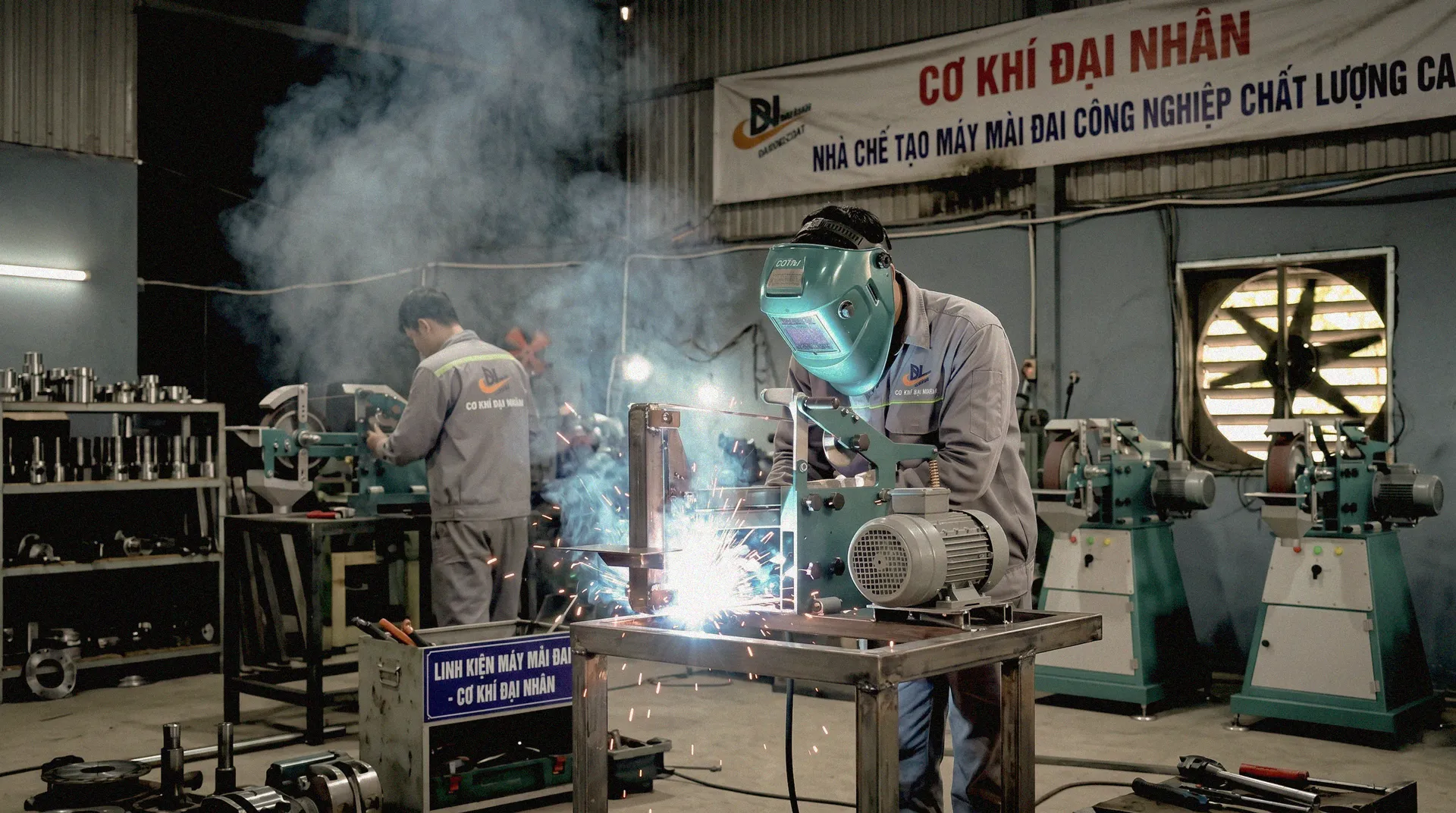
Why OEM Engineering Matters in Global Supply Chains
Customized engineering improves production efficiency, reduces material handling, increases automation potential, lowers maintenance requirements, and creates greater flexibility for future expansion.
As manufacturing continues evolving toward Industry 4.0, customized equipment has become increasingly valuable for businesses seeking sustainable competitive advantages.
Building Long-Term Supply Chain Resilience
Global supply chains have become increasingly vulnerable to transportation disruptions, geopolitical uncertainty, labor shortages, and changing regulatory environments. Businesses that establish long-term relationships with experienced machinery manufacturers are better positioned to respond to these challenges.
Instead of simply purchasing equipment, they gain access to engineering consultation, technical support, replacement parts, machine upgrades, and future production improvements. This collaborative relationship strengthens supply chain resilience while reducing procurement risks throughout the equipment lifecycle.
Why Global Buyers Choose Dai Nhan Machinery
For international manufacturers seeking an export-ready industrial belt sander, choosing the right engineering partner is just as important as selecting the right machine. Dai Nhan Machinery combines advanced engineering expertise with flexible OEM and ODM manufacturing services to develop customized grinding and finishing solutions for customers worldwide.
As a trusted belt sander machine manufacturer, Dai Nhan Machinery designs equipment specifically for demanding industrial environments, including stainless steel fabrication, sheet metal processing, heavy machinery manufacturing, architectural metalwork, and precision engineering. Every machine is engineered with long-term reliability, production efficiency, and international market requirements in mind.
Rather than offering one-size-fits-all equipment, Dai Nhan Machinery works closely with customers to understand their production objectives, recommend the most suitable machine configuration, and deliver solutions optimized for material type, production capacity, factory layout, and automation requirements. This engineering-driven approach helps customers reduce procurement risks while maximizing long-term operational performance.
Conclusion
Successfully sourcing an industrial belt sander for international operations requires far more than finding competitive pricing. Buyers must evaluate engineering quality, regulatory compliance, export experience, technical documentation, customization capability, and long-term service support before making an investment.
Businesses that work directly with an experienced belt sander supplier benefit from smoother procurement processes, fewer compliance issues, improved production reliability, and stronger long-term returns on investment. As global supply chains continue becoming more complex, selecting an experienced manufacturing partner is one of the most effective ways to reduce operational risks while supporting sustainable business growth.
Partner with Dai Nhan Machinery
If your business is looking for an export-standard industrial belt sander engineered for international markets, Dai Nhan Machinery is ready to help. We specialize in OEM and ODM grinding solutions designed to meet the unique requirements of manufacturers, distributors, and industrial brands worldwide. From engineering consultation and machine customization to manufacturing, quality control, installation guidance, and after-sales support, our experienced team is committed to delivering reliable equipment that improves productivity and supports long-term business success.
Contact Dai Nhan Machinery today to discuss your project, request a customized solution, or receive a quotation for an export-ready industrial belt grinding system tailored to your production requirements.
Read more: How to Partner with an OEM/ODM Industrial Belt Sander Manufacturer


BOLA BAG's BLOG YOU MAY ALSO BE INTERESTED IN
How to Partner With an OEM ODM Industrial Belt Sander Manufacturer
How Are Stainless Steel Pipes Made? What Changes When Chromium Enters the Furnace
The B2B Blueprint for Ordering OEM ODM Custom Made Sanding Belts