



Look at the belt on a bench sander after a week of use and you will usually see a dark stripe down the middle, the band where almost every part touched it. The edges still look new. That stripe is packed dust and resin, and it is why the machine suddenly needs twice the pressure to do the same job. Learning how to clean a belt sander belt takes about five minutes the first time and thirty seconds after that. Below is the full routine for handheld and bench machines, the parts of the sander that need cleaning along with the belt, and the habits that keep it from clogging so fast.
Signs the Belt Needs Cleaning
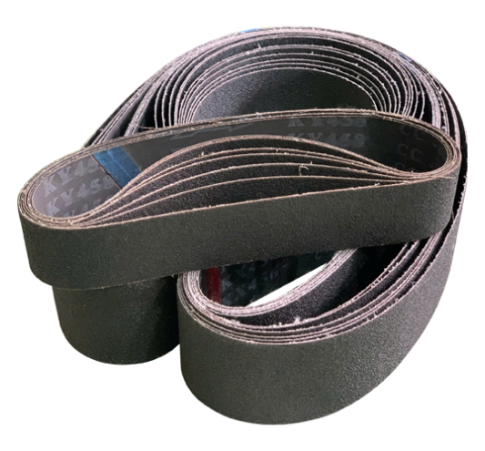
A clogged belt and a worn belt feel similar in use, because both cut slowly and run hot. The difference shows when you look at them. A clogged belt has dark or shiny patches in some areas while other parts still look sharp and gritty. A worn belt looks evenly smooth across its full width, and the grains feel rounded under a fingertip even where there is no buildup.
Dirty Sanding Belt
Other clues point to clogging too: burn marks on wood that appeared suddenly, dust that no longer flies off the belt, and a sander that pulls to one side because one half of the belt is gripping and the other is sliding. If you are new to the tool, the basics of how to use a belt sander step by step help too, since heavy pressure is one of the fastest ways to clog a fresh belt.
How to Clean a Belt Sander Belt Step by Step
The routine below works on handheld sanders, bench belt sanders and belt and disc combination machines. Put on safety glasses and a dust mask before you start, because cleaning throws dust back toward your face.
Step 1: Hold the Sander Still So Both Hands Are Free
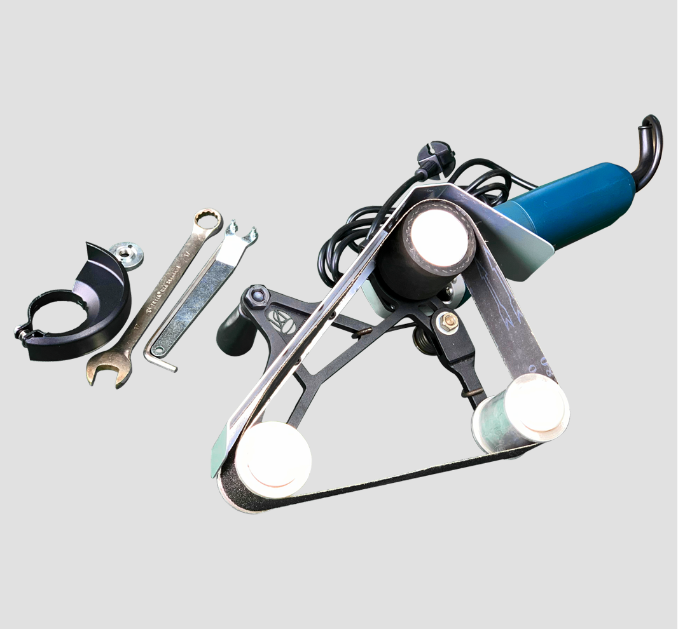
A bench sander is already fixed in place. A handheld sander needs to be held securely with the belt facing up, ideally in the stand that some makers sell for their machines. Never try to hold a running handheld sander in one hand and a cleaning stick in the other.
Step 2: Brush Off the Loose Dust With the Power Off
Unplug the machine and sweep the belt with a stiff nylon brush, or blow it with compressed air. This clears loose dust from the belt, the dust port and the gap around the rollers, and it shows you where the stubborn buildup actually is.
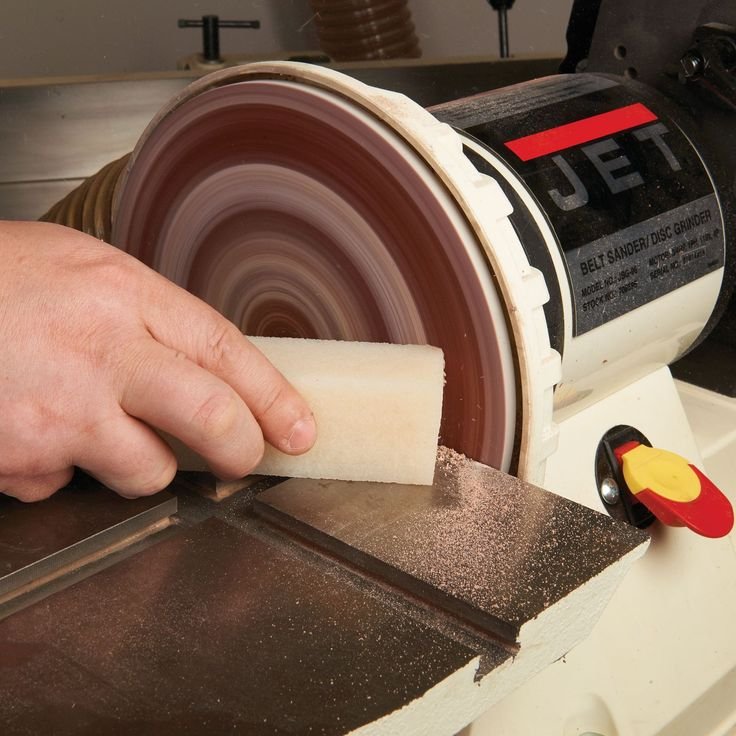
Step 3: Press a Rubber Cleaning Stick Against the Running Belt
Plug the sander back in and switch it on. Press the cleaning stick lightly against the flat stretch of belt between the rollers, sliding it slowly from one edge to the other.
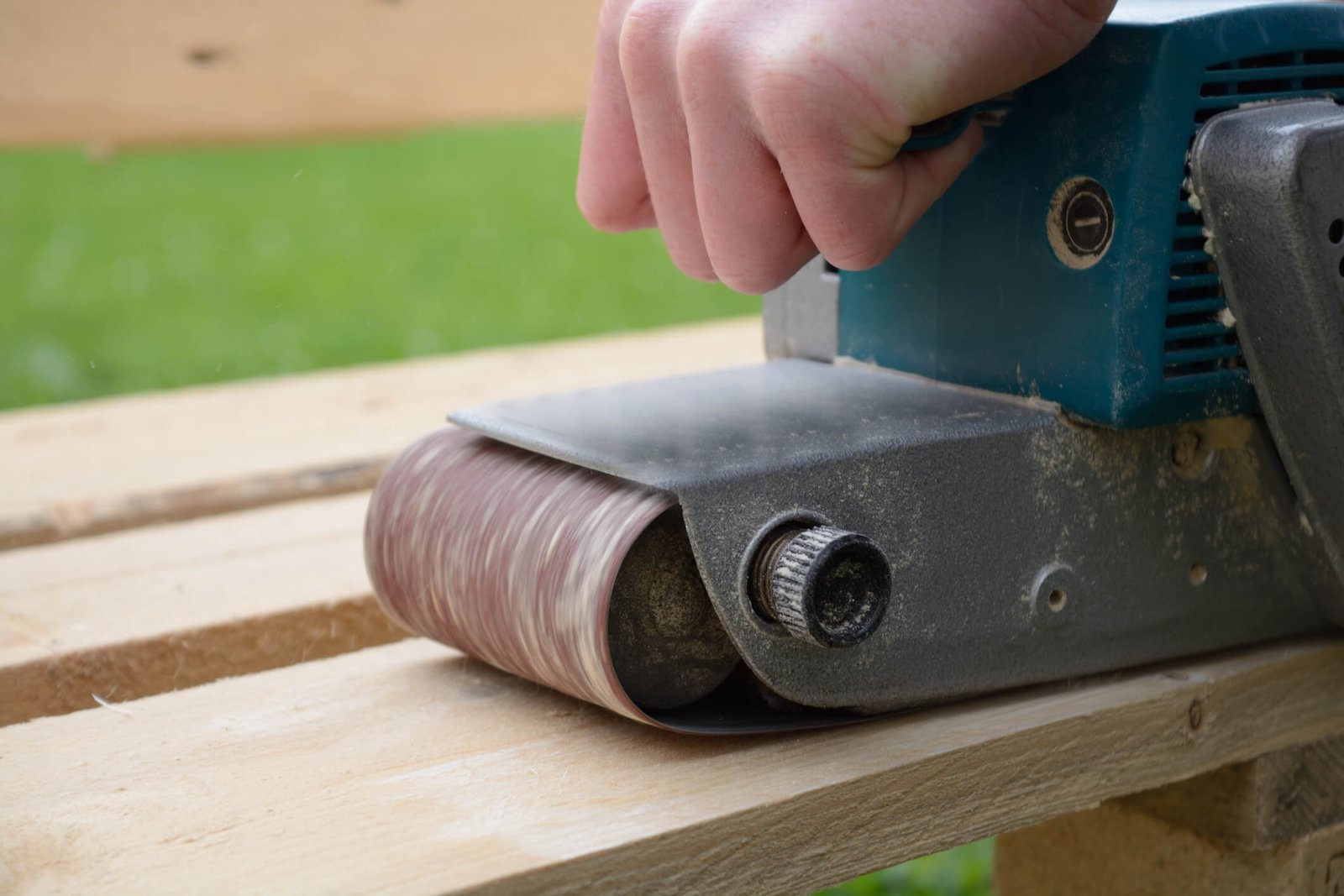
Clean Sanding Belt
These sticks are made of crepe rubber, which grabs packed dust and pulls it out of the grit. On ordinary dust a few seconds is usually enough. Keep the stick long enough that your hand never gets near the point where the belt runs onto a roller, and throw away the stub once it gets short.
Step 4: Remove Sticky Buildup With the Belt Off the Machine
If glossy patches of resin or melted finish remain, switch off and unplug the sander, then release the tension and slide the belt off. Spray a water based pitch and resin cleaner on the grit side only, wait a minute, scrub with the nylon brush and wipe clean. Keep liquid off the glued joint and let the belt dry fully before refitting it.
Step 5: Clean the Rollers and the Flat Plate Behind the Belt
With the belt off, look at the rollers and the flat plate the belt slides over. On many handheld sanders that plate carries a slippery graphite pad. Resin stuck to the rollers or plate makes the belt ride unevenly and wear in stripes, so wipe them clean with the same cleaner and a cloth, and replace the pad if it is torn.
How to Keep a Belt Clean for Longer
Cleaning is quick, but not needing to clean is quicker. Three habits cut buildup noticeably.
Connect a Dust Bag or a Shop Vacuum
Dust that is pulled away the moment it leaves the wood cannot be pressed back into the belt. A shop vacuum on the dust port does this far better than the small cloth bag most handheld sanders come with.
Press Lightly and Let the Machine Do the Work
Extra pressure creates heat, and heat turns resin and old finish into glue. A sharp belt with the weight of the sander alone removes plenty of wood, and it stays cleaner doing it.
Pick Belts With Wider Gaps in the Grit for Pine and Other Sticky Wood
Open coat belts leave gaps between the grains so chips have somewhere to go. They are the better choice for pine, painted surfaces and old varnish, while closed coat belts suit hardwood and metal.
Why Does My Belt Keep Coming Off My Belt Sander After Cleaning
This question comes up often, and cleaning is usually the cause rather than the belt. Removing resin from one roller but not the other changes the grip on each side, and a belt refitted after cleaning rarely sits in exactly the same place it did before. Both make the belt wander toward one edge. Run the sander briefly and turn the tracking knob a small amount until the belt stays centred, the same adjustment you make when learning how to change grinder belt on a bigger machine. If the belt still drifts after both rollers are clean and dry, check the joint for a lifted edge.
Conclusion
Knowing how to clean a belt sander belt turns a slow, hot, burning belt back into a fast cutting one in minutes. Brush off loose dust with the power off, run a crepe rubber stick across the moving belt, and take the belt off to treat sticky resin with a water based cleaner. While it is off, clean the rollers and the plate behind it so the belt tracks straight. Then slow the next buildup with a vacuum, lighter pressure and open coat belts for sappy wood.
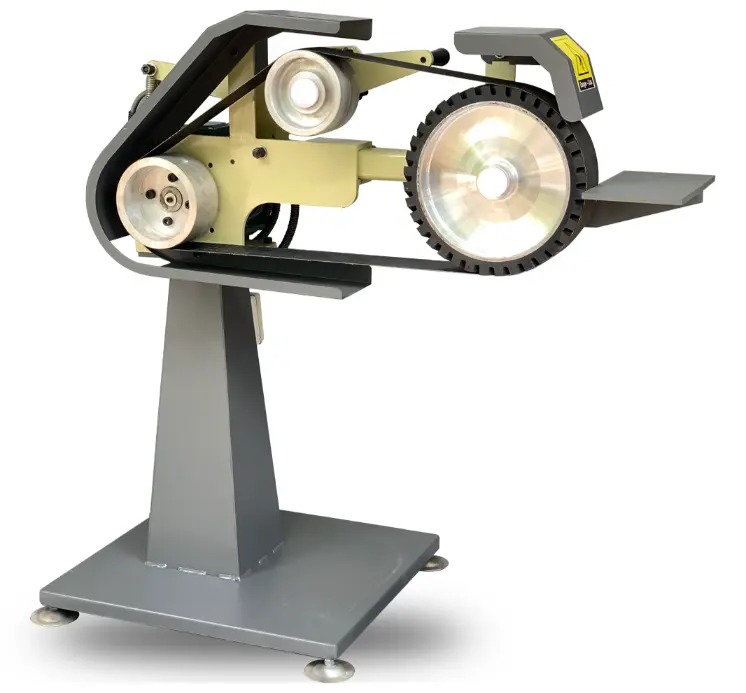
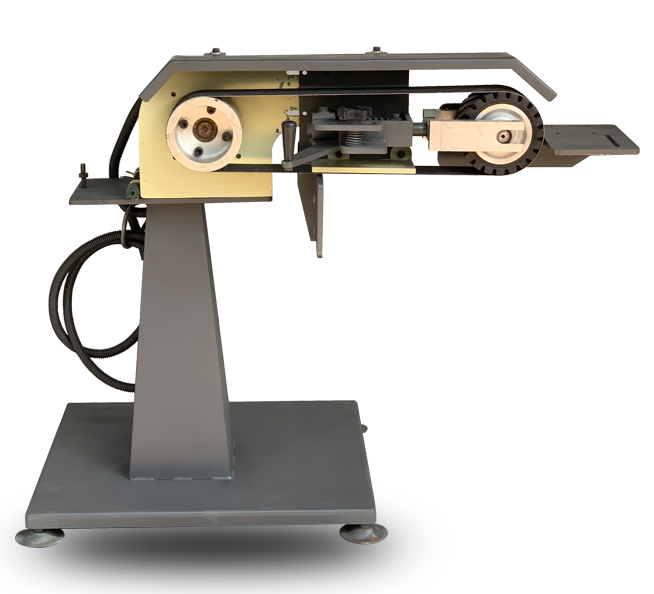
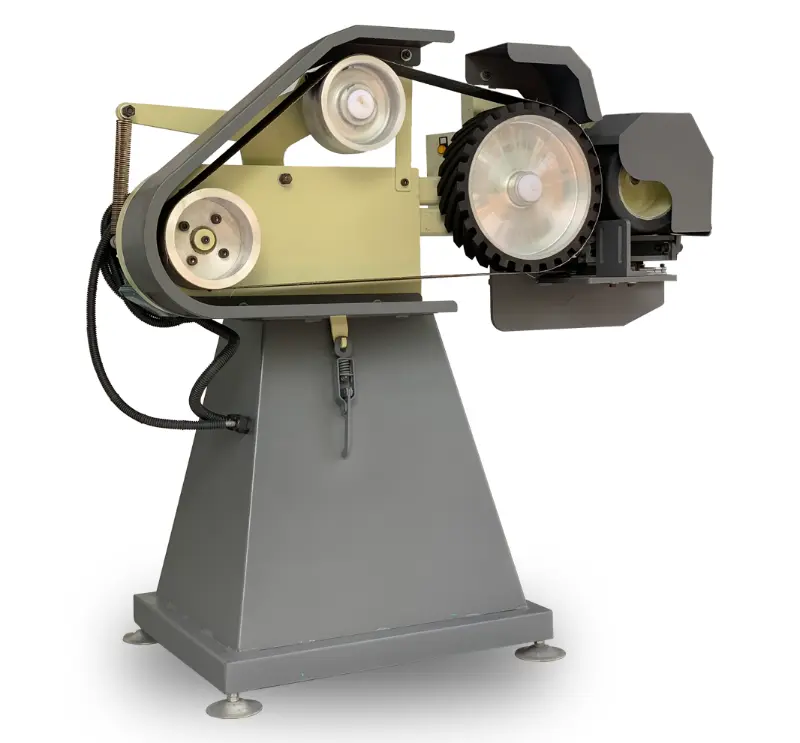
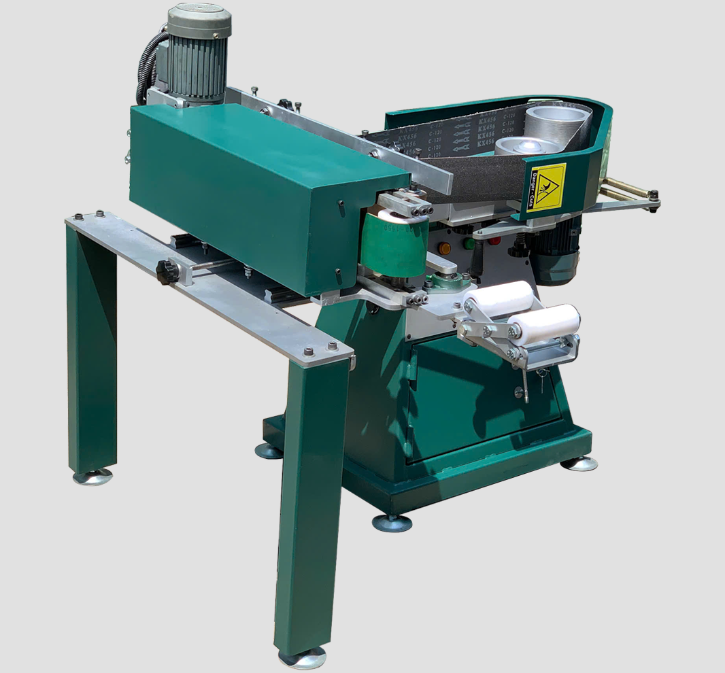
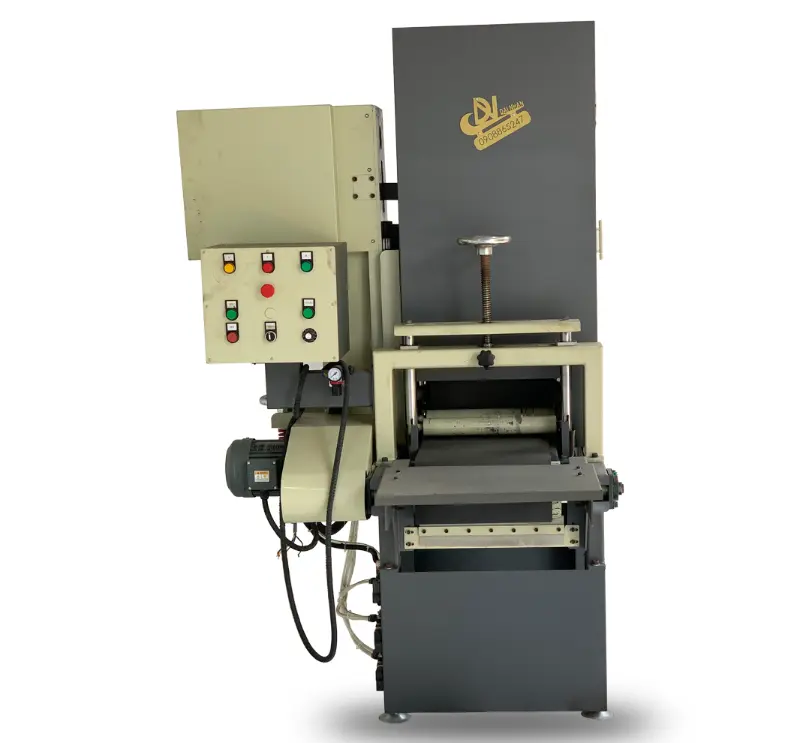
When sanding stops being an occasional job and becomes hundreds of metal parts a shift, Dai Nhan Machinery builds industrial belt sanders and grinders in Vietnam with belt setups designed to stay clean and cutting through long production runs. Browse the range on Our Machines, or tell ouhow to clean a belt sander beltr engineering team what you sand and how fast your belts clog and we will suggest a setup that fits.
Read more: What Are Belt Sanders Used For? Nine Jobs From Rough Boards to Steel Plate


BOLA BAG's BLOG YOU MAY ALSO BE INTERESTED IN
Do Belt Sanders Work on Metal? Here’s What We Found
Can You Use a Belt Sander on Metal?
How to Sand With a Belt Sander on Tabletops, Edges, Curves and Old Paint