




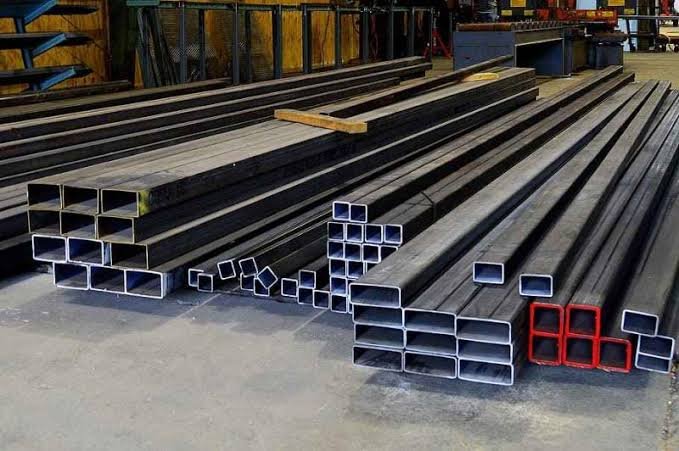
Square tubing turns up in almost everything built from steel: handrails, furniture frames, machine guarding, trailer chassis, architectural facades, and structural columns. It looks like a simple product, four flat faces and four corners, which makes the manufacturing route surprisingly counterintuitive. Almost no square tubing is formed as a square. Understanding how square tubing is made explains why corner radii are what they are, why one face always carries a weld seam, and why surface finish varies so much between suppliers of what appears to be an identical product.
From Flat Coil to Continuous Strip
Production starts with a hot rolled or cold rolled steel coil, often weighing several tonnes. That coil is slit lengthwise into narrower strips, each cut to a width calculated from the finished tube perimeter plus an allowance for the weld and for the material drawn into the corner bends. Get the strip width wrong by a millimetre and the finished section will be out of tolerance on every piece produced from that coil. The slitting operation also determines edge quality, and clean, burr free edges are essential for a sound weld downstream.
From there the strip has to feed the mill without interruption. The mill cannot stop between coils without scrapping the product in the forming section, so the tail of one coil is welded to the head of the next while the line keeps running. An accumulator, essentially a large loop of strip held between moving rollers, feeds the mill during the joining operation. This is what makes tube production a genuinely continuous process, and it is also why mills run for long uninterrupted campaigns rather than switching sizes frequently.
Forming and Welding the Tube
This is the stage that surprises people, because the section does not become square here. It becomes round first, and there are sound metallurgical reasons for taking that detour.
Roll Forming Into a Round Section First
The strip is never folded into a square. It passes through a series of driven roll stands, often fifteen to twenty pairs, that progressively curl the flat strip until the two edges meet and form a round tube. Rolling to a circle first distributes the deformation evenly across the strip and avoids the cracking and thinning that direct folding into sharp corners would cause. Each stand makes a small change, and the cumulative effect is a perfectly formed round section moving at speed.
High Frequency Welding the Seam
With the edges brought together, a high frequency induction or contact welder heats them to forging temperature while squeeze rolls press them into a solid state weld. No filler metal is used. The process forces a small bead of displaced material, called flash, both outward and inward, and the outer flash is scarfed off immediately by a carbide tool while the metal is still hot. The weld cools, is normalised on some product lines, and the tube continues as a single continuous length toward the sizing section.
Turning a Round Tube Into a Square One
With a sound round tube running continuously, the mill can finally make it square. Two banks of stands do that work, and between them they set every dimension on the finished product.
The Sizing and Shaping Stands
The round welded tube now runs through a second bank of roll stands, the sizing section, where it is progressively squeezed into a square or rectangular profile. Flat rolls press the faces while corner rolls control the radius.
Square Tubing
This is where the section acquires its dimensional accuracy and its characteristic rounded corners, because a truly sharp internal corner is not achievable by cold roll forming and would create a stress concentration in service anyway. Turks head stands at the end of the line make the final corrections to squareness and straightness.
Why Corners Are Radiused and Walls Vary
Corner radius is typically between one and a half and three times the wall thickness, and it is specified rather than accidental. Structural standards define these tolerances precisely, and the ASTM A500 specification that governs cold formed hollow structural sections sets out the permitted variation in dimensions, wall thickness, straightness, and corner geometry. The corners are also work hardened by the forming, which is why they behave differently from the flat faces during subsequent bending, drilling, or welding.
Cutting, Testing, and Quality Control
The tube is still moving when it is cut, which shapes how the end of the line has to work. Testing then decides whether what was made matches what was specified.
Flying Cut Off and Length Control
The tube is still moving continuously, so it is cut by a saw or shear that accelerates to match line speed, makes the cut, then returns. Modern lines hold length tolerances within a couple of millimetres at speeds well above sixty metres per minute. Cut ends are deburred, and on higher specification product the ends may be faced or chamfered. From here the tube passes to bundling, strapping, and stencilling with the heat number and specification.
Inspecting the Weld and the Section
Weld integrity is checked in line, usually by eddy current or ultrasonic testing that flags discontinuities without stopping production. Destructive flattening tests are performed on samples at set intervals, where a short length is crushed with the weld at the critical position to confirm it does not open. Dimensional checks cover outside dimensions, wall thickness, squareness, twist, and straightness. Mills that supply structural or architectural markets will also issue mill test certificates traceable to the original heat of steel.
Surface Finishing and Where It Adds Value
What leaves the mill and what a customer eventually sees are often two different products. Finishing is a separate operation, and for visible applications it is where most of the value is added.
Why Mill Finish Is Rarely the End of the Story
Tube leaving the mill carries roll marks, the scarfed weld line, handling scratches, and on hot rolled feedstock a layer of mill scale. That is entirely acceptable for a hidden structural member inside a wall. It is not acceptable for a stainless handrail, a food processing frame, a shopfront, or anything a customer will touch or look at. Those applications require a controlled surface finish, which means the tube goes through a separate grinding and polishing operation after the mill, either at the mill itself or at a service centre.
How Square Tube Is Ground and Polished
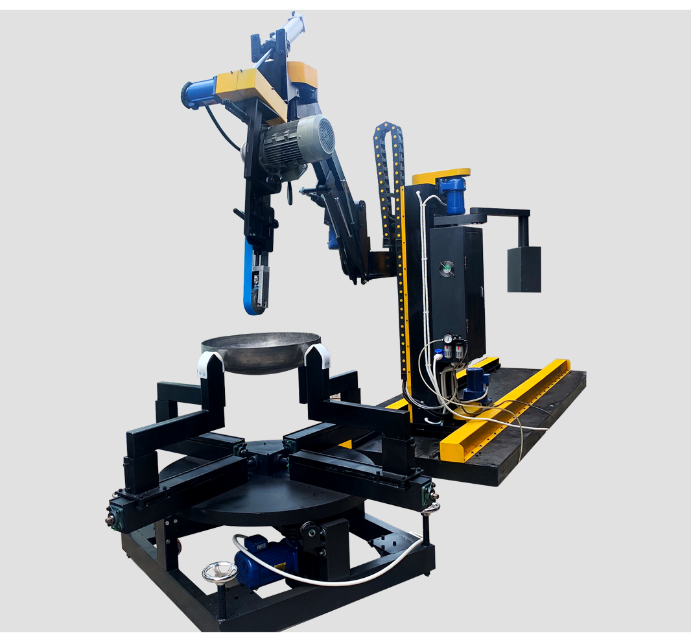
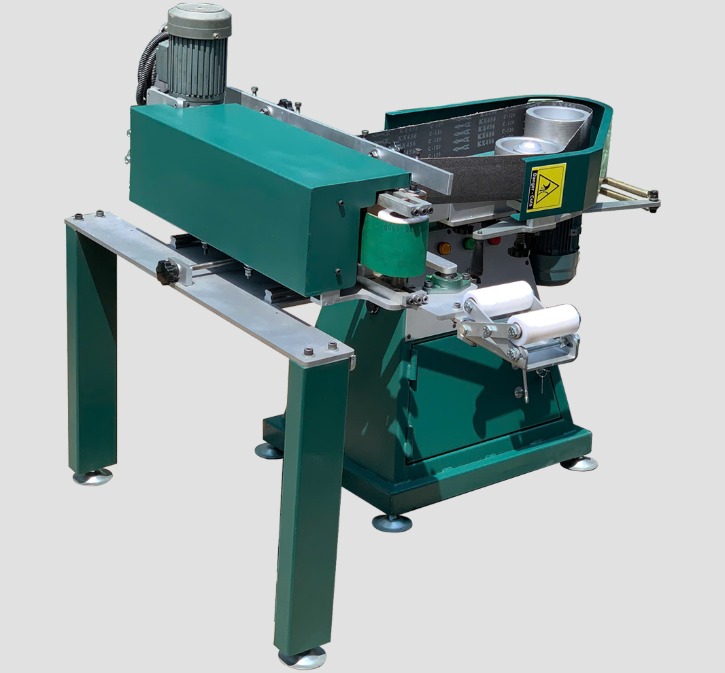
Square section presents a specific challenge because the four faces and four corners cannot be finished by a machine designed for round stock. Dedicated square tube polishing machines use multiple abrasive belt heads arranged around the profile, each with its own contact pressure, so all four faces receive an even scratch pattern and the corners are blended rather than rounded over. Running a matched grit sequence through the heads produces a consistent directional finish along the full length, which is what specifications such as No. 4 brushed stainless actually require.
Choosing Tubing and the Equipment That Finishes It
Understanding the process is useful mainly because it changes how you buy. Two decisions follow from it: what to specify on the order, and what to finish in house.
Specifying Tube for a Fabrication Project
Beyond dimensions, the specification should cover grade, standard, wall thickness tolerance, corner radius, and surface finish. Ask whether the wall thickness quoted is nominal or minimum, because the difference matters in structural calculations. For visible work, confirm the finish grade in writing rather than assuming, since mill finish and brushed finish are worlds apart in cost and appearance. Fabricators setting up to work with tube for the first time will find the equipment overview in what tools are needed for metal fabrication a practical starting checklist.
Equipping a Shop That Finishes Tube and Plate
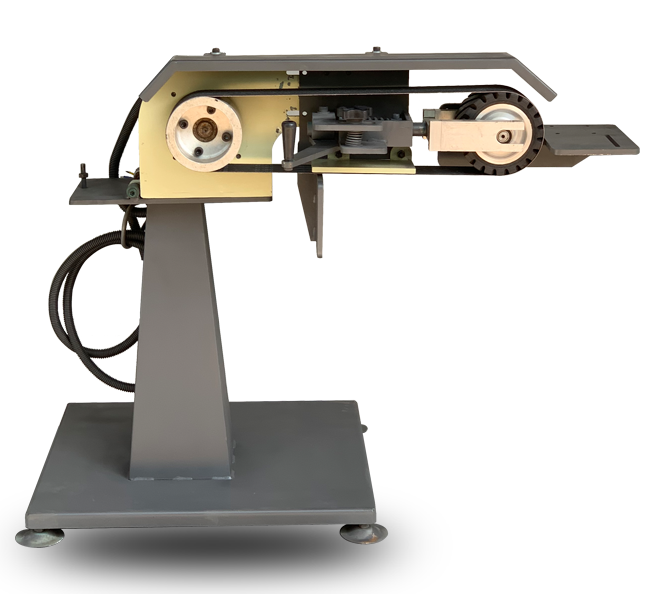
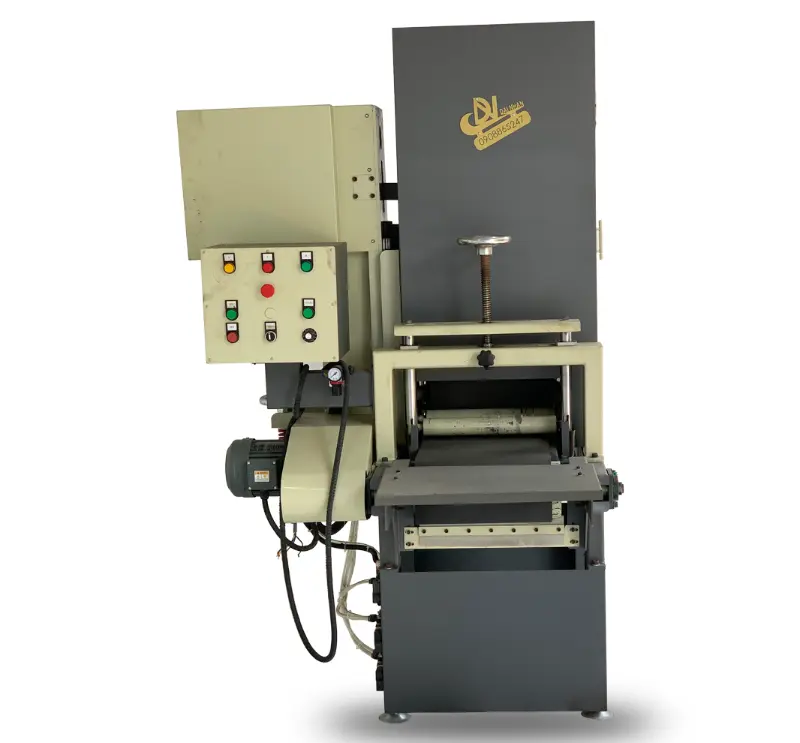
Shops that fabricate from tube almost always work with plate as well, and the finishing requirements run in parallel. A plate grinding machine handles the flat components while tube heads handle the sections, and a heavy duty plate grinder pays for itself quickly where weld dressing is a daily operation. For weldments and awkward assemblies, an industrial belt sander machine covers the manual finishing that automated lines cannot reach, and understanding what is a belt grinder helps clarify which of those roles a single machine can realistically cover.
Working With the Right Manufacturer
Finishing equipment is rarely a catalogue purchase, because the head configuration depends entirely on section size, length, grade, and target finish. Sourcing through experienced belt grinder machine manufacturers means the line can be built around the product mix rather than compromised to fit a standard model, and reviewing established abrasive belt grinding machine manufacturers is a sensible first step before committing capital.
Conclusion
So how is square tubing made? A steel coil is slit to a calculated width, roll formed into a round section, welded along a continuous seam without filler, then squeezed into a square profile through sizing and turks head stands before being cut to length and tested. The round intermediate stage explains the radiused corners, and the continuous seam explains why one face always carries a weld line. Everything after that, from deburring to a brushed architectural finish, is a separate process that determines whether the tube ends up hidden in a wall or on display in a lobby.
Dai Nhan Machinery Factory
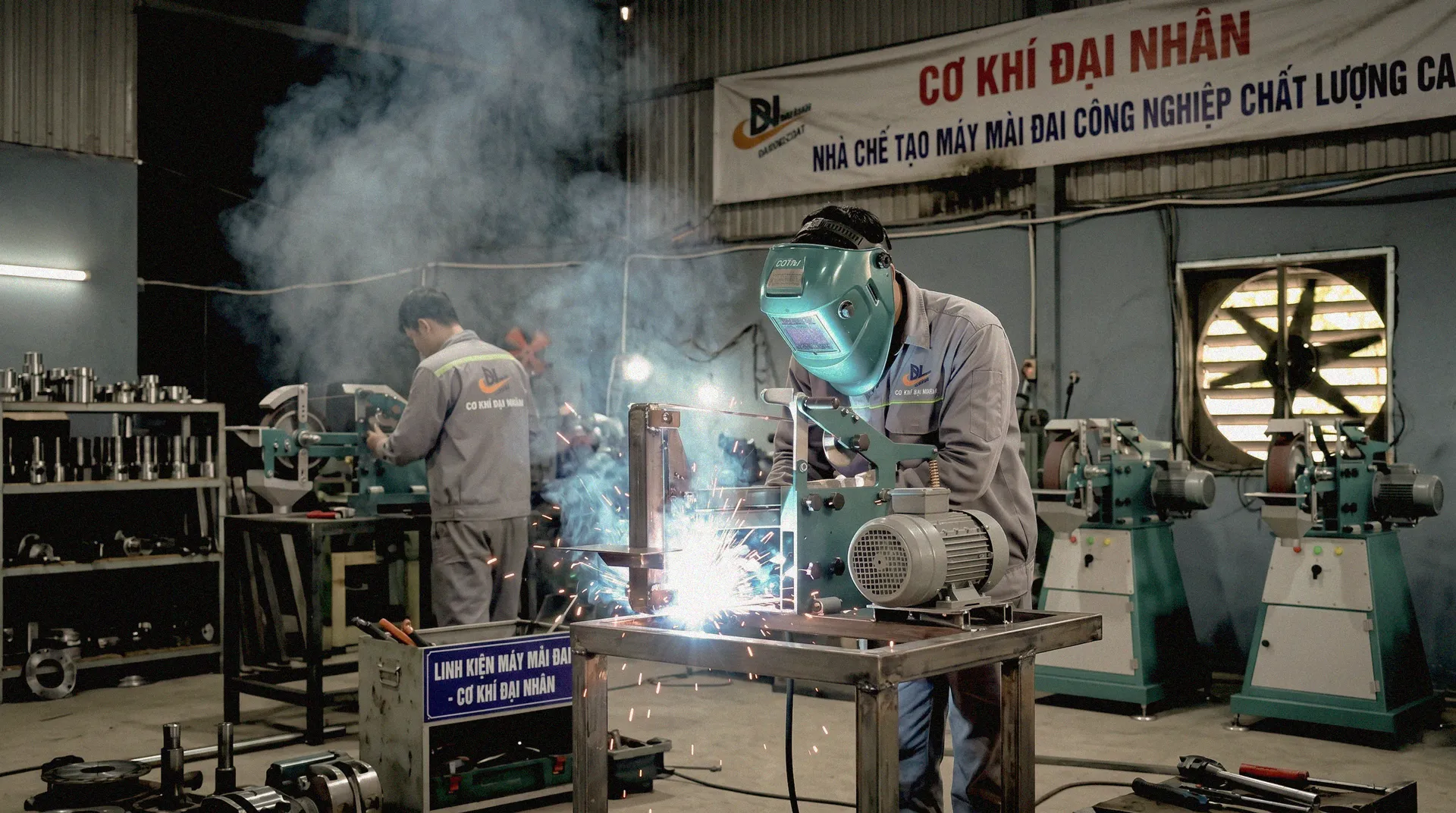
If your operation finishes tube, pipe, or plate and the current process is limiting throughput or consistency, Dai Nhan Machinery designs and builds grinding and polishing lines around the exact sections our customers run. Browse our machines to see the current range, or send us your section sizes and target finish and our engineering team will come back with a configuration and a realistic output figure.


BOLA BAG's BLOG YOU MAY ALSO BE INTERESTED IN
Operational Mistakes With Export Standard Industrial Belt Sander Equipment
The Difference Between Export-Standard Tier-1 Grinding Wheel Manufacturers and Budget Brands
Cross-Border Supply Chains: Navigating Regulatory Compliance for Export-Standard Industrial Belt Sander