


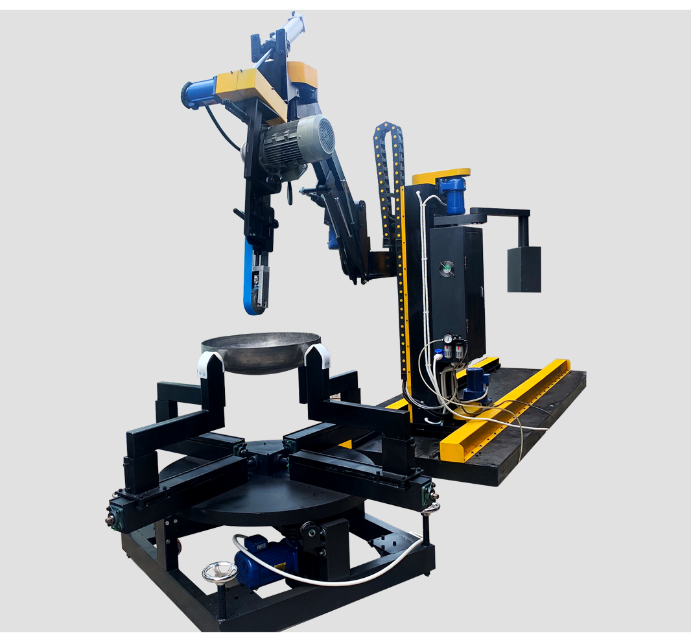
If you’ve spent any time browsing metalworking forums, knife making communities, or fabrication shops, you’ve probably come across the term “belt grinder” more than once. It’s a tool that sounds simple on the surface, but it plays a surprisingly important role in shaping, finishing, and refining materials. So, what is a belt grinder, exactly? In this article, we walk through what a belt grinder is, how it works, and why so many makers and professionals rely on one.
Defining a Belt Grinder
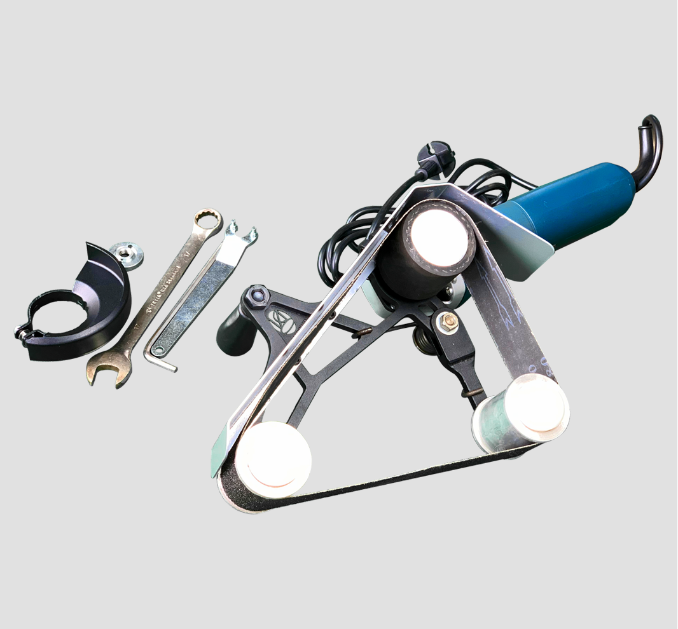
To answer the question of what is a belt grinder in the simplest terms, think of it as a power tool that uses a continuous loop of abrasive material, known as a sanding or grinding belt, stretched around a set of wheels. As the belt spins rapidly, it grinds, shapes, or finishes whatever material is pressed against it. This could be steel, aluminum, wood, plastic, or even stone, depending on the belt and setup. People often confuse a belt grinder with a belt sander, and while the mechanics look similar, the purpose and intensity are quite different. A belt sander is built primarily for smoothing surfaces, while a belt grinder is engineered for more aggressive material removal, shaping, and heavy duty work. The frame, motor, and components of a belt grinder are typically built tougher to handle sustained pressure and higher workloads.
How a Belt Grinder Works
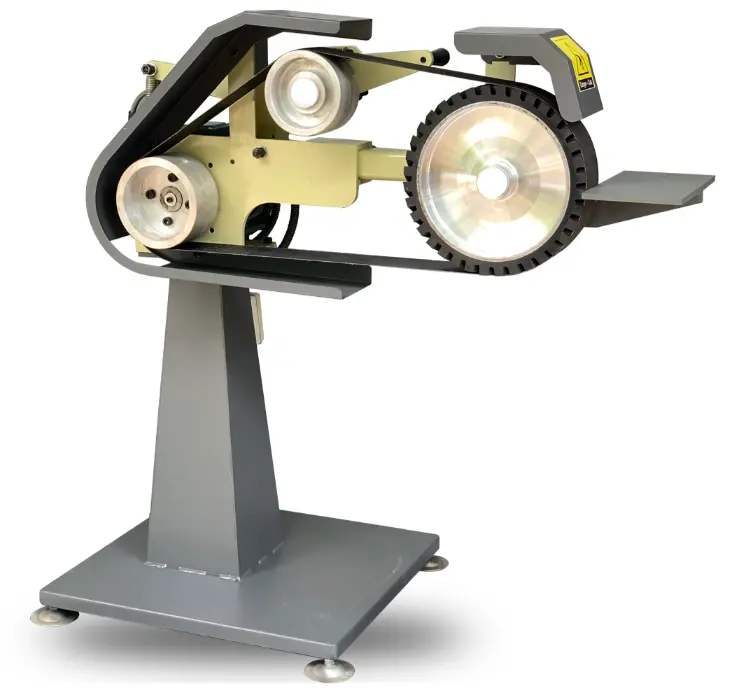
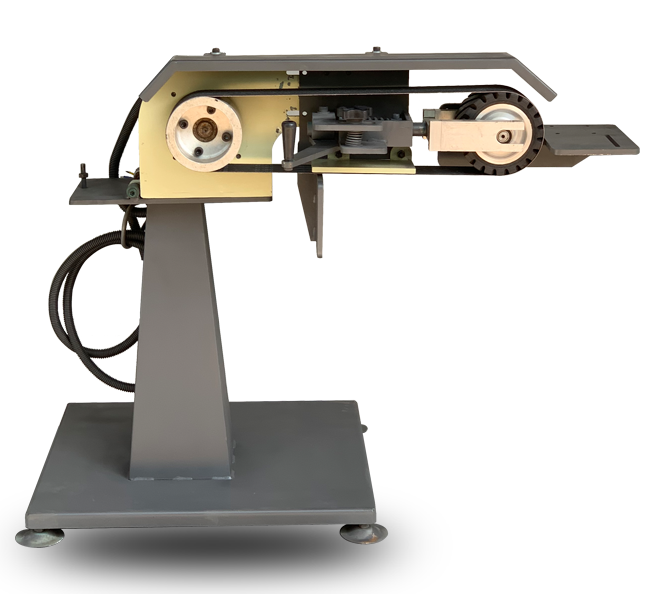
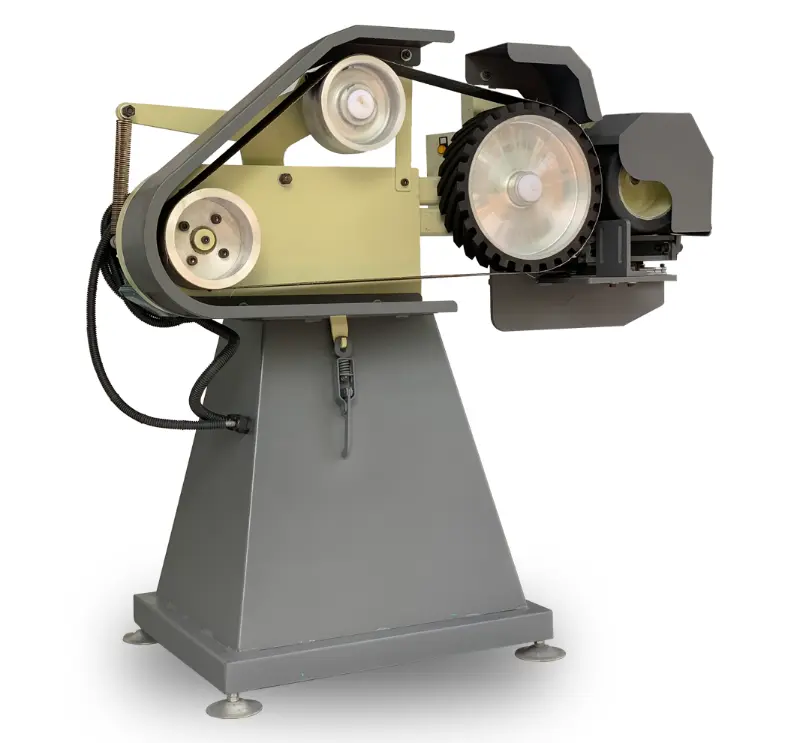
The basic mechanism behind a belt grinder is straightforward once you break it down. A motor drives a wheel, usually called the drive wheel, which moves the abrasive belt in a continuous loop. On the other end, an idler or tracking wheel keeps the belt aligned so it doesn’t slip off during operation. In between, a flat metal platen supports the belt, giving it a firm, stable surface to grind against. Belt tension matters a great deal here. Too loose, and the belt will slip or wobble. Too tight, and it puts unnecessary strain on the motor and bearings. Speed control also plays a role, since different materials and tasks require different belt speeds to avoid overheating the workpiece or the belt itself. The amount of contact between the belt and the material being worked determines how much material gets removed and how quickly.
Main Components of a Belt Grinder
Understanding the main parts of a belt grinder helps explain why it performs the way it does. Here are the key components we typically look at:
- Drive wheel: Powered directly by the motor, this wheel moves the belt.
- Idler wheel: Helps guide the belt and maintain proper tension.
- Platen: A flat, rigid surface behind the belt that provides support during grinding.
- Tracking mechanism: Keeps the belt centered on the wheels, preventing it from drifting off.
- Motor: Provides the power needed to drive the belt at consistent speeds.
- Frame: The structural backbone that holds everything in place and absorbs vibration during use.
Each of these parts contributes to stability, precision, and overall control, which is why the quality of components often determines how smoothly a machine performs over time.
Types of Belt Grinders
Not all belt grinders are built the same. Some of the most common variations include the popular 2×72 grinder, which uses a two inch wide belt that’s seventy two inches long, favored by knife makers for its versatility. Smaller hobbyist models are compact, more affordable, and suited to lighter tasks, while industrial grade machines are heavier, more powerful, and designed for continuous, demanding use. We also see differences in orientation. A horizontal belt grinder positions the belt running side to side, while a vertical belt grinder runs the belt up and down, which can be more convenient for certain grinding angles or workpiece shapes. These design choices affect how versatile the machine is across different projects.
What Belt Grinders Are Used For
Common Applications
Belt grinders show up in a wide range of applications. Knife makers use them for shaping blades, creating bevels, and refining edges. Metalworkers rely on them for shaping steel, removing weld seams, and deburring rough edges after cutting or fabrication. Woodworkers also use belt grinders for shaping and smoothing wooden components.
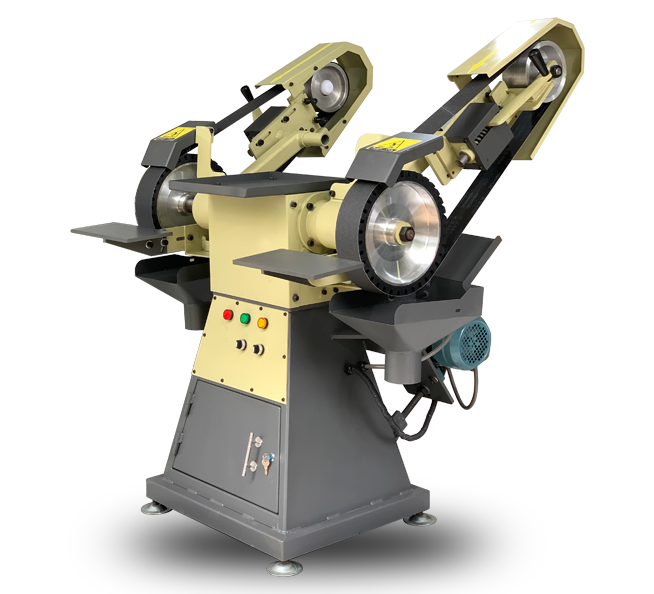
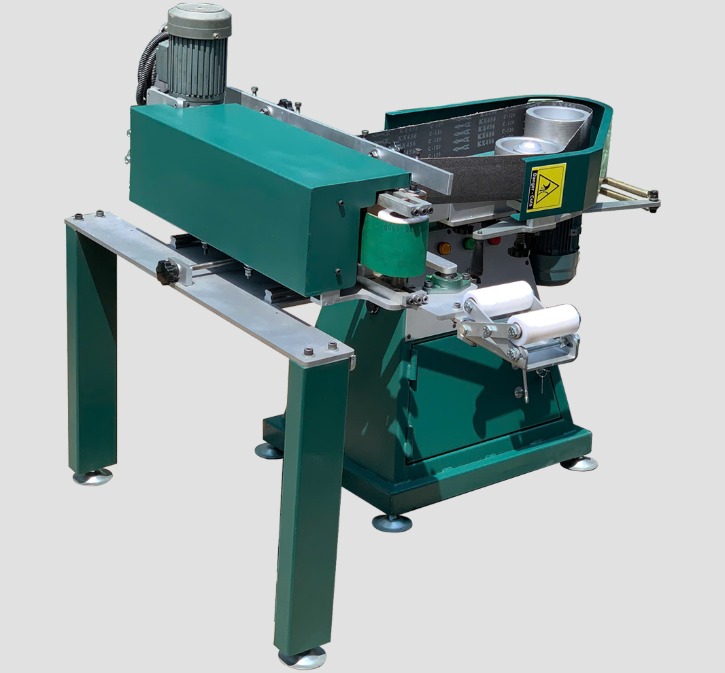
Cabinet Base Dual Belt Grinder – Dai Nhan Machinery
Belt grinders are valued because of their speed and adaptability. A single machine can move from aggressive material removal to fine finishing simply by switching belts, making it a flexible option across different materials and project stages. This flexibility is a big part of why so many people ask what is a belt grinder capable of before adding one to their workshop.
Belt Grinder vs Belt Sander: Key Differences
While the two tools share a similar design concept, there are clear differences worth understanding. Belt grinders are generally built with stronger frames, more powerful motors, and heavier components designed to withstand aggressive grinding and shaping tasks. Belt sanders, on the other hand, are usually lighter, less powerful, and intended for surface finishing rather than heavy material removal. Precision also differs. A belt grinder is often used for detailed shaping work, such as blade bevels, where control over pressure and angle matters. A belt sander is more focused on evening out surfaces rather than reshaping them. Choosing between the two really comes down to the intensity and precision your project requires.
Common Belt Types Used in Belt Grinders
Belt Materials and Backing
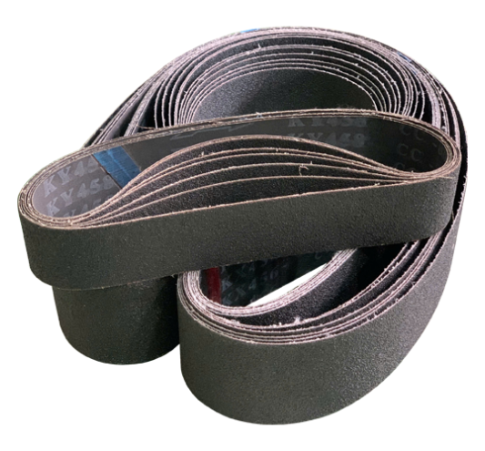
The abrasive belt itself plays a big role in how a belt grinder performs. Belts vary by material and grit range, both of which affect grinding speed, finish quality, and heat generation. Aluminum oxide belts are common for general purpose grinding, offering a good balance of durability and cost. Zirconia belts tend to last longer under heavy use and handle heat better, making them popular for metalworking. Ceramic belts are often considered the most aggressive and durable option, suited for tough grinding tasks on hard metals.
Choosing the Right Grit
Grit selection also matters. Lower grits remove material quickly but leave a rougher surface, while higher grits are used for finishing and polishing. Matching belt type and grit to the task at hand helps achieve better results and extends the life of the belt.
Benefits of Using a Belt Grinder
There are several reasons belt grinders remain popular across workshops. They offer fast material removal compared to hand tools, which saves significant time on larger projects. They also provide consistent results, since the belt speed and contact remain steady throughout use. Versatility is another major advantage, as a single machine can handle grinding, shaping, deburring, and finishing simply by changing belts. This adaptability makes belt grinders a practical choice for makers working across multiple materials and project types.
Safety Considerations When Using a Belt Grinder
Because belt grinders operate at high speeds and generate friction, safety should always be a priority. Wear protective eyewear, gloves suited for the task, and appropriate clothing to avoid loose fabric getting caught. Maintaining a stable stance and firm grip on the workpiece helps prevent accidents, especially with smaller pieces that can be harder to control.
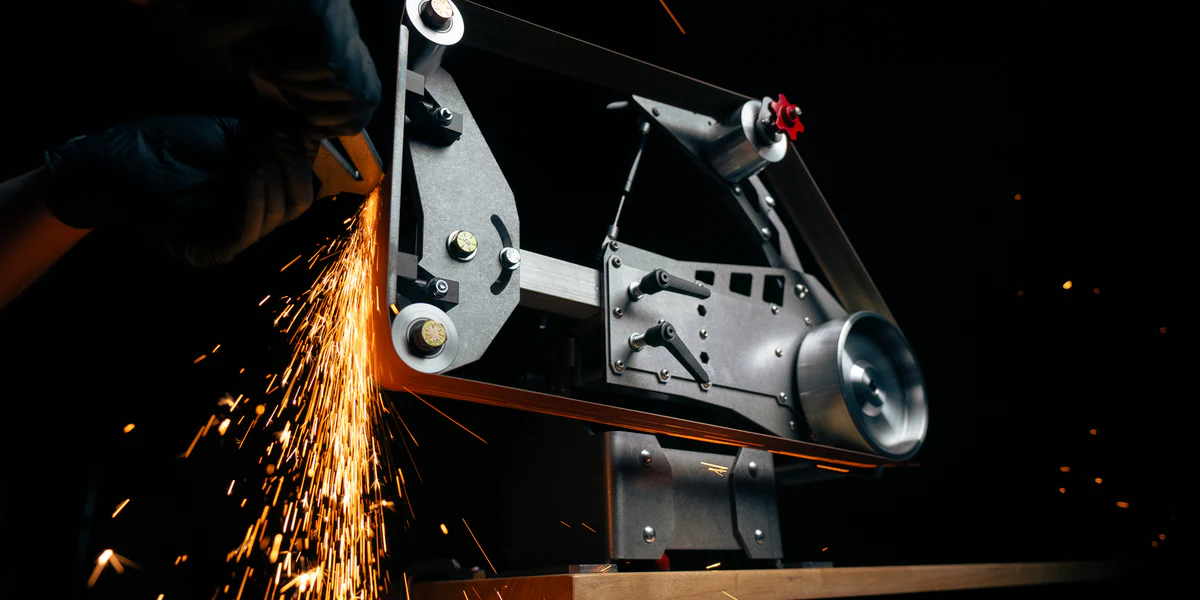
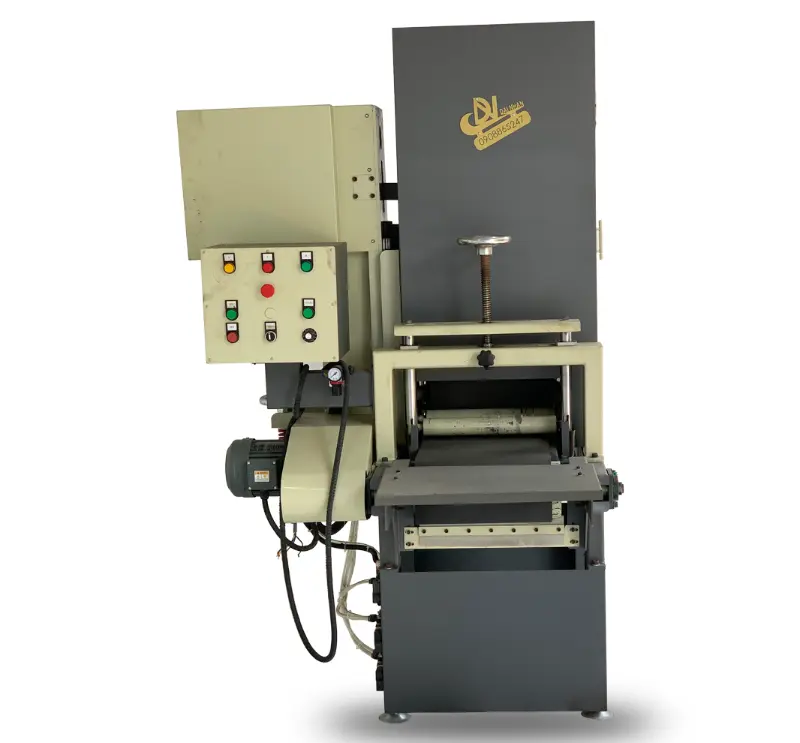
OEM/ODM Belt Grinder Manufacturer – Dai Nhan Machinery
Regularly checking belt tension and alignment reduces the risk of the belt slipping or snapping during use. It’s also important to stay aware of heat buildup, since both the belt and the workpiece can become hot quickly during extended grinding sessions. Keeping hands clear of moving parts and understanding the machine’s stop mechanism are basic but essential safety habits.
Who Uses Belt Grinders and Why
From Hobbyists to Production Shops
Belt grinders attract a wide range of users. Hobbyist knife makers often start with smaller models to shape blades and handles. Metalworking professionals use industrial grade machines for heavier fabrication tasks, including deburring and shaping steel components. Small workshop owners and fabrication businesses also rely on belt grinders because they combine speed, versatility, and a reasonable footprint, making them practical for spaces where multiple tools might not fit. This broad appeal is part of why belt grinders have become a staple in both hobbyist garages and professional metal fabrication settings.
Choosing the Right Belt Grinder for Your Needs
When evaluating an industrial belt grinder, a few factors are worth considering. Motor power affects how much material the machine can handle without straining. Frame size and build quality influence stability, especially during heavier grinding tasks. Belt size compatibility matters too, since different projects may call for specific belt widths and lengths. It also helps to think about intended use. A hobbyist working on occasional projects may not need the same specifications as someone running a small fabrication operation. Matching the machine’s capabilities to your actual workload is generally the most practical approach when comparing options.
Where you buy matters as much as what you buy. Ordering from a belt grinder manufacturer rather than a reseller keeps you close to the people who can adjust motor rating, platen design, and wheel sizing to your work. Distributors weighing several belt grinder machine manufacturers should compare lead times, spare parts availability, and after sales support alongside the unit price.
Find the Belt Grinder That Fits Your Work
Motor power, belt size, platen rigidity, and tracking are the specifications that separate a grinder you tolerate from one you rely on. Dai Nhan Machinery manufactures belt grinders for knife makers, fabrication shops, and production lines, with OEM and ODM options for distributors. Tell Dai Nhan Machinery what you make and we will help you specify the machine around it.
Conclusion
So, what is a belt grinder in the end? It’s a versatile, powerful tool built around a simple concept: a continuous abrasive belt that grinds, shapes, and finishes materials efficiently. From knife making to metal fabrication, its adaptability and speed make it a valuable addition to many workshops. Understanding how it works, its components, and the differences from a belt sander can help you make more informed decisions the next time you’re exploring grinding equipment for your own projects.
Read more: How Industrial Abrasive Grinding Wheel Manufacturers Optimize Grain Bonding for Hardened Steels


BOLA BAG's BLOG YOU MAY ALSO BE INTERESTED IN
How Are Stainless Steel Pipes Made? What Changes When Chromium Enters the Furnace
How to Use a Belt Sander Properly: Checks and Habits That Protect You and Your Work
How to Select the Right Industrial Belt Sander for Metal Fabrication