


Hardened steel does not grind the way ordinary carbon steel does, and treating the two as interchangeable applications is one of the most common and costly mistakes a buyer can make when sourcing abrasive wheels. Where softer materials tolerate a fairly wide range of grain and bond combinations without dramatic performance differences, hardened steel exposes every weakness in a formulation almost immediately, through excessive heat generation, premature wheel wear, or surface damage that can compromise a part’s metallurgical integrity. This article looks closely at the grain bonding engineering problem that serious abrasive grinding wheel manufacturers solve when developing wheels specifically for hardened steel work, why this problem is genuinely difficult, and what buyers should understand before assuming any general purpose wheel will perform adequately.
Why Hardened Steel Poses a Unique Grinding Challenge
Hardened steel behaves differently under abrasive contact than annealed or lower hardness material, and understanding why requires looking at the two failure modes that dominate grinding performance on this class of material.
Heat Generation and the Risk of Grinding Burn
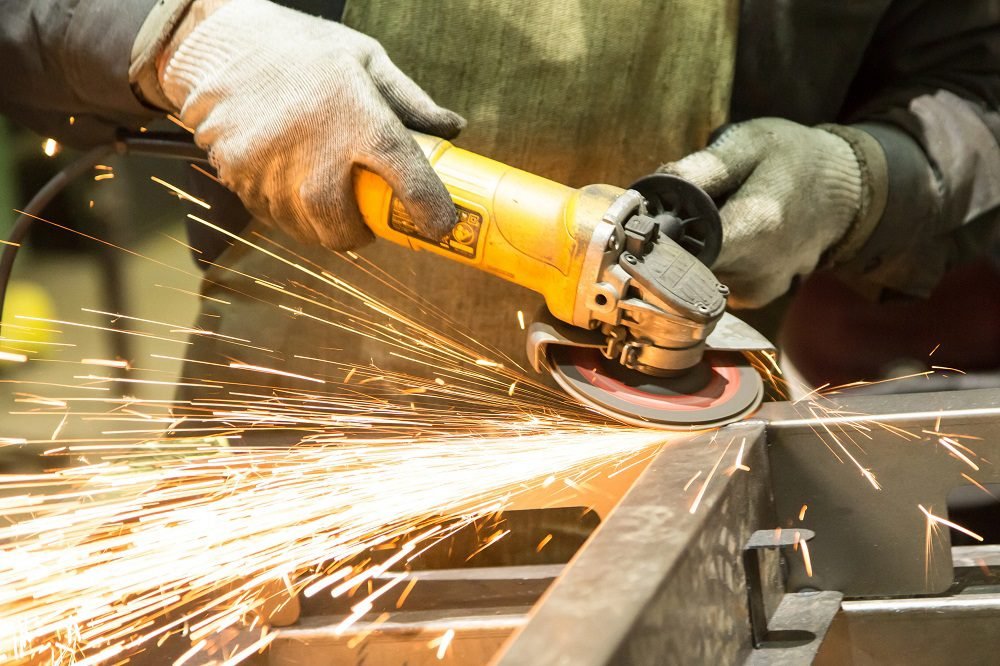
Hardened steel generates significantly more frictional heat during grinding than softer material, since it resists the abrasive grain’s cutting action more strongly, and that resistance converts directly into heat at the point of contact. If this heat is not managed correctly through grain selection, bond formulation, and process parameters working together, the result is grinding burn, a localized metallurgical change where the surface is effectively re tempered or, in more severe cases, rehardened and left in a brittle, stressed state, both of which compromise part performance even though the surface may still look acceptable. This is precisely why abrasive grinding wheel manufacturers who specialize in hardened steel invest heavily in formulations engineered specifically to manage heat rather than relying on general purpose combinations.
Heat Generation and the Risk of Grinding Burn
Wheel Wear and Self Sharpening Behavior on High Hardness Material
The second major challenge involves how the wheel itself wears during use, since hardened steel places much greater mechanical stress on individual abrasive grains than softer material does. A wheel needs to wear in a controlled, predictable way, releasing dulled grain to expose fresh cutting edges underneath, a behavior generally described as self sharpening. On hardened steel, a wheel that retains grain too aggressively becomes glazed and dull quickly, generating excessive heat as dulled grain rubs rather than cuts, while a wheel that releases grain too readily wears down prematurely and becomes uneconomical despite avoiding the heat problem. Balancing these two failure modes is the central engineering challenge defining serious grain bonding work for this application.
Understanding the Grain Bonding Problem
Grain bonding is fundamentally a three variable engineering problem, and abrasive grinding wheel manufacturers working on hardened steel applications have to optimize all three variables together rather than treating any one of them in isolation.
Abrasive Grain Selection for Hardened Steel
The abrasive grain itself is the starting point, and different grain types behave very differently on hardened steel. Conventional aluminum oxide, while economical and widely used across general purpose applications, often lacks the hardness and thermal stability needed for demanding hardened steel work, wearing more quickly and generating more heat than more advanced grain types engineered specifically for this challenge. Selecting the right grain type is the foundation on which the rest of the formulation is built, and a manufacturer who defaults to conventional aluminum oxide across every application, regardless of the material being ground, is not equipped to serve hardened steel work at a genuinely competitive level.
Bond Type and Its Role in Grain Retention
The bond, meaning the matrix holding the abrasive grain in place, determines how aggressively grain is retained under the mechanical stress of grinding hardened steel. Vitrified bonds, essentially a ceramic bonding system, generally offer better heat resistance and dimensional stability than resinoid bonds, making them a common choice for precision hardened steel grinding where both heat control and dimensional accuracy matter simultaneously. Resinoid bonds offer their own advantages, including a degree of flexibility and shock resistance that can be valuable in certain hardened steel applications, particularly where the grinding operation involves interrupted cuts or variable contact conditions rather than continuous, steady state grinding.
Structure and Porosity as a Third Variable
Beyond grain and bond, the structure of the wheel, meaning its porosity and the spacing between individual grain particles, determines how effectively coolant and chip clearance function during the grinding process. A more open, porous structure allows better coolant penetration and swarf clearance, which directly affects heat management on hardened steel, while a denser structure offers different tradeoffs around wheel life and surface finish. Abrasive grinding wheel manufacturers who genuinely understand hardened steel applications treat structure as a deliberate design variable rather than an afterthought, since getting grain and bond correct while neglecting structure still leaves a formulation vulnerable to the heat related failure modes described earlier.
How Abrasive Grinding Wheel Manufacturers Engineer for Controlled Grain Release
Solving the grain retention versus self sharpening tradeoff described earlier requires deliberate engineering choices that go beyond simply selecting a grain and bond combination from a standard catalog.
Balancing Grain Retention Against Self Sharpening
The goal of a well engineered hardened steel formulation is grain that fractures and releases at a controlled, predictable rate, wearing away just aggressively enough to continuously expose fresh cutting edges without releasing so readily that the wheel wears through uneconomically fast. Achieving this balance requires close coordination between grain hardness, bond hardness grade, and structure, since these three variables interact rather than functioning independently, and a change to one often requires compensating adjustments to the others to maintain the intended wear behavior.
Friability and Fracture Behavior of the Grain Itself
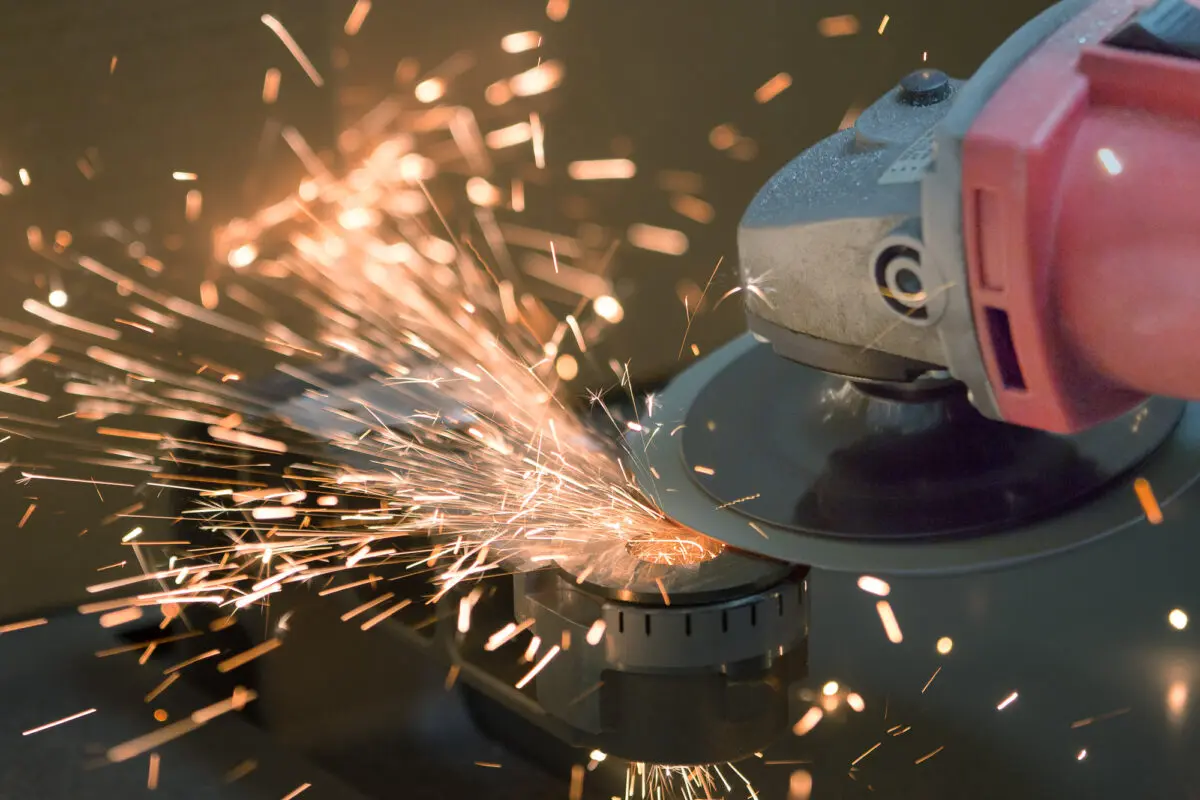
Friability, meaning how readily an individual abrasive particle fractures under load rather than simply dulling, is a critical property that abrasive grinding wheel manufacturers engineer deliberately for hardened steel applications. A grain engineered with controlled friability fractures in small, predictable increments that continuously expose sharp new cutting edges, maintaining cutting efficiency and limiting heat buildup, while a grain that is too tough simply dulls in place, rubbing against the hardened surface and generating excessive heat rather than cutting cleanly. This is one of the areas where advanced grain technologies, described in more detail below, offer a genuine performance advantage over conventional grain types on hardened steel specifically.
Friability and Fracture Behavior of the Grain Itself
The Role of Grinding Aid and Filler Additives
Many hardened steel formulations incorporate grinding aids or filler additives within the bond structure, designed to reduce friction and heat at the grain to workpiece interface during the grinding process itself. These additives can meaningfully improve heat management without requiring a fundamentally different grain or bond system, and their inclusion is another marker of a manufacturer genuinely engineering for hardened steel performance rather than applying a general purpose formulation to a demanding application it was never specifically designed to handle.
Advanced Grain and Bond Technologies for Hardened Steel
Beyond conventional aluminum oxide and standard vitrified or resinoid bonds, several advanced technologies exist specifically to address the challenges hardened steel presents, and understanding these options helps buyers evaluate whether a prospective supplier is offering genuinely appropriate technology for their application.
Ceramic Aluminum Oxide and Seeded Gel Grains
Ceramic aluminum oxide, sometimes produced through a seeded gel process, represents a significant advancement over conventional aluminum oxide for demanding applications including hardened steel grinding. These grains are engineered at a microstructural level to fracture in a controlled, predictable manner, maintaining sharp cutting edges throughout the wheel’s life more effectively than conventional grain, which translates directly into better heat control and longer effective wheel life on hardened material. Manufacturers offering these advanced grain technologies as part of their standard hardened steel product line are signaling a genuine investment in this application category rather than treating it as a minor variation of general purpose grinding.
Cubic Boron Nitride for the Hardest Applications
For the most demanding hardened steel applications, particularly very high hardness tool steels, bearing steels, and die materials, cubic boron nitride, commonly abbreviated as CBN, offers hardness and thermal stability that conventional and even ceramic aluminum oxide grains cannot match. CBN wheels carry a significantly higher upfront cost than conventional abrasive wheels, but for the right application, the combination of extended wheel life, superior heat control, and consistent finish quality often justifies that cost through reduced wheel changeovers and improved part quality, particularly in high volume precision grinding operations.
Vitrified Versus Resinoid Bonds for High Hardness Work
The choice between vitrified and resinoid bonds for hardened steel work depends heavily on the specific grinding operation, with vitrified bonds generally favored for precision, continuous grinding operations where dimensional stability and heat resistance are the priority, and resinoid bonds sometimes preferred for operations involving interrupted cuts or where a degree of shock absorption in the bond itself provides a meaningful operational advantage. A knowledgeable abrasive grinding wheel manufacturers representative should be able to walk a buyer through this tradeoff specifically in the context of the buyer’s actual grinding operation rather than defaulting to a single bond type regardless of application detail.
Testing and Validating Grain Bonding Performance
Engineering a formulation on paper is only half the work, and legitimate abrasive grinding wheel manufacturers validate hardened steel formulations through specific testing protocols designed to confirm real world performance before a formulation reaches production.
Grinding Burn Detection and Metallurgical Testing
Grinding burn detection, often performed through nital etch testing or other metallurgical inspection methods, confirms whether a given formulation and process combination is actually avoiding the heat related metallurgical damage described earlier in this article. A manufacturer developing a hardened steel formulation should be testing for grinding burn as a standard part of formulation validation, not treating it as an issue to be discovered only after a customer reports a problem in their own production environment.
Wheel Wear Rate and G Ratio Measurement
The G ratio, meaning the volume of material removed relative to the volume of wheel worn away, is a standard metric for evaluating grinding efficiency and wheel economics, and tracking this metric specifically for hardened steel applications allows a manufacturer to demonstrate concrete, measurable performance data rather than relying on general claims about formulation quality. Buyers evaluating a prospective supplier for hardened steel work should ask directly whether G ratio data exists for the specific formulation and application under consideration, since a manufacturer without this data has likely not validated the formulation as rigorously as the application deserves.
What This Means When Evaluating a Grinding Discs Supplier
Understanding the technical dimensions of grain bonding gives buyers a much more informed set of questions to bring to any grinding discs supplier being considered for hardened steel work specifically.
Questions to Ask About Formulation for Hardened Steel Applications
Buyers should ask directly which grain type a prospective supplier recommends for their specific hardness range and application, why that grain was selected over alternatives, what bond system is being proposed and why, and whether grinding burn testing has been performed for the formulation under consideration. A supplier who can answer these questions with specific, technical detail is behaving very differently from one who responds with general reassurance rather than substantive formulation reasoning, and that difference in response quality is itself a meaningful signal worth weighing heavily in the sourcing decision.
Why Generic Wholesale Grinding Wheels Often Underperform on Hardened Steel
Generic wholesale grinding wheels, formulated for broad applicability across a wide range of materials rather than optimized specifically for hardened steel, frequently underperform on this particular application precisely because the formulation compromises inherent in a general purpose product become most visible on the most demanding material a buyer is likely to process. A buyer purchasing wholesale grinding wheels purely on price, without confirming the formulation is actually suited to hardened steel work, risks exactly the heat and wear related failure modes described throughout this article, often without understanding that the wheel itself, rather than the process or the operator, is the underlying cause.
Sourcing Considerations for Buyers Working With Grinding Wheel Manufacturers
Translating this technical understanding into an actual sourcing decision requires thinking carefully about which type of supplier relationship is likely to deliver formulation expertise genuinely matched to hardened steel requirements.
Working With Grinding Wheel Wholesalers Versus Specialized Manufacturers
Grinding wheel wholesalers, while convenient for standard specifications and general purpose applications, are typically not the right channel for hardened steel work requiring the kind of formulation specificity described throughout this guide, since a wholesaler’s inventory generally reflects broad market demand rather than deep application specific engineering. Buyers with genuine hardened steel grinding requirements are usually better served working directly with grinding wheel manufacturers who maintain dedicated formulation expertise for this application category, even if that relationship requires more upfront technical conversation than a straightforward wholesale purchase would.
The Case for Custom Formulation Partnerships
For buyers with sufficiently demanding or unusual hardened steel applications, a custom formulation partnership, developed collaboratively with a manufacturer rather than selected from an existing catalog, often produces meaningfully better results than any off the shelf product, since the manufacturer can tune grain type, bond system, and structure specifically around the buyer’s actual hardness range, part geometry, and production volume rather than accepting the compromises inherent in a formulation designed to serve a broader range of customers simultaneously.
Where Equipment Engineering Complements Grain Bonding Optimization
Grain bonding is only one half of the material removal equation, and equipment engineering plays a genuinely complementary role in determining how well a given formulation actually performs in real production conditions.
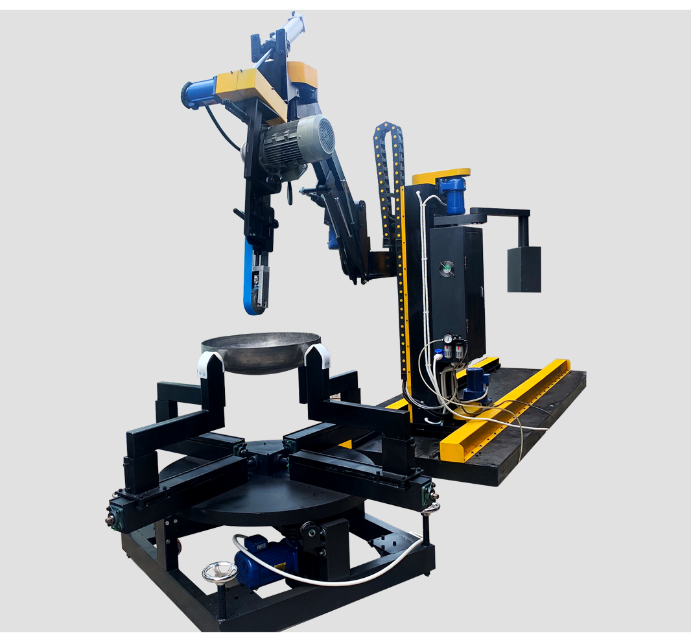
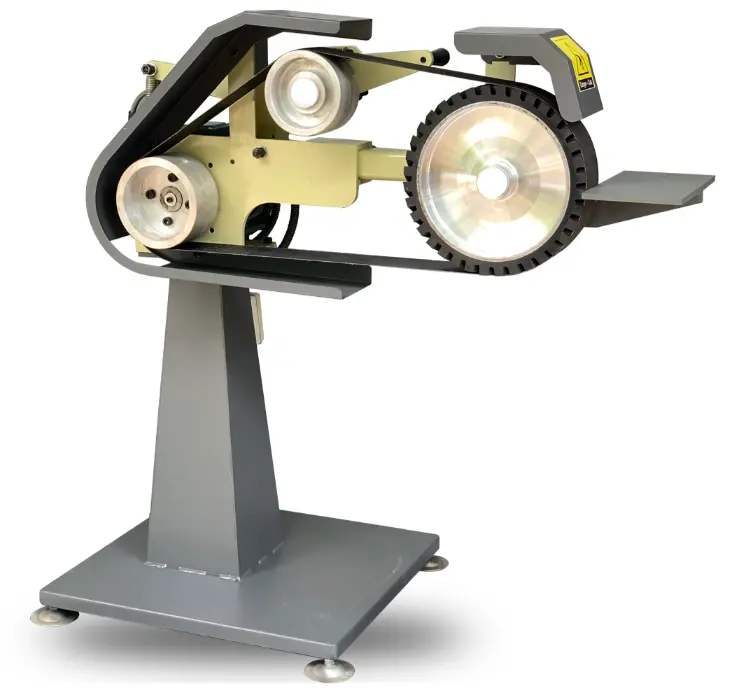
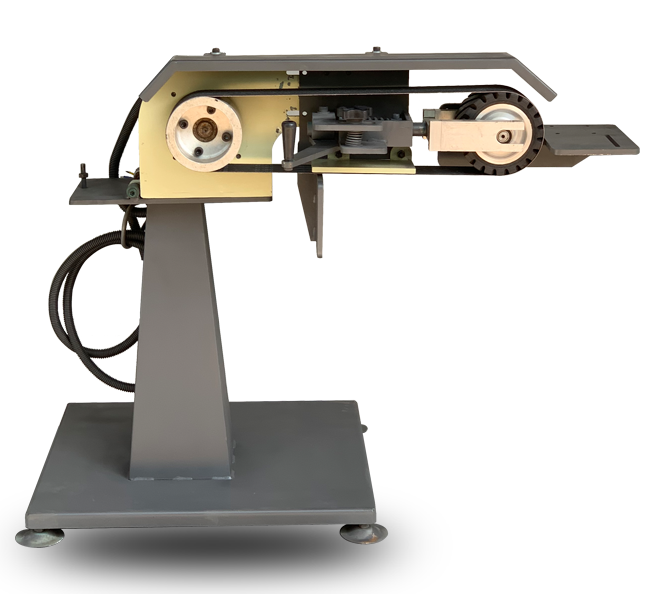
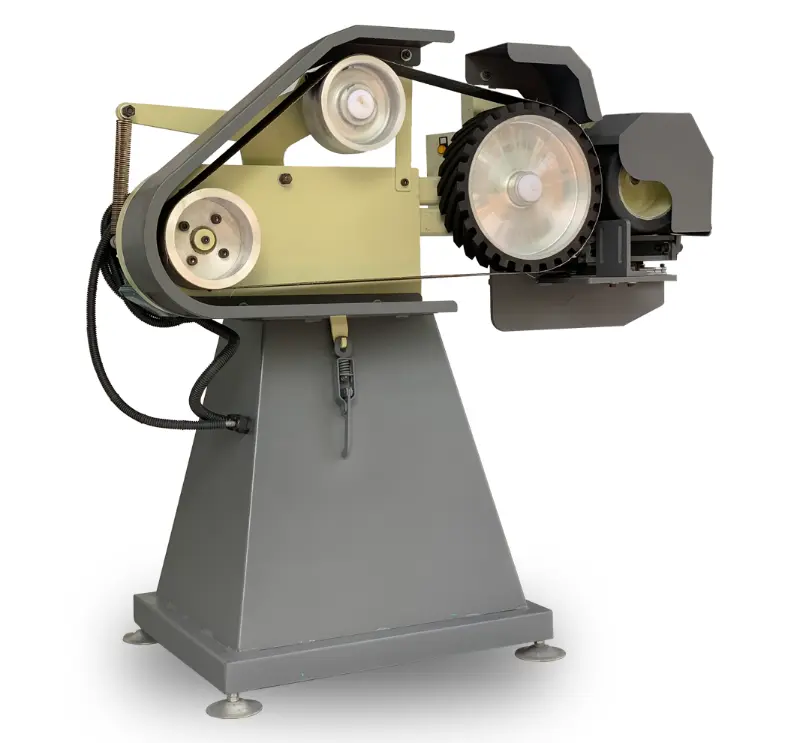
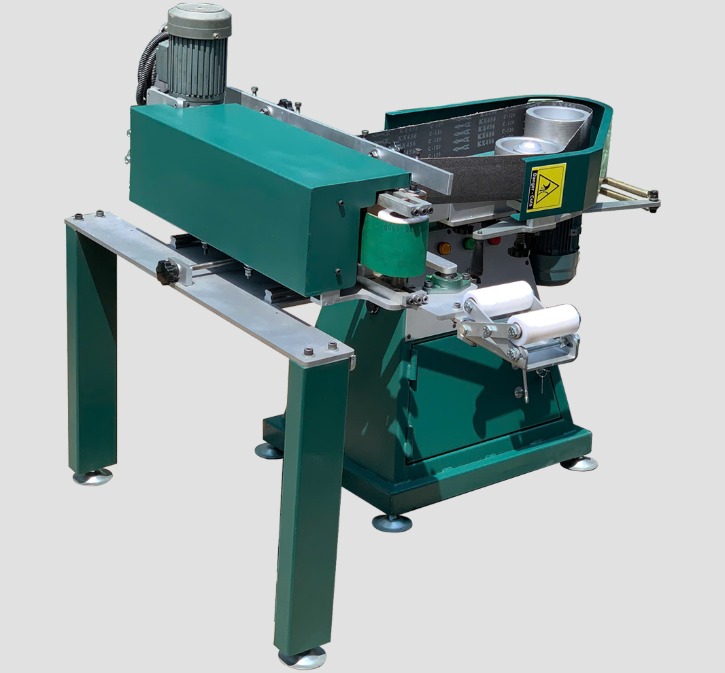
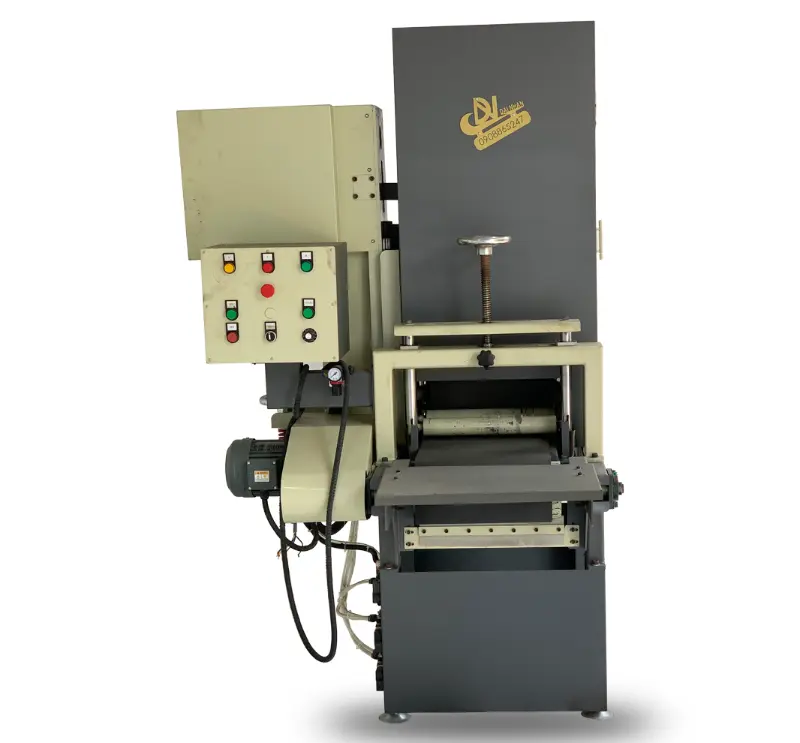
Why a Belt Grinder Manufacturer Also Faces a Material Interaction Problem
A belt grinder manufacturer developing equipment for hardened steel applications faces a conceptually related engineering problem, since motor power, belt speed, and contact wheel hardness all need to be matched to the material being processed in much the same way that grain and bond need to be matched to hardened steel on the wheel side of the industry. Dai Nhan Machinery approaches this equipment side of the material interaction problem with the same engineering discipline described throughout this article, tuning motor sizing and belt configuration to hardened alloys and other demanding materials as part of our custom OEM engineering process, rather than assuming a single general purpose configuration will perform adequately across every material a customer might process.
Read more: Strategic Sourcing: Partnering with an Export-Standard Grinding Discs Supplier


BOLA BAG's BLOG YOU MAY ALSO BE INTERESTED IN
What Belt Sander for Knife Making? How to Choose Between 1×30, 2×42 and 2×72 Machines
The ROI of Integrating Export-Standard Industrial Plate Grinder
How to Select an OEM/ODM Belt Grinder Manufacturer for Global Supply Chains