


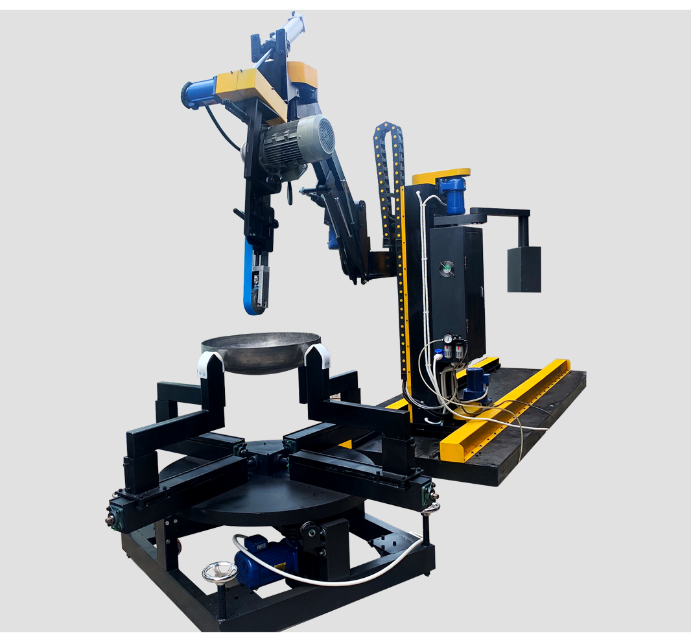
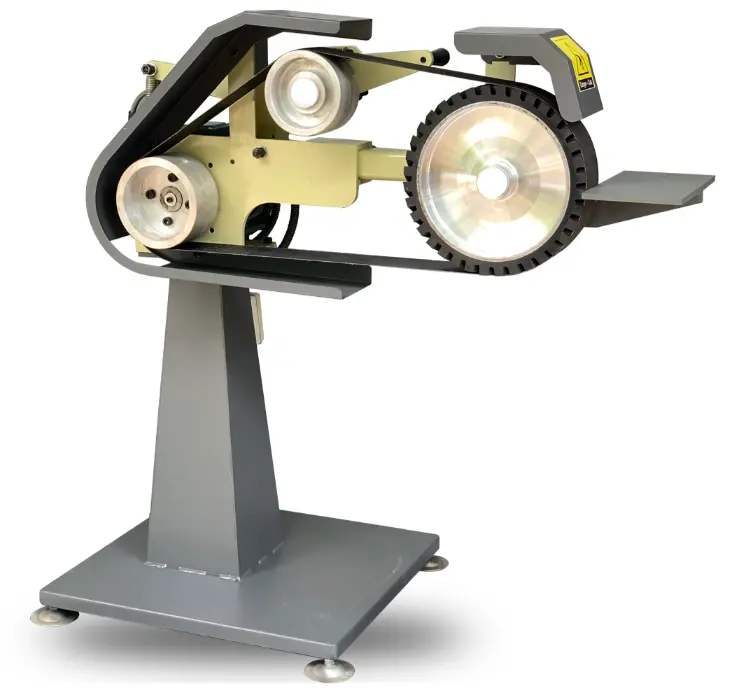
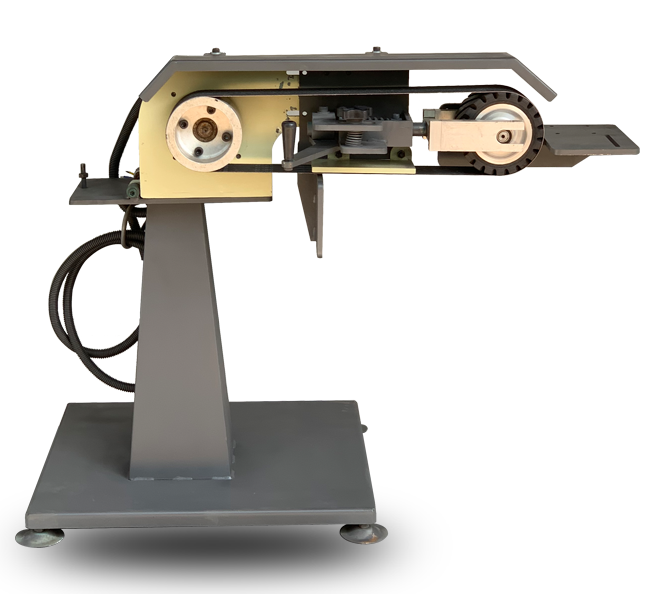
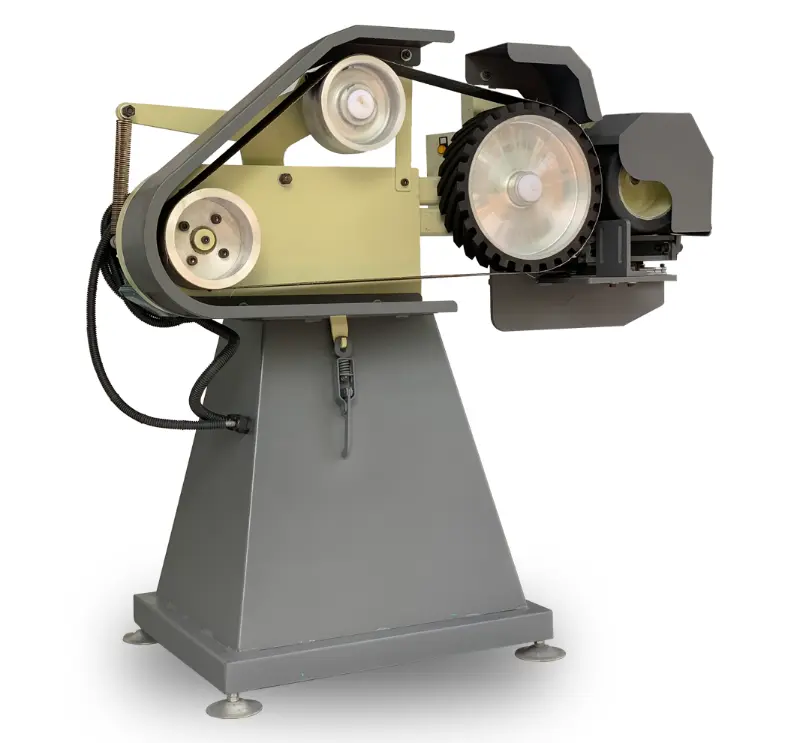
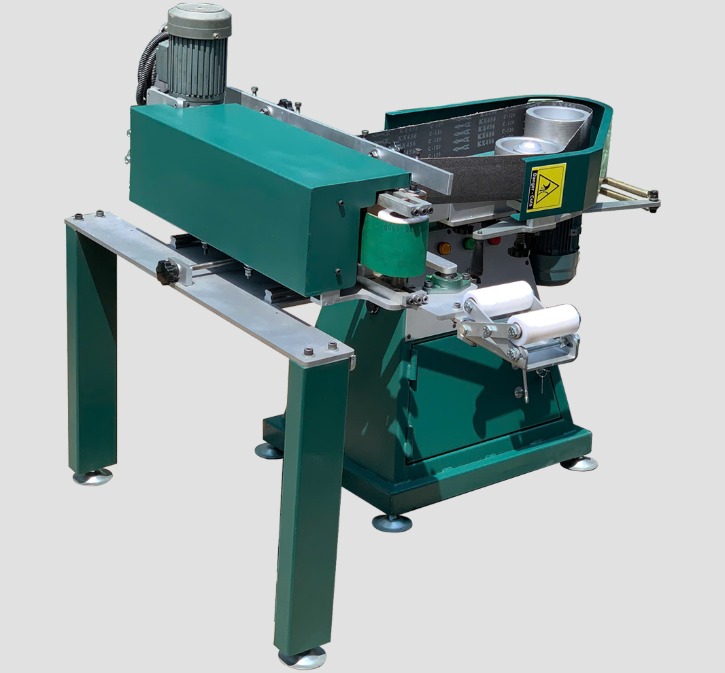
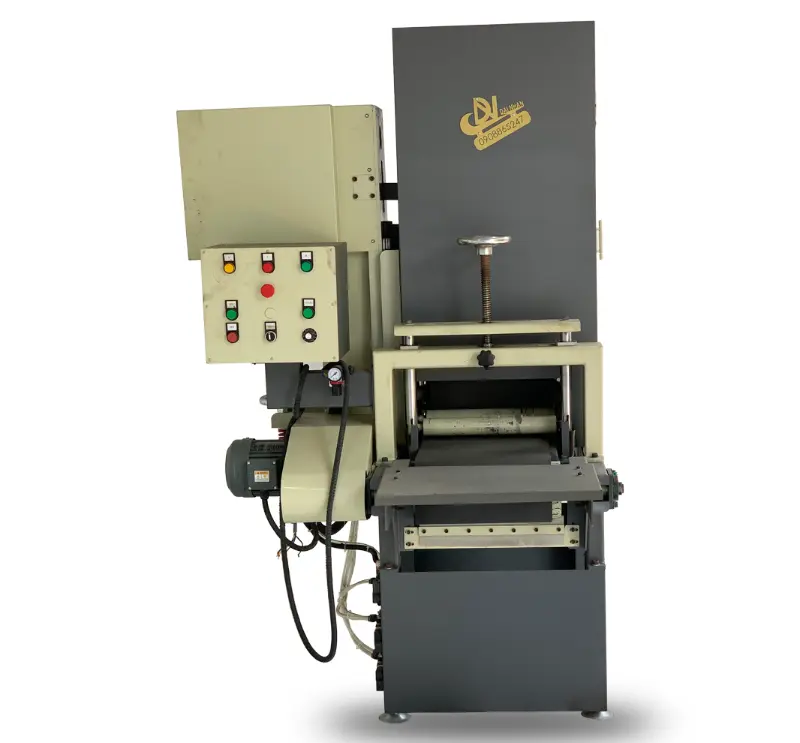
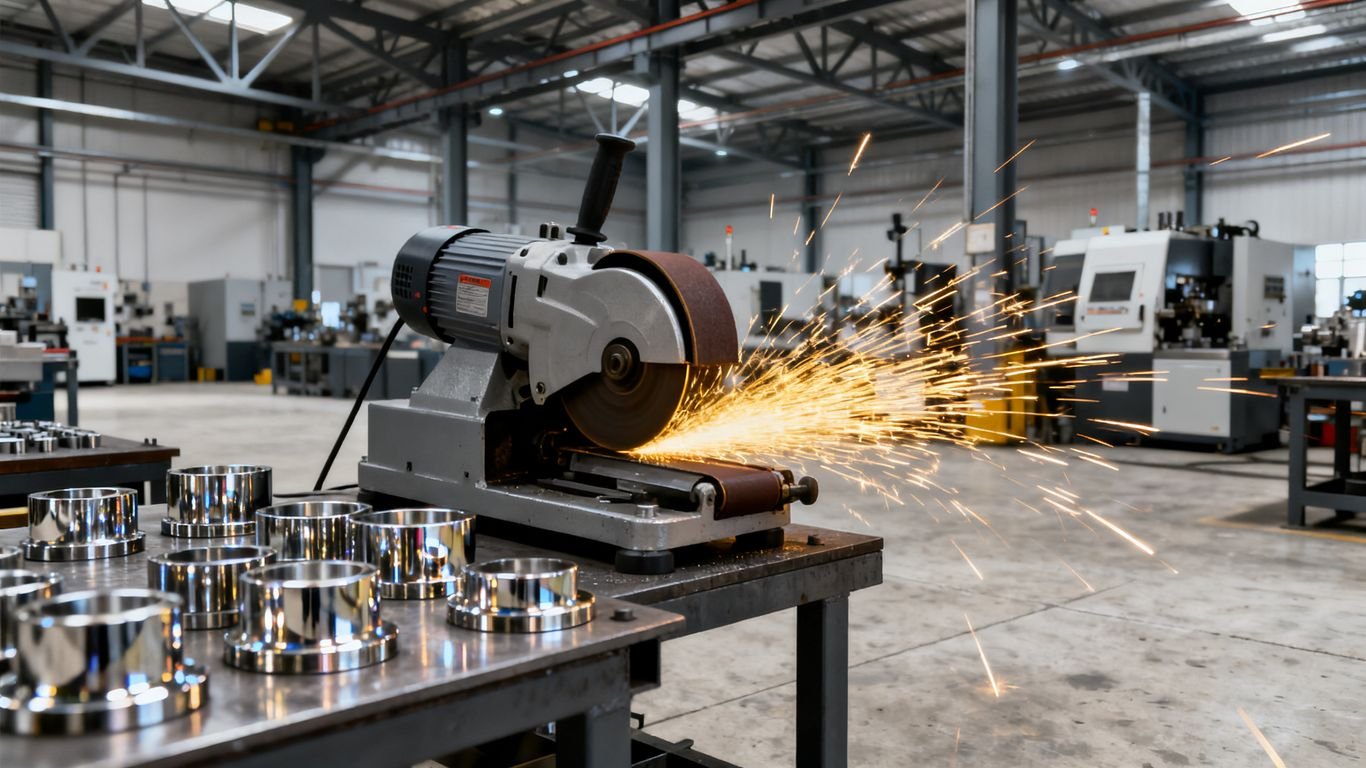
Lean manufacturing has become one of the most influential production philosophies across modern industries because it focuses on maximizing value while minimizing waste throughout every stage of manufacturing. As manufacturers continue facing increasing material costs, stricter quality requirements, and greater pressure to improve operational efficiency, surface preparation has emerged as a critical process that directly affects productivity, product consistency, and overall manufacturing costs. Investing in a high-performance plate grinder is no longer simply about improving surface quality; it is about creating a more efficient production system capable of reducing waste while supporting continuous improvement initiatives.
For manufacturers processing carbon steel, stainless steel, aluminum, and specialty alloys, surface defects frequently create hidden costs that extend far beyond cosmetic appearance. Uneven plates, weld imperfections, inconsistent material thickness, scratches, oxidation, and surface contamination can interrupt production, increase rejection rates, consume additional labor, and reduce customer satisfaction. A professionally engineered plate grinder enables manufacturers to eliminate these issues before downstream operations begin, allowing fabrication, welding, coating, machining, and assembly processes to proceed with greater consistency and predictability.
This article explores how an industrial plate grinder contributes to lean manufacturing by improving surface quality, minimizing material waste, increasing production efficiency, and supporting long-term operational excellence across modern metal processing facilities.
Understanding Lean Manufacturing Beyond Cost Reduction
Lean manufacturing is often misunderstood as a strategy focused solely on reducing expenses. In reality, lean manufacturing seeks to eliminate every activity that fails to create value for the customer while continuously improving production efficiency, quality, and operational stability.
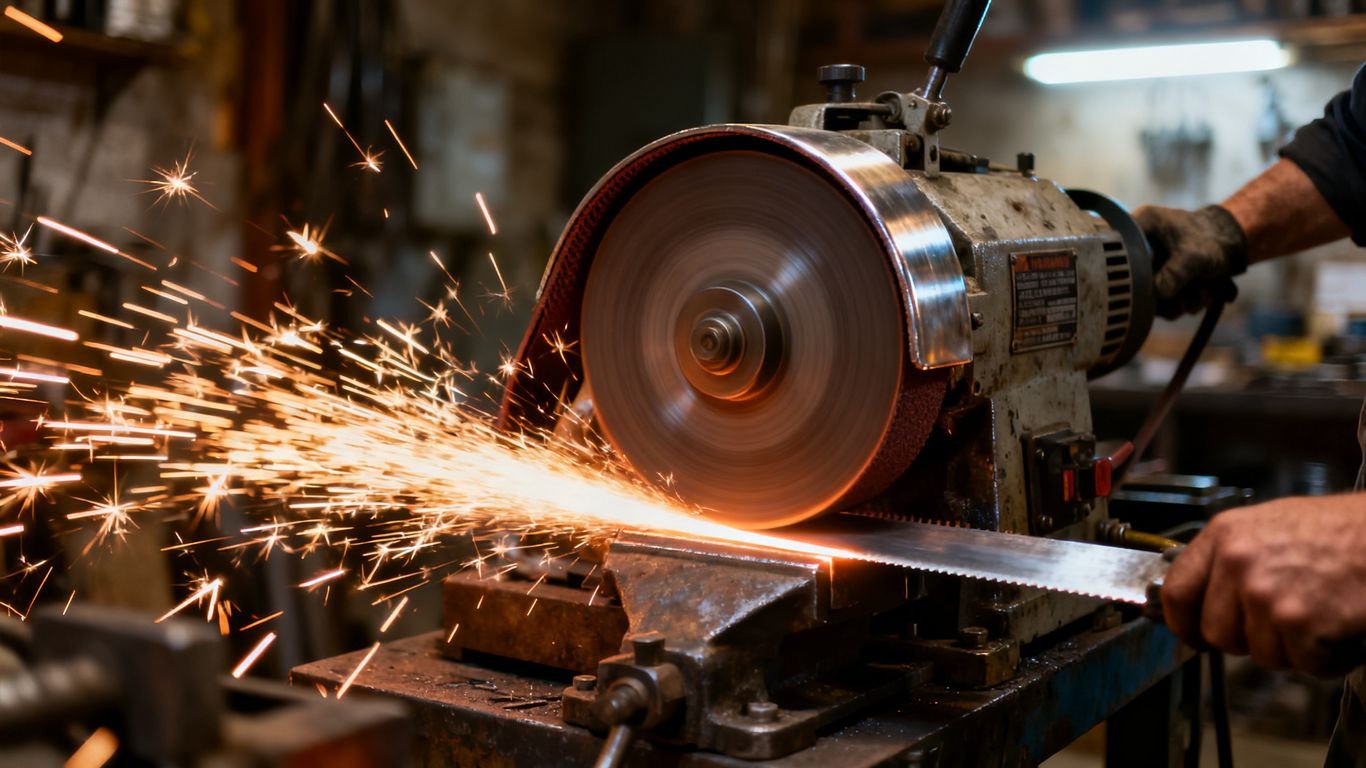
Understanding Lean Manufacturing Beyond Cost Reduction
Surface preparation plays an essential role within this philosophy because defects introduced during the early stages of production frequently multiply throughout the manufacturing process. A poorly prepared metal plate may require additional grinding, repeated inspection, corrective welding, repainting, or complete replacement after further value has already been added. These unnecessary activities consume labor, increase energy consumption, delay production schedules, and reduce profitability.
By incorporating a precision plate grinder into the production workflow, manufacturers create a stable foundation for downstream processes, allowing every subsequent operation to proceed with greater efficiency and consistency.
Why Surface Deficiencies Create Hidden Manufacturing Costs
Surface defects represent one of the most underestimated sources of waste in industrial manufacturing. Even relatively minor imperfections can negatively affect machining accuracy, welding quality, coating adhesion, structural integrity, and final product appearance.
When plates contain uneven surfaces or inconsistent thickness, operators often compensate by performing additional manual adjustments that reduce productivity while introducing greater variation between finished products. These corrective activities rarely appear in production reports, yet they significantly increase manufacturing costs over time.
A properly engineered plate grinder removes surface irregularities before production advances to later stages, allowing manufacturers to establish standardized processes that improve repeatability while reducing dependence on manual intervention.
As production volumes increase, even small improvements in surface consistency can generate substantial savings through reduced scrap rates, shorter production cycles, and lower labor requirements.
Improving Material Utilization Through Precision Grinding
Material utilization remains one of the primary performance indicators within lean manufacturing because raw materials often represent a significant portion of total production costs.
A modern plate grinding machine enables manufacturers to remove only the material necessary to achieve the required surface quality while preserving valuable raw material. Precise grinding minimizes excessive stock removal, ensuring dimensional accuracy without compromising structural integrity.
This controlled approach reduces unnecessary material consumption while extending the usable life of expensive metal plates. Manufacturers processing stainless steel, duplex alloys, or other premium materials benefit particularly from precision grinding because even modest improvements in material utilization can generate considerable long-term financial savings.
Consistent grinding also reduces variability between production batches, allowing manufacturers to achieve predictable machining allowances and improved dimensional control throughout the manufacturing process.
Eliminating Rework Across the Production Line
Rework represents one of the most visible forms of manufacturing waste because it consumes additional labor, equipment capacity, and production time without creating additional customer value.
Many rework activities originate from inadequate surface preparation. Weld imperfections, inconsistent flatness, poor coating adhesion, and inaccurate dimensions often require components to return to earlier production stages for corrective processing.
By integrating a heavy-duty plate grinder into the manufacturing workflow, companies establish consistent surface conditions before fabrication begins. This proactive approach dramatically reduces downstream defects while improving process capability across machining, welding, coating, polishing, and assembly operations.
The result is a smoother production flow characterized by fewer interruptions, greater throughput, and improved delivery performance.
Supporting Automation and Process Stability
Modern manufacturing increasingly depends upon automation to improve productivity while reducing labor variability. Automated production systems require consistent material quality because robotic equipment cannot compensate for unpredictable surface conditions as effectively as experienced operators.
A precision plate grinding machine provides the repeatable surface quality necessary for automated fabrication, robotic welding, laser cutting, CNC machining, and automated inspection systems. Consistent material preparation allows production equipment to operate according to standardized parameters, improving cycle times while reducing quality variation.
Stable production processes also generate valuable operational data that supports continuous improvement initiatives and predictive maintenance programs, further strengthening lean manufacturing performance.
Reducing Waste Before It Reaches the Customer
Lean manufacturing emphasizes preventing defects rather than correcting them after production has been completed.
A professionally engineered plate grinder contributes directly to defect prevention by removing scratches, scale, weld irregularities, oxidation, and other surface imperfections before products advance to higher-value manufacturing operations. This preventive approach reduces customer complaints, warranty claims, production delays, and unnecessary inspection activities.
Consistently prepared surfaces also improve coating quality, adhesive bonding performance, decorative finishes, and corrosion resistance, enhancing both product performance and customer satisfaction.
Rather than relying on final inspection to identify quality issues, manufacturers using precision grinding eliminate many potential defects at their source.
The Role of Plate Graining Machines in Surface Optimization
While grinding focuses primarily on achieving dimensional accuracy and removing surface defects, many manufacturing applications also require controlled surface textures to improve functional performance or visual appearance.
A plate graining machine creates uniform surface patterns that enhance coating adhesion, decorative finishes, bonding strength, and product consistency across large production volumes. Industries producing architectural panels, elevator interiors, consumer appliances, commercial kitchen equipment, and decorative stainless steel products frequently utilize graining technology alongside heavy-duty grinding operations.
Combining the capabilities of a plate grinder with a plate graining machine enables manufacturers to address both structural preparation and surface aesthetics within an integrated production workflow, reducing handling time while improving overall manufacturing efficiency.
Choosing Equipment That Supports Lean Manufacturing
The effectiveness of lean manufacturing depends heavily upon selecting equipment designed for long-term operational stability rather than simply high production capacity.
An industrial plate grinder should provide exceptional structural rigidity, precision grinding performance, stable feeding systems, efficient dust management, and reliable automation compatibility. These engineering characteristics improve process repeatability while minimizing maintenance requirements and unexpected production interruptions.
Likewise, a high-quality plate grinding machine should be capable of maintaining consistent performance during continuous operation, allowing manufacturers to achieve predictable production results regardless of batch size or material type.
Manufacturers should therefore evaluate machinery not only according to technical specifications but also according to engineering quality, service support, customization capability, and long-term operational value.
OEM Engineering Creates Greater Manufacturing Flexibility
Every manufacturing facility operates under unique production conditions involving different materials, product dimensions, automation levels, and quality objectives. Standard equipment often requires compromises that reduce operational efficiency.
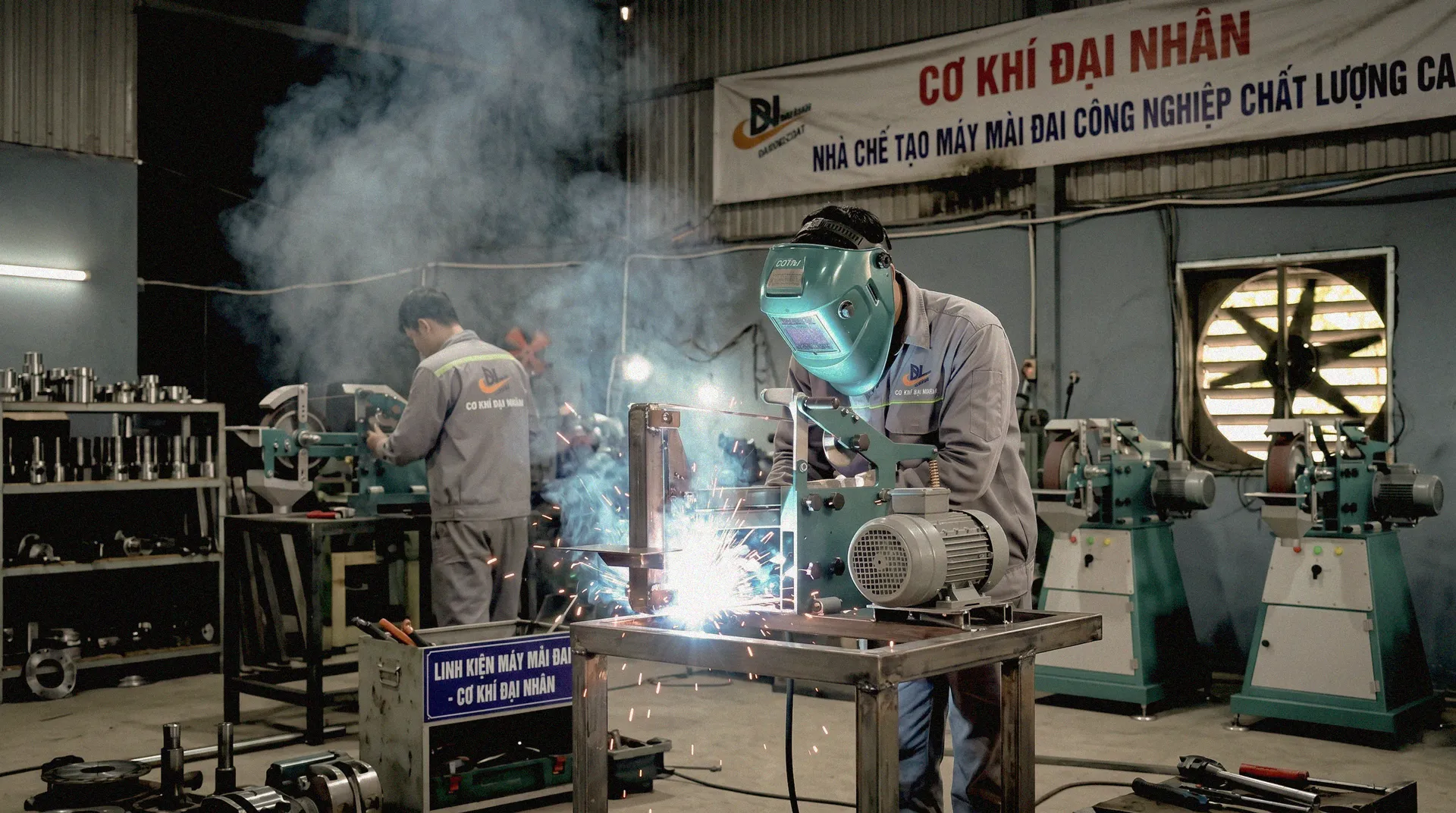
OEM Engineering Creates Greater Manufacturing Flexibility
OEM engineering allows manufacturers to customize each plate grinder according to their specific production requirements. Machine width, grinding configuration, conveyor systems, automation interfaces, abrasive technologies, and control systems can all be optimized to improve productivity while supporting future production expansion.
Customized engineering also simplifies integration into existing manufacturing lines, reducing installation time while maximizing equipment utilization throughout its operational lifecycle.
Why Dai Nhan Machinery Is the Right Partner for Lean Manufacturing
Dai Nhan Machinery understands that lean manufacturing requires far more than reliable machinery. It requires engineering solutions capable of eliminating waste, improving production consistency, and supporting continuous operational improvement.
As an experienced manufacturer of industrial grinding and finishing equipment, Dai Nhan Machinery designs customized plate grinder solutions that meet the demanding requirements of global manufacturers across industries including heavy fabrication, structural steel, shipbuilding, precision engineering, and stainless steel processing. Our engineering team develops advanced plate grinding machine systems that combine structural durability, precision performance, and long-term operational reliability while also offering customized plate graining machine solutions for manufacturers requiring specialized surface finishes.
Every project begins with a detailed evaluation of production objectives, material characteristics, factory layout, and future expansion plans. This collaborative approach enables us to deliver OEM and ODM solutions that maximize productivity, reduce waste, improve product quality, and support sustainable manufacturing growth.
Conclusion
Lean manufacturing is built upon the principle of continuously eliminating waste while increasing value throughout every stage of production. Surface preparation plays a foundational role in achieving these objectives because it directly influences product quality, production efficiency, material utilization, and downstream process stability.
A professionally engineered plate grinder enables manufacturers to eliminate surface deficiencies before they become expensive production problems. Combined with advanced plate grinding machine technology and specialized plate graining machine capabilities, manufacturers can create highly efficient production systems that deliver consistent quality while minimizing material waste and operational costs.
As global competition continues to intensify, investing in precision grinding technology is no longer simply an equipment decision but a strategic investment in long-term manufacturing excellence.
Partner with Dai Nhan Machinery
If your company is looking to improve production efficiency, reduce material waste, and implement lean manufacturing principles through advanced grinding technology, Dai Nhan Machinery is ready to support your success. We specialize in designing and manufacturing customized plate grinder, plate grinding machine, and plate graining machine solutions for industrial customers worldwide. Our OEM and ODM engineering services combine precision manufacturing, rigorous quality control, and comprehensive technical support to help businesses build smarter, more efficient production lines. Contact Dai Nhan Machinery today to discuss your manufacturing challenges and discover how our customized grinding solutions can improve productivity, enhance surface quality, and strengthen your long-term competitive advantage.


BOLA BAG's BLOG YOU MAY ALSO BE INTERESTED IN
The Difference Between Export-Standard Tier-1 Grinding Wheel Manufacturers and Budget Brands
How to Sand With a Belt Sander: A Practical Guide for Clean, Even Results
What Is a Belt Grinder? A Clear Explanation for Curious Makers