


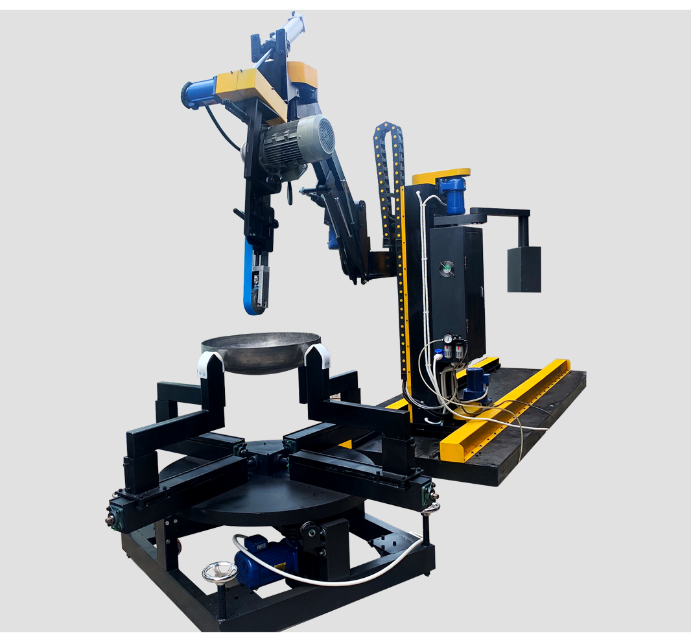
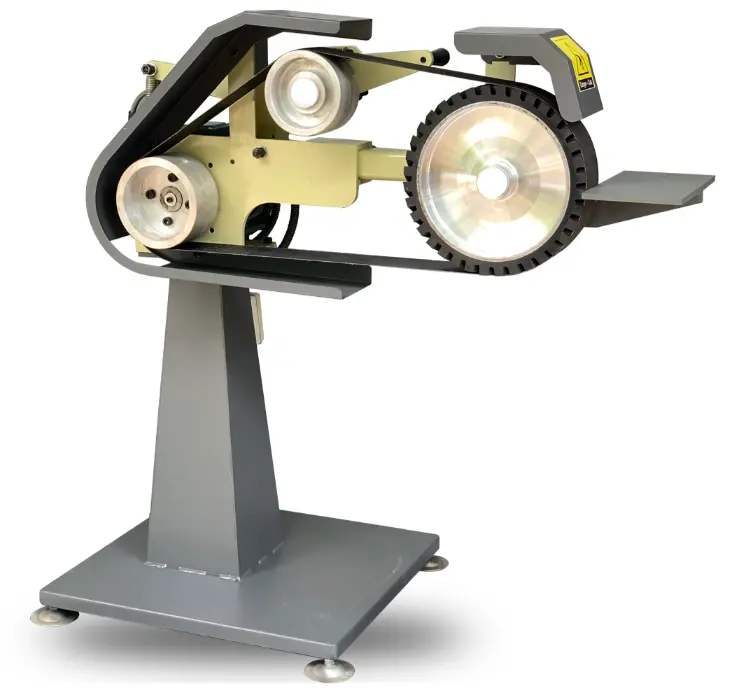
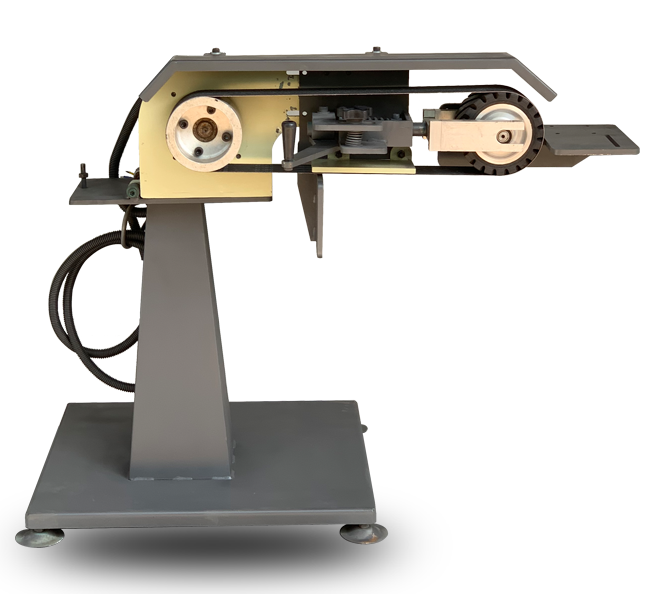
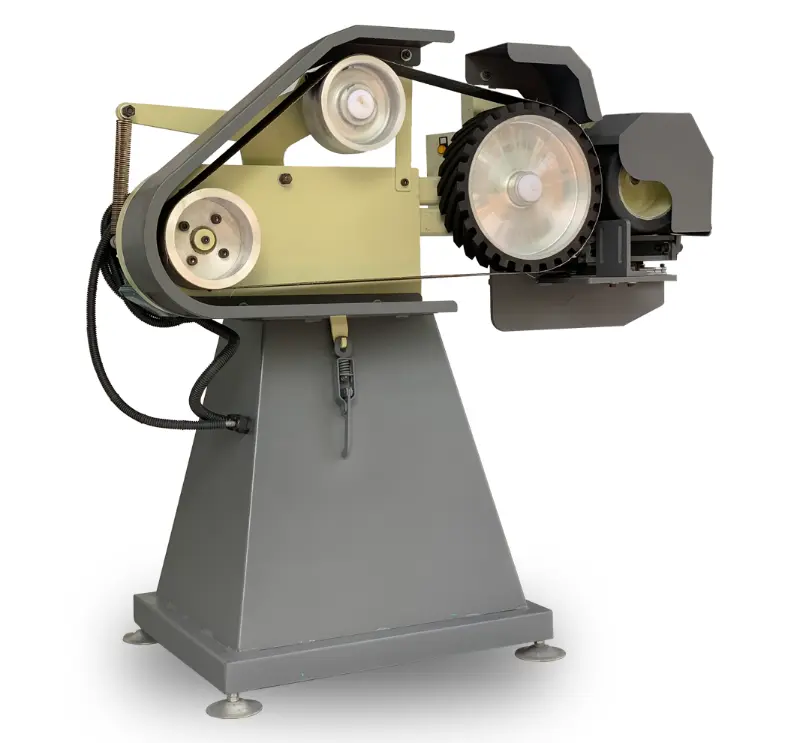
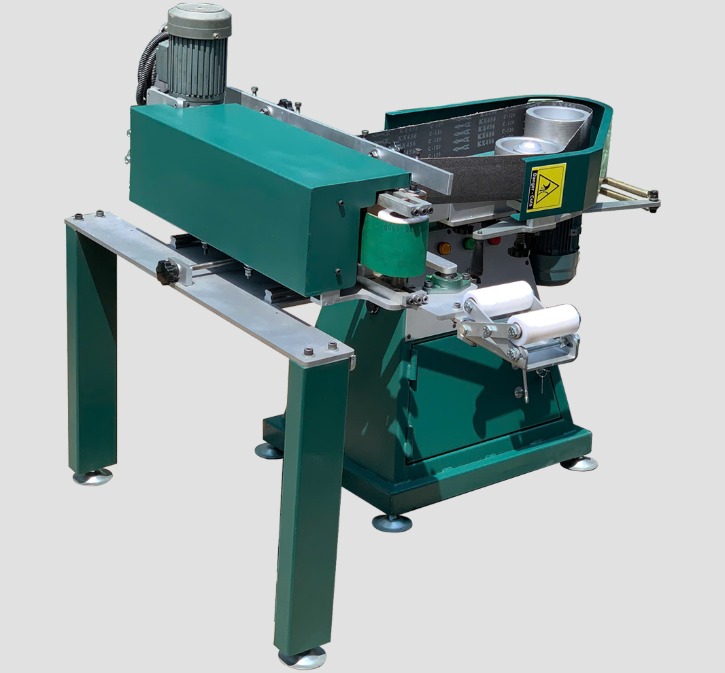
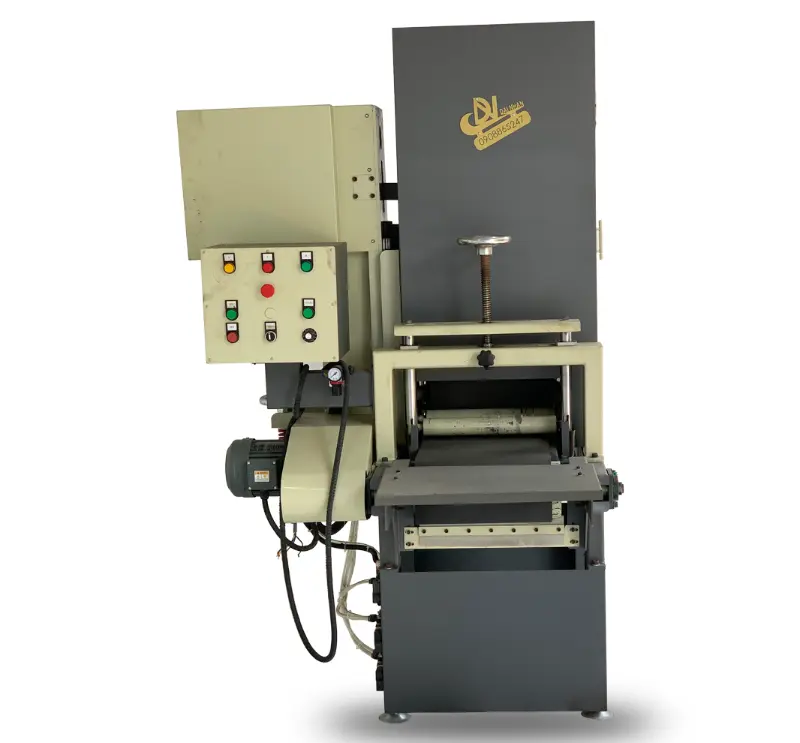
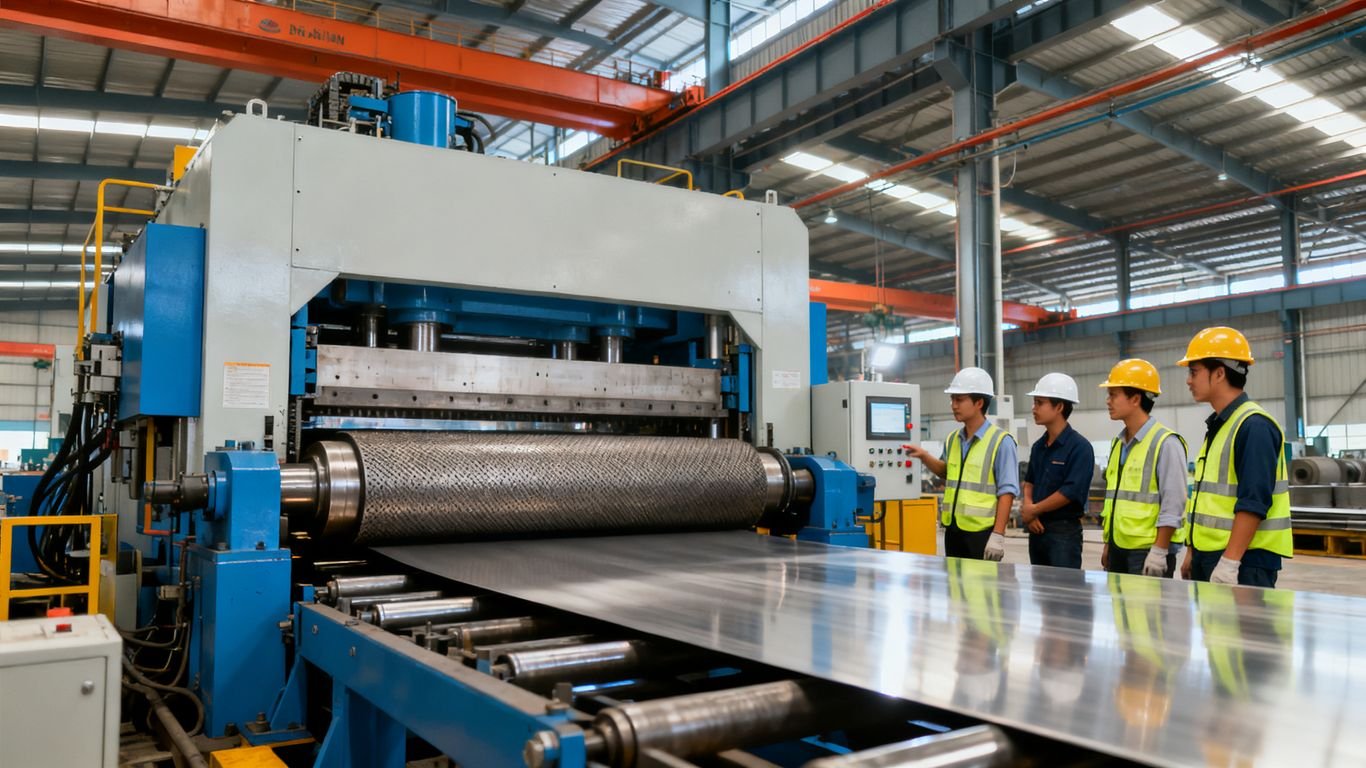
Surface preparation plays a critical role in determining the durability, bonding strength, and overall quality of industrial coatings, adhesives, and laminated materials. An OEM/ODM Plate Graining Machine is specifically designed to create uniform surface textures that enhance adhesion performance while improving the consistency of downstream manufacturing processes. As industries increasingly demand higher product quality and longer service life, effective surface treatment has become a key competitive advantage.
Unlike manual or inconsistent graining methods, an OEM/ODM Plate Graining Machine delivers precise and repeatable surface finishes across a wide range of metal materials and production volumes. By generating controlled surface roughness, manufacturers can improve the adhesion of paints, coatings, films, and bonding agents while reducing defects such as peeling, delamination, and uneven finishes.
In this article, we’ll explore how an OEM/ODM Plate Graining Machine improves industrial surface adhesion, supports modern manufacturing requirements, and helps businesses achieve higher product quality and production efficiency.
Fundamentals of surface graining for industrial applications
Surface preparation is a critical gatekeeper for high-performance industrial coatings. Utilizing a professional plate graining machine establishes a baseline for durability that chemical cleaning alone cannot attain.
How graining promotes mechanical interlocking
Mechanical interlocking occurs when coating resins flow into the micro-cavities created by abrasive graining, effectively anchoring the film to the substrate as it cures. This interlocking effect is significantly stronger than pure adhesive bonding on smooth surfaces, where the risk of delamination remains high. Proper graining transforms flat, inert surfaces into active, textured interfaces ready for long-term protection.
Relationship between surface texture and coating bond strength
Surface texture directly dictates how well a coating wets a substrate and maintains stability under thermal or mechanical stress. Achieving the correct surface finishing profile ensures that stress loads are distributed across a larger contact area. If the profile is too shallow, the coating may peel; conversely, an overly aggressive pattern might require excessive paint film thickness to achieve proper coverage, leading to potential cracking.
Common industries requiring specialized graining
Various sectors depend on controlled surface textures to meet safety and functional requirements. From food processing equipment needing sanitary-grade finishes to architectural panels that require specific light-diffusing properties, the demands on metal finishing are diverse. Manufacturers must select equipment capable of handling industrial belt and disc sanders to ensure that materials like food-grade stainless steel meet stringent finish regulations.
Avoiding common surface finish defects
Defects often stem from inconsistent belt pressure, uneven abrasive wear, or unstable feed speeds throughout the production cycle. Many shops avoid operational mistakes by maintaining strict environmental controls and using high-rigidity machinery. Ensuring that the graining process remains uniform across the entire surface of a large plate is the most effective way to prevent localized streaking or variable thickness issues.
Engineering the ideal surface profile for adhesion
Precision engineering ensures that every square inch of material matches the required specifications for bond resilience.
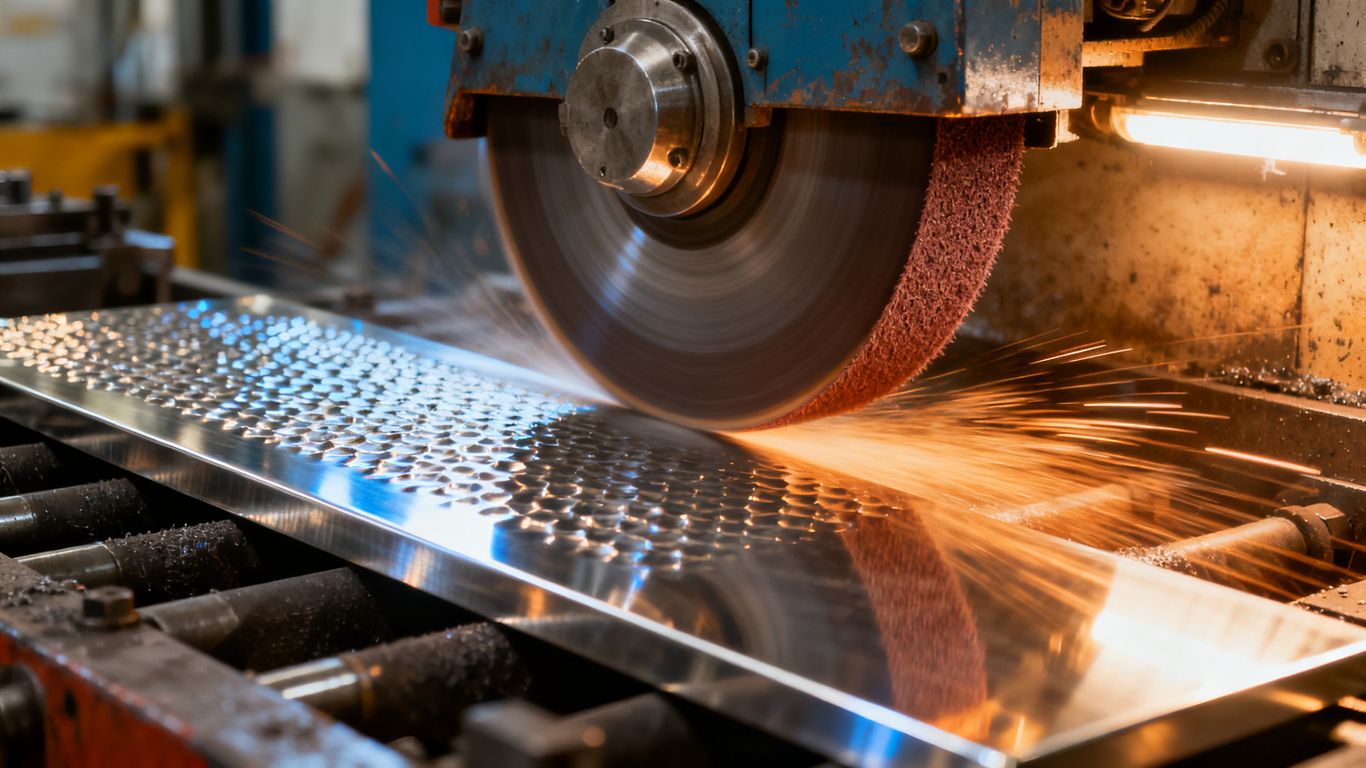
Plate Graining Machine
When engineers define the ideal profile, they are essentially designing the structural integrity of the final product.
Determining optimal Ra and Rz values for different substrates
Selecting the right Ra (arithmetic average) and Rz (peak-to-valley height) requires deep knowledge of the coating system’s viscosity and curing characteristics. A high-viscosity epoxy, for example, typically requires a coarser graining structure to ensure proper flow into the base peaks. Engineers look at these metrics to calibrate throughput accurately on a modern plate graining machine.
Directional versus non-directional grain patterns
Patterns influence both aesthetics and the physical flow of fluids across a surface. While linear, directional grains are standard for architectural paneling, non-directional patterns are preferred for parts requiring isotropic strength. Choosing the right pattern is a factor of both the abrasive belt material and the oscillation parameters set on the grinding head.
The role of abrasive grit selection in surface preparation
Selecting the correct abrasive grit is the most critical decision in setting up a graining run. A coarser grit prepares the substrate for heavy-duty adhesive applications, while finer grits provide the smooth finish necessary for decorative or sanitary needs. A proper industrial belt sander calibration makes switching between these grits efficient and repeatable.
Managing heat and residual stress during the graining process
Excessive heat can alter the surface metallurgy of thin plates, leading to warping that disrupts the entire production line. Maintaining uniform cooling flow is essential to keep the workpiece stable during heavy removal operations. It is vital to prioritize thermal management to maintain the structural integrity required for critical aerospace or automotive components.
The impact of OEM/ODM machine design on finishing precision
Precision in industrial settings is built into the frame. Manufacturers require equipment that is constructed specifically to withstand constant high-torque processing without deviation.
Importance of vibration-free CNC-engineered frames
Micro-vibrations are the enemy of consistent surface texture, especially during high-speed grinding. By leveraging custom OEM engineering for machine frames, facilities can ensure structural damping that eliminates chatter marks entirely. Choosing a dependable plate grinder from an experienced OEM partner ensures this stability is engineered in from the very first build.
Automation features for consistent contact pressure
Automation replaces the inconsistent variable of manual labor. Using load-sensing pressure systems allows a machine to compensate for subtle variations in plate thickness or metal hardness in real-time. This level of automation is essential for facilities that process large industrial manufacturing batches with low margin for error.
Customized abrasive belt configurations for diverse plate materials
Customization allows producers to handle everything from mild steel to exotic alloys by adjusting the contact wheel durometer and belt speed combinations. Having a machine that adapts its configuration is a major cost-performance, precision asset. It minimizes the need for multiple machines, allowing a single footprint to cover a wider range of specifications.
Scaling throughput with tailored machine dimensions
Tailoring the machine width and conveyor length helps the equipment integrate seamlessly into an existing floor layout. When a manufacturer designs a line for specific plate sizes, they optimize the space and energy consumption per unit processed. This kind of factory-direct sourcing results in infrastructure that is inherently efficient and scalable.
Optimizing your graining process to improve manufacturing efficiency
Efficiency gains come from viewing the entire finishing process as a singular, automated stream. Reducing manual handling stages keeps the plate moving toward completion without unnecessary downtime.
Integrating automated feeding systems for consistent results
Feeding systems that control the material entry angle and speed represent a major upgrade in quality control. By maintaining a constant feed velocity, a machine can ensure that the dwell time of the sanding belt is uniform across the entire plate length. This eliminates the edge-heavy graining that causes uneven aesthetic and bond strength.
Reducing waste through precise abrasive monitoring
Waste often occurs when a machine operator replaces belts too early or, significantly worse, too late. Implementing sensor-based monitoring allows the system to alert personnel specifically when the cutting efficiency of the abrasive drops below a predefined threshold. This data-driven approach maintains quality while extending the lifespan of every expensive abrasive belt in the inventory.
Minimizing downtime with quick-change tooling setups
Modern machinery designs prioritize rapid transitions between different project profiles. Utilizing quick-release tensioners and tool-free roller swaps allows maintenance teams to perform full changeovers in minutes rather than hours. This level of flexibility is essential for job shops shifting between small custom orders and large-scale industrial production.
Maintaining repeatability across large production batches
Repeatability requires that every machine parameter is digitally locked and monitored for drifts during a run. The high-performance industrial belt sanders used in top-tier facilities excel by recording these settings for every order type. This, combined with standardized maintenance intervals, guarantees that a plate processed today looks and performs identically to one finished months later.
Partnering with a custom manufacturer for specialized requirements
Working directly with an equipment designer simplifies the complex process of installing heavy-duty finishing lines. Direct communication ensures that the end-user requirements for power, dimensions, and precision are fully captured in the final build.
Benefits of direct-to-factory engineering for machine customization
Direct collaboration allows engineering teams from both sides to troubleshoot technical challenges before any steel is welded. This approach provides unique opportunities for industrial equipment manufacturing improvements that standard machines rarely offer. It transforms the relationship from a simple transaction into a long-term technical partnership.
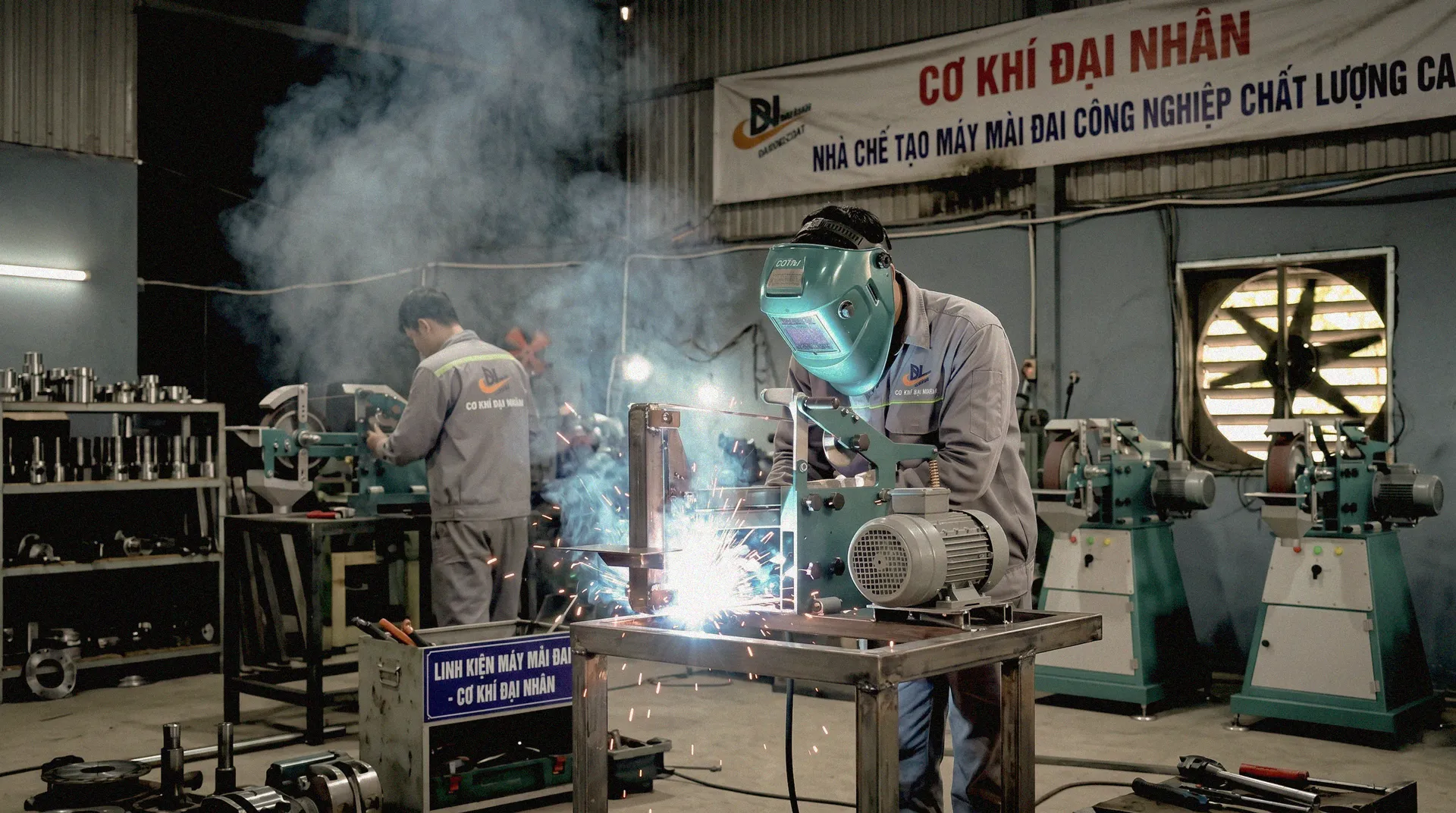
Benefits of direct-to-factory engineering for machine customization
Addressing logistical and tariff considerations in global sourcing
Choosing a manufacturer based in a trade-friendly region provides significant budgetary advantages. Global sourcing strategies are most effective when they leverage direct factory sourcing to avoid the intermediary markups inherent in other markets. It is an effective way to balance high-standard international quality with manageable procurement costs.
Ensuring long-term technical support and spare part availability
Equipment requires reliable support to maintain a 10-year plus life cycle. Partnering with a manufacturer that controls its own supply chain ensures that proprietary parts are always available when needed. This stability provides peace of mind for buyers who need the uptime to meet their own customer delivery schedules.
Troubleshooting and quality control in large-scale plate finishing
Maintenance is not just about repairs; it is about calibrating for consistency. Even the most robust plate graining machine requires careful observation to prevent minor imperfections from becoming costly batch rejects.
Detecting inconsistent grain patterns during high-speed production
Inconsistent patterns frequently indicate a build-up of material on the abrasive surface or slight oscillations in the conveyor belt alignment. Many operators utilize high-speed optical inspection systems that can identify these issues in real-time. Detecting a slight shift in pattern before it affects hundreds of pieces is the key to maintaining a high-quality production flow.
Balancing material removal rates with uniform surface finish
Striking the balance between speed and precision is the mark of an expert operator. If a plate arrives with significant mill scale, a two-stage approach—coarse grinding followed by a fine finishing pass—is often necessary to ensure the final finish is uniform. This process keeps the surface integrity high while achieving the desired aesthetic appearance.
| Process Step | Goal | Machine Setting | Requirement |
|---|---|---|---|
| Primary Grinding | Remove Scale | High Pressure | Low Feed Rate |
| Secondary Finishing | Surface Finish | Low Pressure | High Feed Rate |
| Final Polishing | Uniform Texture | Minimal Pressure | Consistent Speed |
Maintaining the balance requires specific attention to how the machine regulates pressure across varying material thicknesses.
Managing coolant flow to enhance abrasive lifespan
Coolants serve a dual purpose: they wash away swarf that dulls abrasives and prevent thermal expansion. The most successful graining lines feature integrated, high-capacity filtration systems that keep the coolant clean. Clean coolant directly correlates to longer abrasive life and a more consistent industrial finishing outcome for the client.
Calibrating contact rollers to maintain structural integrity
Contact rollers are the heart of the plate grinding machine. When rollers lose their true shape, they create irregular pressure points that destroy the uniformity of the finish. Regular calibration cycles are mandatory to ensure that the rollers remain concentric and that the pressure is evenly distributed. Proper maintenance also prevents industrial belt sander component degradation over long operating intervals.
Partner With a Manufacturer Built for Custom Requirements – Dai Nhan Machinery
Standard equipment does not always fit specialized production needs. Dai Nhan Machinery works directly with industrial customers to develop customized grinding, sanding, and surface finishing machinery designed for long-term reliability and seamless integration into existing production lines. Talk to Dai Nhan Machineryabout your application and start developing a machine solution tailored to your factory.
Conclusion
Investing in a high-quality plate graining machine is a strategic decision that bridges the gap between raw sheet material and a finished product that lasts. By leveraging bespoke engineering and robust, vibration-free designs from a dedicated partner like Dai Nhan Machinery, manufacturers gain the reliability needed to meet global standards. Consistent surface preparation remains the most effective method for ensuring long-term product success, and the right equipment makes this a seamless part of every production workflow.
Read more: What to Look for in a High-Volume Tube Polishing Machine Manufacturer


BOLA BAG's BLOG YOU MAY ALSO BE INTERESTED IN
The ROI of Integrating Export-Standard Industrial Plate Grinder
How Is Square Tubing Made? Inside the Roll Forming, Welding, and Finishing Process
How to Change Grinder Belt Without Wrecking the Tracking