


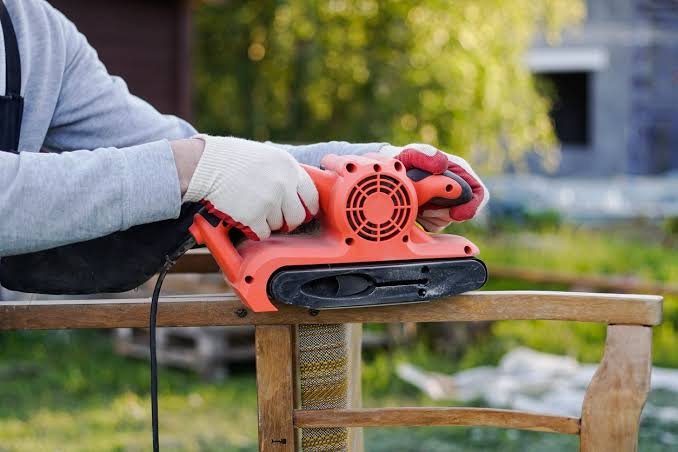
Type the word into a search bar and you get a road truck that spreads grit on ice, a Dutch first name and a power tool, all under the same heading. In a workshop there is no confusion. Ask what is sander on a building site or a factory floor and the answer is a machine that rubs an abrasive against a surface, fast, to make it smooth, flat or clean. The interesting part is how many different machines share that one name. A palm sized tool for smoothing a drawer front and a machine wide enough to swallow a door are both sanders. This guide explains what the tool is, how it works, the main types and what each is for, and how to choose between them.
What Is Sander in Plain Words
A sander is a power tool that smooths a surface by rubbing it with sandpaper. Every sander has two parts that matter: something that holds the abrasive, and a motor that moves it quickly. Most woodworking sanders run on electricity, while many used in car body shops run on compressed air.
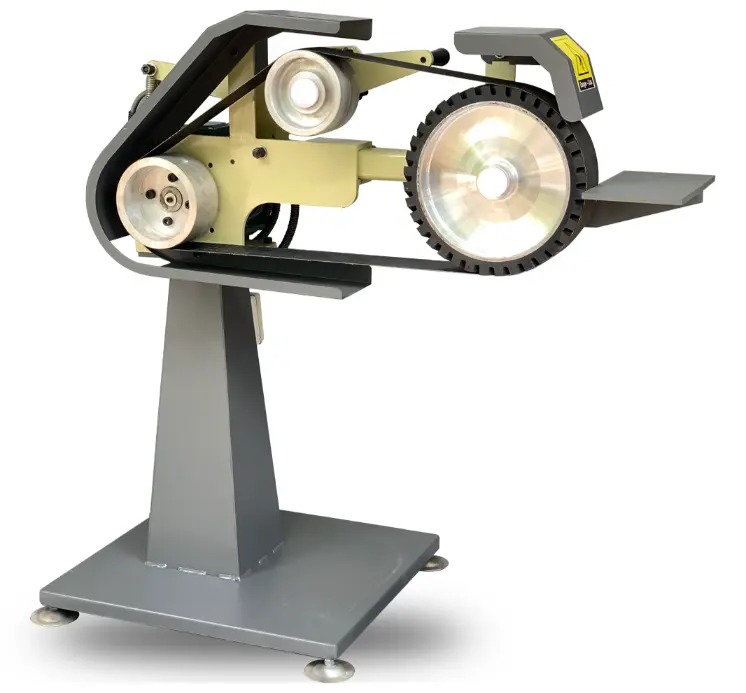
Belt Sander
What changes from one type to the next is how the abrasive moves. It can travel in a straight line as a belt, spin as a disc, vibrate in tiny circles or turn as a drum. That movement decides how much material the tool removes, how smooth a surface it leaves and what shapes it can reach, which is why a workshop usually owns more than one.
The Main Types of Sander and What Each One Does
There are more than a dozen kinds of sander, but six cover almost every job in a home workshop or a small factory.
Belt Sander for Taking Off a Lot of Material Fast
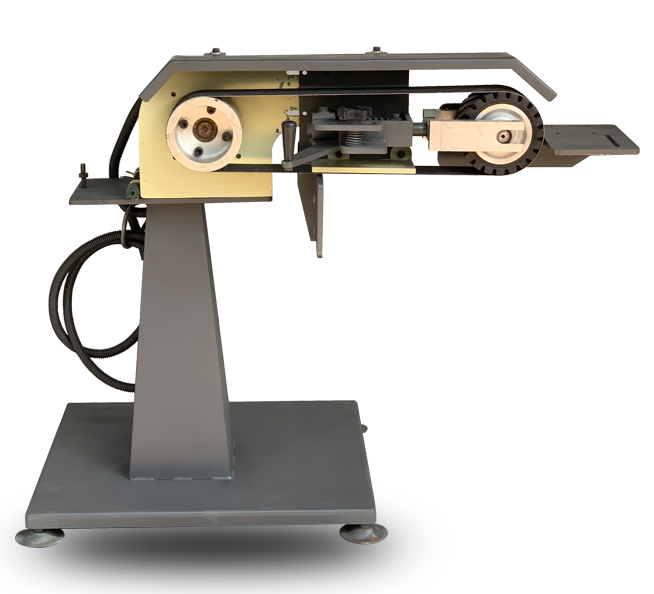
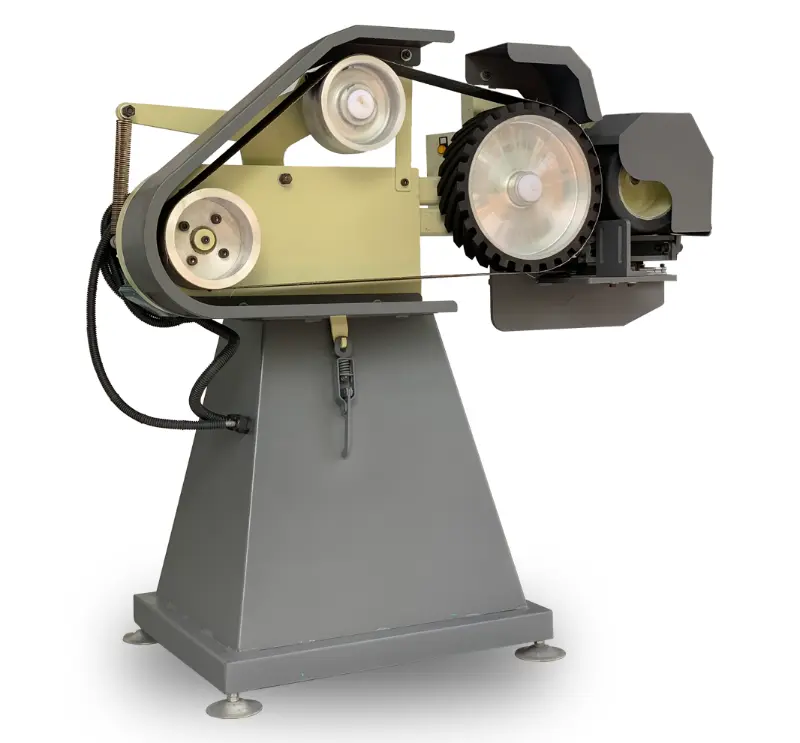
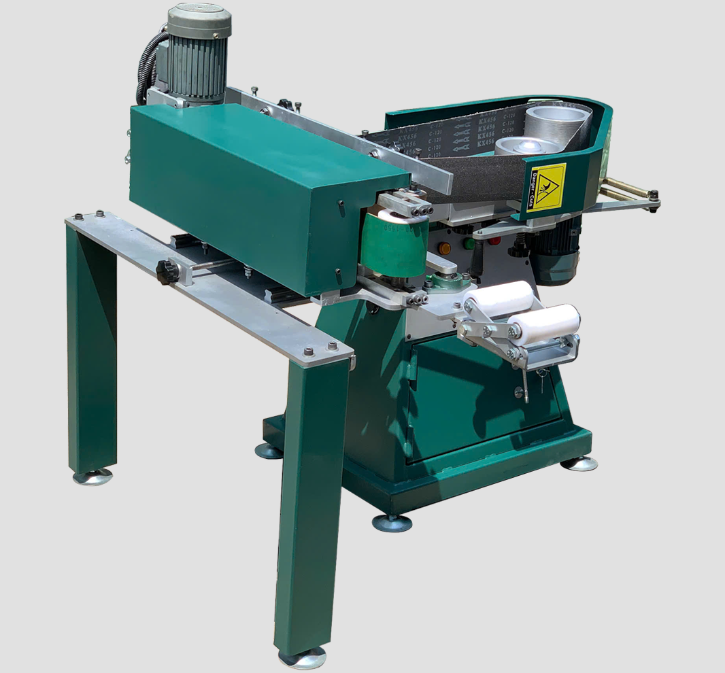
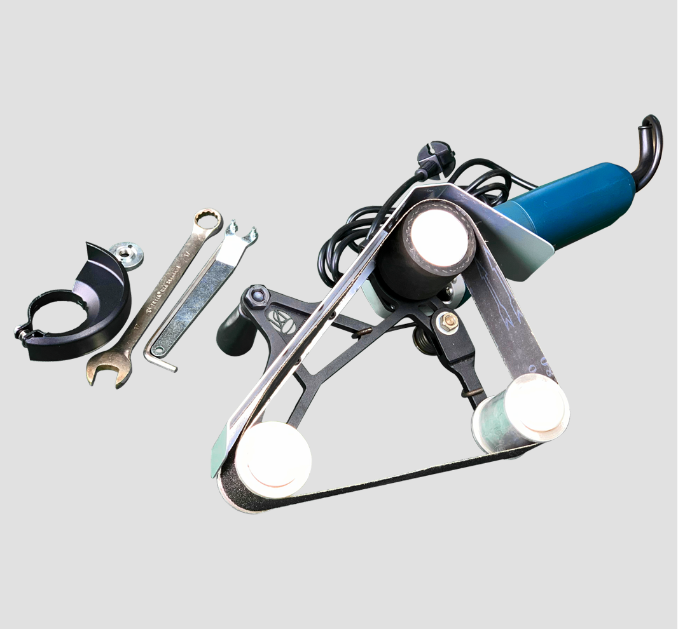
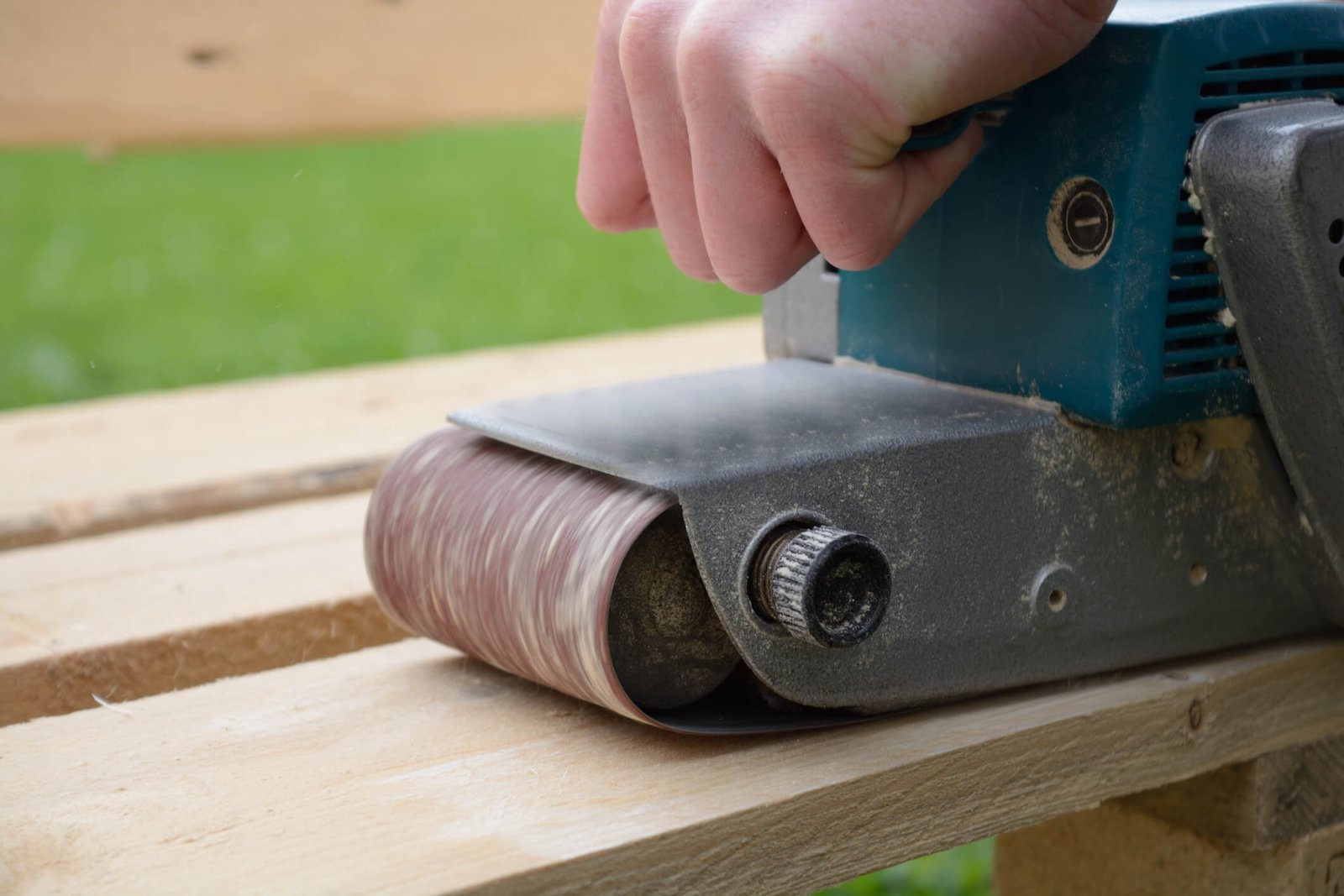
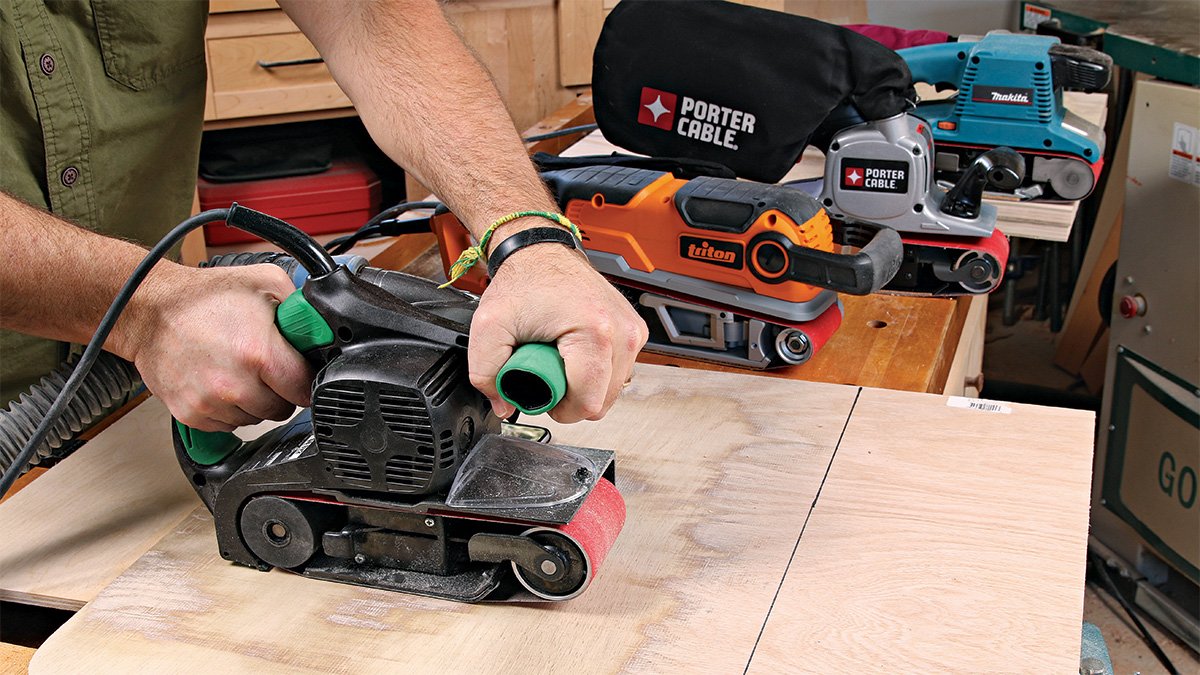
A loop of abrasive belt runs around two rollers in one direction. It is the most aggressive sander, used for flattening rough boards, stripping paint and shaping edges. The jobs in what are belt sanders used for all come down to that speed.
Orbital Sander for Smooth Surfaces Before Finishing
A flat pad vibrates in very small circles. It removes little material and leaves a smooth surface, which makes it the usual choice for the last sanding before paint or varnish. Square pad versions take ordinary sheets of sandpaper cut to size.
Random Orbital Sander as the All Round Choice
A round pad spins and vibrates at the same time, so no grain follows the same path twice. It leaves fewer visible scratches than a plain orbital sander and removes material faster, which is why most people buy one first.
Detail Sander for Corners and Tight Spaces
A small triangular head vibrates on the end of a compact body. It reaches into corners, between chair rails and along window frames where no other sander fits.
Disc Sander for Shaping Small Parts on a Bench
A round abrasive disc spins on a fixed machine with a small table in front. The part is held on the table and pushed against the disc, which suits squaring ends, rounding corners and sanding to a line. It is often built into the same machine as a bench belt sander.
Drum and Wide Belt Sanders for Whole Panels
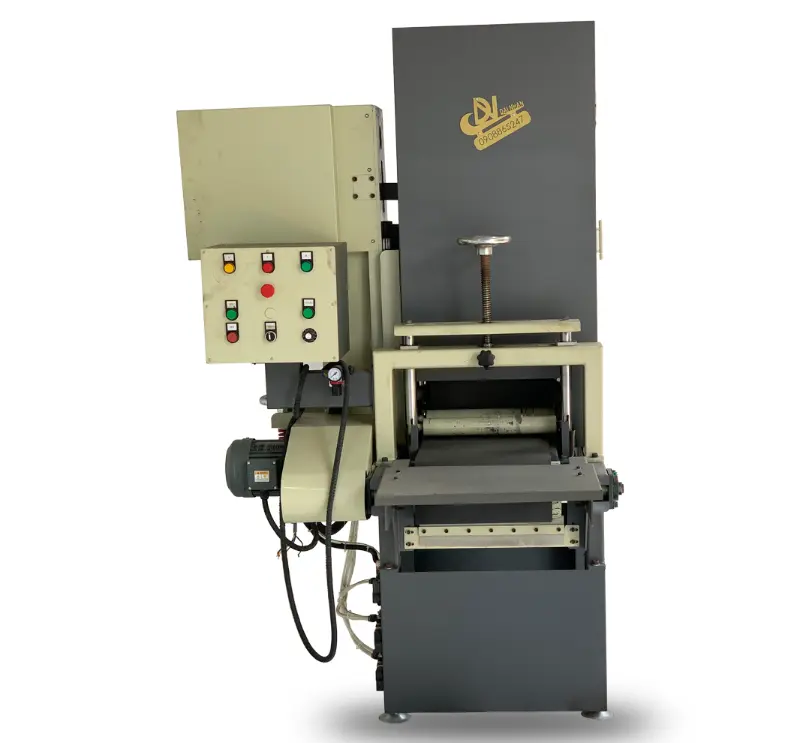
Large fixed machines feed a board under a turning drum or a wide abrasive belt and sand its full width in one pass. Furniture and cabinet factories use them to bring every panel to the same thickness and smoothness.
What a Sander Is Used For
Whatever the type, sanders do four kinds of work. They smooth a surface so paint, stain or varnish goes on evenly. They level it, taking down high spots, ridges and glue lines. They strip it, removing old paint, rust and finish. And they shape it, rounding corners and fitting parts to size.
Belt Sanders For Woodworkers
Wood is the most common material, but sanders are also used on metal, plastic, filler and plaster, each with an abrasive chosen for the job. Car body shops use them to feather filler and key paint, and plasterers run them along walls and ceilings between coats.
How to Choose the Right Sander for a Job
Three questions narrow the choice quickly.
How Much Material Has to Come Off
For a lot of material, such as rough boards or thick old paint, start with a belt sander. For a light smoothing between coats, an orbital or random orbital sander is enough. Using a gentle sander for heavy work wastes hours; using an aggressive one for fine work ruins the surface. Most jobs use two tools in turn: a coarse step and a fine one.
How Big and What Shape the Surface Is
Large flat surfaces suit belt and random orbital sanders. Corners and narrow strips need a detail sander. Small parts are easier to take to a bench sander than to clamp and sand by hand.
Whether the Work Is Wood or Metal
Most handheld sanders are built for wood. Metal needs tougher abrasives, lower heat and a machine that tolerates sparks and steel dust. For regular metal work, an industrial belt sander for metal or a belt grinder is the right tool, not a woodworking sander with a different belt.
Sander or Grinder: Where the Line Falls
The two words overlap. A sander smooths and finishes; a grinder removes metal and shapes it. In practice the difference is power, speed and the abrasive fitted. A belt machine with a modest motor and a wood belt is a sander. The same layout with a strong motor, a hard contact wheel and a ceramic belt is a grinder, which is the short answer to what is a belt grinder. Metal shops use the second, and many call both by the same name.
Conclusion
So what is sander? It is a power tool that moves an abrasive quickly over a surface to smooth, level, strip or shape it. Belt sanders remove the most, orbital and random orbital sanders leave the finest surface, detail sanders reach corners, and disc, drum and wide belt sanders do fixed work on a bench or a production line. Choose by how much material must come off, the size and shape of the surface and whether the work is wood or metal.
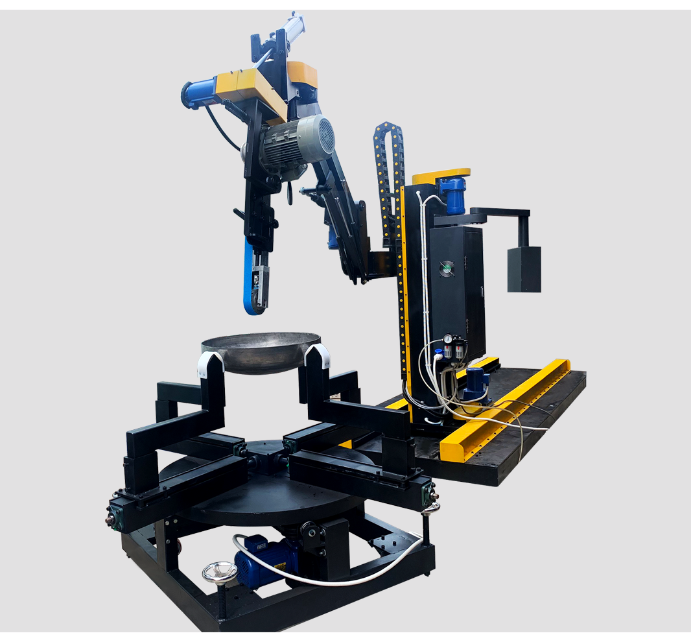
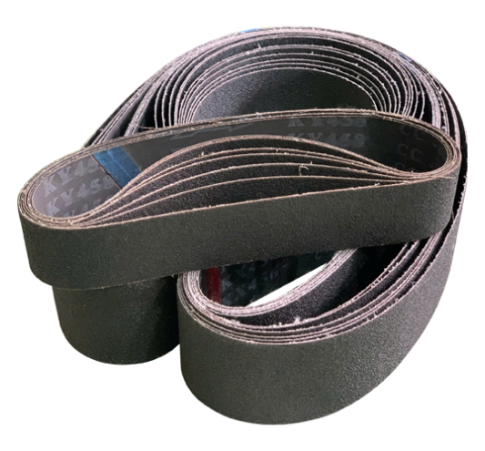
When sanding means hundreds of metal parts a shift rather than one tabletop, Dai Nhan Machinery builds industrial belt sanders and grinders in Vietnam for production metalworking, with custom sanding belts to match. Browse the range on Our Machines page, or tell our engineering team what you sand and how many parts a shift and we will suggest a setup.
Read more: What Tools Are Needed for Metal Fabrication? A Practical Overview


BOLA BAG's BLOG YOU MAY ALSO BE INTERESTED IN
What Belt Sander for Knife Making? How to Choose Between 1×30, 2×42 and 2×72 Machines
A Sourcing Guide to Belt Grinder Machine Manufacturers for International Distributors
What Is a Belt Sander Used For? Jobs It Does Well and Jobs Better Left to Other Tools