


Every sander can sand. The interesting question is where a belt sander wins outright, and the answer is narrower and more useful than the long lists of everything it can touch. Ask a floor fitter, a furniture maker and a knife maker what are belt sanders best for and they give the same answer in different words: taking a lot of material off a flat surface, fast, in a straight line. This article names the five jobs where a belt sander beats every other sander in the shop, the two jobs where it beats tools that are not sanders at all, which size of machine suits each, and the handful of things it is genuinely bad at.
What Are Belt Sanders Best For Compared With Every Other Sander
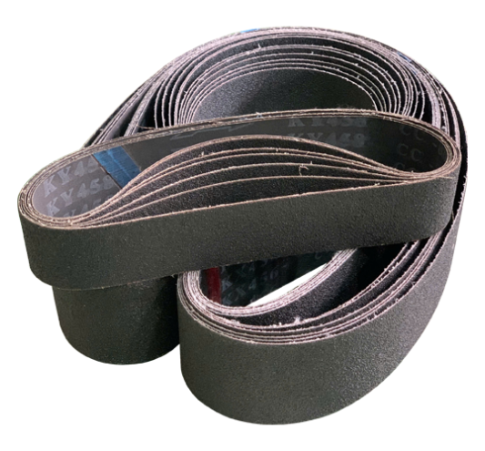
Orbital, random orbit, sheet, disc and detail sanders all remove material by scrubbing in small circles. A belt sander removes it in a straight line with a continuous loop of abrasive, and that one difference decides everything it is best at.
Taking Off a Lot of Wood Fast
A belt sander with a 40 grit belt takes a millimetre off a board in a few passes. A random orbit sander with the same grit takes twenty minutes to do the same and clogs on the way. For rough boards, thick old finish and anything that has to lose real thickness, the belt sander is not just faster, it is the only handheld tool that makes the job practical.
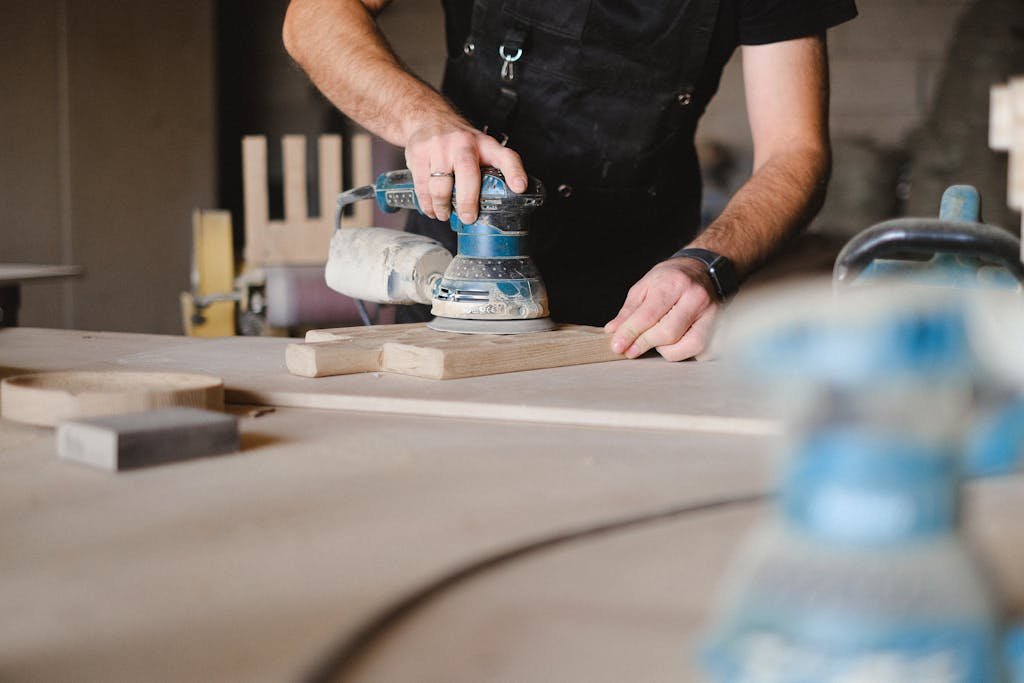
Sanding With the Grain on Long Boards and Table Tops
Because the belt runs in one direction, it can be run along the grain, and a coarse belt used that way leaves scratches that disappear under the next grit rather than the swirls an orbital leaves.
Belt Sander
On a long table top, a bench seat or a run of floorboards, that is why professionals level with a belt and only finish with an orbital.
Flattening Glued Up Panels and Doors and Anything That Must Be Straight
A belt sander with a long flat platen bridges high spots and knocks them down before touching the low ones, which is what flattening means. Orbital sanders follow the surface and make a wavy board smooth and still wavy. For a glued up panel, a door that binds or a worktop joint, the belt sander is the tool that fixes the shape rather than the texture.
Stripping Paint and Varnish Down to Bare Wood
Thick finish loads fine abrasive instantly. A coarse belt cuts through it, throws the waste behind the machine and keeps cutting, and it takes the top layer of grey wood with it so the surface is ready to refinish. Chemical strippers and heat guns are slower and messier on anything flat.
Shaping Small Parts With the Sander Fixed Upside Down
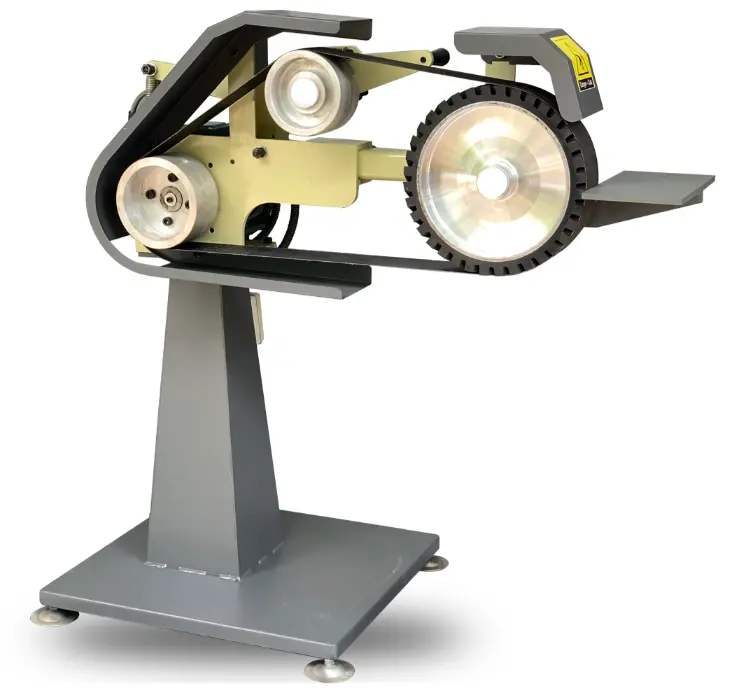
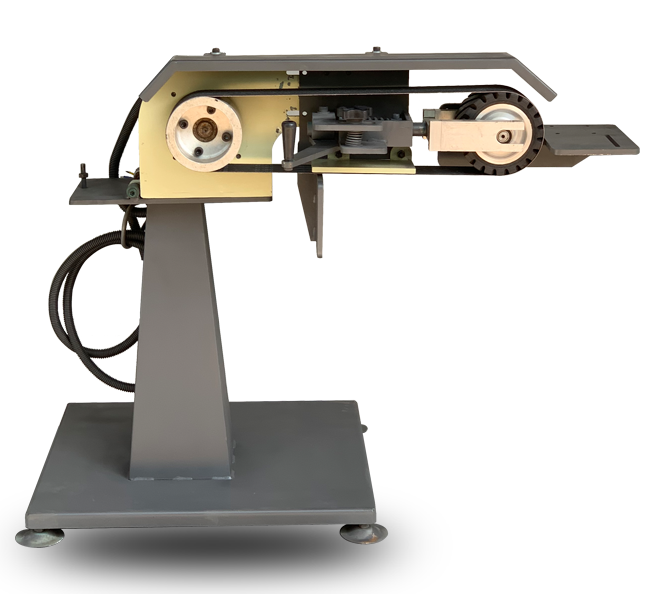
Turned on its back or fixed in a stand, a belt sander becomes a small linisher, and bringing wood or metal to a moving belt is the fastest way to trim to a scribed line, round a corner or fit an edge. The steps for setting one up safely and using it that way are the core of how to use a belt sander step by step, and the stand is the accessory most owners wish they had bought first.
Where a Belt Sander Beats Tools That Are Not Sanders
Two of the belt sander’s best jobs take work from tools with different names, and both are worth knowing.
Belt Sander Versus Planer on Wood With Wild Grain
A thickness planer tears out figured, knotty or reversing grain because its knives lift the fibres. A belt sander cuts the fibres off instead, so on a board of curly maple or a slab with wild grain it flattens what a planer would wreck. Slower, but the board survives.
Belt Sander Versus Angle Grinder on Steel
Whether can you use a belt sander on metal at all is the first question, and with a metal belt and a machine rated for it the answer is yes. A belt sander then beats an angle grinder on any flat steel surface, because the platen keeps it flat and the belt does not dig in. Deburring bar ends, removing mill scale from plate and blending a weld flush all come out flatter and cooler from a belt.
Which Belt Sander Is Best for Each of Those Jobs
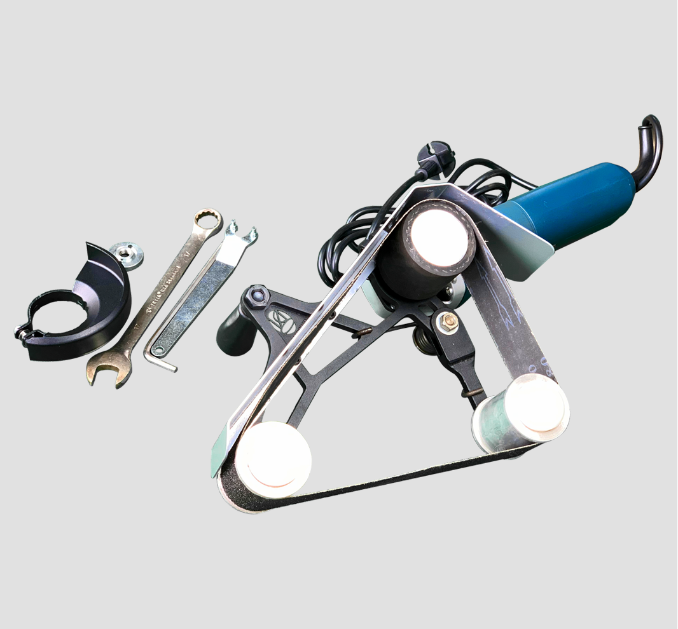
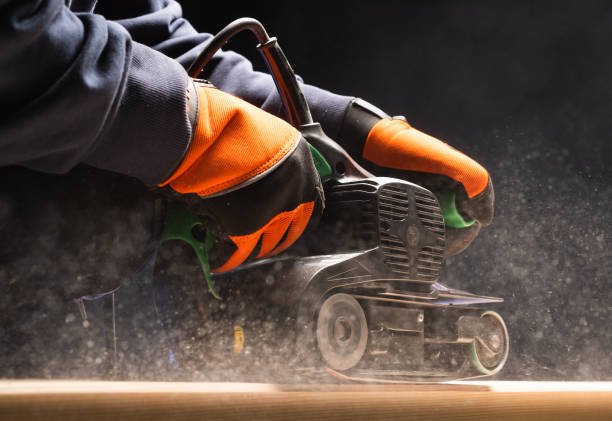
Which belt sander is best depends entirely on which of the jobs above it is for. A handheld 3×21 or 4×24 is best for floors, doors and worktops, because the work cannot come to the bench.
Belt Sander
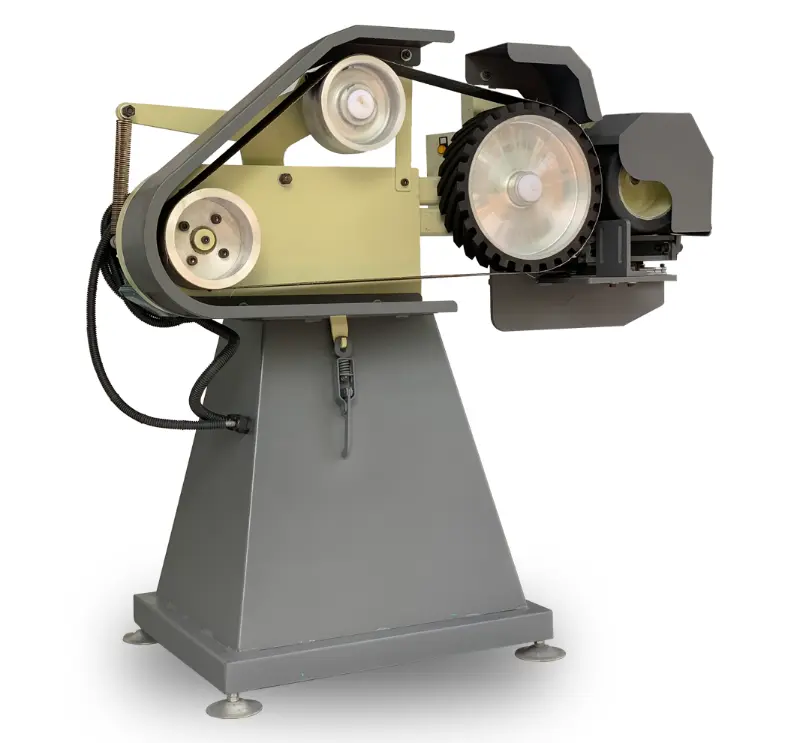
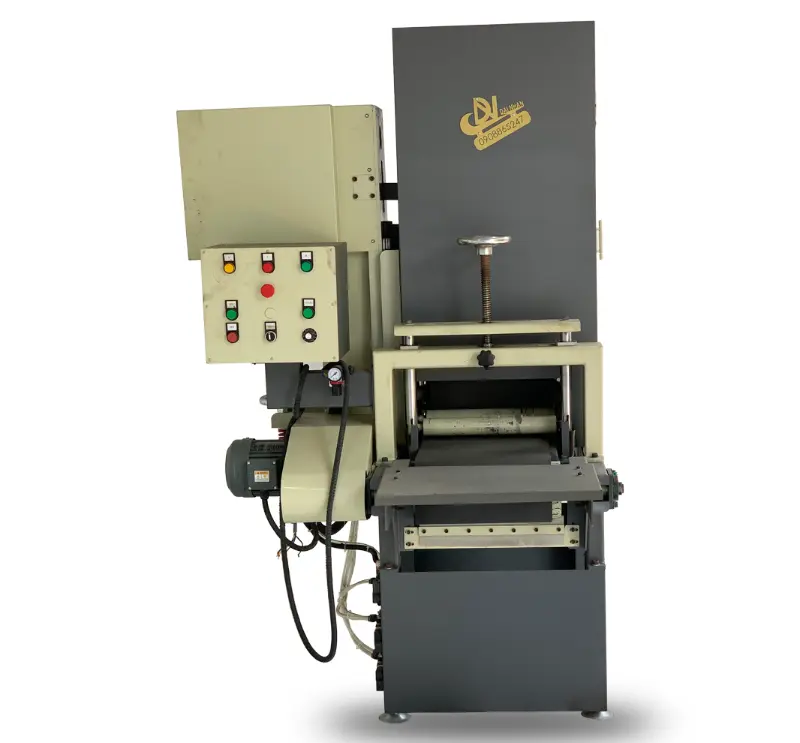
A 4×36 or 6×48 bench machine with a disc is best for shaping, trimming and deburring small parts, because the hands are free to move the work. A 2×72 belt grinder is best for knife bevels and any metal shaping that needs a rigid platen and variable speed. And a wide belt or plate machine with a conveyor is best when the same job has to be done to hundreds of panels or plates a day. Owning the wrong size is the most common reason a belt sander disappoints, and it is almost never the tool’s fault.
What Belt Sanders Are Worst At
Honesty about the weaknesses makes the strengths easier to trust. A belt sander is worst at the final finish, because it always leaves straight scratches that need an orbital sander at a finer grit to remove. It is worst at inside corners and anything the flat belt cannot reach. It is worst at thin material, since veneer and thin sheet vanish in seconds. And it is worst in the hands of anyone who lets it stop moving on the surface, because a stationary belt sander digs a hollow before the operator notices. The tool test results and the technique notes in Fine Woodworking’s belt sander test make the same point, and the machines that score best are the ones with a flat platen and good tracking rather than the most power.
When the Job Outgrows the Sander
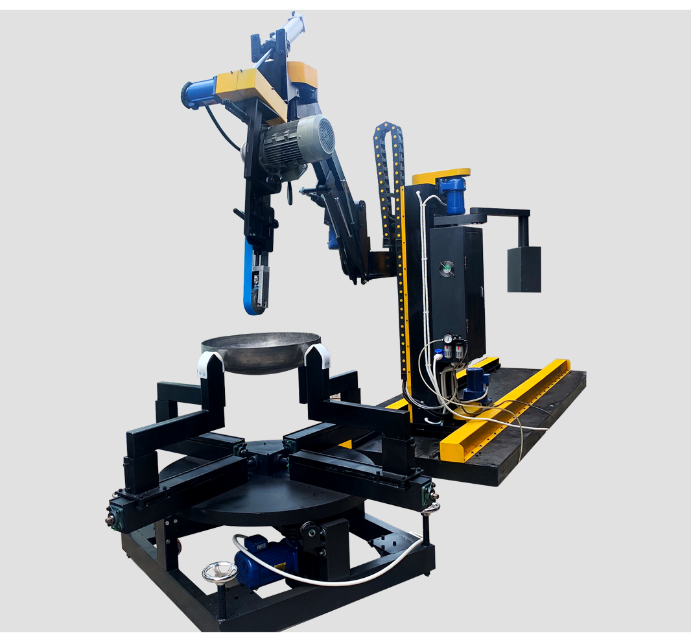
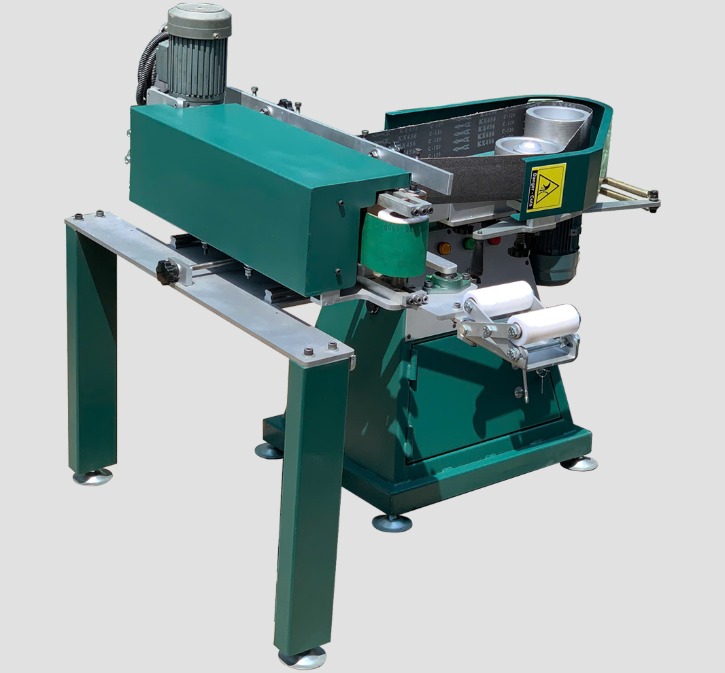
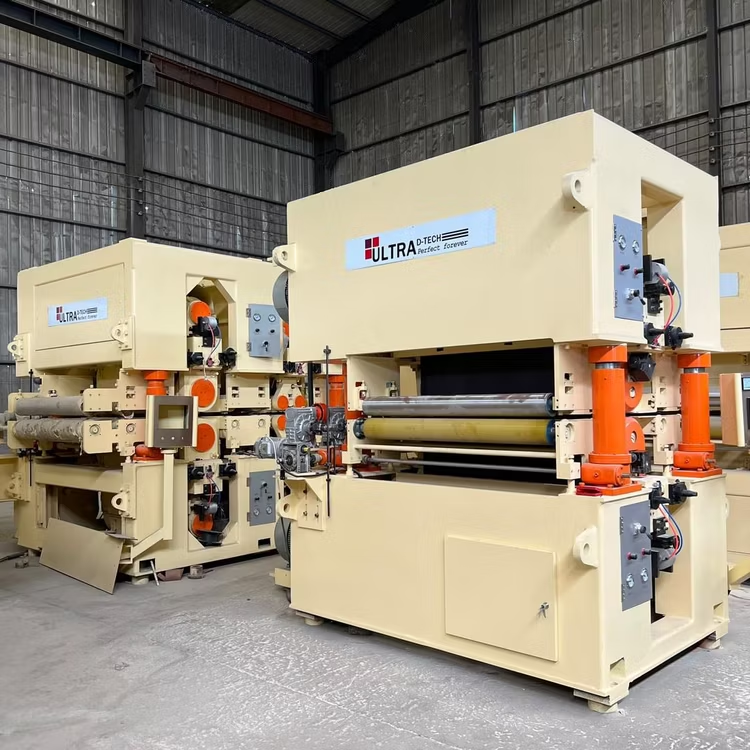
The five jobs above are where a belt sander wins in a shop that makes one of something. The moment a shop makes two hundred of something, the same jobs move to a machine that does them without an operator holding it: a wide belt sander for panels, an industrial belt grinder for metal for deburring and finishing steel, and a plate grinder for anything flat and heavy. The abrasive belt is the same. The frame, the motor and the extraction are what change, and choosing them is a different conversation from picking a handheld off a shelf.
Conclusion
What are belt sanders best for? Fast stock removal, sanding with the grain on long boards, flattening glue ups and doors, stripping finish to bare wood and shaping to a line with the sander held still. They beat a planer on figured wood and an angle grinder on flat steel. Choose a handheld for floors and doors, a bench machine for shaping and deburring, a 2×72 grinder for blades and a wide belt or plate machine for production. Keep them away from the final finish, inside corners and anything thin, and never let one stop moving on the work.
When flattening, deburring and finishing become a production job, Dai Nhan Machinery builds industrial belt sanders and grinders in Vietnam for metalworking factories worldwide. Browse the range on Our Machines, or tell our engineering team what you finish and how many a shift and we will suggest a machine.
Read more: How to Sand With a Belt Sander: A Practical Guide for Clean, Even Results


BOLA BAG's BLOG YOU MAY ALSO BE INTERESTED IN
Why Global Manufacturers Invest in Heavy-Duty Industrial Belt Disc Sander
Do Belt Sanders Work on Metal? Here’s What We Found
The ROI of Integrating Export-Standard Industrial Plate Grinder