


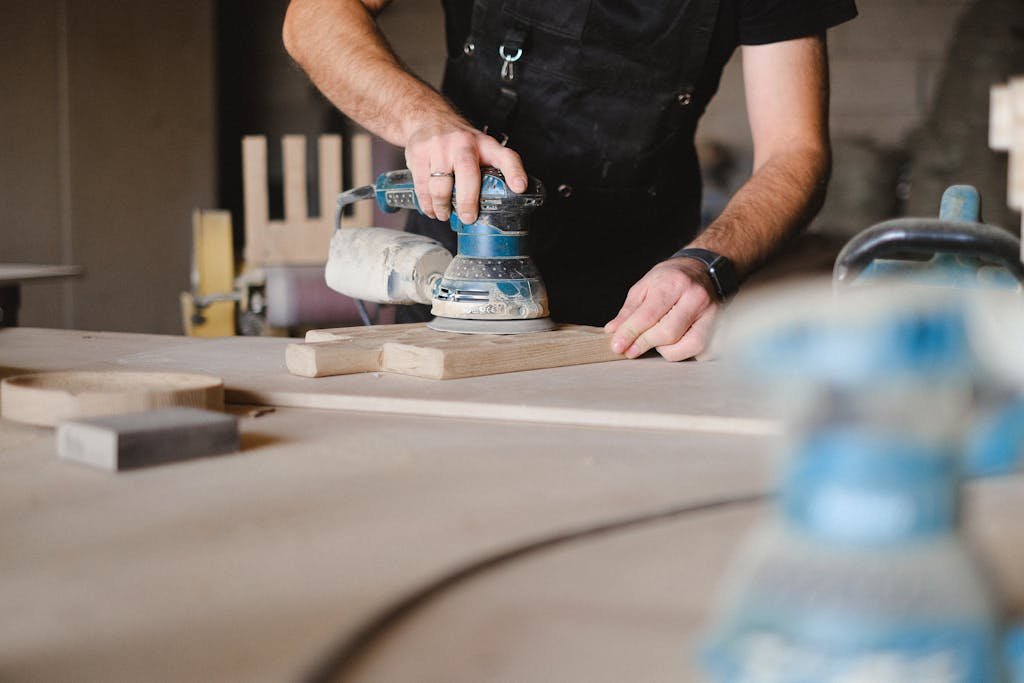
A belt sander is the tool people buy for one job and then keep for twenty. The first job is usually a door that will not close or a table top that arrived as rough boards, and the tool does it in minutes where a sheet of sandpaper would take an afternoon. So what are belt sanders used for beyond that? The honest list runs from stripping paint off a floor to grinding the bevel on a knife, and it splits neatly between wood, where the belt sander is a levelling tool, and metal, where it becomes a grinder. This article goes through the nine jobs, the three sizes of machine that do them, and the two things a belt sander should never be asked to do.
What Are Belt Sanders Used For on Wood
Wood is where the belt sander started and where most of them still work. A continuous loop of abrasive running in one direction removes material fast and, unlike an orbital sander, can be run along the grain, so even coarse grits leave a surface that looks right.
Levelling and Flattening Rough Boards and Glued Up Panels
The first job for any belt sander is taking a surface down to flat. Rough sawn boards, a table top glued up from six planks that do not quite meet, a replacement floorboard sitting proud of its neighbours. A 40 or 60 grit belt run diagonally across the joints and then along the grain does in ten minutes what a hand plane does in an hour. The technique, from how much pressure to use to why the sander must be moving before it touches the wood, is the whole of how to sand with a belt sander without leaving gouges.
Stripping Paint and Old Finish From Floors and Furniture
Anyone asking whether a belt sander is good for removing paint gets a clear yes. Thick varnish, layers of old gloss and blackened floor finish come off with a coarse belt faster than with any chemical stripper, and the belt takes the wood underneath down to clean grain at the same time. The only caution is lead paint on old houses, which should be tested before any sanding.
Trimming to a Line and Shaping Curves
Clamped on its back or fixed in a stand, a belt sander becomes a small shaping machine. Scribed lines on kitchen worktops, the curve on a chair leg, the rounded ends of a bench slat and the fit of a door edge are all done by bringing the wood to the belt rather than the belt to the wood.
What Belt Sanders Are Used For on Metal
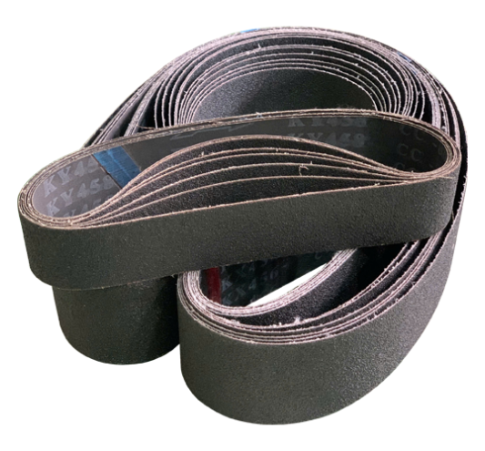
Put a metal belt on the same machine and it stops being a sander and becomes a grinder, which is how most small fabrication shops and every knife maker uses one. Whether a wood machine can do this at all is a fair question, and the honest answer to whether do belt sanders work on metal depends on the belt, the speed and how long you expect the motor to last.
Smoothing Sharp Cut Edges and Squaring the Ends of Bars
Every saw cut and every cut off disc leaves a burr. A bench belt sander with a zirconia belt removes it in one pass and squares the end of the bar at the same time. In a production shop this is the single most common job a belt machine does, hundreds of times a shift.
Removing Rust and Factory Scale Before Painting or Welding
Hot rolled steel arrives covered in blue grey mill scale, and old steel arrives covered in rust. Both have to come off before welding or painting, and a belt sander does it faster and flatter than an angle grinder with a flap disc, especially on flat bar and plate.
Grinding Knife Edges and Shapes for Knife Making
Ask what belt sander for knife making is worth buying and the answer is a 2×72 belt grinder, which is a belt sander built rigid enough to hold a flat bevel. Profiling the blank, grinding the bevels, finishing the flats and sharpening are all done on the same belt, changing grit as the work gets finer.
The Three Sizes of Belt Sander and Who Uses Each
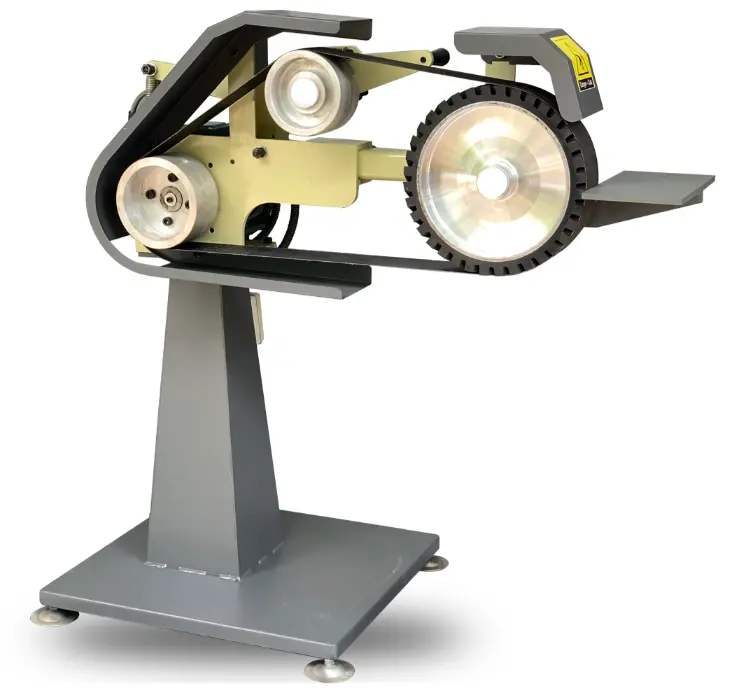
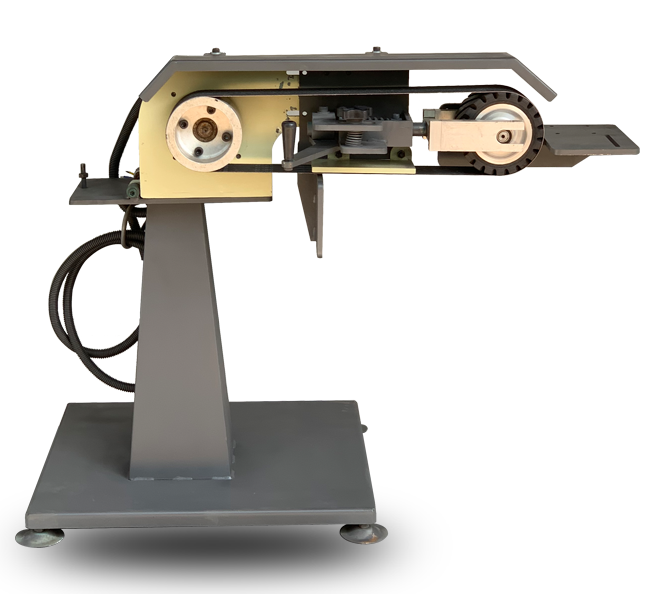
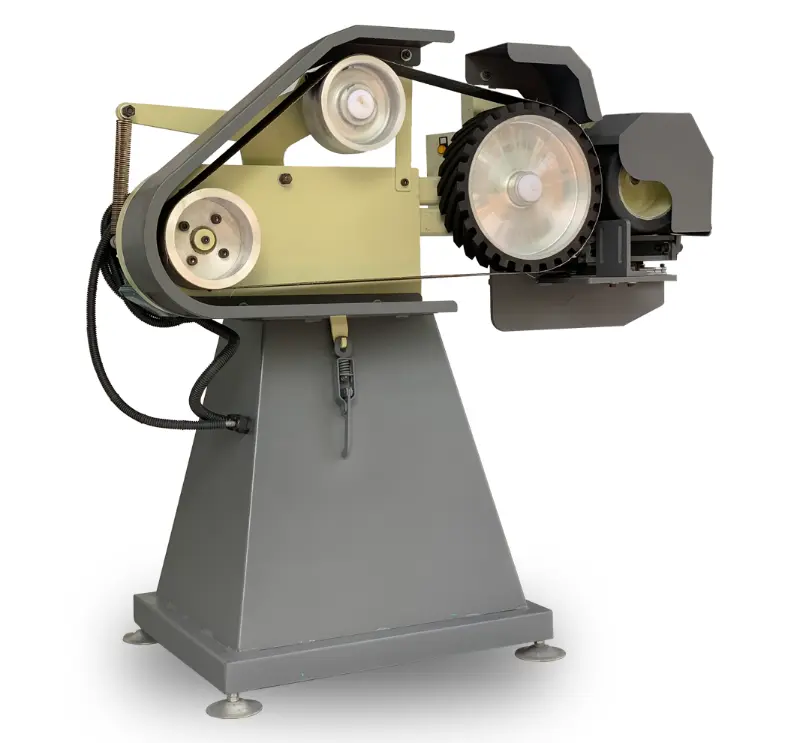
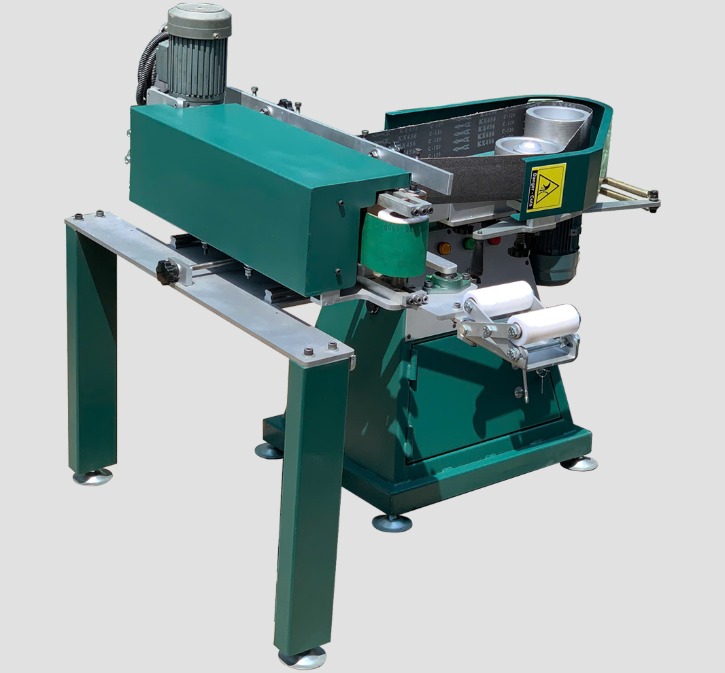
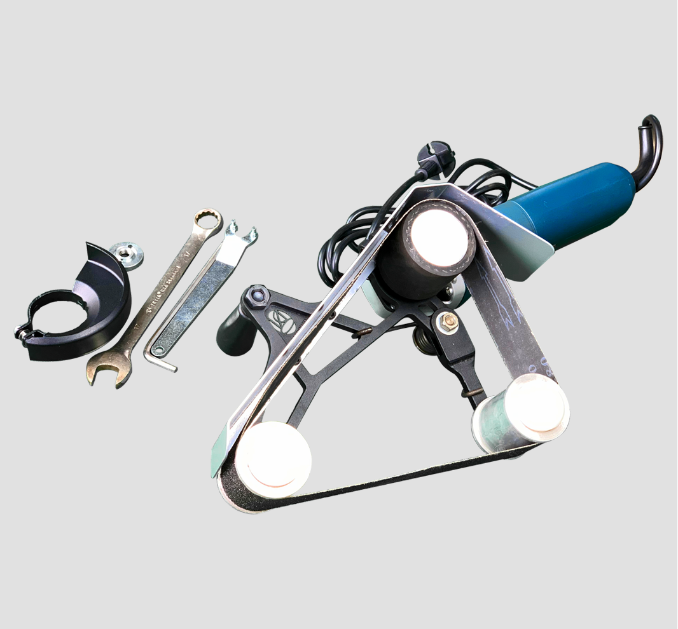
The same idea comes in three sizes, and the size decides the job. A handheld belt sander with a 3×21 or 4×24 belt is carried to the work and is the carpenter’s and floor fitter’s tool for doors, worktops and boards. A bench belt sander with a 4×36 or 6×48 belt and usually a disc on the side stays on the bench and the work comes to it, which makes it the shaping and deburring tool of home shops and small fabricators.
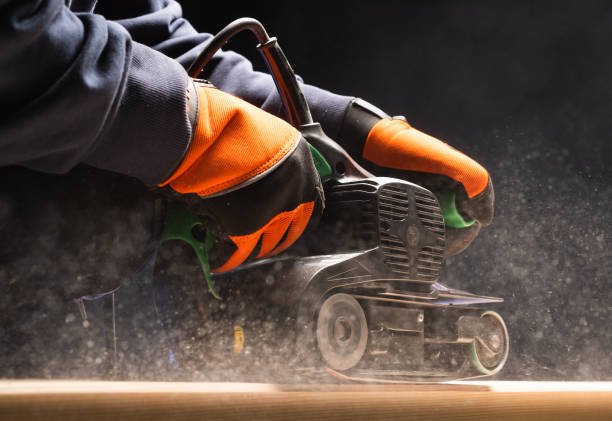
Belt Sander
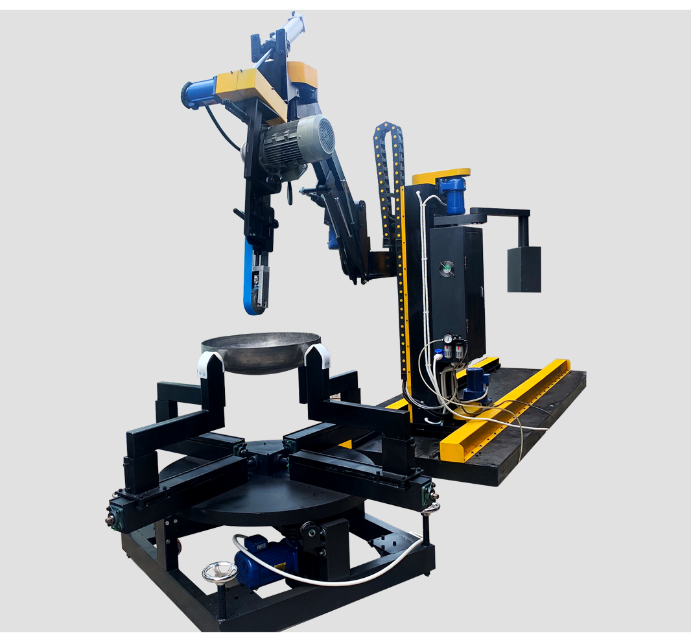
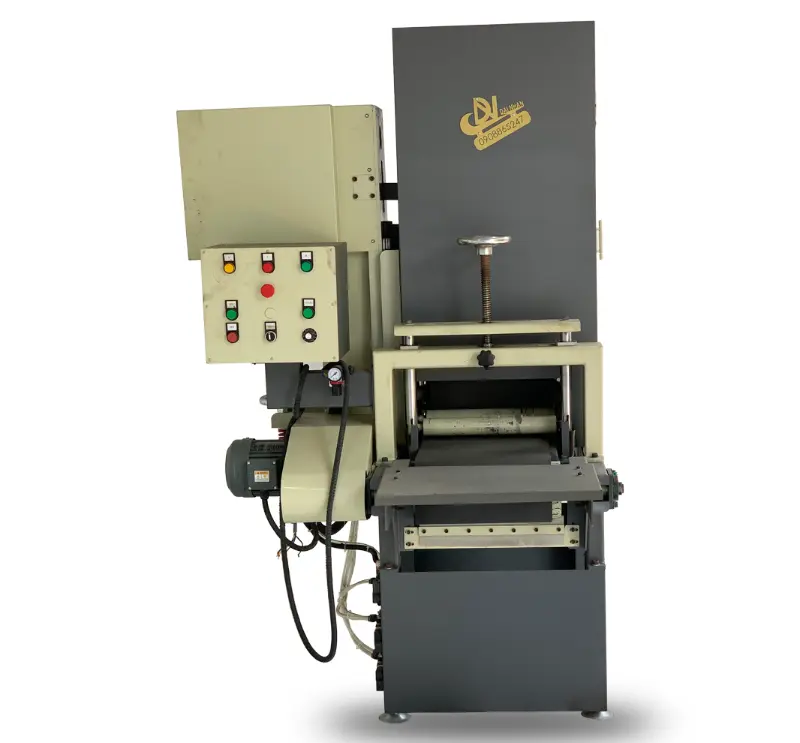
And an industrial belt sander with a wide belt, a conveyor and a continuous duty motor runs a production line, finishing panels, plate and tube all day without stopping. The general layout of all three is set out on the belt sander reference page, and a shop usually ends up owning at least two.
What Belt Sanders Are Not Used For
Two jobs are regularly given to a belt sander and regularly regretted. The first is the final finish. A belt sander leaves a surface that is flat and straight but still scratched in one direction, and the last pass before oil or lacquer belongs to an orbital sander with a fine grit. Anyone wondering whether a belt sander is better than an orbital sander is asking the wrong question, because they do different halves of the same job. The second is anything thin. Veneer, plywood faces and thin sheet metal are gone before the operator notices, because a belt sander removes material in seconds rather than minutes. Learning what the tool can do and what it cannot is most of how to use a belt sander step by step, and the two mistakes above account for most ruined workpieces.
From a Handheld Sander to a Production Line
Every job on this list scales. A carpenter flattens one door and a joinery factory flattens two hundred a day on a wide belt machine. A knife maker deburrs one blank and a fabricator deburrs a pallet of laser cut plate on an industrial belt sander for metal that squares the edge and removes the scale in one pass. The abrasive belt is the same idea at every size, and the difference between a 100 dollar handheld and a production machine is rigidity, motor rating, extraction and the fact that one is built to run eight hours without a break.
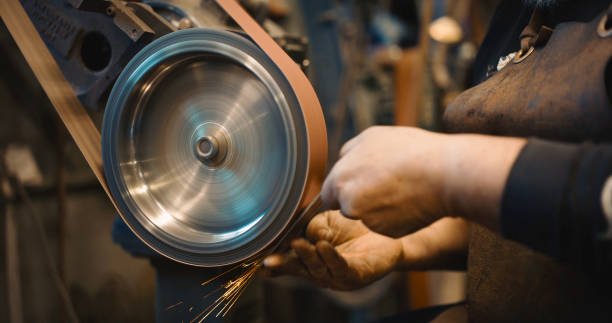
Belt Sander for Metal
For the metal jobs on the list, the machine that does them at volume is a belt grinder rather than a sander in name, and a plain explanation of what is a belt grinder covers the difference in frame, platen and speed control and why fabricators buy one.
Conclusion
What are belt sanders used for? On wood, levelling and flattening rough boards, stripping old paint and finish, and trimming and shaping to a line. On metal, deburring cut edges, removing rust and mill scale, and grinding knife bevels. The three sizes of machine, handheld, bench and industrial, do the same jobs at different scales, and the two things to keep a belt sander away from are the final finish and anything thin. Used for what it is good at, it is the fastest tool in the shop.
When the jobs above run to hundreds of parts a shift, Dai Nhan Machinery builds industrial belt sanders and grinders in Vietnam for production metalworking, sized to the part and the shift. Browse the range on Our Machines, or tell our engineering team what you sand and how many a day and we will suggest the right machine.
Read more: Can You Use a Belt Sander on Metal?


BOLA BAG's BLOG YOU MAY ALSO BE INTERESTED IN
Top 4 Abrasive Belt Grinding Machine Manufacturers in Asia
How to Evaluate an Industrial Belt Sander for Sale for OEM/ODM Scale and Procurement
How to Sand With a Belt Sander: A Practical Guide for Clean, Even Results