




Stainless pipe is made on the same two roads as any other steel pipe, seamless or welded, and then it takes several detours that carbon steel never does. Those detours are the whole story. The chromium that makes the steel stainless also makes it harder to melt cleanly, harder to weld without ruining the corrosion resistance, and impossible to leave with a mill scale on it. So if you want to understand how are stainless steel pipes made, the useful question is not what happens to the pipe, but what has to happen differently because of what the pipe is made of.
How Are Stainless Steel Pipes Made?
Carbon steel can be melted, adjusted, and cast in one furnace. Stainless cannot, because the element that defines it burns off if you try.
The Electric Arc Furnace Makes the First Rough Melt
Stainless scrap, ferrochrome, nickel, and molybdenum go into an electric arc furnace and come out as a rough melt at around 1600 degrees. At this point the carbon is far too high for a stainless grade, and simply blowing oxygen through the melt to burn it off would also burn off a large share of the chromium, which is the expensive part and the reason the steel is stainless at all.
A Second Furnace Burns Out the Carbon and Keeps the Chromium
The melt is transferred to a second vessel and oxygen is blown in diluted with argon. The argon lowers the partial pressure of carbon monoxide, which lets carbon burn out preferentially while most of the chromium stays in the bath. This is the step that makes a 304 or 316 grade possible at a sensible cost. The refined steel is then continuously cast, into billets if it is destined to be seamless pipe and into slabs if it will become welded pipe, exactly as with carbon steel.
The Pipe Is Shaped the Same Two Ways as Any Steel Pipe: Seamless or Welded
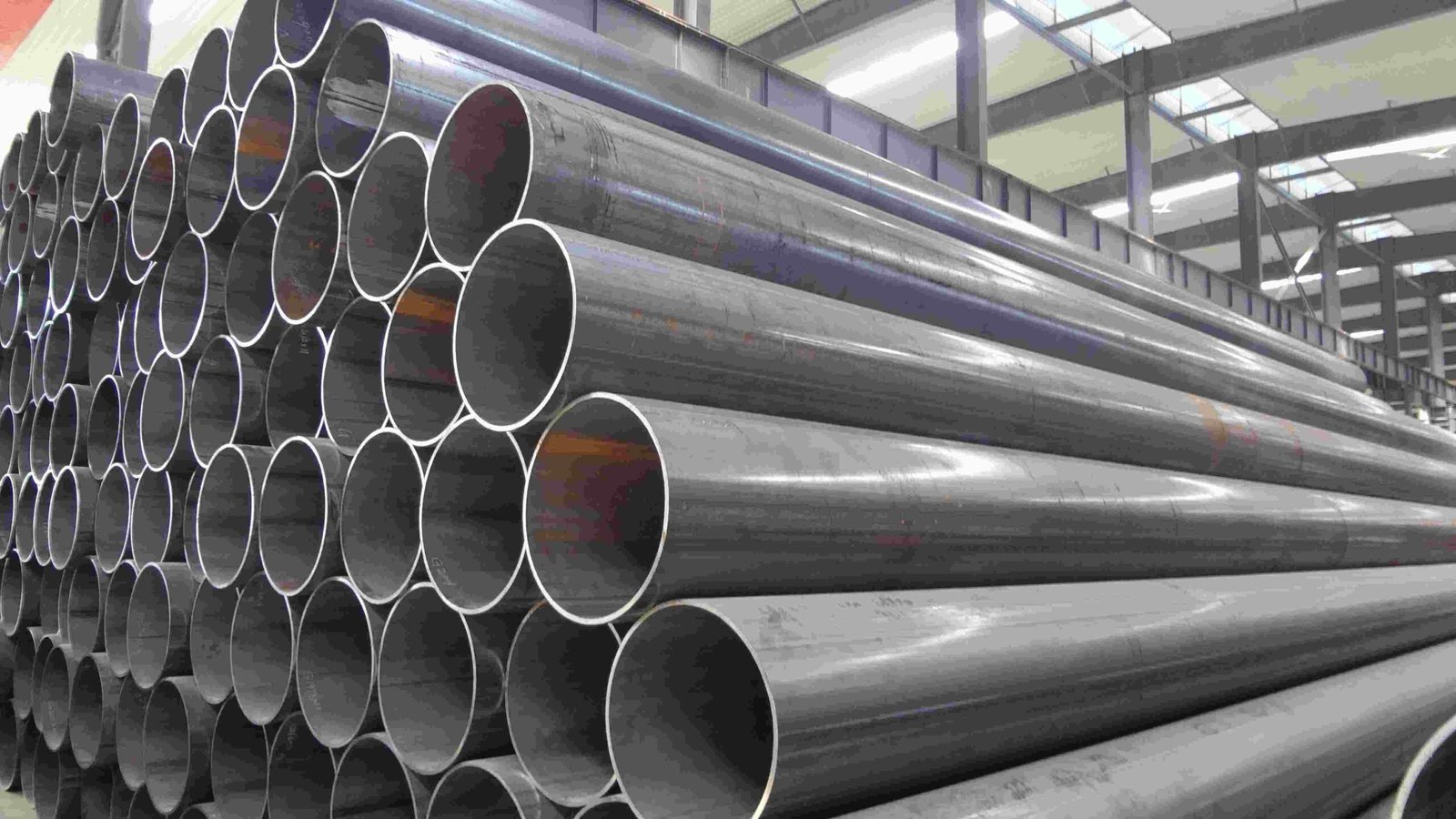
From here the mechanics are familiar. Seamless pipe is pierced from a solid billet and elongated over a mandrel. Welded pipe is roll formed from strip and joined along a seam. If you already know how are metal pipes made in the general case, both routes will look familiar, so there is no point repeating them here.
Steel Pipes
What is worth pointing out is that stainless is far more often cold worked than carbon steel. Thin wall sanitary and architectural tube is cold rolled and cold drawn because stainless work hardens quickly and holds a tight dimensional tolerance afterwards, and because a cold finished surface is much closer to the final polished appearance the customer actually wants. A hot finished stainless surface is dull and scaled, and every extra step needed to recover it costs money.
The Weld Is Where Stainless Gets Difficult
Welded stainless pipe is the majority of what is sold, and the seam is the point where the corrosion resistance is most easily destroyed.
Choosing the Welding Method: High Frequency or TIG or Laser
High frequency welding, the standard for carbon steel, is used on some stainless grades but is unforgiving. Much thin wall stainless is welded by TIG, which is slow and clean, or increasingly by laser, which is fast and produces a very narrow heat affected zone. Every method has to keep oxygen away from the molten seam, because chromium reacts with it instantly and leaves a dark oxide that the pipe cannot shed on its own. Inert gas shielding inside and outside the tube is standard.
Why the Metal Next to the Weld Can Start to Rust
Heat the wrong stainless grade to between roughly 450 and 850 degrees for long enough and chromium migrates to the grain boundaries and combines with carbon, leaving the metal next to each boundary starved of chromium and no longer stainless. This is sensitisation, and a seam welded without care can suffer it in the heat affected zone on either side of the weld. Low carbon grades such as 304L and 316L exist largely to make this less likely, and the annealing step that follows exists to reverse it.
Smoothing the Weld Seam for Food Grade and Decorative Tube
The weld bead is rolled or planished so that the seam is flush with the wall inside and out. On sanitary tube for food and pharmaceutical work the inside bead has to be removed and smoothed to a specified roughness, because a proud seam is somewhere for bacteria to hide and for cleaning fluid to miss. On structural or decorative tube the outside matters more and the inside can be left.
Annealing: Reheating the Pipe Without Letting It Scale
Every stainless pipe is heat treated after forming, and for stainless the atmosphere inside the furnace matters as much as the temperature.
Stainless Steel Pipes
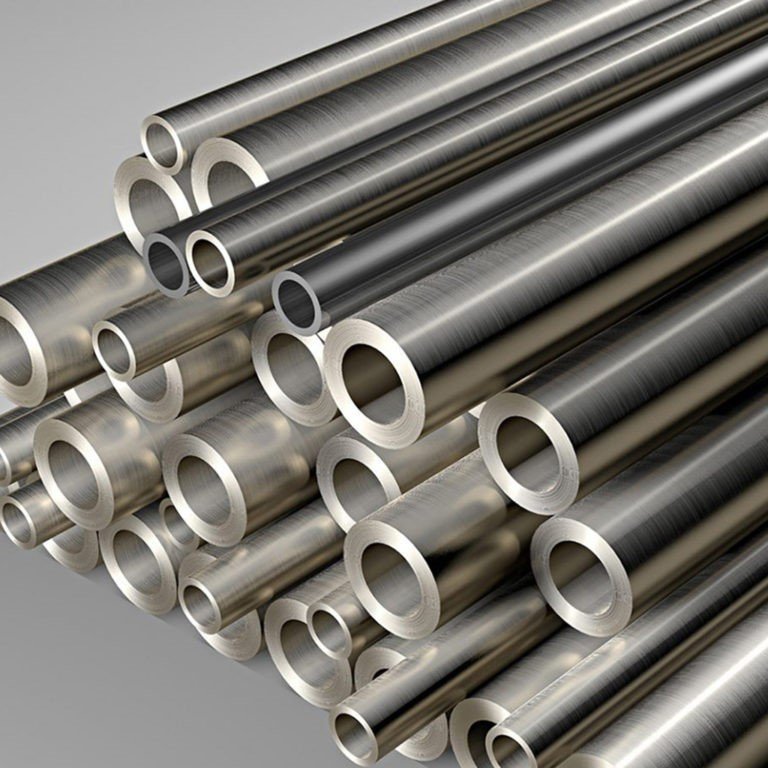
The pipe is brought up to around 1050 degrees, held long enough to dissolve any chromium carbides back into the grain, and cooled quickly enough that they do not reform. Done in air, that would scale the surface heavily. So most stainless tube is bright annealed, passed through a furnace filled with hydrogen, nitrogen, or a mixture, which keeps oxygen away and lets the pipe come out still bright. Bright annealed tube can go straight to a customer with no further surface treatment, which is why the finish is specified so often.
Pickling and Passivation Make Stainless Rust Proof
Pipe that was annealed in air, or that carries weld colour and handling marks, has to have its surface chemically reset. This is the step that carbon steel never sees and that gives stainless its actual corrosion resistance.
Pickling Strips Off the Scale and the Weld Marks
The pipe is immersed in or sprayed with a mixture of nitric and hydrofluoric acid that dissolves the scale, the weld tint, and a very thin layer of the metal beneath. What is left is clean, uniform, and slightly matte. Pickling is aggressive and must be rinsed thoroughly, because acid residue left in a crevice will keep working long after the pipe has been shipped.
Passivation Builds the Invisible Layer That Stops Rust
Clean stainless forms its own protective chromium oxide film in air, but a nitric or citric acid passivation step encourages a thicker, more uniform film and strips out any free iron picked up from tooling. That film is only a few nanometres thick and it is the entire reason the pipe does not rust. That self repairing film is what passivation means in practice, and it is why a stainless surface that has been contaminated with carbon steel dust will rust exactly where it was touched.
The Surface Finish Is Ordered by Number
With carbon steel pipe, surface finish is an afterthought unless someone asks. With stainless it is part of the product code, and the same tube can leave the mill in half a dozen different grades.
Mill Finishes: 2B and Bright Annealed
2B is the cold rolled, annealed, pickled, and lightly skin passed finish that most stainless starts as, uniformly grey and slightly reflective. BA, bright annealed, is the mirror like finish produced by annealing in a protected atmosphere without pickling. Both are mill finishes, meaning they are produced by the process rather than by any abrasive work afterwards.
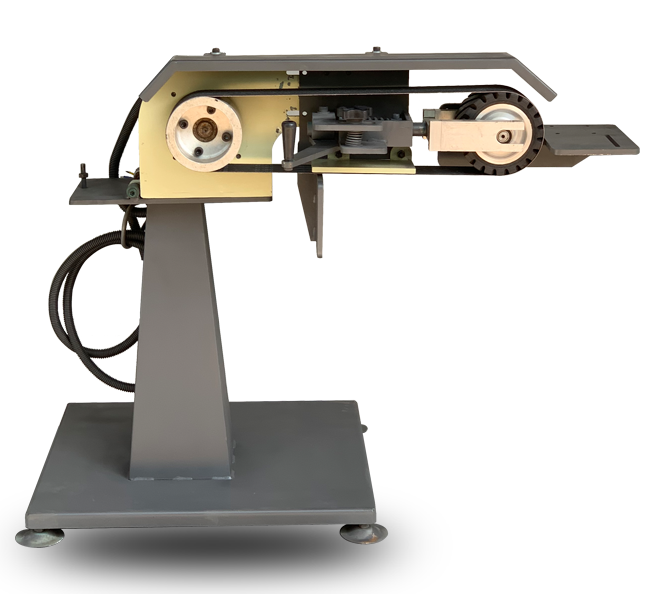
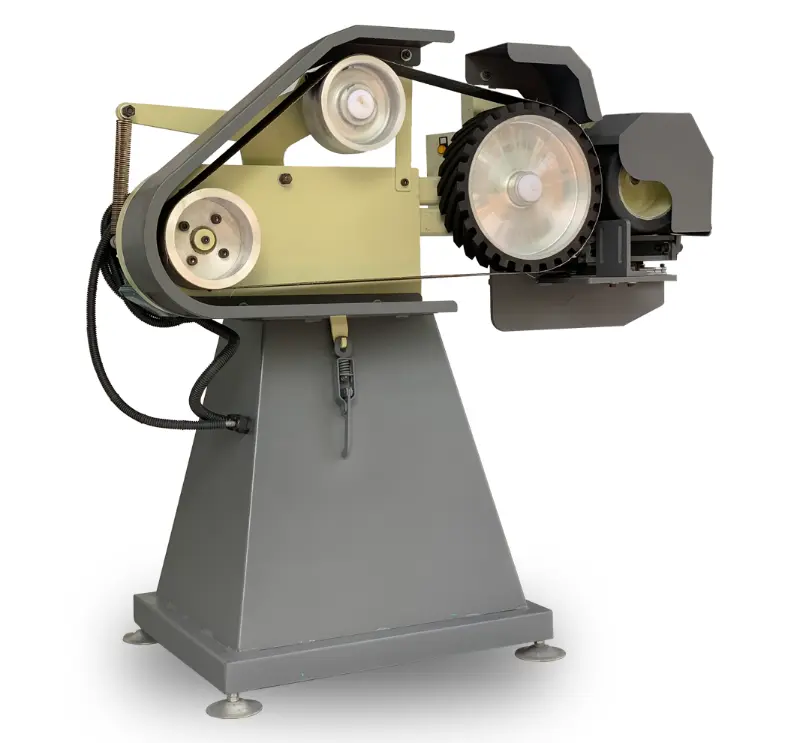
Polished Finishes From a Pipe Polishing Machine Manufacturer: Number 4 to Number 8
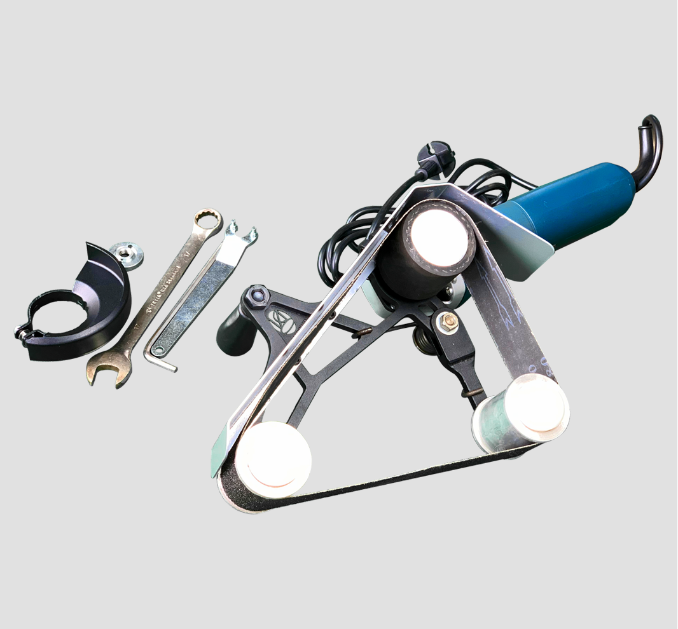
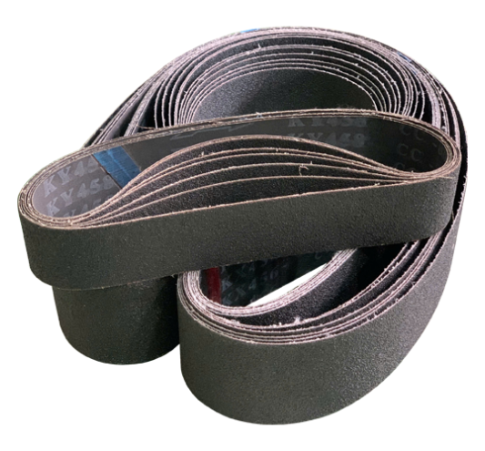
Anything above a mill finish is produced by abrasive belts after the mill. Number 4 is the familiar brushed stainless with a fine directional grain, produced with belts around 150 to 180 grit. Number 8 is a mirror produced by a long sequence of ever finer belts and buffing.
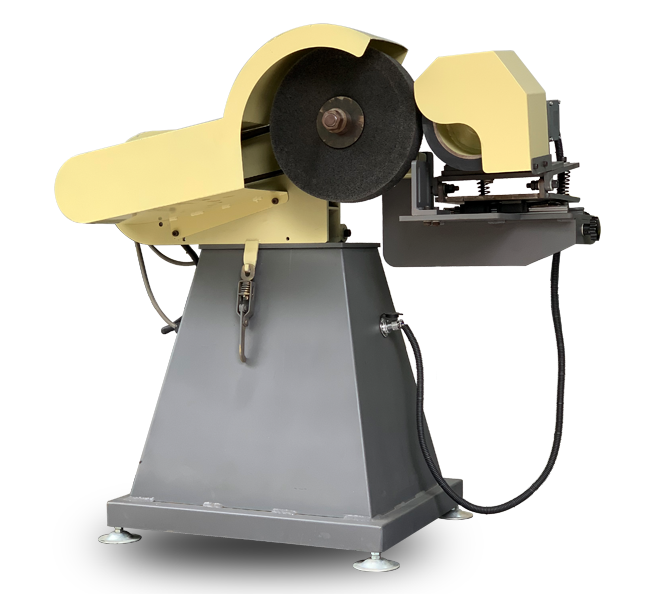
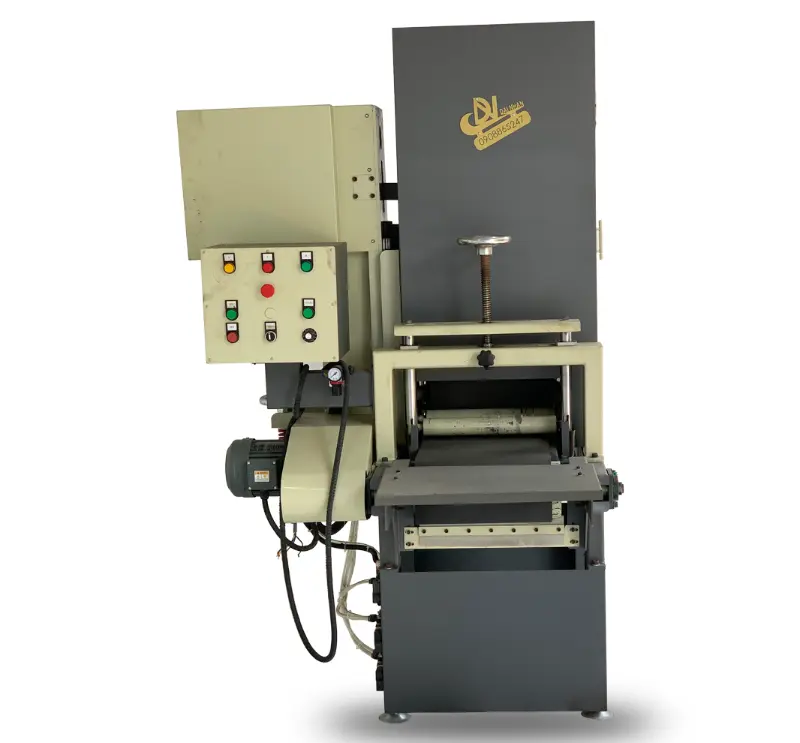
Round Pipe Polishing Machine – Dai Nhan Machinery
Producing these consistently along the full length of a tube is a separate operation, and it is the reason a pipe polishing machine manufacturer configures head count and feed rate around the finish grade rather than around the tube diameter alone.
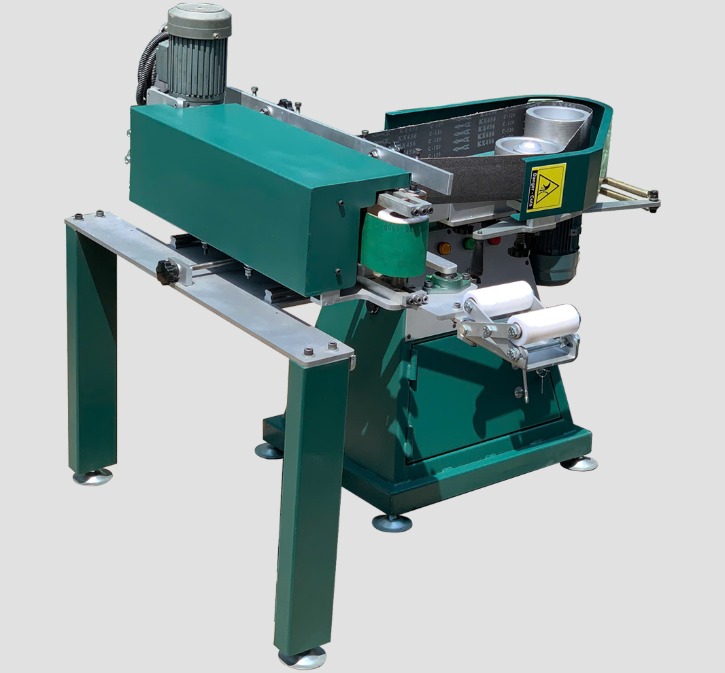
Square and Rectangular Tube Needs a Tube Polishing Machine Manufacturer
Stainless is also formed into square and rectangular hollow section for architectural and structural use, and finishing that is a different problem, because four flat faces and four corners need independent contact pressure. The corners get rounded over on a machine built for round stock, which is why buyers approach a tube polishing machine manufacturer with the section dimensions in hand rather than just a finish grade.
Conclusion
So how are stainless steel pipes made? On the same seamless or welded route as any steel pipe, with four detours that carbon steel never takes. The melt is refined in argon so the chromium survives. The weld is shielded and then annealed in a protected atmosphere so the chromium stays where it belongs. The surface is pickled and passivated so the oxide film that actually resists corrosion can form. And the finish is specified as part of the product, because with stainless the surface is the point. Everything that makes the material worth paying for is created or destroyed in those four steps.
The abrasive finishing that turns a 2B mill tube into a Number 4 handrail or a sanitary Number 8 is a separate line entirely, and it is what Dai Nhan Machinery builds. Browse the range on Our Machines page to see the tube and pipe finishing lines. Or send us your section sizes, grade, and target finish and our engineering team will come back with a configuration and a realistic output figure.
Read more: How Are Metal Pipes Made? Inside Seamless and Welded Pipe Production


BOLA BAG's BLOG YOU MAY ALSO BE INTERESTED IN
How Industrial Abrasive Grinding Wheel Manufacturers Optimize Grain Bonding for Hardened Steels
How Are Stainless Steel Pipes Made? What Changes When Chromium Enters the Furnace
Versatility in Metalworking: The Power of an Industrial Belt and Disc Sander