


Buying a handful of grinding wheels for a single project and buying wholesale grinding wheels for ongoing production are two entirely different risk categories, even though the product itself looks identical on a data sheet. A defect that slips through on a small order is an inconvenience. The same defect multiplied across a wholesale shipment, distributed to multiple production lines or resold to downstream customers, becomes a genuinely serious quality and safety problem, and the scale of that problem is directly proportional to how much volume moved before the defect was caught. This guide lays out the quality assurance protocols that should govern any wholesale grinding wheels purchase, from the audit steps that belong in a formal inspection protocol to how that protocol needs to adapt when sourcing globally across different regions, languages, and regulatory environments.
Why Wholesale Purchasing Requires a Formal Audit Protocol
The economics of wholesale purchasing change the entire calculus around quality assurance, since a defect rate that would be a minor nuisance on a small order becomes a much larger absolute number of defective units once volume scales into wholesale territory.
Volume Amplifies the Cost of an Undetected Defect
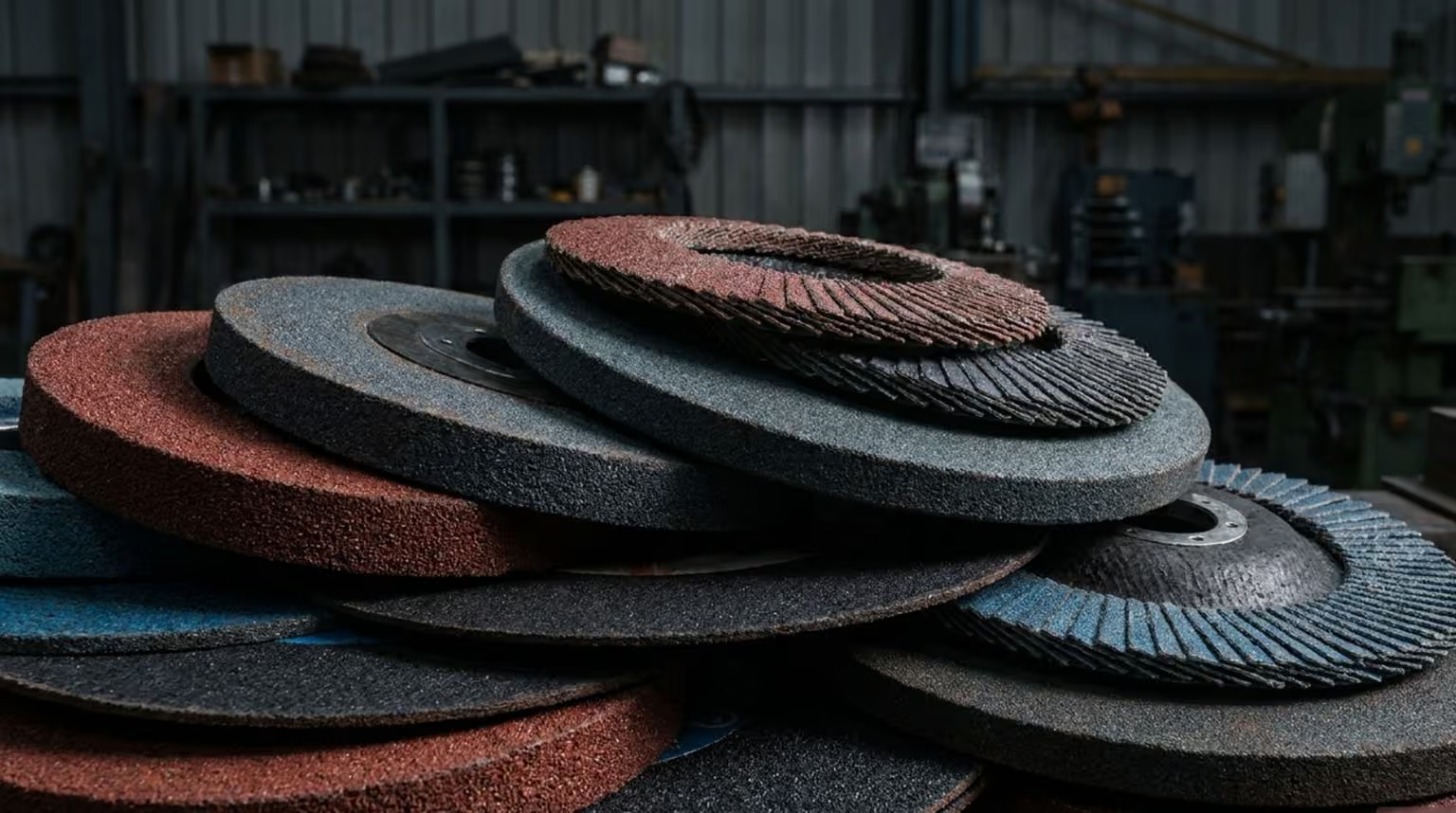
A defect rate of even a small percentage translates into a meaningful number of compromised units once an order reaches wholesale scale, and the downstream cost of that defect rate depends entirely on when it gets caught. A defect caught before shipment costs a fraction of what the same defect costs once it has already been distributed across multiple facilities or sold on to downstream customers who now associate the failure with your operation rather than the original wholesale grinding wheels supplier. This asymmetry is exactly why a formal audit protocol earns its cost many times over on any order large enough to qualify as wholesale in the first place.
Volume Amplifies the Cost of an Undetected Defect
The Difference Between a Sample Check and a Full Audit Protocol
A casual sample check, meaning pulling a handful of units from a shipment and confirming they look and feel correct, catches only the most obvious defects and provides essentially no statistical confidence about the shipment as a whole. A genuine audit protocol, by contrast, is a structured, repeatable process with defined sampling methodology, specific tests applied to each sample, and documented pass or fail criteria that do not shift depending on who happens to be performing the inspection that day. Buyers who treat these two approaches as interchangeable are taking on far more risk than they realize, since a sample check can pass cleanly even when the underlying production run has a real, systemic quality problem that a properly designed statistical sample would have caught.
Core Components of a Quality Assurance Protocol for Wholesale Grinding Wheels
A complete audit protocol for wholesale grinding wheels needs to address several distinct dimensions of quality, since a wheel can pass one type of inspection while failing another in a way that only becomes apparent once it is actually in use.
Physical and Dimensional Inspection
Basic physical and dimensional inspection remains the foundation of any audit protocol, verifying diameter, thickness, bore size, and overall dimensional consistency across the sampled units. This step catches manufacturing drift that might otherwise go unnoticed, since a gradual dimensional shift across a production run can indicate a tooling or process control issue well before it becomes severe enough to cause an obvious functional problem.
Structural Integrity and Speed Testing
Structural integrity testing, including speed testing that verifies a wheel can safely withstand its rated rotational speed with an appropriate safety margin, is one of the most safety critical elements of the entire audit protocol given the mechanical stress these products endure in actual use. A wheel that fails structurally during operation represents a genuine safety hazard to the operator, not simply a quality complaint, which is why speed testing should never be treated as an optional or occasional step, even for an established, previously reliable grinding discs supplier.
Bond Hardness and Grain Consistency Verification
Bond hardness testing and grain consistency verification confirm that the wheel’s formulation matches its stated specification, since a wheel that looks correct visually can still have a bond hardness that drifted outside acceptable range during production, which affects cutting performance and wear rate in ways that only become apparent once the wheel is under sustained use. This testing step is particularly important for buyers sourcing from abrasive. grinding wheel manufacturers who supply multiple customers with similar but not identical formulations, since a mix up or drift between formulations is more likely when a facility is running several similar specifications simultaneously.
Reinforcement and Safety Backing Inspection
For reinforced wheels, inspecting the fiberglass mesh or other reinforcement material for correct weight, layer count, and placement is essential, since this reinforcement is what provides burst resistance and edge durability, and any deviation from specification here is invisible externally until the wheel is actually stressed in use. This inspection step should be performed on a genuine cross section sample rather than relying solely on a visual check of the wheel’s exterior, since reinforcement problems are, by their nature, hidden beneath the surface.
Documentation and Batch Traceability Review
Every wholesale grinding wheels shipment should include documentation that allows the specific batch to be traced back to its production run, along with records confirming what internal testing that batch underwent before shipment. Reviewing this documentation as part of the audit protocol, rather than simply filing it away unread, allows a buyer to cross reference the supplier’s own internal testing claims against the independent testing results from the buyer’s own audit, which is often where discrepancies between claimed and actual quality first become visible.
Auditing a Grinding Discs Supplier Before the First Wholesale Order
The audit protocol that matters most is often the one performed before a wholesale relationship begins at all, since qualifying a grinding discs supplier properly at the outset prevents the far more expensive scenario of discovering a systemic problem after volume has already scaled.
Facility Audit Versus Remote Document Review
A facility audit, conducted either in person or through a qualified third party inspector, provides a level of insight that a remote document review simply cannot match, since it allows direct observation of actual production conditions, testing equipment, and quality control discipline rather than relying entirely on documentation the supplier chooses to provide. For any wholesale relationship expected to represent significant ongoing volume, the investment in a facility audit is almost always justified relative to the risk being taken on, even when the logistics of arranging that audit across an international supply chain add cost and complexity.
Sample Batch Testing Protocol Before Scaling Volume
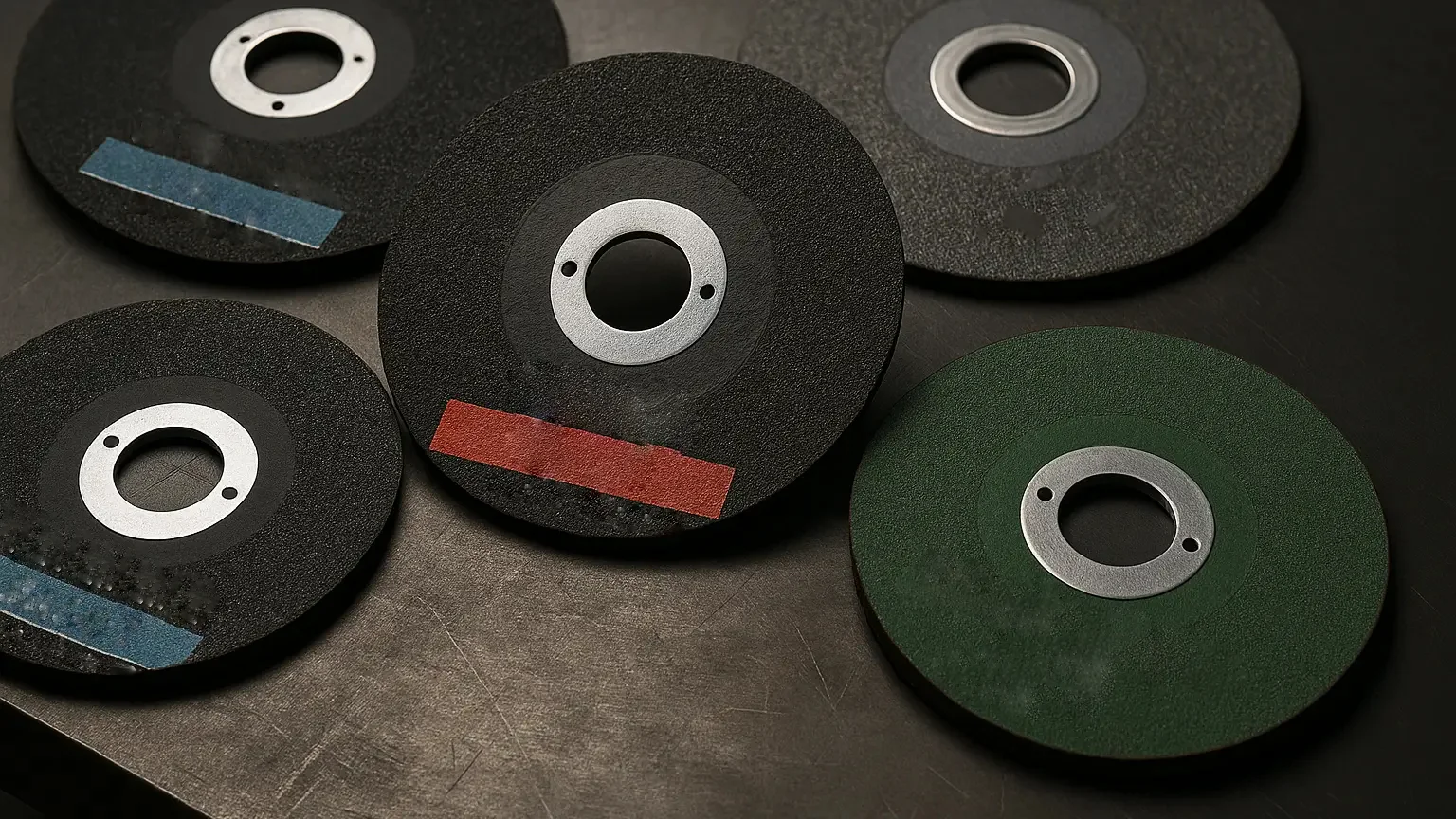
Before committing to full wholesale volume with a new supplier, running a smaller sample batch through the complete audit protocol described above, rather than a full wholesale order, allows a buyer to validate quality at a scale where a problem is far less costly to discover. This staged approach, small qualification batch first, followed by a gradual scaling toward full wholesale volume as confidence builds, is a more disciplined path than moving directly to full volume based on a single sample evaluation that may not reflect true production conditions.
Sample Batch Testing Protocol Before Scaling Volume
Global Sourcing Considerations for Auditing Grinding Wheel Manufacturers
Auditing grinding wheel manufacturers across an international supply chain introduces complications that a purely domestic audit process does not need to account for, and a protocol that ignores these complications will produce less reliable results than one designed with them in mind from the start.
Regional Certification Differences
Certification standards recognized in one region are not automatically valid or equivalent in another, and an audit protocol should explicitly verify that any certification a supplier presents is actually recognized in the buyer’s own destination market rather than assuming any listed certification is sufficient. This verification step is frequently skipped by buyers unfamiliar with the specific regulatory landscape of a new sourcing region, and it is exactly the kind of gap that only becomes apparent once a shipment is already stuck at customs or rejected by a local safety inspector.
Language and Communication Barriers in Technical Audits
Technical audits depend on precise communication, and language barriers between an auditing team and a supplier’s technical staff can introduce real risk of misunderstanding around specification, testing methodology, or documentation interpretation. Working with an auditor or inspection service genuinely fluent in both the technical vocabulary of abrasive manufacturing and the language of the supplier’s facility significantly reduces this risk, and it is worth budgeting for this capability explicitly rather than assuming a general purpose translator will suffice for a technically dense audit conversation.
Third Party Inspection Services for Cross Border Orders
For buyers without the internal resources to conduct their own facility audits across multiple countries, qualified third party inspection services offer a practical middle ground, providing independent verification without requiring a buyer’s own team to travel internationally for every supplier qualification. Selecting an inspection service with specific experience in abrasive products, rather than a general industrial inspection firm with no particular expertise in grinding wheel manufacturing, meaningfully improves the quality of the audit results.
Ongoing Audit Cadence for Established Grinding Wheel Wholesalers
Quality assurance does not end once a supplier relationship is established, since the risk factors that cause quality drift over time, covered in more detail in our broader supplier evaluation guide, continue to accumulate throughout the life of an ongoing relationship with grinding wheel wholesalers or direct manufacturers alike.
Scheduled Re Audits Versus Reactive Audits
A scheduled re audit cadence, performed on a defined interval regardless of whether any problem has surfaced, catches quality drift before it becomes severe enough to trigger a reactive audit prompted by an actual failure. Buyers who only audit reactively, meaning only after a problem has already occurred, are accepting a meaningfully higher level of risk than those who treat periodic re auditing as a standard, non negotiable part of an ongoing wholesale relationship.
Statistical Sampling for Recurring Wholesale Shipments
For recurring wholesale shipments, statistical sampling methodology should scale appropriately with shipment size, since the sample size needed to provide meaningful confidence in a large shipment is different from what would be adequate for a smaller order. Applying a fixed, small sample size regardless of shipment volume undermines the statistical validity of the entire audit protocol, and buyers should work with their quality team or a qualified consultant to determine appropriate sampling methodology rather than defaulting to an arbitrary, convenient sample size.
What Separates Reliable Abrasive Grinding Wheel Manufacturers From High Risk Ones
Beyond the specific testing steps described throughout this guide, certain behavioral signals during the audit process itself reveal a great deal about how reliable a given manufacturer is likely to be over the life of a relationship.
Transparency During the Audit Process Itself
A manufacturer who welcomes detailed audit questions, provides ready access to production records, and answers technical questions directly and specifically is behaving very differently than one who deflects, delays, or provides vague answers to the same questions. This transparency during the audit process itself is often a more reliable predictor of long term relationship quality than the specific test results from any single audit, since a supplier’s willingness to be scrutinized closely tends to correlate strongly with their actual internal quality discipline.
Willingness to Support Third Party Verification
Reliable grinding wheel manufacturers generally welcome third party verification and independent testing, since they have confidence in their own process and product, while manufacturers who resist or discourage independent verification, particularly ongoing verification rather than a single initial audit, are signaling something worth taking seriously. This willingness, or lack of it, should be treated as a meaningful data point in the overall supplier evaluation rather than dismissed as a minor administrative preference.
Extending the Same Audit Discipline to Equipment Sourcing
The audit discipline described throughout this guide for consumables sourcing applies with equal force to the equipment side of a production operation, even though the specific tests and criteria naturally differ between the two categories.
Why a Belt Grinder Manufacturer Should Be Held to the Same Standard
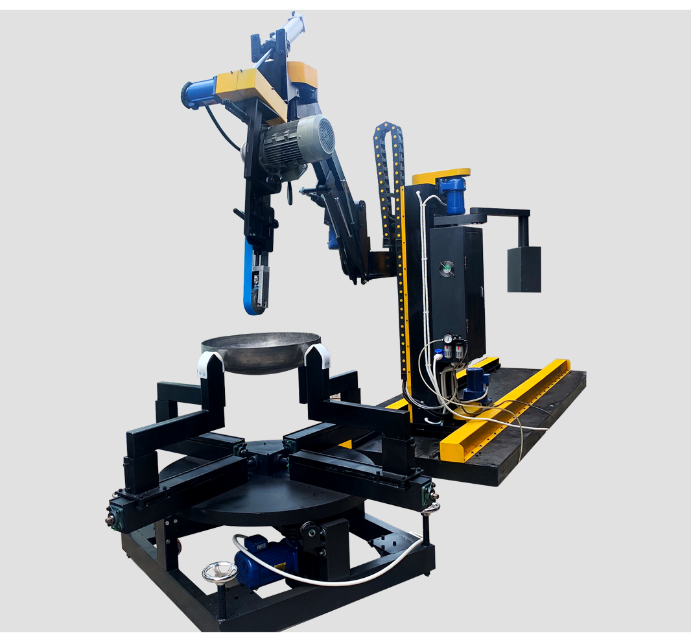
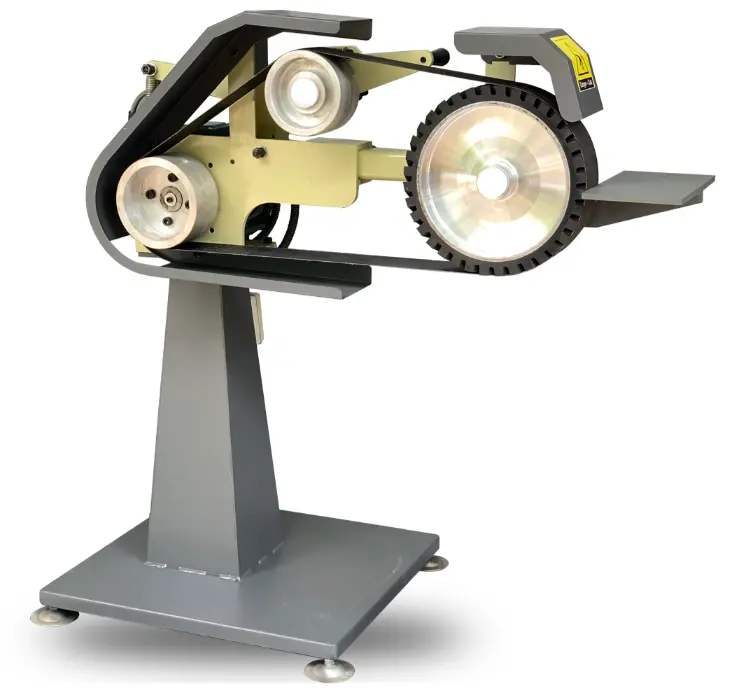
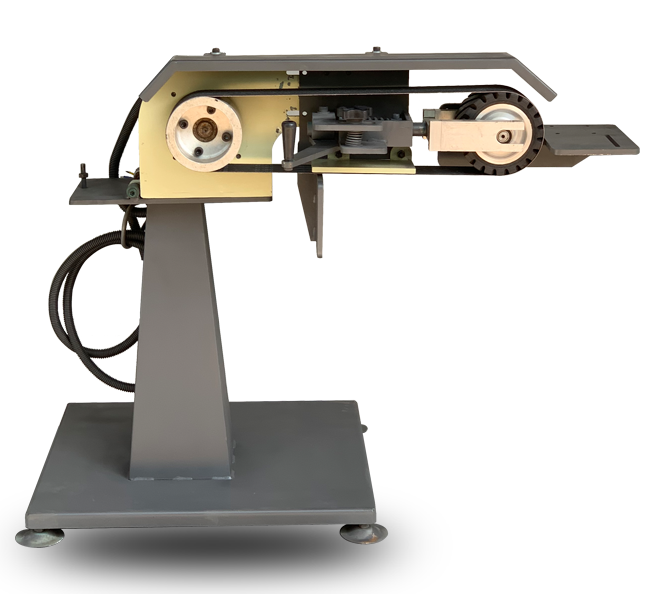
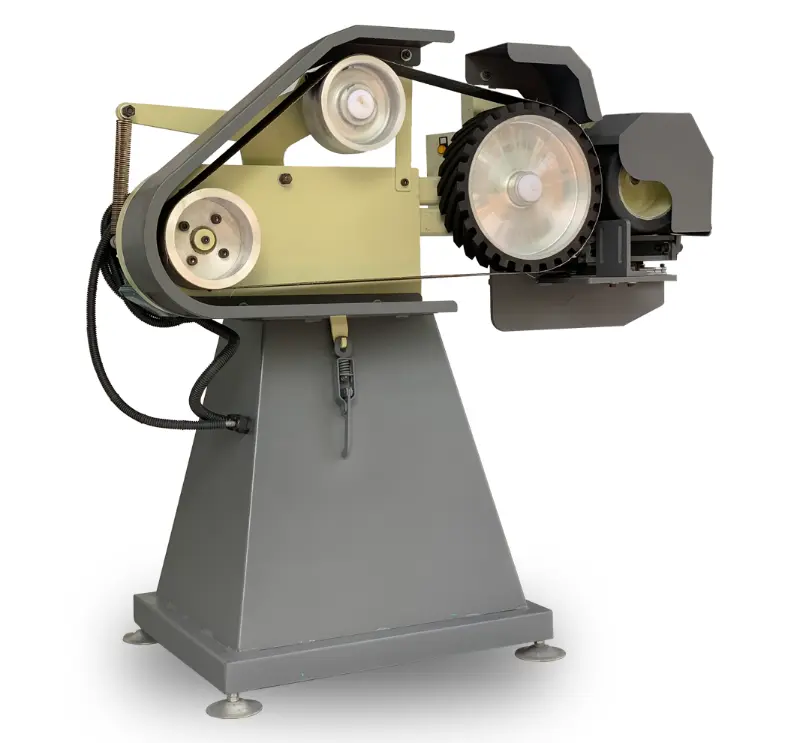
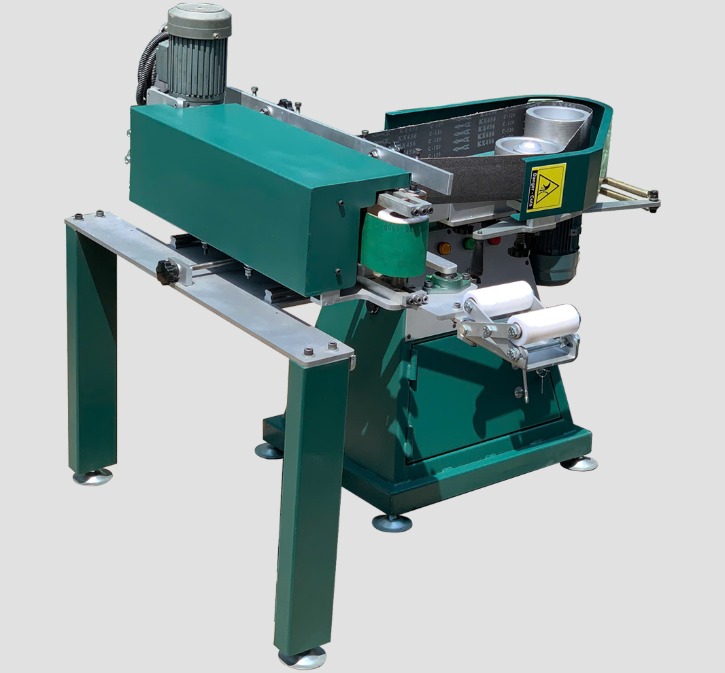
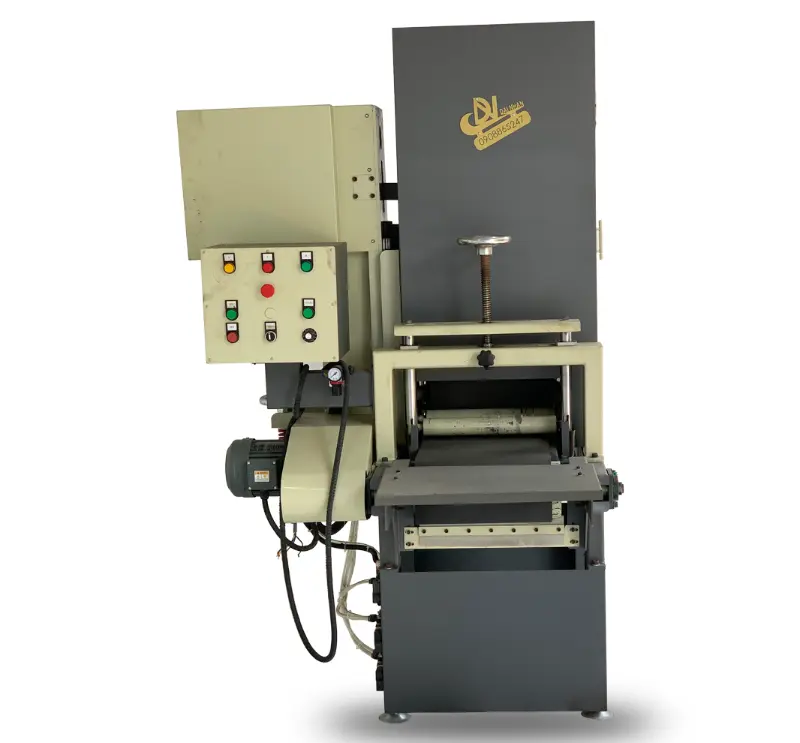
A belt grinder manufacturer supplying the equipment used alongside wholesale grinding wheels in a production environment should be held to comparable transparency and documentation standards as any consumables supplier, since equipment quality and consumable quality interact directly to determine actual production outcomes. Dai Nhan Machinery, as a direct belt grinder manufacturer with full CNC engineering kept in house in Vietnam, applies this same audit friendly transparency to its own equipment engineering and documentation process, supporting the same kind of facility visibility and process documentation review that a serious buyer would expect from any consumables supplier undergoing a genuine quality audit.
Partner With Dai Nhan Machinery
If your team is building out a broader strategic sourcing framework that spans both consumables and equipment, Dai Nhan Machinery is available as a direct, transparent partner for the belt based equipment side of that strategy. As a belt grinder manufacturer with full CNC engineering kept in house in Vietnam, we apply the same principles described throughout this guide, documented process discipline, export standard certification and documentation, and a genuine partnership approach to long term relationships, to every custom OEM and ODM engagement we take on.
Read more: Strategic Sourcing: Partnering with an Export-Standard Grinding Discs Supplier


BOLA BAG's BLOG YOU MAY ALSO BE INTERESTED IN
How to Select the Right Industrial Belt Sander for Metal Fabrication
How to Use a Belt Sander Properly: Checks and Habits That Protect You and Your Work
Top OEM/ODM Grinding Wheel Manufacturers for Global Industrial Supply Chains