


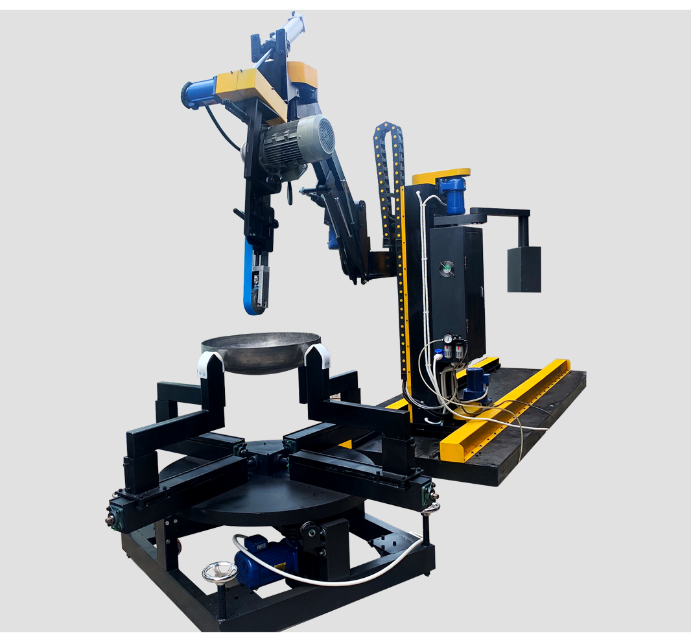
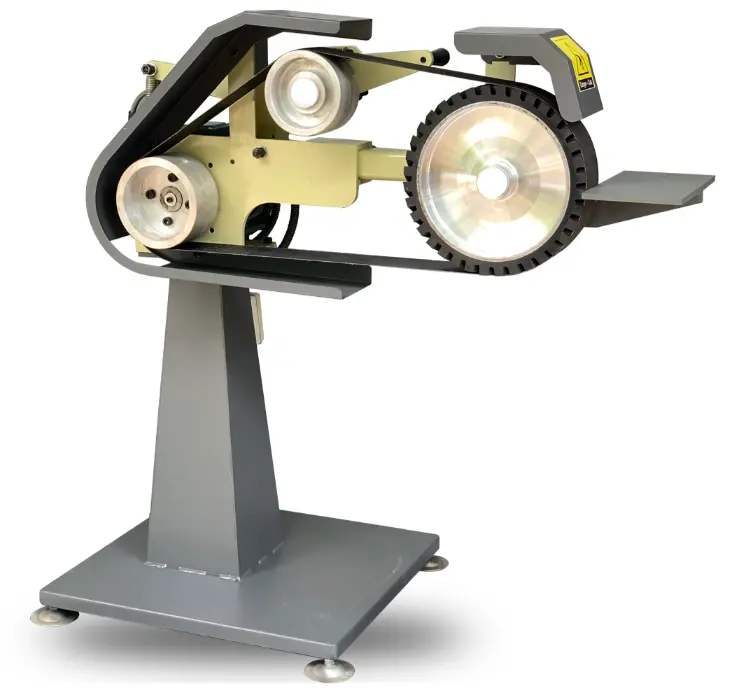
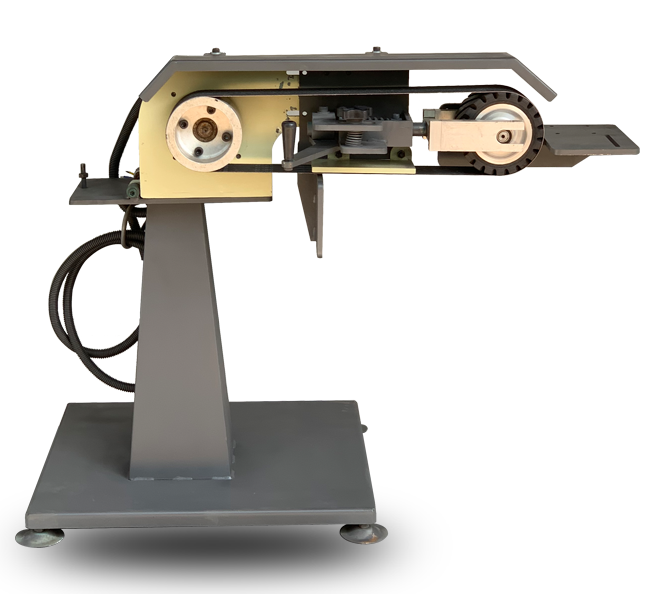
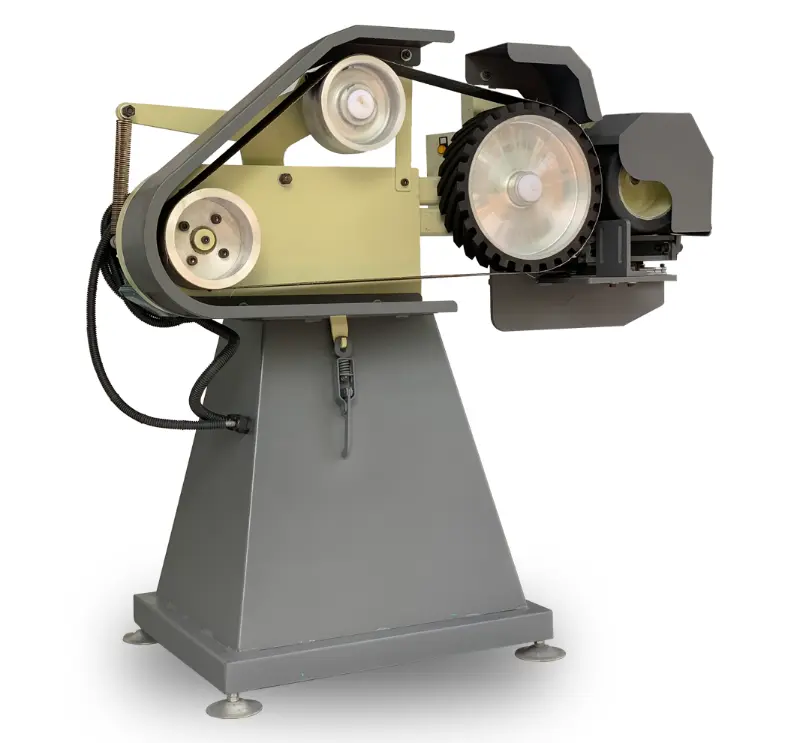
As global manufacturing continues to evolve, procurement teams are placing greater emphasis on supplier qualification rather than simply comparing equipment specifications or pricing. Purchasing a heavy-duty plate grinder for international operations requires a comprehensive evaluation of engineering quality, manufacturing capability, regulatory compliance, and certification. These considerations become even more important when equipment will be integrated into high-volume production environments where downtime, inconsistent performance, or non-compliance can significantly affect operational efficiency and profitability.
For manufacturers involved in metal fabrication, precision machining, shipbuilding, heavy equipment production, and structural steel processing, a plate grinder is a long-term capital investment rather than a routine equipment purchase. Beyond achieving accurate surface preparation, the machine must operate reliably under continuous workloads while meeting the technical and safety expectations of international markets.
This article provides a comprehensive sourcing checklist for evaluating export-standard plate grinder solutions, explaining why certifications matter, how they influence procurement decisions, and what buyers should verify before selecting a manufacturing partner.
Why Certification Matters in Global Equipment Procurement
International buyers increasingly demand documented proof that industrial machinery has been engineered, manufactured, and inspected according to recognized quality standards. Certification is no longer viewed as an optional advantage but as evidence that a manufacturer follows consistent engineering processes, quality control procedures, and safety requirements throughout production.
Why Certification Matters in Global Equipment Procurement
When sourcing a plate grinder, certification reduces uncertainty by demonstrating that the manufacturer has implemented structured manufacturing systems instead of relying solely on experience or manual inspection. It also provides confidence that identical machines can be produced consistently over multiple production batches, which is particularly important for distributors and OEM customers placing repeat orders.
Certification further supports smoother customs clearance, simplifies factory acceptance procedures, and helps buyers satisfy their own internal supplier qualification requirements.
Looking Beyond the Machine Specification
Many procurement teams begin their evaluation by comparing motor power, grinding width, feed speed, or production capacity. Although these specifications are important, they reveal very little about long-term reliability or manufacturing quality.
A professionally engineered plate grinder should be evaluated from a broader perspective that includes structural design, welding quality, machining precision, component selection, electrical integration, assembly procedures, and factory testing. These engineering elements determine how consistently the equipment performs over years of continuous operation rather than how impressive the specification sheet appears during the purchasing process.
The manufacturer’s engineering philosophy often has a greater influence on equipment performance than individual technical specifications.
Evaluating the Manufacturer’s Quality Management System
One of the first indicators of manufacturing capability is the quality management system implemented throughout the factory.
A reputable manufacturer of plate grinding machine solutions establishes standardized procedures covering engineering design, procurement of raw materials, fabrication, machining, assembly, inspection, testing, and final shipment. Every production stage should be documented and traceable, allowing quality issues to be identified and corrected efficiently.
Rather than depending solely on final inspection, professional manufacturers build quality into every stage of production. This systematic approach significantly improves product consistency while reducing manufacturing defects and unexpected equipment failures.
Verifying Engineering and Design Capability
The most reliable plate grinder manufacturers continuously invest in engineering development to improve machine rigidity, grinding accuracy, vibration control, production efficiency, and maintenance accessibility. Strong engineering capabilities enable manufacturers to customize machines for specific production environments while maintaining structural integrity and operational stability.
Buyers should assess whether the supplier possesses in-house engineering resources capable of supporting OEM and ODM projects. Engineering expertise becomes particularly valuable when customers require customized machine dimensions, specialized feeding systems, automated controls, or integration into existing production lines.
Manufacturers with dedicated engineering teams are better positioned to provide long-term technical support and continuous product improvements.
Assessing Manufacturing Capability
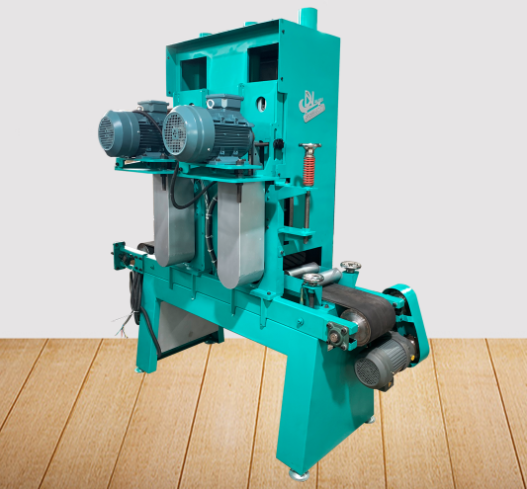
A heavy-duty plate grinder demands exceptional manufacturing precision because even small structural deviations can affect grinding accuracy and machine stability.
The production facility should demonstrate advanced fabrication capabilities, including precision machining, controlled welding procedures, accurate assembly processes, and comprehensive quality inspections. Consistent manufacturing standards ensure that every machine performs according to the same engineering specifications regardless of production volume.
Manufacturers capable of producing export-standard machinery generally invest in modern production equipment, skilled technicians, and rigorous inspection procedures that support long-term reliability.
Understanding the Importance of Factory Testing
Comprehensive factory testing is one of the strongest indicators of equipment quality. Before shipment, every plate grinding machine should undergo operational testing to verify mechanical stability, grinding performance, electrical functionality, safety systems, and overall production readiness. Factory testing allows engineering teams to identify potential issues before machinery reaches the customer’s facility, minimizing installation delays and reducing commissioning risks.
Buyers should request information regarding testing procedures and acceptance criteria rather than assuming all manufacturers follow identical quality standards.
Documentation as Part of Certification
Certification extends beyond certificates displayed on a company website. Professional manufacturers provide complete documentation supporting every plate grinder delivered to international customers. This documentation typically includes technical drawings, electrical schematics, operation manuals, maintenance instructions, spare parts documentation, inspection reports, packing details, and installation guidance.
Comprehensive documentation simplifies customs procedures while enabling maintenance teams to operate equipment efficiently throughout its service life. Well-prepared documentation also reflects the manufacturer’s organizational capability and commitment to supporting customers after delivery.
Evaluating the Plate Graining Machine for Specialized Surface Applications
While heavy-duty grinding remains essential for material preparation, many manufacturers also require specialized surface texturing to improve downstream production processes. In these situations, a plate graining machine offers significant advantages by producing controlled and uniform surface patterns that enhance coating adhesion, decorative finishes, or bonding performance.
Unlike conventional grinding systems designed primarily for stock removal, a plate graining machine focuses on achieving consistent surface textures while preserving dimensional accuracy. Buyers operating in industries such as architectural metalwork, elevator panel manufacturing, decorative stainless steel production, and premium appliance fabrication should evaluate whether graining capabilities are required alongside heavy-duty grinding operations.
Selecting the appropriate technology ensures the finished product meets both functional and aesthetic quality requirements.
Evaluating Export Experience
Manufacturing expertise alone does not guarantee successful international procurement. An experienced exporter understands international shipping requirements, packaging standards, documentation procedures, electrical configurations, and customer support expectations across different markets. These capabilities reduce procurement risks while ensuring equipment arrives ready for installation.
Manufacturers with extensive export experience also communicate more effectively throughout the project, providing timely production updates, inspection reports, and technical assistance before and after delivery.
This level of project management becomes increasingly valuable for OEM customers managing complex international supply chains.
OEM and ODM Capability Should Be Part of the Checklist
Modern manufacturers rarely operate under identical production conditions. Material dimensions, production volumes, automation levels, and quality standards vary significantly between industries. Consequently, standardized machinery often limits production efficiency rather than maximizing it.
OEM and ODM Capability Should Be Part of the Checklist
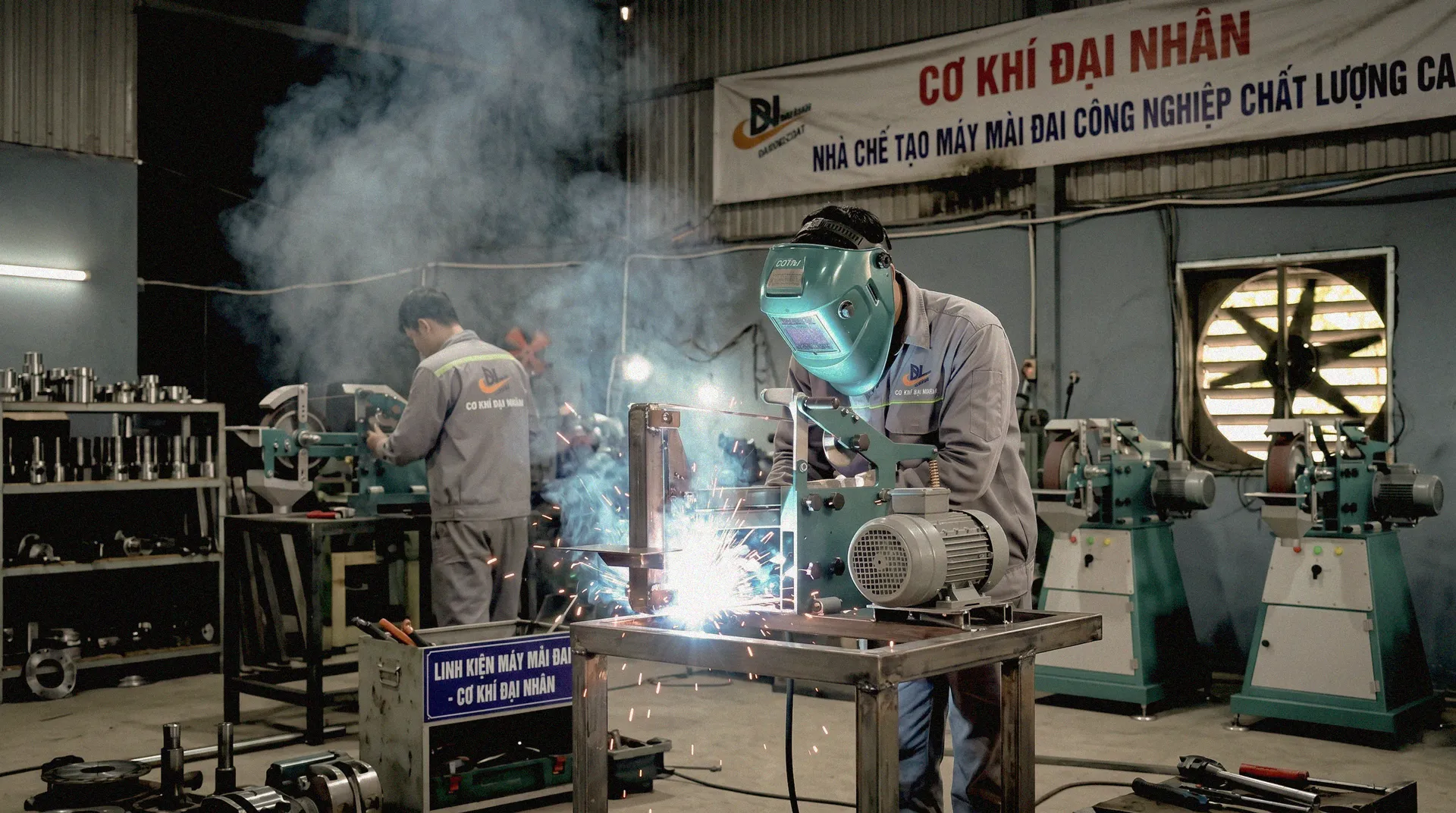
An experienced manufacturer should possess the engineering capability to customize every plate grinder according to the customer’s operational requirements. OEM and ODM services allow buyers to specify machine dimensions, working widths, feeding systems, control interfaces, grinding configurations, and automation features that align with their production objectives.
Customization improves factory integration while increasing productivity, reducing labor requirements, and supporting future production expansion.
Building Long-Term Supplier Relationships
Global sourcing should focus on establishing long-term partnerships instead of completing isolated purchasing transactions. Manufacturers that provide engineering consultation, spare parts support, technical training, maintenance guidance, and future equipment upgrades create significantly greater value over the equipment lifecycle.
Strong supplier relationships also improve communication, accelerate future projects, and reduce procurement risks as production requirements evolve. Selecting the right plate grinder manufacturer therefore becomes a strategic investment that extends far beyond the initial equipment purchase.
Why Global Buyers Trust Dai Nhan Machinery
Dai Nhan Machinery specializes in designing and manufacturing heavy-duty grinding and finishing equipment for manufacturers worldwide. Our engineering-driven approach combines advanced machine design, precision manufacturing, comprehensive quality control, and flexible OEM and ODM services to deliver solutions tailored to each customer’s production requirements.
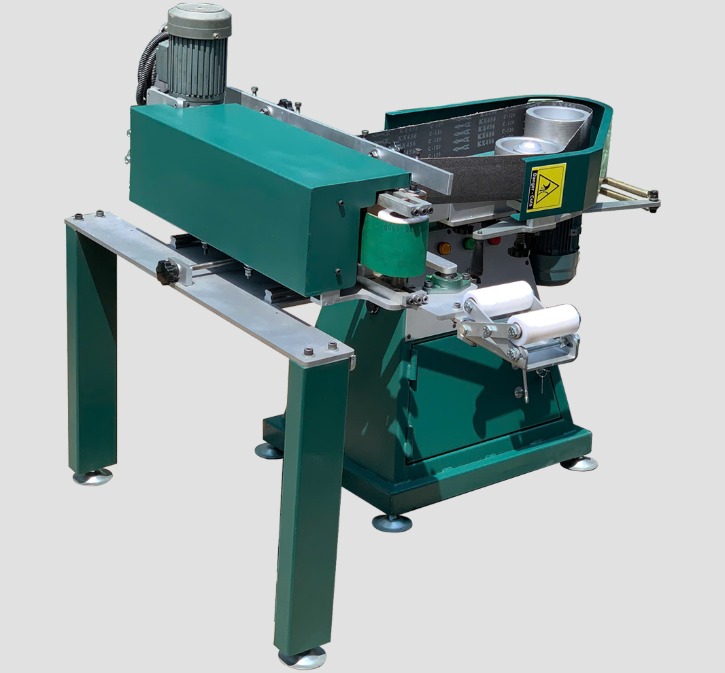
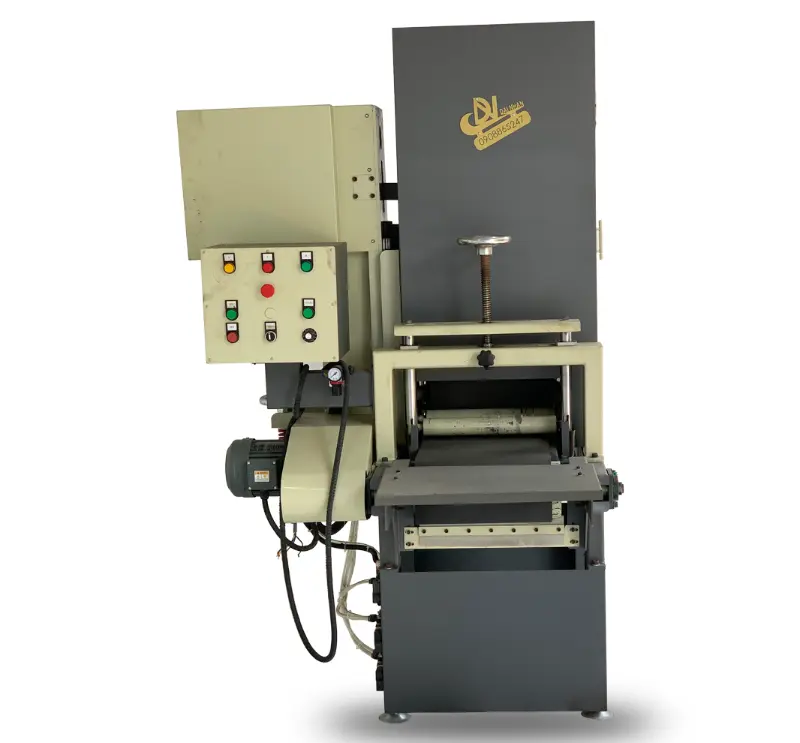
Whether customers require a robust plate grinder for heavy material removal, a high-performance plate grinding machine for precision surface preparation, or a customized plate graining machine for decorative and functional surface finishing, our engineering team works closely with every client to develop equipment that integrates seamlessly into modern manufacturing environments.
From engineering consultation and machine customization to production, testing, export documentation, installation support, and after-sales service, Dai Nhan Machinery is committed to helping customers improve productivity while minimizing long-term operational risks.
Conclusion
Selecting an export-standard plate grinder requires much more than reviewing technical specifications or comparing quotations. Successful procurement depends on verifying engineering capability, manufacturing quality, certification, factory testing, export experience, documentation, and long-term technical support.
Buyers who evaluate suppliers through this broader perspective are more likely to secure equipment that delivers consistent performance, reliable production, and sustainable long-term value. As global manufacturing standards continue to rise, certification and engineering excellence have become essential components of successful international sourcing strategies.
Partner with Dai Nhan Machinery
If your business is searching for a heavy-duty plate grinder backed by proven engineering expertise and export experience, Dai Nhan Machinery is ready to become your trusted manufacturing partner. We provide customized OEM and ODM solutions for customers across the global metal processing industry, combining precision engineering, rigorous quality control, and responsive technical support to deliver equipment built for long-term industrial performance.
Contact Dai Nhan Machinery today to discuss your production requirements, request engineering consultation, or receive a customized quotation for an export-standard grinding or surface finishing solution designed specifically for your manufacturing operation.
Read more: How to Partner With an OEM ODM Industrial Belt Sander Manufacturer


BOLA BAG's BLOG YOU MAY ALSO BE INTERESTED IN
How Are Stainless Steel Pipes Made? What Changes When Chromium Enters the Furnace
Cross-Border Supply Chains: Navigating Regulatory Compliance for Export-Standard Industrial Belt Sander
Eliminating Surface Deficiencies and Material Waste Using an Industrial Plate Grinder