


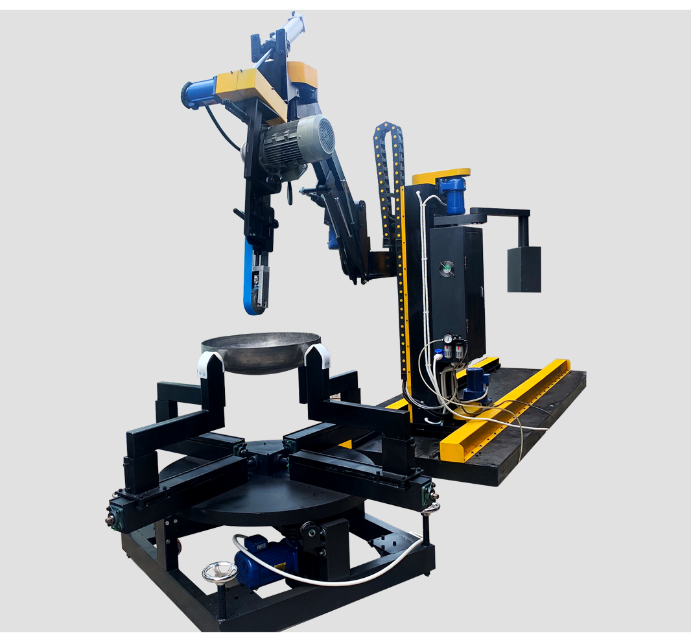
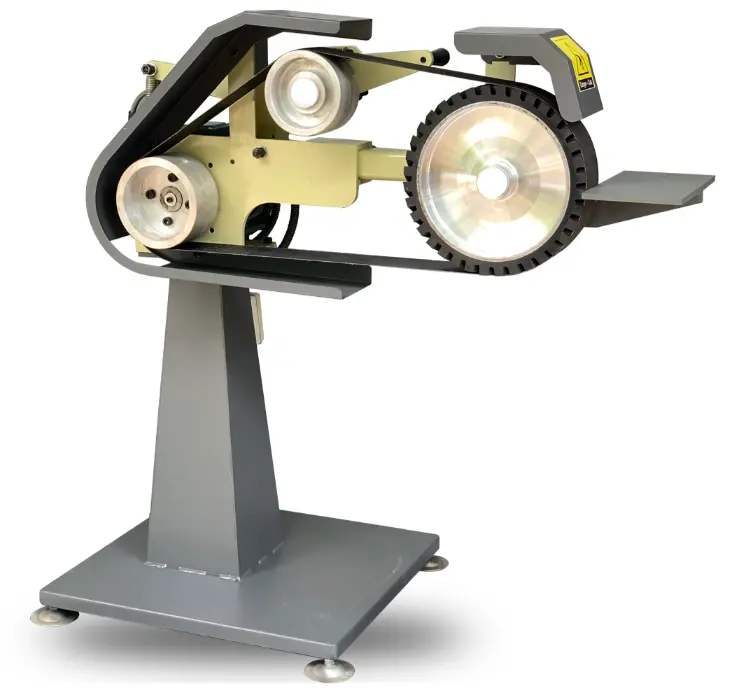
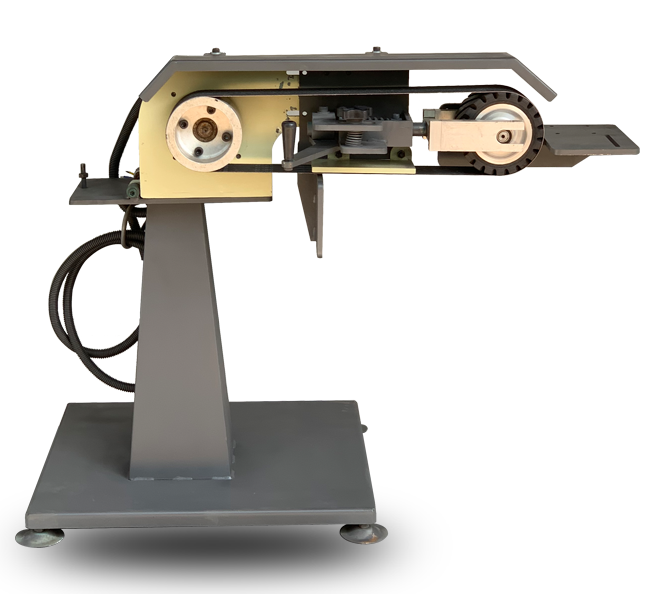
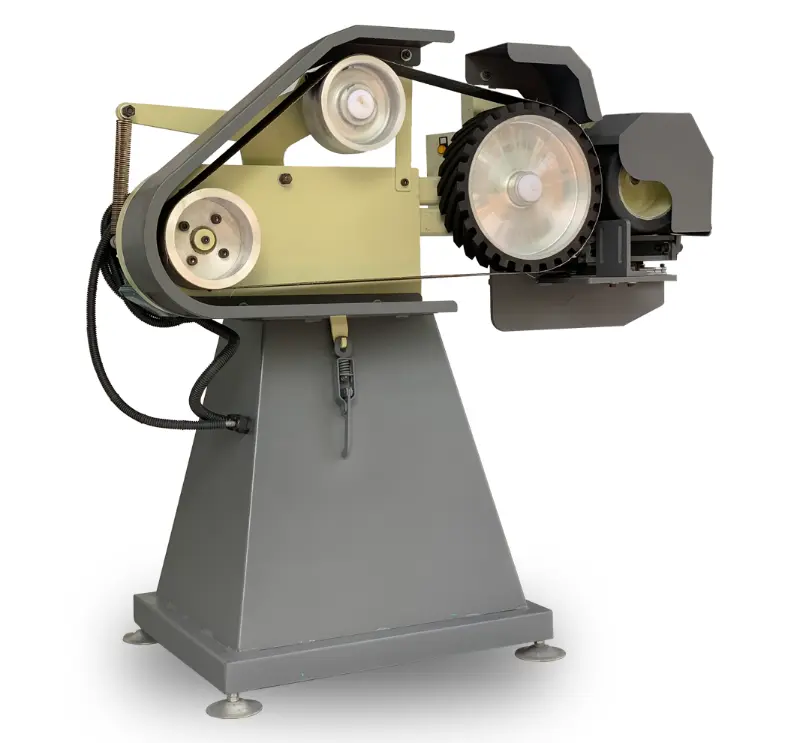
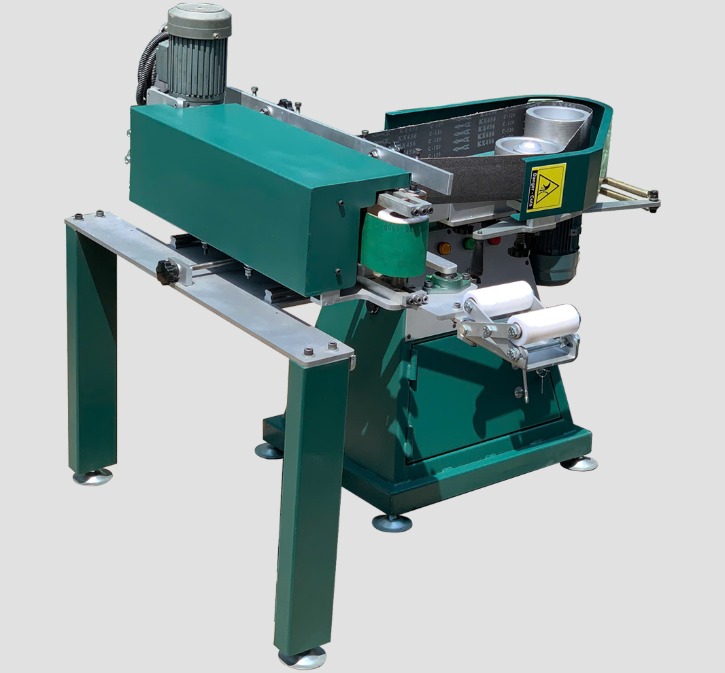
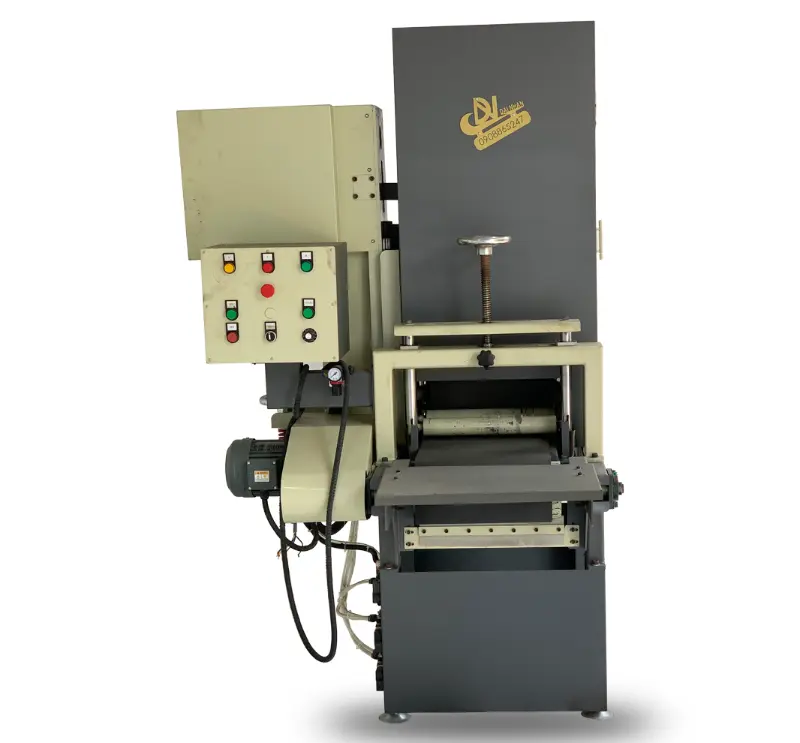
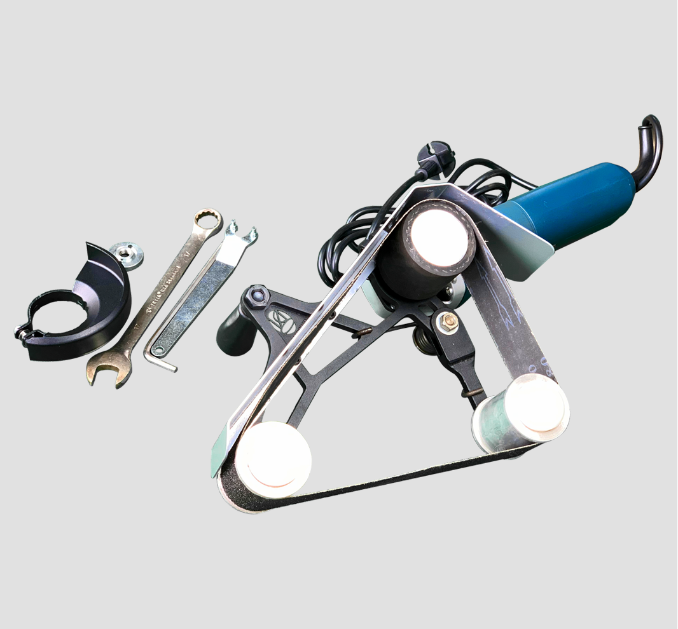
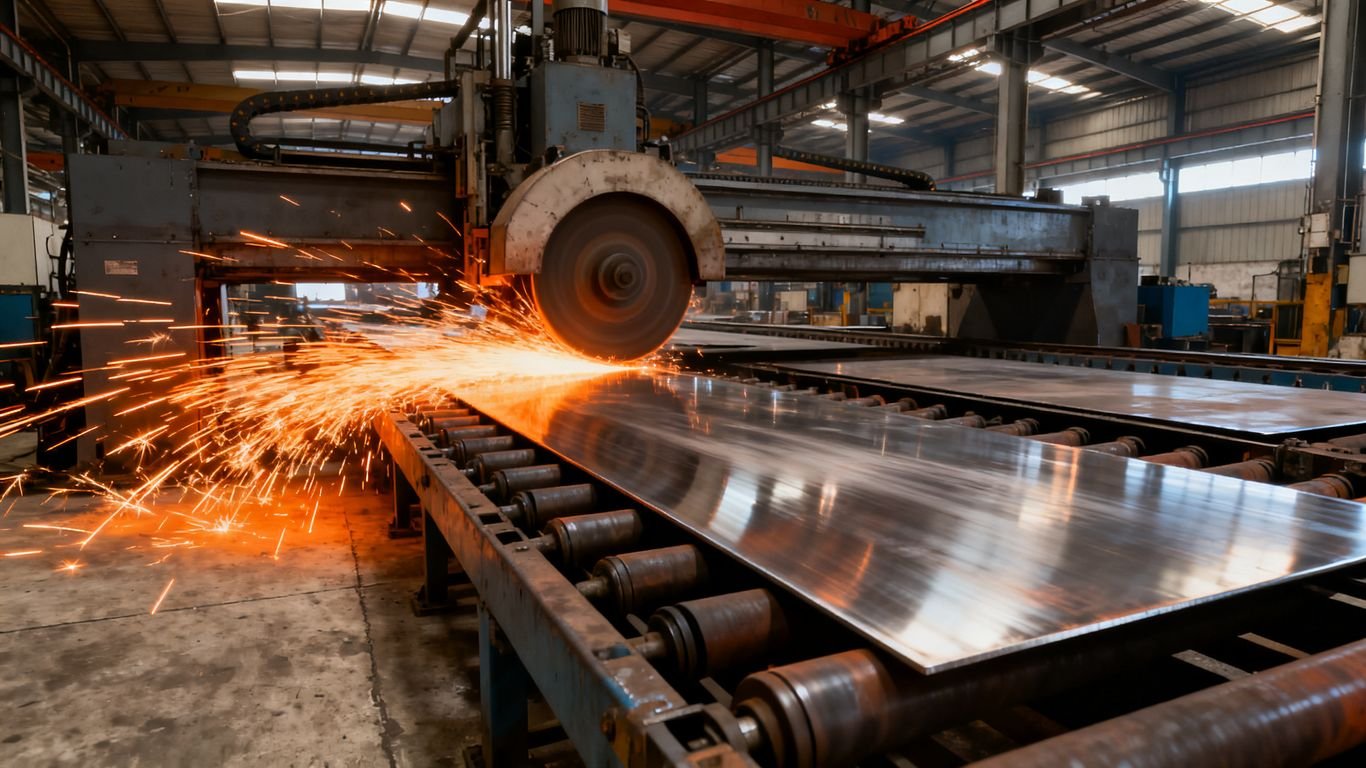
In today’s competitive manufacturing landscape, every investment in production equipment must deliver measurable value in terms of productivity, quality, and operational efficiency. An industrial plate grinder has become an essential asset for manufacturers seeking to improve surface finishing consistency, reduce manual processing time, and increase throughput across high-volume production environments.
Unlike conventional grinding methods, an export-standard industrial plate grinder is engineered for continuous operation, precise material removal, and reliable performance across a wide range of metal applications. By automating critical grinding and finishing processes, manufacturers can minimize labor costs, reduce rework rates, and improve overall production efficiency while maintaining strict quality standards.
In this article, we explore the return on investment (ROI) of integrating an industrial plate grinder into modern manufacturing operations and examine how the right equipment can contribute to long-term cost savings, higher productivity, and stronger competitiveness in global markets.
Understanding the economic impact of industrial grinding
Investing in a specialized plate grinder transforms the fundamental efficiency of a metal fabrication shop by shortening setup times and accelerating material throughput. When operations transition from manual grinding to automated systems, the consistency of output serves as a clear indicator of long-term profitability. By shifting to industrial belt and disc sanders, managers can observe immediate improvements in production flow and utility usage.
Higher throughput and processing speed
High-volume shops often suffer from bottlenecks during the material finishing phase where manual operations cannot keep pace with cutting and bending stages. An automated system manages higher throughput by maintaining constant feed pressure, which ensures that metal plates move as efficiently as the rest of the production line.
| Efficiency Metric | Manual Grinding | Automated Grinding | Gain Percentage |
|---|---|---|---|
| Parts Per Hour | 12 | 45 | 275% |
| Defect Rate | 8% | 1% | 87% reduction |
| Energy Cost/Unit | $0.45 | $0.18 | 60% savings |
Data gathered from regional fabrication lines demonstrates that upgrading to a dedicated plate grinder significantly compresses the time required for batch processing. This shift allows teams to redirect skilled labor toward high-value tasks while machines handle the repetitive aspects of metal surfacing.
Minimizing waste from surface defects
Consistency is the hallmark of a high-value manufacturing operation, especially when dealing with expensive alloys and heavy-duty plates. Surface defects, often caused by uneven contact or operator fatigue, represent a direct loss of raw material and time; however, these issues are largely absent in accurately calibrated automated systems.
Scalability for high-volume fabrication lines
Scalability relies on equipment that can be integrated into existing modular workflows without requiring major floor layout overhauls. As production volumes climb, firms benefit from modular systems that support additional input stations and consistent belt configurations across all shift cycles.
Eliminating operational inefficiencies through structural precision
Structural instability is the primary culprit behind inconsistent finishes and reduced machine lifespan in heavy metal fabrication. Vibration dampening is not a luxury but a fundamental necessity for industrial quality standards, ensuring that internal motors remain protected from erratic mechanical stress.
The role of CNC engineering in vibration dampening
Effective vibration dampening relies on sophisticated in-house manufacturing, where Dai Nhan Machinery applies advanced engineering practices to ensure that every machine frame remains rock-solid during high-torque operations. By eliminating “chatter” through rigid CNC-machined components, the machine maintains a uniform profile across the entire surface of the metal plate.
Extending abrasive belt life through structural stability
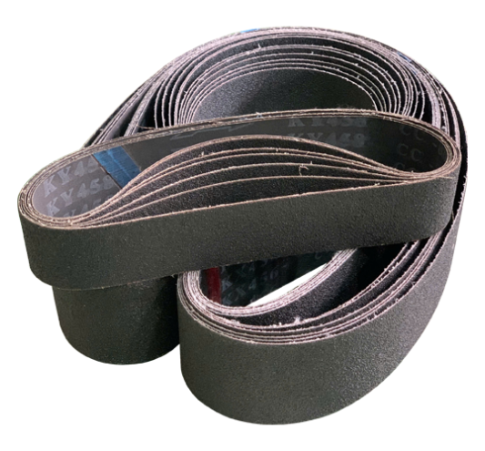
When a machine frame flexes or vibrates, the abrasive belt experiences rapid tension fluctuations that lead to premature tearing and uneven wear. A rigid, stable structure ensures that abrasive media remains centered and perfectly tensioned, significantly reducing the frequency of belt replacements.
Achieving consistent tolerances across heavy plates
Heavy plates require a machine capable of exerting significant consistent pressure while maintaining exact geometric tolerances over time. CNC-monitored feed systems allow operators to achieve a level of precision that is impossible with standard, off-the-shelf equipment.
Reducing long-term maintenance and consumable costs
Maintaining a peak-performance factory floor requires a proactive approach to equipment care, especially when managing high-usage consumables like abrasive belts. By utilizing machinery designed for durability, you minimize the hidden costs of breakdown and unexpected servicing.
Predicting abrasive replacement cycles
Properly managing your machine requires tracking the duty cycle of your consumables to plan purchasing around real-world production volumes. Operators should follow these maintenance steps to ensure longevity:
- Monitor belt tracking daily to prevent edge damage from misalignment.
- Implement a strict schedule for vacuuming particulate buildup from internal dust collection ports.
- Lubricate drive bearings every 500 operating hours to maintain smooth motor performance.
- Check contact wheel rubber hardness to ensure uniform pressure distribution across the plate.
These simple tasks protect the machine investment, ensuring that throughput remains steady rather than interrupted by surprise maintenance needs.
Impact of rigid construction on motor longevity
Rigid frame construction shields the motor from resonance that eventually leads to electrical housing fatigue and bearing failure. When the base frame absorbs zero energy from vibration, the drivetrain can operate at peak efficiency, minimizing heat buildup and electrical draw throughout prolonged production shifts.
Streamlining machine uptime for factory floor operations
Maximizing uptime necessitates an industrial belt sander built to handle 24/7 cycles without degradation of the primary assembly. Regular uptime management is essential, and integrating smart layout principles helps in creating a clear environment for safe maintenance access.
Enhancing surface finish quality for international markets
International trade requires adhering to strict aesthetic and sanitary standards that define the value of exported metal components.

Grinding Machine
High-end markets demand uniform finishes that prevent contamination and provide a clean, professional aesthetic suitable for food processing or pharmaceutical environments, often achieved with a dedicated plate graining machine for consistent surface texture.
Meeting global sanitary standards and requirements
Sanitary requirements often mandate specific roughness averages (Ra) for plate surfaces to ensure there are no crevices that might harbor bacteria. Achieving a finish of Ra < 0.8 µm consistently is only possible through high-precision plate grinding machines engineered for total surface uniformity.
Precision finishing for metal fabrication exports
Exports must meet stringent quality checklists to clear customs and satisfy the quality assurance protocols of global buyers. Precision grinding adds a layer of professionalism to goods, reducing the chance of rejection and helping businesses maintain a premium reputation in competitive markets.
Reducing secondary processing and manual rework
Secondary manual polishing is an expensive drain on resources that often introduces more errors than it resolves. By achieving the necessary finish in the first pass on the machine, companies save massive amounts on labor costs and decrease the total production cycle time.
Strategic advantages of factory-direct procurement
Working directly with an OEM firm provides a unique vantage point on how machinery can be modified to fit specific organizational needs. Shifting away from standard catalog items to direct-sourced manufacturing often results in a more capable and efficient production unit.
Bypassing intermediary markups for improved capital allocation
Intermediary markups often account for 20-30% of the total cost of industrial equipment, budget that is better spent on higher-grade motors or more sophisticated automation. By sourcing directly from a firm, companies redirect their capital into enhancing their core manufacturing capacity.
Benefits of custom OEM engineering for specific workflows
Off-the-shelf equipment is designed for generic applications, whereas custom OEM engineering targets your specific alloy profile, plate thickness, and finishing requirements. This level of customization allows you to work faster and achieve better results than competitors relying on standardized tools.
Leveraging regional manufacturing for cost competitiveness
Southeast Asian manufacturing hubs have evolved into centers for high-quality, competitively priced equipment that meets international standards across the board. These hubs allow companies to procure high-end machinery without the tariff burdens or high logistics costs associated with other global suppliers.
Calculating the total cost of ownership
Calculating TCO requires looking beyond the sticker price and considering the influence of energy efficiency, downtime, and long-term parts availability. The true cost of any plate grinder is finalized by its performance five years after the initial purchase.
Accounting for machine depreciation and productivity gains
Productivity gains from faster cycle times often offset the depreciation of the asset within the first two years of operation. When a machine produces double the output of its predecessor, the cost per unit drops rapidly, providing a compounding financial advantage over the equipment’s lifespan.
Balancing initial investment against energy efficiency
Low-energy-profile motors and advanced variable frequency drives contribute significantly to long-term profitability. An initial investment in high-efficiency hardware results in measurable savings on monthly utility bills for factory-scale operations.
The hidden ROI of reliable, long-term spare part availability
Reliable spare parts are crucial, as a stalled machine is an expensive liability that stops income flow. Partnering with a manufacturer ensures that critical components are available locally, preventing long shipping delays and keeping production lines rolling.
Manufacture Smarter With Dai Nhan Machinery
Skip one-size-fits-all equipment and work directly with the manufacturer. Dai Nhan Machinery provides custom OEM engineering to match your materials, production volume, finishing standards, and factory workflow—helping you invest in equipment built around your operation.
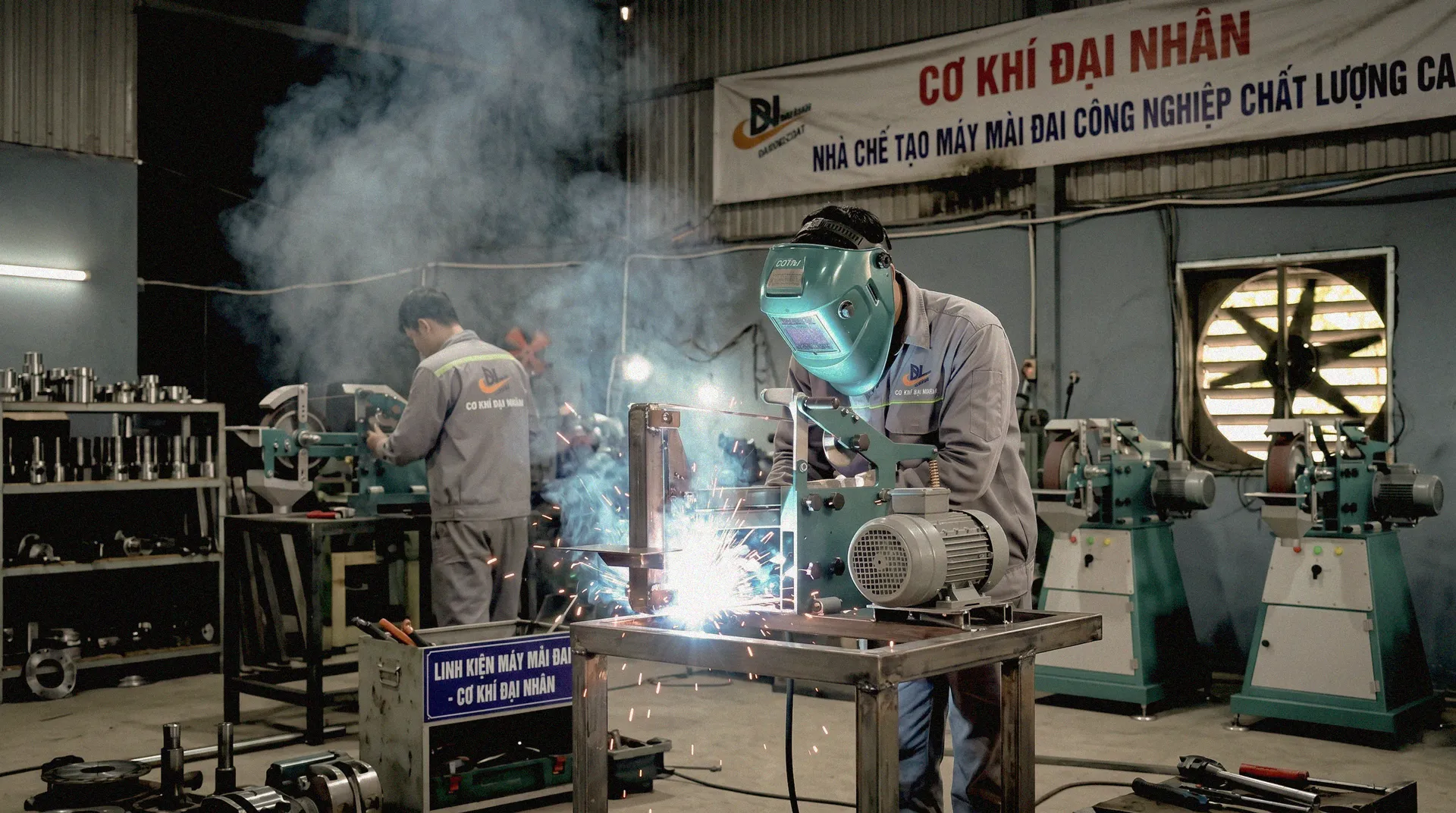
Dai Nhan Machinery Factory
Contact Dai Nhan Machinery to discuss a custom industrial machinery solution.
Conclusion
Integrating a high-standard industrial grinder into your fabrication process ultimately serves as an investment in stability and output velocity. By focusing on the structural integrity of your equipment and choosing resilient, custom-engineered solutions instead of generic alternatives, you secure a competitive position in both local and international markets, successfully driving down the total cost of ownership while elevating product quality.


BOLA BAG's BLOG YOU MAY ALSO BE INTERESTED IN
Why You Should Buy Directly from a Belt Sander Machine Manufacturer
How to Select an OEM/ODM Belt Grinder Manufacturer for Global Supply Chains
Global Procurement Guide: Selecting the Best Industrial Pipe Polishing Machine Manufacturer