


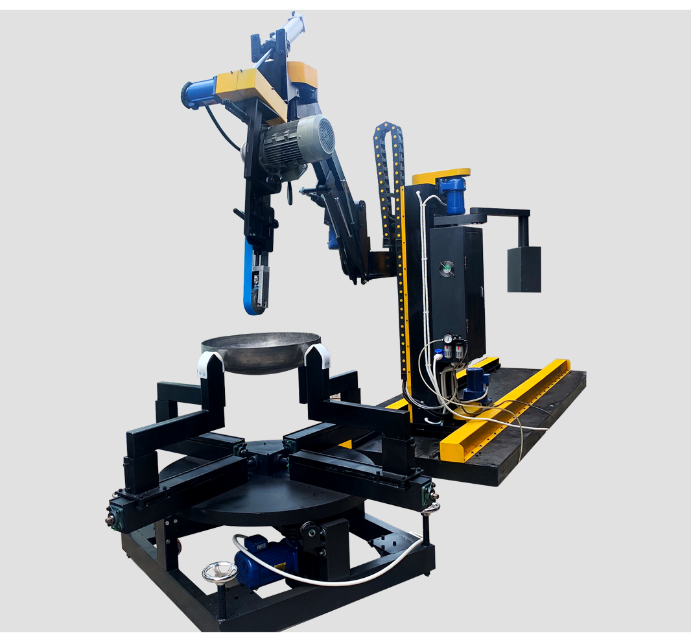
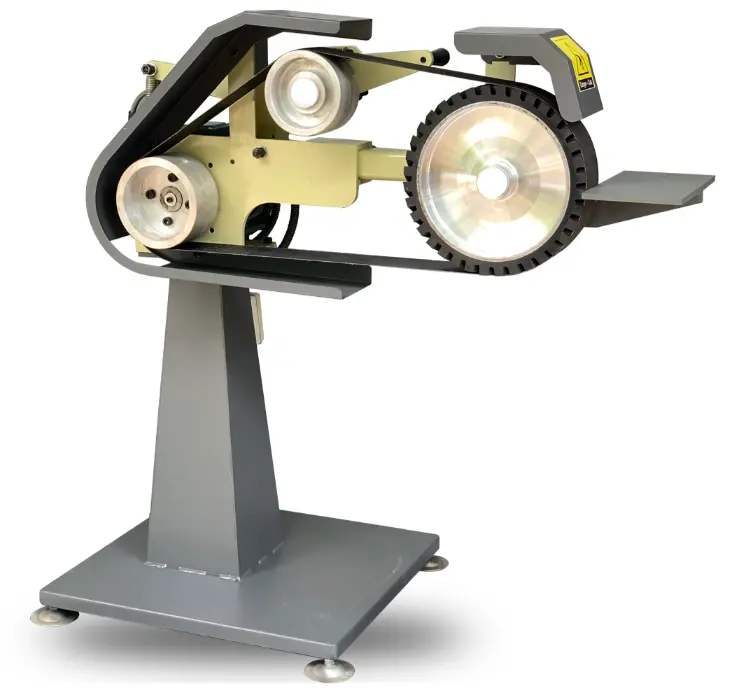
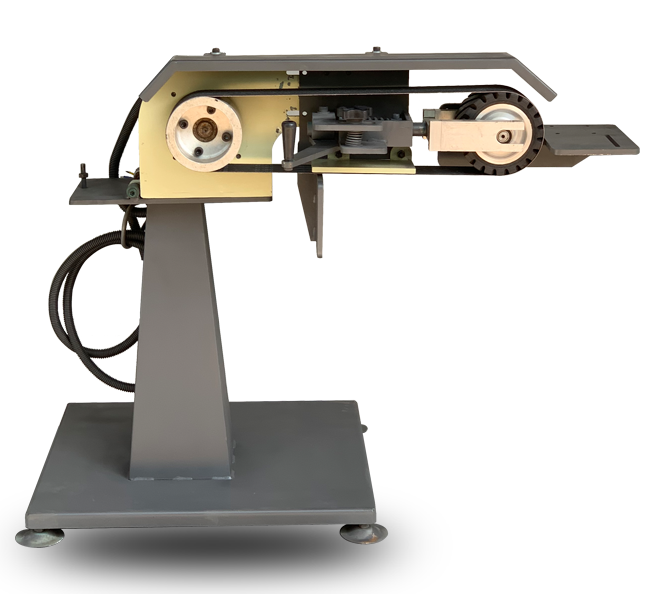
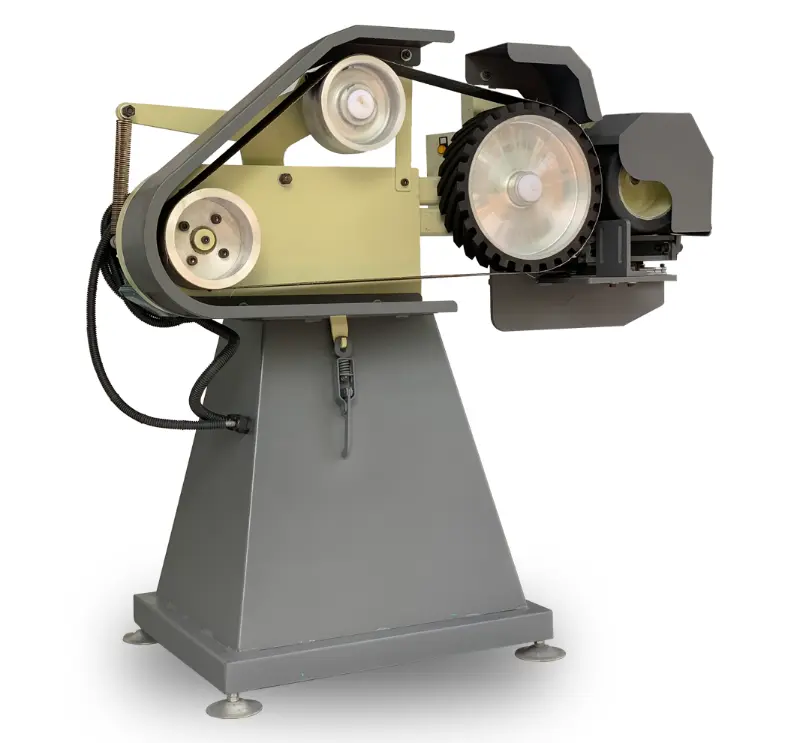
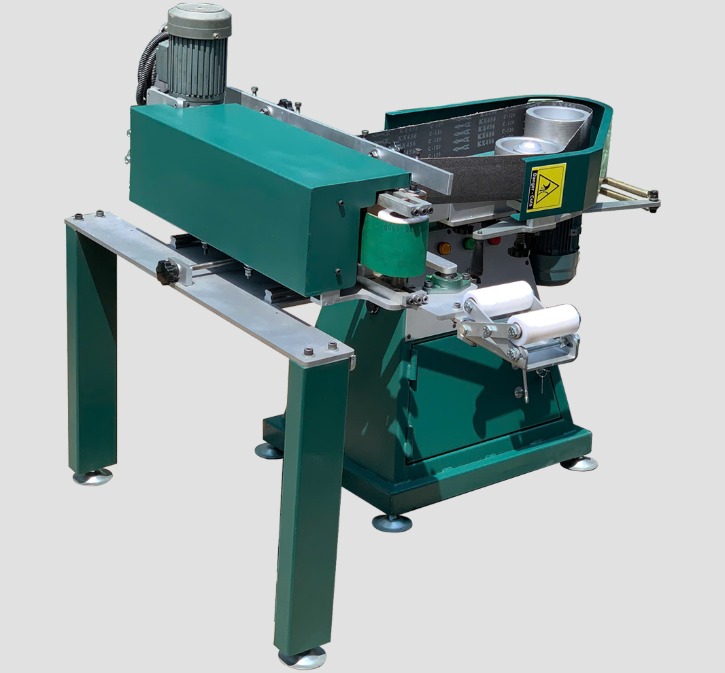
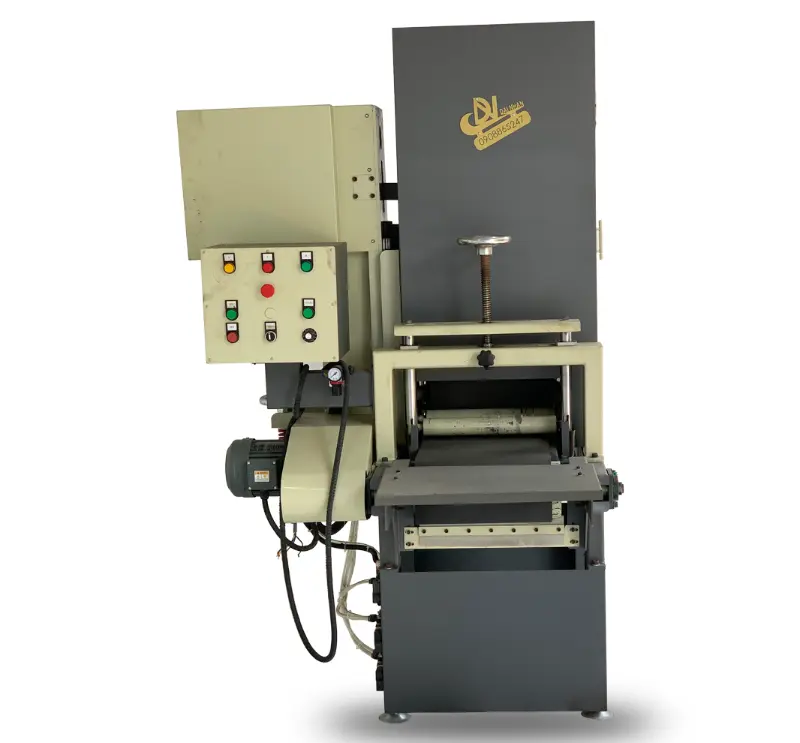
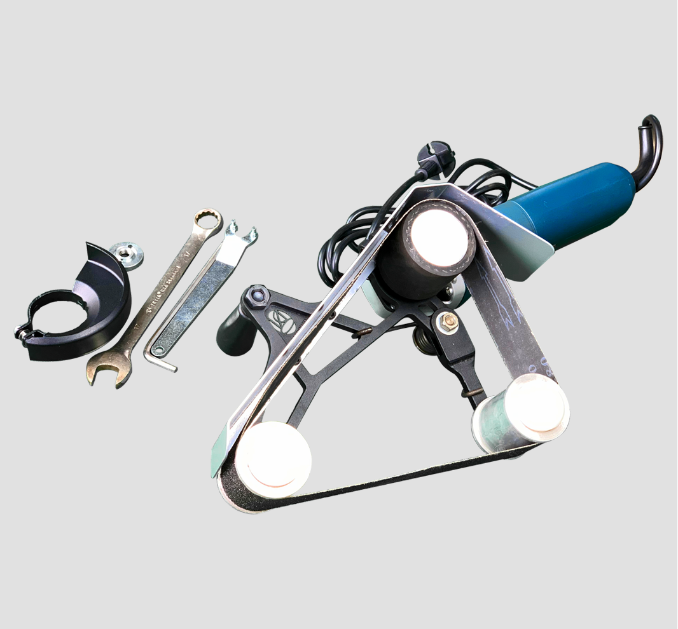
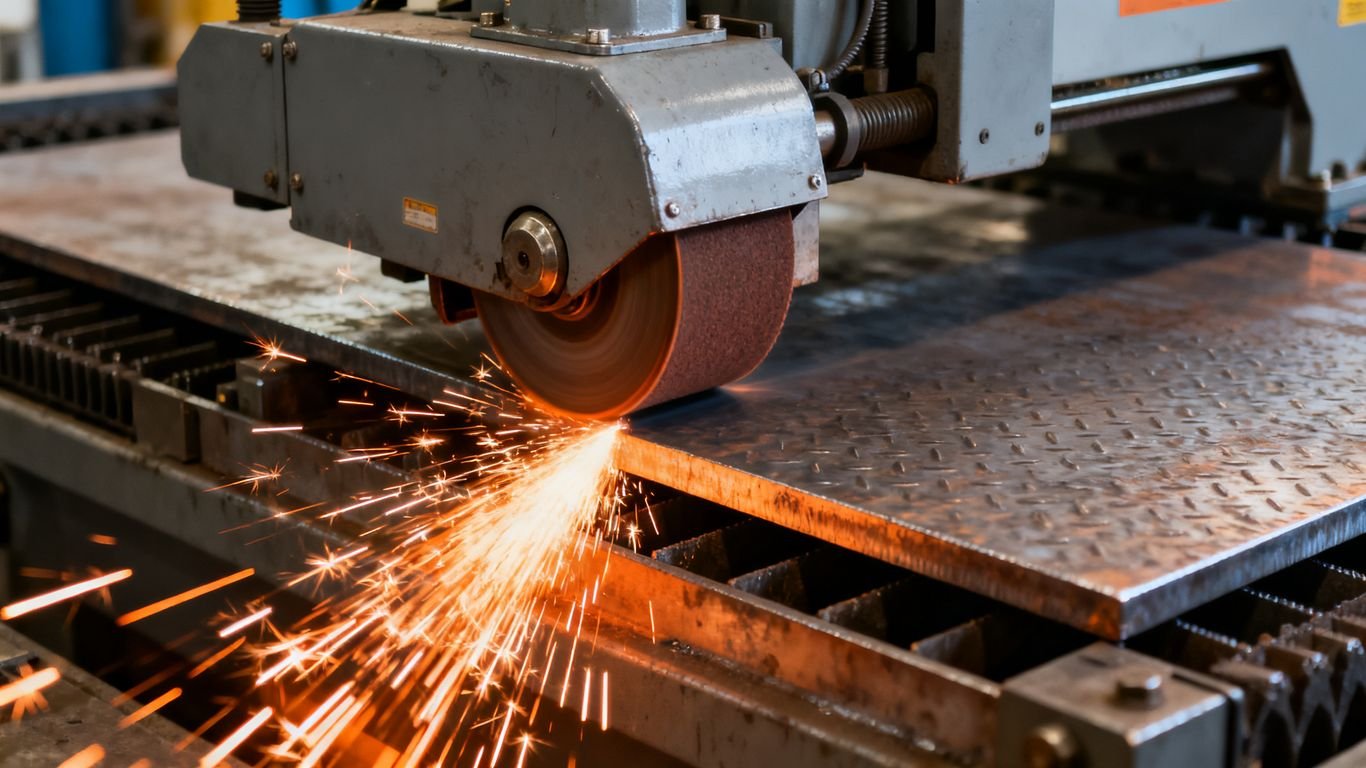
Modern metalworking requires equipment that can perform multiple finishing tasks without compromising precision or productivity. An industrial belt and disc sander offers the versatility needed to handle a wide range of applications, including grinding, deburring, edge finishing, surface preparation, and polishing. By combining belt sanding and disc sanding functions into a single machine, manufacturers can improve workflow efficiency while reducing equipment costs and factory floor space.
Whether processing stainless steel, aluminum, carbon steel, or other metal materials, an industrial belt and disc sander delivers consistent finishing results across different workpieces and production requirements. Its robust construction, flexible operating configurations, and ability to perform both aggressive material removal and fine surface finishing make it an indispensable solution for fabrication shops, machinery manufacturers, and industrial production facilities.
In this article, we’ll explore the versatility of an industrial belt and disc sander, its key advantages in modern metalworking, and why it has become an essential investment for manufacturers seeking greater efficiency, precision, and long-term productivity.
Understanding the role of an industrial belt and disc sander
Dual-purpose functionality for metal fabrication shops
Fabrication facilities require a metal fabrication belt sander that handles multiple surface profiles without necessitating frequent tool changes. An industrial belt and disc sander provides the versatility needed to swap between grit levels and contact profiles in seconds. This flexibility allows shop floors to process various metal parts efficiently while using a singular, robust workstation for both primary grinding and secondary finishing tasks.
Transitioning from heavy stock removal to fine surface finishing
When a shop deals with rough weld edges or thick burrs, the ability to control material removal is paramount. By choosing the right industrial belt grinder setup, operators can effectively manage heavy stock removal on the abrasive belt while switching to the side disc for precise, flat surface refinement. This transition enables a cleaner workflow where roughing and finishing occur within a single, dedicated area, significantly cutting down on material handling times.
Strategic versatility in high-mix, low-volume production environments
In shops producing small batches of diverse components, a belt sander for metalworking must be adaptable and easy to configure. Choosing the right machinery for these settings involves balancing footprint with throughput, a challenge addressed by selecting a supplier that focuses on versatile and modular designs. This strategic approach ensures that even custom projects receive professional results without requiring expensive, specialized tooling for every separate contract.
Engineering considerations for metalworking precision
Eliminating micro-vibrations for consistent surface quality
Maintaining a stable surface finish requires equipment engineered to resist mechanical deflection during intense operation. Dai Nhan Machinery utilizes in-house CNC engineering to create structures that prevent chatter, ensuring that the abrasive surface maintains uniform contact with the workpiece at all times.
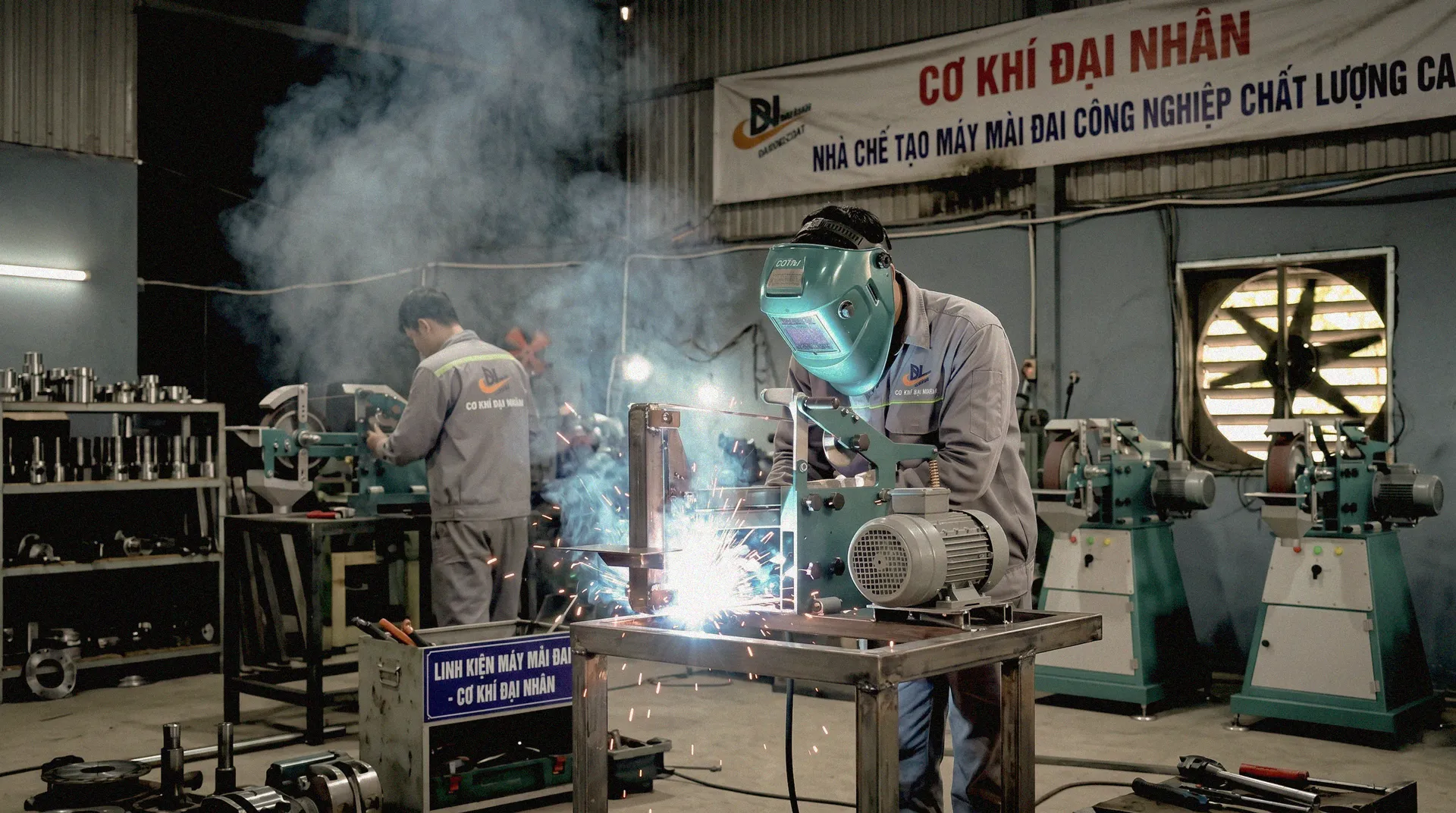
Dai Nhan Machinery Factory
By eliminating micro-vibrations, fabricators can achieve a high-precision surface finish that meets strict quality control standards for demanding metalwork projects.
The importance of rigid, machine-grade frame construction
Rigidity dictates how well a tool performs under high-stress grinding conditions throughout its lifespan. A machine frame must manage the force of heavy metal loads without warping or succumbing to heat deformation. Investing in industrial-grade machines with robust steel fabrication prevents the degradation of alignment, allowing for long-term repeatable precision in every finished piece.
Integrating high-torque drive systems for demanding metal loads
Powerful motors are essential for sustained production cycles where stalls and slowdowns are unacceptable. We design our drives to provide constant, steady torque even when grinding stubborn alloys or thick plate materials, which minimizes operator fatigue and keeps production moving steadily. This reliability defines the output quality for our clients in large-scale projects.
Optimizing surface finishing techniques
Achieving specific roughness averages for sanitary-grade requirements
Surfaces intended for sanitary environments require a specific Ra finish that prevents bacterial accumulation within pores. Achieving these standards demands precise grit progression and controlled contact pressure across the entire surface area of the component.
| Process Step | Grit Range | Target Outcome |
|---|---|---|
| Initial Removal | 36 – 60 | Weld cleanup |
| Intermediate Surface | 80 – 120 | Scale removal |
| Final Polish | 240+ | Sanitary finish |
By following a systematic progression, technicians can reliably hit the required metrics for food and beverage grade hardware without excessive reworking cycles.
Selecting the correct abrasive grit for diverse metal alloys
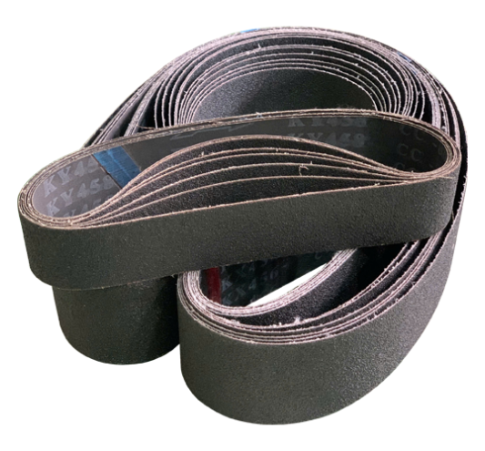
Matching the abrasive material to the metal alloy is critical for extending the life of sanding belts for steel and achieving the desired finish. Harder metals like stainless steel require specialized ceramic or alumina abrasives to prevent premature glazing. Using inappropriate grit often leads to surface burns, so it is necessary to match the consumption strategy to the specific alloy type being processed.
Benefits of factory-direct heavy-duty machinery
Tailoring equipment dimensions to unique floor-space constraints
Every production floor operates under different space limitations, necessitating custom equipment footprints that maximize utility. Purchasing a metal working belt sander that is built for your needs ensures you are not forced to rearrange existing workflows to accommodate a standard catalog size, allowing for better site optimization.
Eliminating supply chain friction through direct OEM partnership
Directly manufacturing in Cu Chi allows us to maintain a transparent and resilient supply chain that supports our international clients. Eliminating middleman markups and logistical hurdles lets us focus on delivering engineered value rather than bureaucratic overhead. This model is particularly beneficial as a tariff-free alternative to traditional manufacturing centers.
Enhancing performance standards beyond off-the-shelf catalog units
Standard mass-produced units often fail to address the nuance of high-volume, continuous metal finishing. We provide customized solutions that incorporate specific feed mechanisms or head configurations that mass manufacturers might overlook. Building machinery with industrial-grade standards ensures performance that extends long past standard warranty periods.
Maintaining long-term abrasive lifespan
Reducing premature belt breakage through structural stabilization
Belt breakage is often the result of machine misalignment or excess mechanical stress that creates uneven tension. By maintaining a perfectly rigid path for the belt, our stabilization protocols stop the vibration-driven fatigue that typically causes belts to snap under pressure.
Improving integrated dust extraction and debris management
Debris buildup inside the internal housing can foul drive rollers and impede cooling efficiency. Effective dust management prevents metallic particles from accumulating on tensioning springs, ensuring that the machine runs clean throughout an entire shift. We prioritize the following for machine longevity:
- High-velocity vacuum ports placement near the contact point.
- Sealed bearing housings to protect against metallic dust ingress.
- Quick-access cleaning panels to simplify daily maintenance.
- Reinforced debris catch trays for safe disposal.
Maintaining these systems simplifies daily operations and prevents long-term component wear.
Implementing precision tensioning and alignment protocols
Consistent tensioning is the secret to extending the life of your abrasives. Machines that allow for fine-tuned tracking adjustments enable operators to keep the belt centered automatically, preventing edge fraying. This granular control is a signature feature of Dai Nhan Machinery equipment, designed for those who refuse to settle for compromised production results.
Scaling operations with robust metal fabrication tools
Integrating belt and disc stations into semi-automated workflows
Automation does not always mean full robotics; it often starts as integrating fixed stations into a logical production line. By positioning our industrial belt sanders for metal alongside CNC cutting stations, shops move parts through finishing faster. This approach removes the bottleneck caused by manual deburring.
Enhancing throughput in pipe, tube, and plate processing
Scaling operations requires belt sanders for metal work capable of handling varied geometries, including tubular structures that require constant contact pressure. We engineer our specialized polishers to navigate the radii of pipes, ensuring consistent coverage that manual labor simply cannot achieve at scale.
Prioritizing operator ergonomics and industrial safety standards
Safety is not just about keeping fingers away from moving parts; it is about reducing the physical toll of grinding over long shifts. Our designs aim to minimize the force required by the operator, using ergonomic interfaces that keep the technician comfortable and focused. By building machines that intuitively protect the end-user, we support a safer and more productive shop floor environment.
Enhance Your Manufacturing Efficiency with Dai Nhan Machinery
The right industrial belt and disc sander does more than improve surface quality—it increases productivity, reduces maintenance costs, and supports long-term manufacturing growth. At Dai Nhan Machinery, we design and manufacture heavy-duty metalworking equipment tailored to your production requirements, whether you need a standard machine or a fully customized solution.
Our engineering team works directly with manufacturers, fabricators, and OEMs to develop equipment optimized for specific materials, throughput targets, and workshop layouts. With factory-direct pricing, custom engineering capabilities, and dedicated technical support, Dai Nhan Machinery helps businesses achieve reliable, high-precision metal finishing while maximizing operational efficiency.
Contact Dai Nhan Machinery today to discuss your application, request technical specifications, or receive a customized quotation for your next metalworking project.
Conclusion
Investing in a high-quality industrial belt and disc sander is the foundation for shops looking to scale their metal fabrication capabilities and refine their surface finishing standards. By prioritizing rigour and precision—as seen in the specialized engineering provided by firms like Dai Nhan Machinery—shops can move past the limitations of standard catalog equipment and achieve superior results across every batch. With the right machine setup, an optimized workflow, and a consistent focus on maintenance, you ensure that every metal component processed is of a caliber that sets your brand apart in competitive markets.
Read more: Operational Mistakes with Export-Standard Industrial Belt Sander


BOLA BAG's BLOG YOU MAY ALSO BE INTERESTED IN
Global Procurement Guide: Selecting the Best Industrial Pipe Polishing Machine Manufacturer
Operational Mistakes with Export-Standard Industrial Belt Sander
How to Evaluate an Industrial Belt Sander for Sale for OEM/ODM Scale and Procurement