


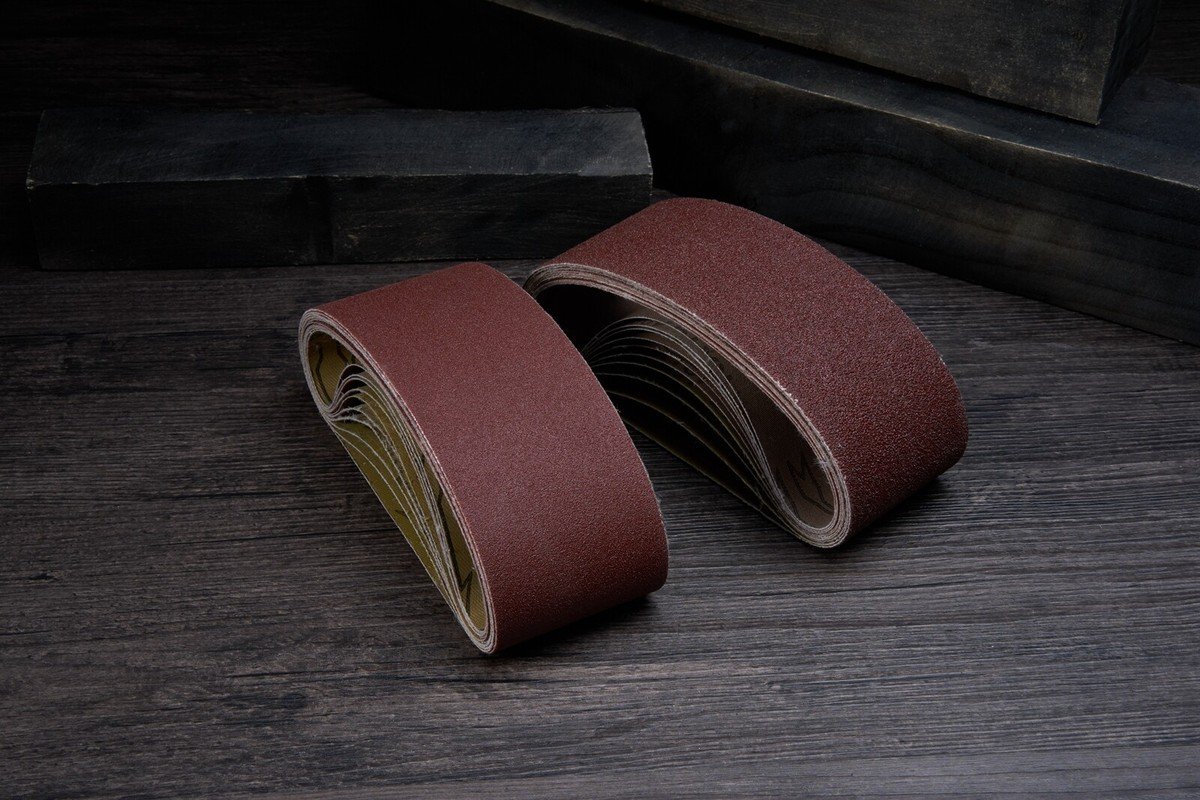
In today’s competitive manufacturing landscape, surface finishing is no longer viewed as a secondary production process. It has become an essential factor influencing product quality, operational efficiency, production costs, and customer satisfaction. As manufacturers continue to automate production lines and process a wider variety of materials, the demand for custom made sanding belts has increased significantly. Standard abrasive belts often fail to deliver the precise performance required for specialized applications, making customized solutions the preferred choice for manufacturers seeking consistent results and long-term productivity.
For OEM manufacturers, distributors, industrial equipment builders, and metal fabrication companies, sourcing custom made sanding belts involves much more than selecting abrasive grit or belt dimensions. Buyers must evaluate material compatibility, joint construction, backing materials, abrasive technology, supplier capability, production consistency, and long-term technical support. Choosing the right manufacturing partner directly affects grinding efficiency, abrasive lifespan, equipment performance, and overall production profitability.
This guide explains how global buyers can successfully source custom made sanding belts for OEM and ODM projects while minimizing procurement risks and maximizing operational value.
Why Customized Sanding Belts Are Becoming the Industry Standard
Industrial manufacturing has evolved beyond standardized production. Today’s factories process a broad range of metals, composites, engineered plastics, and specialty alloys, each requiring different grinding characteristics and surface finish requirements.
Standard abrasive products are designed to satisfy general applications, but they rarely provide the optimal balance between cutting efficiency, surface quality, heat control, and belt durability. As production requirements become increasingly specialized, manufacturers require custom made sanding belts engineered specifically for their equipment, materials, and production objectives.
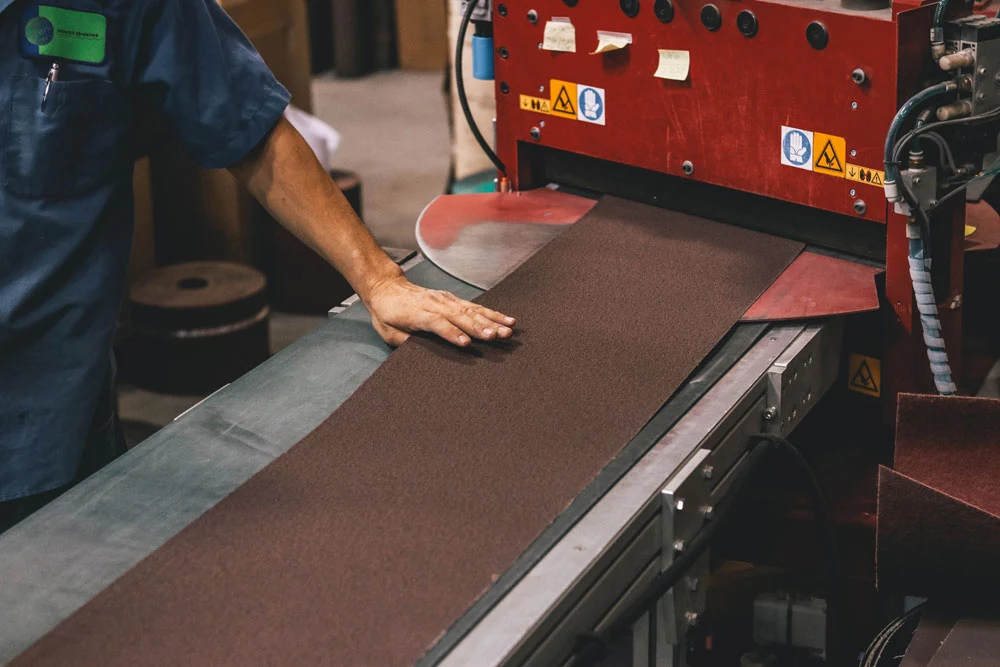
Why Customized Sanding Belts Are Becoming the Industry Standard
Customization allows manufacturers to improve grinding consistency while reducing abrasive consumption, minimizing machine downtime, and achieving more predictable production performance. Instead of adapting production around standard consumables, manufacturers can optimize consumables to support their production strategy.
Understanding the Complete Application Before Ordering
Successful sourcing begins with understanding the manufacturing application rather than immediately requesting quotations.
Every production environment presents different operating conditions that influence abrasive belt performance. Material hardness, workpiece dimensions, grinding pressure, operating speed, production volume, coolant usage, and required surface finish all determine which sanding belt configuration will produce the most efficient results.
A supplier capable of manufacturing high-quality custom made sanding belts should begin every project by evaluating these production variables. This engineering-oriented approach allows the supplier to recommend the appropriate abrasive grain, backing material, bonding system, belt dimensions, and joint construction instead of simply supplying products based on generic specifications.
The more thoroughly the manufacturing process is analyzed before production begins, the greater the likelihood of achieving long-term improvements in productivity and product quality.
Selecting the Right Abrasive Material
Different manufacturing applications require different abrasive technologies depending on the workpiece material and production objectives. Stainless steel processing often benefits from abrasives capable of maintaining aggressive cutting action while minimizing heat generation. Carbon steel fabrication may prioritize durability during continuous grinding operations, while aluminum processing requires abrasive systems designed to reduce loading and maintain consistent cutting efficiency.
Customized engineering enables manufacturers to optimize abrasive selection according to the production environment rather than relying on universal solutions that may compromise performance.
This approach improves process stability while reducing unnecessary abrasive replacement and maintenance interruptions.
Engineering Belt Construction for Industrial Performance
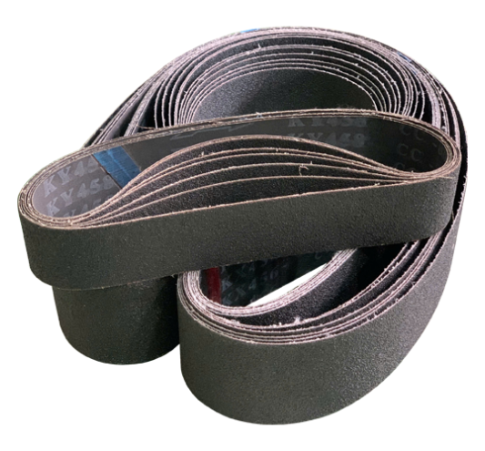
The performance of custom made sanding belts depends not only on abrasive grain but also on the engineering of the belt itself.
Backing materials determine flexibility, tensile strength, dimensional stability, and resistance to continuous industrial workloads. Joint construction influences tracking stability, vibration levels, and operational reliability throughout extended production cycles.
Manufacturers operating automated grinding systems require belts capable of maintaining consistent performance under continuous operation. Poorly engineered belts may experience premature joint failure, uneven wear, inconsistent tracking, or reduced grinding efficiency, all of which contribute to increased production costs.
Professional engineering ensures every component of the sanding belt works together to maximize productivity while extending service life.
Evaluating Abrasive Sanding Belt Suppliers
Choosing among different abrasive sanding belts suppliers requires much more than comparing product pricing. Professional suppliers invest in engineering expertise, production technology, quality control, and application support. Rather than supplying catalog products alone, they collaborate with customers to develop abrasive solutions optimized for specific manufacturing requirements.
Reliable suppliers also maintain strict production consistency so that every replacement belt performs identically to previous production batches. This consistency is essential for manufacturers seeking predictable production quality across long-term manufacturing programs.
An experienced supplier further supports customers through technical consultation, performance evaluation, and continuous product improvement based on production feedback.
Why Linishing Belt Expertise Matters
Many industrial finishing applications require precision linishing rather than aggressive stock removal. In these environments, working with experienced linishing belt suppliers provides significant operational advantages because linishing applications demand exceptional control over surface finish consistency, belt stability, and dimensional accuracy.
Industries producing architectural stainless steel, commercial kitchen equipment, elevators, decorative metal panels, medical equipment, and premium consumer products frequently rely on precision linishing processes to achieve uniform surface appearance.
Customized linishing belts engineered specifically for these applications help manufacturers reduce surface variation while improving aesthetic quality and minimizing secondary finishing operations.
Compatibility with Modern Grinding Equipment
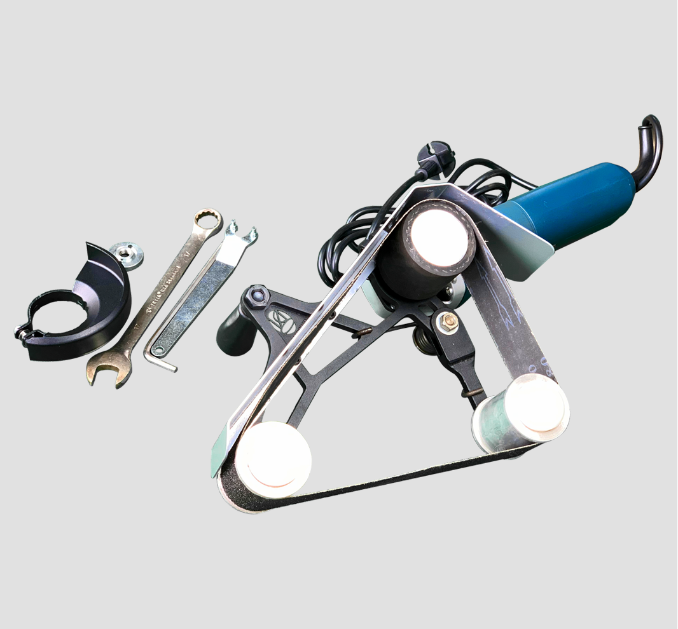
Abrasive performance cannot be separated from machine performance. Every sanding belt must operate reliably within the specific mechanical characteristics of the production equipment. Belt length, width, operating speed, tension systems, contact wheels, platen design, and feed mechanisms all influence grinding efficiency.
Manufacturers sourcing custom made sanding belts should therefore ensure that every product is engineered according to the operating characteristics of their equipment rather than generic machine dimensions alone.
This integrated engineering approach reduces vibration, improves tracking accuracy, extends belt life, and enhances overall production stability.
Working with a Belt Grinder Manufacturer
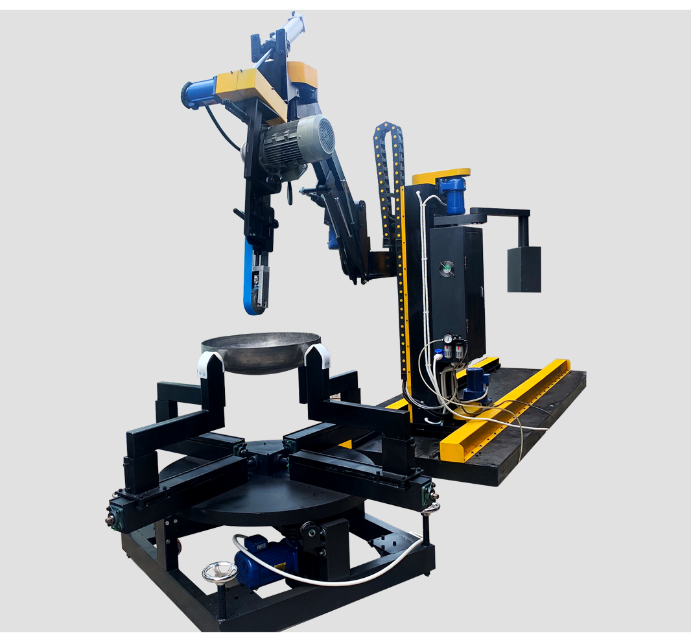
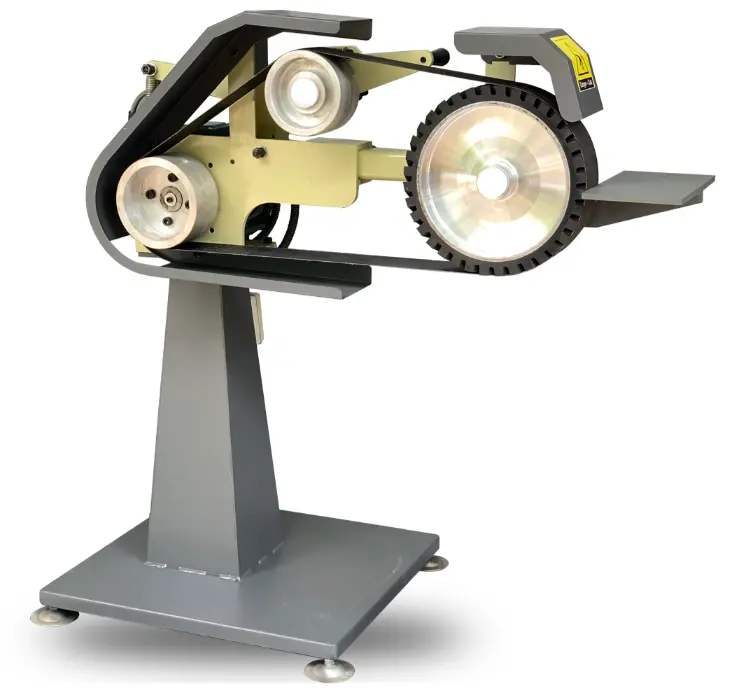
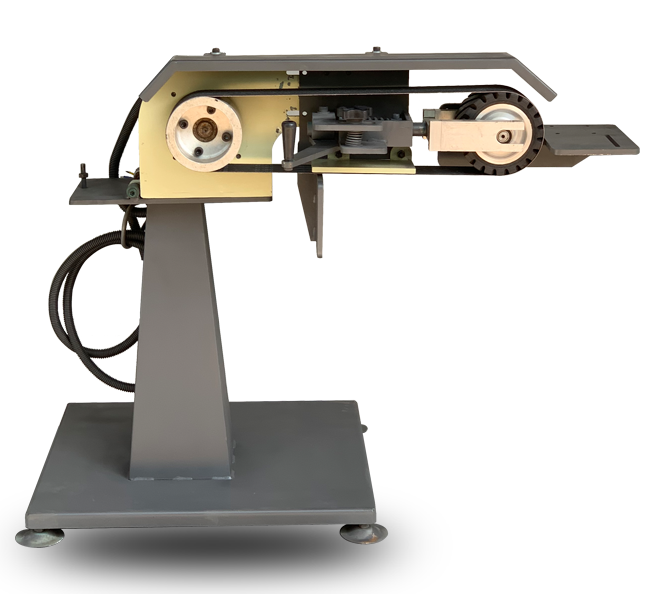
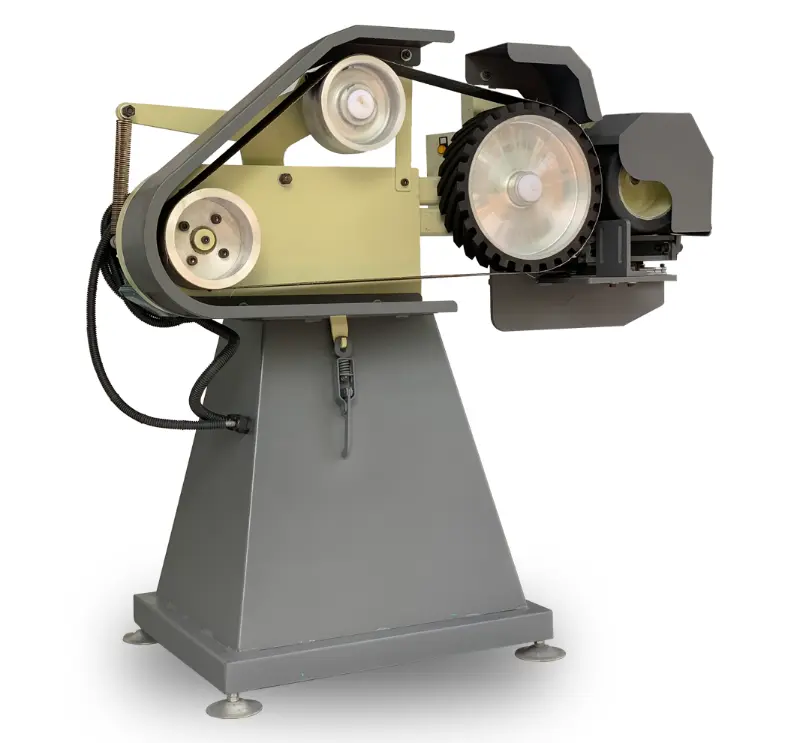
Many manufacturers overlook the advantages of collaborating directly with a belt grinder manufacturer during abrasive belt development. Machine manufacturers possess detailed knowledge of grinding dynamics, belt tracking systems, contact pressure, drive mechanisms, and production performance. Their engineering expertise enables them to recommend sanding belts optimized specifically for the equipment on which they will operate.
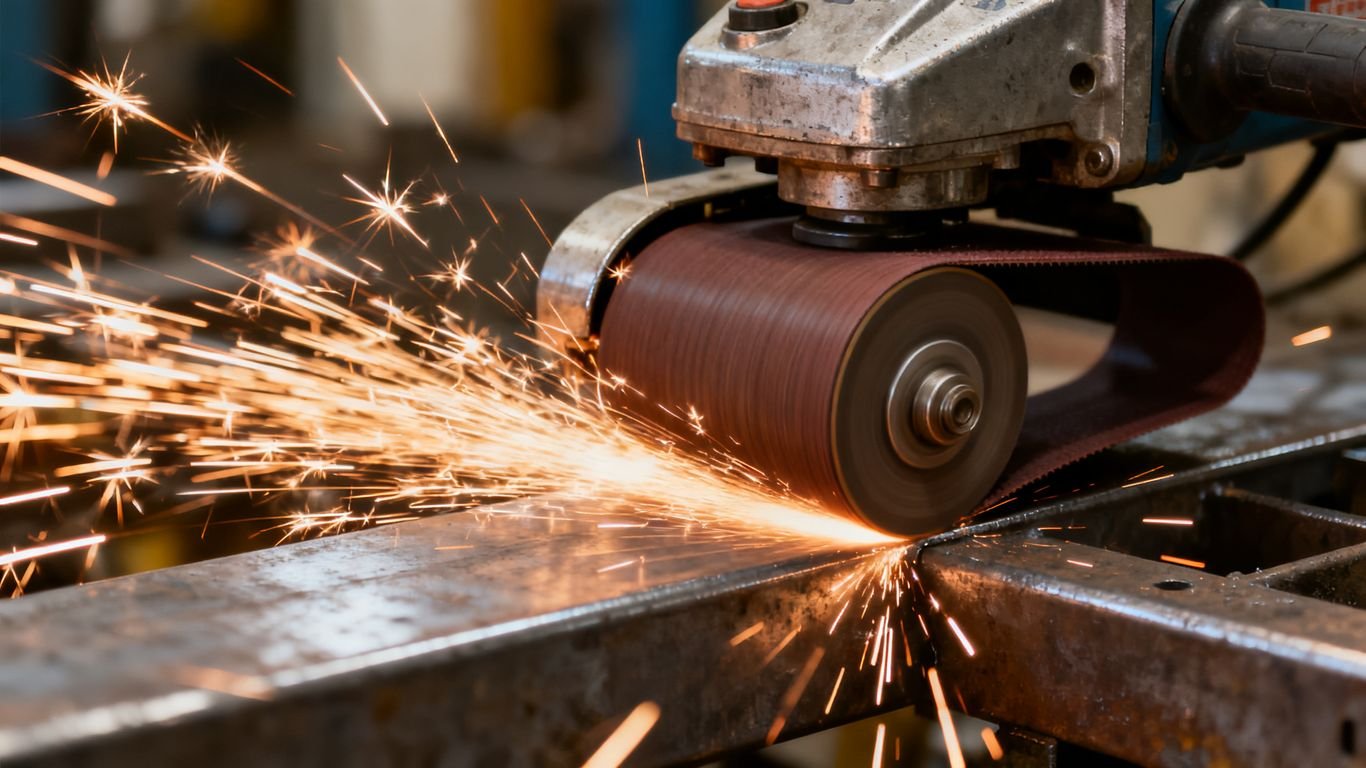
When abrasive belt development and machine engineering are considered together, manufacturers achieve greater production efficiency, improved surface consistency, and lower operating costs than when sourcing machines and consumables independently.
This collaborative engineering model has become increasingly valuable as production systems become more automated and quality requirements continue to rise.
OEM and ODM Customization Creates Long-Term Value
Professional customization includes optimizing abrasive composition, backing construction, joint technology, belt dimensions, packaging, product identification, and production consistency according to the customer’s technical requirements and branding objectives.
For distributors and industrial brands, customized custom made sanding belts create opportunities to differentiate product portfolios while strengthening customer relationships through superior performance and application-specific solutions.
Manufacturers also benefit from long-term product consistency, dedicated engineering support, and improved supply chain stability.
Building a Reliable Supply Partnership
Industrial procurement should focus on developing sustainable supplier relationships rather than pursuing short-term purchasing opportunities. Manufacturers that establish long-term partnerships with experienced abrasive sanding belts suppliers benefit from continuous product optimization, stable quality, reliable delivery schedules, technical consultation, and rapid problem resolution whenever production requirements evolve.
Strong supplier relationships also improve communication during new product development, simplify forecasting, and support future manufacturing expansion. These strategic advantages become increasingly important as production volumes grow and customer quality expectations continue to increase.
Why Global Buyers Partner with Dai Nhan Machinery
Dai Nhan Machinery understands that abrasive consumables play a critical role in determining the overall performance of industrial grinding systems. Beyond manufacturing advanced grinding equipment, we work closely with customers to develop custom made sanding belts tailored to specific production requirements, ensuring optimal compatibility between abrasive technology and machine performance.
Our engineering team collaborates with manufacturers, distributors, and industrial brands to evaluate production objectives, material characteristics, surface finish requirements, and equipment specifications before recommending customized abrasive solutions. This engineering-driven approach helps customers improve productivity, extend abrasive lifespan, reduce operating costs, and maintain consistent finishing quality throughout continuous production.
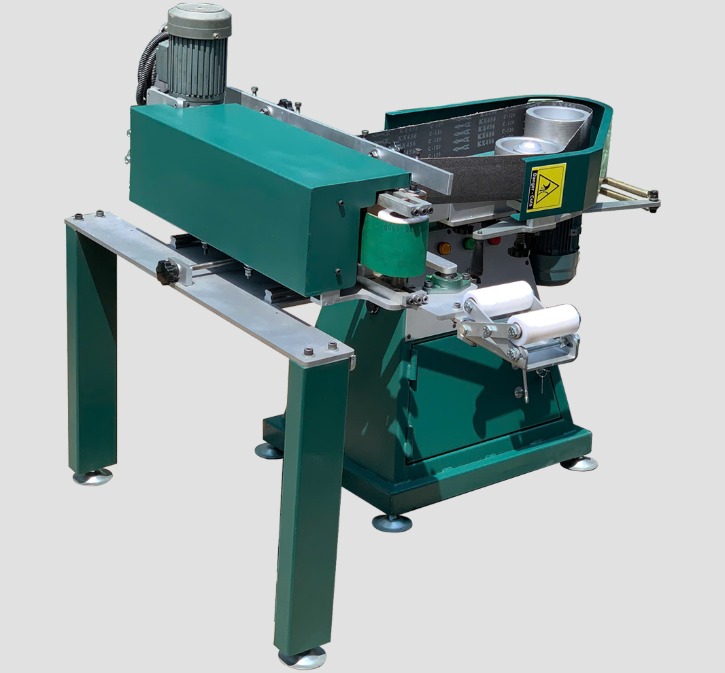
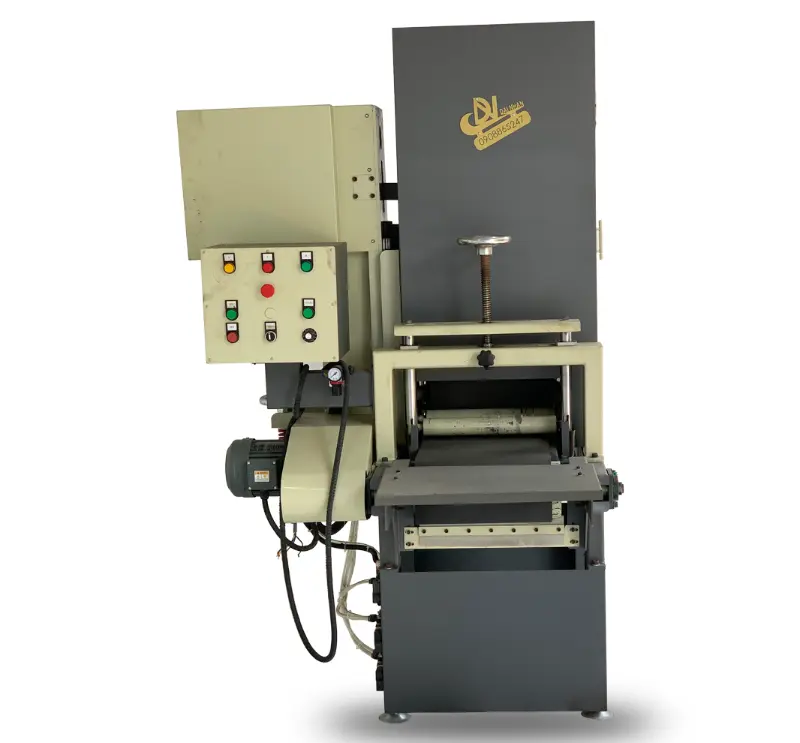
As a trusted belt grinder manufacturer, Dai Nhan Machinery combines machine engineering expertise with practical application knowledge to deliver complete grinding solutions rather than individual products. Our OEM and ODM services support customers seeking customized equipment, private-label abrasive products, and long-term manufacturing partnerships capable of supporting global industrial operations.
Conclusion
Successfully sourcing custom made sanding belts requires a comprehensive understanding of manufacturing processes, abrasive engineering, equipment compatibility, and supplier capability. Buyers who evaluate suppliers according to engineering expertise rather than pricing alone are more likely to achieve consistent production quality, lower operating costs, and stronger long-term returns on investment.
Working with experienced abrasive sanding belts suppliers, collaborating with knowledgeable linishing belt suppliers, and partnering with an established belt grinder manufacturer creates a fully integrated approach to surface finishing that supports higher productivity, improved product quality, and greater manufacturing competitiveness.
Partner with Dai Nhan Machinery
If your business is looking for high-performance custom made sanding belts designed specifically for your production environment, Dai Nhan Machinery is ready to become your trusted OEM and ODM partner. Our engineering team develops customized abrasive solutions that integrate seamlessly with industrial grinding systems while delivering consistent performance, extended service life, and reliable finishing quality.
Contact Dai Nhan Machinery today to discuss your production requirements, explore customized abrasive belt solutions, or request a quotation for OEM and ODM sanding belts engineered to maximize the efficiency of your manufacturing operations.


BOLA BAG's BLOG YOU MAY ALSO BE INTERESTED IN
Top 4 Abrasive Belt Grinding Machine Manufacturers in Asia
How to Change Grinder Belt Without Wrecking the Tracking
How to Grind Steel Cleanly: Angle, Pressure, Heat, and the Disc That Does the Work