


Two sanders on the same shelf can both be sold as “4 inch” and still refuse each other’s belts. One is a handheld that takes a 4 by 24 inch loop, the other is a bench machine that needs 4 by 36. Order by width alone and the box that arrives is useless. That is why it pays to know how to measure belt sander size properly before buying belts or comparing machines. The size of a belt sander is really the size of the belt it runs, and the machine decides both numbers. Here is how to find them in a few minutes, what the common sizes tell you about the work a sander can handle, and which other numbers matter once you step up to factory machines.
What Belt Sander Size Really Means
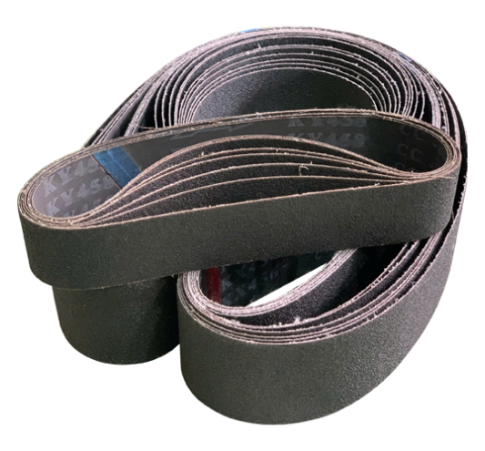
Belt sander size is written as width by length, always in that order. A 3×21 sander runs a belt 3 inches wide with a loop that measures 21 inches all the way round. Metric labels follow the same rule, so the same belt is often printed as 75×533 mm, and a 4×24 belt appears as 100×610 mm.
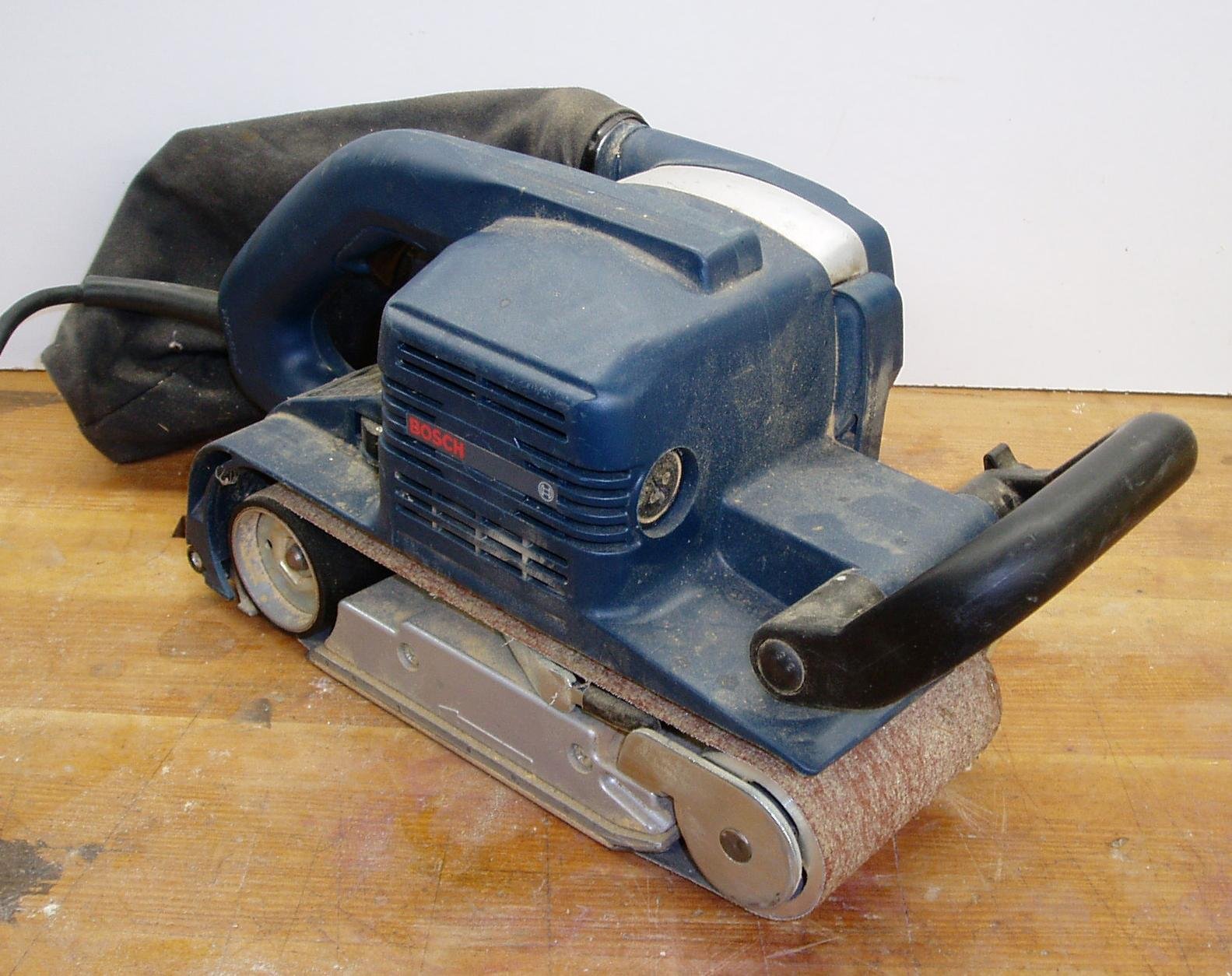
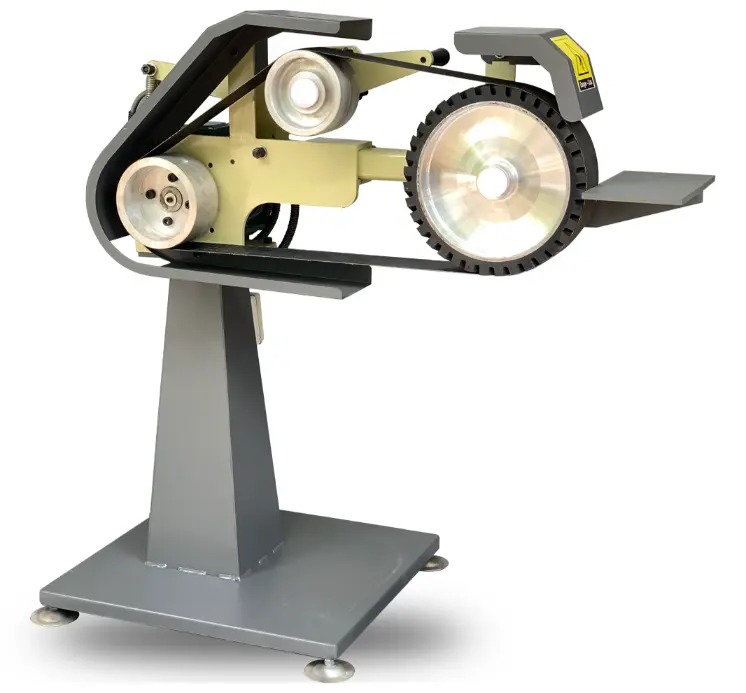
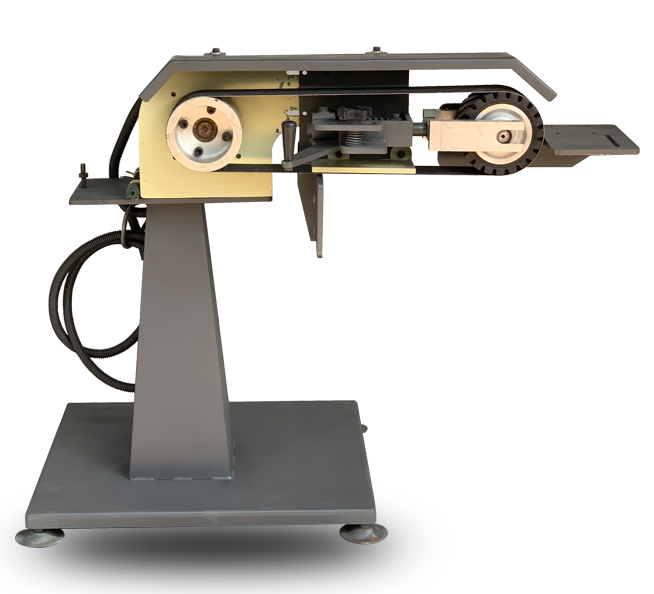
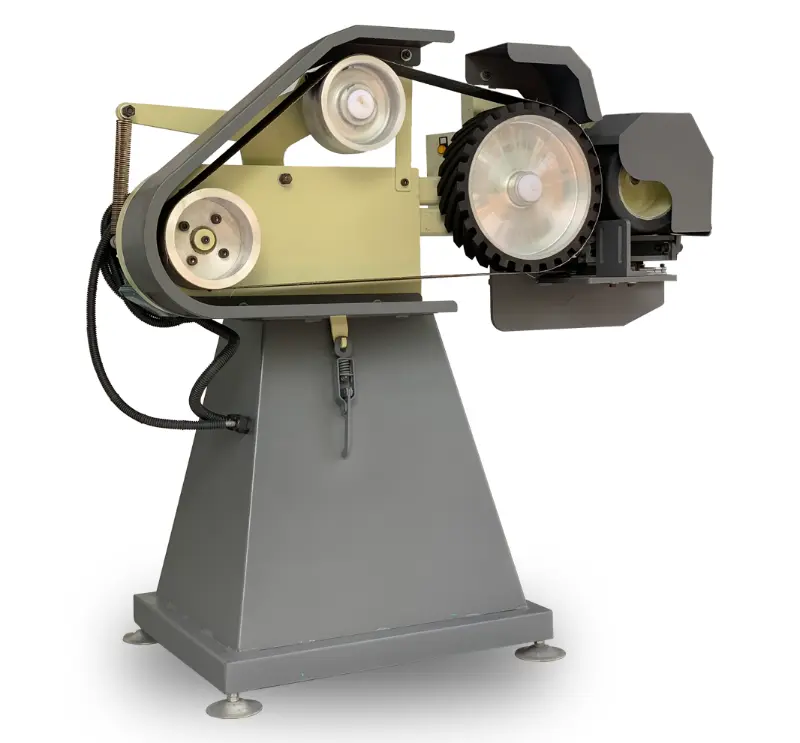
Belt Sander
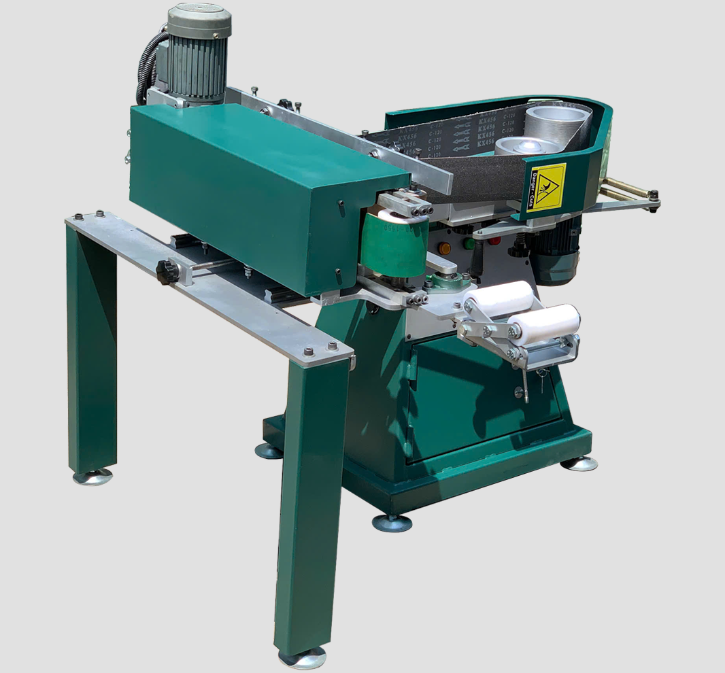
The width comes from the rollers, and the length comes from the distance around the drive roller, the idler roller and any tension wheel in between. Neither number can be stretched to fit. A belt sander can be anything from a small handheld tool to a machine wide enough to sand a full sheet of plywood, so the size number is the quickest way to tell which family a machine belongs to.
How to Measure Belt Sander Size in Four Steps
You do not need special tools: a tape measure, a piece of string that does not stretch and a pen are enough. If an old belt is still around, knowing how to measure a belt sander belt gets you there even faster, but the steps below work from the machine alone.
Step 1: Look for the Size on the Label or in the Manual
Most sanders have a metal or sticker label on the body or under the base with the model number, and many print the belt size right beside it. If the label only gives a model number, search that number with the word “belt” and the maker’s own spare parts page will usually list the size. This takes one minute and avoids every measuring mistake.
Step 2: Measure Straight Across the Roller for the Width
Unplug the sander and remove the belt if one is fitted. Measure across the face of the front or rear roller from edge to edge. The result will sit very close to a round number such as 1, 2, 3, 4 or 6 inches. That round number is the belt width.
Step 3: Set the Tension Lever Halfway Before Wrapping the String
This is where most measurements go wrong. The tension lever or spring moves one roller back and forth, so the loop is shorter when released and longer when fully tight. Set it to its normal working position, roughly halfway. Then run the string around the rollers along the path the belt follows, pull it snug, mark where the ends meet and measure the string laid flat.
Step 4: Match the Number to a Common Size
Your string will rarely read an exact number. A result of 20 3/4 inches on a small handheld almost certainly means 3×21. Compare it with the common sizes below and pick the nearest one the machine type actually uses, rather than ordering an odd length that happens to match your string.
What the Size Tells You About the Work a Sander Can Do
Once the numbers are known, they say a lot about the machine. Narrow short belts suit light detail work, wide belts cover flat surfaces fast, and long belts run cooler because each part of the grit spends more time in the air between passes. That pattern explains most of what are belt sanders best for in a workshop.
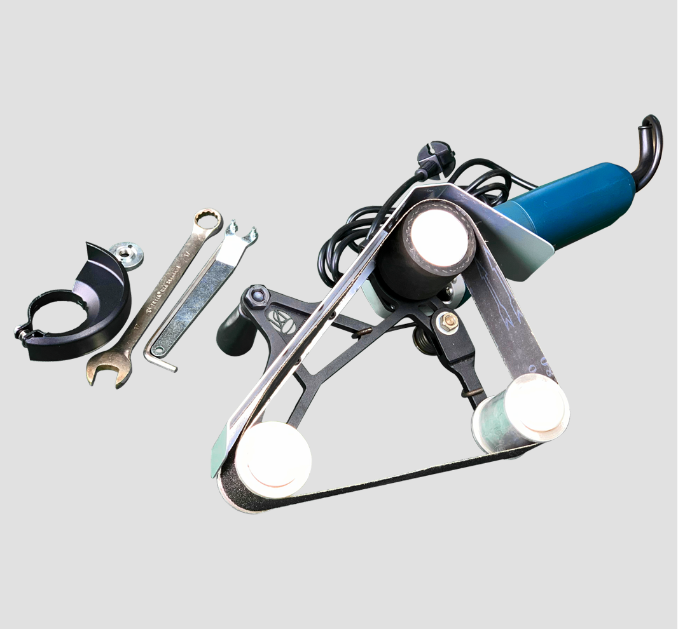
Handheld Sanders That Take 3 by 18 or 3 by 21 Inch Belts
These are the lighter handheld machines. They are easy to control on doors, shelves and edges, and the belts are cheap and easy to find. 3×24 belts turn up on some models in the same class.
Heavy Handheld Sanders That Take 4 by 24 Inch Belts
The wider belt covers more surface and the heavier body does more of the work, which makes these better for tabletops, decks and old paint. They are also harder to hold steady on narrow parts.
Which Belt Sander for Knife Making and Other Bench Work
Bench machines use longer loops. Small 1×30 sanders handle sharpening and small parts, 4×36 belts sit on the common belt and disc combination machines, and 6×48 belts cover larger flat pieces. Knife makers mostly use 2×72 grinders, where the long belt spreads heat and lasts longer. Floor standing backstand grinders go longer still, with belts such as 3×132.
Other Numbers That Show How Big a Sander Is
Belt size is the number you need for ordering, but a few other figures separate a light machine from a serious one. Motor power shows how hard you can push before the belt slows. Belt speed decides how fast the grit cuts and how much heat builds up. The length of the flat plate behind the belt sets how big a flat area you can sand in one pass, and on grinders the diameter of the contact wheel changes how the belt bites into curves and welds.
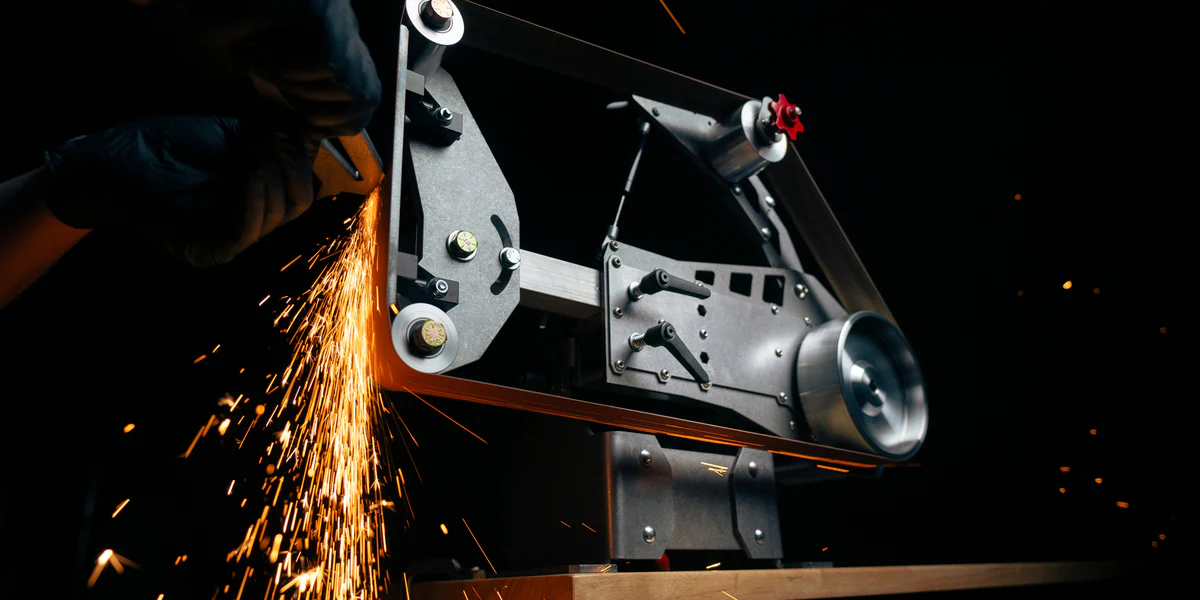
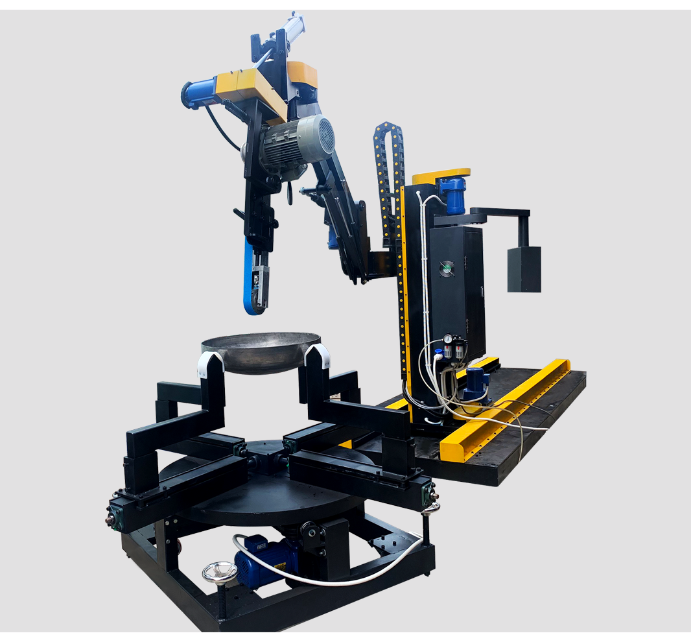
Industrial Belt Grinder
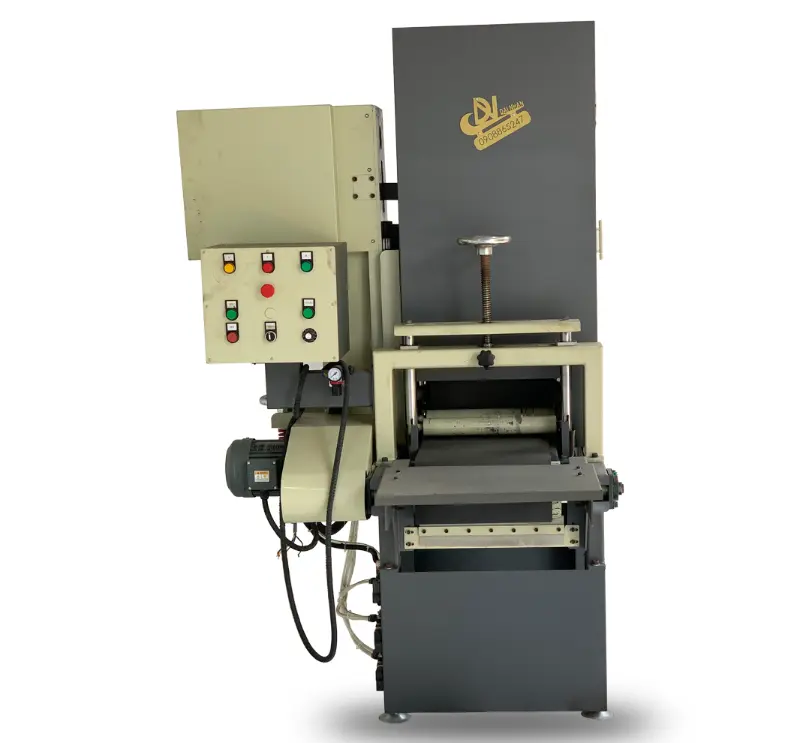
On factory machines these numbers matter more than belt size. An industrial belt grinder for metal might run a long belt over three or four wheels, and the exact loop depends on the tensioner position, the wheel layout and whether the machine was built to a custom design. For those machines, measure at working tension, write down the wheel count, and ask the builder for the belt drawing rather than trusting a string.
Conclusion
Learning how to measure belt sander size comes down to width and loop length. Check the label or manual first. If that fails, measure across the roller for width and run a string around the rollers with the tension set halfway for length. Round the result to the nearest common size for that type of machine, whether that is 3×21 on a handheld, 4×36 on a bench combination or 2×72 on a knife grinder. On larger machines, add motor power, belt speed and wheel layout to the picture before comparing them.
For production lines where standard sizes do not fit, Dai Nhan Machinery builds industrial belt grinders and polishing machines in Vietnam and makes sanding belts to the exact length and width each machine needs. Browse the range on Our Machines, or send us your belt size and the parts you finish each shift and we will suggest a machine or a custom belt to match.
Read more: How to Measure Sanding Belts: Width, Length, Grit and the Numbers Printed Inside


BOLA BAG's BLOG YOU MAY ALSO BE INTERESTED IN
How Are Stainless Steel Pipes Made? What Changes When Chromium Enters the Furnace
What Tools Are Needed for Metal Fabrication? A Practical Overview
Sourcing for White-Labeling: What to Look for in an OEM Belt Sander Supplier