


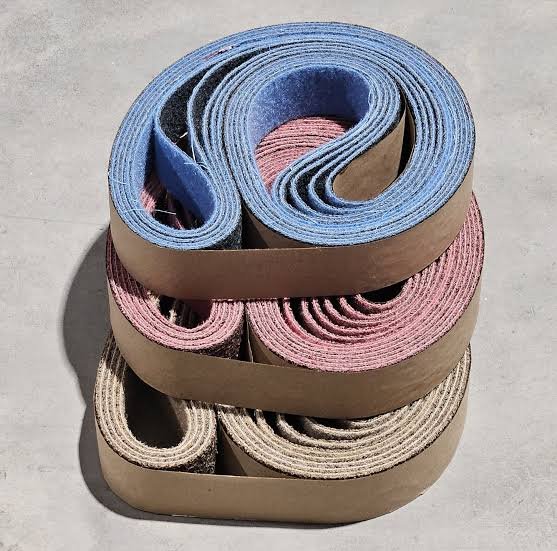
Fit the same 80 grit belt on a small handheld sander and on a long knife grinder, sand the same piece of oak, and the belts wear out at very different speeds. The grit is identical. The machine is not. That is the part most answers leave out when people ask how long do belt sander belts last. Belt life depends on what you sand and how hard you press, but it also depends on the length of the loop, the speed it runs at and how the machine holds it. This guide looks at belt life from the machine side, shows how to measure it in your own shop instead of guessing, and explains when a belt should come off even if it still looks usable.
How Long Do Belt Sander Belts Last
There is no honest number that fits every case. A coarse belt on a handheld sander might strip several doors of paint, while the same belt pressed hard on stainless steel can dull in a few minutes. Abrasive makers agree on the main factors: the material, the grit, the grain type, the pressure and the heat. Storage matters too, since a belt that sat for years in a damp shed can fail at the joint before it has cut anything, which is a big part of how long do sanding belts last on the shelf as well as on the machine.
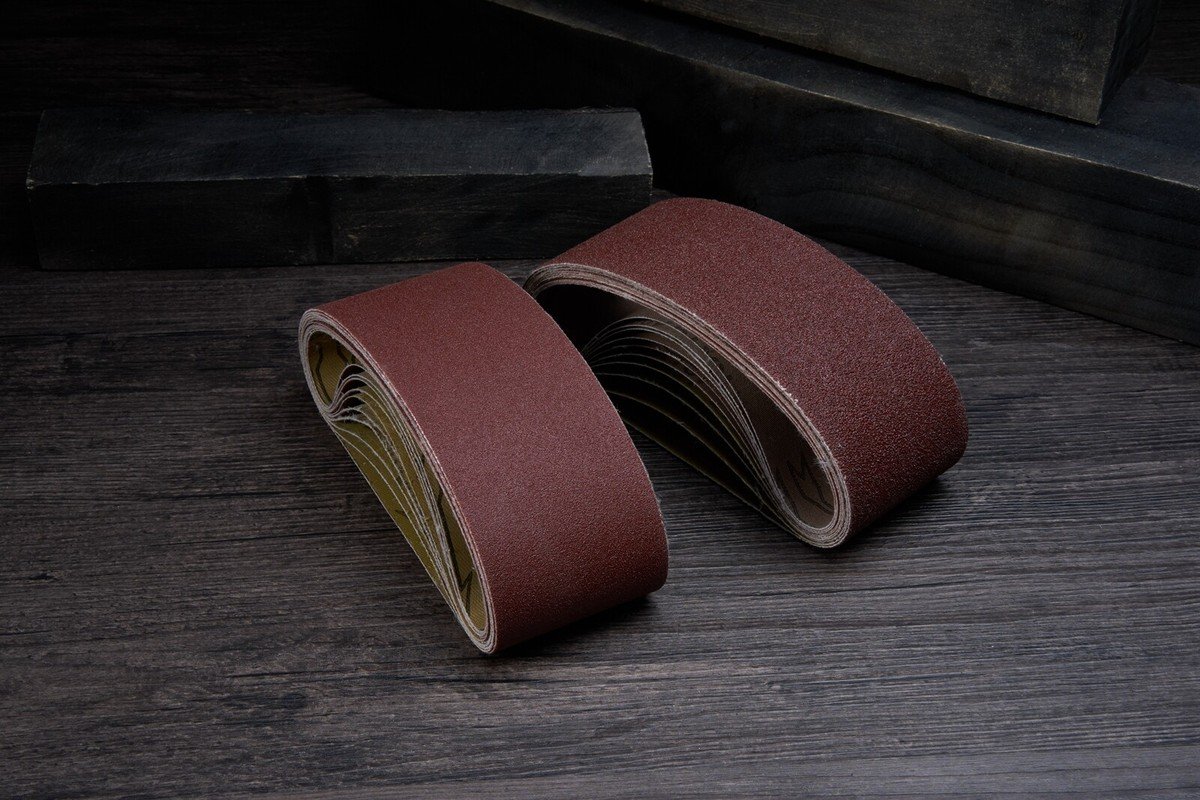
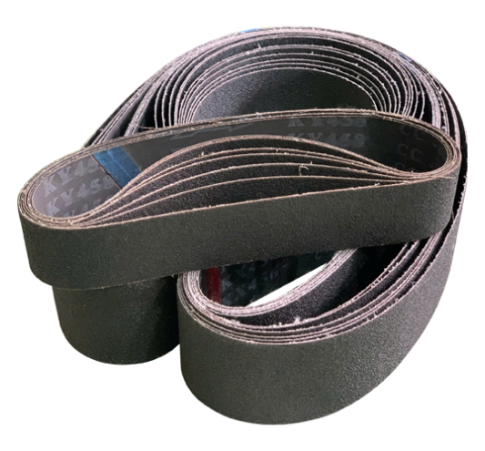
Custom Made Sanding Belts
What most guides skip is how much the sander itself changes the result. Two machines using identical belts can give very different belt life, and the reasons are simple once you look at how a belt works.
Why a Longer Belt Usually Lasts Longer
Every grain on a belt cuts only while it is touching the work. For the rest of each turn it is travelling through the air and cooling down. The longer the loop, the more time each grain spends cooling and the fewer times per minute it hits the work.
Small Handheld Sanders Wear Belts Fastest
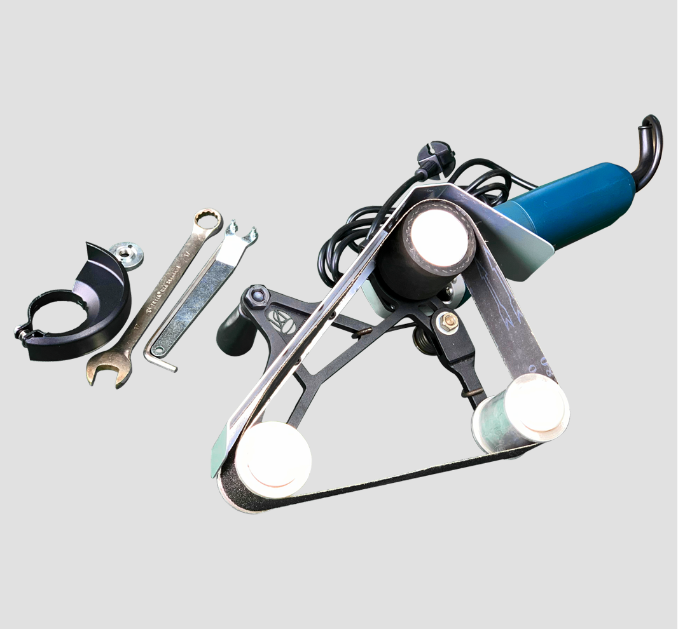
A 3 by 21 inch belt has a short loop, so each grain comes back to the work many times a minute. The belt heats up quickly and the grit dulls faster. These belts are also cheap, which is why most people replace them rather than stretch their life.
Bench Sanders Give Each Grain More Rest
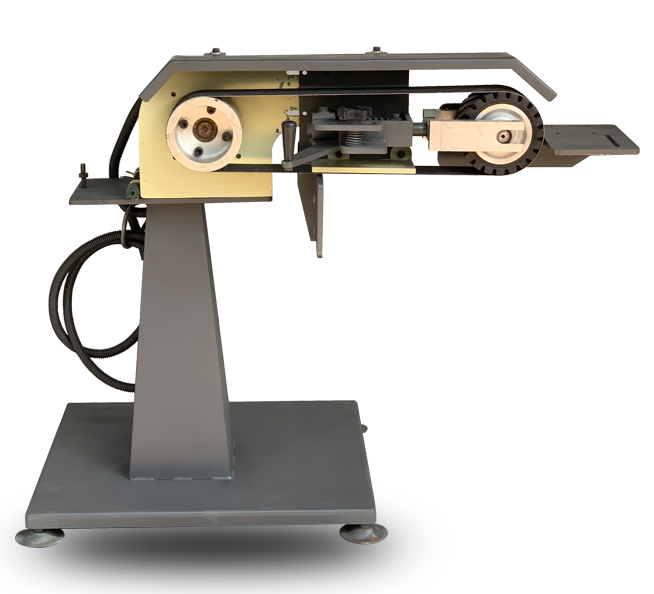
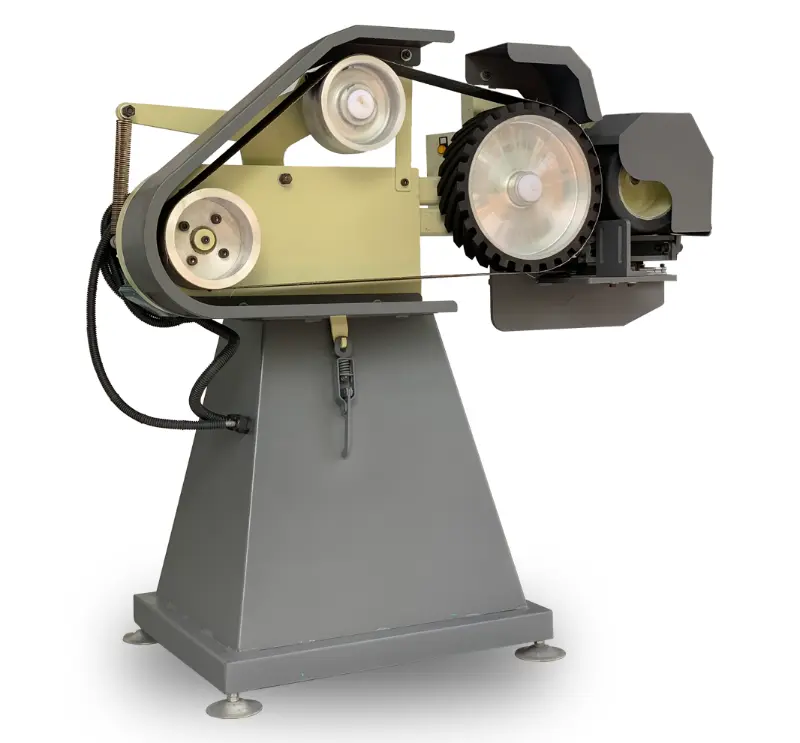
Longer loops such as 4 by 36 or 6 by 48 inches spread the same work over more abrasive. With lighter pressure on a fixed table, the belt runs cooler and usually lasts noticeably longer on similar work.
Long Grinder Belts Spread the Heat Over More Grit
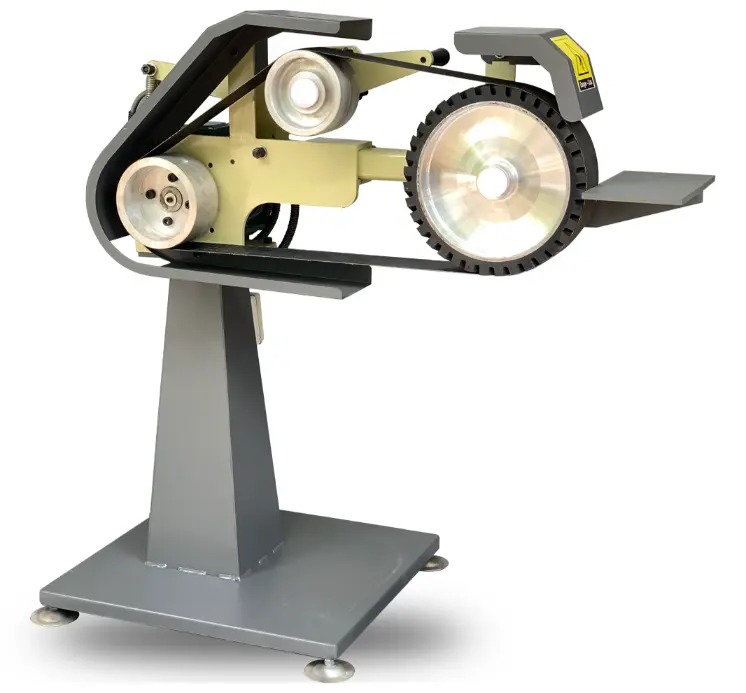
Knife makers settled on the 2 by 72 inch grinder largely because the long belt spreads heat over a large area of abrasive, so it runs cooler and lasts longer. Backstand grinders in metal shops use even longer belts for the same reason.
Belt Speed and Pressure Decide the Rest
Faster belt speed removes material quicker, but it also creates more heat in the same moment. On wood, heat melts resin into the grit; on metal, it dulls the grain and weakens the glue. Variable speed machines let you slow the belt for heat sensitive work, which often makes the belt last longer and gives a better finish.
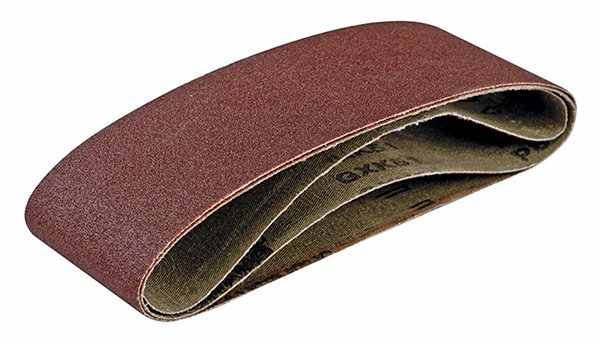
Belt Sander Belts
Pressure works the same way. Leaning on a handheld sander does not make the belt cut more for long. It overheats the grain and wears the belt before its time. A sharp belt carrying only the weight of the machine lasts longer and cuts cleaner. On metal, belts made with zirconia or ceramic grain hold up far better under pressure than general purpose aluminium oxide belts, because those tougher abrasive grains keep breaking to expose fresh cutting edges.
How to Track Belt Life in Your Own Shop
The only belt life figure that really matters is the one from your own machines and your own work. It takes very little effort to find it.
Write the Date on the Inside of Every Belt
Mark each belt with the date you fitted it, and the date you bought the box. After a few weeks you will see how long belts last on each machine and whether one box is failing early because it is old.
Count Boards or Parts Instead of Hours
Time on the machine is hard to remember. The number of doors, boards or metal parts finished per belt is easy to count, and it lets you compare two belt brands or two grits on the same job. In a small shop, a notebook by the sander is enough.
When to Swap the Belt and Stop Pushing It
A belt is finished when the grain has gone smooth and shiny across its full width, when it needs extra pressure to cut, when it leaves burn marks on wood or turns metal parts blue with heat. Frayed edges, cracks in the backing and a joint that has started to lift are all signs to replace it straight away. If the belt only looks dark in patches, it may just be clogged, and learning how to clean sanding belts can bring it back for a fraction of the cost of a new one. Running a belt past its useful life rarely saves money. The work slows down, the finish suffers and the extra heat can damage the part.
Belt Life on Factory Machines
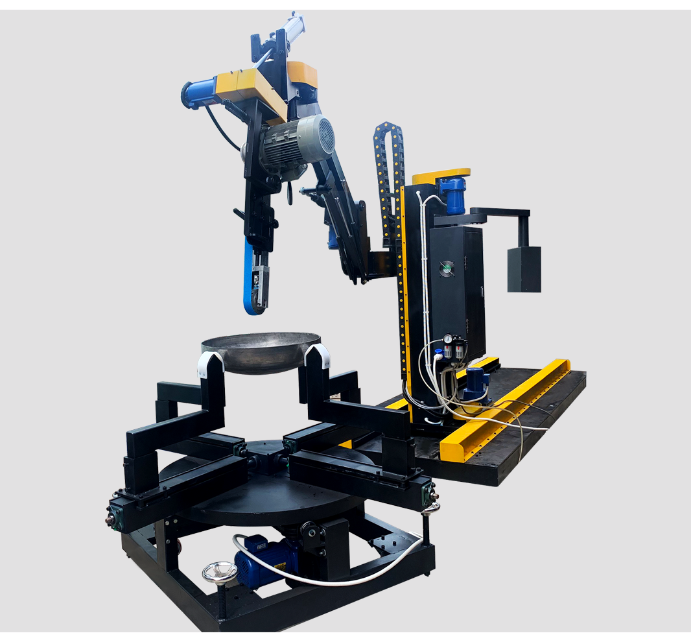
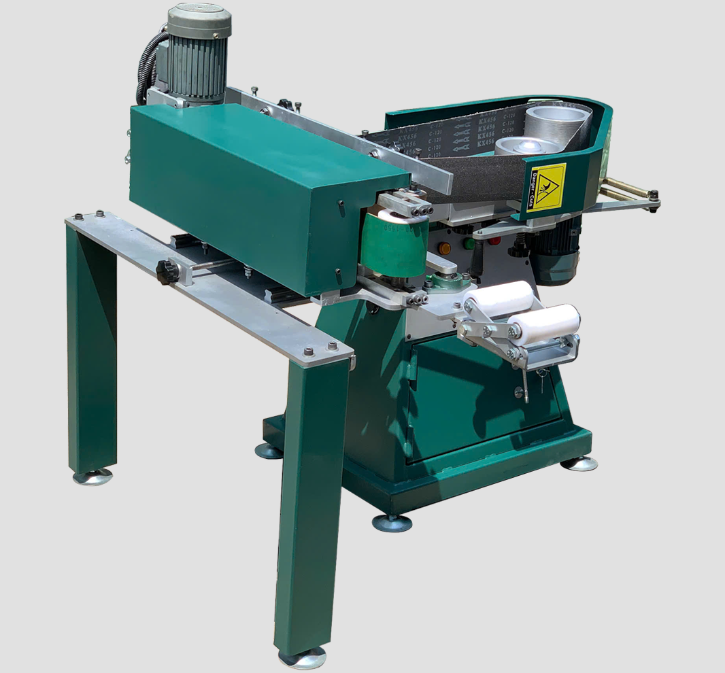
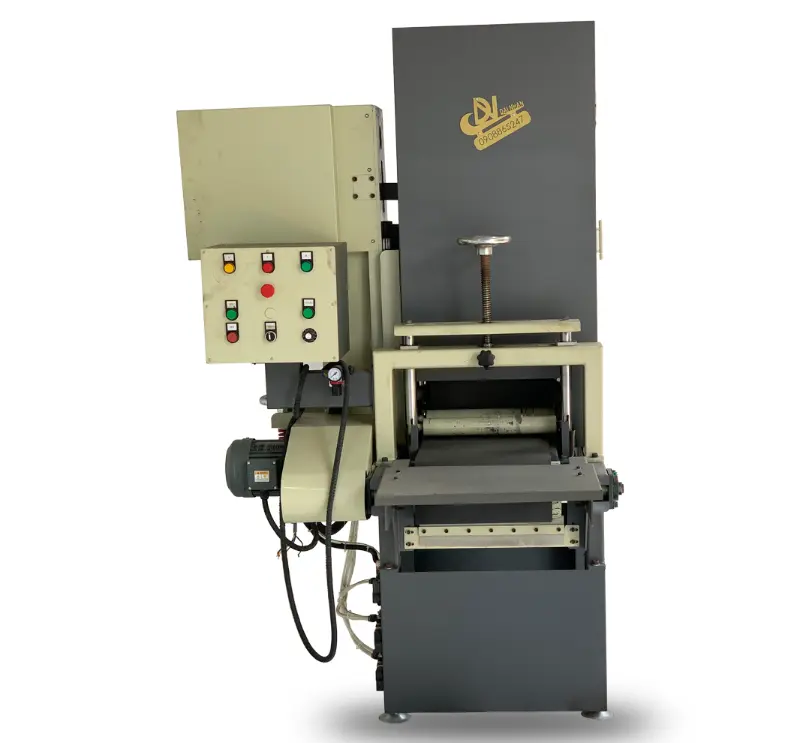
In production, belt life is measured in cost per part rather than minutes. A slightly more expensive belt that finishes twice as many parts before a change is cheaper overall, especially when every belt change stops a station. Factories running an industrial belt sander on steel or stainless usually test several grains and backings, track parts per belt and standardise on the one that gives the lowest cost per part rather than the lowest price per belt.
Conclusion
How long do belt sander belts last? It depends on the material, the grit, the pressure and the storage, but also on the sander. Short handheld belts wear fastest because each grain returns to the work so often, while long bench and grinder belts spread the heat and last longer. Belt speed and pressure decide the rest. Track your own belt life by date and by parts finished, replace belts once the grain is glazed or the backing is damaged, and on production lines judge belts by cost per part.
For metal shops that want belts to last longer on every station, Dai Nhan Machinery builds industrial belt grinders in Vietnam and makes custom sanding belts matched in grain, backing and size to each machine. See our custom made sanding belts on Our Machines page, or tell us your belt size and how many parts each belt finishes and we will suggest a belt that lasts longer.
Read more: What Is a Belt Grinder? A Clear Explanation for Curious Makers


BOLA BAG's BLOG YOU MAY ALSO BE INTERESTED IN
What Tools Are Needed for Metal Fabrication? A Practical Overview
How to Measure Sanding Belts: Width, Length, Grit and the Numbers Printed Inside
What Are Belt Sanders Used For? Nine Jobs From Rough Boards to Steel Plate