


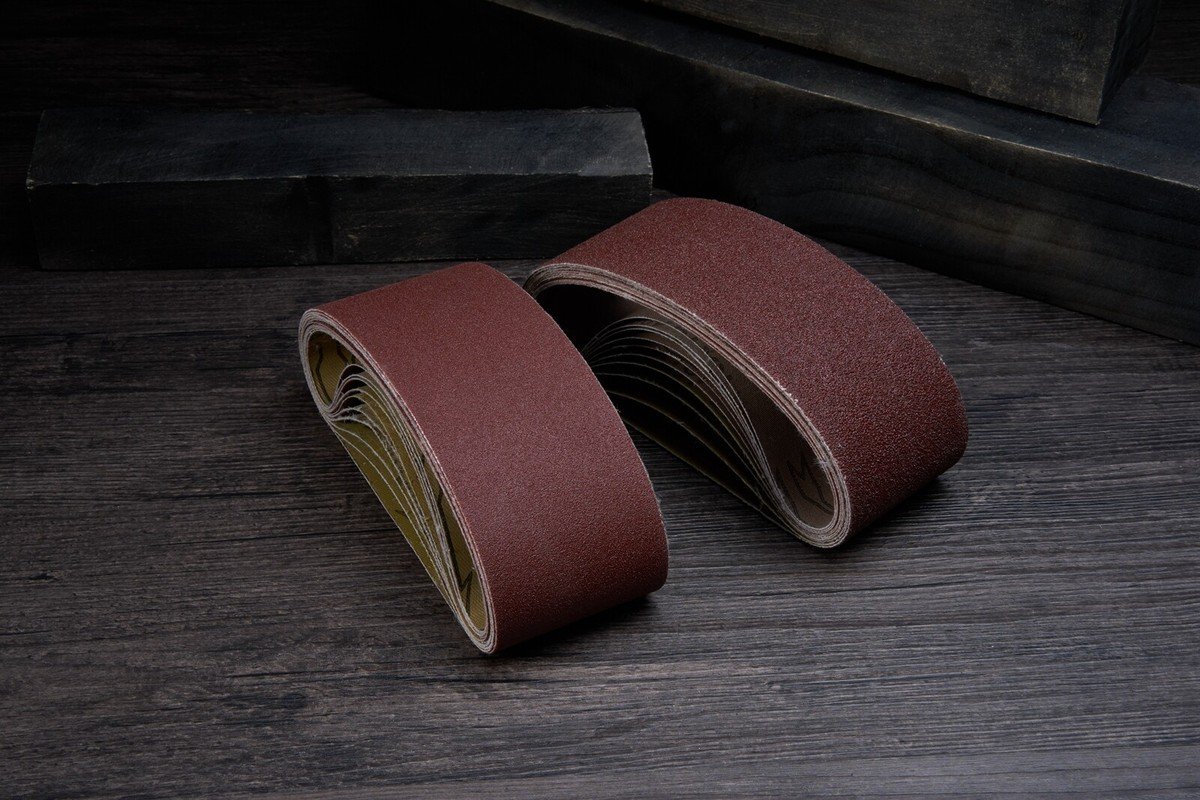
The belt on the sander finally tears, the machine has no plate, the manual went in a move years ago, and the old belt is too shredded to read. Everyone who owns a belt sander eventually needs to know how to measure a belt sander belt from the machine itself, and the good news is that it takes a length of string and five minutes. This article explains what the two numbers on a belt mean, walks through four steps that give an exact size from any machine, lists the common sizes so the measurement can be matched to one, and covers what to do when the number matches nothing on the shelf.
Why a Belt Size Is Written as Width by Length
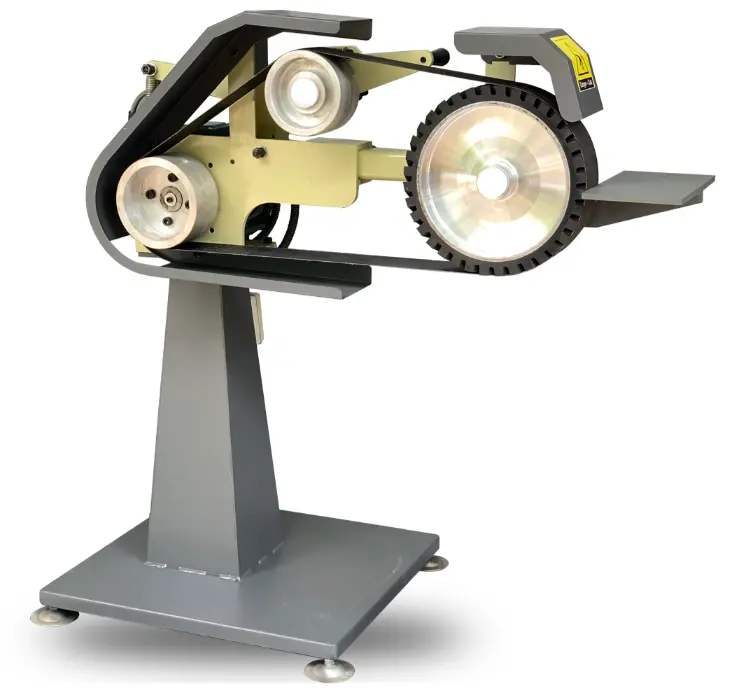
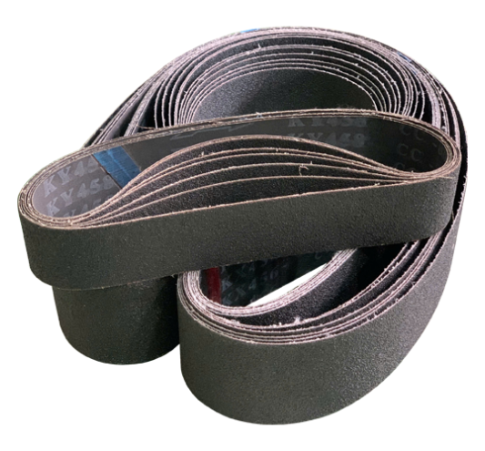
Every sanding belt is described by two numbers, width first and then length, and both are in inches on most machines. A 3×21 belt is 3 inches wide and 21 inches around the full loop. A 2×72 is 2 inches wide and 72 inches around. The length is the circumference, which is the whole loop measured as if it were cut and laid flat, not the distance from one end of the machine to the other. That single misunderstanding is behind most wrong orders, because a belt sander with rollers 10 inches apart takes a belt roughly 21 inches long, not 10. Get the width from the roller and the length from the path the belt travels, and the size is right first time.
How to Measure a Belt Sander Belt
The method below works on a handheld, a bench machine or a 2×72 grinder, and it needs nothing more than a tape measure and a piece of string or a strip of paper.
Step 1: Measure the Width Across the Roller
Measure the drive roller or the platen from edge to edge. That is the belt width. Handheld sanders are usually 3 or 4 inches, bench machines 1, 4 or 6 inches, and belt grinders 2 inches. Round to the nearest standard width, because a belt a fraction narrower than the roller is normal and one wider will not track.
Step 2: Wrap a String Around the Rollers Where the Belt Runs
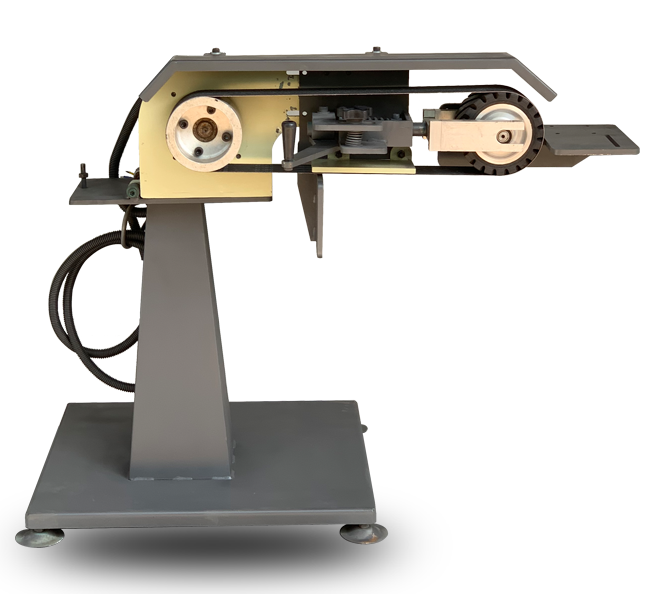
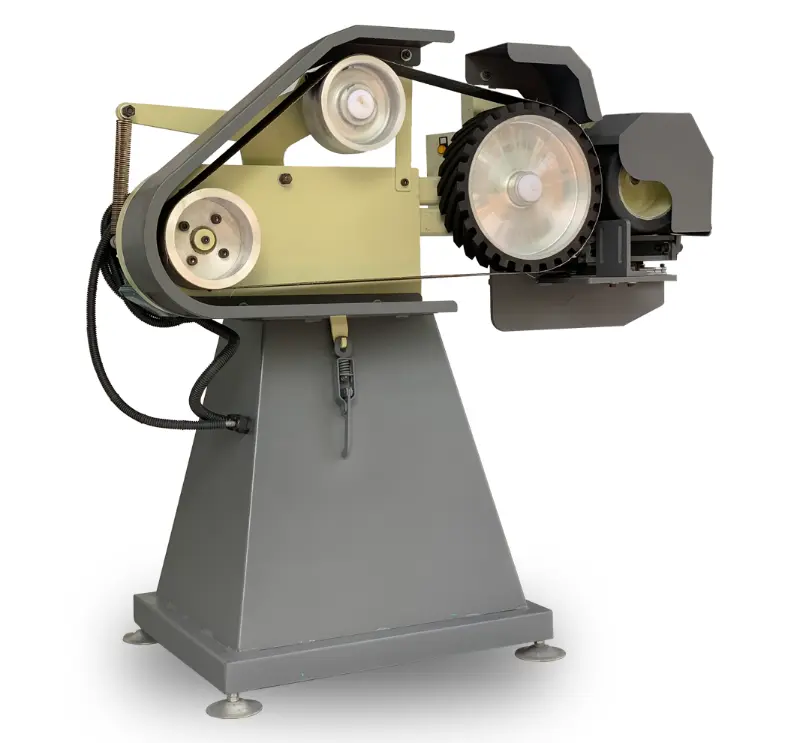
Release the tension lever so the rollers sit where they do with a belt fitted, then run a string around exactly the path the belt takes, over both rollers and across the platen. Pull it snug without stretching it, mark where it meets itself, lay it flat and measure. That number is the belt length. On a machine with a tensioning spring, take the measurement with the tension on, since that is the length the belt runs at.
Step 3: Check Against an Old Belt If You Have One
If any piece of the old belt survives, cut it at the splice and measure it flat end to end for the length, or fold an intact belt flat, measure from fold to fold and double the number. Compare it with the string measurement. The two should agree within half an inch, and if they do not, the string was probably not on the belt path.
Step 4: Match the Number to a Standard Size
Belts are made in standard sizes and the measurement will be within an inch of one of them. Anyone asking what size sanding belt do I need after measuring should round to the nearest listed size rather than ordering an odd length, because a belt an inch short will not fit and one an inch long will not tension. The list in the next section covers nearly every machine sold, and the eight measuring methods in the Empire Abrasives measuring guide all arrive at the same standard sizes.
Common Belt Sander Sizes and the Machines That Run Them
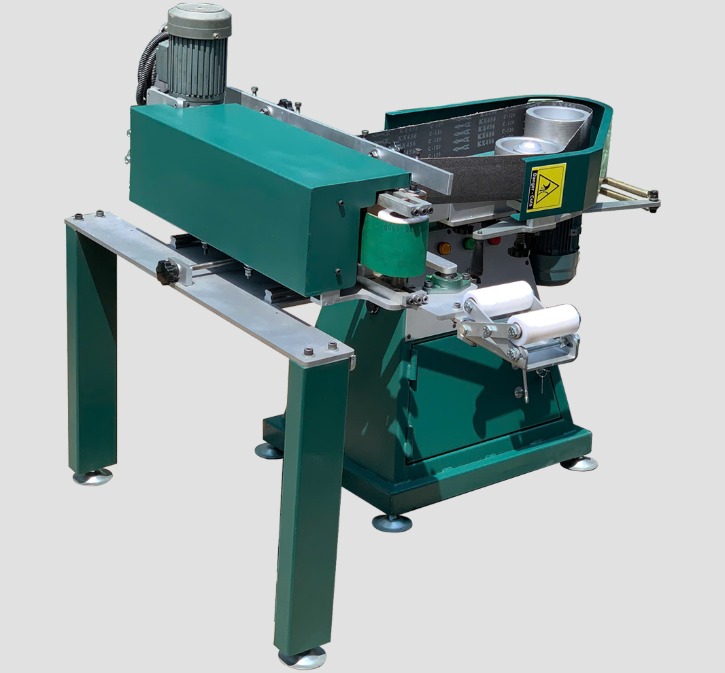
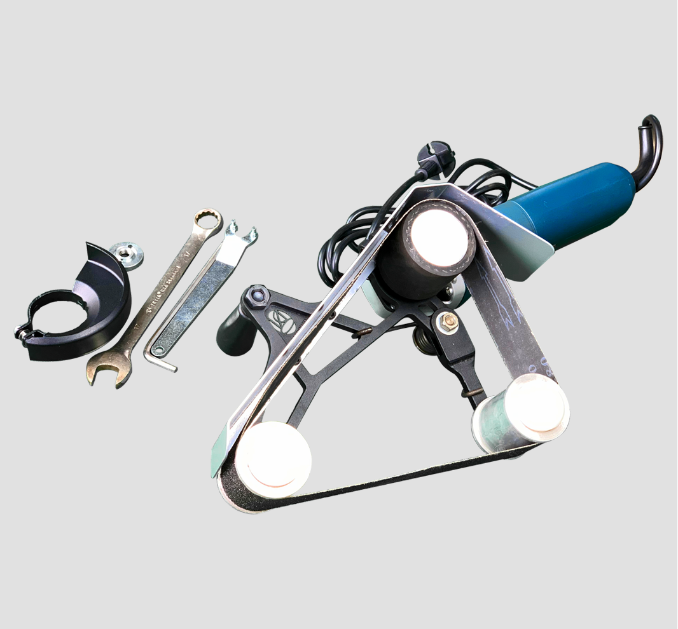
Handheld sanders run 3×18, 3×21, 3×24 and 4×24, with 3×21 the most common by far. Small bench machines run 1×30 and 1×42. Bench belt and disc combos run 4×36, and the larger ones 6×48. Belt grinders for knife making and metal shaping run 2×42, 2×48 and above all 2×72, which has become the standard for the whole trade. Industrial machines run 6×48 and 6×89 on edge sanders and stroke sanders, and wide belt machines take belts from 25×60 up to 37×75 and beyond. If the measurement lands within an inch of one of those, that is the size, and fitting it properly is the next skill, since how to change grinder belt without losing the tracking matters as much as buying the right one.
When the Measurement Does Not Match Any Standard Size
Occasionally the string says 19 inches and nothing on any list is 19 inches. Three things explain it. The tension roller was not in its working position, which shortens or lengthens the path, so measure again with the lever set as it is for running. The machine is an older or imported model built to a metric size, in which case convert the measurement to millimetres and look again, since 533 millimetres is 21 inches under another name. Or the machine genuinely takes an unusual belt, which is common on industrial equipment built for one job, and the answer there is a belt made to order. Abrasive makers splice belts to any length from roll stock, and a reliable belt sander supplier will specify the belt with the machine so the size is never a mystery to begin with.
Measuring Belts on Industrial Machines
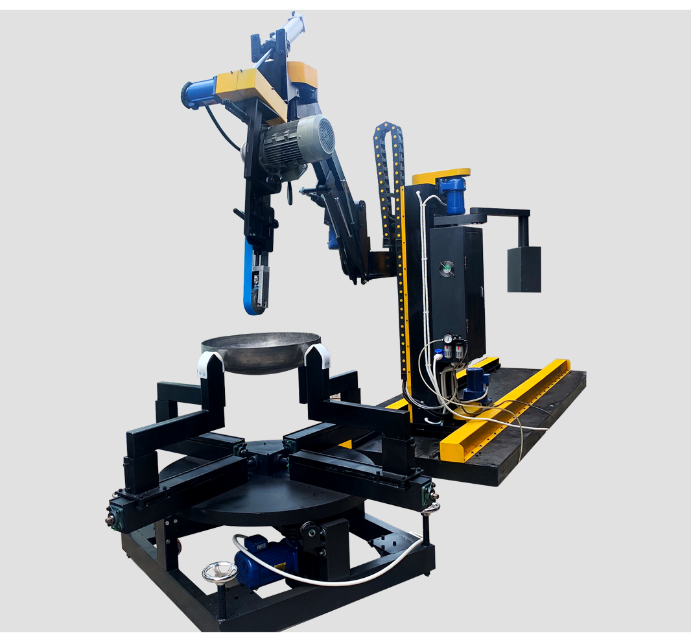
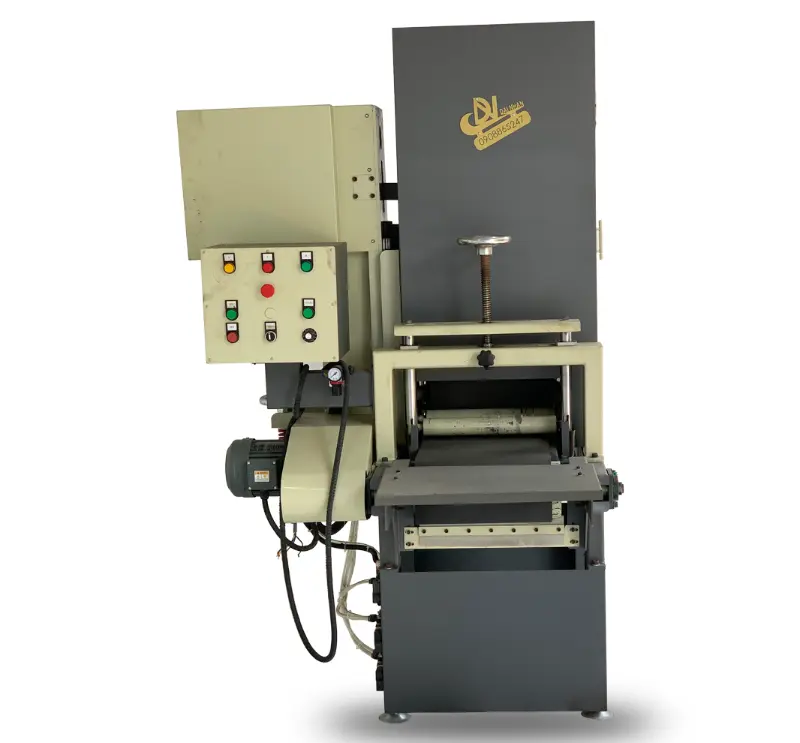
The string method works on a production machine too, but the sizes are larger, the tolerances tighter and the cost of a wrong order higher. A wide belt or plate machine states its belt size on the plate and in the manual, and it is worth writing it on the machine in marker the day it arrives. For any industrial belt sander machine the belt is part of the specification, and a manufacturer will supply the first set and the sizes for reorder. Measuring is for the day the paperwork is lost, and on a machine that runs all day a spare set of belts in the right size is cheaper than an hour of downtime.
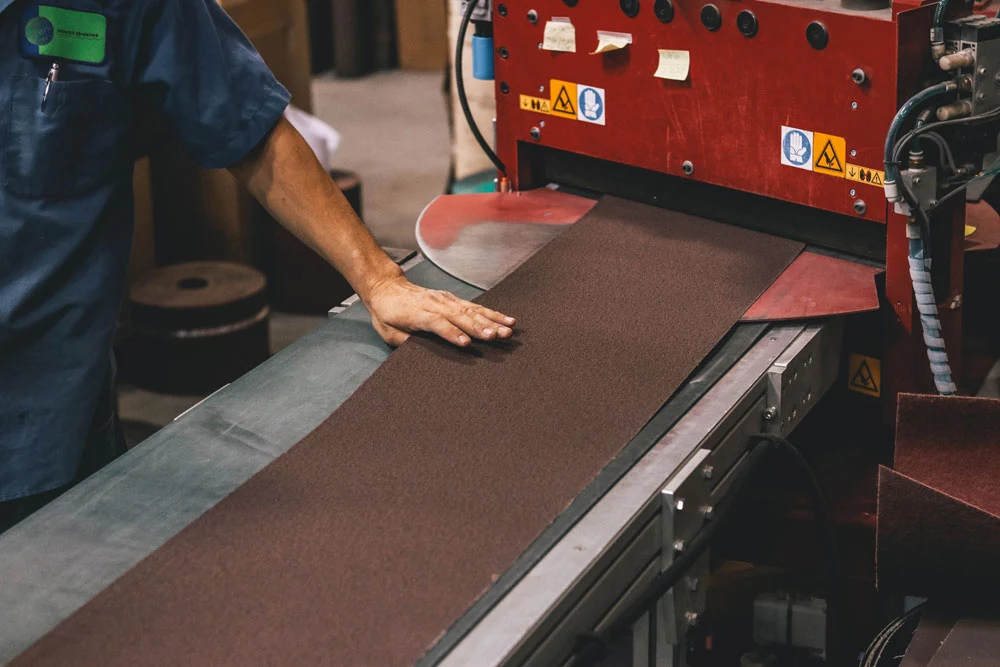
Custom Made Sanding Belt
The same two numbers describe the belt whatever the machine, and the discipline of running a belt properly once it is fitted, from letting the machine reach speed to keeping it moving on the work, is what how to sand with a belt sander well comes down to, on a 3×21 or a 37×75.
Conclusion
How to measure a belt sander belt comes down to four steps. Measure the width across the roller. Wrap a string around the belt path with the tension set as it runs, mark it and measure it flat for the length. Check against an old belt cut at the splice or folded and doubled. Then round to the nearest standard size, which for most machines means 3×21, 4×36, 6×48 or 2×72. If nothing matches, recheck the tension roller, try the measurement in millimetres, and if it is still odd, order a belt made to length.
For production lines where the belt is part of the machine specification, Dai Nhan Machinery builds industrial belt sanders and grinders in Vietnam and supplies the belts to match. Browse the range on Our Machines, or tell our engineering team what you run and what size it takes and we will sort out the belts with the machine.
Read more: How to Use a Belt Sander Step by Step: A Complete Beginner’s Guide


BOLA BAG's BLOG YOU MAY ALSO BE INTERESTED IN
How to Evaluate a Grinding Discs Supplier for Long Term Industrial Production Consistency
How Is Square Tubing Made? Inside the Roll Forming, Welding, and Finishing Process
How to Make a Wheel Polishing Machine: Design, Build, and Safety Fundamentals