


A first order almost always looks good. Samples arrive on schedule, the discs perform well in testing, the paperwork checks out, and a buyer reasonably concludes they have found a reliable grinding discs supplier. The real test has nothing to do with that first order. It shows up eighteen months later, or three years later, when the same specification is supposed to be arriving from the same supplier and something has quietly changed without anyone announcing it. This guide is about evaluating a grinding discs supplier for that longer horizon, since long term production consistency depends on factors that rarely show up in an initial qualification process but become the entire story once a relationship has been running for years.
Why Long Term Consistency Is Harder to Guarantee Than a Single Good Order
Most procurement processes are built to evaluate a snapshot, meaning a sample batch, a set of specifications, a price quote, and a delivery timeline. None of that structure is designed to predict how a supplier will behave three years into a relationship, once commercial pressure, personnel turnover, and incremental cost cutting have had time to accumulate.
The Gap Between a Sample Order and Sustained Production
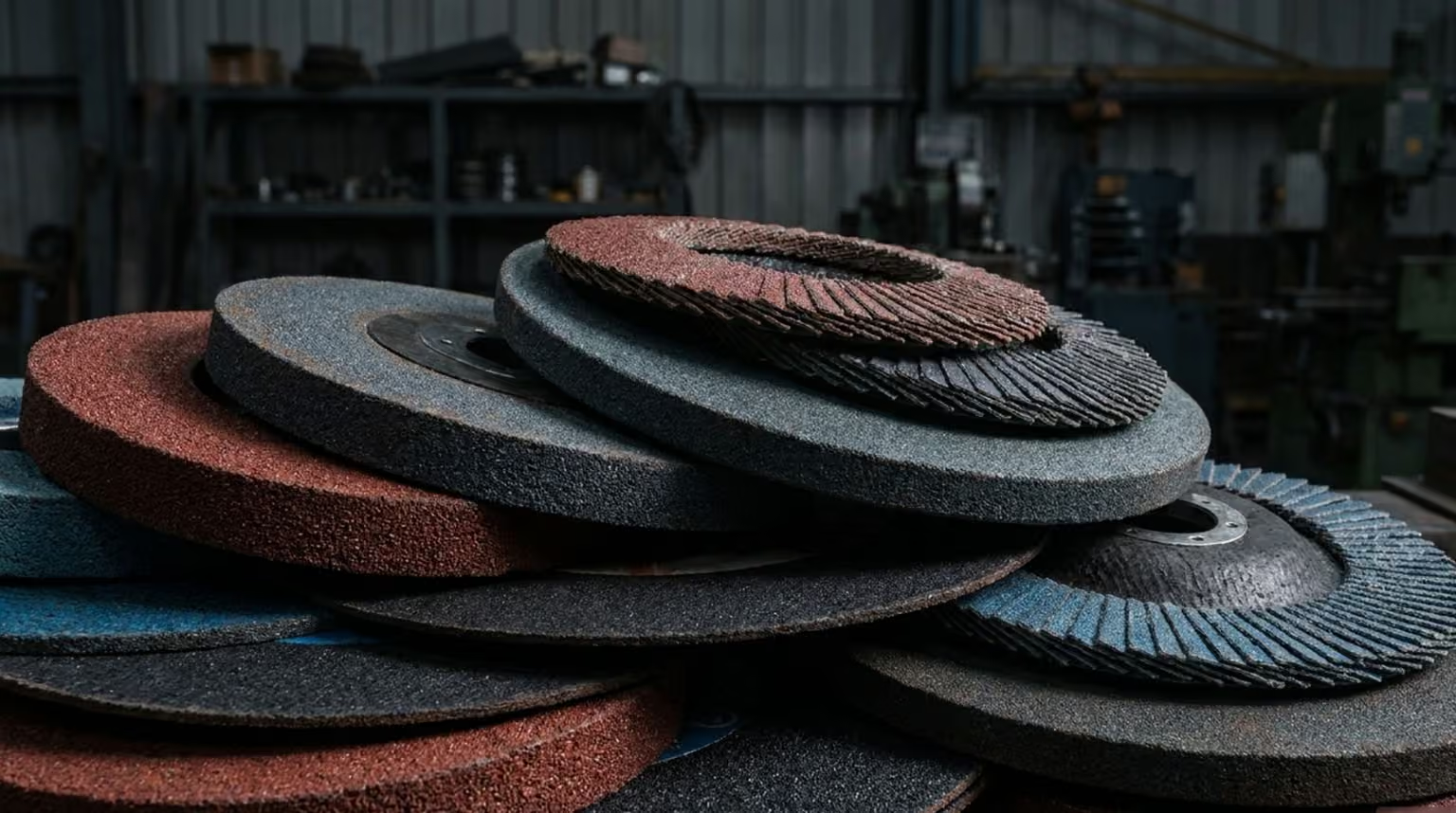
A sample order typically receives more attention than routine production, since a supplier understands a new customer is evaluating them closely and tends to run that first batch under closely controlled conditions, sometimes with senior staff personally overseeing the process. Once a relationship moves into routine, recurring orders, that same level of scrutiny is not guaranteed to continue, and a buyer who only ever evaluated the sample batch has no real evidence of how the supplier performs under normal operating pressure. This gap is one of the most consistently underestimated risks in industrial sourcing, and it applies just as much to a grinding discs supplier as to any other recurring industrial purchase.
The Gap Between a Sample Order and Sustained Production
Why Drift Happens Gradually Rather Than All at Once
Quality problems in abrasive manufacturing rarely appear as a sudden, obvious failure. They tend to drift, meaning a small, incremental change in raw material, formulation, or process discipline shifts performance slightly, and that shift is often too small to notice against normal batch to batch variation until it has compounded over many production cycles. A buyer relying only on periodic spot checks, rather than an ongoing understanding of what could be changing behind the scenes at a supplier, is effectively waiting for a problem to become large enough to notice, which is a much more expensive way to catch a quality issue than monitoring the underlying risk factors directly.
Core Areas to Investigate When Evaluating a Grinding Discs Supplier
Evaluating a grinding discs supplier for long term consistency means looking past the finished product and understanding the underlying inputs and processes that determine whether that product will still meet specification a year or two from now.
Raw Material Sourcing Stability
Fused alumina and other abrasive grains are not single, standardized commodities, and friability, crystal structure, and impurity content can vary meaningfully between producers and even between furnace runs from the same producer. A supplier who sources grain from a consistent source and can explain their qualification process for any new source is in a much stronger position than one who sources opportunistically based on price and availability without a formal requalification process each time the source changes. Ask directly how a prospective grinding discs supplier handles a change in raw material sourcing, and whether that change would ever reach you as the buyer, since a supplier who cannot answer clearly is signaling that raw material substitution may already be happening without visibility on your end.
Bond Formulation Change Control
The bond holding abrasive grain together, whether phenolic resin, vitrified, or another system, is defined by a formulation that determines how the wheel or disc wears during use. Small percentage adjustments to resin content, filler package, or cure chemistry, often made to reduce cost or increase press throughput, can shift wear rate in ways that only become visible after hundreds of units have been used in the field. A supplier with genuine formulation change control maintains a documented record of every adjustment and can explain the reasoning behind it, while a supplier without this discipline may not even be tracking these changes internally, let alone communicating them outward.
Process Discipline and Documentation
Cure schedules, press dwell time, and mixing duration all directly affect the finished product, and none of these process parameters typically appear on any document a buyer receives, which means process discipline has to be evaluated through direct inquiry rather than paperwork review alone. Asking a supplier to walk through their process control procedures, including how deviations are detected and corrected, reveals far more about long term consistency risk than reviewing a finished product specification sheet, since the specification sheet describes the intended outcome rather than the process actually generating it batch after batch.
Reinforcement and Structural Consistency
For reinforced discs, the weight, weave, and placement of fiberglass mesh determines burst resistance and edge durability, and a change in mesh supplier or a reduction in the number of reinforcement layers is invisible from the outside until it shows up as a structural failure in use. This is one of the more safety critical consistency risks in the entire evaluation, since a structural failure in a high speed rotating abrasive product is a genuine safety hazard rather than simply a performance complaint. A supplier should be able to describe their reinforcement specification precisely and confirm what internal controls exist to prevent an unannounced change to that specification.
Personnel Dependency and Institutional Knowledge
Many quality systems depend more heavily on specific individuals than on documented procedure, and this dependency only becomes visible when that individual leaves. A quality manager who built a batch record system, or a mixing operator whose feel for the process developed over fifteen years, represents institutional knowledge that a supplier may not have fully captured in written procedure. Asking a supplier how their quality processes would hold up if a specific long tenured employee left tomorrow is an unusual but genuinely revealing question, since a supplier confident in their documented systems answers this readily, while a supplier who has never considered the question is signaling a real vulnerability.
Capacity Management and Order Pressure
A facility running above sustainable utilization is one of the most common and most predictable causes of a sudden quality decline, since cure time and process discipline are often the first things compromised when a plant is under pressure to fulfill more orders than its capacity comfortably supports. This risk correlates with a supplier’s commercial success rather than their failure, which is precisely why it is easy to miss, since a growing, successful supplier does not look like a risk on paper even as internal capacity pressure quietly builds. Asking a prospective grinding discs supplier directly about their current utilization and how they handle demand that exceeds comfortable capacity is a legitimate and important due diligence question.
Manufacturer Versus Trading Intermediary, Why It Matters for Consistency
The distance between a buyer and the actual production process has a direct bearing on how much visibility that buyer has into every risk factor described above, which is why the distinction between a genuine manufacturer and a trading intermediary matters so much for long term consistency evaluation.
What a Belt Grinder Manufacturer Model Teaches About Direct Engineering Control
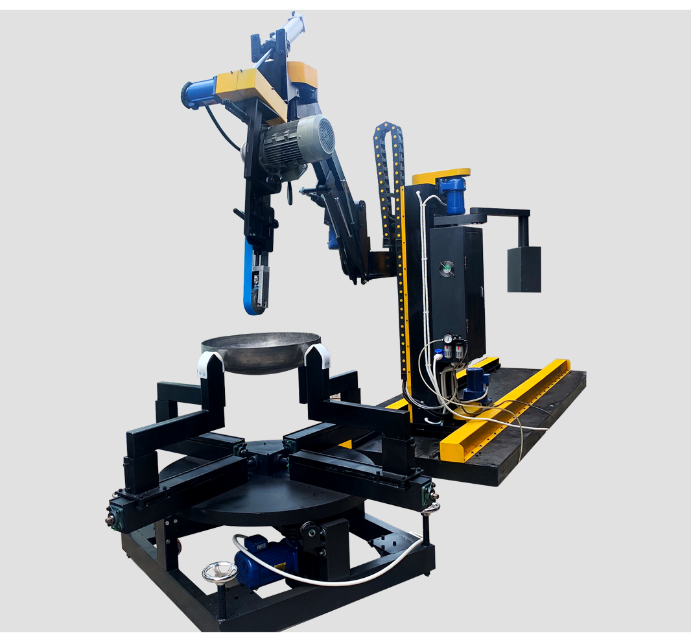
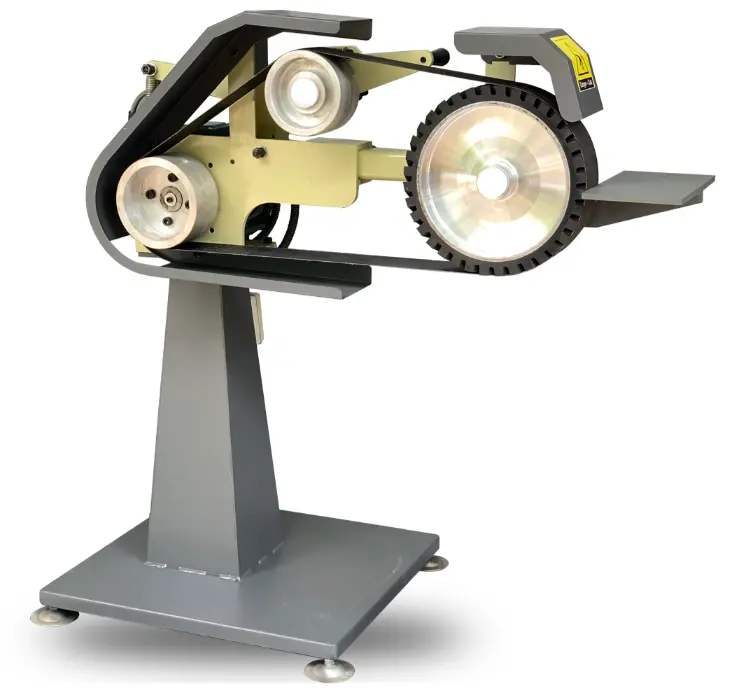
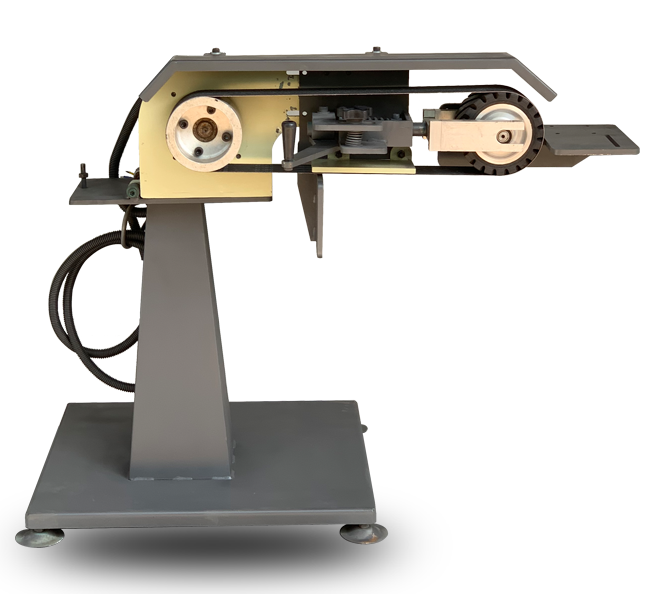
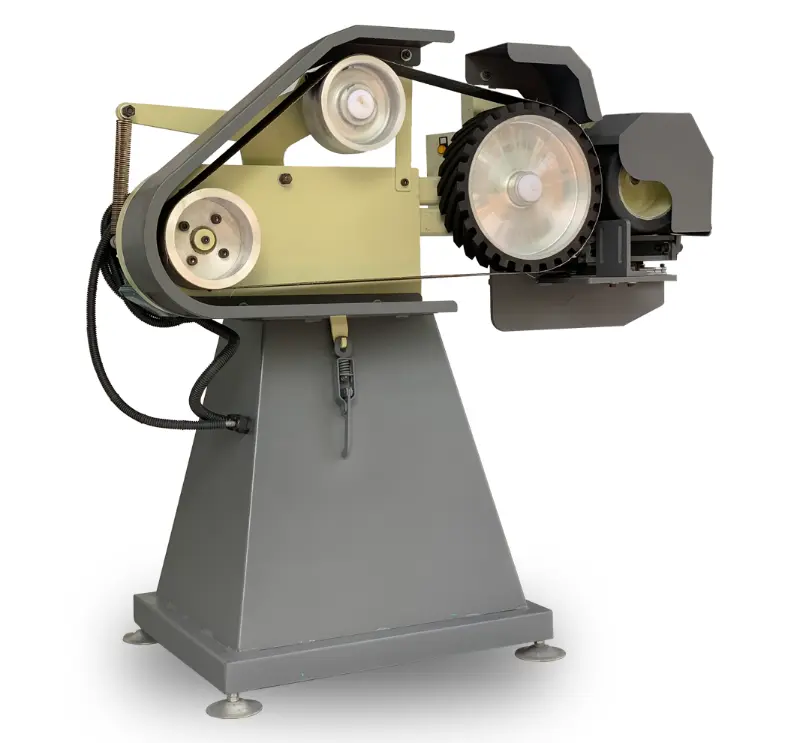
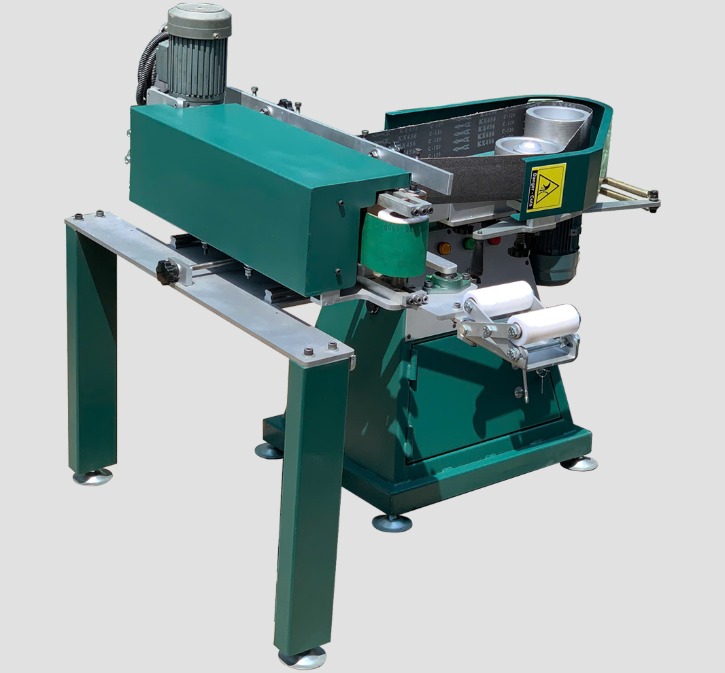
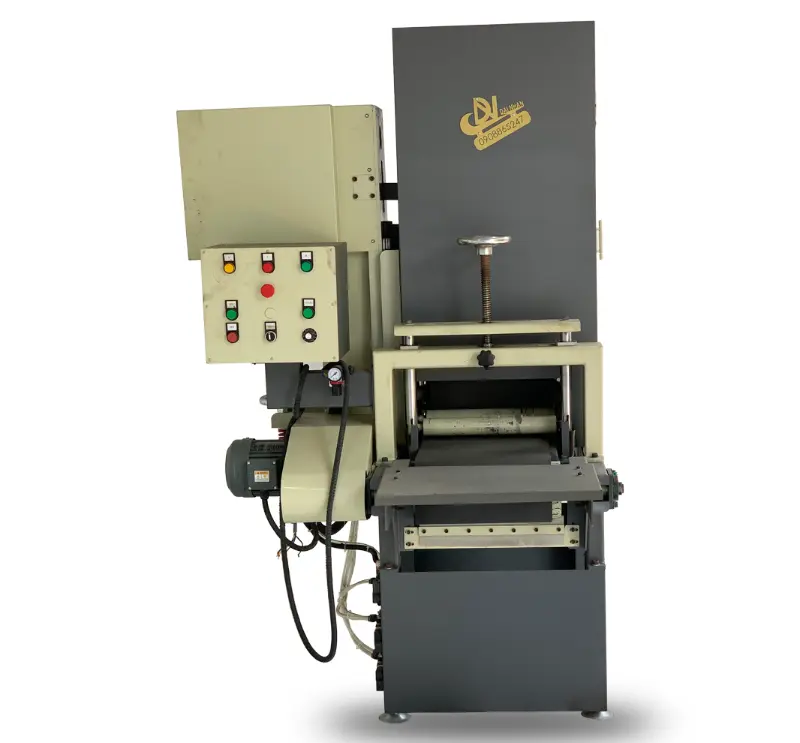
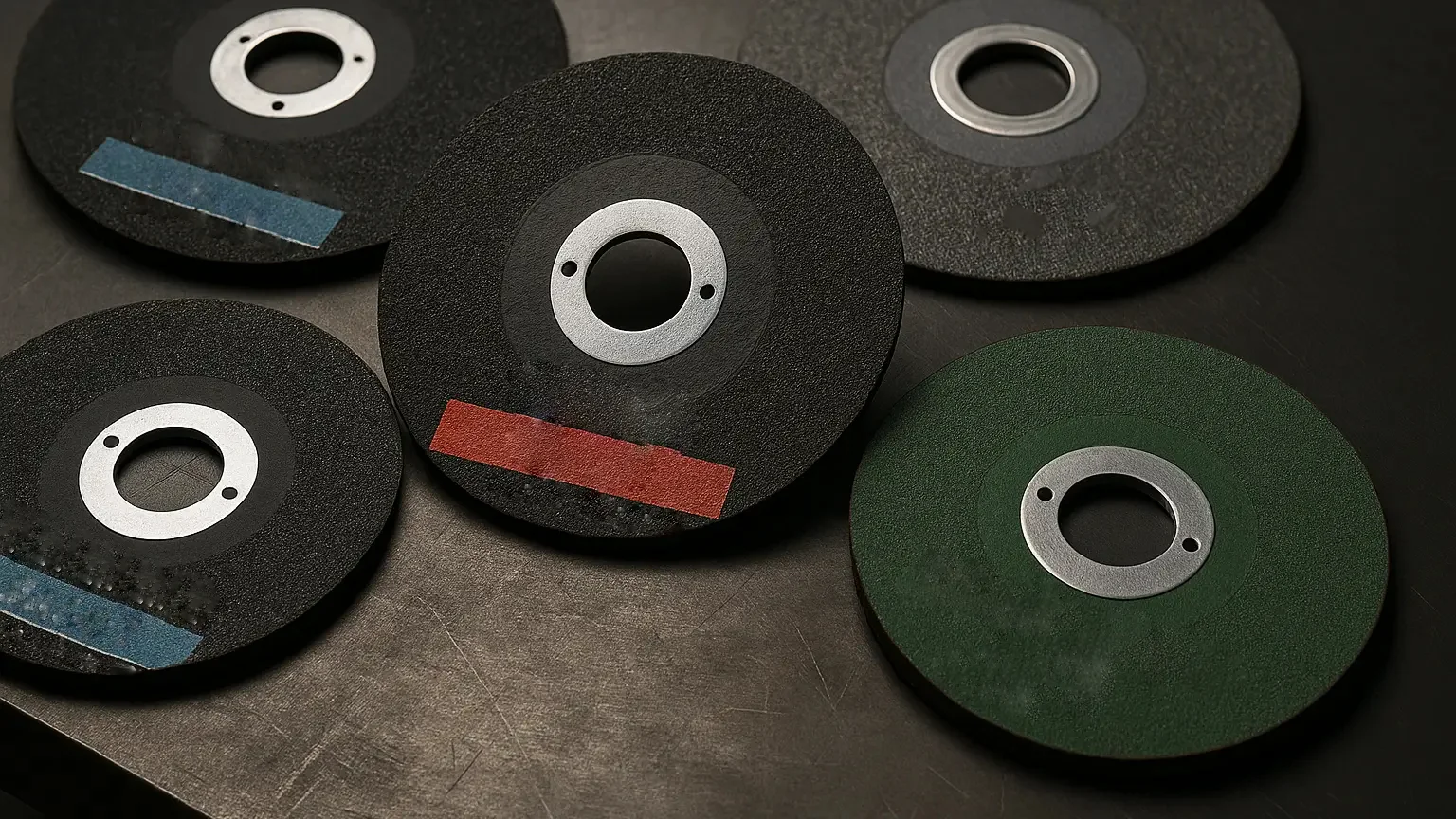
In adjacent categories of industrial equipment, the value of direct manufacturer control over engineering and production is well established. A belt grinder manufacturer that keeps CNC engineering fully in house, for example, can trace and adjust every stage of a build directly, from material selection to final calibration, without relaying specifications through an unrelated factory. This same principle applies to abrasive consumables, since a grinding discs supplier with direct control over raw material sourcing, formulation, and process discipline can offer far more transparency and consistency than an intermediary whose visibility into their own supply chain is limited to whatever the underlying factory chooses to disclose.
What a Belt Grinder Manufacturer Model Teaches About Direct Engineering Control
Grinding Wheel Manufacturers With In House Production Versus Relabeled Products
Not every company presenting itself as a grinding discs supplier or one of the many grinding wheel manufacturers in the market actually manufactures its own product. Some operate as relabeling businesses, purchasing finished product from an unrelated factory and applying their own branding without any direct control over formulation or process. This distinction rarely appears clearly in marketing material, and a buyer serious about long term consistency should ask directly whether a prospective supplier owns and operates its own production facility, and if not, whether they are willing to disclose which facility actually produces the product being sold.
Practical Due Diligence Steps Before Committing to a Long Term Relationship
Understanding the risk factors described above only becomes useful when translated into concrete due diligence steps that a procurement team can actually execute before committing to a supplier relationship.
Requesting Batch Records and Change Logs
A supplier confident in their process consistency should be willing to share batch record summaries and a change log documenting any formulation or process adjustments over a meaningful period of time, such as the past two to three years. The willingness to share this information, and the level of detail a supplier is able to provide when asked, is itself a strong signal of how seriously that supplier takes internal consistency discipline, independent of what the records actually show.
Auditing for Certification and Testing Consistency
Beyond initial certification, ask how a supplier tests ongoing production rather than only initial samples, and request evidence that batch testing continues consistently over time rather than being treated as a qualification hurdle that gets relaxed once a customer relationship is established. A facility audit, whether conducted in person or through a qualified third party, should specifically probe whether the testing protocols observed during the sales process match what actually happens on a routine production day.
Understanding Wholesale Grinding Wheels Pricing and Capacity Signals
Pricing patterns can also serve as an early warning signal worth understanding during due diligence. A supplier offering wholesale grinding wheels at a price meaningfully below the rest of the market, without a clear explanation rooted in scale efficiency or vertical integration, deserves closer scrutiny, since unusually aggressive pricing sometimes correlates with the kind of raw material or process shortcuts that erode consistency over time. This does not mean the lowest price always signals a problem, but it does mean price alone should never substitute for the other due diligence steps described here.
Working With Grinding Wheel Wholesalers Versus Direct Abrasive Grinding Wheel Manufacturers
The choice between sourcing through a wholesaler and sourcing directly from a manufacturer has real implications for how much consistency risk a buyer is exposed to and how much visibility they retain into the production process behind their product.
When a Wholesaler Relationship Makes Sense
Grinding wheel wholesalers can be a genuinely good fit for buyers with modest volume, standard specifications, and a need for fast fulfillment without waiting on a full production run. For a buyer whose consumption is relatively low and whose specification needs are not unusual, the convenience of a wholesaler relationship often outweighs the reduced visibility into upstream production, particularly if the wholesaler itself has a track record of consistent, reliable sourcing.
When Direct Sourcing From Abrasive Grinding Wheel Manufacturers Is Worth the Effort
For buyers with higher volume, tighter tolerance requirements, or genuine custom specification needs, sourcing directly from abrasive grinding wheel manufacturers becomes increasingly worthwhile, since direct sourcing is what actually enables the kind of due diligence and ongoing visibility described throughout this guide. A wholesaler relationship, however convenient, inherently limits how deeply a buyer can investigate raw material sourcing, formulation change control, and process discipline, simply because the wholesaler itself may not have full visibility into those factors either.
Building an Ongoing Monitoring Relationship, Not Just a One Time Qualification
Long term consistency is not something that gets guaranteed once during an initial qualification process. It has to be maintained through an ongoing relationship that includes periodic verification rather than a single upfront evaluation followed by years of assumed reliability.
Periodic Re Auditing and Sample Testing
Scheduling periodic re audits and independent sample testing, even for an established supplier relationship, is one of the most effective ways to catch drift before it becomes a significant problem. A buyer who treats supplier qualification as a one time event, never revisited after the initial approval, is choosing to rely entirely on the supplier’s own internal discipline without any independent verification over the life of the relationship.
Communication Cadence as an Early Warning System
Regular, substantive communication with a supplier, beyond routine order confirmations, often surfaces early signals of change before they show up as a measurable quality issue. A supplier willing to discuss capacity utilization, raw material sourcing conditions, or internal process changes openly is behaving very differently than one who only communicates when a problem has already occurred, and the difference in openness itself is a useful ongoing indicator of relationship health.
Where Dai Nhan Fits as a Belt Grinder Manufacturer Partner
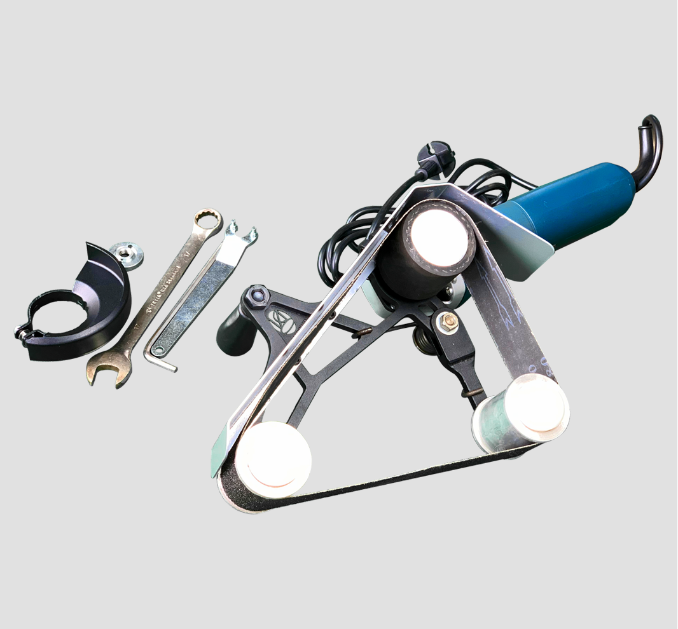
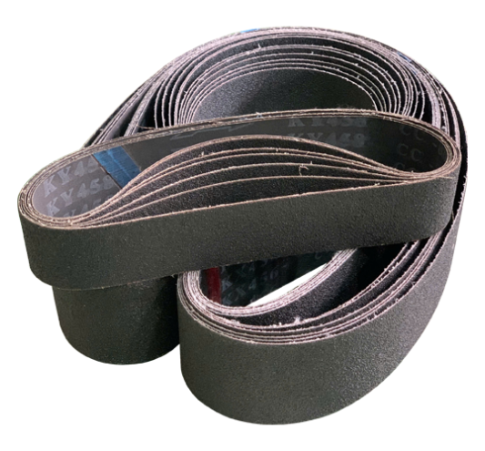
Dai Nhan Machinery does not manufacture grinding discs or grinding wheels, and this guide has been written as an honest, independent evaluation resource rather than a lead in to a product we do not sell. What Dai Nhan does build, as a direct belt grinder manufacturer with full CNC engineering kept in house in Vietnam, is the equipment side of belt based industrial finishing, including custom OEM and ODM machine configurations for buyers managing production alongside the consumable sourcing decisions covered throughout this guide. The same due diligence principles described here, direct manufacturer control, documented process discipline, and transparent communication over the life of a relationship, are exactly the standard we hold ourselves to as an equipment partner.
If your team is managing both consumable sourcing and equipment sourcing as part of a broader finishing supply chain, we are glad to be a direct, transparent partner for the belt based equipment half of that picture.
Read more: What to Look for in a High-Volume Tube Polishing Machine Manufacturer


BOLA BAG's BLOG YOU MAY ALSO BE INTERESTED IN
How Do You Measure a Belt Sander Belt? Pick the Right Method for your Belt
How to Cut Steel With a Grinder: Straight, Safe, and Without Wrecking the Disc
Top OEM/ODM Grinding Wheel Manufacturers for Global Industrial Supply Chains