


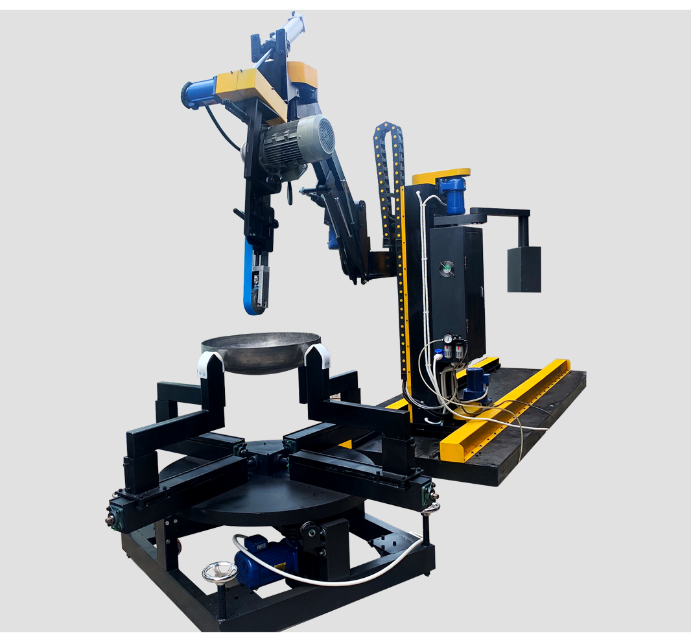
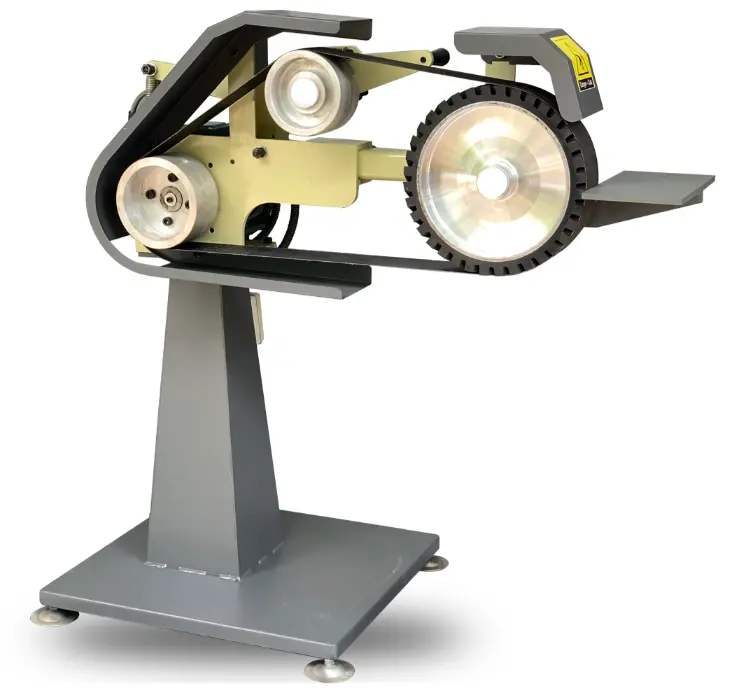
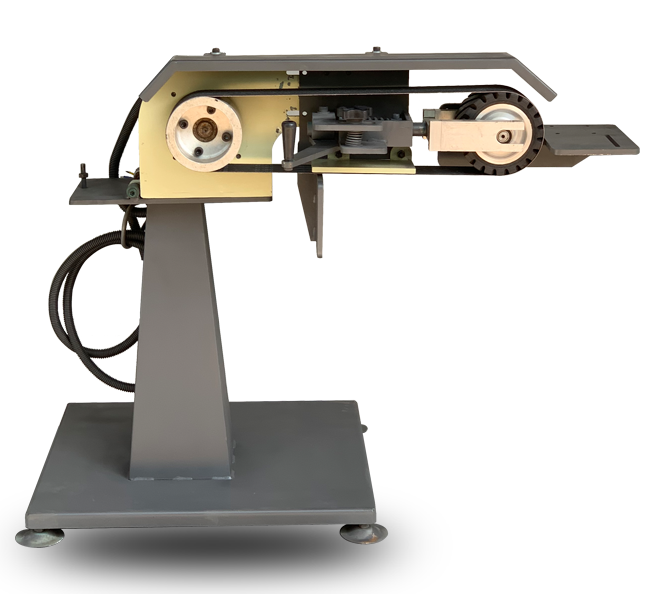
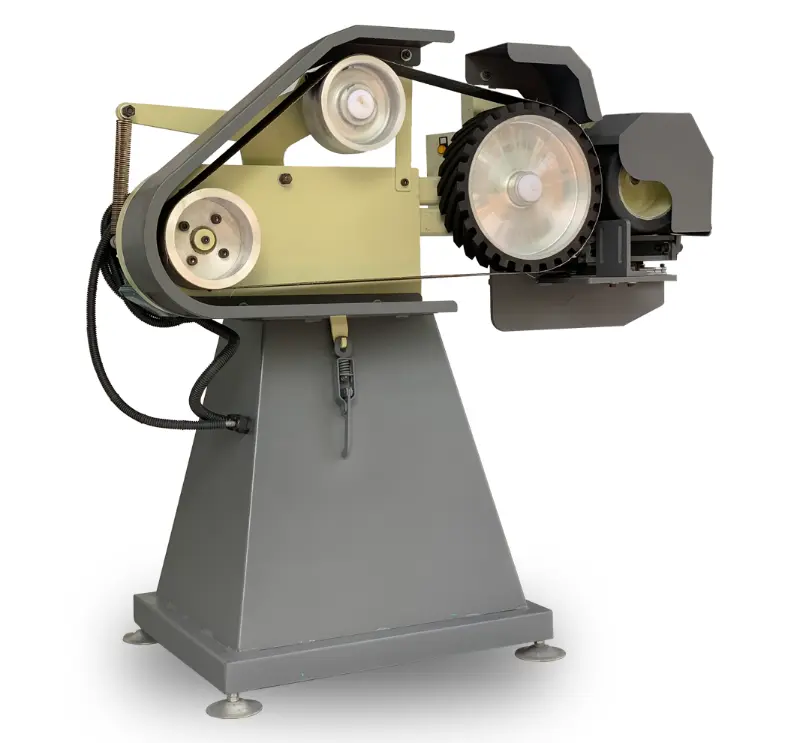
Finding an industrial belt sander for sale may appear straightforward at first, but for OEM manufacturers, distributors, and global procurement teams, the evaluation process extends far beyond comparing prices or reviewing technical specifications. Industrial sanding equipment is expected to operate continuously, deliver consistent finishing quality, integrate with existing production lines, and meet the long-term demands of modern manufacturing. Selecting the wrong machine can result in higher operating costs, inconsistent product quality, frequent downtime, and limited scalability as production grows.
As manufacturing industries continue to embrace automation and customized production, buyers must assess not only the machine itself but also the engineering capabilities of the supplier behind it. A reputable belt sander machine manufacturer should provide comprehensive engineering support, customization services, export experience, and reliable after-sales assistance throughout the equipment’s lifecycle. This article explains the critical factors procurement teams should evaluate before purchasing an industrial belt sander for sale, helping businesses make informed investments that support sustainable production and long-term growth.
Understanding the Difference Between Buying Equipment and Investing in Manufacturing Capability
Many procurement decisions begin with machine specifications, motor power, abrasive belt size, or production capacity. While these factors are important, they represent only one aspect of a successful investment. Purchasing an industrial belt sander for sale should be viewed as investing in manufacturing capability rather than simply acquiring another piece of equipment.
Understanding the Difference Between Buying Equipment and Investing in Manufacturing Capability
Every production facility operates under unique conditions involving material characteristics, production volumes, factory layouts, labor availability, and quality standards. Equipment that performs exceptionally well in one factory may fail to achieve the same efficiency elsewhere if it has not been engineered for those specific operating conditions. This is why experienced buyers place equal importance on engineering consultation, customization capability, and long-term technical support.
A properly selected industrial belt sander becomes an integral component of the manufacturing process, improving production consistency while reducing labor costs, minimizing rework, and supporting future expansion.
Evaluating the Manufacturer Behind the Machine
The performance of industrial machinery is largely determined by the expertise of the company that designs and builds it. Before evaluating machine specifications, procurement teams should investigate the capabilities of the belt sander machine manufacturer responsible for the equipment.
Manufacturers with extensive engineering experience typically invest in research and development, precision manufacturing, quality control systems, and continuous product improvement. They understand how structural rigidity influences grinding stability, how motor selection affects production efficiency, and how abrasive belt systems should be optimized for different industrial applications.
An experienced manufacturer also provides engineering consultation during the procurement process rather than simply supplying catalog products. This collaborative approach helps buyers select equipment that matches their production objectives instead of forcing them to adapt their manufacturing process to a standard machine configuration.
Assessing OEM and ODM Capabilities
For industrial buyers serving multiple markets or producing specialized products, standard machinery is rarely the ideal solution. OEM and ODM manufacturing allow businesses to specify machine dimensions, automation features, conveyor systems, control interfaces, grinding configurations, and material handling systems according to their operational requirements.
When evaluating an industrial belt sander for sale, buyers should determine whether the manufacturer possesses the engineering resources necessary to customize equipment without compromising reliability. A capable supplier should be able to modify machine specifications while maintaining structural integrity, operational stability, and production efficiency.
Customized engineering also provides significant long-term benefits by improving factory workflow, reducing unnecessary material handling, increasing operator productivity, and simplifying future production upgrades.
Matching Equipment to Production Requirements
Selecting the appropriate machine requires a thorough understanding of production demands rather than relying solely on advertised machine capacity.
Manufacturers processing stainless steel architectural products require different grinding characteristics than companies producing heavy structural components. Similarly, businesses manufacturing food processing equipment often prioritize surface finish consistency, while heavy fabrication facilities may emphasize material removal efficiency.
An industrial belt sander for metal should therefore be evaluated according to the materials being processed, desired surface finish, production volume, component dimensions, and required throughput. These factors determine motor capacity, abrasive belt configuration, grinding pressure, feeding mechanisms, and machine durability.
When these considerations are properly addressed during procurement, manufacturers achieve higher productivity while maintaining consistent product quality throughout continuous production cycles.
Understanding the Role of the Industrial Belt Grinder
Although buyers often focus exclusively on sanding equipment, many industrial applications also require an industrial belt grinder capable of performing aggressive material removal before precision finishing operations begin.
Grinding systems play an essential role in weld removal, edge preparation, dimensional correction, and heavy stock removal. Integrating both grinding and sanding capabilities into the production process enables manufacturers to achieve greater efficiency while reducing manual labor and minimizing production bottlenecks.
For facilities processing thick steel components or demanding fabrication work, an industrial belt grinder for metal provides the strength and stability necessary for continuous heavy-duty operation. Machines designed with rigid frames, high-torque motors, and precision belt tracking systems maintain grinding accuracy while extending abrasive belt life and reducing maintenance requirements.
Evaluating whether sanding and grinding operations should be combined within a production line is an important consideration during procurement planning.
Engineering Quality Determines Long-Term Performance
The true value of an industrial belt sander machine becomes evident after years of continuous operation rather than during initial installation.
Machine rigidity influences grinding precision, vibration affects surface consistency, belt tracking impacts abrasive wear, and motor performance determines operational stability. Poor engineering in any of these areas can significantly increase maintenance costs while reducing productivity over time.
Engineering Quality Determines Long-Term Performance
High-quality engineering also improves operator safety by incorporating reliable guarding systems, emergency stop functions, ergonomic controls, and stable structural designs capable of withstanding demanding industrial workloads.
When procurement teams evaluate machinery from an engineering perspective instead of focusing solely on specifications, they significantly improve the likelihood of achieving long-term operational success.
Evaluating Export Experience and Global Support
For international buyers, manufacturing expertise alone is not sufficient. The supplier must also possess extensive experience supporting global customers.
A professional belt sander supplier understands international shipping requirements, electrical configurations, export documentation, packaging standards, installation support, and technical communication across different markets.
This experience minimizes procurement risks while ensuring machinery arrives ready for installation and immediate production.
Long-term support is equally important. Spare parts availability, remote technical assistance, engineering consultation, and preventive maintenance services all contribute to maximizing equipment uptime throughout its operational life.
Looking Beyond Initial Purchase Price
Many procurement teams naturally compare quotations before making purchasing decisions. However, selecting the lowest-priced industrial belt sander for sale often results in higher ownership costs over the machine’s lifetime.
Machines with inferior engineering may consume more abrasive belts, require frequent maintenance, generate inconsistent finishing quality, or experience premature component failures. These hidden expenses often exceed any savings achieved through a lower purchase price.
Instead, buyers should evaluate total cost of ownership by considering productivity improvements, energy efficiency, maintenance requirements, machine lifespan, spare parts availability, and technical support.
This broader perspective allows procurement teams to identify machinery that delivers greater long-term value rather than simply lower acquisition costs.
Why Customization Creates Competitive Advantages
Manufacturing is becoming increasingly specialized as customers demand shorter production cycles, higher quality standards, and greater product variation.
Standard machines often require manufacturers to modify production workflows to accommodate equipment limitations. OEM engineering reverses this approach by designing machinery around production requirements.
Customized industrial belt sander solutions improve automation potential, optimize factory layouts, increase operational flexibility, and simplify future expansion as manufacturing capacity grows.
These advantages become especially valuable for companies serving international markets where production efficiency and product consistency directly influence competitiveness.
Why Global Buyers Choose Dai Nhan Machinery
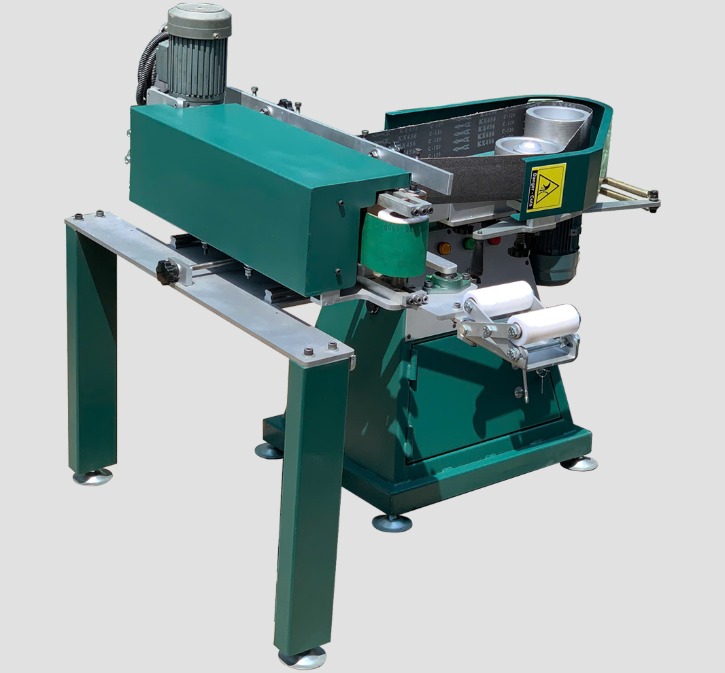
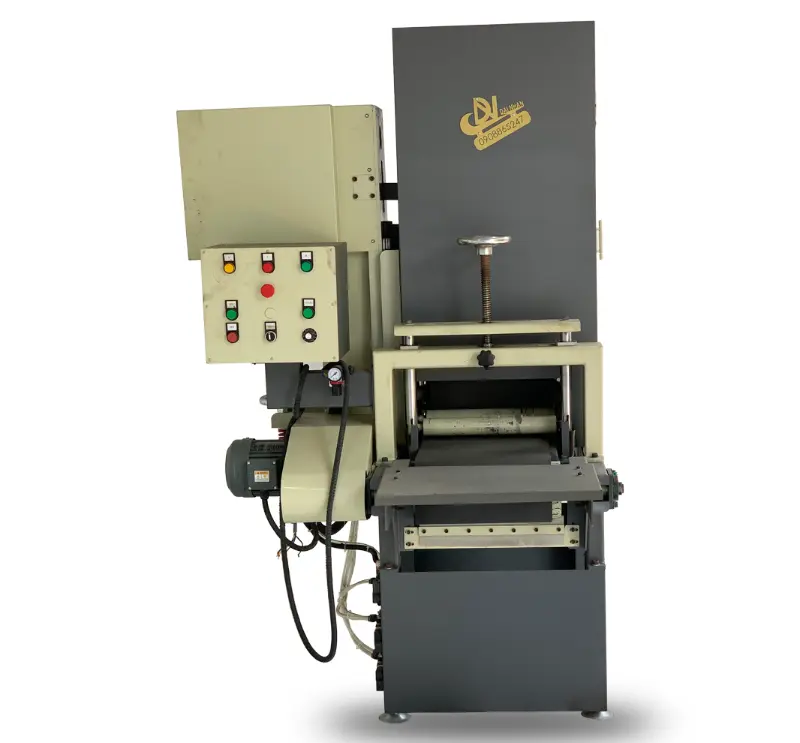
Dai Nhan Machinery understands that purchasing an industrial belt sander for sale is a strategic investment rather than a routine equipment purchase. As an experienced belt sander machine manufacturer, we provide comprehensive OEM and ODM engineering solutions tailored to the production requirements of manufacturers, distributors, and industrial brands around the world.
Our engineering team works closely with customers to develop customized grinding and finishing systems capable of processing stainless steel, carbon steel, aluminum, and other industrial materials with exceptional consistency and reliability. Whether customers require a standalone industrial belt sander, a high-capacity industrial belt grinder, or a fully integrated industrial belt sander machine incorporated into an automated production line, we deliver solutions engineered for long-term performance.
Every project begins with a detailed evaluation of production objectives, material specifications, factory layout, and operational goals. This collaborative engineering process ensures every machine is optimized to maximize productivity, reduce maintenance requirements, and support future manufacturing growth.
Conclusion
Choosing the right industrial belt sander for sale requires far more than comparing specifications or requesting competitive quotations. Successful procurement depends on evaluating engineering quality, OEM capabilities, production compatibility, export experience, customization potential, and long-term technical support.
Businesses that partner with experienced manufacturers gain access to engineering expertise that extends well beyond equipment supply. They benefit from customized solutions, improved operational efficiency, greater production flexibility, and stronger long-term returns on investment.
As manufacturing continues to evolve toward automation and customized production, selecting the right equipment partner becomes one of the most important decisions affecting future competitiveness.
Partner with Dai Nhan Machinery
If you are searching for an industrial belt sander for sale that combines engineering excellence, OEM flexibility, and reliable long-term performance, Dai Nhan Machinery is ready to support your business. Our team specializes in designing and manufacturing customized grinding and finishing solutions for customers across global markets, helping manufacturers improve productivity while meeting demanding quality standards.
Contact Dai Nhan Machinery today to discuss your production requirements, explore customized OEM and ODM solutions, or request a detailed quotation for an export-ready industrial grinding system engineered specifically for your manufacturing operation.


BOLA BAG's BLOG YOU MAY ALSO BE INTERESTED IN
How to Measure a Belt Sander Belt When the Label Is Long Gone
Partnering with Dai Nhan Machinery: OEM Engineering for the Industrial Belt Sander Machine
How to Evaluate an Industrial Belt Sander for Sale for OEM/ODM Scale and Procurement