


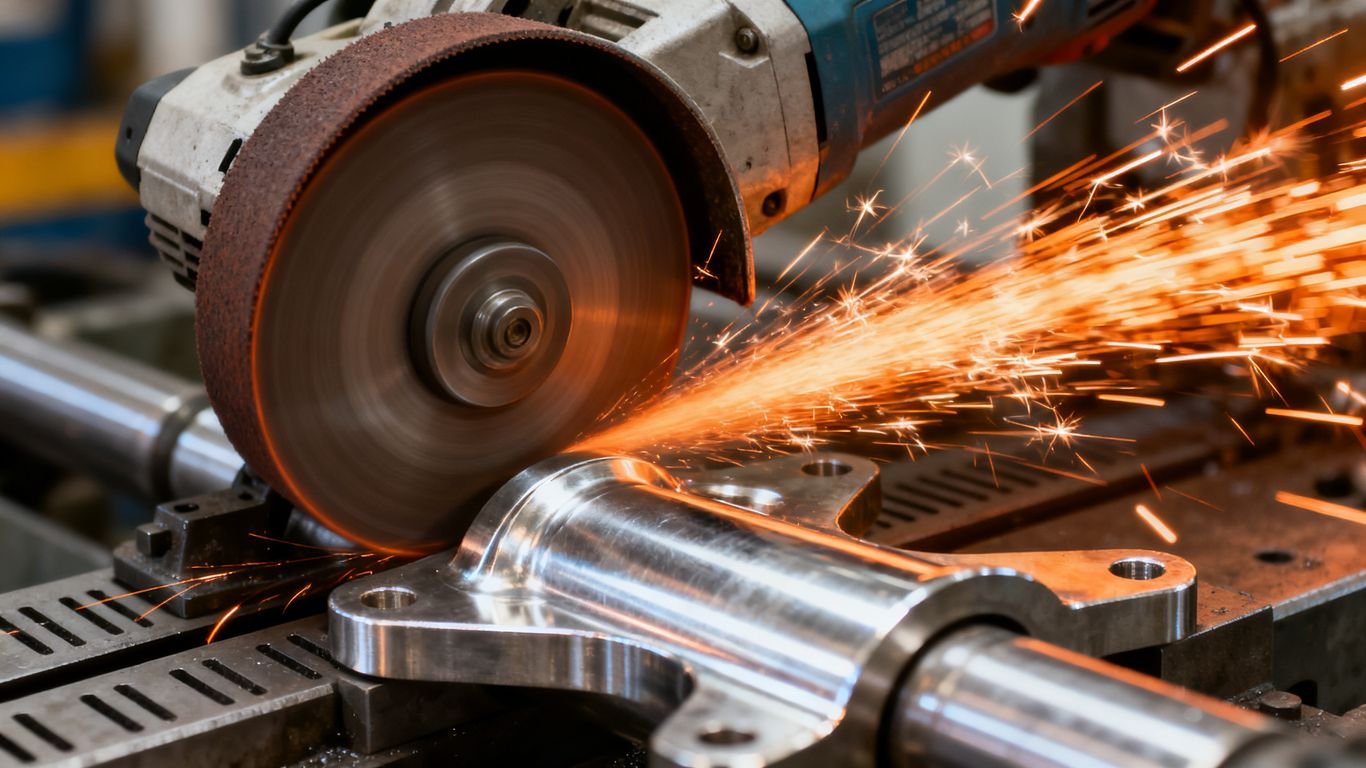
Metalworking shops rarely deal with a single kind of finishing task. One order calls for deburring a batch of flat brackets, the next calls for rounding the edge of a curved bracket, and the one after that calls for blending a weld seam on a cylindrical part. Buying a separate dedicated machine for every one of these jobs is expensive and it eats floor space that most shops simply do not have. This is exactly the problem an industrial belt and disc sander is built to solve, since it combines two finishing methods in a single footprint and gives an operator the flexibility to move between flat work and contoured work without walking to a different station.
At Dai Nhan Machinery, we build this versatility into every industrial belt and disc sander we manufacture, and because we are a direct belt sander machine manufacturer based in Vietnam rather than a reseller, we can adjust the configuration of that combination machine to match the actual mix of work moving through your shop. This article looks closely at what makes an industrial belt and disc sander such a valuable investment for metalworking operations, how the belt station and the disc station each contribute to that versatility, and how a manufacturing partnership with a real factory changes the outcome compared to buying from a catalog only supplier.
What Is an Industrial Belt and Disc Sander
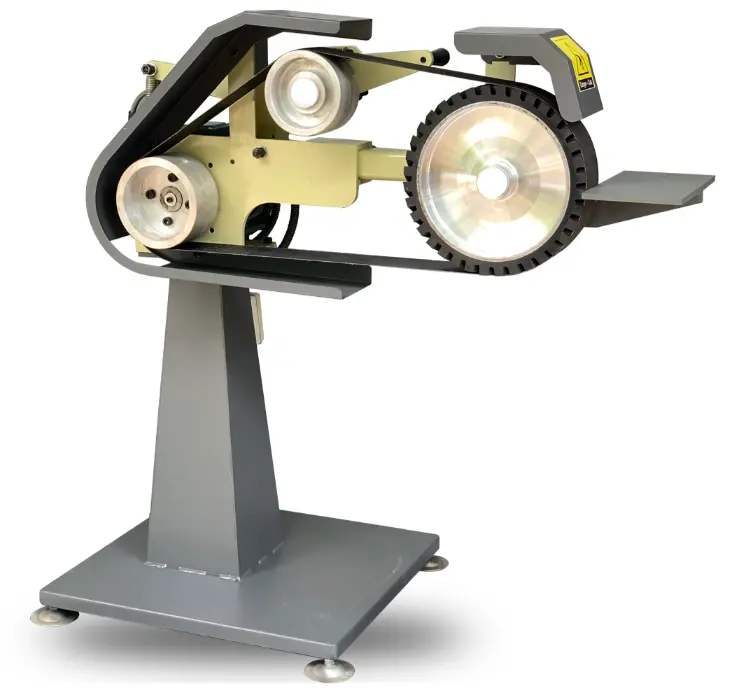
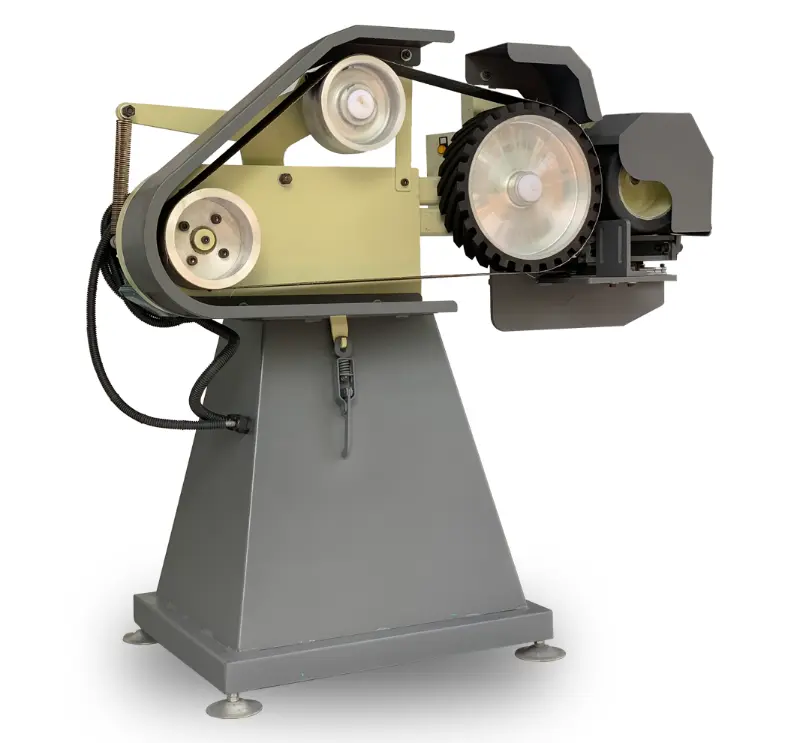
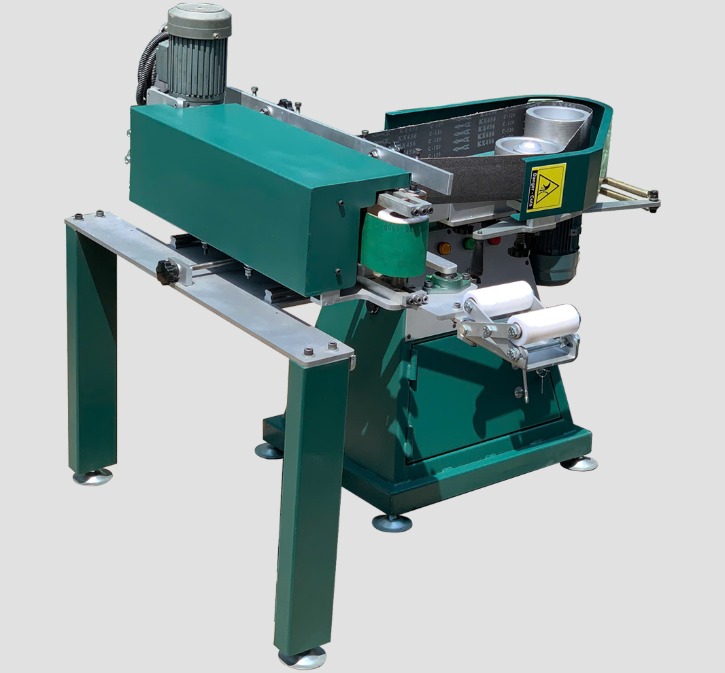
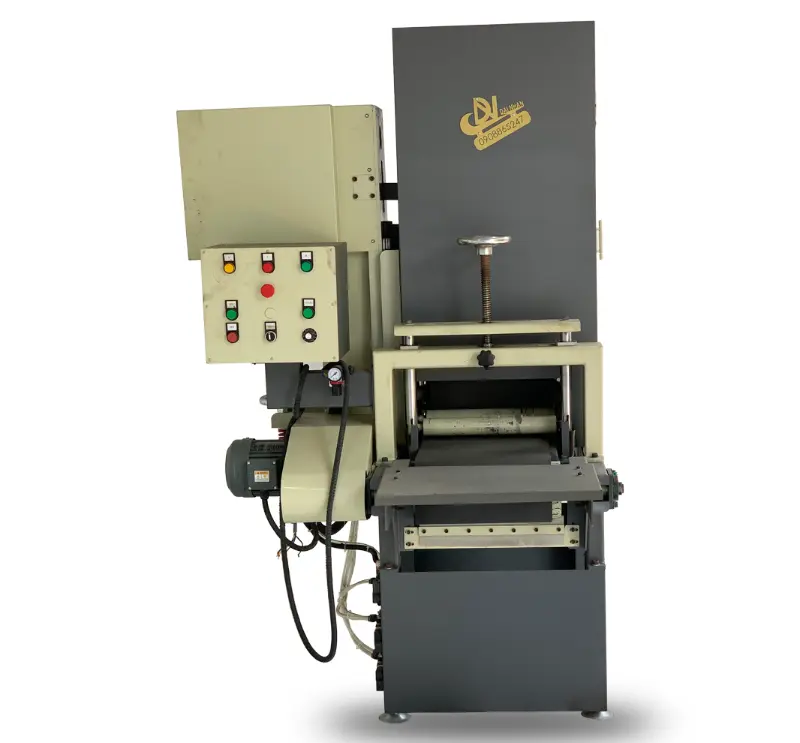
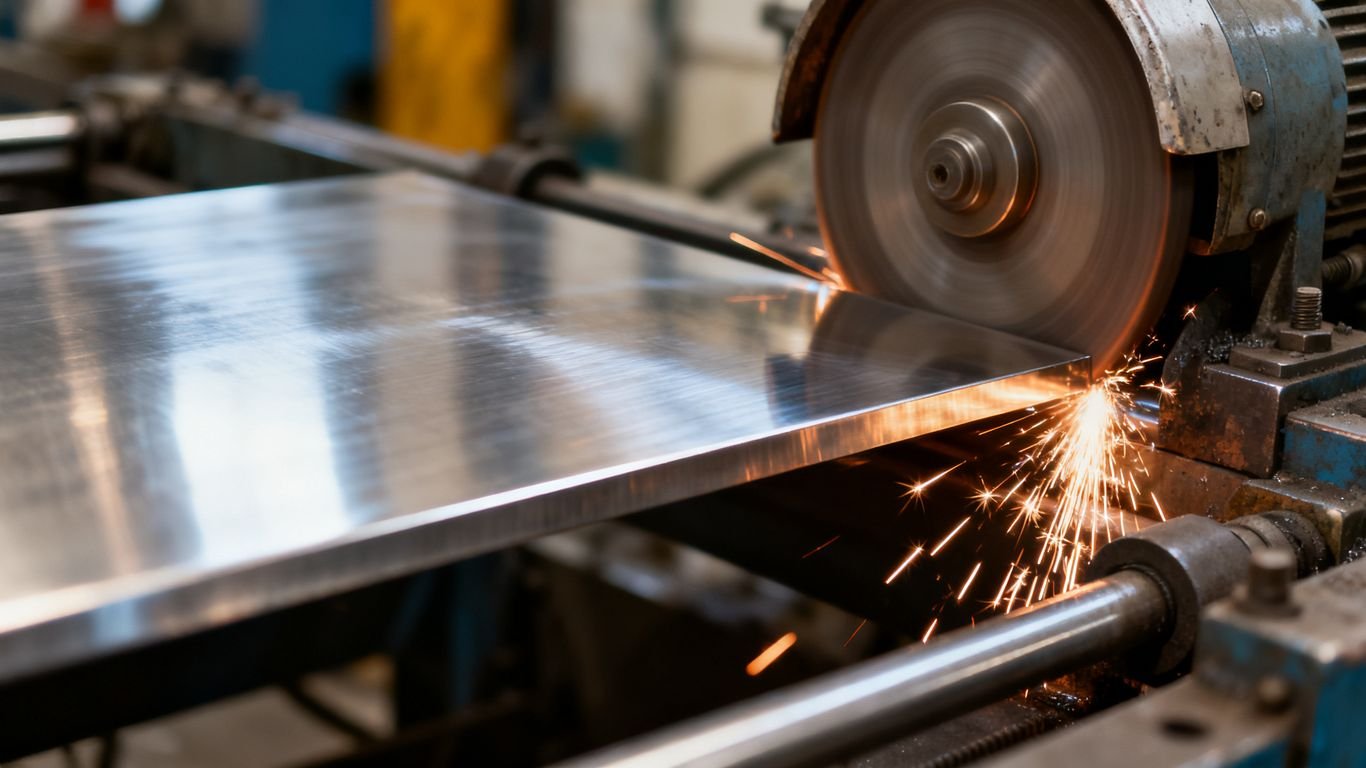
An industrial belt and disc sander is a combination finishing machine that pairs a continuous abrasive belt with a rotating abrasive disc on the same frame, often sharing a single motor or running as two independently powered stations. The belt side functions much like a standalone industrial belt sander machine, ideal for long, continuous passes along a seam, an edge, or a curved surface, while the disc side is better suited to flat, controlled material removal where a part needs a precise, even surface rather than a directional pass. Having both on one machine means a shop does not have to choose between the strengths of an industrial belt grinder and the strengths of a disc sander, since a single unit delivers both.
What Is an Industrial Belt and Disc Sander
This dual function design is what separates an industrial belt and disc sander from a simple industrial belt sander for metal that only offers one finishing method. A fabricator working on a mixed batch, for example brackets that need a flat disc pass on one face and a rounded belt pass on an adjacent edge, can finish the entire part at one station instead of routing it between two separate machines, which saves handling time and reduces the chance of an inconsistent finish caused by switching equipment mid job.
Why Versatility Actually Matters on the Shop Floor
Versatility sounds like a marketing word until you look at what it actually changes in daily production. A shop running a single purpose industrial belt grinder for metal can do one class of job extremely well, but the moment an order includes a mix of flat and curved parts, that shop either needs a second machine or has to send some of the work to a different station, both of which add cost and time. An industrial belt and disc sander removes that tradeoff, since the same footprint and the same operator can move fluidly between the two finishing methods depending on what the current part requires.
This matters even more for smaller and mid sized metalworking shops that cannot justify a dedicated machine for every finishing task but still need production grade results. A combination machine lets these shops take on a wider range of job types without a proportional increase in equipment investment, which is one of the strongest arguments for choosing an industrial belt and disc sander over two separate single function machines when floor space and capital are both limited.
The Technical Anatomy of an Industrial Belt and Disc Sander
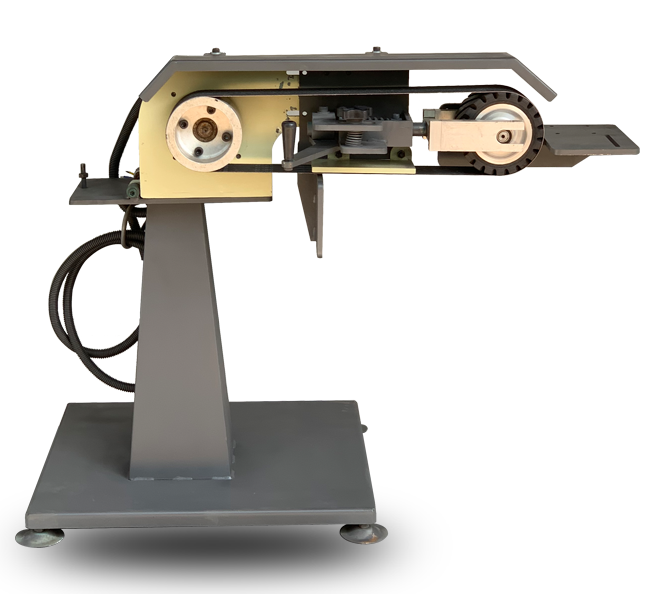
Understanding how the two stations are built helps explain why the quality of a combination machine varies so much between manufacturers. The belt station relies on the same core components found in any serious industrial belt grinder, meaning a rigid frame, a properly sized motor, a contact wheel or platen suited to the intended finish, and a reliable belt tracking system that keeps the abrasive centered under load. Weakness in any one of these components shows up immediately as chatter, uneven wear, or belts that wander off the wheels, which is just as true on the belt side of a combination machine as it is on a standalone unit.
The disc station has its own set of requirements, since the disc needs a flat, rigid table and a motor capable of maintaining consistent rotational speed under varying pressure, along with a dust and debris extraction path that keeps the work area clear during continuous use. On a well engineered industrial belt and disc sander, both stations are integrated into one stable frame so that vibration from one side does not transmit into the other, which is a detail that cheaper, mass produced combination units frequently get wrong because the two stations were never designed together as a single system in the first place.
Industrial Belt Sander for Metal and Industrial Belt Grinder for Metal, Where the Terms Overlap
Buyers researching this category will run into several overlapping terms, and it helps to understand how they relate. An industrial belt sander for metal and an industrial belt grinder for metal generally describe the same underlying belt based finishing technology, with the word choice often coming down to regional preference or whether the emphasis is on smoothing and finishing versus aggressive material removal. An industrial belt sander machine can refer to a standalone belt only unit, while an industrial belt and disc sander specifically describes the combination configuration that adds a disc station alongside the belt.
Knowing this distinction matters when you are comparing quotes from different vendors, since a belt sander supplier advertising an industrial belt grinder may be offering a belt only machine even when your actual need is the added flexibility of a combination unit. Clarifying exactly which configuration you need before requesting quotes saves time and avoids receiving proposals for the wrong type of machine entirely.
Applications Across Metalworking Tasks
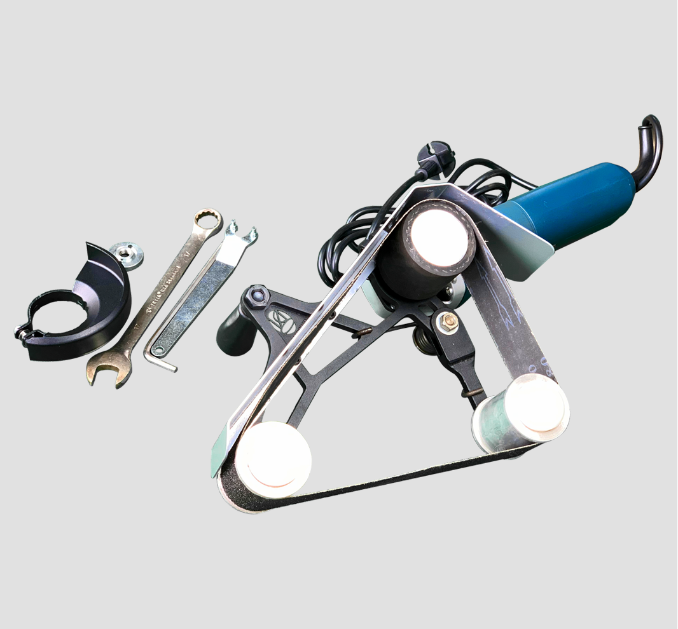
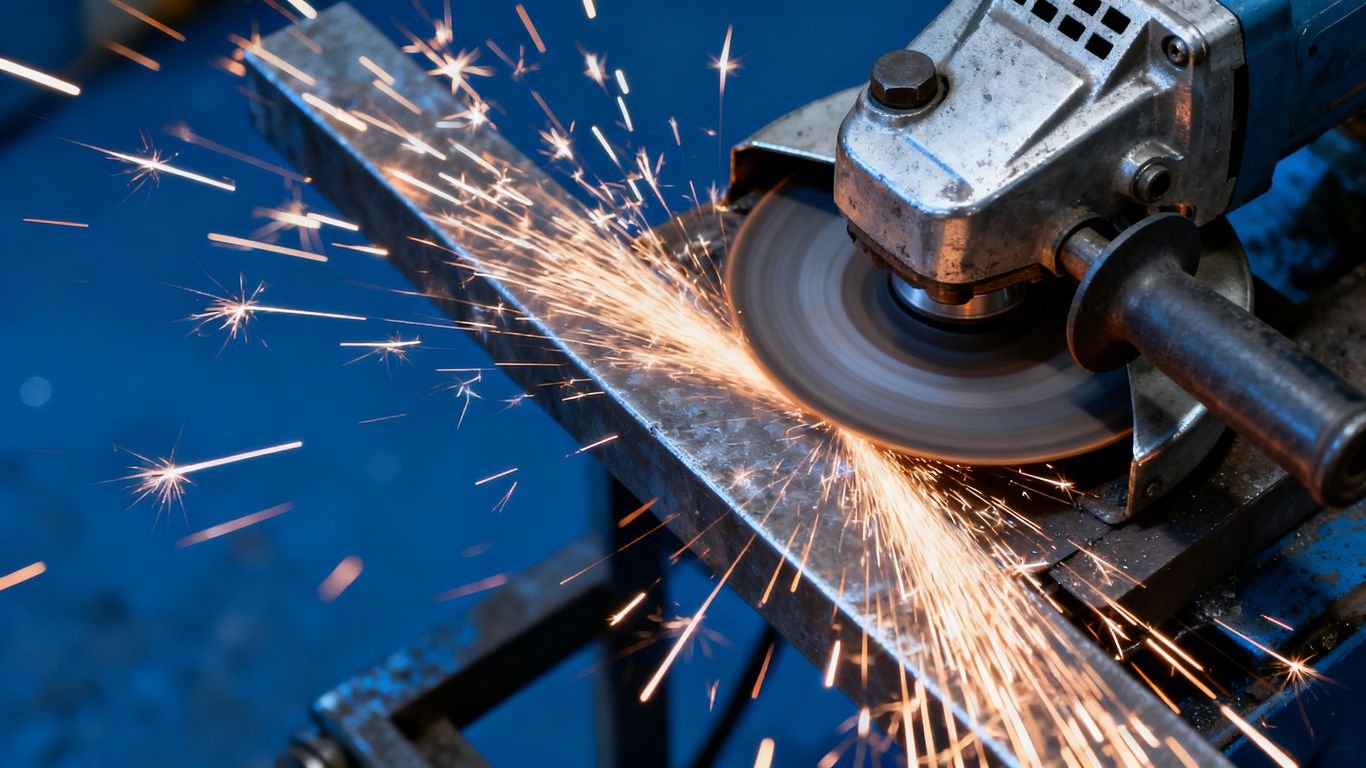
The value of an industrial belt and disc sander becomes clearest when you look at how the two stations divide labor across a typical metalworking job. Deburring and edge breaking on flat stock is usually faster and more controlled on the disc side, where the flat table gives consistent, even pressure across the entire edge, while weld blending and contour work on curved parts or tubing is better handled on the belt side, where the continuous abrasive can follow the shape of the part rather than fighting against it.
Applications Across Metalworking Tasks
Fine finishing work, including brushed or satin grain patterns on visible metal surfaces, typically belongs on the belt station as well, since a moving belt produces the directional, linear grain that architectural and decorative metalwork usually requires, while sharpening and precision edge work on tools or blades often benefits from the disc station’s flat, controllable surface. Knifemakers in particular rely on this combination constantly, using the belt side for bevel work and stock removal and the disc side for final flattening and precision grinding, which is one of the clearest real world illustrations of why the combination format exists in the first place.
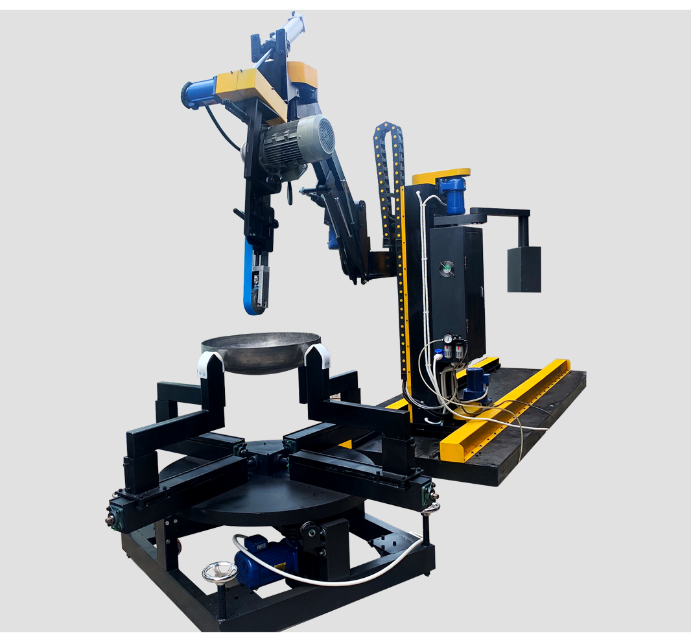
Heavier fabrication work, such as structural steel components or tank and vessel parts, tends to lean more heavily on the belt side of the machine given the scale of material involved, but even in these heavier applications having a disc station available on the same frame means smaller flat components in the same job order do not need to be routed to an entirely separate machine.
The Dai Nhan Approach to Custom Belt and Disc Configurations
Not every shop needs the same balance between the belt station and the disc station, which is exactly why Dai Nhan approaches every industrial belt and disc sander as a configuration to be engineered rather than a fixed catalog item. A shop that does mostly flat deburring work with occasional contour finishing needs a different motor balance and table size than a shop that does mostly contour and blending work with occasional flat finishing, and because our CNC engineering happens entirely inside our own factory in Vietnam, we can adjust motor sizing, table dimensions, belt width, and disc diameter to match the actual mix of work a customer brings to us rather than forcing that customer into a generic configuration built for an average buyer who does not exist in practice.
This is the same direct manufacturer advantage that applies across our entire product range. Because we are not a trading company relaying specifications to an unrelated factory, changes to a combination machine’s configuration can be reviewed and implemented by the same engineering team from the first inquiry through final testing, and every unit is checked for vibration and belt tracking stability before it ships, using the same standard we apply to our standalone industrial belt grinder models.
Choosing a Reliable Belt Sander Supplier for a Combination Machine
Evaluating a belt sander supplier for a combination unit requires a slightly different set of questions than evaluating one for a single function machine, since the quality of both stations needs to be verified rather than just one. It is worth asking whether the belt station and the disc station were engineered together as one integrated frame or bolted together from two separate product lines, since the second approach is far more likely to produce vibration transfer between stations. It is also worth asking whether the supplier is an actual belt sander machine manufacturer with in house CNC capability or a reseller working through an unrelated factory, since the ability to adjust the balance between the two stations depends entirely on having direct engineering control over the build.
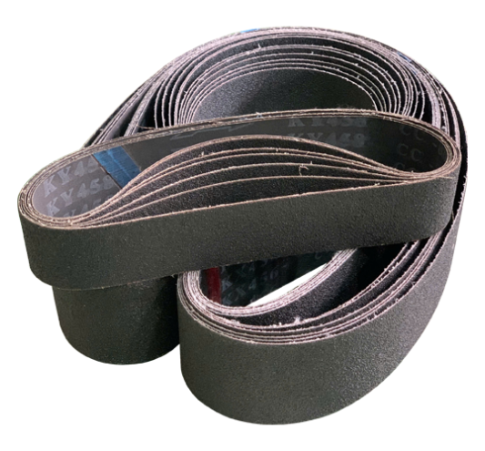
Beyond the machine itself, it is reasonable to ask about after sale support for both stations independently, since a combination machine effectively has two sets of wear components, meaning belts, contact wheels, and tracking hardware on one side and discs, table surfaces, and mounting hardware on the other. A dependable manufacturer should be able to speak confidently about maintenance and replacement parts for both sides of the machine, not just the more commonly discussed belt station.
Bring Versatility to Your Metalworking Line
An industrial belt and disc sander is one of the clearest examples of how the right piece of equipment can simplify a production line rather than complicate it, giving a single machine and a single operator the ability to move between flat and contoured finishing work without a second station. Dai Nhan Machinery builds every industrial belt and disc sander in house in Vietnam, with the same direct manufacturer control over engineering that defines our full lineup of industrial belt grinder and industrial belt sander for metal equipment, from standard configurations through fully custom OEM builds.
Read more: Partnering with Dai Nhan OEM Engineering for the Industrial Belt Sander Machine


BOLA BAG's BLOG YOU MAY ALSO BE INTERESTED IN
Top 4 Abrasive Belt Grinding Machine Manufacturers in Asia
The ROI of Integrating Export-Standard Industrial Plate Grinder
How Are Metal Pipes Made? Inside Seamless and Welded Pipe Production