


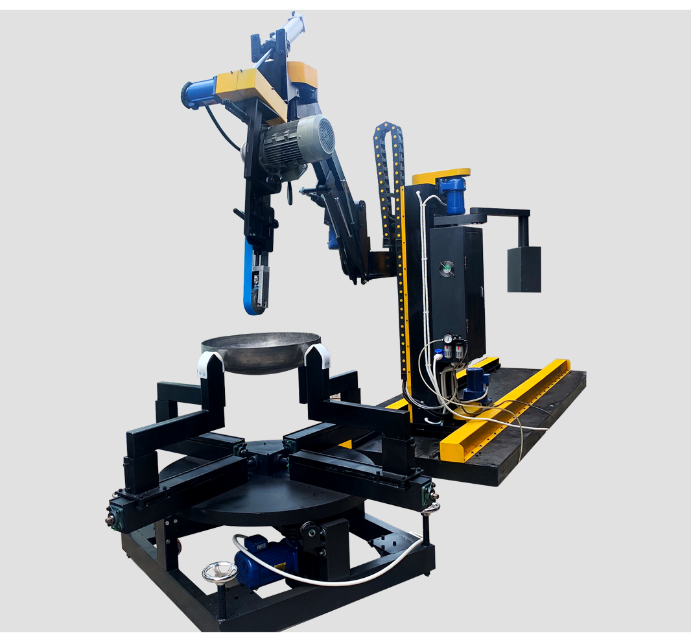
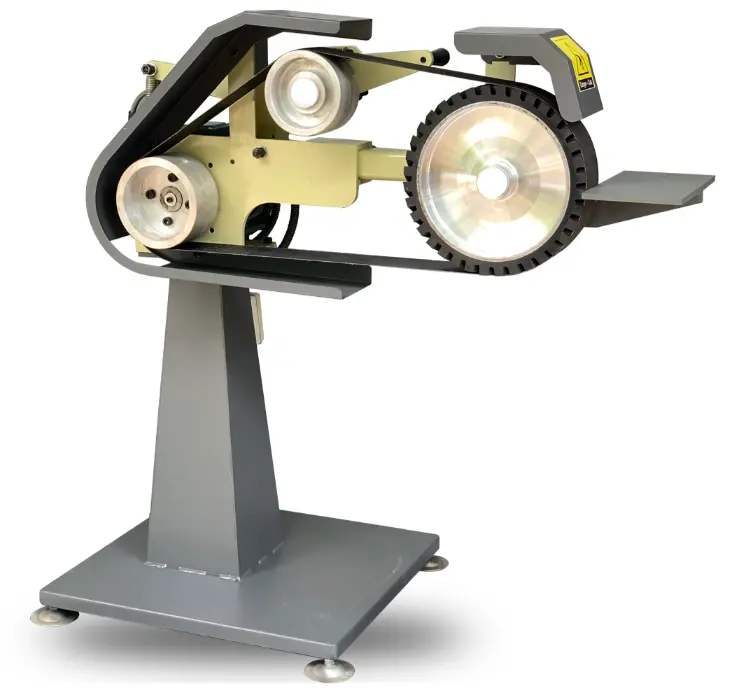
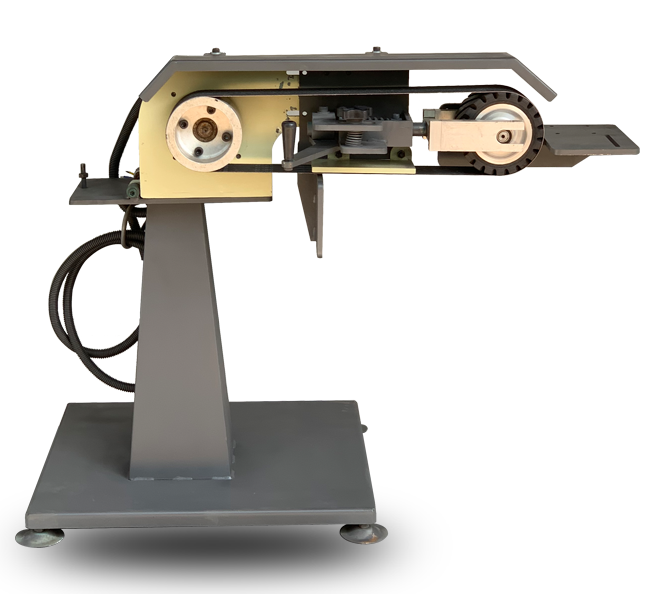
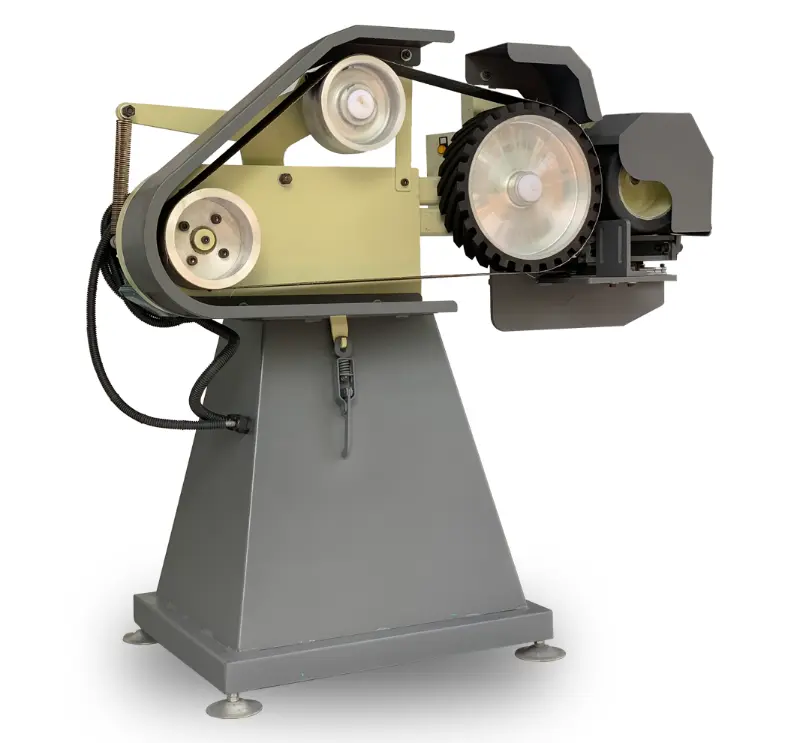
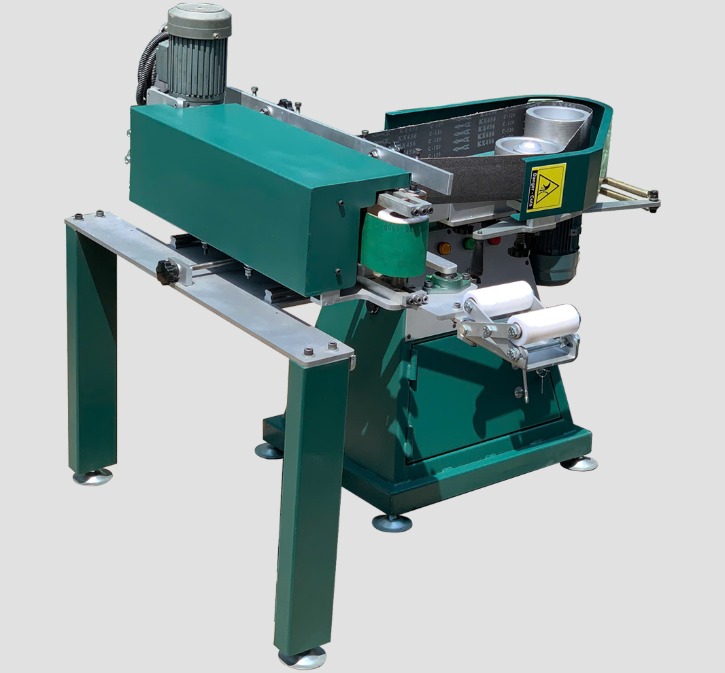
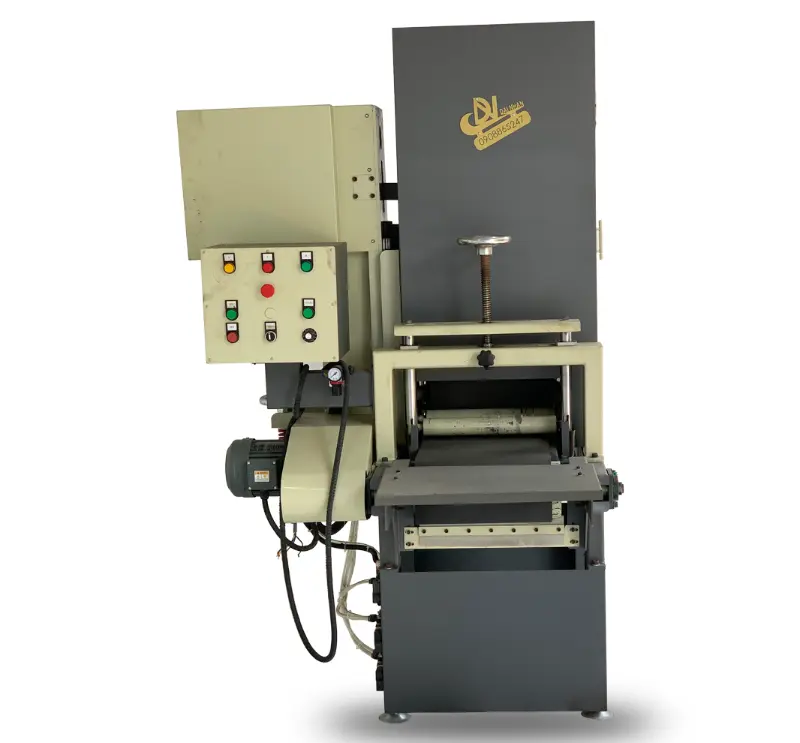
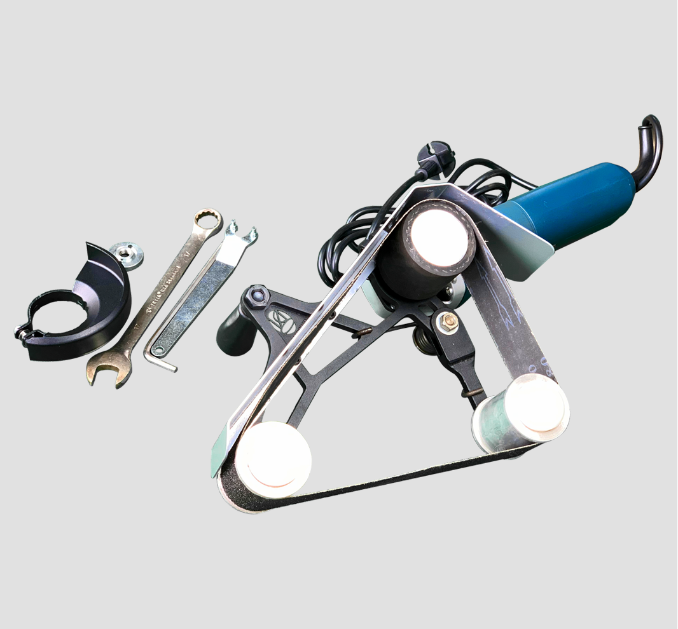
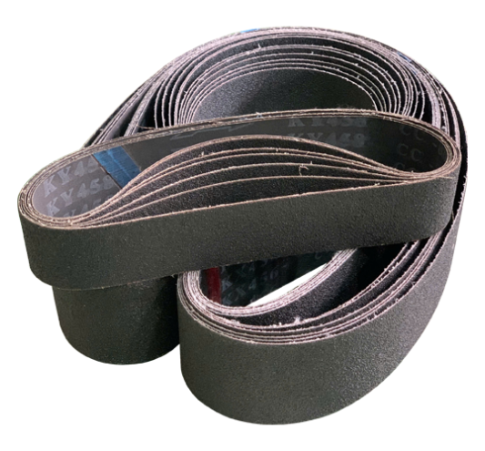
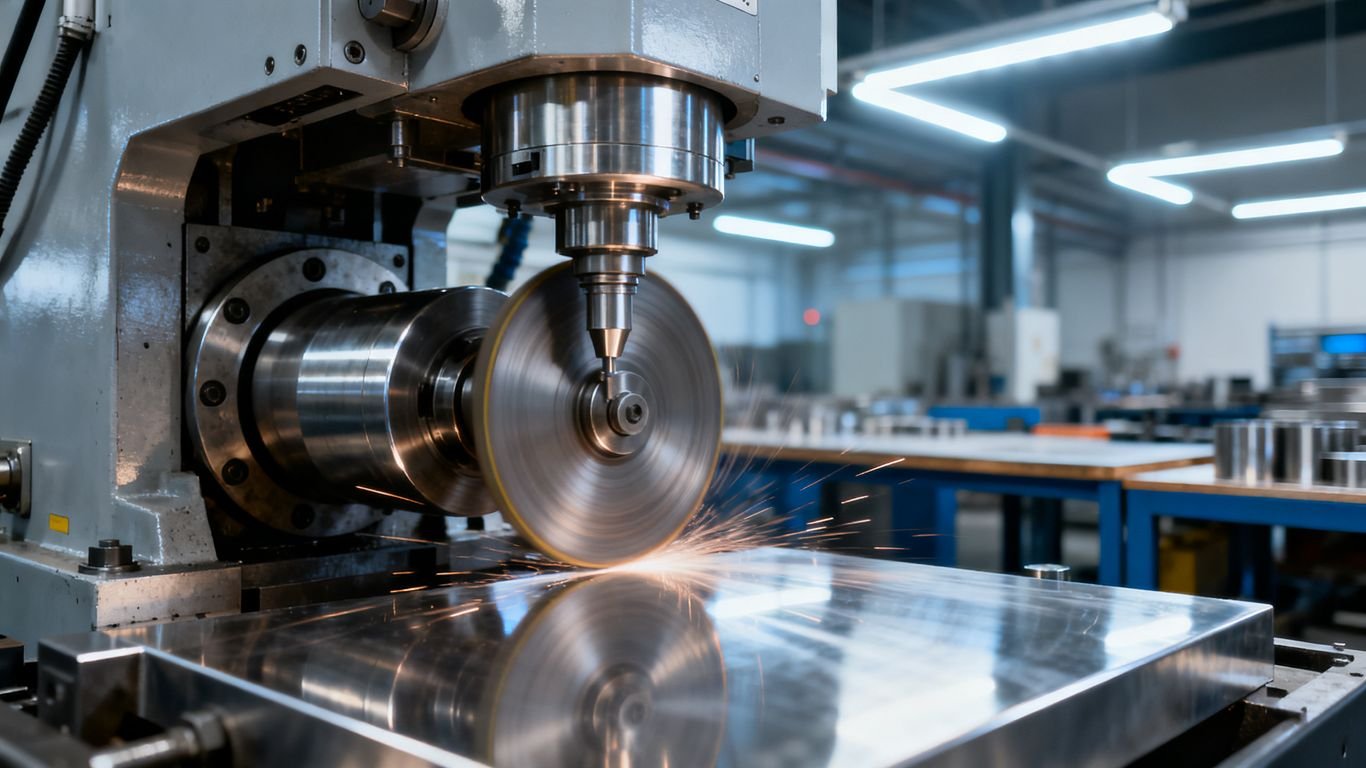
As manufacturing standards continue to rise, businesses across industries are investing in equipment that delivers greater durability, precision, and production efficiency. An industrial belt disc sander has become an essential solution for metal fabrication, woodworking, machinery production, and component finishing, offering the versatility to perform both belt and disc sanding in a single machine. This combination helps manufacturers streamline operations while maintaining consistent surface quality across high-volume production.
Compared with conventional sanding equipment, an industrial belt disc sander is designed to withstand continuous industrial use and handle a wide variety of materials and applications. Its heavy-duty construction, powerful performance, and flexible sanding capabilities allow manufacturers to improve productivity, reduce manual labor, and achieve more accurate finishing results. These advantages make it a valuable investment for companies seeking to optimize their manufacturing processes and minimize long-term operating costs.
In this article, we’ll examine why global manufacturers continue to invest in industrial belt disc sander solutions and the key benefits these machines offer for modern industrial production.
Precision and surface consistency in professional metal finishing
Attaining high-level surface finishes is a complex requirement in modern metal fabrication. Manufacturers must balance aggressive stock removal with delicate surface refinement to ensure that parts meet strict engineering specifications. By integrating a high-performance industrial belt disc sander, facilities can standardize outcomes across diverse workpieces while minimizing human-induced variance during the finishing process. This approach aligns with the principles found in a sound decision-making framework, ensuring processes optimize quality without violating technical tolerances.
Achieving tight tolerances for high-demand components
Maintaining the structural integrity of a component throughout the grinding process depends on stable support surfaces. Precise material removal is facilitated when the machinery provides unwavering alignment from the initial pass to final dimensioning.
Meeting strict surface roughness (Ra) requirements for industrial parts
Consistency in grit application directly influences the micro-texture of a metal surface. Advanced machinery allows operators to hold ra specifications reliably, ensuring compliance with sanitary and technical standards.
Reducing manual rework through repeatable sanding cycles
Automation within the grinding process eliminates the hit-or-miss nature of manual deburring. By utilizing a programmable platform, shops can reduce labor-intensive finishing tasks with the precision offered by direct industry supply.
| Process Step | Material Type | Expected Tolerance | Purpose |
|---|---|---|---|
| Initial Grinding | Stainless Steel | ± 0.05 mm | Stock Removal |
| Fine Deburring | Aluminum | ± 0.02 mm | Edge Finishing |
| Surface Polishing | Carbon Steel | < 0.8 µm Ra | Aesthetic Finish |
After streamlining these cycles, shops often observe a tangible increase in throughput, allowing resources to be better allocated toward complex custom projects rather than repetitive rework.
Managing thermal input during continuous high-speed operations
Excessive heat can deform thin metals and degrade the mechanical properties of the finished product. Proper equipment engineering ensures that heat is dissipated efficiently, protecting the integrity of the workpiece during sustained operations.
Versatility offered by combination belt and disc configurations
Versatility in the modern machine shop is not just a benefit; it is a necessity for firms managing diverse client requests.
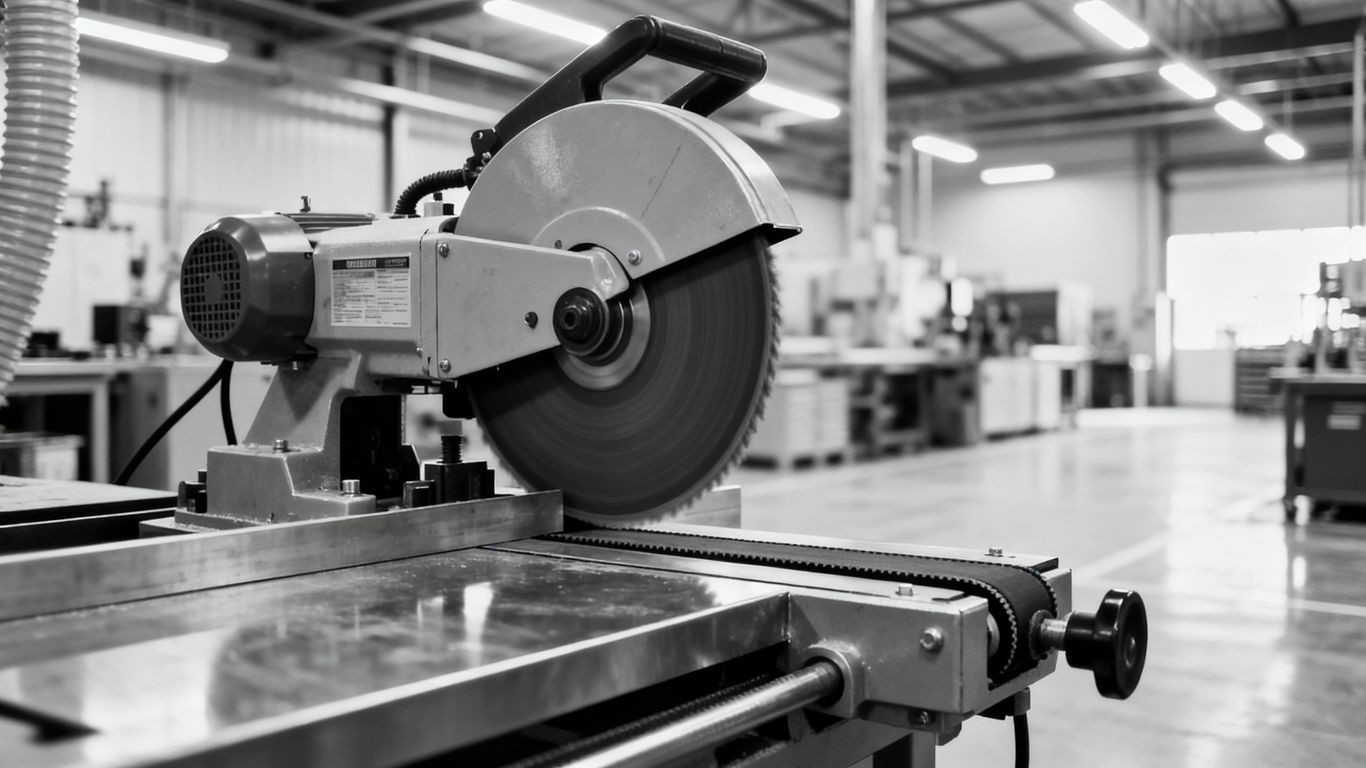
Industrial versatile belt disc sander
A combination platform allows for rapid task switching, which is invaluable when dealing with varying metal types and structural dimensions. This flexibility empowers fabricators to handle everything from aggressive weld cleanup to fine edge polishing on a single, footprint-efficient platform.
Switching between aggressive material removal and fine surface finishing
Operators need the ability to transition instantly between heavy-duty grinding belts and secondary finishing discs on a single belt disc sander for metal work, expediting the production flow without changing machines.
Accommodating complex part geometries on a singular platform
Complex shapes require unique indexing and support structures. Modern machinery designs provide flexible work tables and tilting heads that allow operators to handle these geometries with ease:
- Adjustable work-rests for angle precision.
- Quick-change tensioning for rapid abrasive swapping.
- Multi-axis positioning for irregular edges.
- Integrated dust extraction for clean operations.
These features ensure that even the most cumbersome parts are processed with the same attention as standard plates, upholding quality across the product catalog.
Scaling throughput for diverse metal types and distinct thicknesses
High-volume shops must manage various materials like stainless, aluminum, and hardened steel consistently. The correct steel belt grinder provides adjustable motor torque and belt speeds to match the hardness and mass of each specific metal type.
Integrating machine capabilities into modular fabrication workflows
Strategic integration allows for seamless transitions between upstream fabrication and downstream finishing. This unified approach reduces bottlenecks and enhances the speed at which raw stock is converted into a finished component.
The importance of structural stability and vibration control
Structural stability is the cornerstone of any high-performance metalworking environment. When a machine exhibits micro-vibrations, the quality of surface finishing inevitably suffers, as do the longevity of abrasive belts and internal drivetrain components. By focusing on maximum machine rigidity, manufacturers can ensure that every contact point receives precise pressure, leading to uniform results throughout the production schedule.
How frame rigidity eliminates machine chatter during heavy grinding
Rigid, heavy-gauge steel frames serve as the foundation that absorbs the energetic output of high-torque motors. This stability stops unwanted harmonics that lead to scalloping on the workpiece surface.
Impact of stabilized design on abrasive belt lifespan and performance
When a machine lacks stability, belts oscillate and break prematurely due to irregular contact forces. A stabilized tracking system preserves the integrity of the abrasive backing, significantly reducing the overhead associated with frequent belt replacements.
Engineering solutions for vibration damping in high-torque motors
Advanced vibration damping engineering is essential for minimizing noise and mechanical wear in high-output grinding platforms. When the motor assembly is isolated from the main frame, operators gain a much smoother grinding experience that maintains consistency for hours on end.
This isolation ensures that the force applied is directed entirely into the material rather than being dissipated as wasteful vibration throughout the shop floor.
Maintaining consistent contact pressures for uniform material finishing
Achieving an even finish requires predictable force distribution across the width of the belt. Proper machine design incorporates pressure-plate compensation to guarantee that contact between the belt and metal remains constant.
Driving long-term productivity through equipment robustness
Operational capacity is directly tied to the reliability of internal machine components in high-volume environments. Dai Nhan Machinery emphasizes hardened drive assemblies to ensure that machines withstand the rigors of multi-shift schedules without failing. Choosing high-performance belt finishing solutions allows your shop to prioritize uptime and process stability as a competitive advantage.
Minimizing operational downtime with hardened internal components
Hardened gears, ground shafts, and sealed bearings are critical for machines running daily. These robust parts extend intervals between required maintenance stops, ensuring reliable output.
Optimizing maintenance cycles for high-volume manufacturing environments
Predictable maintenance schedules are facilitated by equipment that is easy to service and monitor. By managing a belt grinder manufacturer partnership effectively, shops can maintain spare parts inventory proactively.
Scaling production output for 24/7 industrial fabrication schedules
Continuous operation demands a wide belt sander for metal finishing that does not overheat or experience belt-track drift after extended use. Dai Nhan Machinery builds machines specifically for this level of heavy industrial demand.
Transitioning from light-duty tooling to professional-grade performance
Moving away from hobbyist tools toward industrial-grade platforms allows for superior repeatability. Dai Nhan Machinery assists shops in scaling their operations by providing professional machines that replace inefficient legacy tooling.
Strategic economic advantages of factory-direct sourcing
Direct sourcing changes the economic equation for growing fabrication businesses by eliminating the hidden costs associated with multiple intermediaries. When you obtain a high-value industrial sander straight from a specialized manufacturer, you access technical support and custom solutions that typical trading firms cannot provide. This creates a transparent supply chain that prioritizes quality, cost-efficiency, and long-term partnership.
Eliminating supply chain friction caused by third-party trading middlemen
Direct relationships shorten lead times and ensure that communication regarding machine specifications is clear and accurate. Working directly reduces unnecessary overhead and prevents the misalignment often found in indirect distribution networks.
Custom engineering for specialized or non-standard manufacturing needs
Factories that handle their own engineering can adapt platforms for unique part sizes or specific material requirements. This specialized metal grinding support is invaluable when standard machines fall short of a customer’s project goals.
Realizing a superior cost-to-performance ratio for factory equipment
Value is maximized when capital expenditure is directed at the industrial belt grinder for metal itself rather than redundant logistics layers. Factory-direct procurement allows your budget to fund superior build qualities and advanced features.
Leveraging Southeast Asian manufacturing hubs for high-value logistics
Utilizing established hubs provides competitive production costs without sacrificing the technical standards of international metal fabrication. Reliable manufacturers in these regions deliver the precision required to compete globally.
Optimize Your Manufacturing Operations with Dai Nhan Machinery
Whether you’re upgrading an existing production line or specifying equipment for a new facility, Dai Nhan Machinery delivers factory-direct grinding and finishing machines engineered for long-term industrial performance. Our team works closely with manufacturers to recommend the right configuration based on your materials, production volume, and surface finish requirements.
Contact Dai Nhan Machinery today to discuss your application, request technical specifications, or receive a customized quotation. With extensive manufacturing expertise, OEM customization capabilities, and dedicated technical support, we help businesses invest in reliable equipment that improves productivity, reduces downtime, and delivers consistent finishing quality.
Conclusion
Investing in a high-grade industrial belt disc sander transforms how a metal fabrication facility manages its finishing department. By prioritizing rigidity, versatility, and direct-sourcing tactics, manufacturers ensure that their production lines remain competitive, efficient, and capable of meeting the highest quality benchmarks.
Read more: Partnering with Dai Nhan Machinery: OEM Engineering for the Industrial Belt Sander Machine


BOLA BAG's BLOG YOU MAY ALSO BE INTERESTED IN
Why Global Manufacturers Invest in Heavy-Duty Industrial Belt Disc Sander
How to Verify Certification for a Heavy Duty Export Standard Plate Grinder
How to Choose a Reliable Belt Sander Supplier for High-Volume Production