


A box of sanding belts arrives from a supplier, or turns up in the back of a workshop cupboard, and the question is whether they fit anything you own. Knowing how to measure sanding belts is a different skill from measuring the machine, because here the belt is in your hand and the job is to read it: its width, its length around the loop, and the small print inside that says what grit it is, which way it runs and how it was joined. This article covers the three ways to measure a belt you already have, what every number printed inside it means, how inches and millimetres trip people up, and what changes when the belts are for an industrial machine.
How to Measure Sanding Belts
A belt has only two dimensions, and both can be measured in under a minute with a tape. The width is easy. The length is the full circumference of the loop, and there are three ways to get it depending on whether the belt is new, used or already torn.
Measure the Width Edge to Edge
Lay the belt on the bench and measure straight across from one edge to the other. Belts are made to standard widths, so a reading of 2 and 15 sixteenths is a 3 inch belt with a little edge wear, and 100 millimetres is a 4 inch belt from a metric maker. Round to the nearest standard width and move on.
Fold It Flat and Double the Length
For a belt that is intact and still wanted, flatten the loop so the two folds are as tight as they will go without creasing the abrasive, measure from fold to fold, and double the number. A belt that measures 36 inches folded is a 72 inch belt. The method is accurate to within about half an inch, which is enough to identify the size.
Roll It One Full Turn If the Belt Is Too Stiff to Fold
Stiff wide belts and heavy cloth belts do not fold cleanly. Make a mark on the inside of the belt, stand it on edge on the bench with the mark against a pencil line, and roll it in a straight line until the mark comes round to the bench again. The distance between the two marks is the length. A torn belt is easier still: cut it square at the splice, lay it flat and measure end to end.
Reading What Is Printed Inside a Sanding Belt
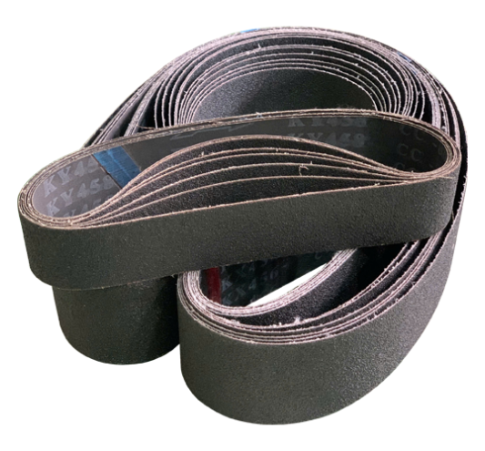
What is a sanding belt if not a strip of abrasive with a label, and the label inside the loop carries everything a buyer needs. Most belts are printed on the backing with the size, the grit, the abrasive and a direction arrow, and learning to read them saves measuring anything.
The Size and the Direction Arrow
The size is printed as width by length, in inches on American and most Asian belts and in millimetres on European ones, so 2 x 72 and 50 x 1830 are the same belt. The arrow shows which way the belt must run so that the splice does not catch on the platen. A belt fitted against the arrow will run, briefly, and then the joint will lift and tear.
The Grit Number and the Type of Grain
The grit number is the coarseness, with 36 and 40 for heavy removal, 80 and 120 for general work and 220 and above for finishing. Beside it is the abrasive: aluminium oxide for wood and general use, zirconia for steel, ceramic for hard steel and heavy stock removal, and silicon carbide for stone and glass.
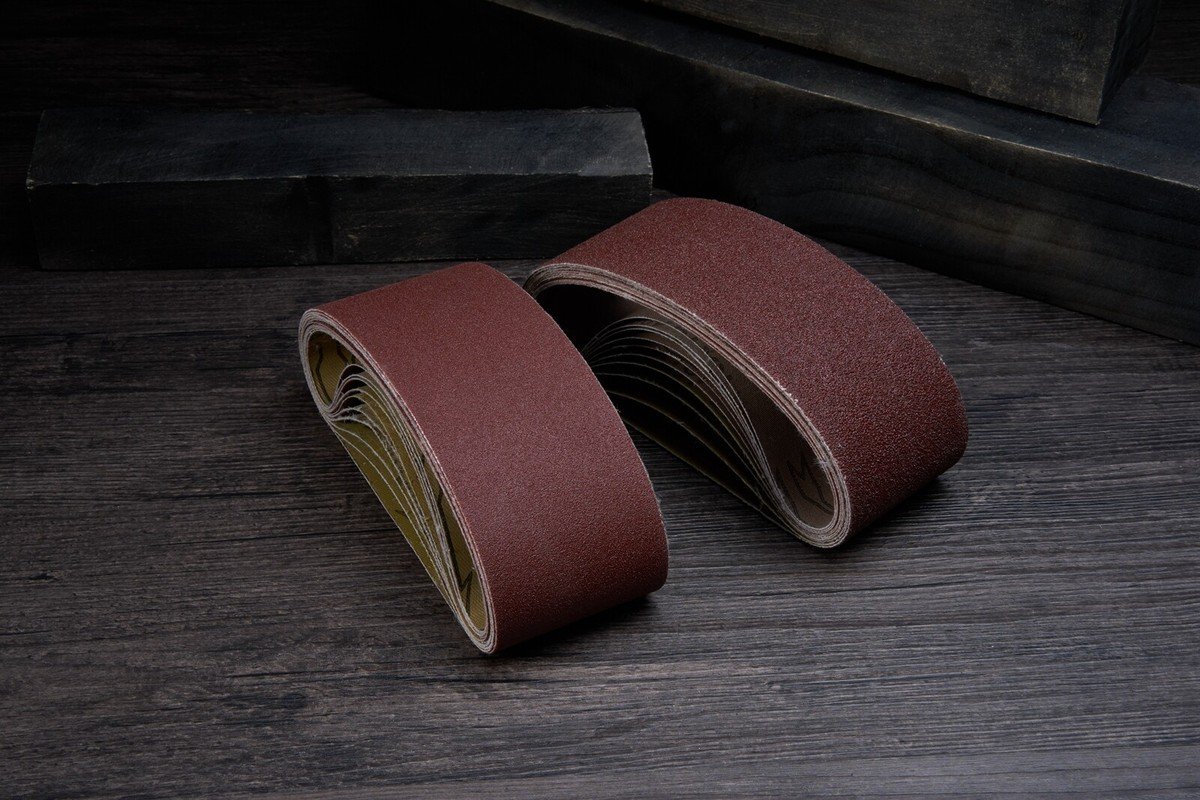
Custom Made Sanding Belts – Dai Nhan Machinery
The grading systems behind those numbers are explained on the sandpaper reference page, and the two common ones do not quite line up, so a European P120 is slightly finer than an American 120.
The Cloth Backing and the Joint
The letter after the grit describes the backing weight, from a light J cloth that bends around contact wheels to a stiff X or Y cloth for flat platens and heavy pressure. The splice is either a lap joint, where one end overlaps the other and the belt must run in one direction, or a butt joint with a tape behind it that can run either way. Metal work wants a butt joint and a stiff backing. Wood is happy with either.
Inches or Millimetres and How Much a Belt Can Be Off
Nearly every wrong belt order is a unit problem. Belts are sold in both systems and the conversions land close to but not exactly on round numbers, so 3×21 becomes 75×533, 4×36 becomes 100×914 and 6×48 becomes 150×1220. A belt bought as 100×915 fits a 4×36 machine. A belt bought as 100×900 does not. The useful rule is that a belt can be short or long by about a quarter of an inch, or 6 millimetres, and still tension and track, because the tension roller absorbs that much. Beyond that it will either not go on or will not tighten. When a measured belt is out by more than that from any standard size, the belt is either for a different machine or was made to order, and it is worth asking how long do sanding belts last on the machine it was bought for before assuming it will fit another.
Measuring Belts for Industrial Belt Sanders
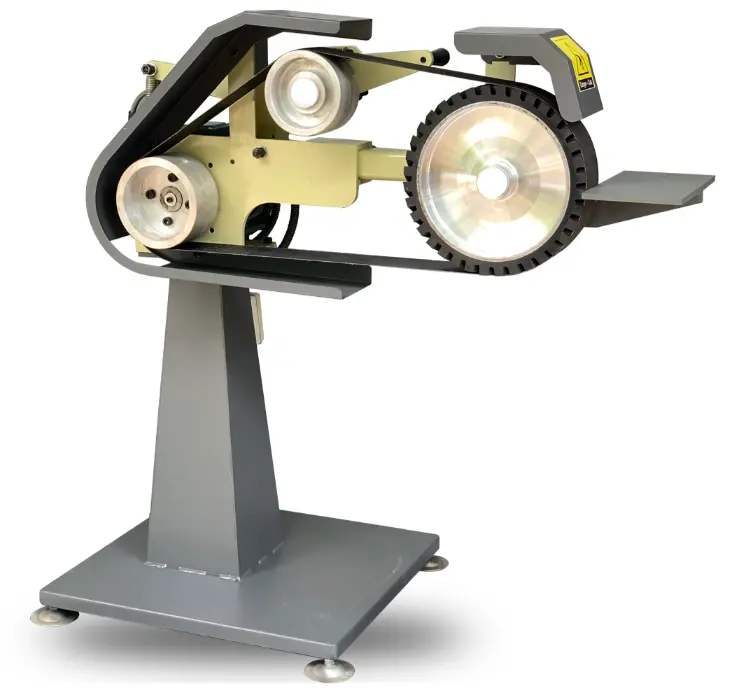
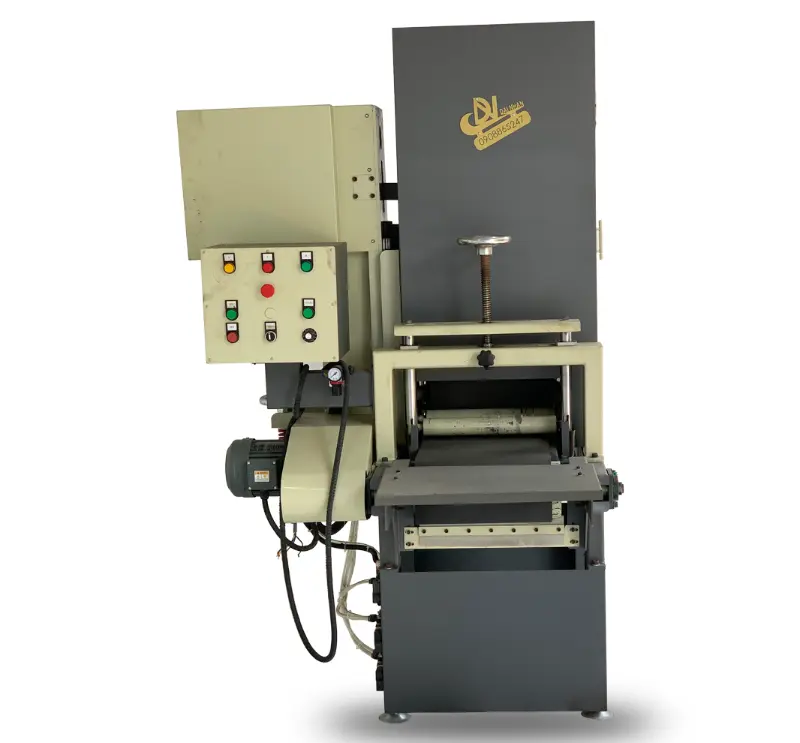
Production belts follow the same rules at a larger scale, and the stakes are higher because a wide belt costs many times what a handheld belt does. An industrial belt sander for panels runs belts from 25 inches wide up to 37 and more, in lengths of 60 and 75 inches, and those are measured folded and doubled like any other. Edge sanders and stroke sanders run long narrow belts, 6×89 and 6×10⁸, which are best measured by the rolling method because they are awkward to fold.
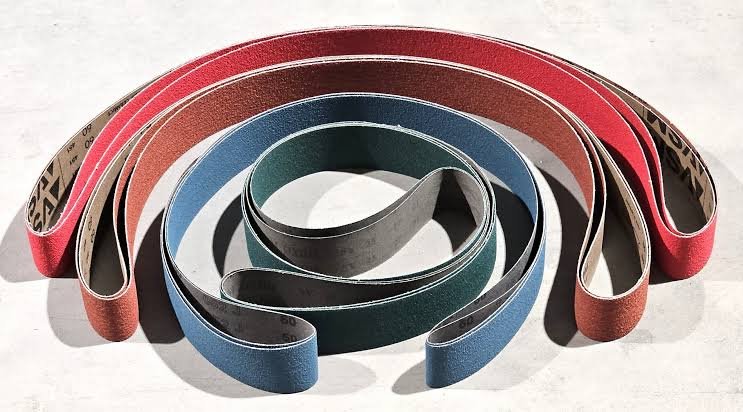
Belt Sanders
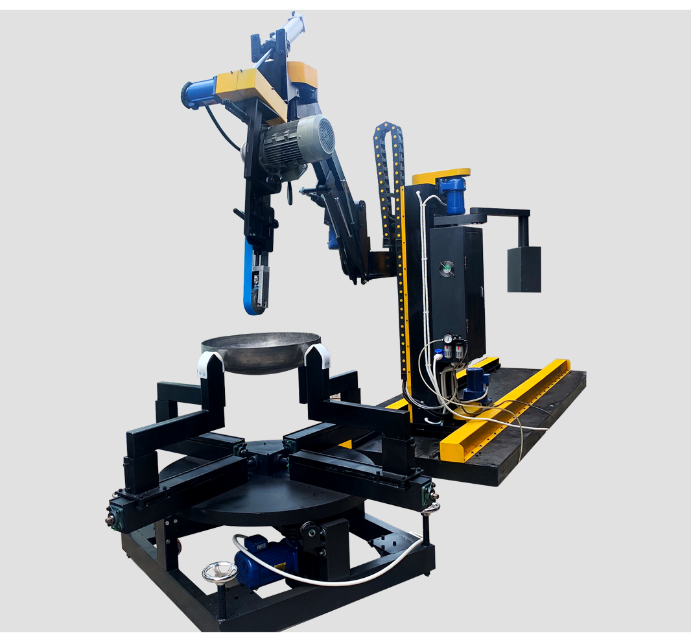
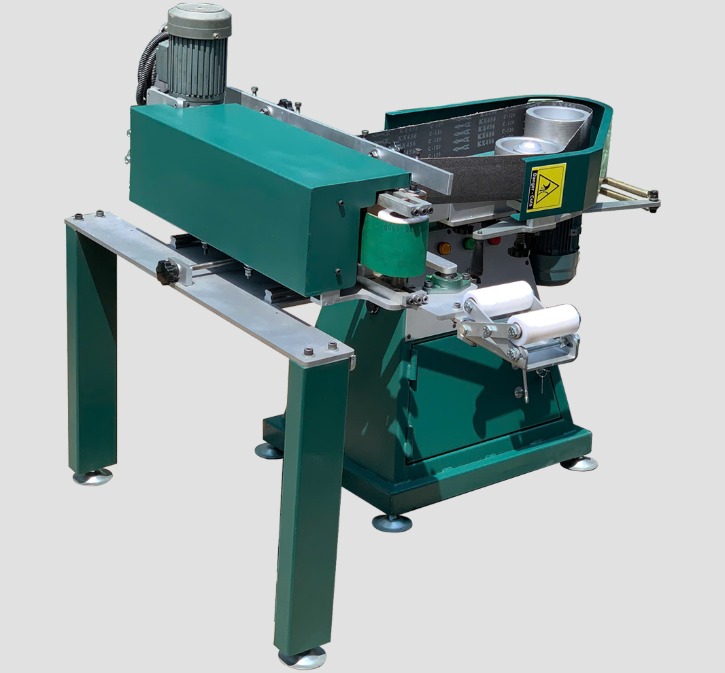
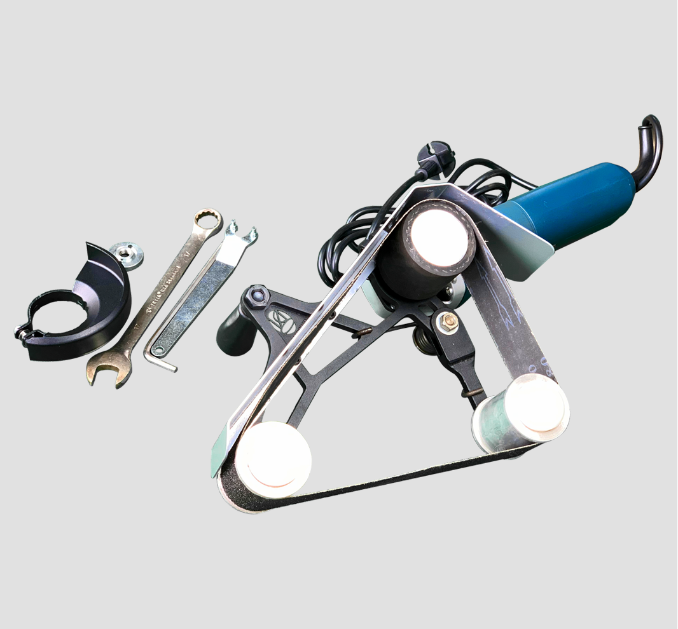
For metal, the belts on an industrial belt grinder are specified by width, length, grit, abrasive and backing together, because a ceramic belt on a stiff backing in the right size behaves entirely differently from an aluminium oxide belt on a light cloth in the same size. Deburring plate, finishing tube and grinding weld beads each want a different combination, and a factory ordering by size alone gets the wrong belt as often as the right one. Whether the sander is a bench machine or a production line, the metal side of the question is where belts are most often bought wrong, and whether belt sanders work on metal at all comes down to the belt as much as the machine.
The last step for any production shop is to write the full belt specification on the machine and keep a spare set. The manufacturers who supply the machine will supply the belts to match, and the sourcing questions that matter, from grit consistency across a batch to splice quality, are the same ones any shortlist of abrasive belt grinding machine manufacturers is judged on.
Conclusion
How to measure sanding belts: width across the belt edge to edge, length by folding flat and doubling, rolling one turn or cutting at the splice and laying flat. Read the print inside for the size in inches or millimetres, the direction arrow, the grit and abrasive, the backing weight and the splice type. Allow about a quarter of an inch of tolerance and no more, watch the unit conversions, and on industrial machines order by the full specification rather than the size alone.
For production metalworking where the belt is part of the machine specification, Dai Nhan Machinery builds industrial belt sanders and grinders in Vietnam and supplies belts matched to the machine. Browse the range on Our Machines, or tell our engineering team what you grind and which belts you run and we will match the specification.
Read more: Do Belt Sanders Work on Metal? Here’s What We Found


BOLA BAG's BLOG YOU MAY ALSO BE INTERESTED IN
Why Global Manufacturers Invest in Heavy-Duty Industrial Belt Disc Sander
Sourcing for White-Labeling: What to Look for in an OEM Belt Sander Supplier
Versatility in Metalworking: The Power of an Industrial Belt and Disc Sander