


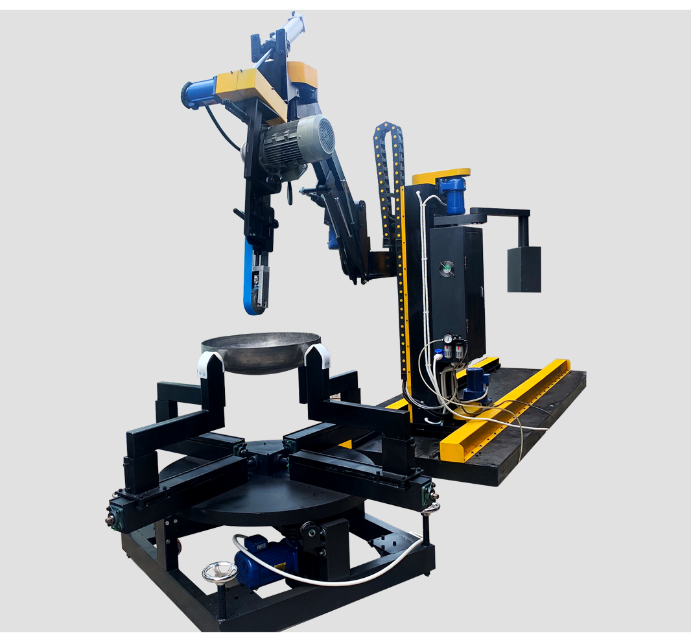
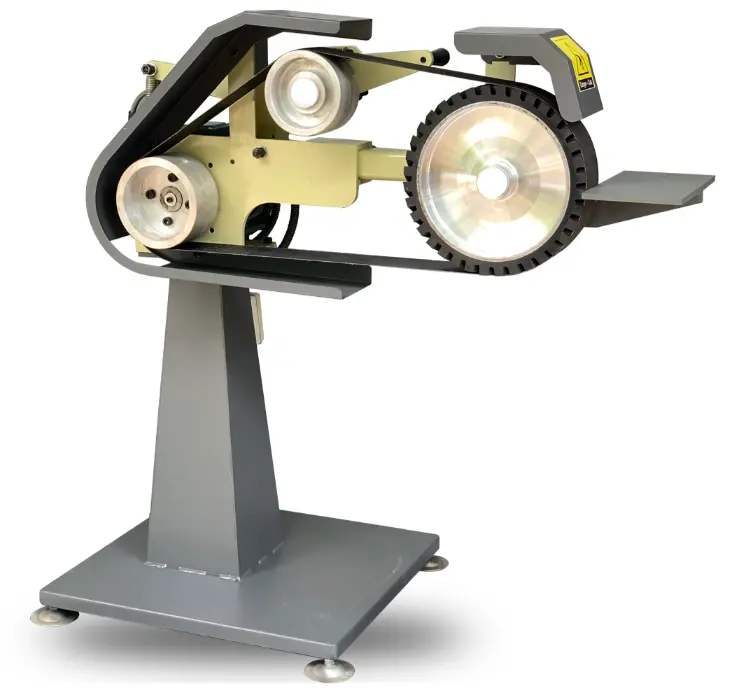
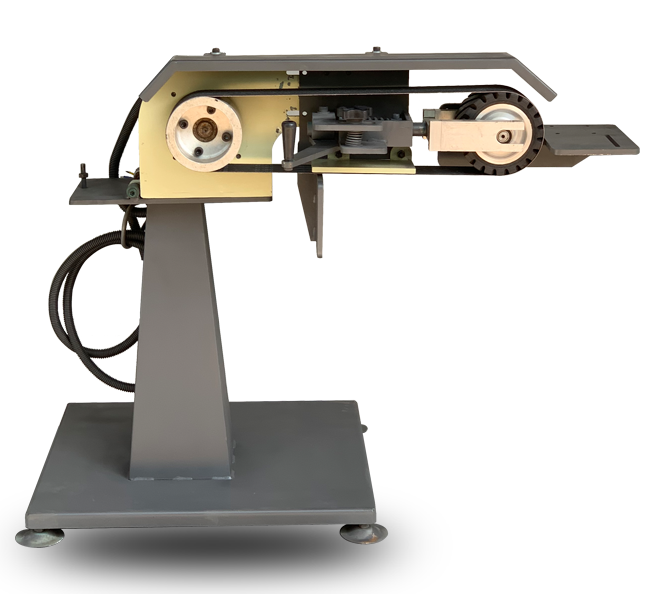
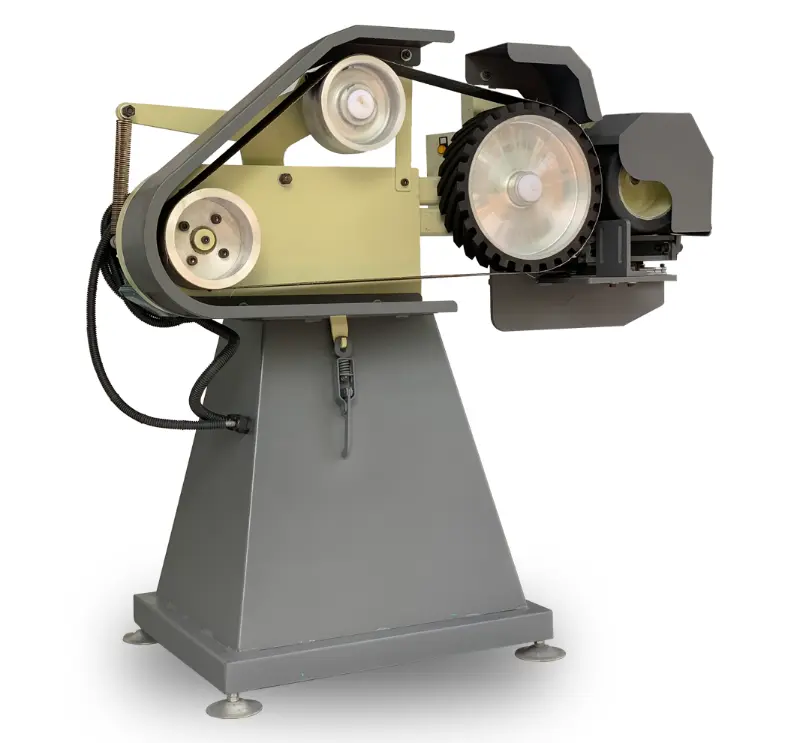
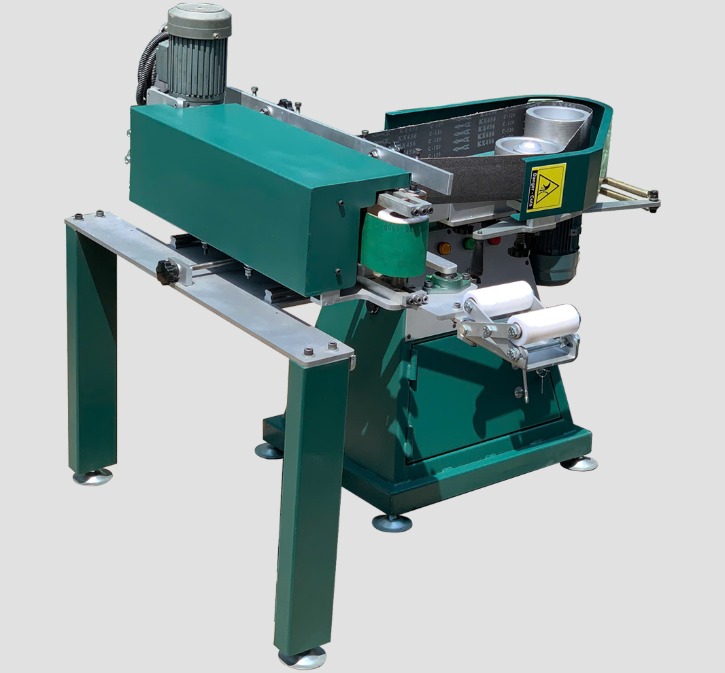
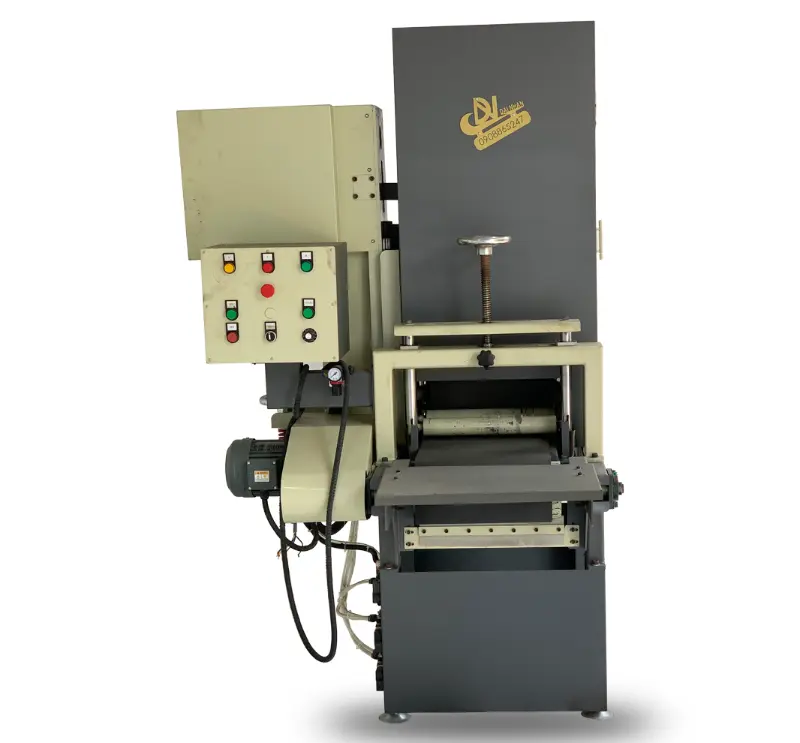
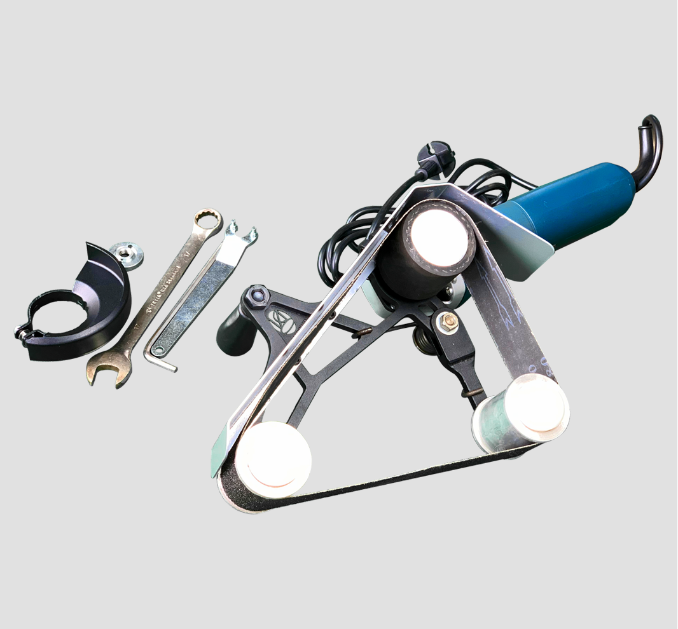
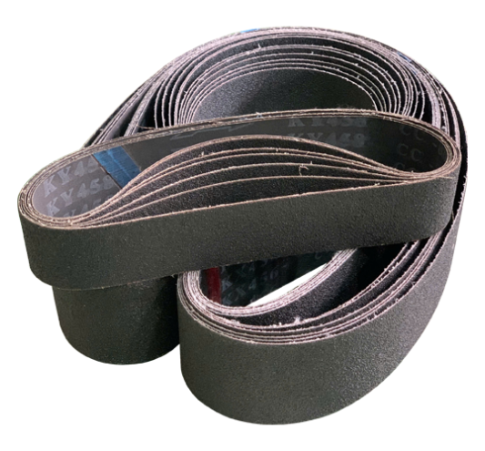
An export standard industrial belt sander is supposed to remove a category of risk from a manufacturing operation, since the whole point of buying equipment built to export standard is that it performs consistently regardless of where it ends up on the map. In practice, a surprising number of operational problems that get blamed on the machine itself actually trace back to decisions made before the machine ever reached the factory floor, or to habits that developed after installation and were never corrected. This article walks through the operational mistakes that most commonly undermine an otherwise well built industrial belt sander, why each one happens, and what a properly engineered machine and a properly managed operation should look like instead.
At Dai Nhan Machinery, we see these mistakes from both sides of the relationship, both as a belt sander machine manufacturer building export standard equipment and as a partner supporting customers after installation. Understanding where things typically go wrong is often more useful than another list of features, since a shop that avoids these specific mistakes tends to get significantly more value out of an industrial belt sander than a shop that simply bought a well specified machine and assumed the rest would take care of itself.
What Export Standard Actually Means for an Industrial Belt Sander
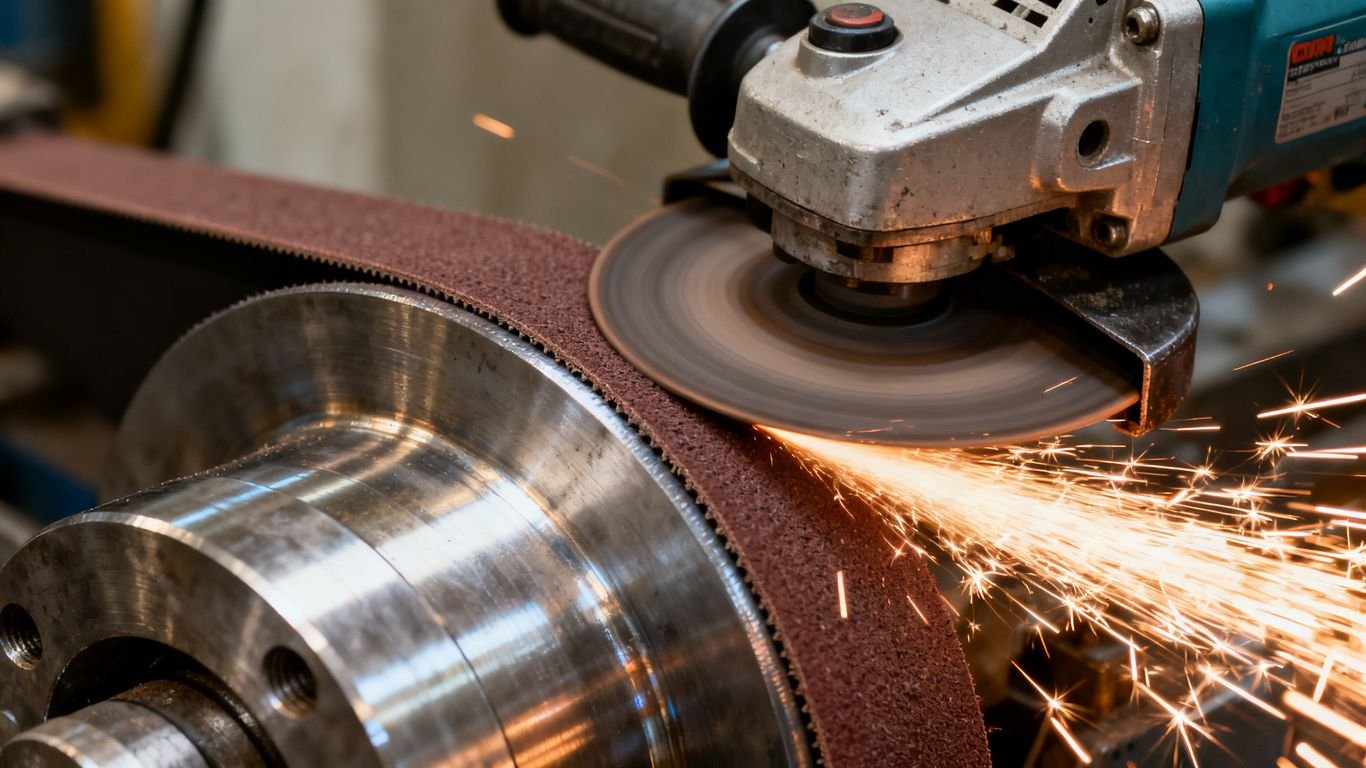
Before getting into the mistakes themselves, it helps to be precise about what export standard actually means, since the term gets used loosely and that looseness is itself part of the problem. An export standard industrial belt sander is built to perform consistently across different electrical systems, different climate conditions, and different regulatory environments, which means the frame, motor, and wiring have to be engineered with more variability in mind than a machine built only for domestic use in a single, predictable environment. It also typically means the manufacturer has documentation, certification, and support processes in place that a purely domestic supplier may never have needed to develop.
What Export Standard Actually Means for an Industrial Belt Sander
The mistake many buyers make at this stage is assuming that any industrial belt sander described as export standard has actually been engineered with these variables in mind, when in reality the label sometimes gets applied loosely by resellers who have never verified how the machine performs outside its country of origin. Confirming what export standard specifically means for a given manufacturer, rather than accepting the phrase at face value, is the first step in avoiding several of the mistakes described below.
Treating a Heavy Duty Machine Like a Light Duty Machine
One of the most common operational mistakes is running an industrial belt sander built for continuous, heavy duty production as though it were a light duty or occasional use machine, or the reverse, running a lighter machine as though it had continuous duty capability it was never engineered for. This mismatch usually happens quietly, since a machine can absorb an overloaded duty cycle for weeks or months before the frame, motor, or belt tracking system starts showing visible signs of strain, at which point the shop is dealing with unplanned downtime rather than a problem that could have been caught during specification.
Avoiding this mistake starts before purchase, by being honest with a belt sander supplier or belt sander machine manufacturer about the actual number of shifts, the actual material hardness, and the actual production volume a machine will face, rather than specifying for a lighter workload and hoping the machine keeps up once real production begins. An industrial belt grinder that is correctly matched to its intended duty cycle from the start will consistently outperform a machine that was undersized for its actual job, even if the undersized machine looked identical on a spec sheet.
Skipping Belt Tracking Calibration and Routine Maintenance
Belt tracking is one of the most sensitive systems on any industrial belt sander, and it is also one of the systems most commonly neglected once a machine is up and running. A belt that drifts even slightly out of alignment produces uneven wear, inconsistent finish quality, and eventually a belt that runs off the wheels entirely, yet many operations only address tracking when a visible problem forces the issue rather than maintaining a routine calibration schedule that catches drift before it affects output.
This mistake compounds over time in a way that is easy to underestimate, since a slightly misaligned belt does not fail all at once, it produces gradually worse finish quality that operators sometimes compensate for with extra passes or manual correction rather than recognizing the root cause. A shop that treats tracking calibration as a scheduled maintenance task rather than a reactive fix protects both its finish quality and the working life of every belt it runs, which noticeably lowers the cost per part over the life of the machine.
Mismatching Belt Speed and Motor Power to the Material
An industrial belt sander for metal has to be tuned to the material actually being processed, and one of the more expensive mistakes shops make is running the same belt speed and pressure settings across materials that behave very differently under abrasive contact. A setting that works well on carbon steel can be too aggressive for thin gauge stainless sheet, generating excess heat and warping, while a setting appropriate for aluminum may be far too gentle to make efficient progress on a hardened alloy, leading to wasted time and unnecessary belt wear.
This mistake is especially common in shops that process a mixed range of materials on the same industrial belt grinder for metal without adjusting settings between jobs, often because operators were never given clear guidance on what changes to make and default to whatever settings were used on the previous job. Building a simple reference for belt speed and pressure by material type, and training operators to actually use it between jobs, is a low cost fix for a mistake that otherwise shows up repeatedly as inconsistent finish quality and higher than necessary consumable costs.
Sourcing From a Reseller Without Verifying Export Documentation
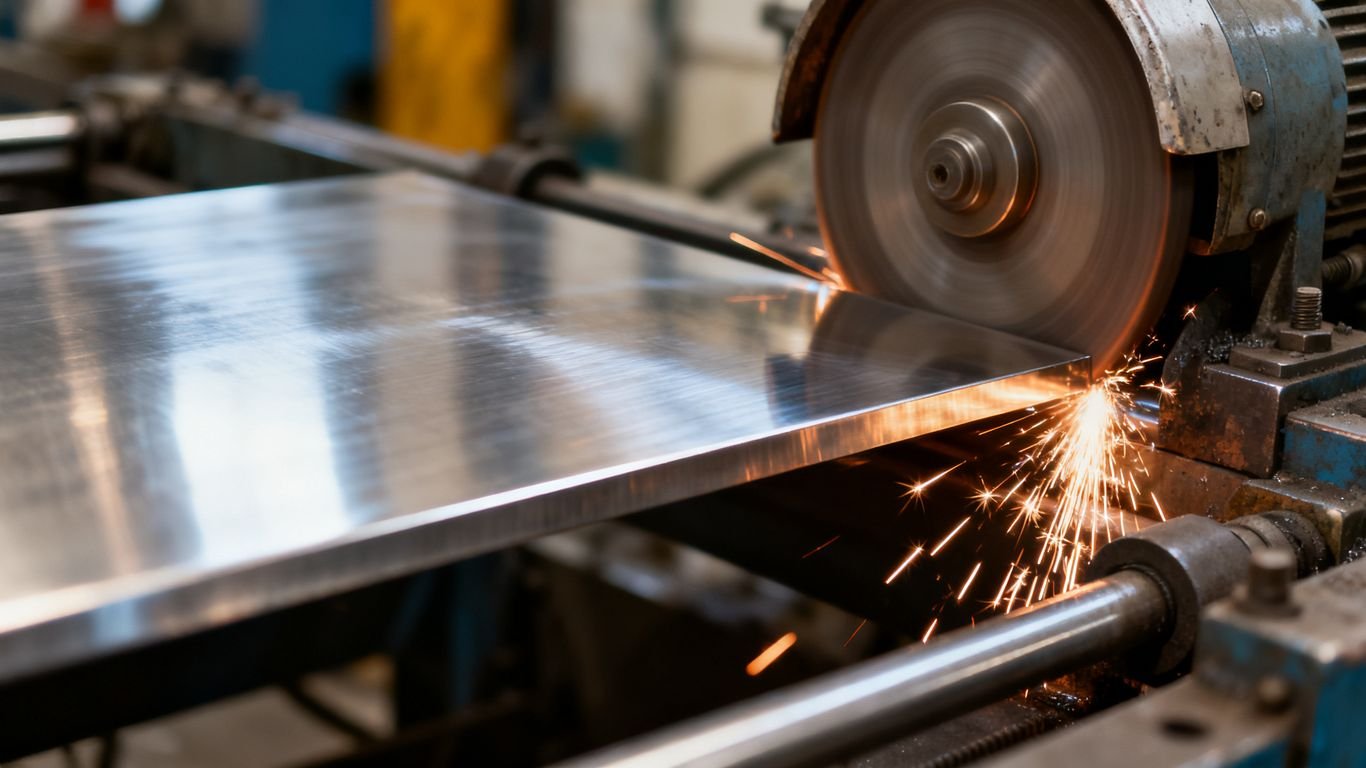
A significant operational risk gets introduced before a machine even arrives, when a buyer sources an industrial belt sander machine from a belt sander supplier who resells equipment from an unrelated factory rather than manufacturing it directly. In this scenario, the reseller often cannot answer detailed technical questions about how the machine was engineered, cannot guarantee that documentation will match what customs or import authorities require, and has limited ability to resolve a problem that traces back to a design decision made by a factory they do not control.
Sourcing From a Reseller Without Verifying Export Documentation
This mistake tends to surface at the worst possible moment, either during import clearance when documentation does not match what was promised, or months later when a warranty claim gets bounced between the reseller and a factory that has never dealt with the end customer directly. Working with an actual belt sander machine manufacturer that handles engineering, documentation, and export logistics under one roof removes this entire category of risk, since there is a single accountable party for the full life of the machine rather than a chain of intermediaries each managing a piece of the relationship.
Underinvesting in Operator Training
Even a correctly specified, correctly maintained industrial belt sander underperforms in the hands of an operator who was never properly trained on it, and this is a mistake that tends to get worse as a shop scales, since new hires often learn informally from whichever coworker happens to be available rather than from a structured process. Informal training tends to pass along whatever shortcuts and workarounds the more experienced operator has developed, some of which may be reasonable but some of which may actively contribute to the belt tracking and material mismatch problems already described above.
A shop that treats operator training as a one time onboarding event rather than an ongoing process also tends to miss opportunities to correct habits before they become expensive, since a small adjustment in technique explained early is far cheaper than a pattern of premature belt wear or inconsistent finish quality that only gets noticed after it has been happening for months. Structured training, ideally reinforced with the same reference material used for belt speed and pressure settings, closes a gap that no amount of machine engineering can fully compensate for on its own.
Ignoring Spare Parts Planning for Export Situations
A mistake specific to export standard equipment involves spare parts planning, since a facility located far from its equipment manufacturer faces a very different logistics reality than a facility located close to its supplier. Shops that do not proactively stock critical wear components, such as belts, contact wheels, and tracking hardware, often discover the true cost of that decision only when a failure happens and the replacement part is weeks away rather than a same day drive from a local supplier.
This mistake is avoidable with basic planning, and it is one of the reasons working with a belt sander machine manufacturer that understands export logistics matters as much as the quality of the machine itself. A manufacturer with real export experience can advise a customer on which components are worth stocking locally, what a realistic replacement lead time looks like, and how to structure a maintenance schedule around that reality, rather than leaving a facility to discover these gaps only after a costly, unplanned stoppage.
How Dai Nhan Helps Customers Avoid These Mistakes
Because Dai Nhan engineers every industrial belt sander in house in Vietnam rather than relaying specifications through an unrelated factory, we are able to walk customers through duty cycle planning, material specific settings, and export documentation before a machine ever ships, which removes several of the mistakes described above before they have a chance to happen. Our engineering team remains available after delivery as well, supporting commissioning, operator guidance, and spare parts planning as an extension of the same relationship that started with the original specification conversation, rather than handing a customer off to a separate support channel once the sale is complete.
Build an Operation That Gets the Full Value From Its Equipment
An export standard industrial belt sander can only deliver on its engineering if the operation around it avoids the mistakes that quietly erode performance over time, from duty cycle mismatches and neglected tracking calibration to sourcing decisions that leave a facility without reliable support after the sale. Dai Nhan Machinery builds every industrial belt sander in house in Vietnam and stays involved well past delivery, giving customers the same direct manufacturer support that defines our full lineup of industrial belt grinder and industrial belt sander for metal equipment.
Read more: Why Global Manufacturers Invest in Heavy Duty Industrial Belt Disc Sander Equipment


BOLA BAG's BLOG YOU MAY ALSO BE INTERESTED IN
The Difference Between Export-Standard Tier-1 Grinding Wheel Manufacturers and Budget Brands
What Is a Belt Grinder? A Clear Explanation for Curious Makers
How Grinding Wheel Wholesalers Keep Up with High-Volume Fabricator Demands