


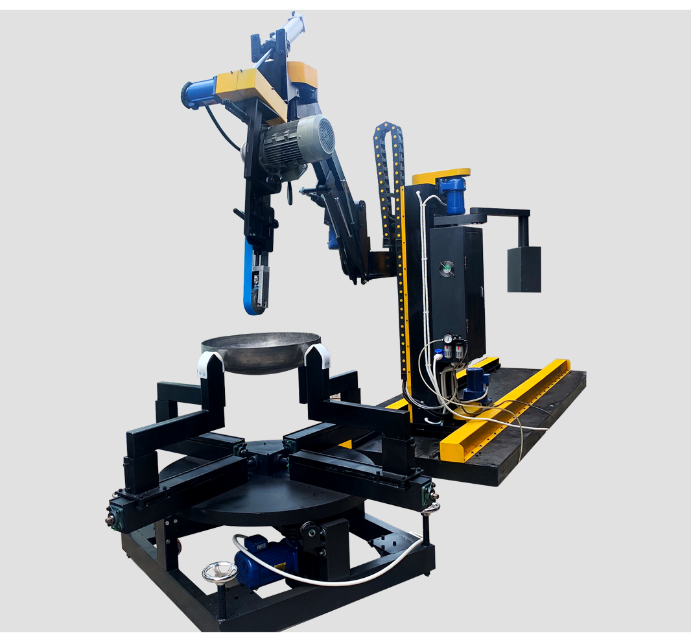
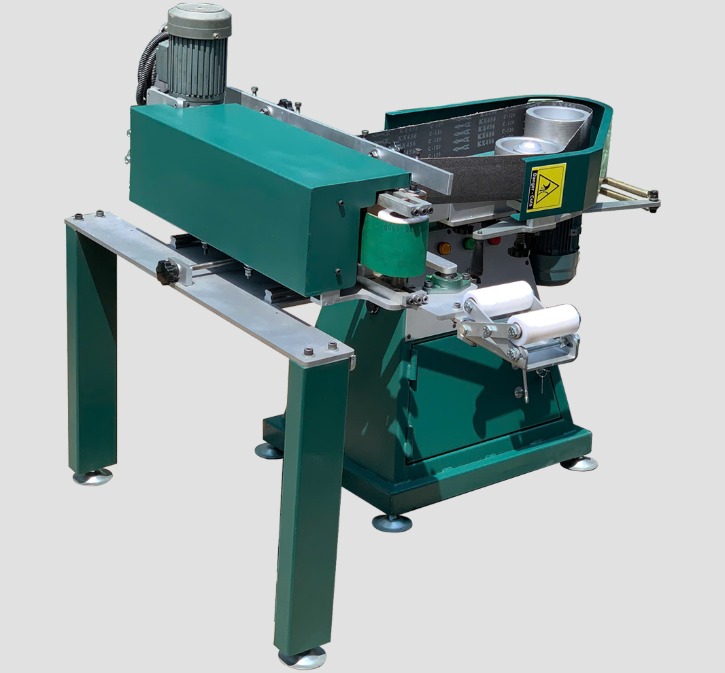
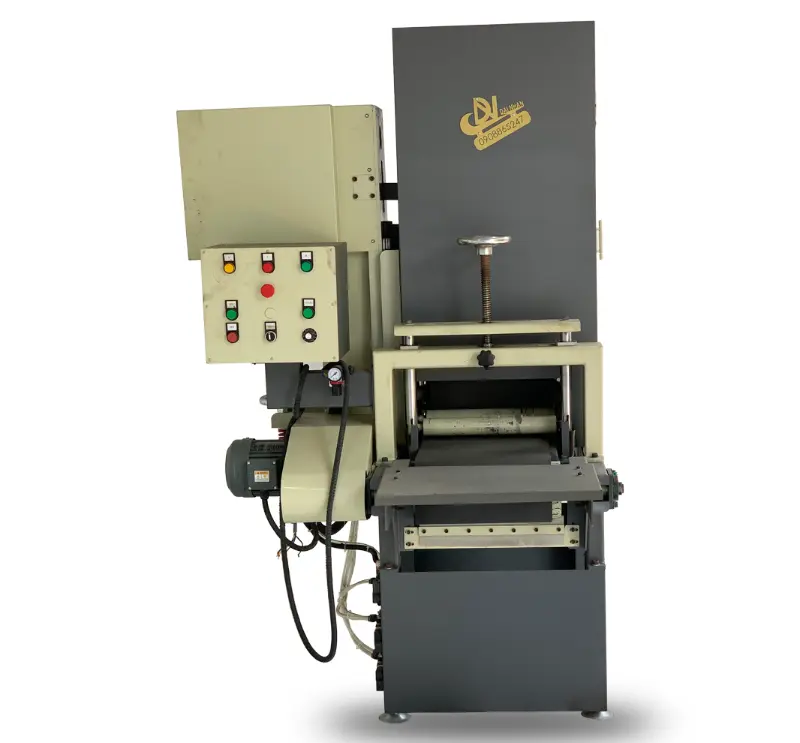
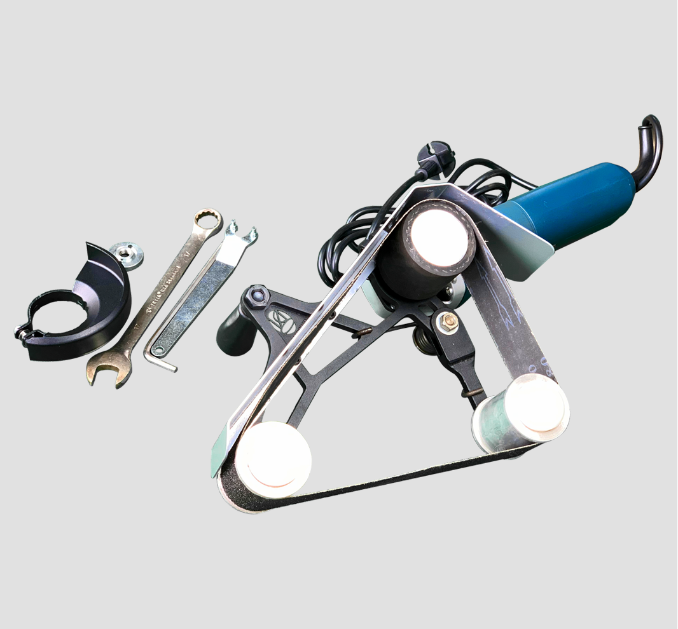
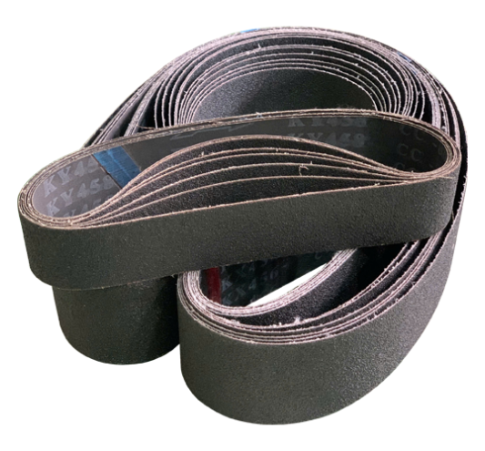
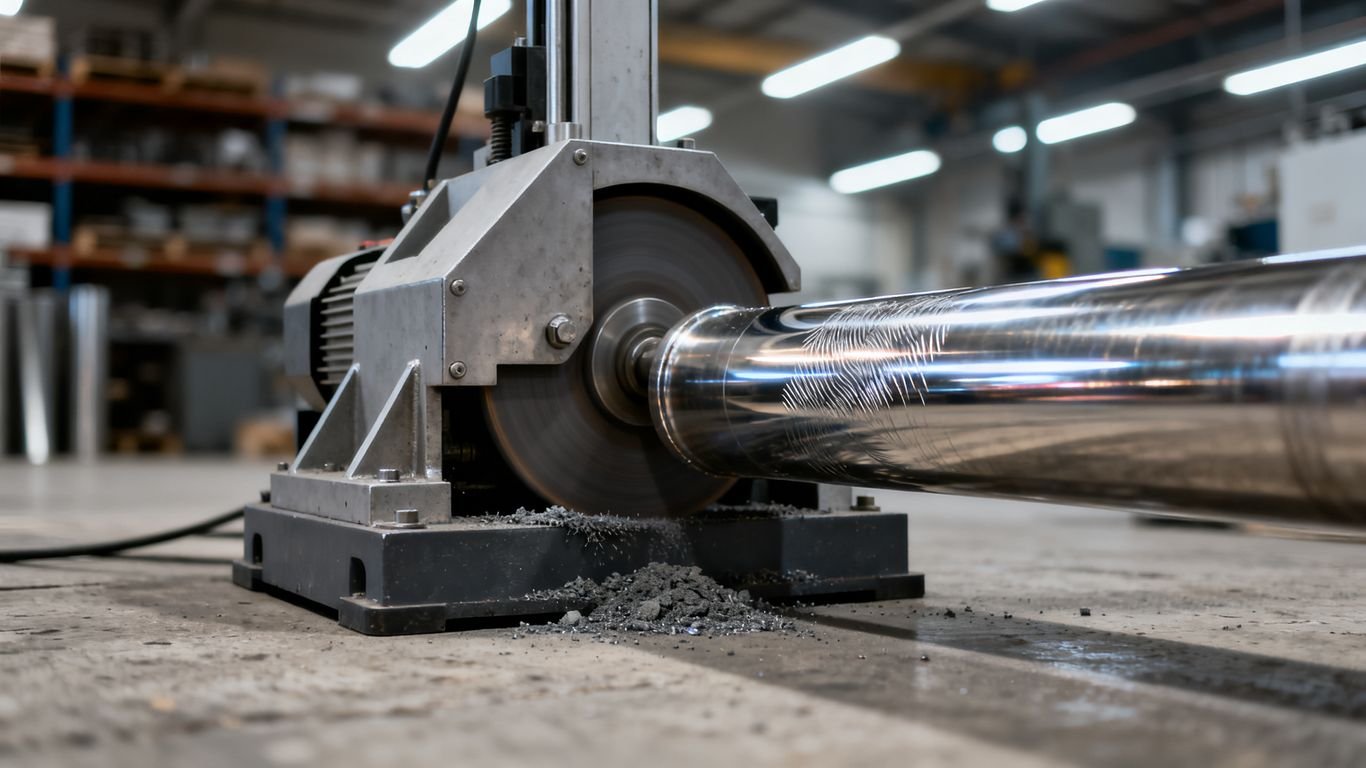
Selecting the right tube polishing machine manufacturer is a critical decision for businesses operating high-volume production environments. Whether in stainless steel fabrication, automotive components, furniture manufacturing, or architectural metal processing, the quality and reliability of polishing equipment directly impact productivity, surface finish consistency, and overall operating costs.
A reputable tube polishing machine manufacturer should offer more than standard machinery. Buyers should evaluate engineering expertise, customization capabilities, automation options, production capacity, and after-sales technical support to ensure the equipment can meet demanding production schedules and evolving market requirements. The ability to deliver stable performance under continuous operation is particularly important for manufacturers handling large volumes of pipes and tubes every day.
In this article, we explore the key factors global buyers should consider when selecting a tube polishing machine manufacturer, helping procurement teams identify partners capable of supporting long-term growth, operational efficiency, and consistent product quality.
Prioritizing machine stability through advanced engineering
The impact of CNC-fabricated frames on vibration reduction
When it comes to high-volume output, the foundation of your equipment dictates everything else. Machines constructed with robust CNC-fabricated frames provide the baseline rigidity needed to keep internal components aligned under constant heavy-duty use. This level of structural integrity ensures that even at high speeds, the machine remains a high-functioning partner within your operations, reducing the risks associated with mechanical fatigue.
Eliminating machine chatter to extend abrasive belt lifespan
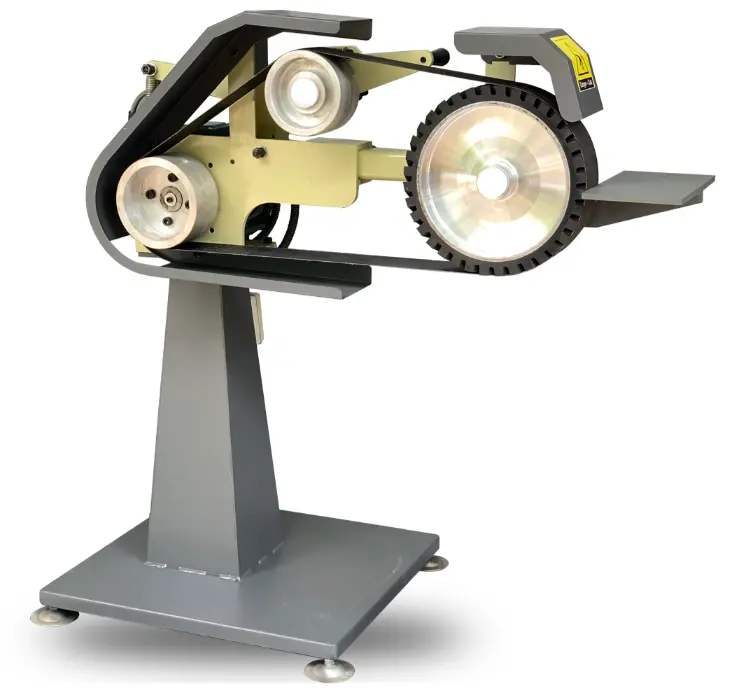
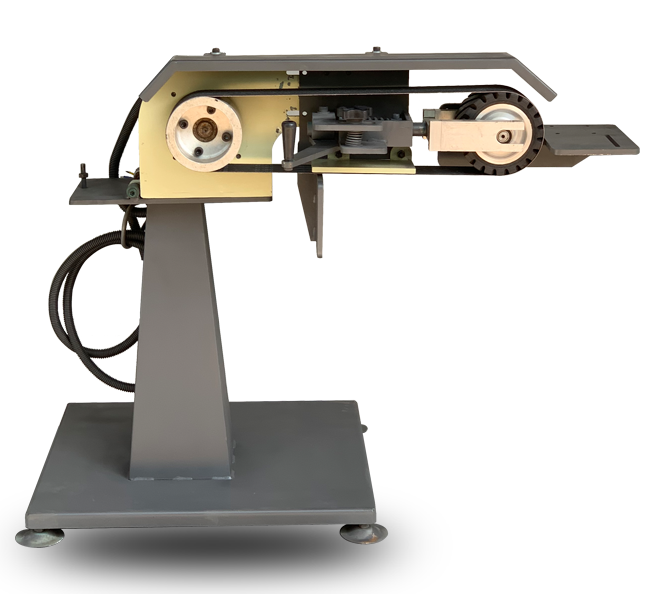
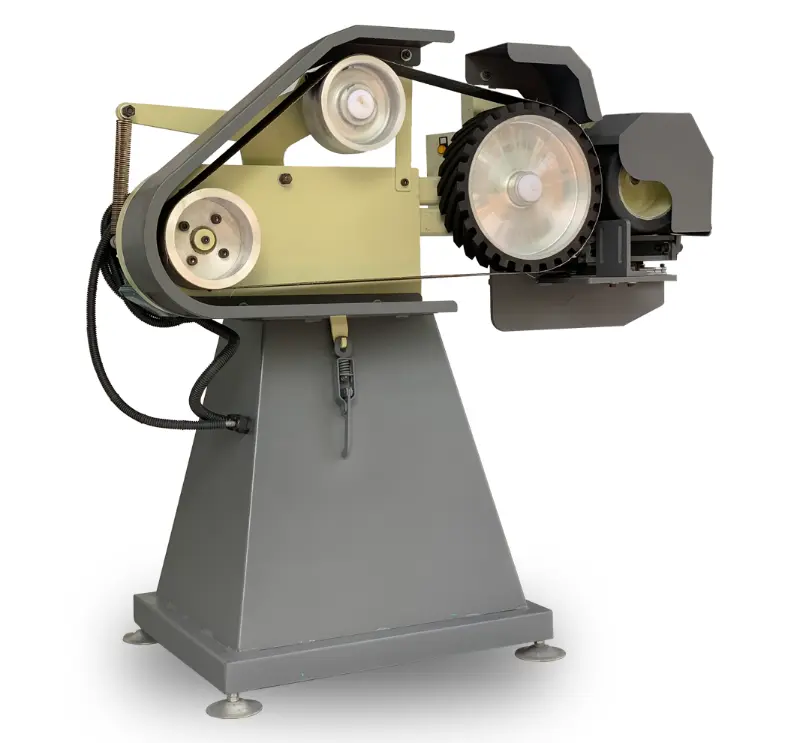
Chatter and micro-vibrations are the primary culprits behind premature abrasive wear in metal finishing environments. By investing in equipment that prioritizes structural mass and dampening, you stop energy from dissipating as erratic movement, which keeps your abrasive belts tracking smoothly. This stability, often a hallmark of heavy-duty industrial belt sanders, is what eventually keeps your operating costs predictable and your surface quality uniform across thousands of cycles.
Why structural rigidity determines consistent surface quality
Rigidity isn’t just about durability; it is fundamentally about the repeatability of the finish. A frame that flexes under pressure creates inconsistent material removal rates, which compromises the final product. Maintaining a superior cost-to-performance ratio starts with a frame that doesn’t surrender its geometry to thermal expansion or mechanical strain.
Customization capabilities for high-volume manufacturing needs
Tailoring polishing systems to specific pipe diameters and wall thicknesses
Off-the-shelf solutions rarely fit every unique production line perfectly, which is why working with an OEM partner is so valuable for specialized output. Whether you are processing thin-walled architectural tubing or heavy-duty structural pipe, the ability to adjust the feed angle and contact pressure is non-negotiable. Customization allows builders to adapt the core mechanism to match your exact geometry requirements.
Integrating automated material handling for continuous throughput
Manual handling stages are often the bottlenecks that limit overall factory output. Advanced systems now feature specialized conveyors and automated feeding mechanisms to streamline the movement of components through multiple polishing stations.
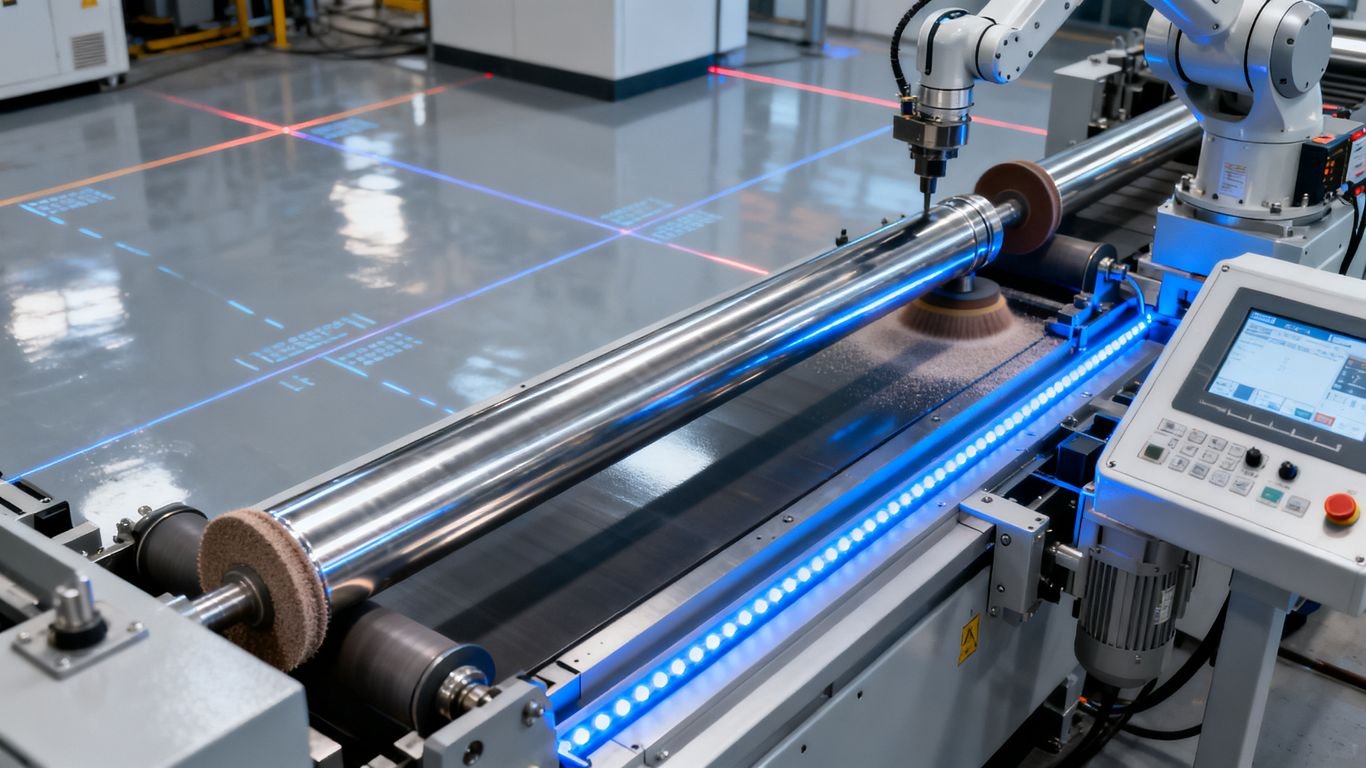
Industrial Pipe Polishing Machine
This setup ensures that once the material enters the line, it is finished with minimal oversight before moving to the next stage of the metal fabrication process.
Scaling system designs to match factory production speed requirements
Scaling shouldn’t require a complete overhaul of your existing workflow. Manufacturers that understand high-volume needs will build machines that can be linked together to increase output without losing finish quality. When your design scales alongside your volume, you avoid the common pitfalls of forced upgrades later on.
Meeting strict surface finish and regulatory standards
Analyzing capacity for sanitary-grade finishes below Ra 0.8 µm
Achieving extremely precise sanitary finishes requires more than just high-grit abrasives; it requires strict control over the polish path. When projects demand surface roughness levels below Ra 0.8 µm, your equipment must be capable of executing movements that eliminate visible streaking. This often involves specialized control systems that allow for precise contact pressure across the entire pipe circumference.
Ensuring flexibility for different material types and alloys
Different metals behave differently under heat and pressure, which is why a flexible machine is a requirement for modern shops. Whether you are finishing stainless steel, specialized alloys, or softer non-ferrous metals, the ability to quickly swap feed rates is vital. Your industrial belt sander setup should support:* Adjustable contact wheels for varying hardness.
- Quick-change tensioning systems to handle different belt widths.
- Variable speed digital controls for sensitive polishing tasks.
- Specialized coolant integration to manage thermal gain in sensitive alloys.
Ensuring these features are in place keeps your line versatile in an unpredictable market.
Maintaining finish consistency across varying industrial applications
Consistency is the hallmark of a professional manufacturing line. When you work with Dai Nhan Machinery, you are getting a system designed to maintain that finish from the first part of the morning to the last part of the shift. This reliability is critical when your clients demand perfection in every delivery.
Evaluating the benefits of direct-from-factory partnerships
Eliminating trading middlemen for better transparent pricing
Working directly with an OEM eliminates the markups that trading companies inevitably add. This transparency in pricing means you receive clear information on material costs and engineering hours without hidden fees often found in standard procurement channels. Contacting the manufacturer directly builds a foundation of trust that benefits long-term facility management.
Direct access to OEM engineering teams for custom solutions
When you encounter a technical challenge specific to your product, you want to speak with the lead engineer, not a sales representative. Direct access to an OEM team ensures that any modifications made to the machine are structurally sound. Having senior engineers involved during the design phase of your manual rework reduction, for example, results in smarter technical decisions.
Leveraging tariff-free supply chain alternatives for better budget allocation
Geography plays a massive role in where your budget actually goes. Partnering with a manufacturer in a region with favorable trade policies allows for more efficient budget allocation toward machine performance rather than logistics costs.
Assessing long-term maintenance and technical support
Accessibility and lead times for critical replacement parts
When a belt tensioner or drive pulley fails, you need a replacement on site yesterday. A manufacturer that keeps modular parts in stock and understands local shipping logistics is invaluable. Look for partners who maintain clear parts lists and don’t require proprietary, weeks-long lead times for common mechanical components.
Availability of professional guidance for specialized finishing needs
Every shop deals with emerging surface challenges, whether from new abrasive technology or harder alloys. Access to remote technical support or on-call engineering advice helps your operators solve issues in real-time. Knowing your polishing line partner is reachable by phone or email provides the peace of mind necessary for high-stakes projects.
Designing systems for high-uptime, low-maintenance daily operation
Designing for low maintenance means building with accessible service points and off-the-shelf electrical components whenever possible. When a system is intuitive, standard daily maintenance schedules remain realistic.
Integrating industrial automation into your polishing line
Synchronizing polishing stages with existing fabrication workflows
Automation is only effective if it talks to your existing floor infrastructure. Whether you are using programmable logic controllers or simple relay logic, ensuring your polishing stages sync with prior cutting and deburring operations prevents bottlenecks. This seamless flow is the difference between a high-output factory and one that is constantly pausing for manual intervention.
Implementing advanced controls for precise material removal rates
Precise material removal isn’t just about speed; it is about protecting the base material from unnecessary stock loss. Advanced electronic controls allow for programmable removal cycles that adapt for slight variations in incoming material surface condition. This helps extend the life of your raw materials and lowers overall finishing costs.
Prioritizing worker safety and compliance in heavy-duty machinery design
Safety in a heavy industrial space includes proper dust extraction, interlocked guarding, and easy-to-access emergency stops. These features should be standard, not optional, in any heavy-duty system. Compliance with modern international standards is an indicator of the manufacturer’s overall quality control and engineering maturity.
Choosing the right tube and pipe polishing machine manufacturer for your product line
Working with an experienced tube polishing machine manufacturer means your line can handle far more than a single profile. A capable pipe polishing machine manufacturer builds equipment that adapts to shifting order sizes, so the same pipe polishing machine or tube polishing machine can move between projects without a full retooling.
Round and square tube and pipe configurations
Product mix rarely stays the same for long, which is why versatile tube polishing equipment matters. A well-designed round tube polishing machine handles cylindrical profiles with even contact pressure, while a square tube polishing machine is built to reach flat faces and sharp corners without rounding them off. The same logic applies to piping: a round pipe polishing machine and a square pipe polishing machine share a common frame but use different tooling to match the profile on your line.
Stainless steel and carbon steel finishing options
Material choice changes what the machine needs to do. A stainless steel tube polishing machine and a stainless steel pipe polishing machine are tuned for corrosion-resistant alloys that demand a finer, more consistent scratch pattern, while a steel pipe polishing machine or steel pipe polish machine handles heavier carbon steel stock at higher removal rates. Shops that work primarily with food-grade or architectural stock often refer to this equipment as an ss pipe polishing machine, ss pipe polish machine, or ss pipe buffing machine, depending on the finishing stage involved.
Manufacture More Efficiently with a Direct OEM Partner – Dai Nhan Machinery
Skip unnecessary middlemen and work directly with an experienced machinery manufacturer. From equipment configuration and customization to technical guidance and replacement parts, Dai Nhan Machinery provides direct factory support throughout the life of your equipment.
Talk to our engineering team about your application and get a solution built around your manufacturing requirements.
Conclusion
Investing in a high-quality tube polishing machine requires looking beyond the initial price tag to evaluate long-term engineering, support, and customization capabilities that align with your specific manufacturing goals. By partnering directly with a dedicated manufacturer, you ensure that your production line remains both robust and flexible, giving you the competitive advantage needed to consistently meet high-grade surface finish requirements in an ever-evolving global market.
Read more: The ROI of Integrating Export-Standard Industrial Plate Grinder


BOLA BAG's BLOG YOU MAY ALSO BE INTERESTED IN
Quality Assurance Protocols for Auditing Wholesale Grinding Wheels Globally
What Are Belt Sanders Used For? Nine Jobs From Rough Boards to Steel Plate
Can a Grinder Cut Steel? Where It Works and Where It Doesn’t