


Four belts in five minutes, all snapped at the same place, and the sander itself seems to run fine. It is one of the most frustrating problems in a workshop, and it is almost never bad luck. When people ask why does my belt sander keep breaking belts, the answer is usually one of six causes, and the broken belt itself tells you which one. Where it split, how the edge looks and how old the box was narrow it down in a minute. This guide walks through reading a broken belt, the six usual causes, the parts of the sander worth checking, and what changes on factory machines that run belts all day.
Where the Belt Breaks Tells You Why
Before changing anything, pick up the broken belt and look at it. A clean split right along the glued joint points to the joint itself: old glue, damp storage, heat or a belt running the wrong way. A tear that starts at one edge and runs across the belt points to tracking, because the edge has been rubbing against the housing or catching on something. A ragged hole in the middle usually means the belt hit a nail, a screw or a sharp edge on the work.
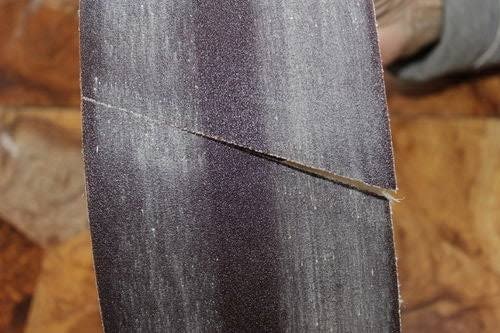
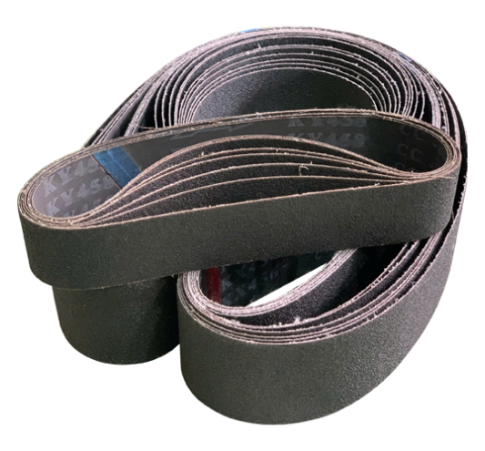
Sanding Belts Breaking
Also note when it broke. A belt that fails within seconds of starting has usually been weakened before it was ever fitted. One that lasts a while and then snaps under load is more often a problem with how the sander is being used.
Why Does My Belt Sander Keep Breaking Belts: The Usual Causes
Work through these in order. The first two are the most common, and they cost nothing to check.
Old Belts or Belts Stored in Damp Air
The joint is held together with glue, and that glue ages. The cloth or paper backing also takes in moisture from humid air and swells, a property called hygroscopy, which strains the joint. Belts that sat for years in a damp garage often look perfect and fail in seconds. If several belts from the same box break at the joint, suspect the box before the sander.
A Belt Running Backwards Against the Arrow
The ends of most belts overlap at the joint, and the arrow printed inside makes sure that overlap trails as the belt moves. Fit it the other way and the raised edge of the joint catches the work on every turn until it peels apart.
Too Much Tension or a Belt That Drifts to One Side
A belt that is too tight puts constant stress on the joint, and a belt that drifts rubs its edge against the housing until it tears. Check that the tension lever is fully engaged but not forced, and set the tracking so the belt runs centred on the rollers.
Heat From Pressing Too Hard
Leaning on a belt sander does not make it cut faster for long. It builds heat, and heat softens the glue at the joint. On metal, heat builds even faster. Let the weight of the machine do the work and lift off between long passes.
Thin Paper Belts Used on Heavy Work
Cheap belts often use a paper backing, which tears far more easily than cloth. Paper belts are fine for light finishing on wood. For flattening, paint stripping or any metal work, a cloth backed belt is worth the extra cost.
Belt That Is the Wrong Size for the Machine
A belt that is a little too short forces the tension lever to stretch it past its normal range, and one that is a little too long never gets enough grip and slips, heating the joint as it goes. Belts that look close enough in the shop often differ by half an inch or more. Check the size printed inside the belt against the size listed in the sander manual rather than trusting the old box.
Checking the Sander Itself
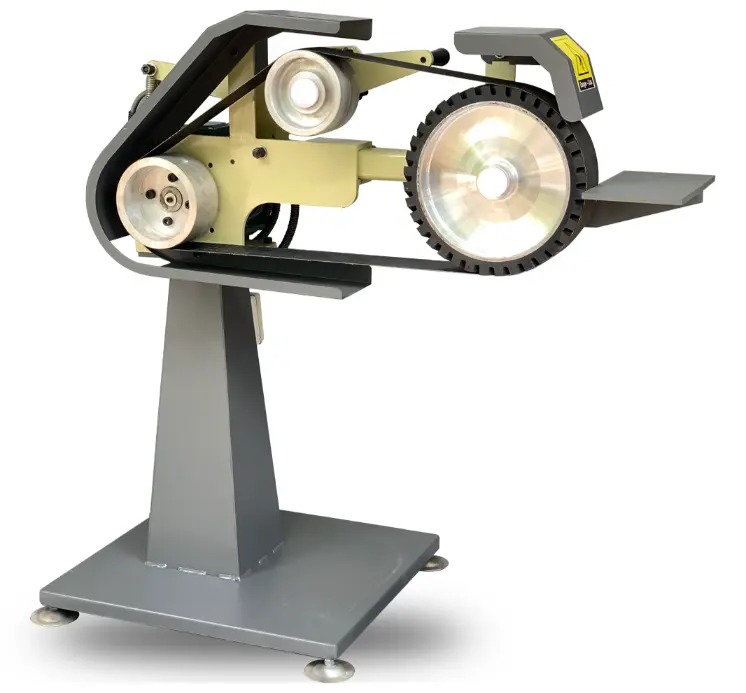
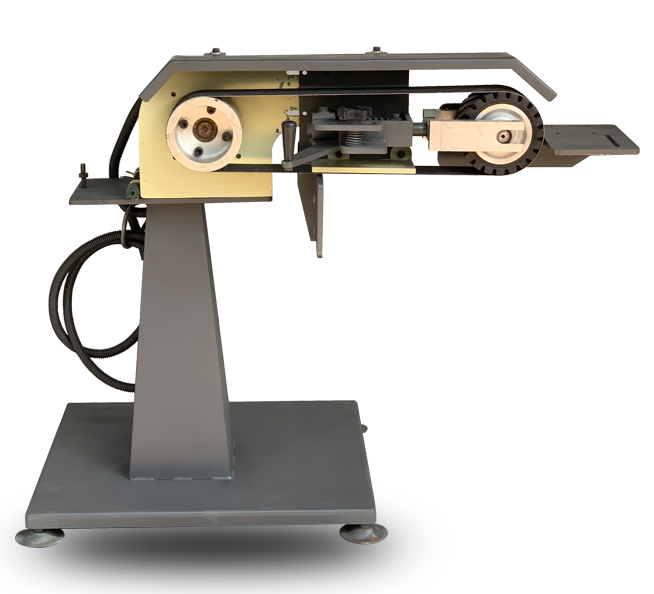
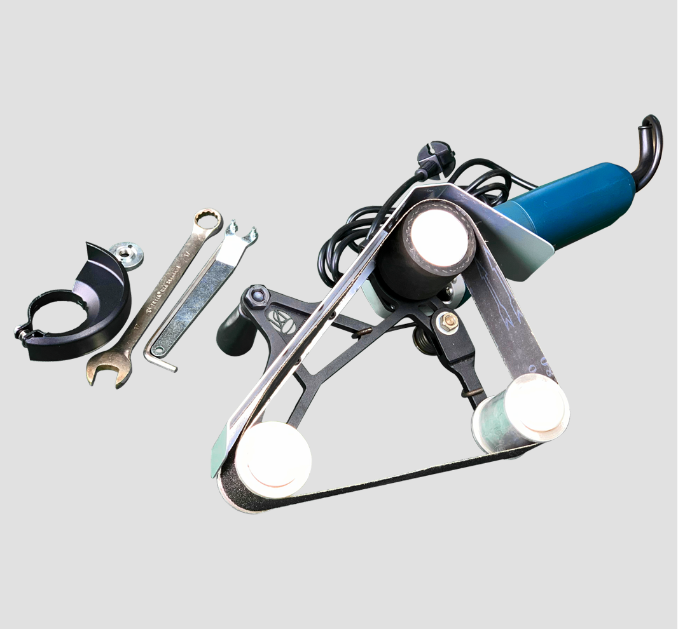
If fresh, correctly fitted belts still break, the machine may be the problem. Unplug it, remove the belt and look closely at the parts the belt touches.
Worn or Damaged Rollers
Rollers should be smooth and round. A roller with a flat spot, a groove worn into it or a bearing that wobbles makes the belt jerk and wander on every turn. Resin buildup has a similar effect, so clean the rollers before deciding they need replacing.
A Rough Plate or Sharp Edge Near the Belt
The flat plate behind the belt and the housing around it should have no burrs or sharp corners. A small nick in a guard or a worn pad on the plate can cut into the belt edge on every pass and start a tear. Replace a torn pad and smooth any sharp edge you find.
Stopping Belt Breakage on Factory Grinders
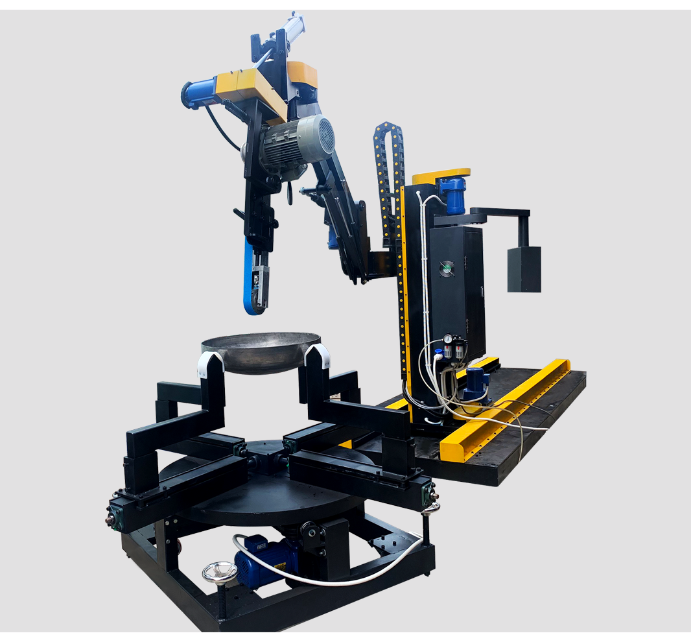
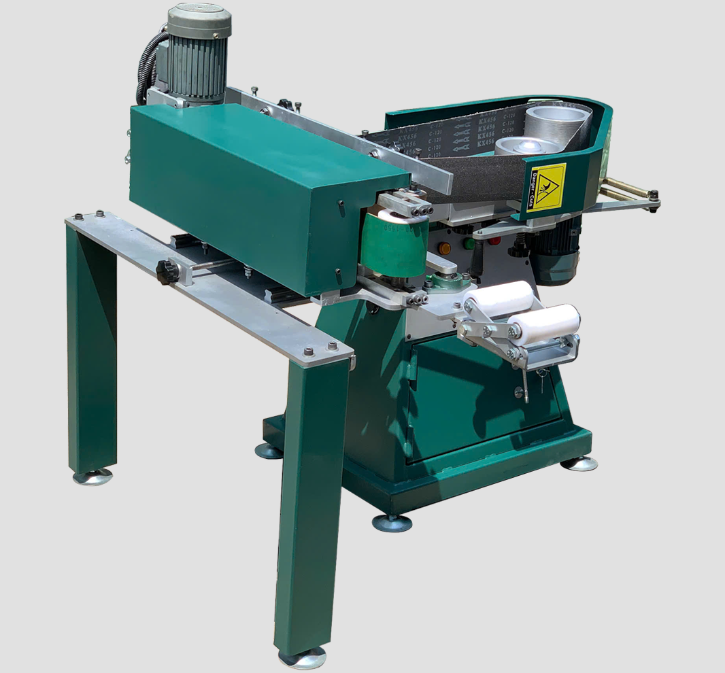
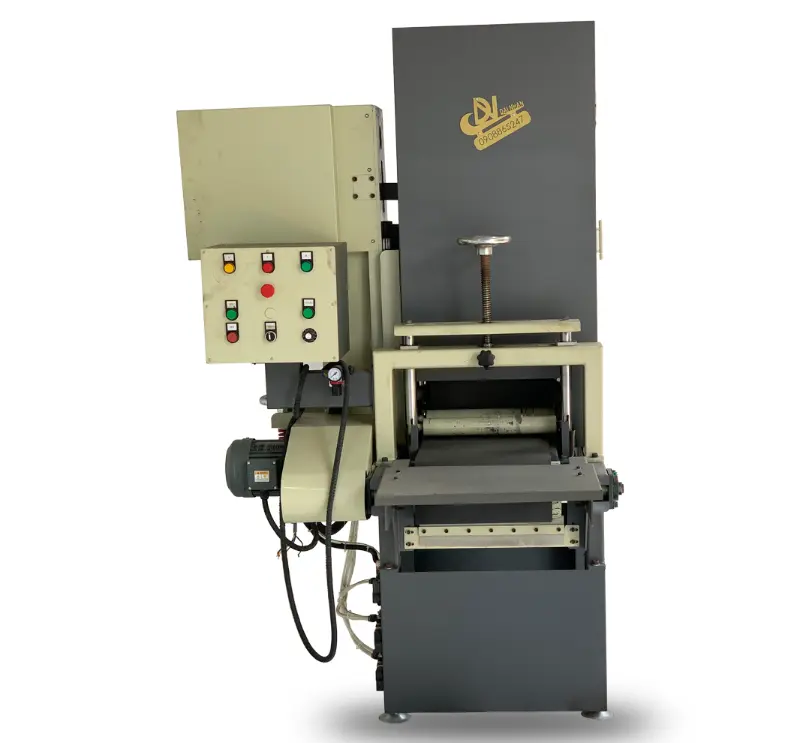
On production machines a broken belt costs more than the belt. It stops a station, and on long belts running at high speed it can be dangerous. Factories reduce breakage by buying cloth backed belts with a joint suited to the job, storing them in dry, cool conditions and using them in the order they arrived.
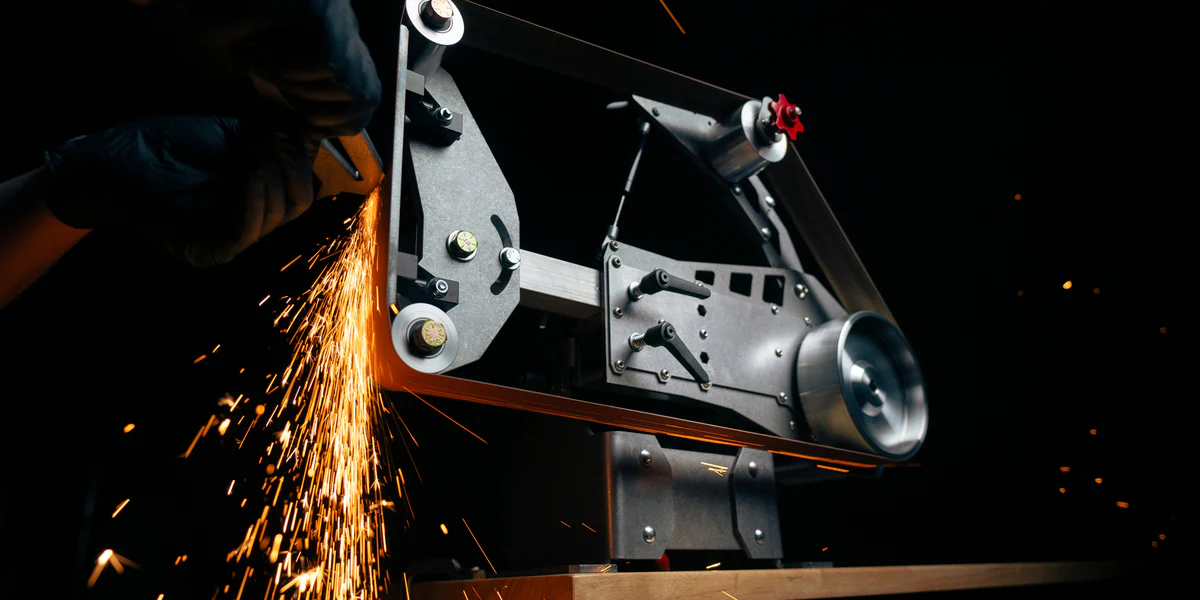
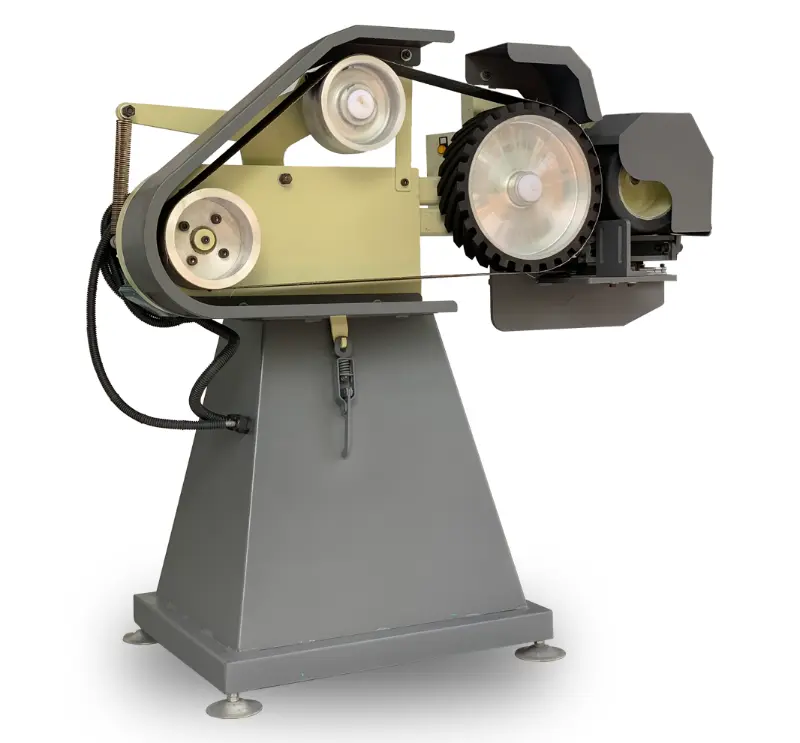
Industrial Belt Grinder
Most importantly, they match the belt to the machine. A long belt on an industrial belt grinder runs over several wheels and a tension arm, and a belt made even slightly off size or with the wrong backing will fail early no matter how carefully it is fitted. Storage matters just as much here as in a home workshop, and knowing how long do sanding belts last on the shelf helps set sensible order sizes.
Conclusion
So why does my belt sander keep breaking belts? Start with the belt. A clean split at the joint usually means old or damp stock, a belt fitted against its arrow, or heat from pressing too hard. A tear from the edge points to tension or tracking. If fresh belts still break, check the rollers, the plate and the housing for damage. A belt that is the wrong size for the machine is worth ruling out too. Match the size and backing to the job, store belts dry and let the machine do the work, and most breakage disappears.
For production lines that cannot afford a broken belt mid shift, Dai Nhan Machinery makes custom sanding belts in Vietnam sized and backed for each machine, alongside the industrial belt grinders that run them. See our custom made sanding belts on Our Machines page, or tell us your belt size and how often belts break and we will recommend a belt that holds up.
Read more: How to Measure Sanding Belts: Width, Length, Grit and the Numbers Printed Inside


BOLA BAG's BLOG YOU MAY ALSO BE INTERESTED IN
How to Measure Sanding Belts: Width, Length, Grit and the Numbers Printed Inside
Partnering with Dai Nhan OEM Engineering for the Industrial Belt Sander Machine
What Belt Sander for Knife Making? How to Choose Between 1×30, 2×42 and 2×72 Machines